emailNeed to contact me and don't have my email? Click on email button.
About eWillys
Welcome to eWillys.com, a website for vintage jeep enthusiasts. I update this website nearly every day with jeep deals, jeep history, interesting reader projects, jeep related info, and more.
These quick searches can help you find things on eBay. People list in the wrong categories all the time, so don't be surprised to see brochures in the parts area for example. This section used to be split into jeeps, parts and other categories, but recent changes to eBay will require this information to be recoded.
The links to posts below show jeeps grouped by models, condition, and other ways. Some of these jeeps are for sale and others have been sold. If you are unsure whether a vehicle is still for sale or not, email me at d [at] ewillys.com for more info.
Importantly, the allure of buying a project jeep can be romantic. The reality of restoring a jeep can be quite different, expensive and overwhelming without the right tools and resources. So, tread carefully when purchasing a "project". If you have any concerns about buying a vintage jeep, or run across a scam, feel free to contact me for help, comments or concerns .
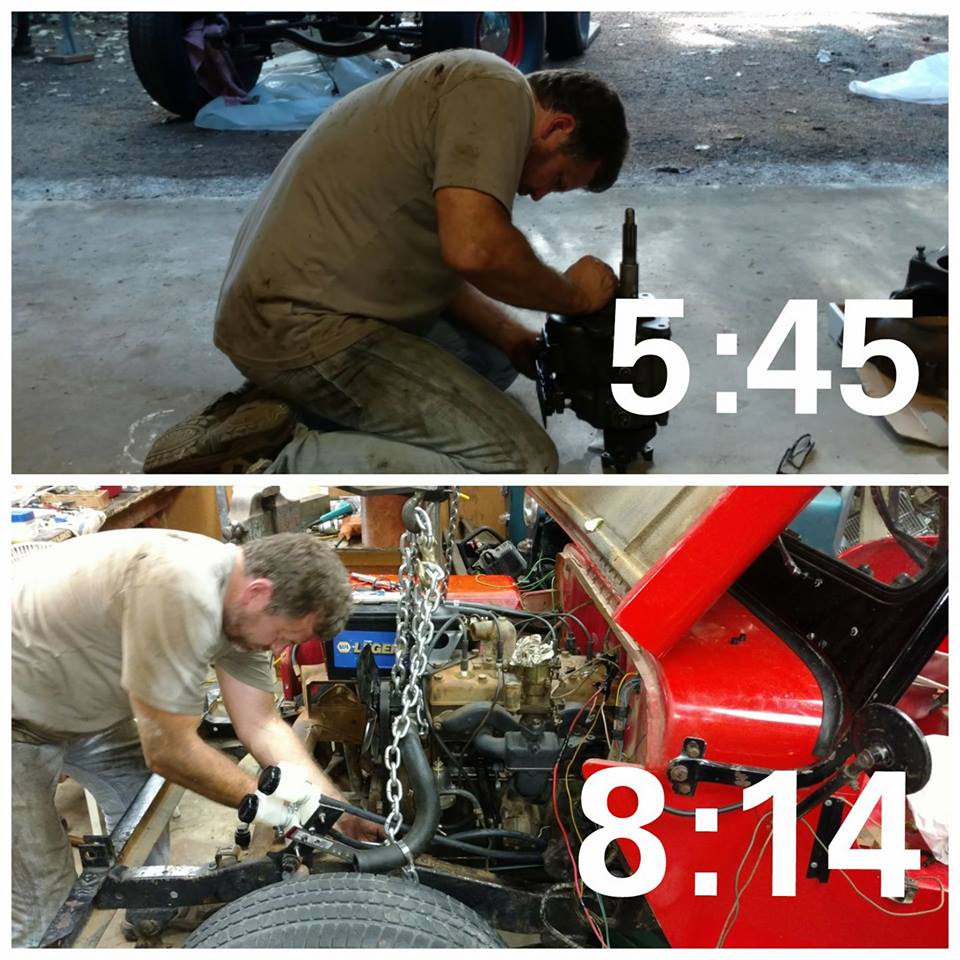
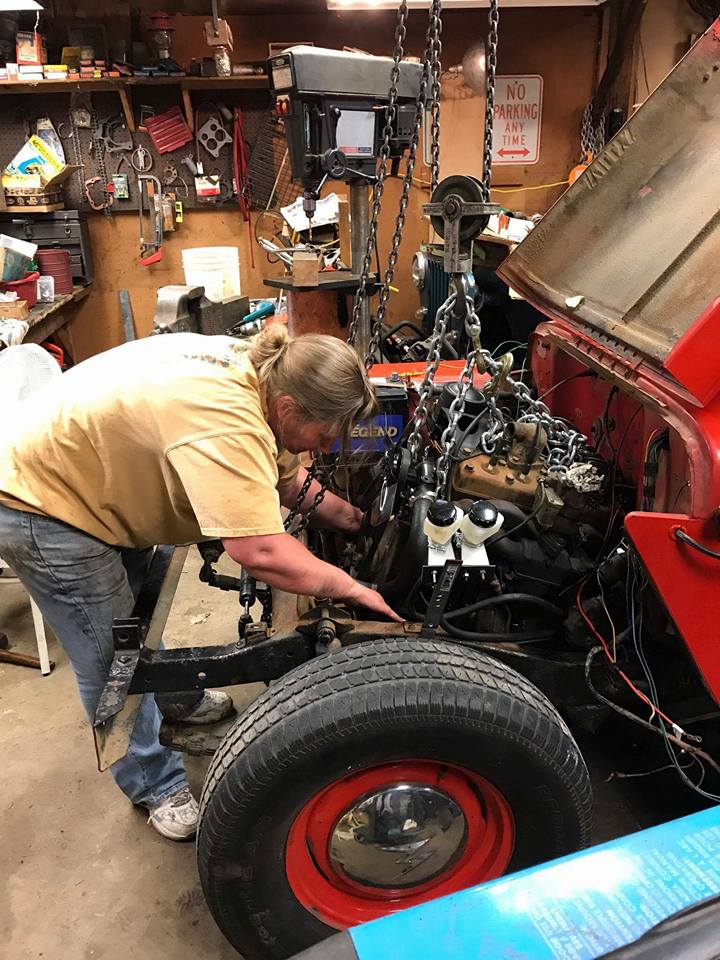
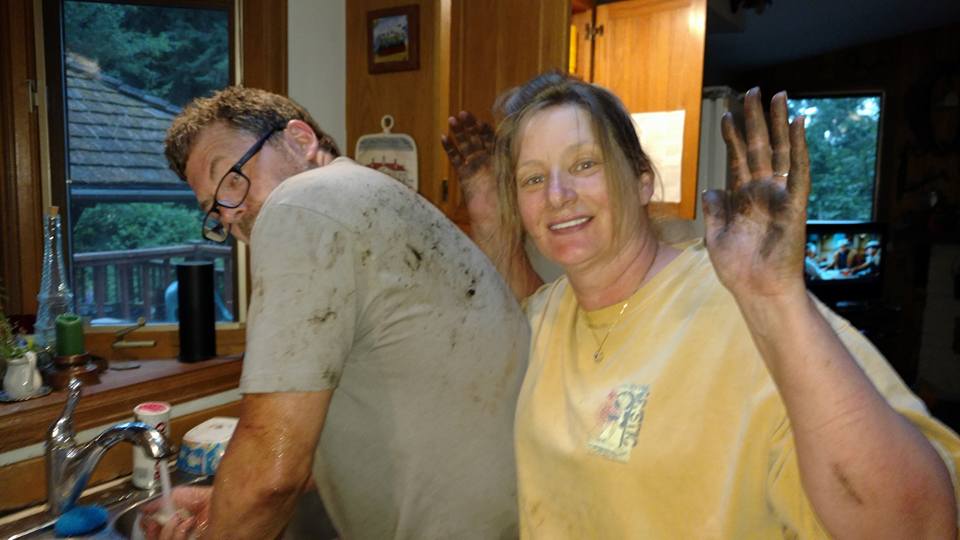
My wife spent her second-birthday helping me in the garage (The 25th of June is the day of her bombing .. she says it was like a whole new life after that). She’s a great help; she does any task asked without complaint. I couldn’t ask for a better co-mechanic!
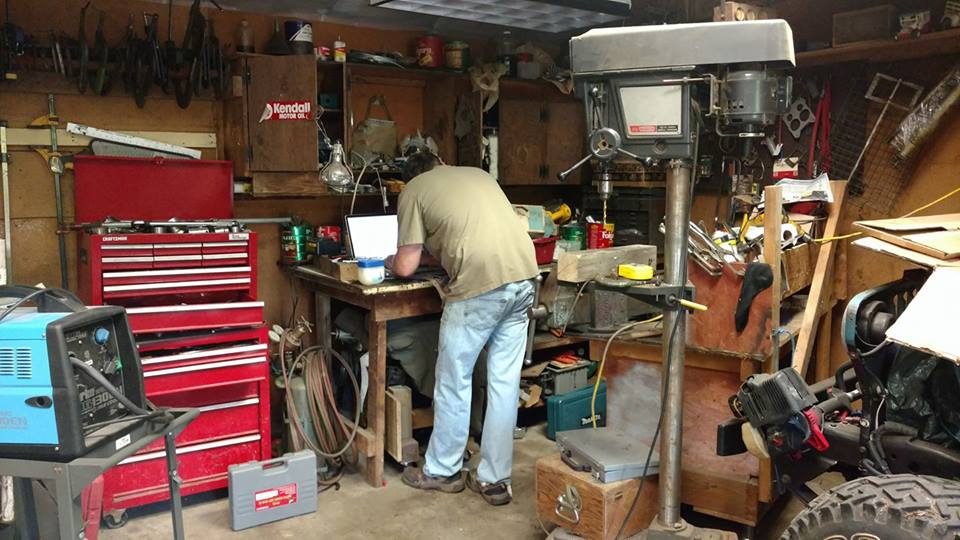
It’s late, so I’ll make this short. We made good progress today. We installed the vacuum holding tank, installed the passenger seat, bled the brakes, rewired some of the frayed wires, connected the transmission and engine, and slid the power train back into place. Now we just have to re attached some wires, hoses, and tighten a few things and we’ll get to test it. Here are a few
pics:
It’s hard to leave the computer, even in the garage!
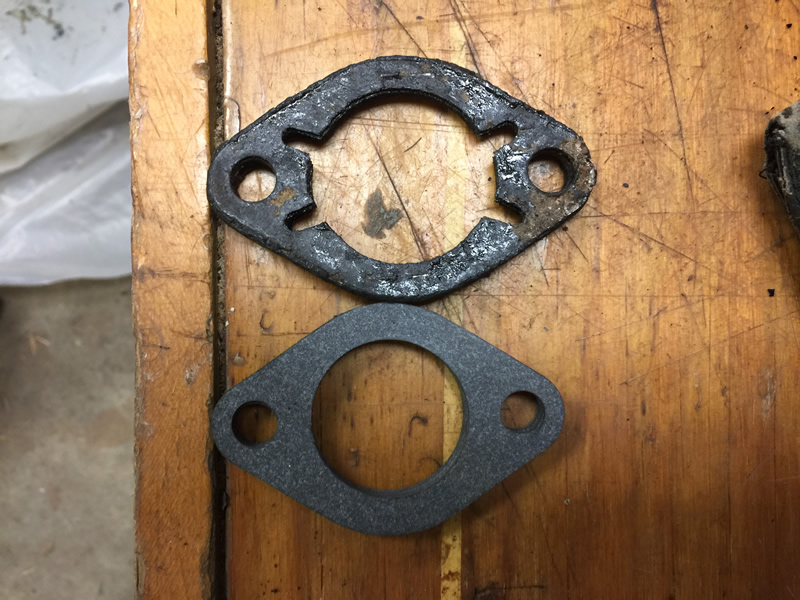
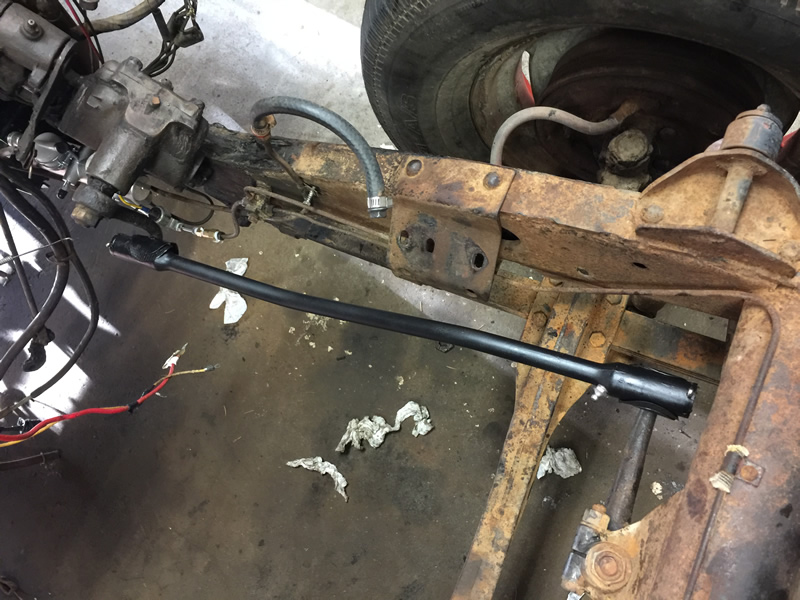
A couple things confused me today. In this first example, we have at top the original gasket between the intake manifold and carb. On the bottom is the replacement gasket included in a rebuild kit. As you can see, it won’t work. Is the DJ-3A intake that unique? I know it uses a Carter YF 2392, so that’s unique.
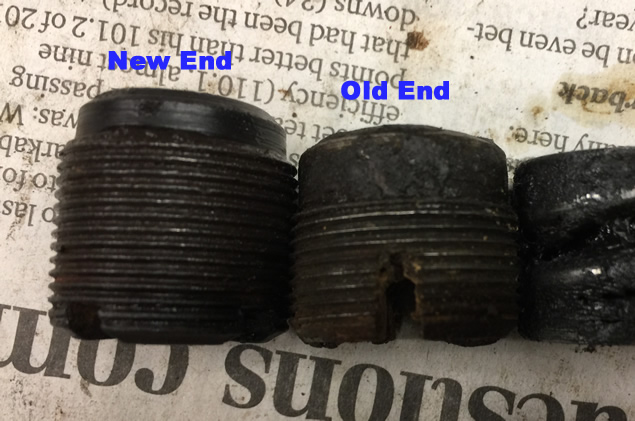
Next up, the ends for the dragline. On the left is the new end and on the right the old one. The new one is taller and has shallower slots for installing it. The old end is shorter and has much deeper slots (those deeper slots are really helpful) . Anyone know why these are so different? Between the longer end and longer springs, I couldn’t put all the parts together around the bell crank arm (and I tried). In the end I was forced to use some old and some new parts.
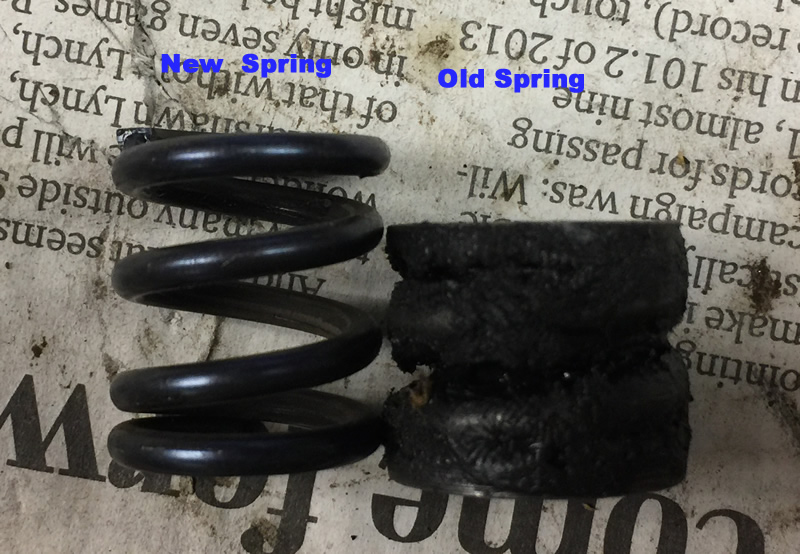
Note the difference in the spring heights. Try as I might, I could not compress the spring enough to install an end. I changed to the old end.
Once I used some of the old parts, I was able to get the draglink installed.
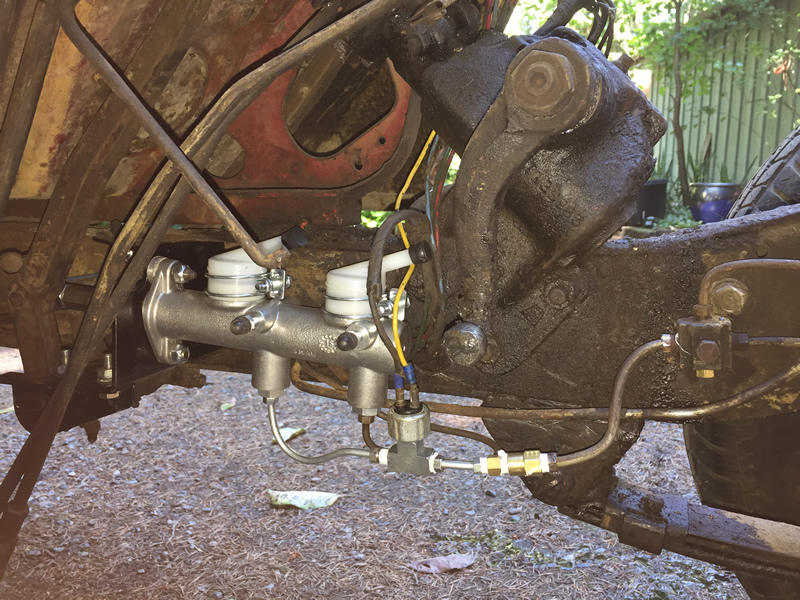
I also installed the dual master cylinder. The rear brake line connected perfectly. I just had to add one bend. The front brake lines were a big problem. You’d think trying to locate an 3/16-1/4 adapter would be easy, but it turned into multiple trips to the auto store, where I hunted for the right sizes with the right threads. The staffs at two different auto stores were not useful (nice, but not helpful). So, this will work for now, but I’d like to get the proper adapter and remove the connectors and line on the right side.
Sunday morning we’ll 1) bleed the brakes and then, if all goes well with that, 2) replace the front springs and then 3) drop in the engine.
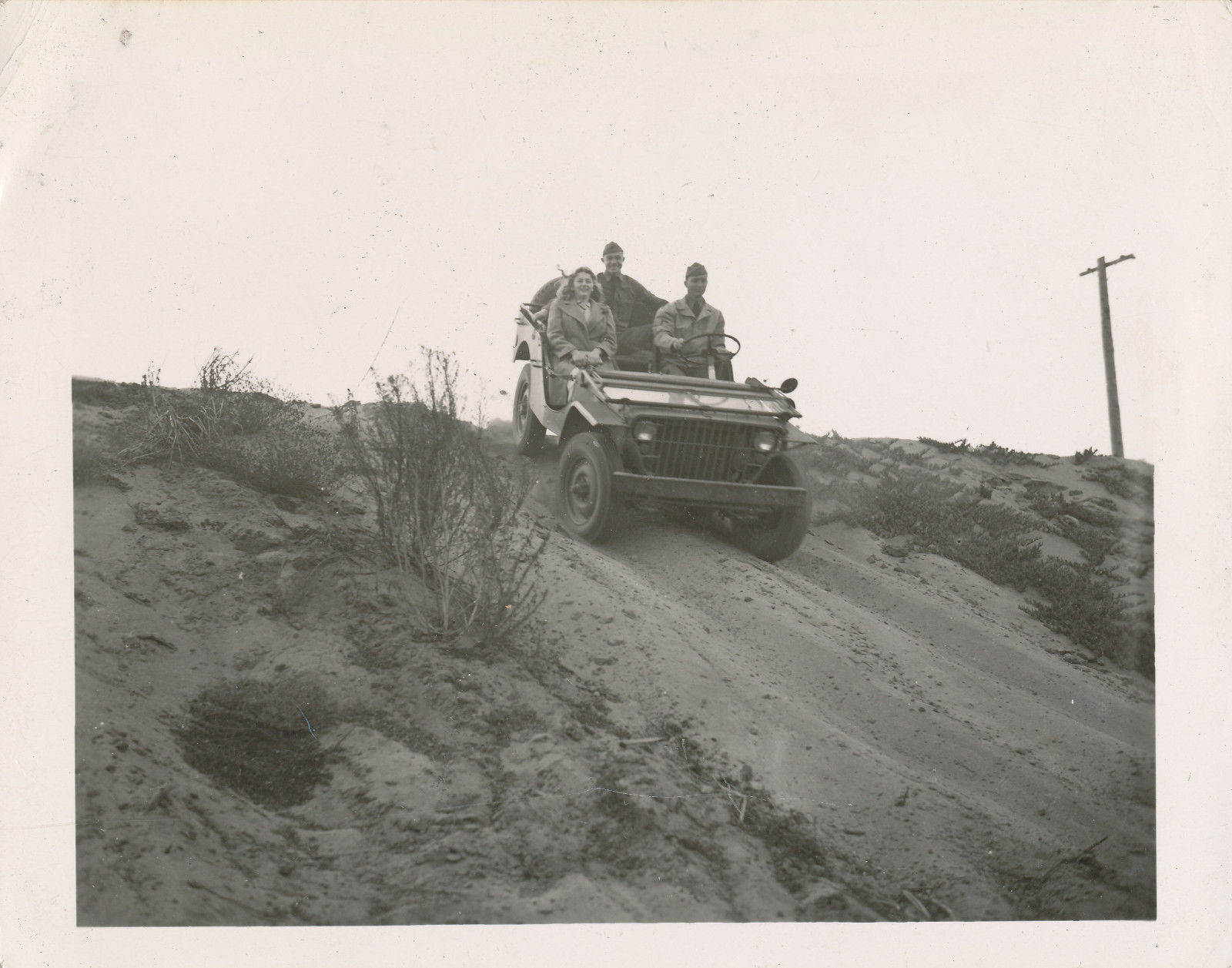
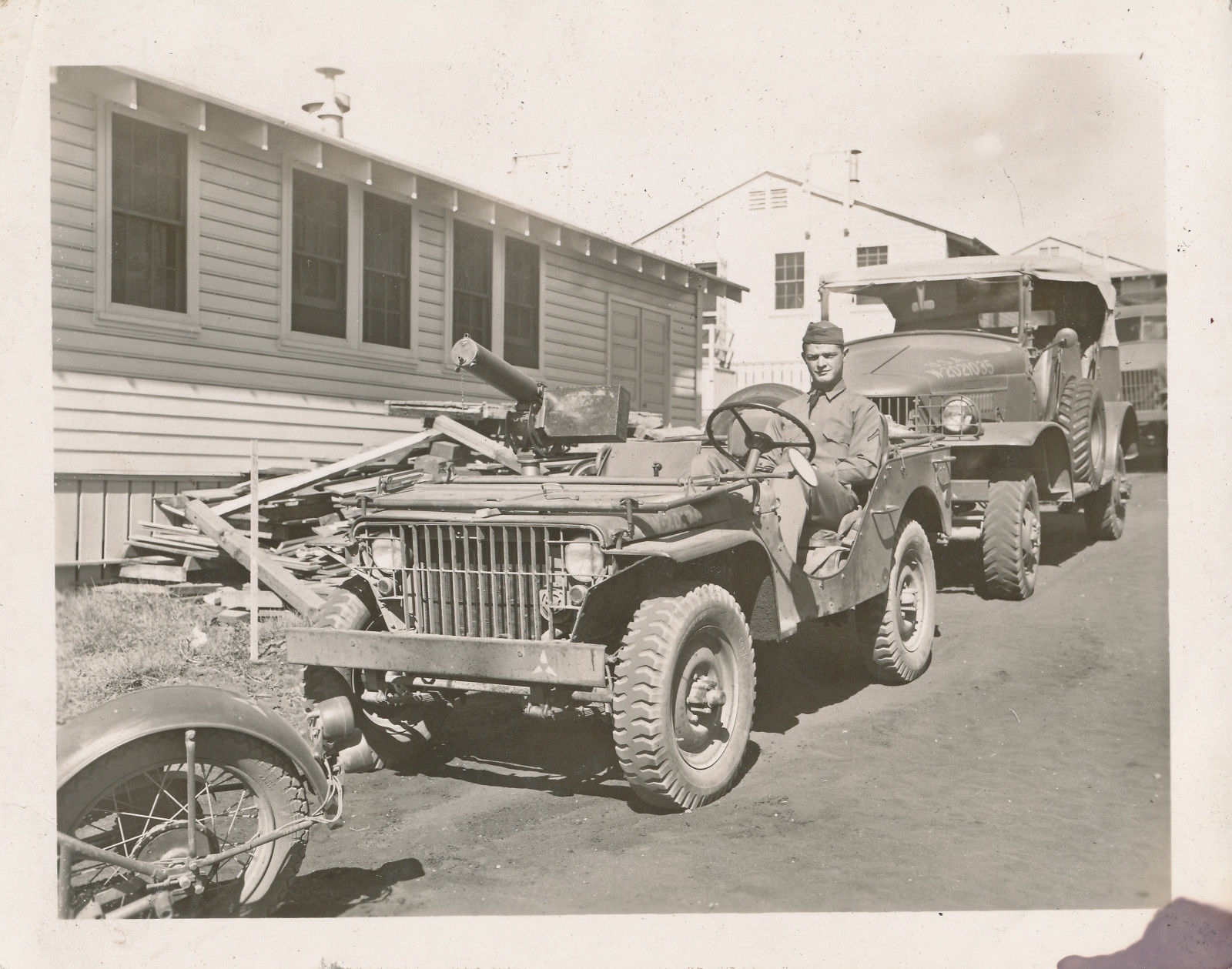
“1940s WWII Photo from another unnamed US Army soldiers photo album. Most appear to be at a unknown California army base before heading to the Pacific Theater of Operation. Nothing written on backs nor in album so no other info available.”
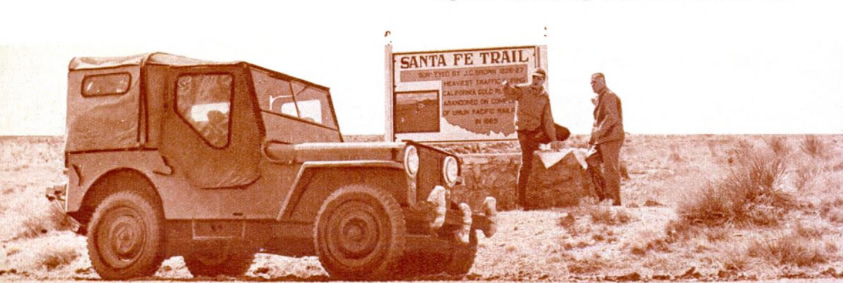
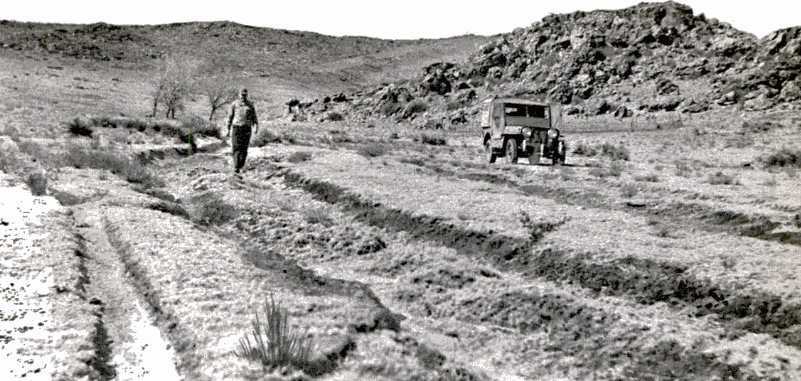
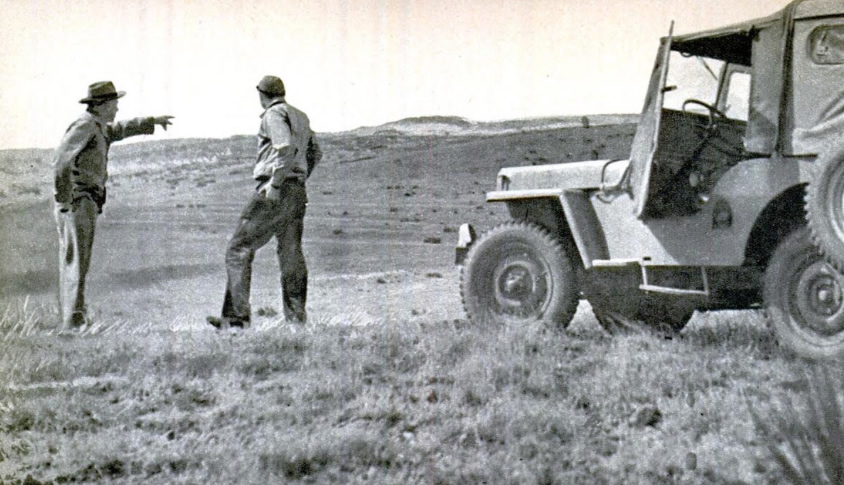
The January 1950 issue of Popular Mechanics featured a story about airline pilot Heath Proctor and his trip by CJ-2A along the Old Santa Fe Trail. I’ve included a few pics below. I’m not sure what’s on the front bumper? Are those push bumpers?
“1940s WWII Photo from another unnamed US Army soldiers photo album. Most appear to be at a unknown California army base before heading to the Pacific Theater of Operation. Nothing written on backs nor in album so no other info available.”
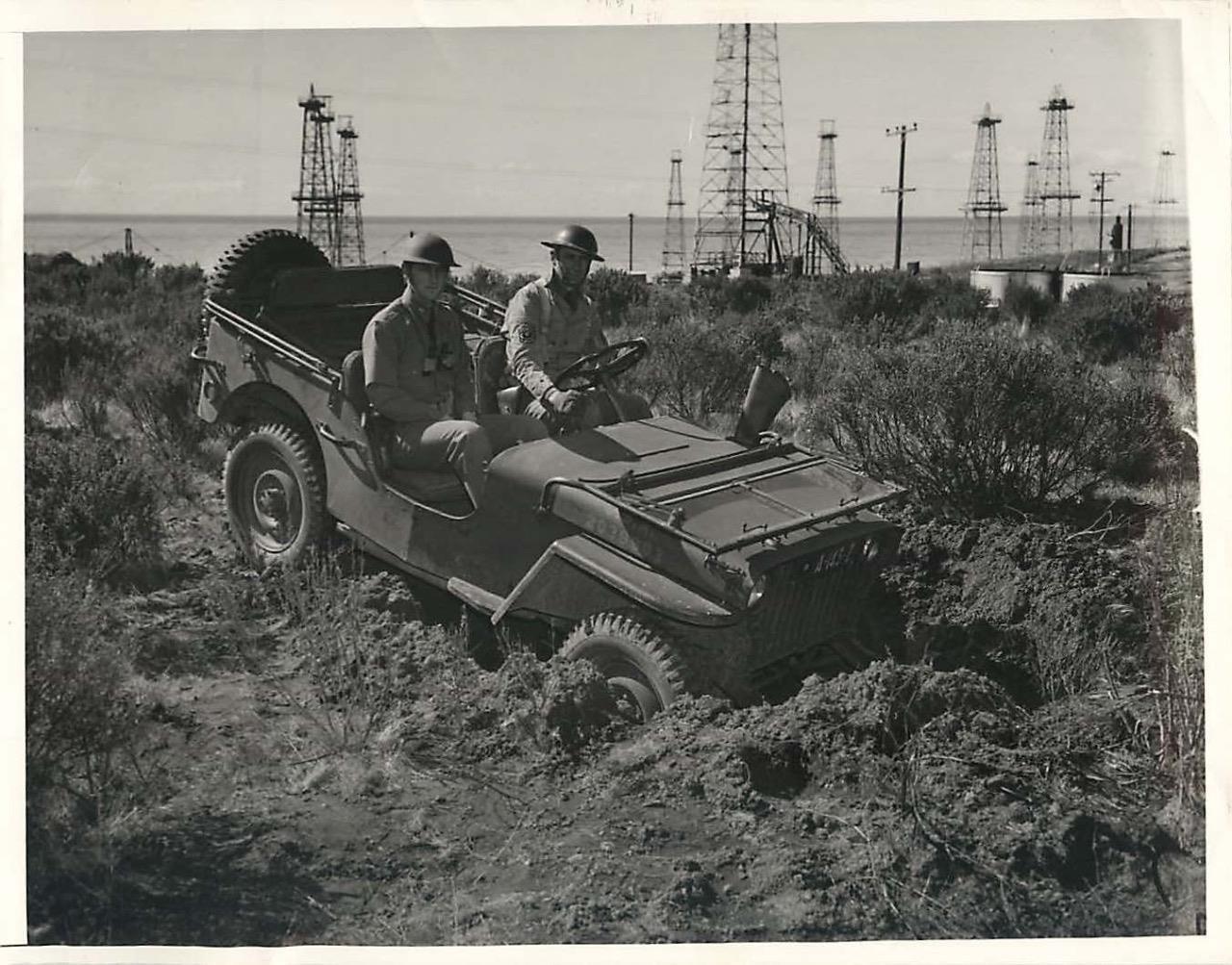
“1942- U.S. soldiers ride a jeep into a shell hole from one of the shots fired by Japanese submarine I-17 at the seaside refining facilities of the Elwood oil fields near Santa Barbara, California on February 23.”
Someone on Facebook the other day claimed that DJ-3As were made from surplus parts. As with any model during those years, there were some DJ parts used on other models. But, as with other models, there are parts unique to the DJ-3A and I’m learning more about them daily, one part at a time.
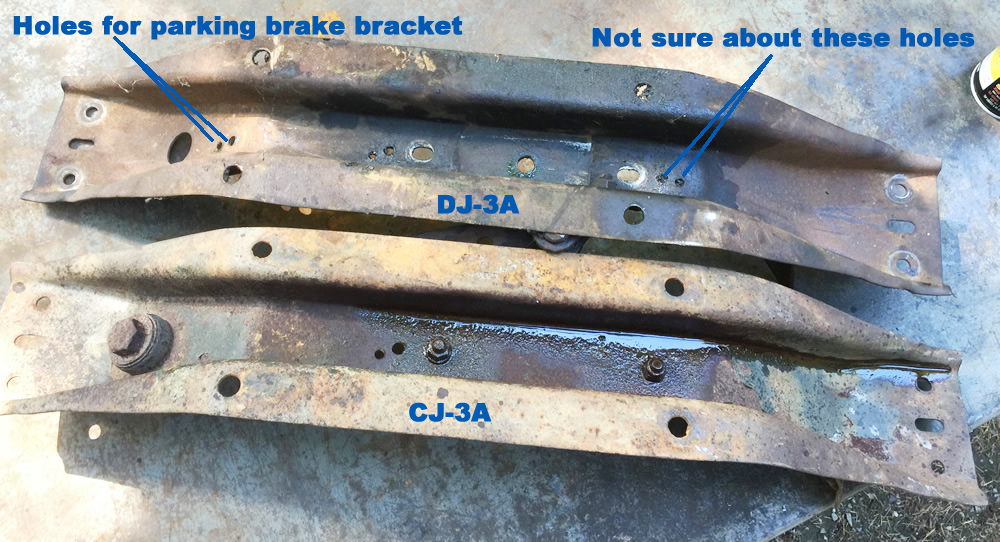
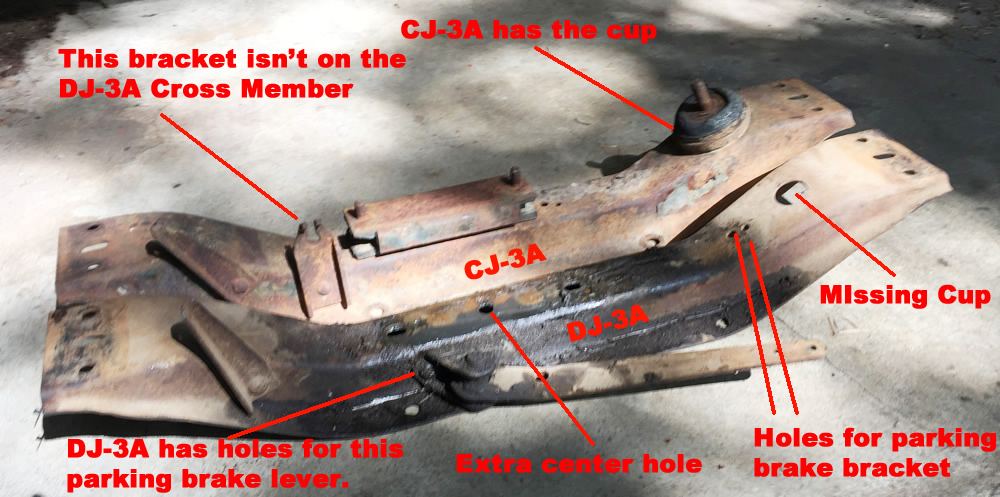
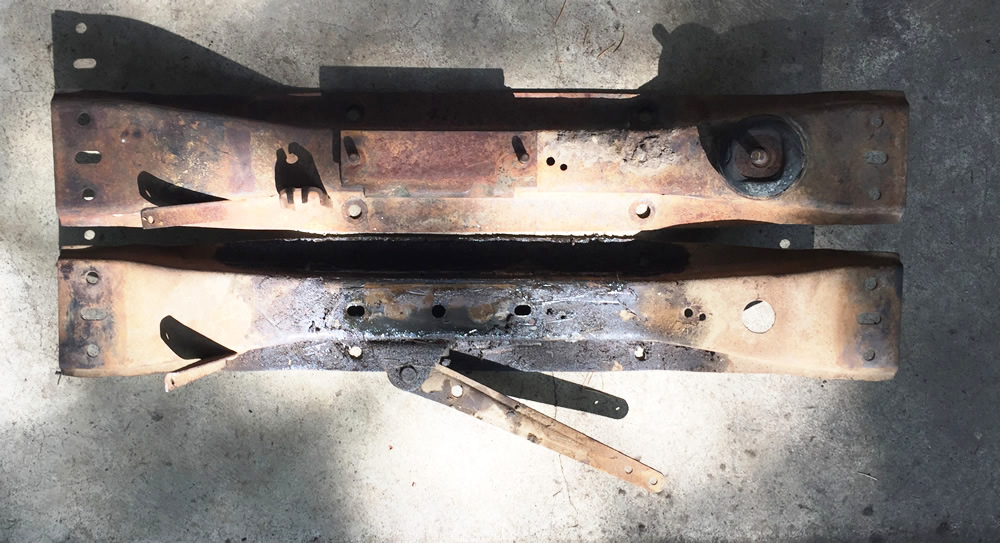
Today I spent time working on the transmission crossmember. Because finding a DJ-3A crossmember was near impossible (and since Rusty did not have a normal crossmember), I got a CJ-3A crossmember from Chris McKay for Rusty. But, I’ve decided to use the stock DJ-3A crossmember off of Patterson on Rusty and keep that jeep as stock as possible, and DJ-3A-matize the 3A crossmember for Patterson. Here are a couple pics:
So, to make the CJ crossmember a DJ unit, I will have to remove the transfercase cup and drill several holes.
Unfortunately, as I disassembled Patterson’s crossmember I ran into a couple problems with the rubberized mount for the transmission. Here’s a look at what I pulled off of Patterson. Note how narrow the two holes are for mounting the rubber piece to the transmission (too narrow for a standard T-90 mount:
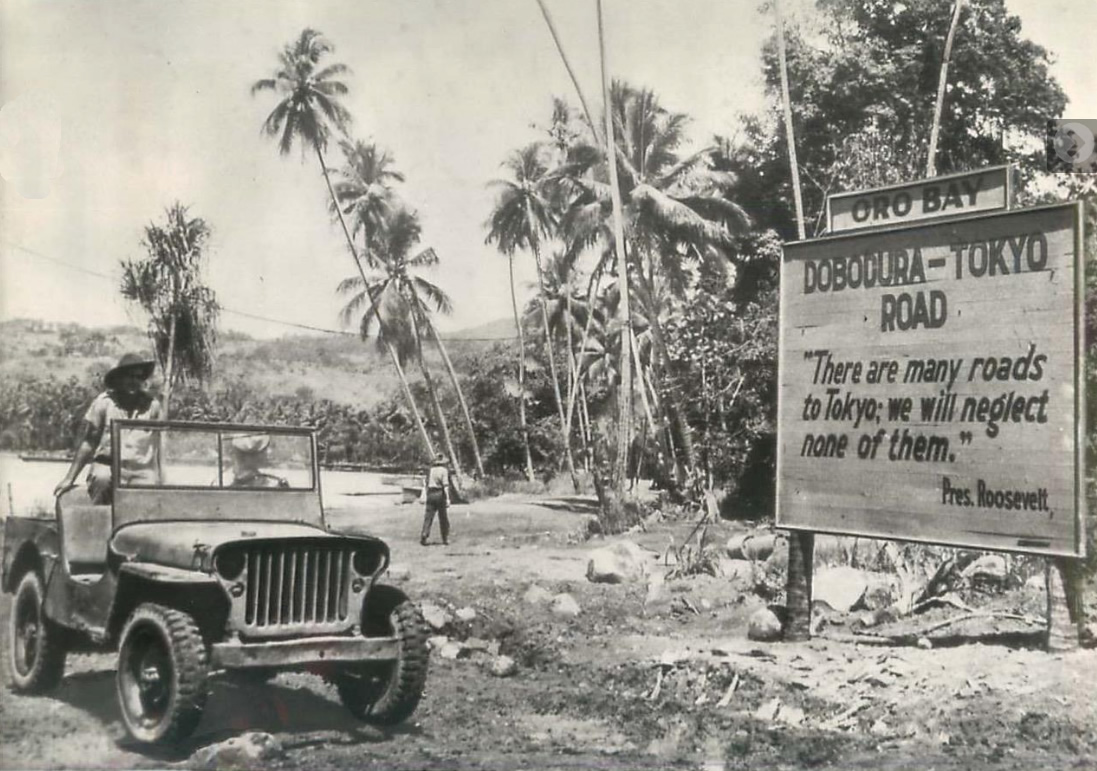
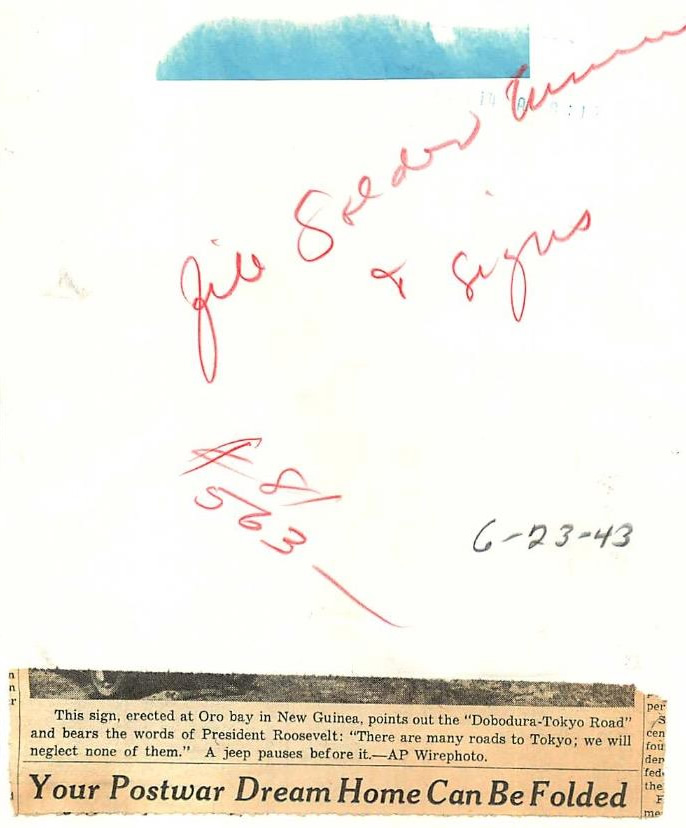
“1943- Jeep pause beside sign erected at Oro Bay in New Guinea that points out the “Dobodura-Tokyo Road” and bears the words of President Roosevelt: “There are many roads to Tokyo: we will neglect none of them.” Photo measures approx. 7″ x 9 3/4″
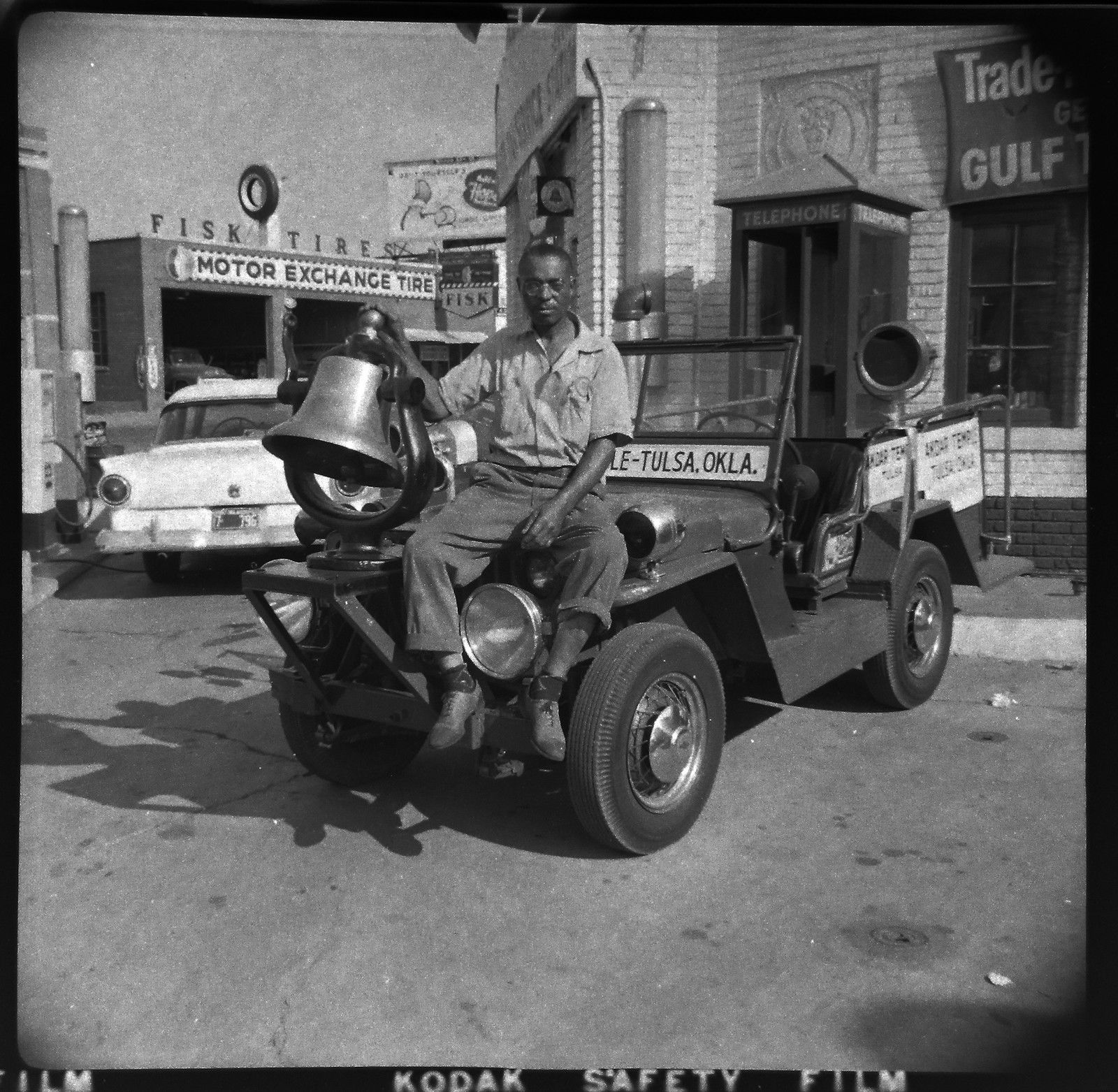
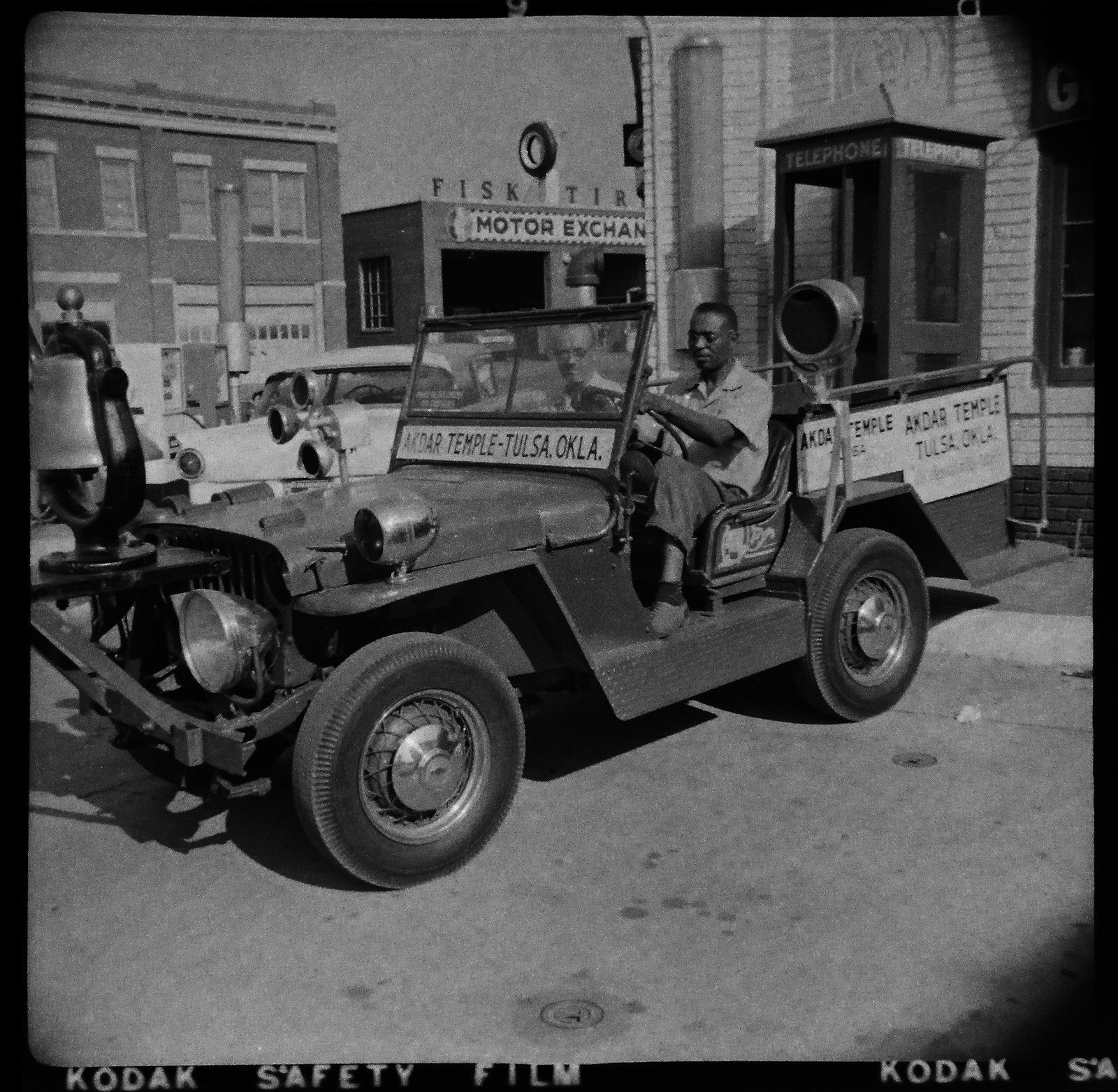
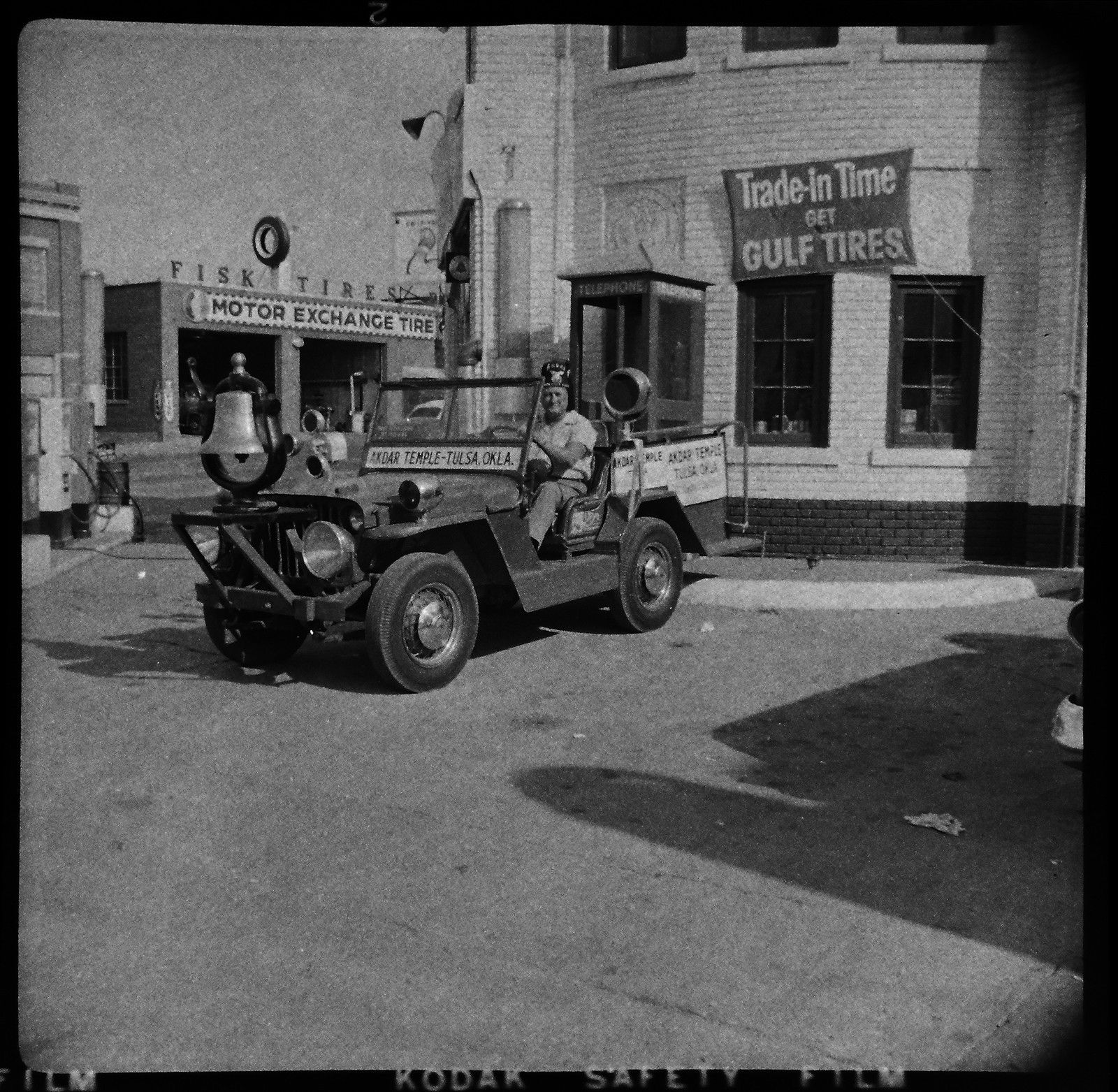
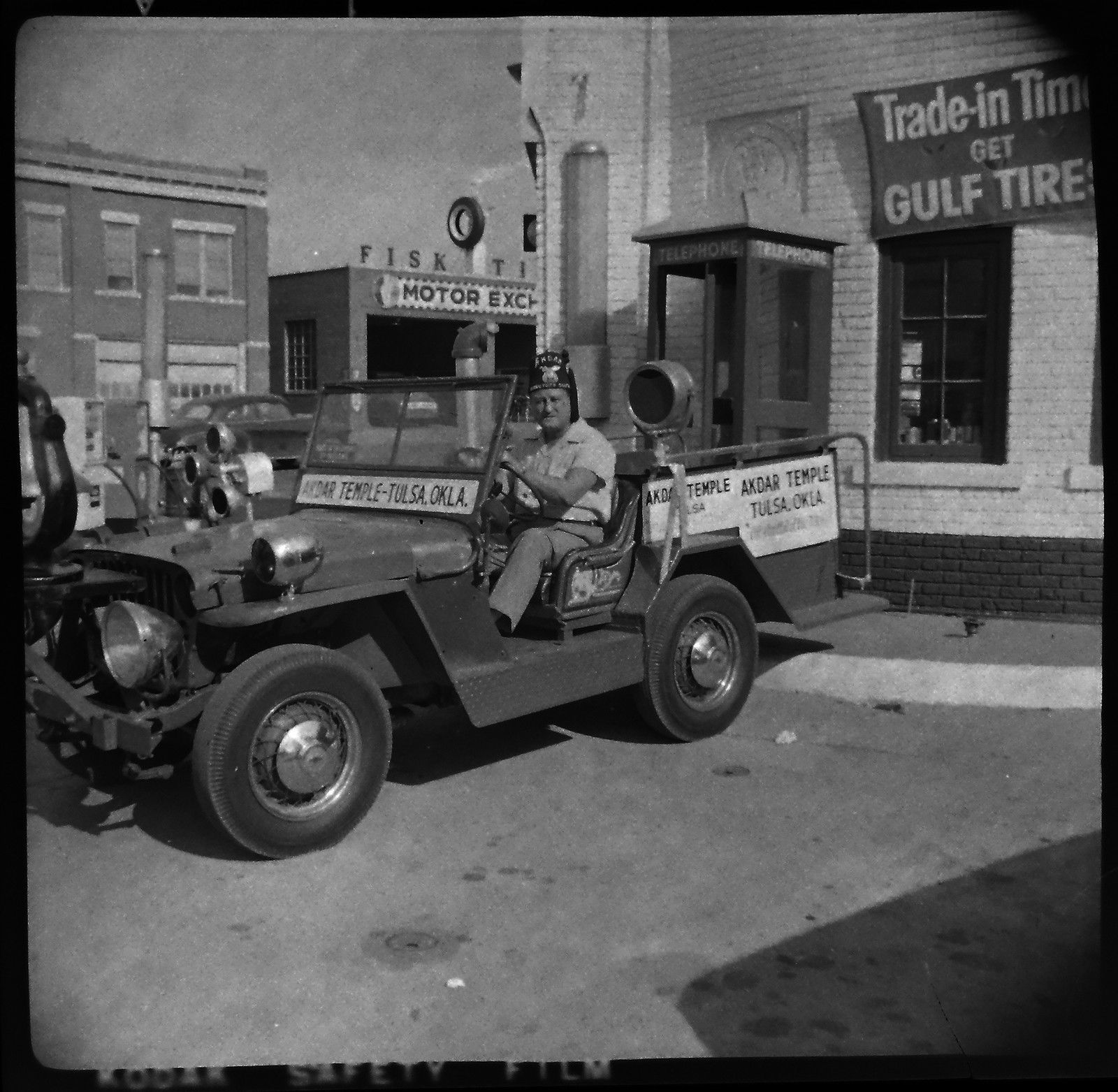
There are four different 2×2 negatives of this jeep from similar angles.
“Original Photo Negative from the Tulsa, OK area from the 1950’s. There was no information about the photographer, I figured out the location and era based on information in the images of the set I am listing together (Car tags and signs and recognizable landmarks) I have “inverted” the image, so you can see what a print will look like. The quality is fair to good, having some graininess. This is a good quality, albeit amateur image.”