These brochures are part of an early Ramsey booklet of brochures.
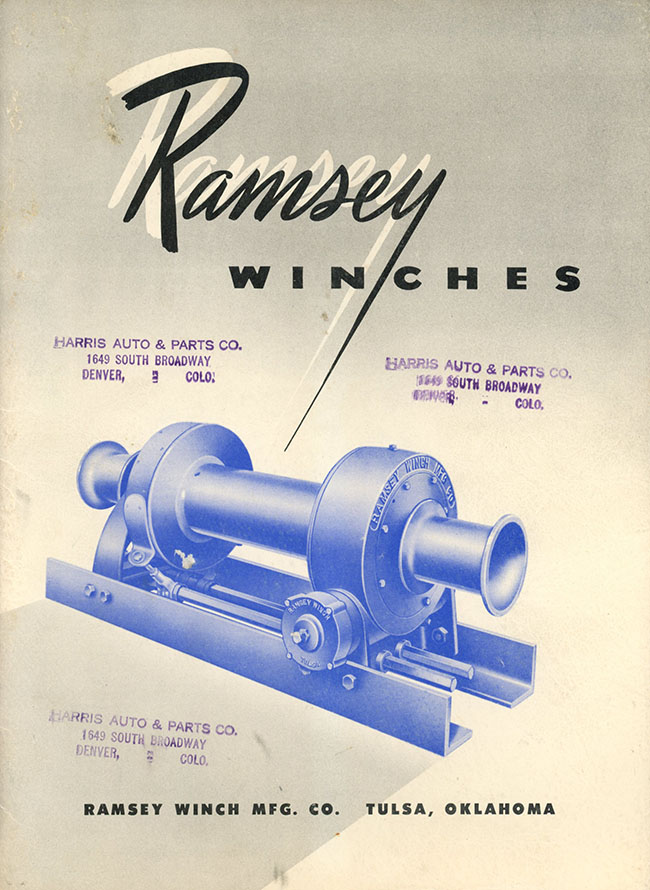
This is Ramsey Bulletin 108-A, Underslung Model 200 winch:
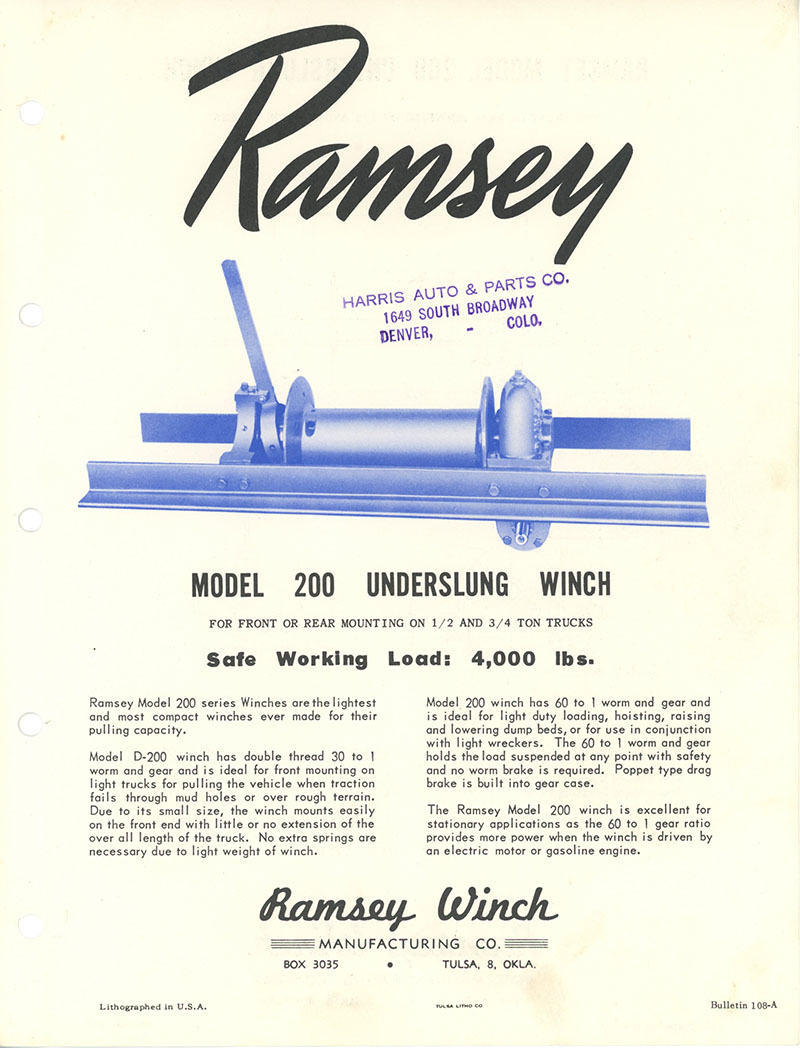
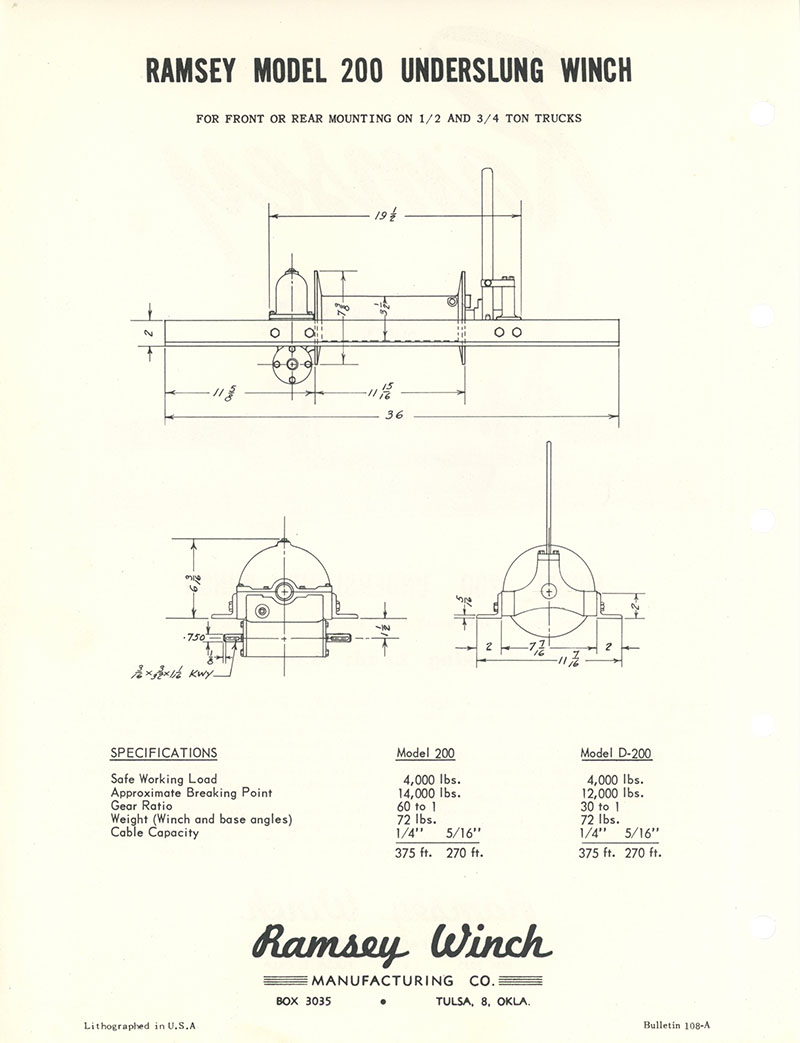
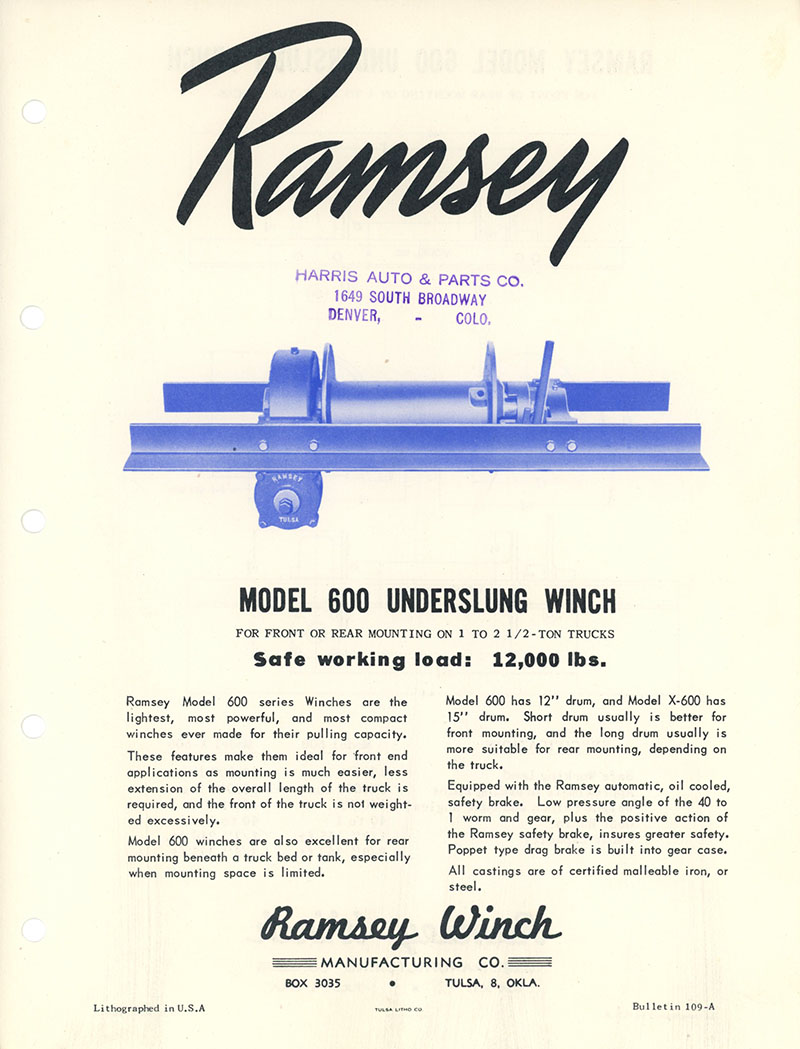
This is Ramsey Bulletin 109-A, Underslung Model 600 winch:
emailNeed to contact me and don't have my email? Click on email button.
Welcome to eWillys.com, a website for vintage jeep enthusiasts. I update this website nearly every day with jeep deals, jeep history, interesting reader projects, jeep related info, and more.
These quick searches can help you find things on eBay. People list in the wrong categories all the time, so don't be surprised to see brochures in the parts area for example. This section used to be split into jeeps, parts and other categories, but recent changes to eBay will require this information to be recoded.
The links to posts below show jeeps grouped by models, condition, and other ways. Some of these jeeps are for sale and others have been sold. If you are unsure whether a vehicle is still for sale or not, email me at d [at] ewillys.com for more info.
There are plenty of interesting, unusual, historic and surprising stories related to Jeeps and their owners. In addition, some of these features have nothing to do with jeeps. This link will display all featured stories starting from the latest.
Looking for parts and not sure where to go? There are a variety of large and small new and used parts sellers both online and offline.
Importantly, the allure of buying a project jeep can be romantic. The reality of restoring a jeep can be quite different, expensive and overwhelming without the right tools and resources. So, tread carefully when purchasing a "project". If you have any concerns about buying a vintage jeep, or run across a scam, feel free to contact me for help, comments or concerns .
These brochures are part of an early Ramsey booklet of brochures.
This is Ramsey Bulletin 108-A, Underslung Model 200 winch:
This is Ramsey Bulletin 109-A, Underslung Model 600 winch:
UPDATE: There’s another of these brochures on eBay for $44.95 (plus $4.68 shipping).
View all the information on ebay
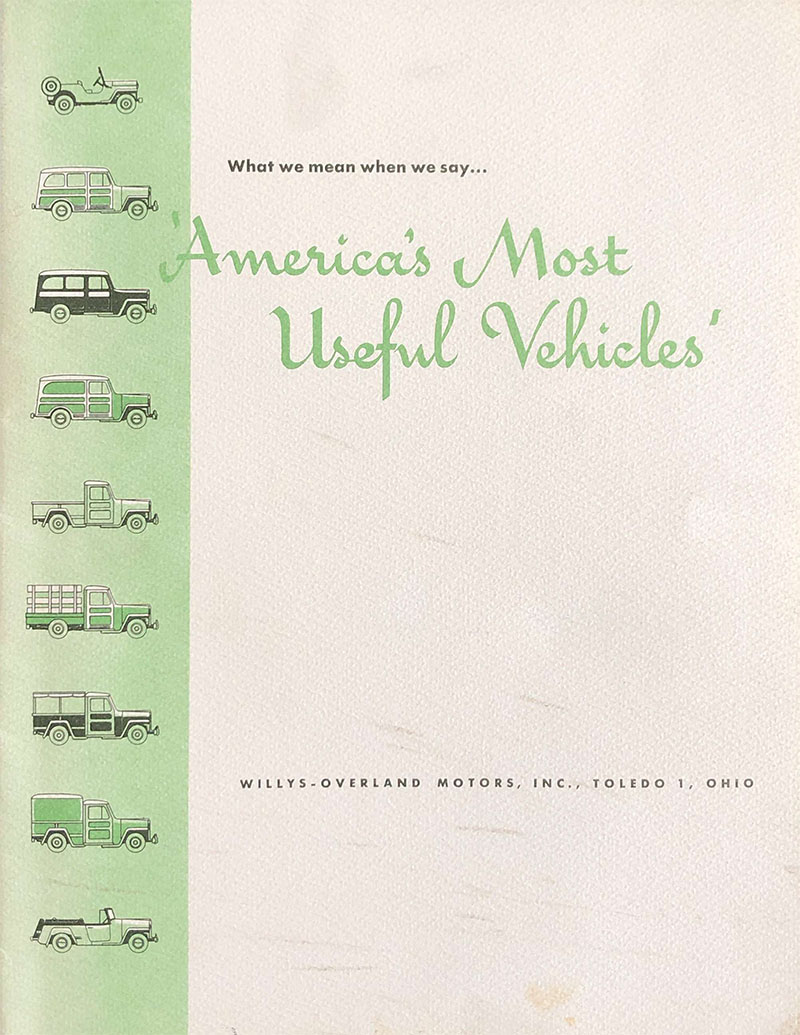
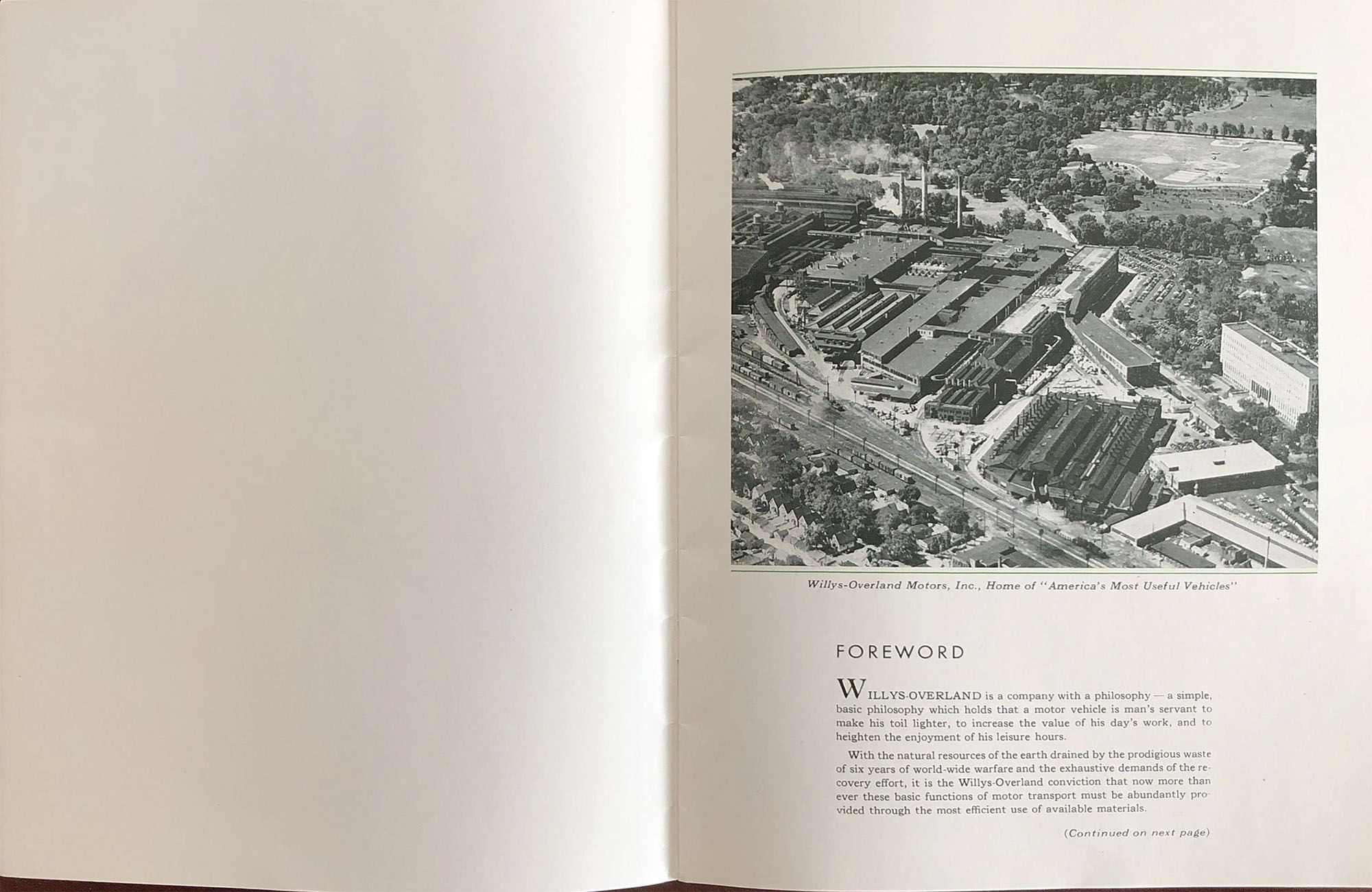
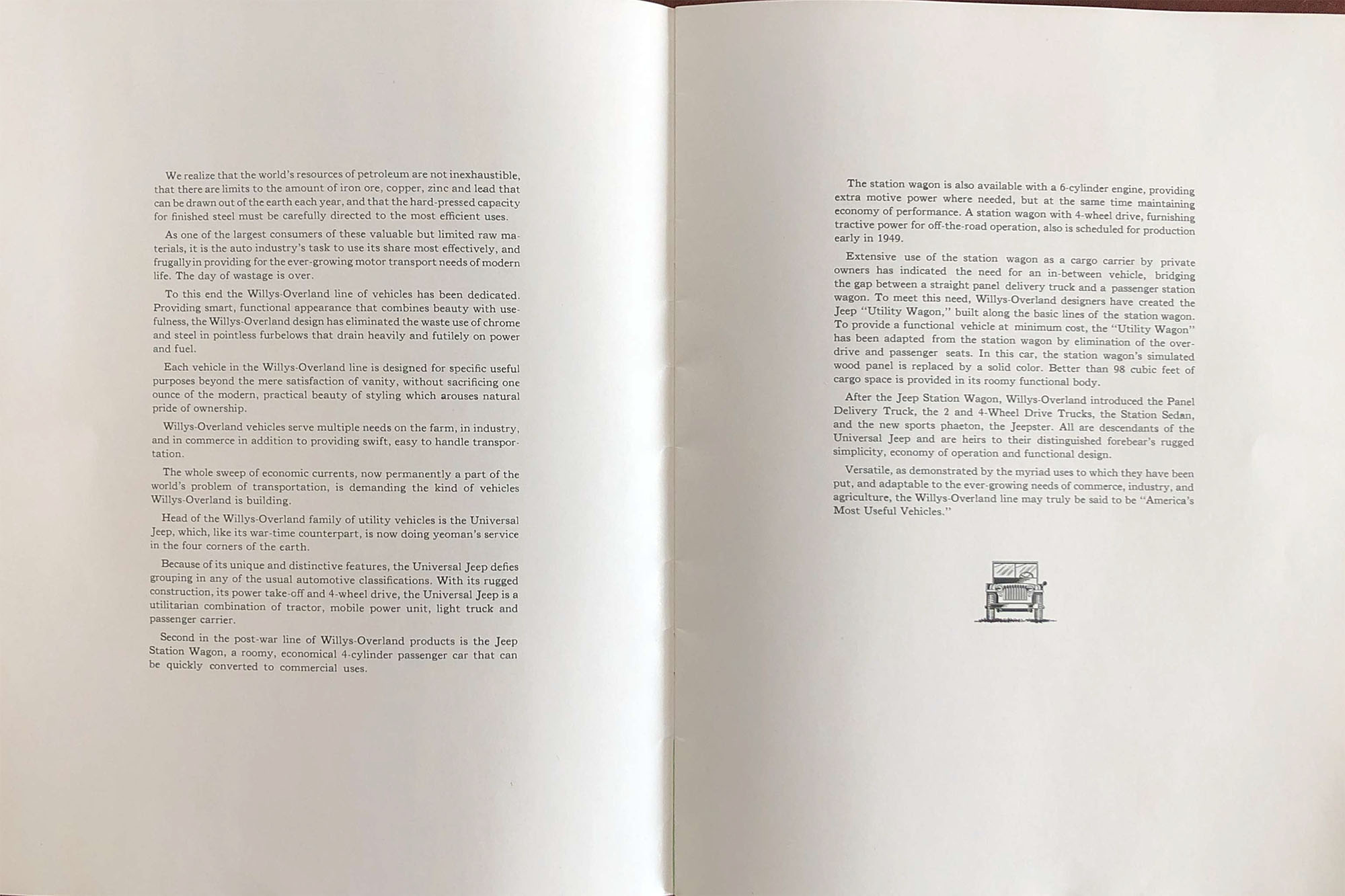
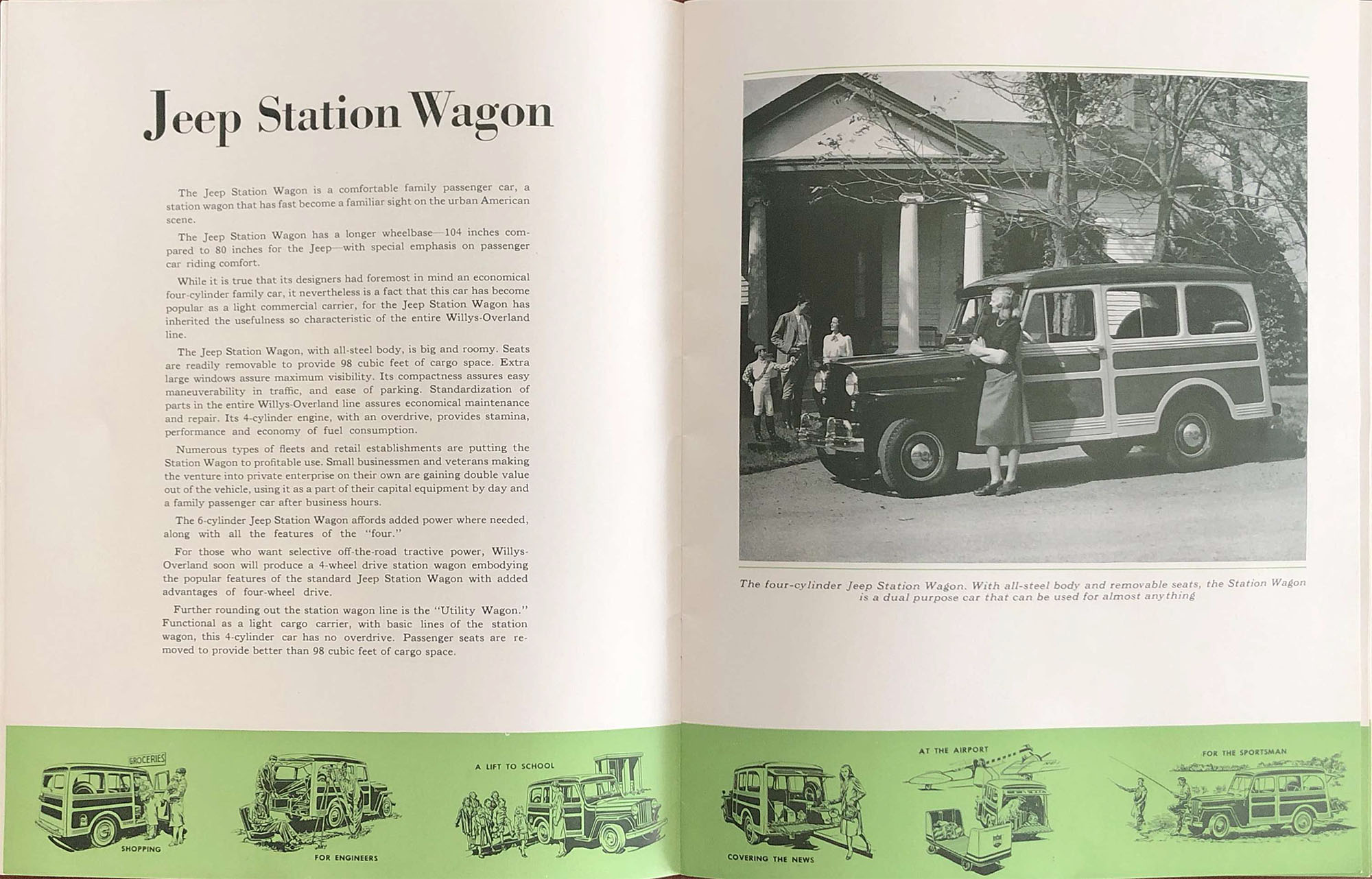
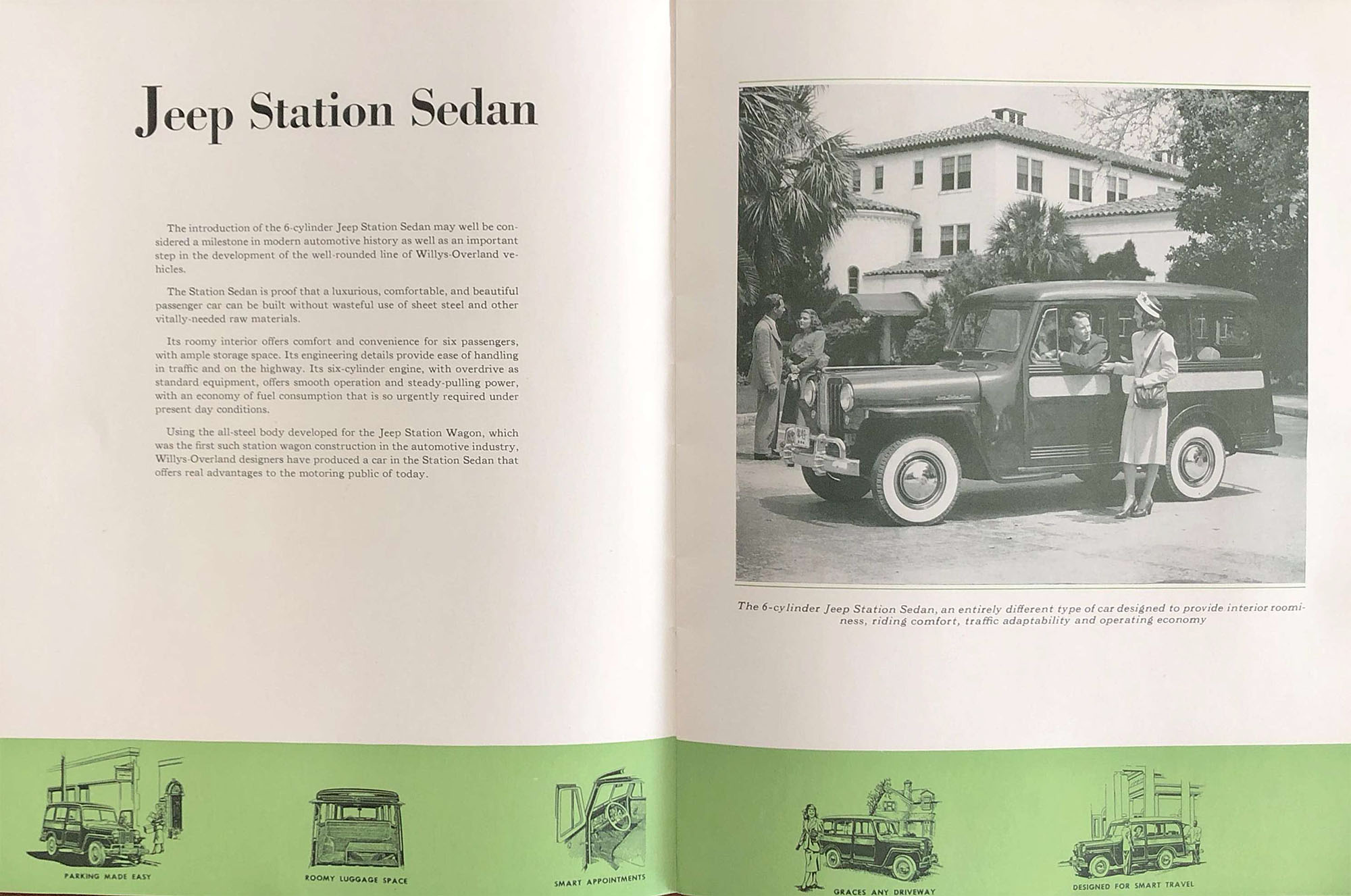
This 1948 jeep family brochure was likely produced in late 1948, as there’s a reference to an upcoming expectation “in early 1949” within the text. Outside of that reference, there’s no date stamp or form number. I’ve only seen few of these pop up for sale on eBay, so I snagged this one right away. I believe it represents the earliest and most complete (in pics and text) listing of the full line of jeep models for the civilian market (it lacks any military models and business-focused models, such as the Package Delivery Vans).
I especially like the illustrations. The discussion of the different factory divisions at the back was interesting, too. Including the covers, the brochure is 26 pages.
John found this 1953 version of the Yakima Jeep Rodeo, pronounced by the British narrator as “Row-day-Oh”.
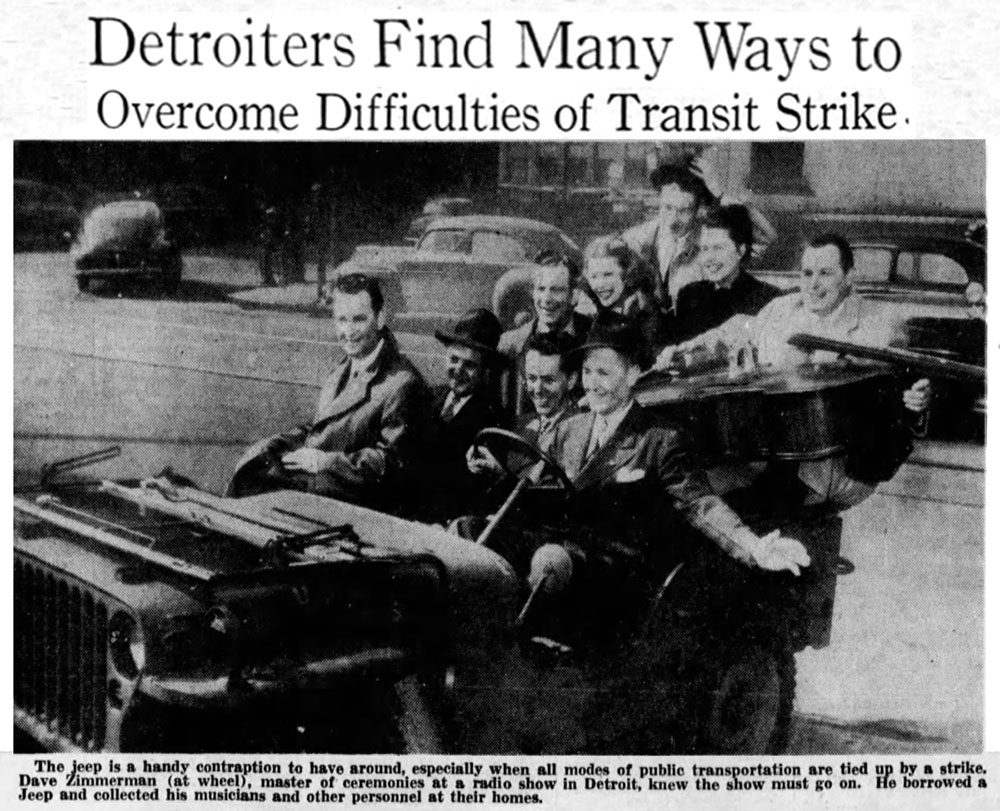
This April 03, 1946, photo from the Spokesman Review shows Dave Zimmerman and his band/radio show ensemble stuffed into a jeep. With a Detroit transit strike raging, a borrowed jeep was the only way to get everyone to their radio show gig.
According to this page, Dave Zimmerman was a long time announcer at WWJ in Detroit. He hosted a popular radio program called Coffee Club and was on the air for Detroit’s first television broadcast from the 47th floor of the Penobscot Building.
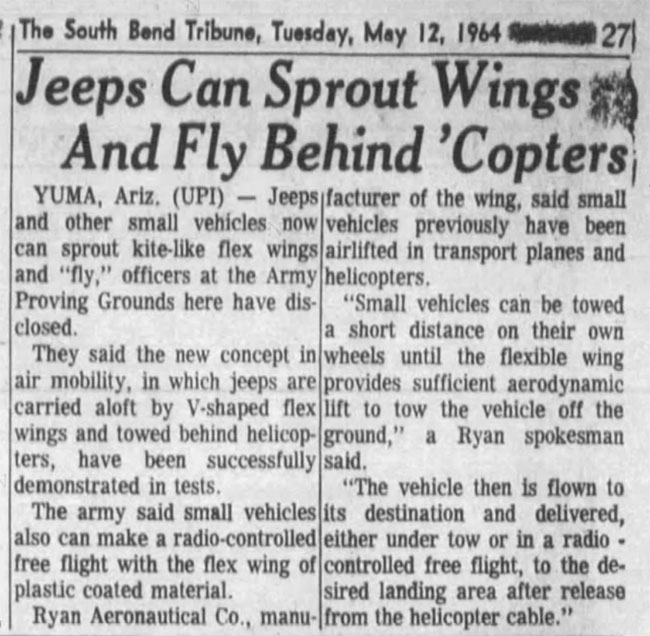
In May of 1964 newspapers across the country shared the news of the Army testing out an idea where v-shaped flexible wings were attached to vehicles such as jeeps, allowing them to be pulled behind aircraft and flying to their destinations.
I tried to find photos of the jeeps with V-wings, but I had no luck. There is this example of the Army testing the v-wing concept they called a “Fleep”, which may use a similar flexible v-wing.
Ryan RV-8 Fleep Final Report 1964 US Army; Rogallo Wing Aircraft from Jeff Quitney on Vimeo.
This first article appeared in the May 10, 1964, issue of the Press Democrat out of Santa Rosa, California: 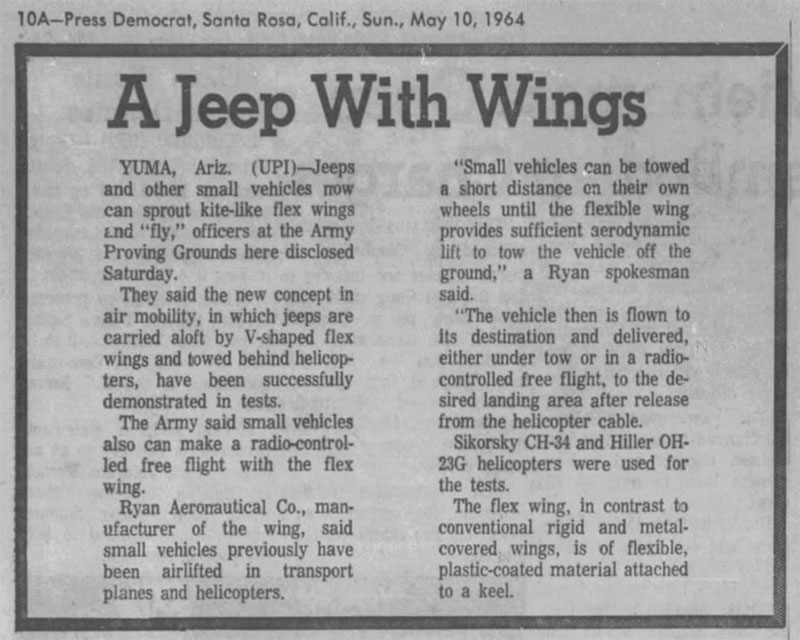
This second article was published in the May 12, 1964, issue of the South Bend Tribune, out of South Bend, Indiana:
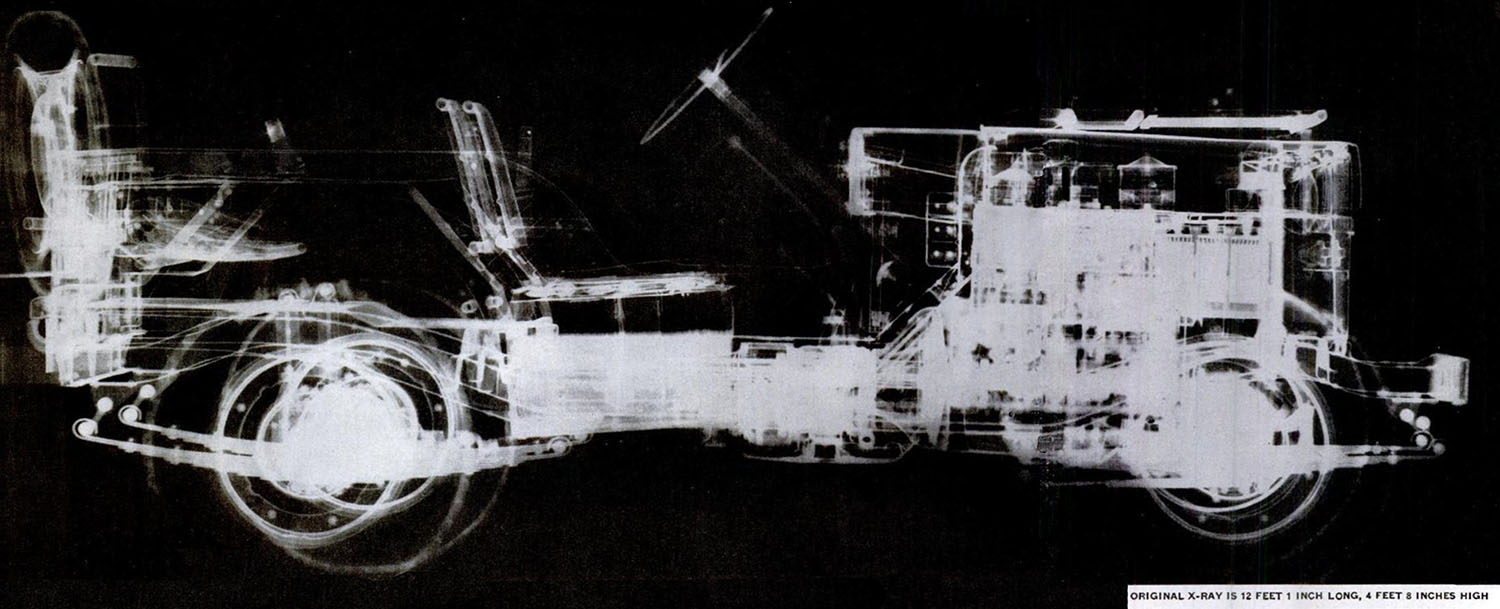
This is a real X-ray of a real jeep developed as a life-size image. Life Magazine, March 25, 1946.
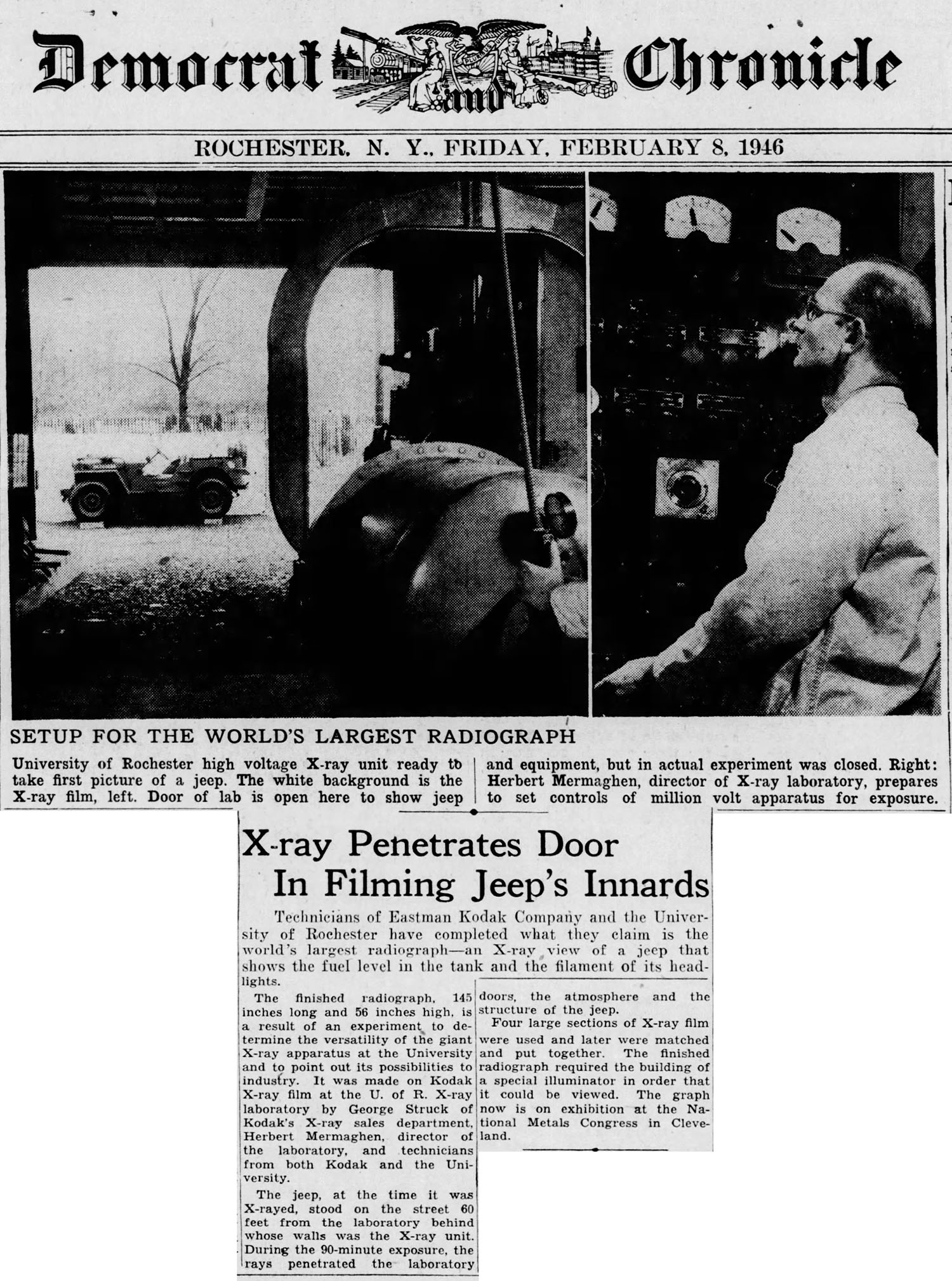
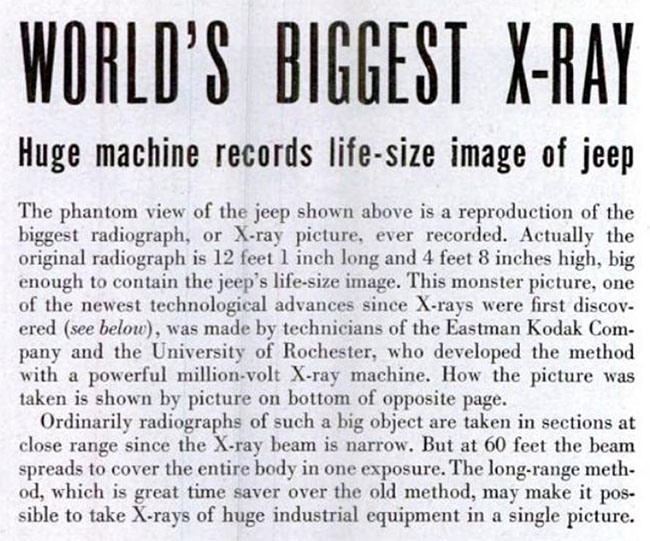
In 1946 the wiz kids at the University of Rochester, NY, and Eastman Kodak built the world’s largest radiograph, one that could create an X-Ray photo of a large machine, say a jeep, which is precisely how they tested it. In the jeep’s case, the team used the million-volt x-ray machine to create a radiograph 12′ 1″ long by 4′ 1″ tall, or large enough to contain a life size jeep. The larger goal was create the ability to X-Ray large machinery.
The February 8th, 1946, issue of Rochester Democrat Chronicle shared the story:
The next month, Life Magazine also ran the story, this time with a copy of the X-ray photo (seen at top):
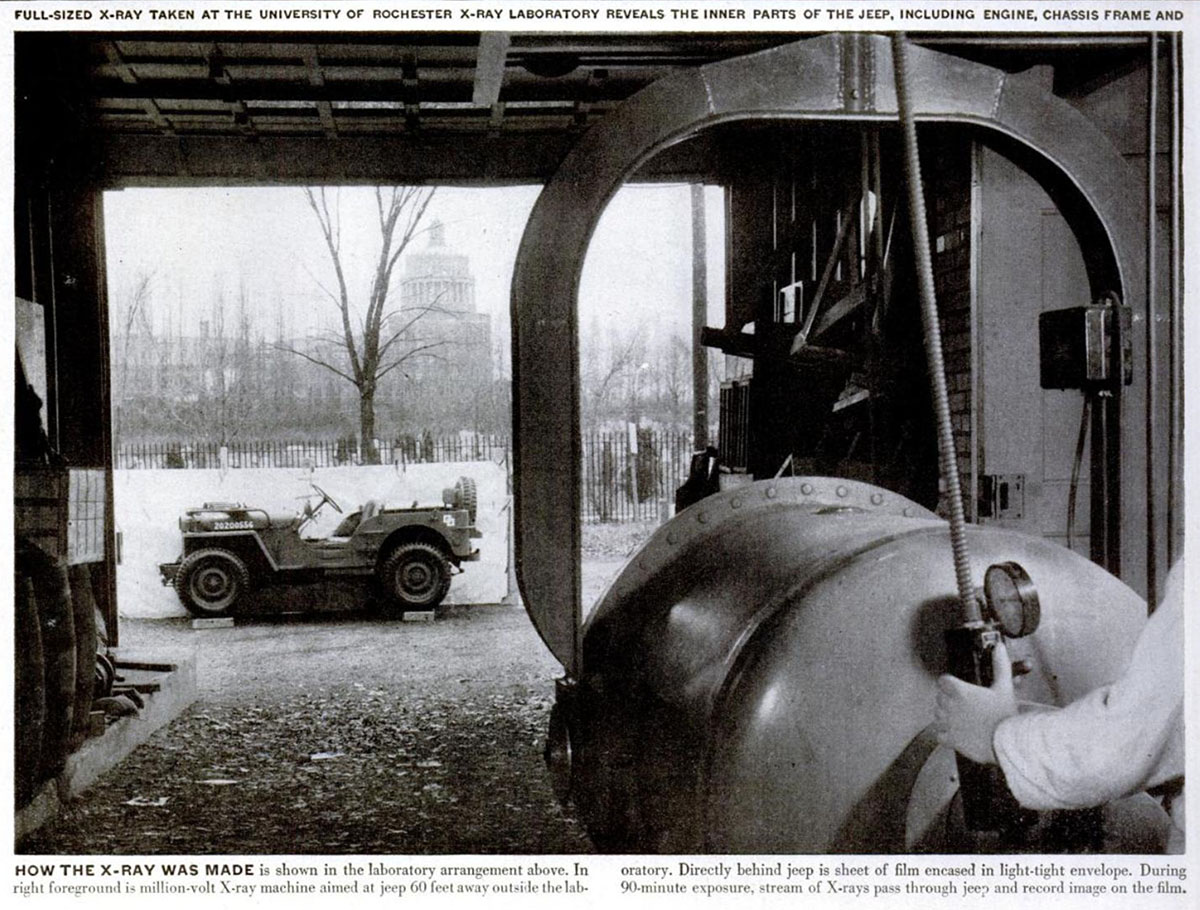
The jeep’s hood number is 20200556
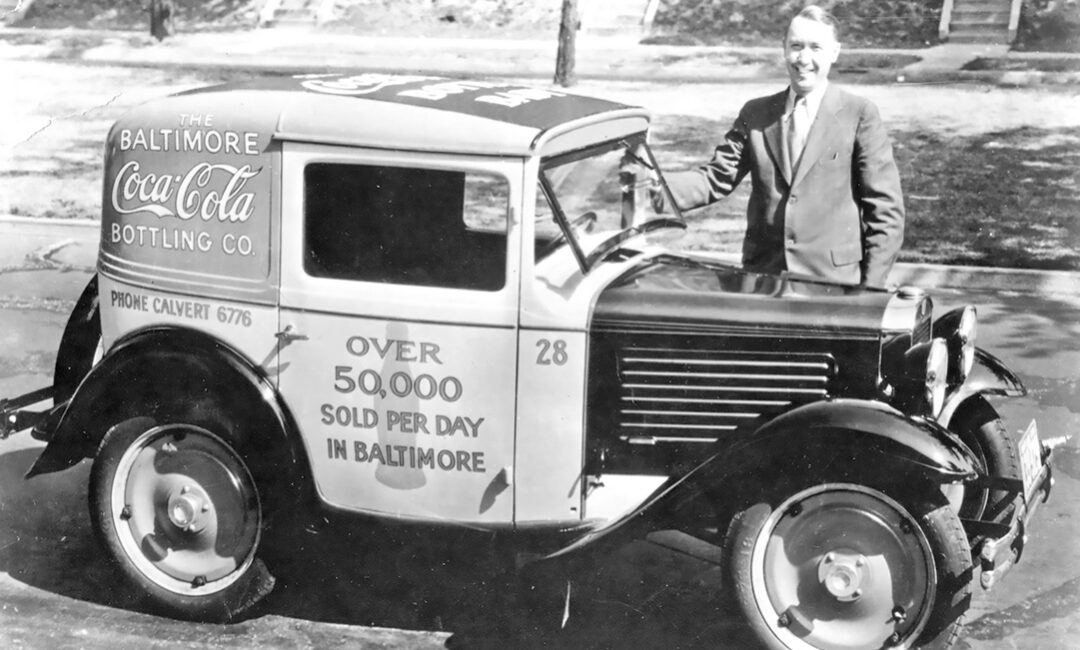
This story doesn’t relate much to jeeps, but theOldMotor website published a piece of Robert Cunningham about that tells the story of Bantam’s effort to participate in the cola wars. However, their effort to patent a carton-shaped truck capable of carrying six packs of beverages was interrupted in the summer of 1940 by a shift in priorities towards the new BRC recon vehicle (aka the jeep), along with the advent of WWII.
Ted’s got these dimpled Warn summer hubs for sale. The dimpled versions are the second gen summer hubs; the first were the waffle style. The OEM green container is particularly rare.
View all the information on eBay
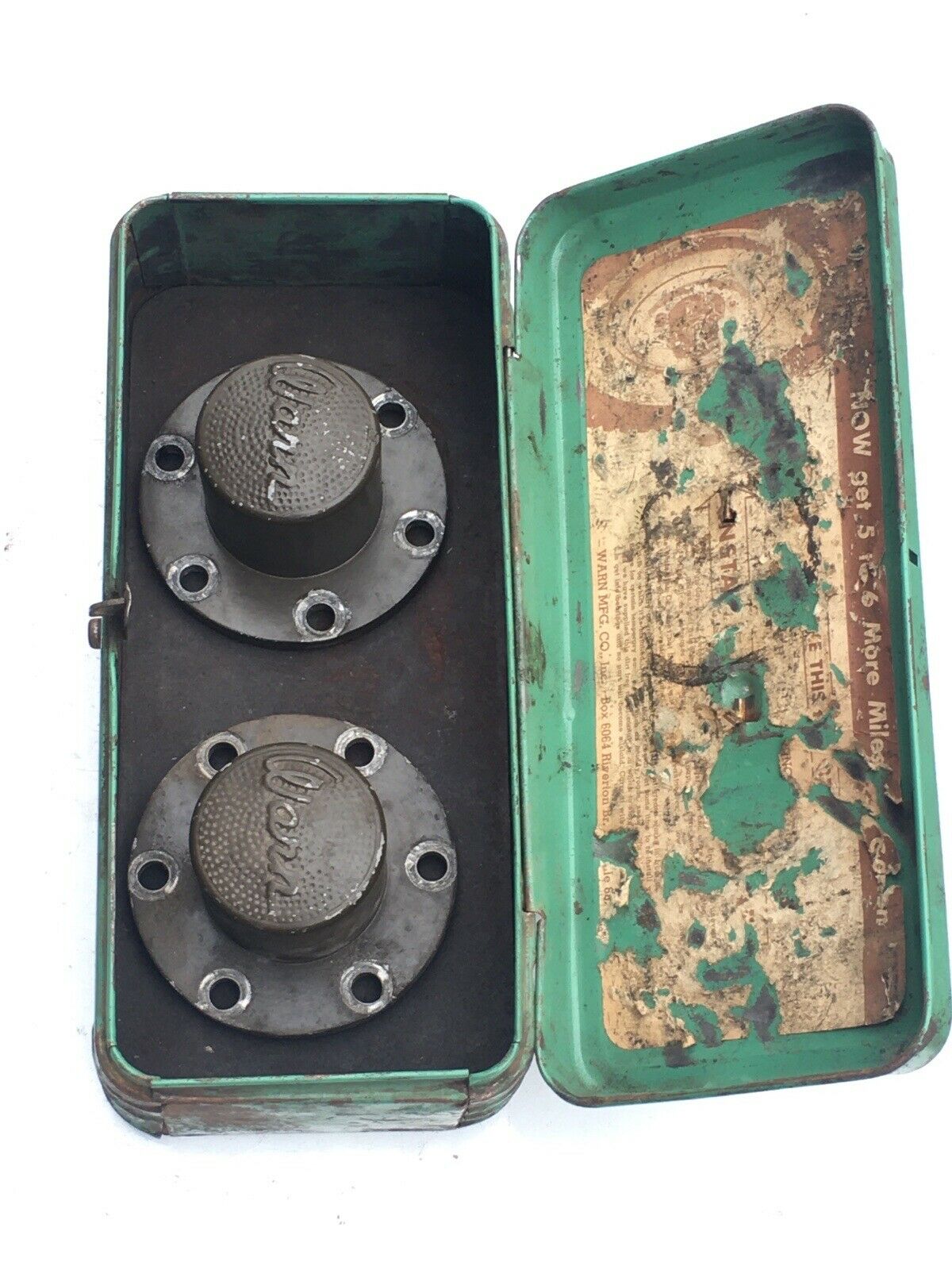

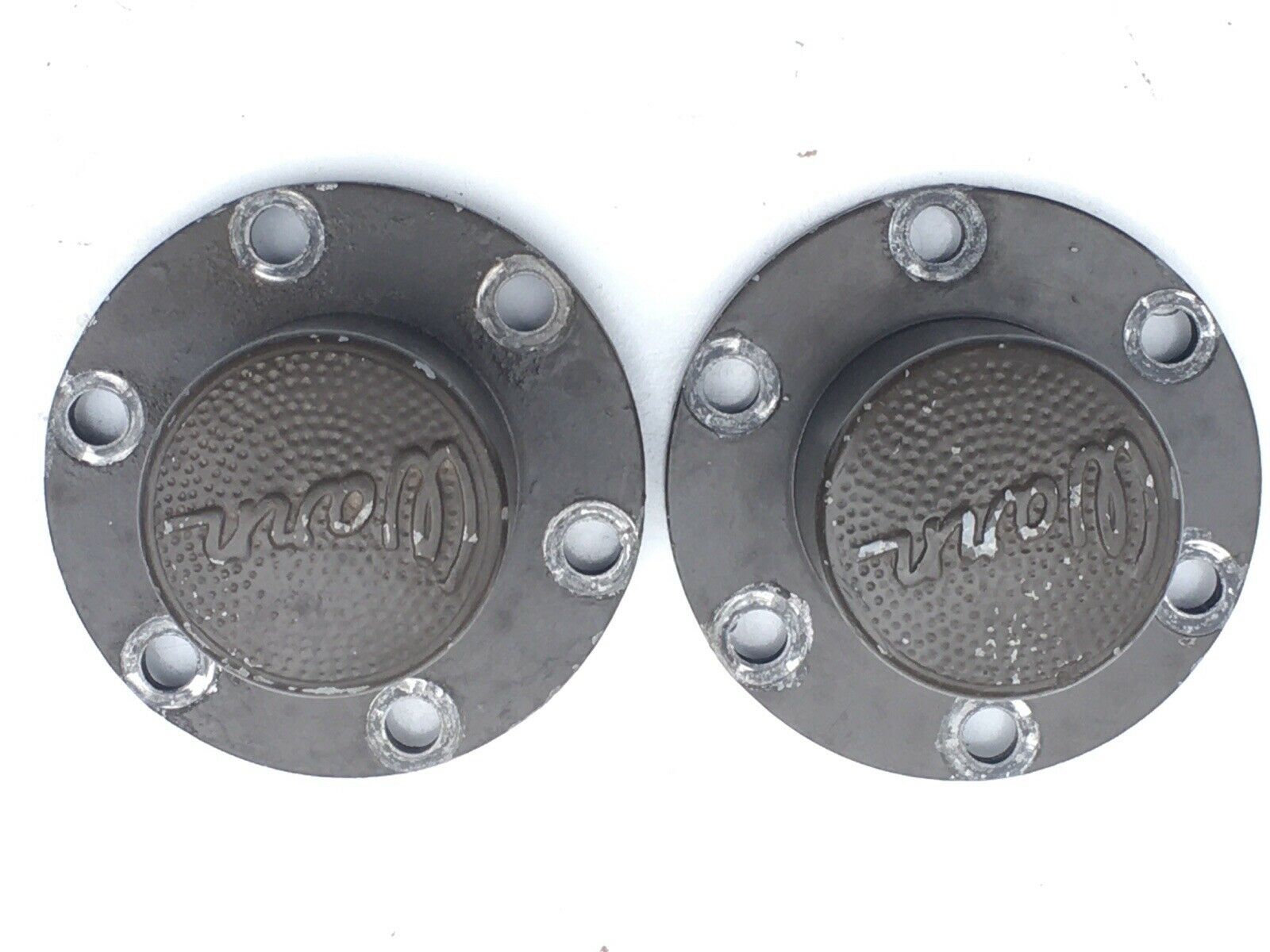
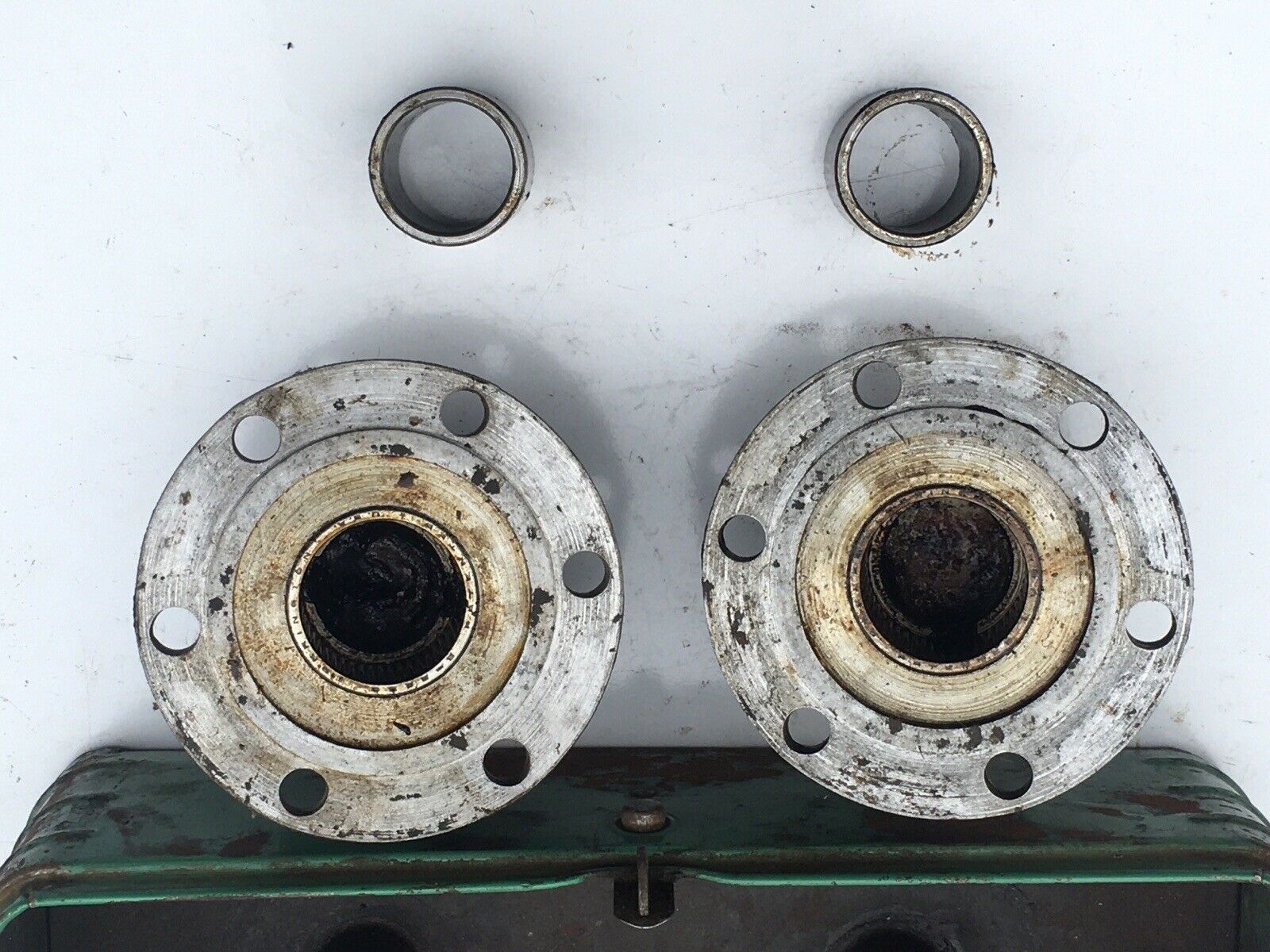
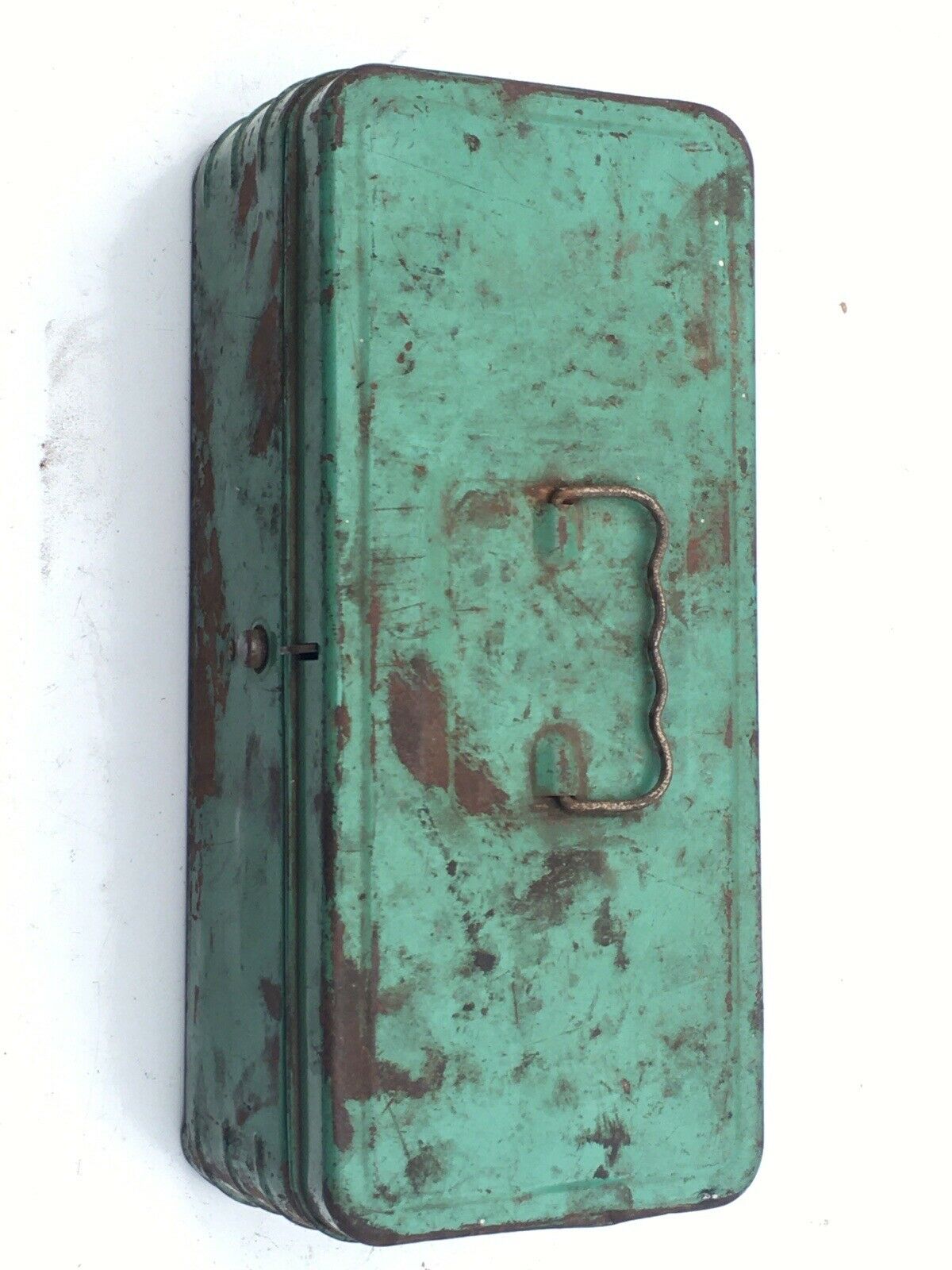
“Willys Jeep CJ2A CJ3A Early Column Shift CJ3B CJ5 Warn Summer Hub Universal Jeep. Condition is “Used”.
This is a very nice set of Willys Jeep Warn brand Summer Hubs with original carrying case.These Summer Hubs were a very popular aftermarket item introduced by the Warn manufacturing company and used to help eliminate uneven tire wear,wear and tear on front axle joints,differential gear bearings, Pinion and front drive shaft.
Basically, these Summer Hubs made the Willys Jeep Two Wheel Drive when Four Wheel Drive wasn’t needed for long lengths of time. They would be installed very easily be removing front drive flanges and mounting hubs.They would also give the jeep better gas mileage.
UPDATE: Still Available. Buy-it-now price is $99.99.
(01/05/2021) Maury shared these super cool FC-150 narrow track cuff links. They are priced at $99.
View all the information on eBay
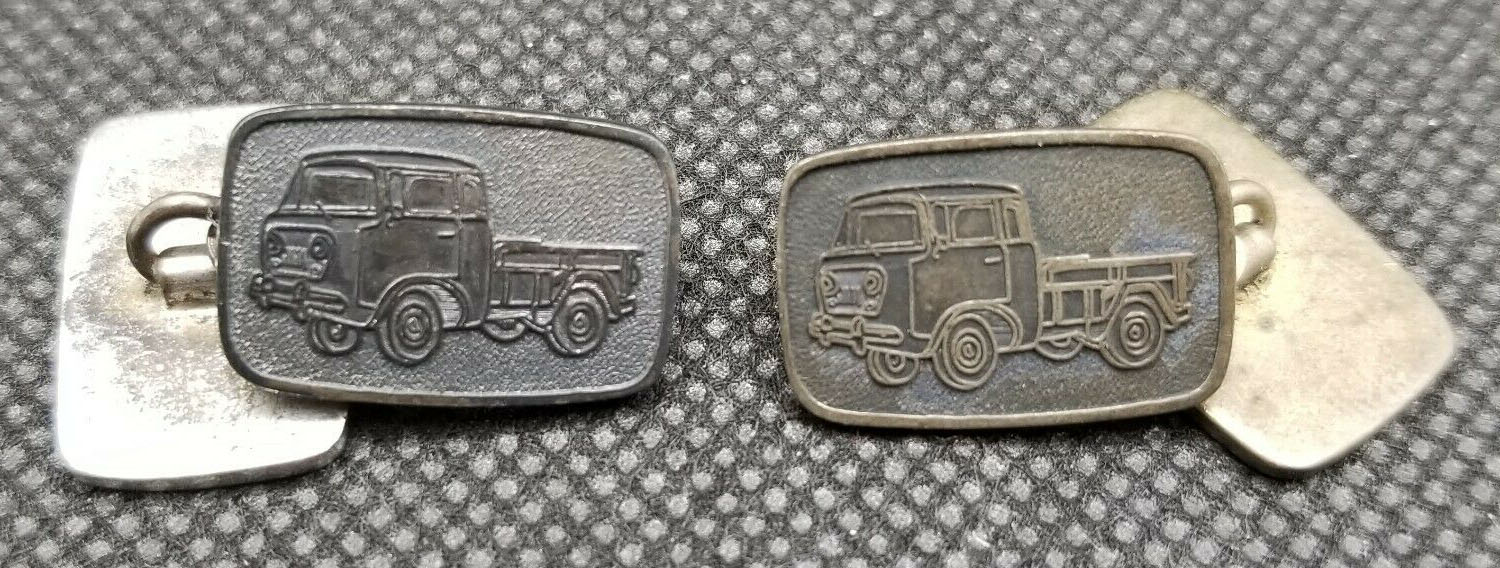
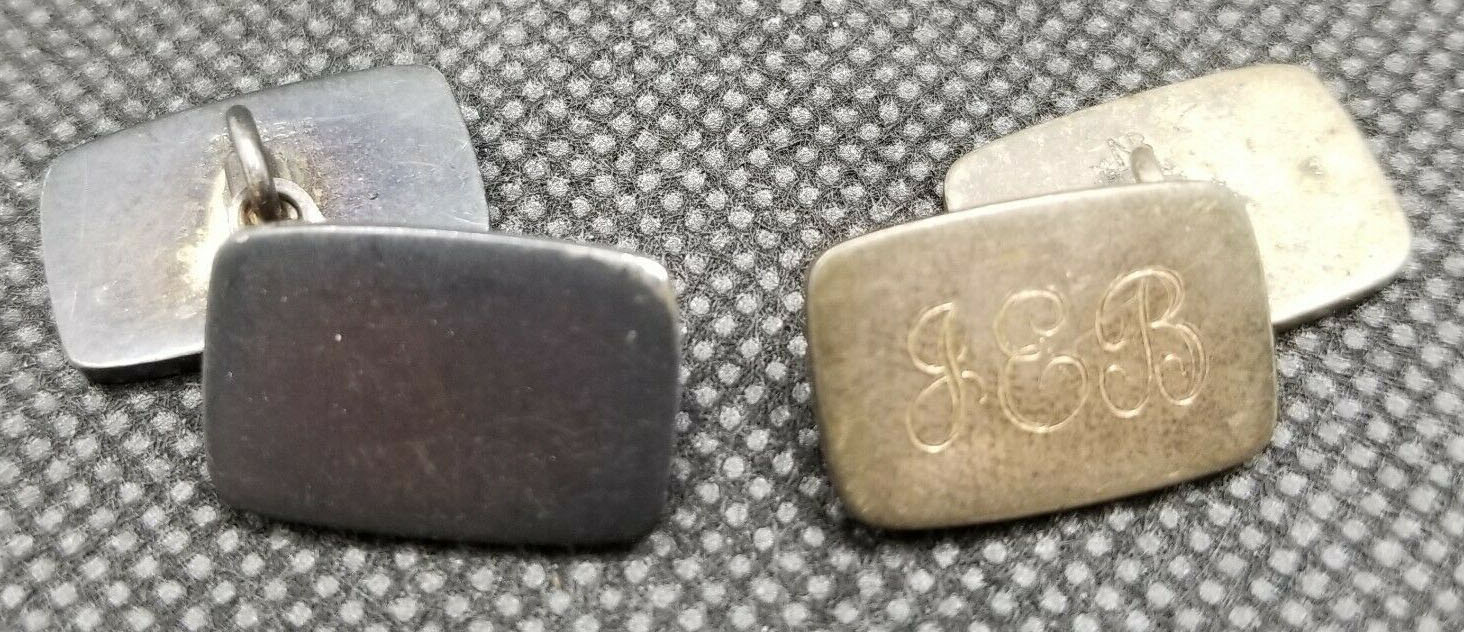
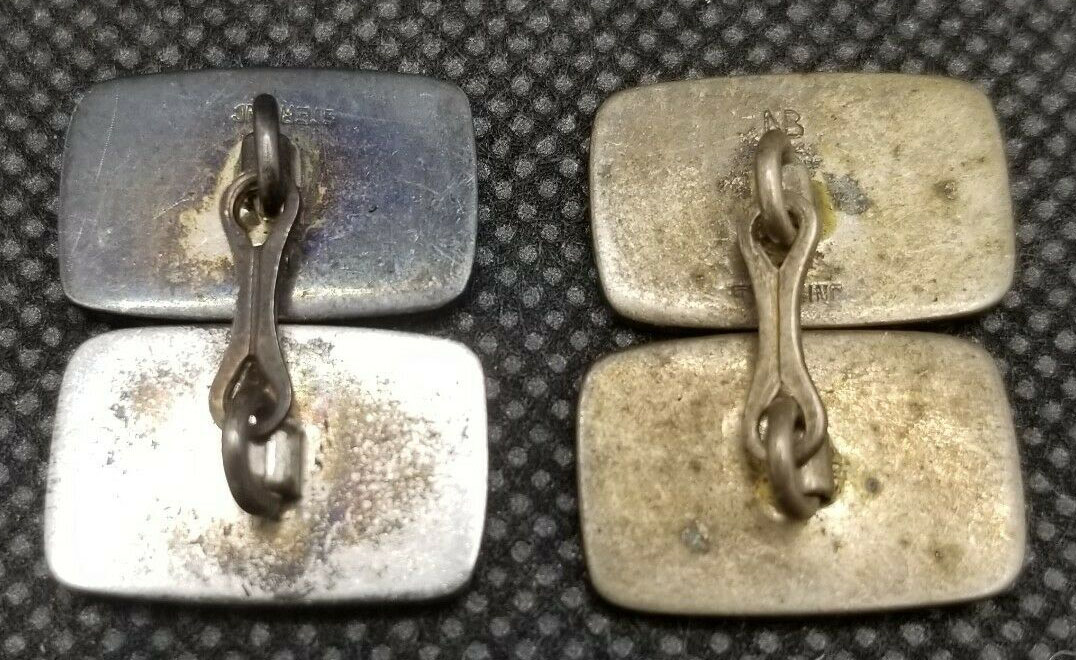
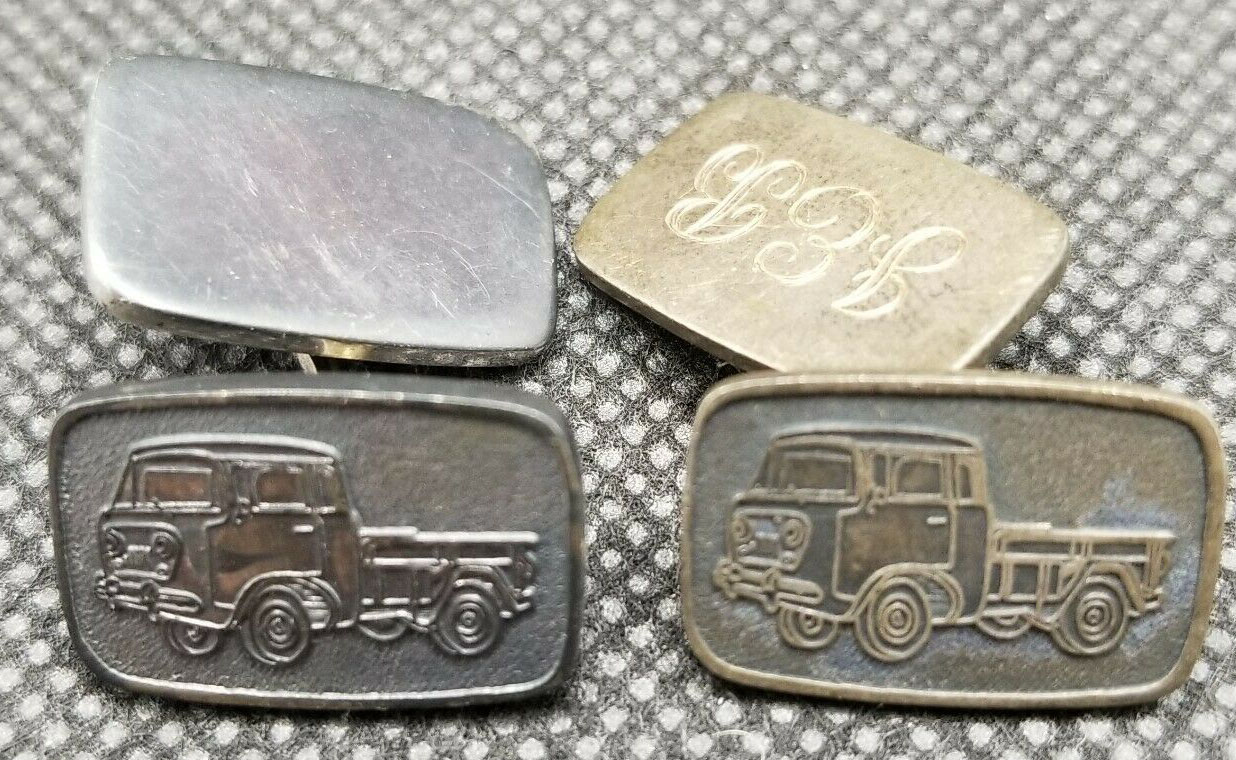
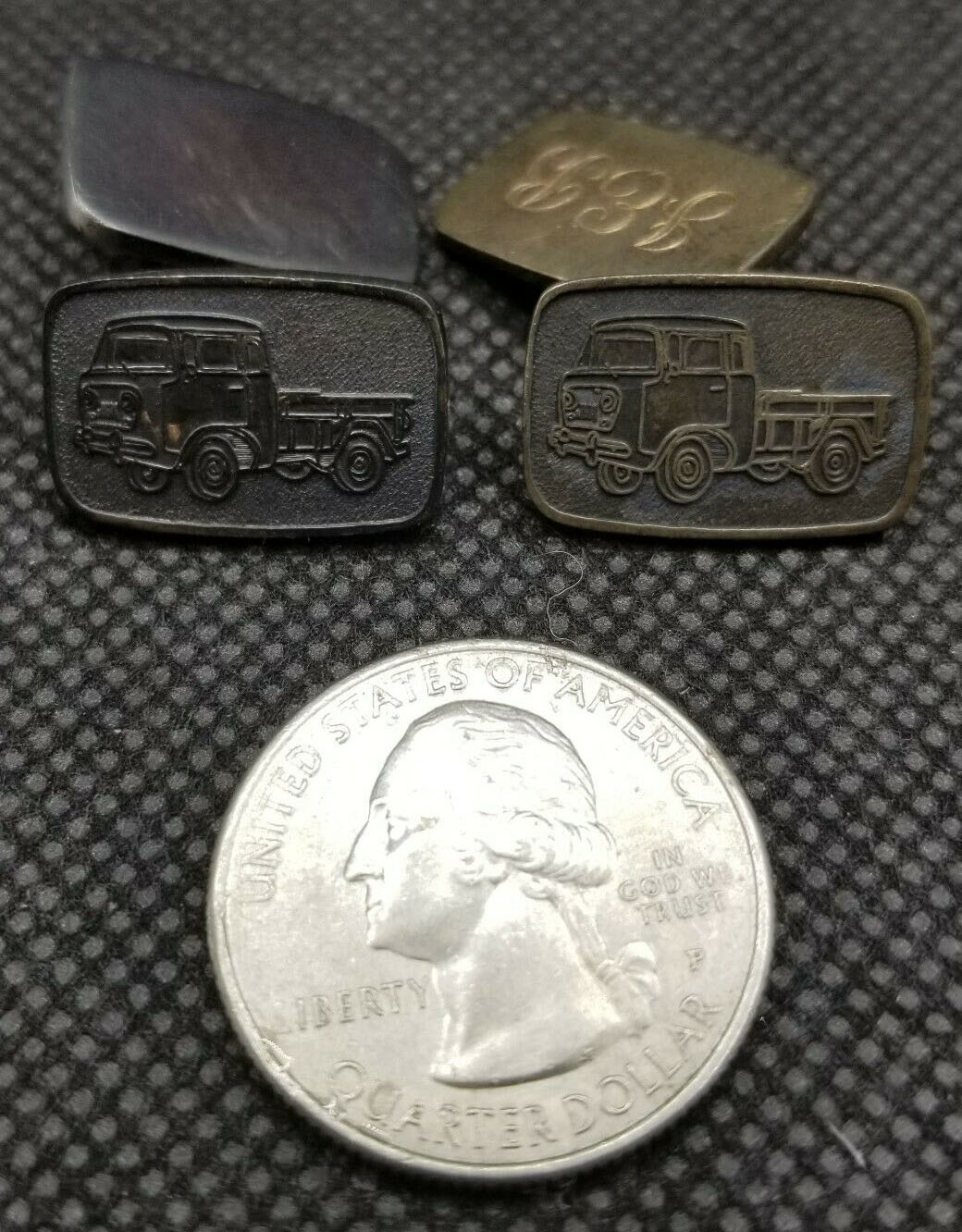
“Very Rare Vintage late 1950’s / early 1960’s Silver Willys FC-150 Cufflinks in Tarnished but Very Good Used Condition. Stamped “NB” and “STERLING” on the inside surface of both backings.
The Jeep Forward Control is a truck that was produced by Willys Motors, later named Kaiser Jeep, from 1956 to 1965. It was also assembled in other international markets. The layout featured a cab over (forward control) design.
The Forward Control models were primarily marketed as work vehicles for corporate, municipal, military, as well as civilian use. Regular pickup box beds were standard, but customers were offered a large number of “Jeep approved” specialized bodies from outside suppliers. These ranged from simple flatbeds to complete tow trucks, dump trucks, and fire trucks. The vehicles were also manufactured under license in India and Spain.
My Father obtained these cufflinks while working in fleet sales for Willys in the Caribbean and Central & South America in the 50’s and early 60’s.”
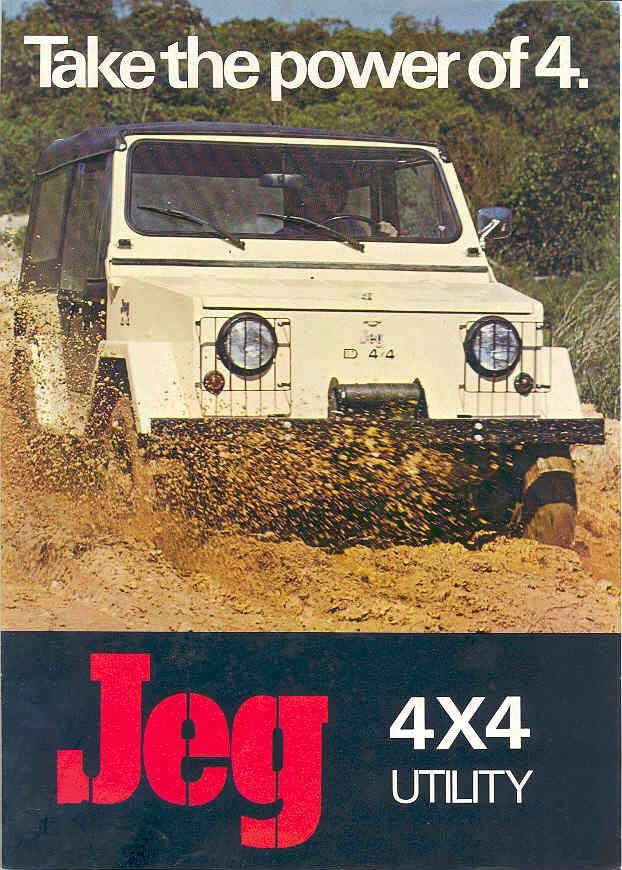
TJ shared this rare offload VW-based Brazil vehicle with 4WD that’s up for auction. It’s located in Brazil, but shipping is available to Europe. There are ton of pics of the Jeg that’s up for auction along with pics of related brochures.
https://getyourclassic.com/item/jeg-brasilian-vw-jeep/ (or read this Samba ad)
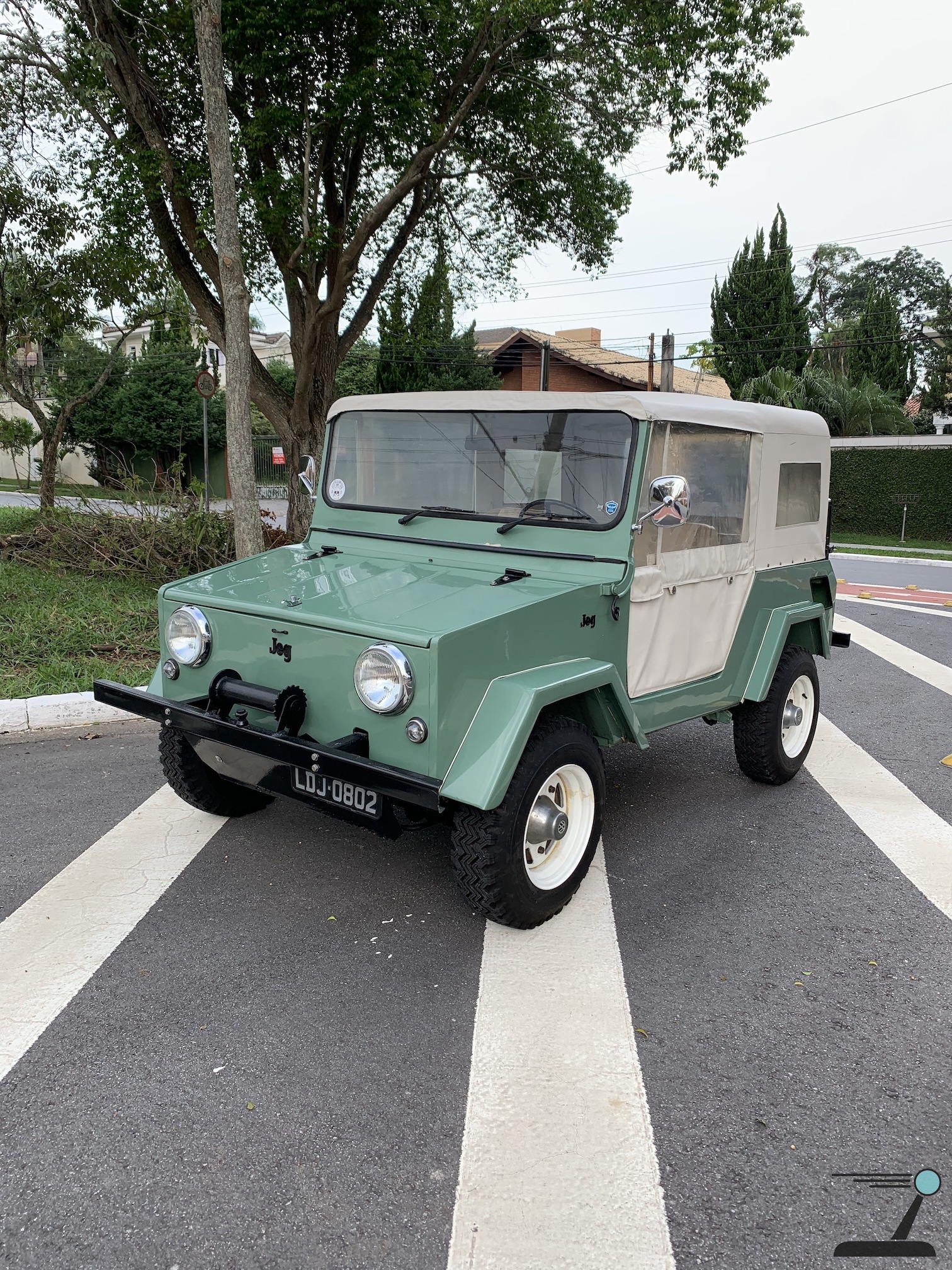
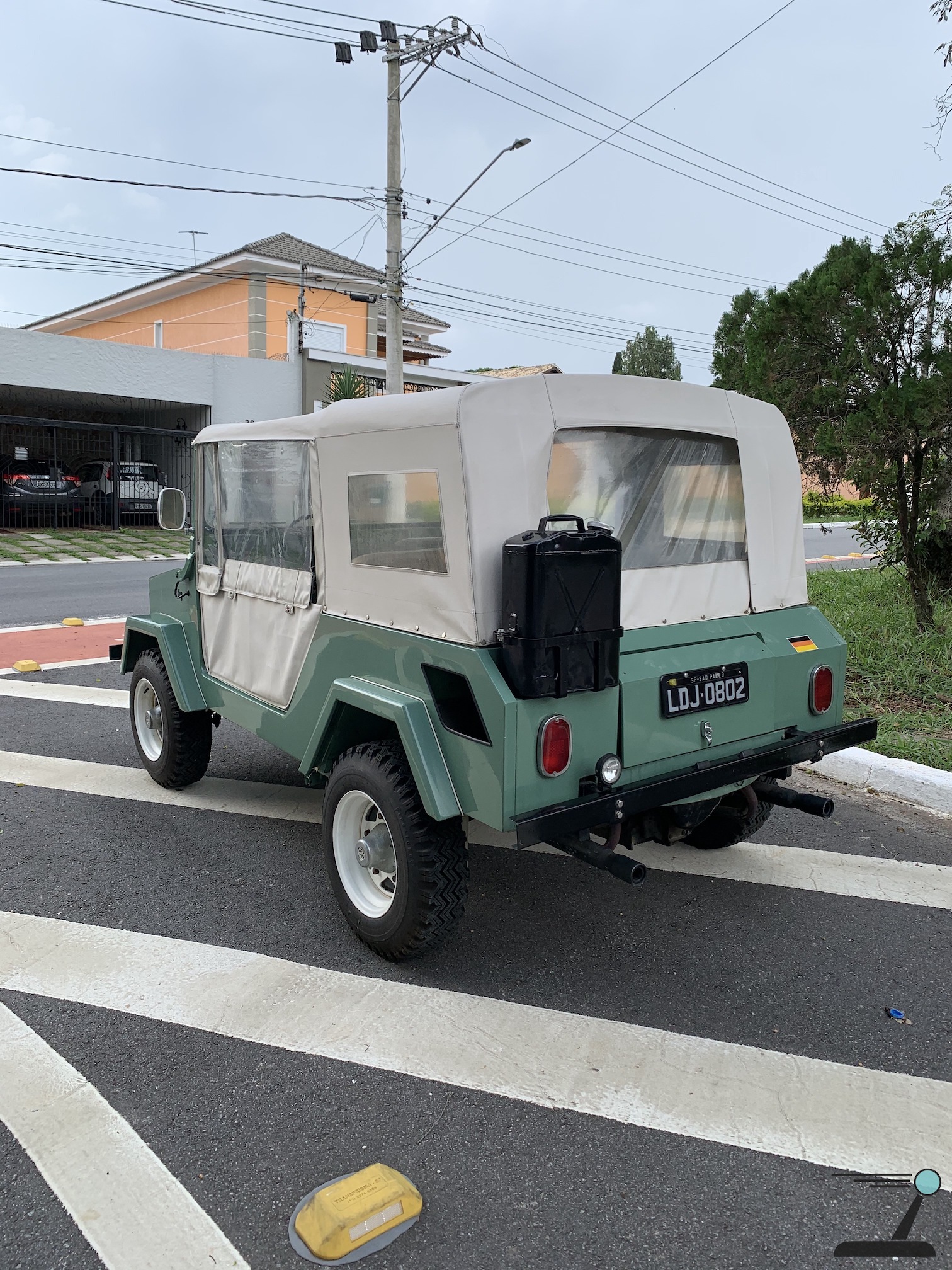
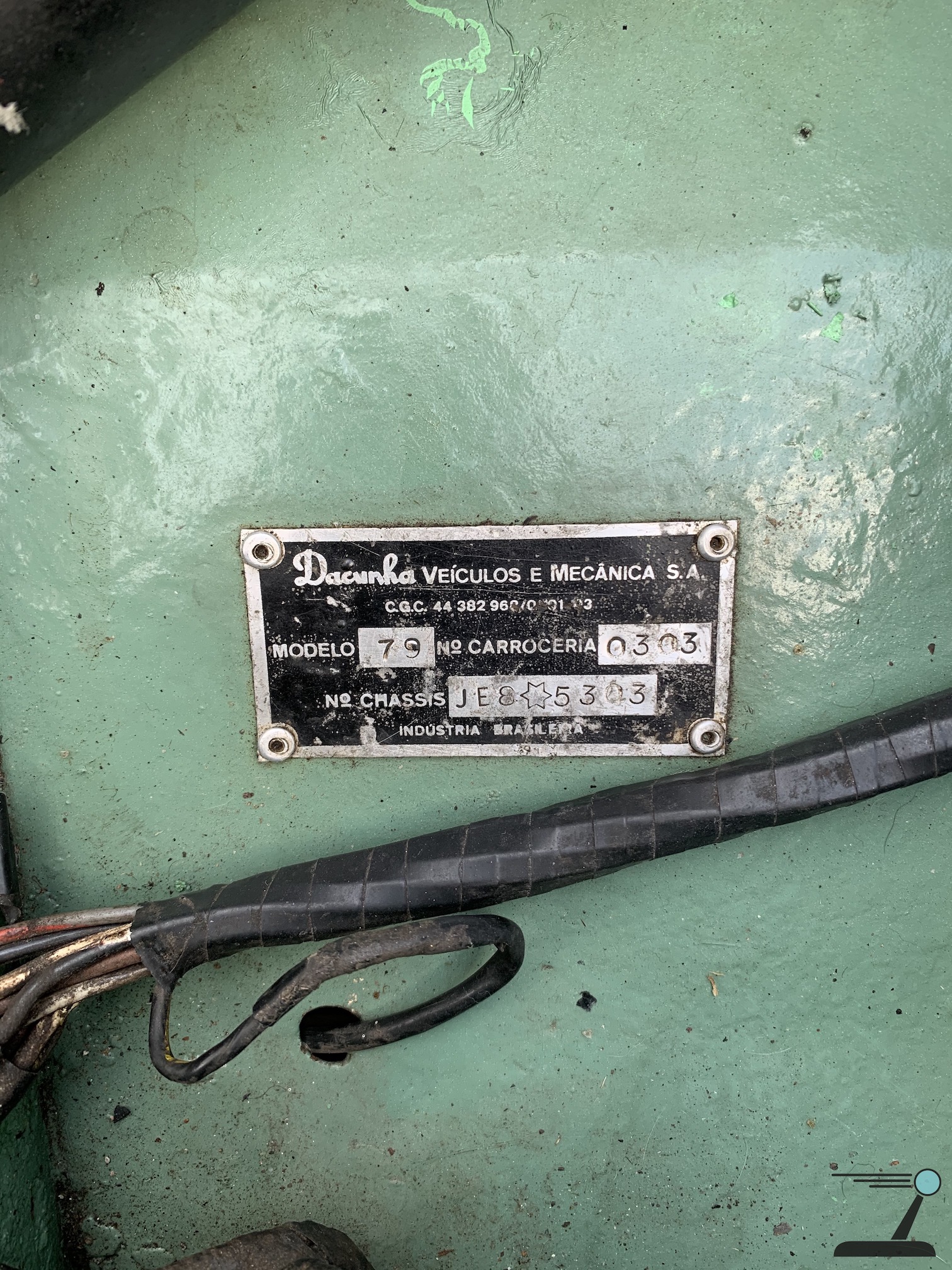
“In the 70s, VW Brasil tried to join the Brazilian army with the VW VEMP. Two prototypes were created (one 4X4 and one 4X2), the car was created entirely in straight and simple lines for easier maintenance.
The engine would be 1600 already used by cars of other VW models. After the project was rejected for political reasons (cars with a rear engine would no longer be accepted by the army) the two prototypes ended up being used internally by the factory.