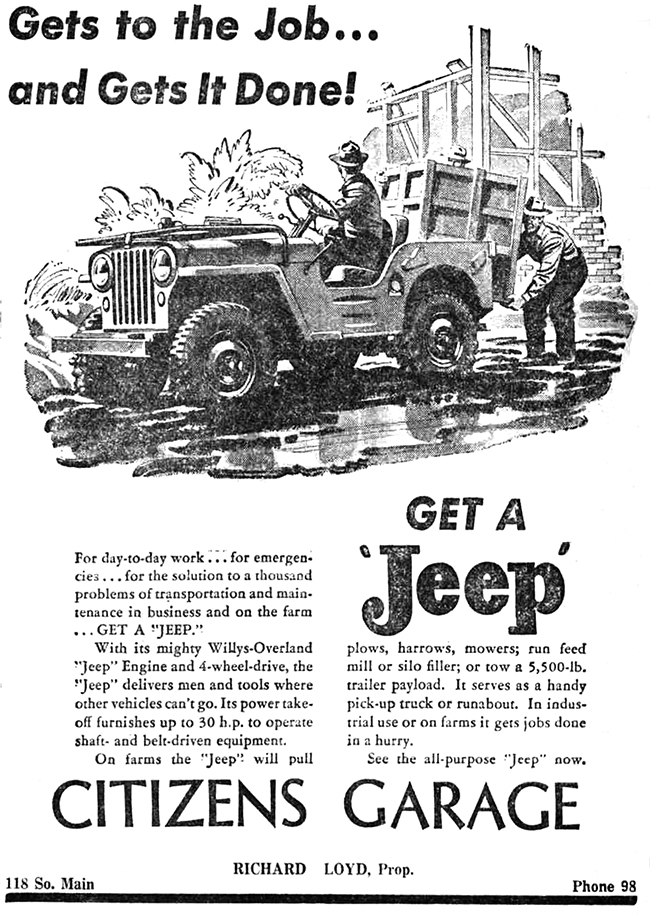
This “Gets to the Job… and Gets It Done!” ad appeared a couple times in the Sullivan Daily News out of Sullivan, Indiana. The ad below appears in the September 27, 1946, issue (and August 30, 1946)
emailNeed to contact me and don't have my email? Click on email button.
Welcome to eWillys.com, a website for vintage jeep enthusiasts. I update this website nearly every day with jeep deals, jeep history, interesting reader projects, jeep related info, and more.
These quick searches can help you find things on eBay. People list in the wrong categories all the time, so don't be surprised to see brochures in the parts area for example. This section used to be split into jeeps, parts and other categories, but recent changes to eBay will require this information to be recoded.
The links to posts below show jeeps grouped by models, condition, and other ways. Some of these jeeps are for sale and others have been sold. If you are unsure whether a vehicle is still for sale or not, email me at d [at] ewillys.com for more info.
There are plenty of interesting, unusual, historic and surprising stories related to Jeeps and their owners. In addition, some of these features have nothing to do with jeeps. This link will display all featured stories starting from the latest.
Looking for parts and not sure where to go? There are a variety of large and small new and used parts sellers both online and offline.
Importantly, the allure of buying a project jeep can be romantic. The reality of restoring a jeep can be quite different, expensive and overwhelming without the right tools and resources. So, tread carefully when purchasing a "project". If you have any concerns about buying a vintage jeep, or run across a scam, feel free to contact me for help, comments or concerns .
This “Gets to the Job… and Gets It Done!” ad appeared a couple times in the Sullivan Daily News out of Sullivan, Indiana. The ad below appears in the September 27, 1946, issue (and August 30, 1946)
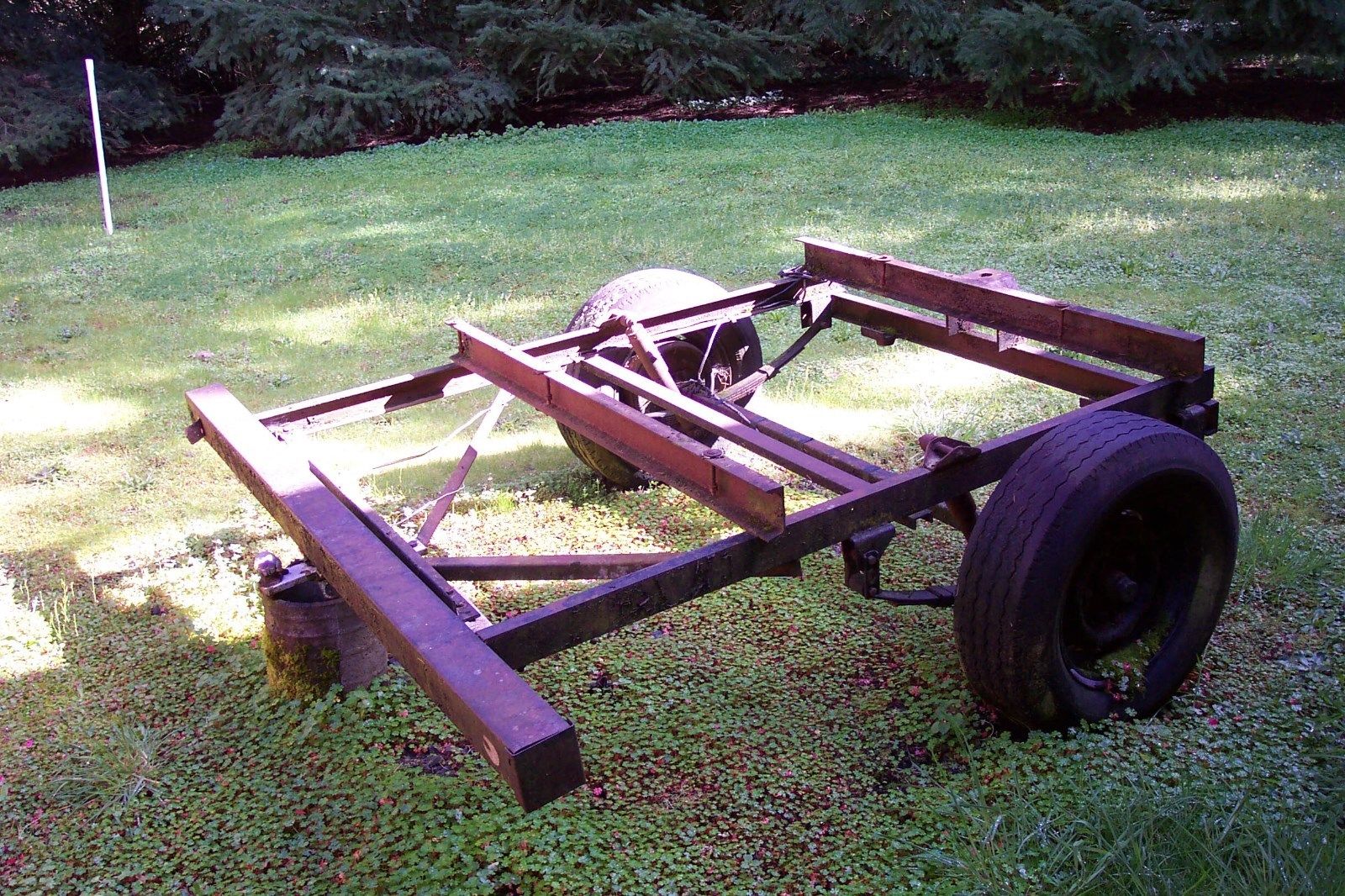
UPDATE: Brian bought this frame and now has it for resale. Contact him for the price
THIS INFO ABOUT THE FRAME IS FROM A March 16, 2018, ad:
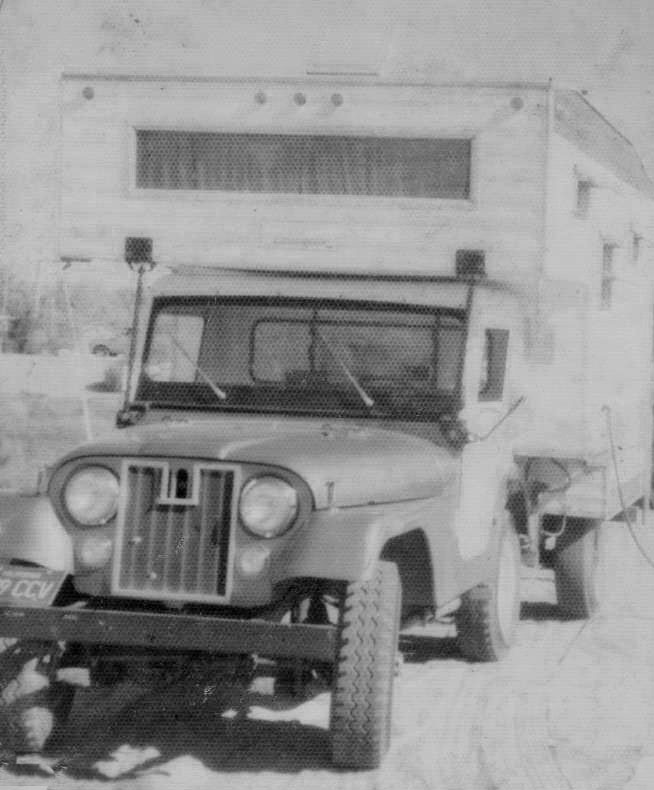
“THIS IS A FRAME FROM A 1970 JEEP CJ5 CAMPER. I AM THE ORIGINAL OWNER. I BOUGHT THE JEEP & CAMPER IN 1970 NEW IN SO. CALIF.
WE MADE A MOVE TO OREGON IN 1990 & I DISMANTLED THE CAMPER BECAUSE IT WAS LEAKING BADLY & MY THOUGHT WAS TO BUILD A NEW CAMPER ON THE FRAME. I NEVER GOT TO IT. I SOLD THE JEEP A FEW YEARS AGO & NO NEED FOR THIS FRAME.
THE CAMPER WAS MADE BY EL DORADO CAMPERS IN RIVERSIDE CALIFORNIA. THEY MADE CAMPERS FOR PICKUP TRUCKS & THIS WAS EQUAVALENT TO AN 8 FOOT PICK UP CAMPER.”
Camper before it was dismantled:
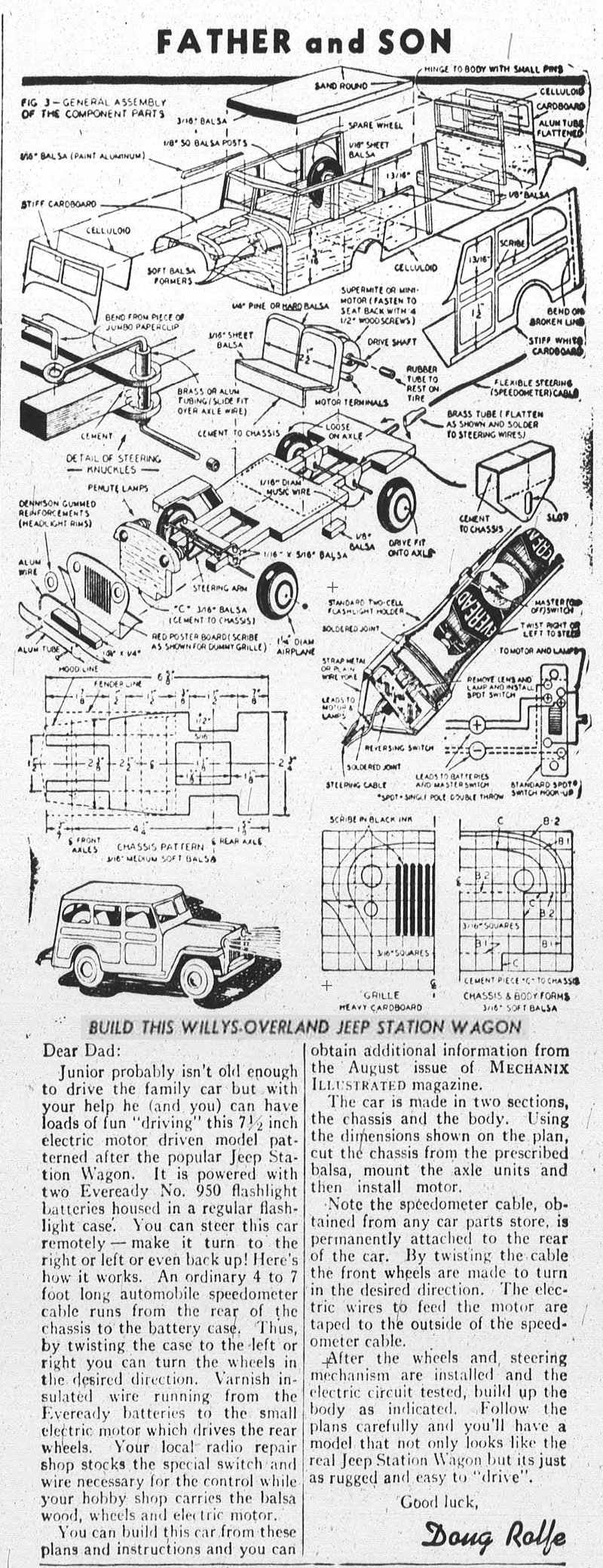
On August 04, 1949, the Wolcott Beacon out of Wolcott, Indiana, published directions on how to build a toy Willys Wagon for kids. The length of this toy is about 7″.
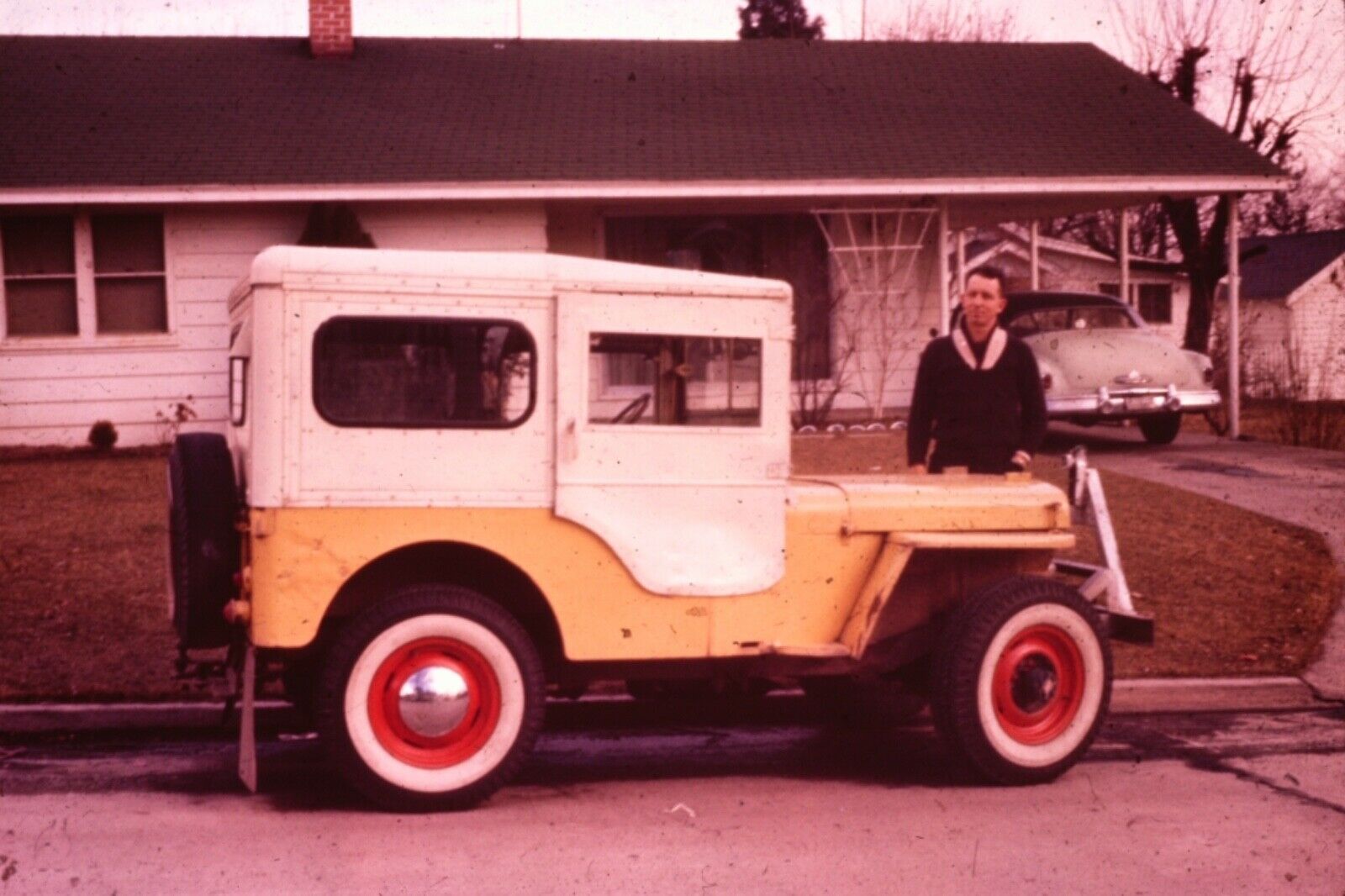
It looks like this has a set of hubs, so this was probably taken in the mid 1950s at the earliest.
View all the information on eBay
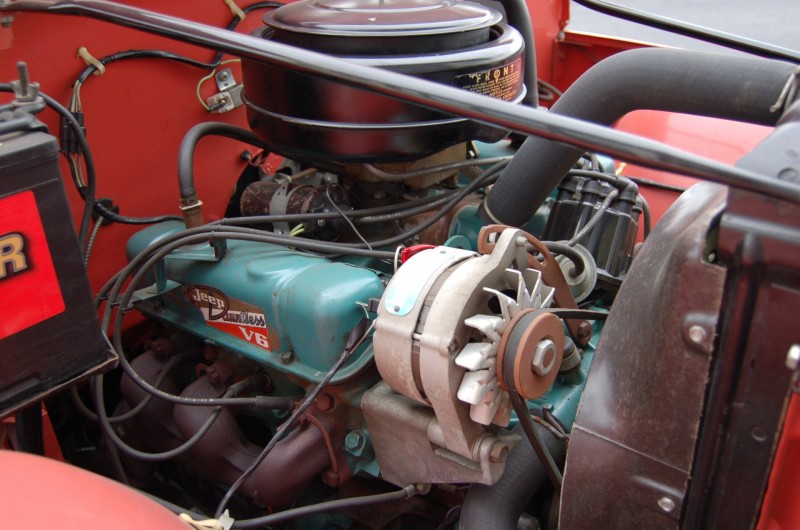
Maury’s assembling a thread at the Early CJ-5 page of factory images or nearly original CJ-5 engine compartment photos. Hopefully, some more folks have photos they can contribute.
http://www.earlycj5.com/xf_cj5/index.php?threads/factory-engine-bay-photos.139291/
These photos/slides all have jeeps of one kind or another in them and are for sale on eBay.
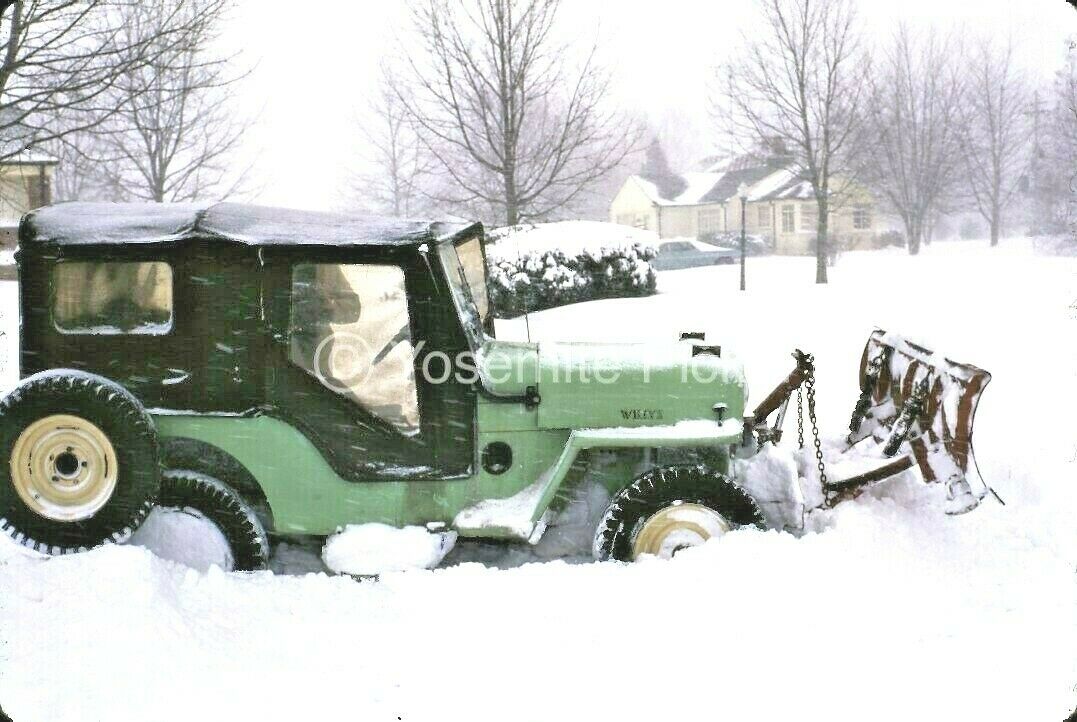
2. Photo taken in 1964 of a late model CJ-3B:
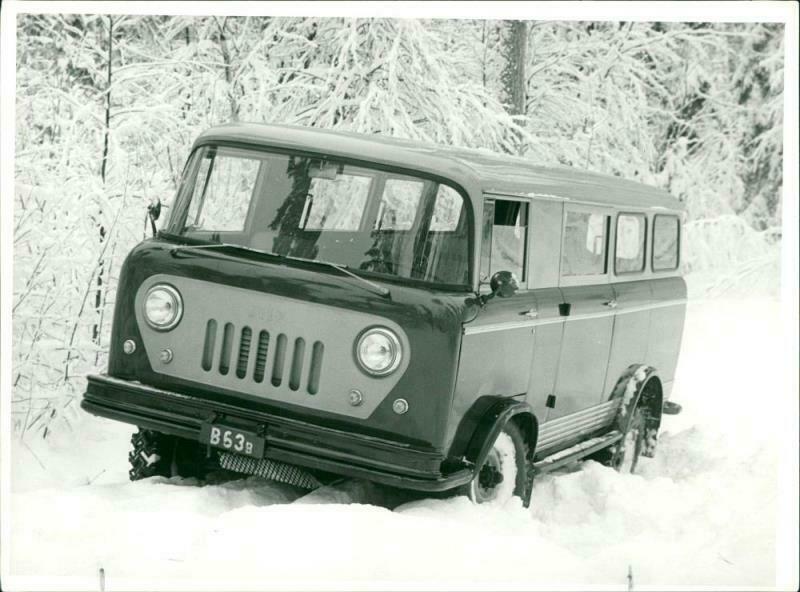
3. December 1959 Icelandic Press Photo of FC Van:
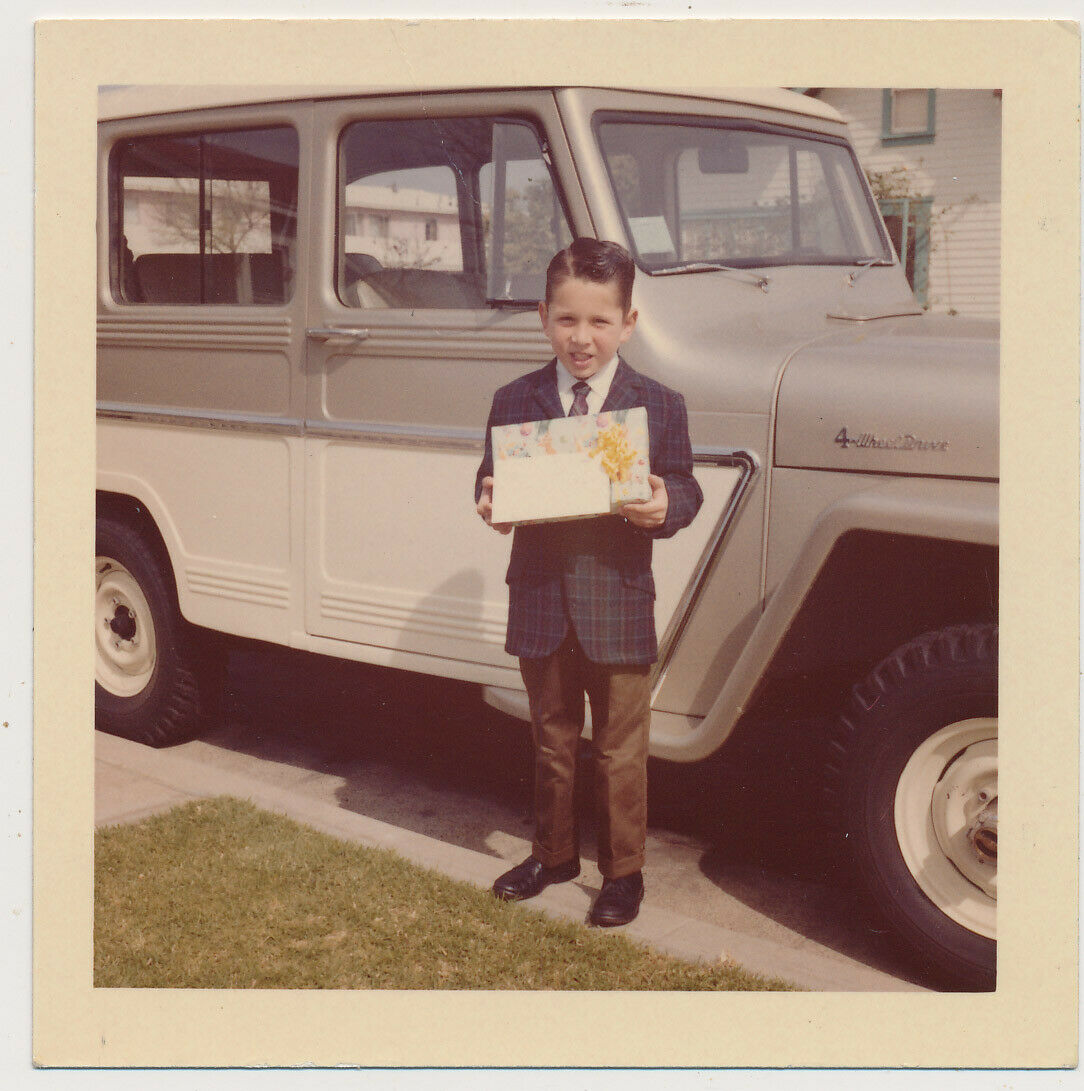
4. Young man holding a present(?) standing in front of a 1960s Wagon:
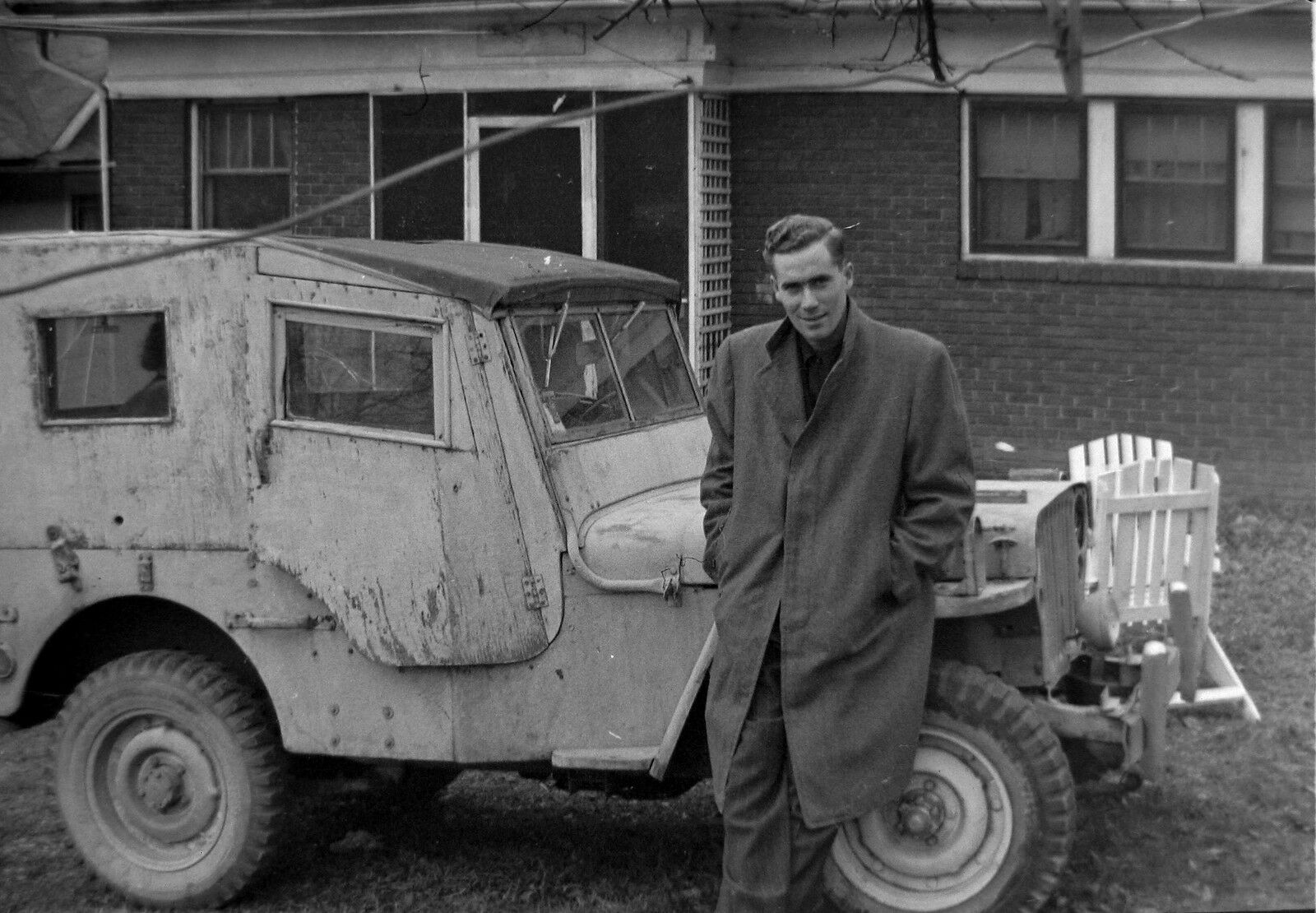
5. WWII(?) Photo of Soldier in Front of WWII Jeep with Wood Enclosure:
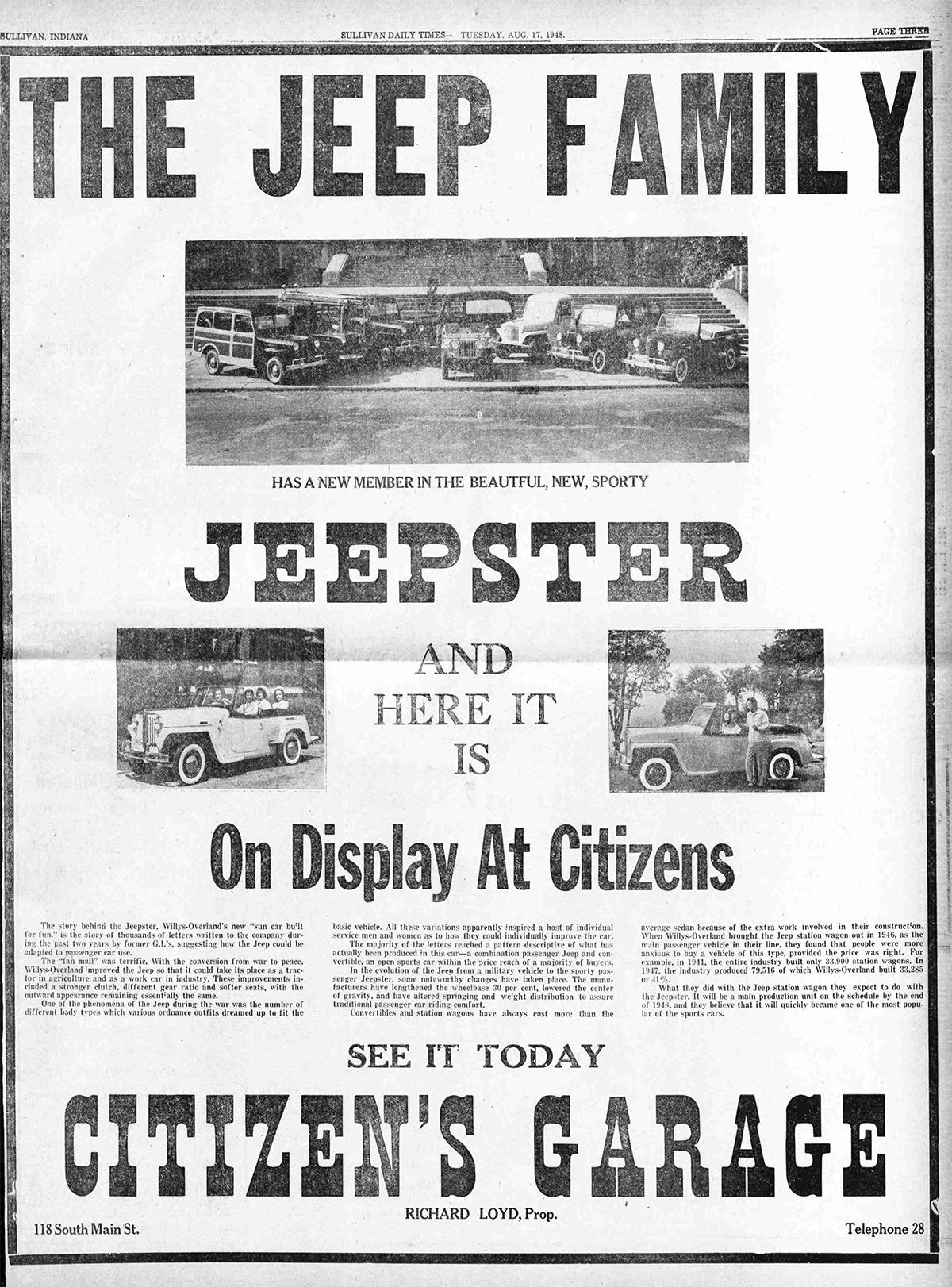
This August 17th, 1948, ad for the Jeepster was published in the Sullivan Daily Times, out of Sullivan, Indiana.
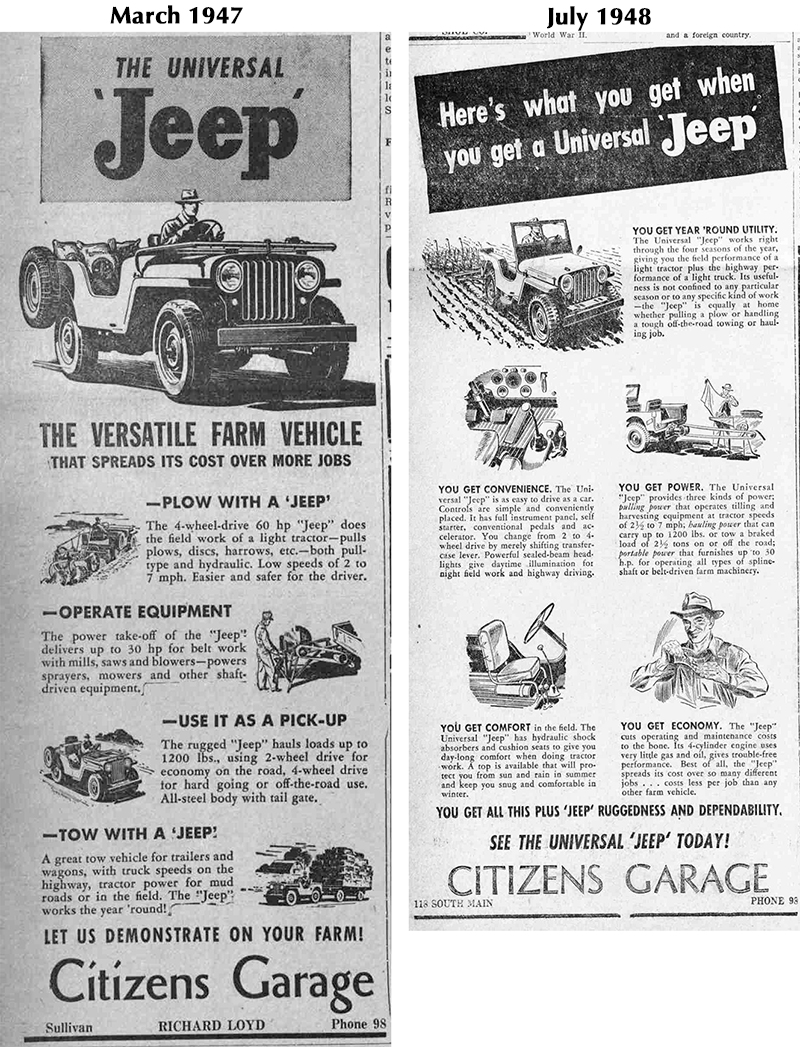
Both of these ads from the Sullivan Daily Times, out of Sullivan, Indiana, cover the features of the jeep, but do so in slightly different ways. The March 18, 1947, ad focuses on the job-task utility aspects of the jeep, how consumers can use the jeep. The July 13, 1948, ad is less about what the jeep can do task-wise and more about what it can bring consumers beyond specific tasks, such as great mileage, physical comfort, and convenience. I have not studied other ads to see if this was a general trend in Jeep advertising (in other words, I do not know if this shift directed by Willys-Overland or something Citizen’s Garage did on their own).
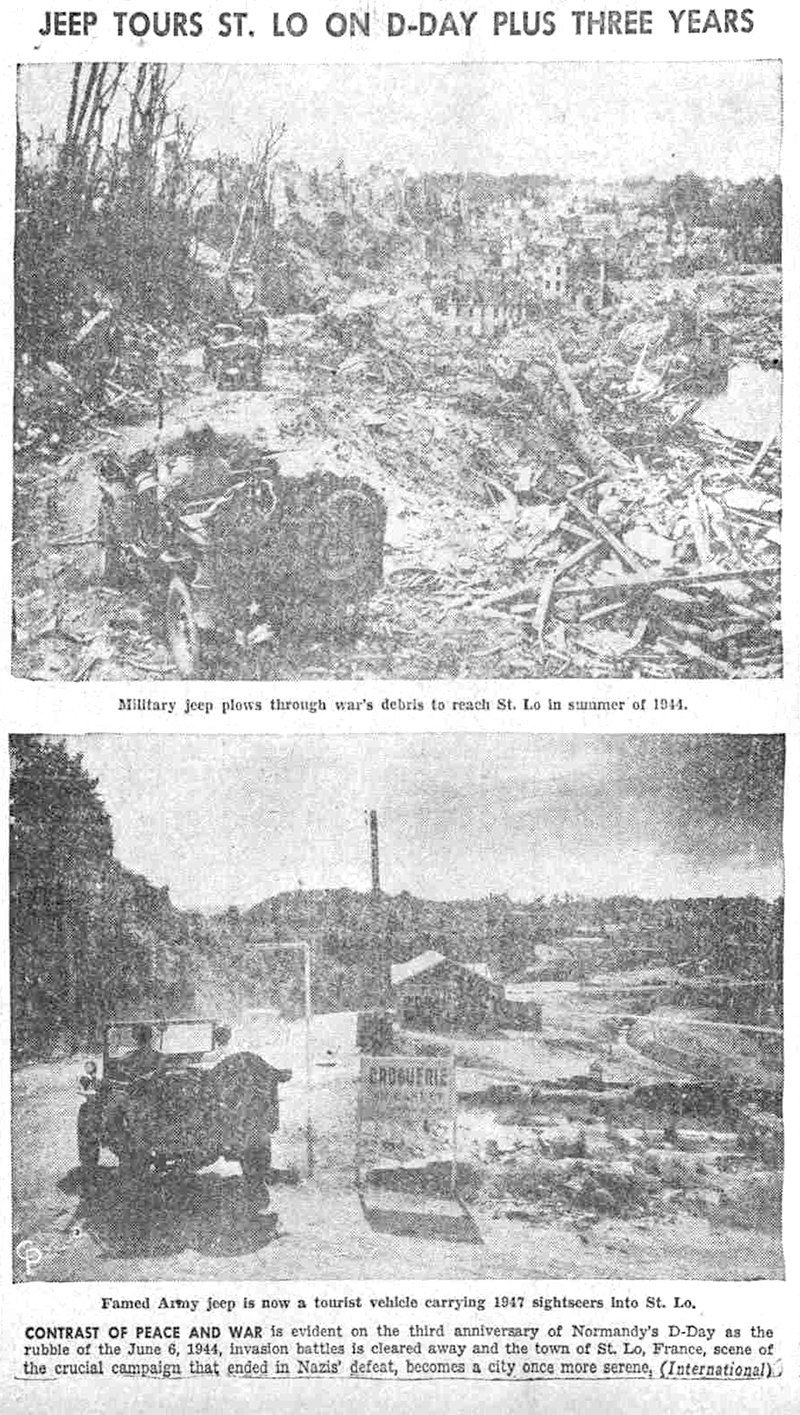
These two photos were published in the Sullivan Daily Times on June 6, 1947, which was the three year anniversary of D-Day. One photo shows St. Lo, France, in the summer of 1944. The other, taken from about the same location, shows St. Lo in 1947. After wasting far too much time examine the town via Google Earth, my guess is that the bottom photo was take just below a castle near the victim’s memorial, pointed south with the La Vire River along the right hand side.
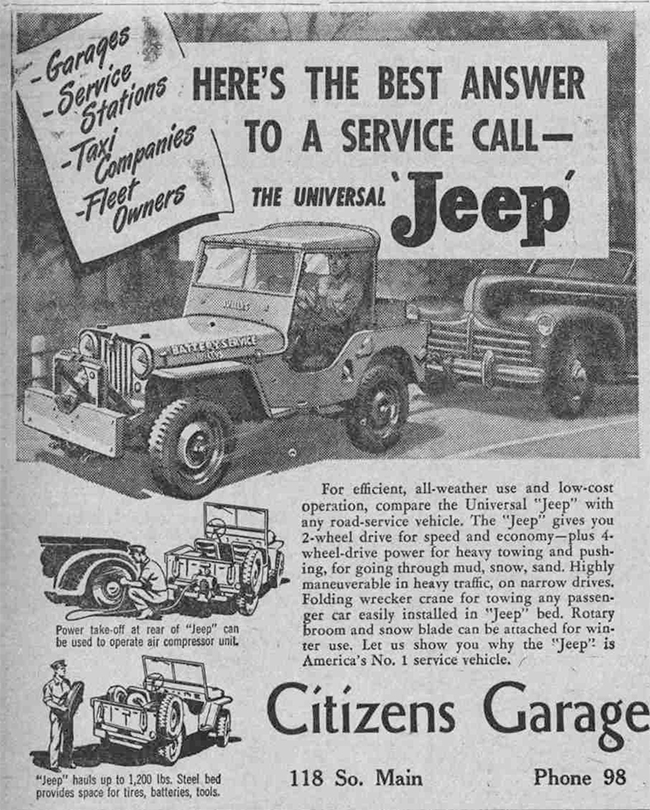
This June 3, 1947, ad published in the Sullivan Daily Times, out of Sullivan, Indiana, highlights the ability of the jeep to be an efficient, low-cost option as a road-service vehicle.