Builds Research Archives

To Top

Update on Tom’s CJ-3A APU

• CATEGORIES: Builds, Features • TAGS: This site contains affiliate links for which I may be compensated.

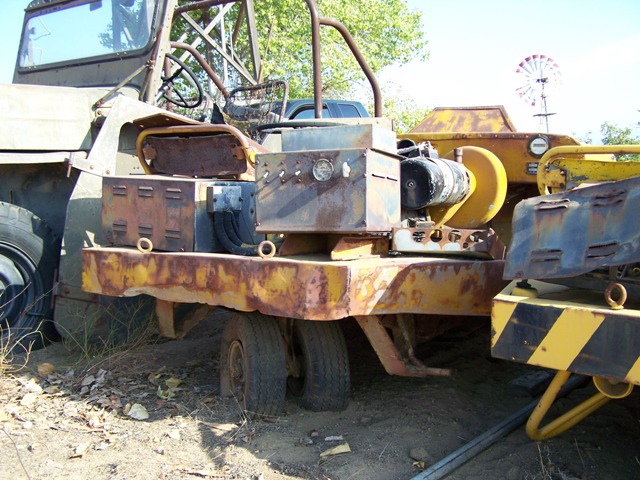
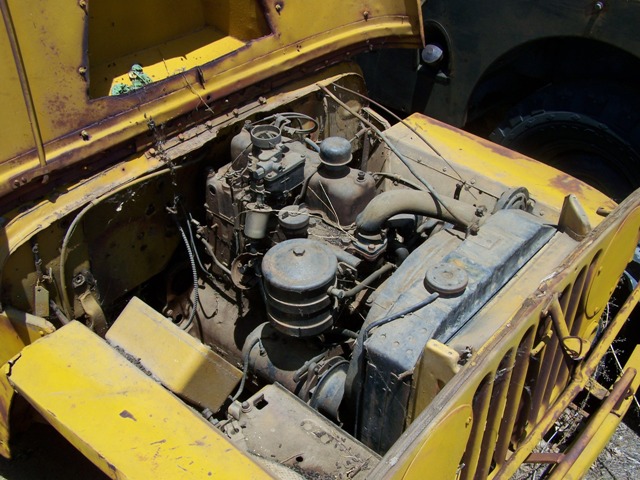
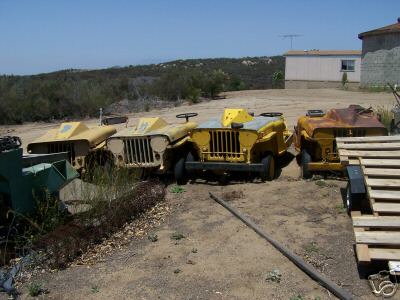
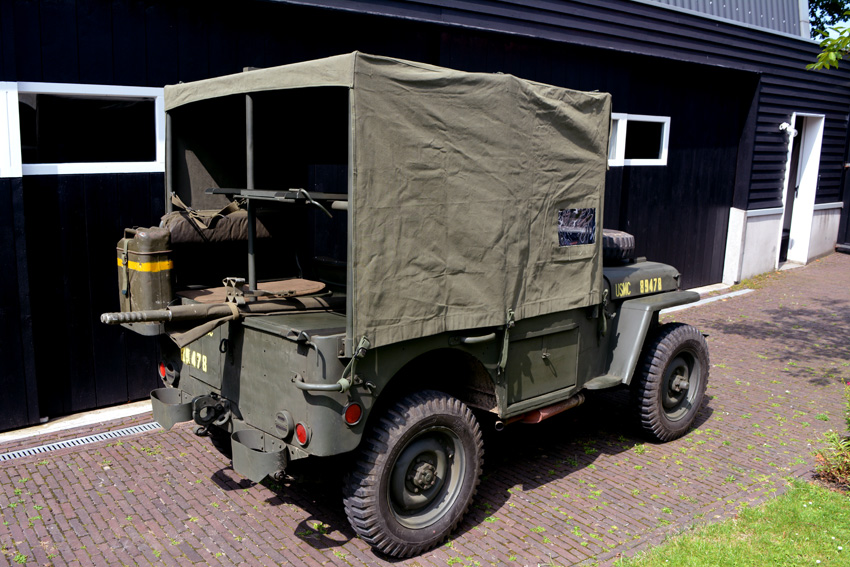
Tom’s been working on the restoration of this CJ-3A APU. He’s wondering if anyone knows anything about the three-wheeled APUs that were auctioned in California about five years ago. He’s hoping to find some of the hard-to-find APU equipment.

Here are a few photos of the APUs sold a few years ago:

power unit 1 power unit 2 power unit 3 power unit 4 power unit 6

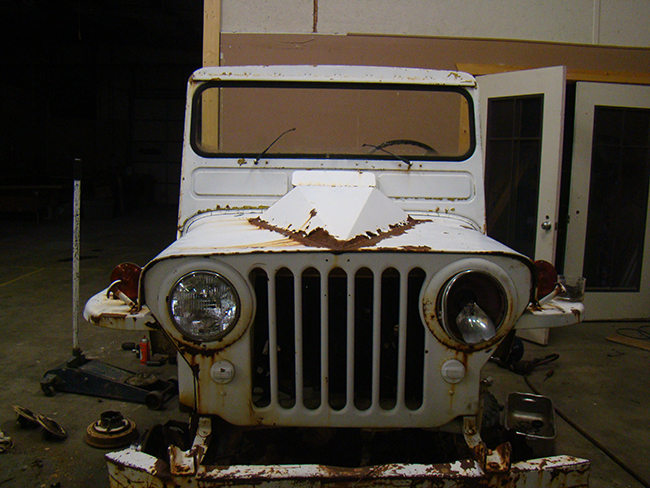
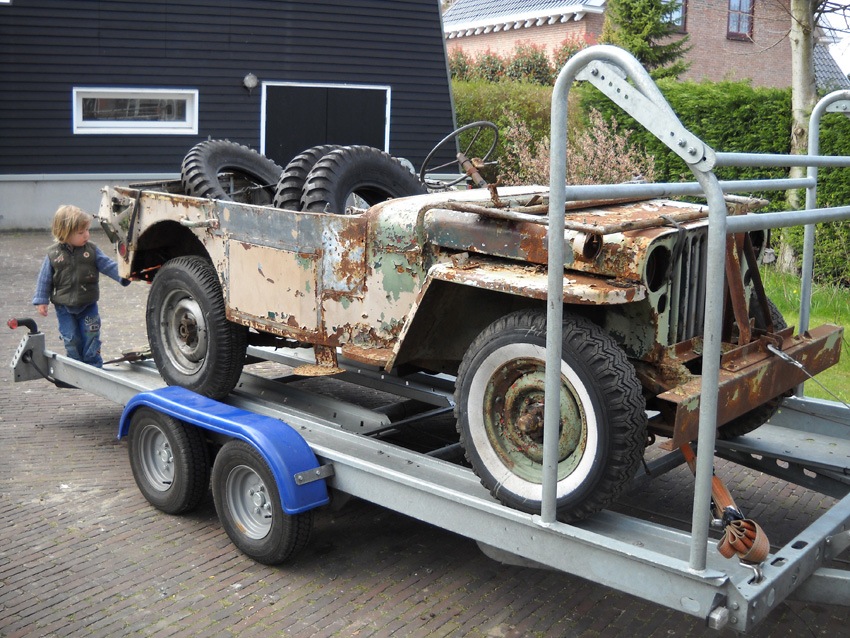
Here’s  how he started, with a jeep he didn’t know was an APU. Since then he’s been learning more about them.

apu-cj3a-fhead-apu1

Continue reading

[fb_button]
 
To Top

Update On Lee’s M-38

• CATEGORIES: Builds, Features This site contains affiliate links for which I may be compensated.

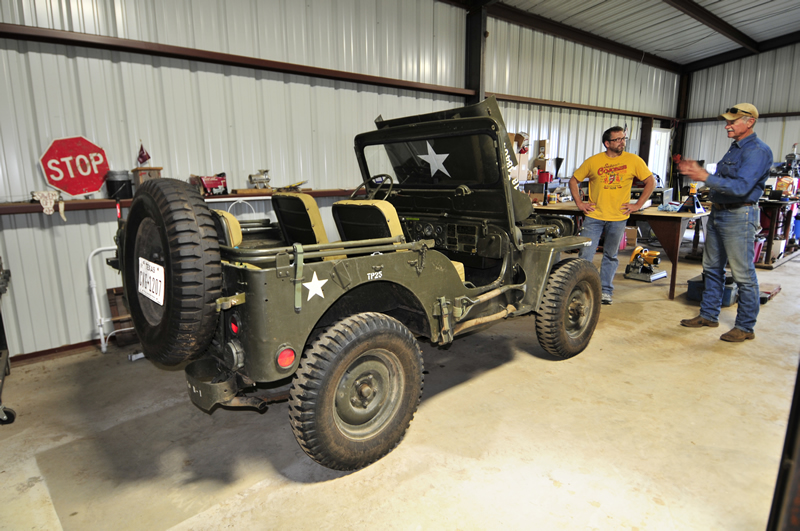
Lee’s shared some updated photos on his M-38. His goal has been to restore it back to stock. Though he’s got a great deal of stock jeep to use, as he disassembled it he discovered a few more problems than he’d planned. Despite some unexpected issues, he’s been working all summer since Ann and I visited he and his family last April in San Saba, Texas. He doesn’t have a great deal of time, between his job, farm, kids and wife, but he’s been making the most of it. He tells me he is almost done.

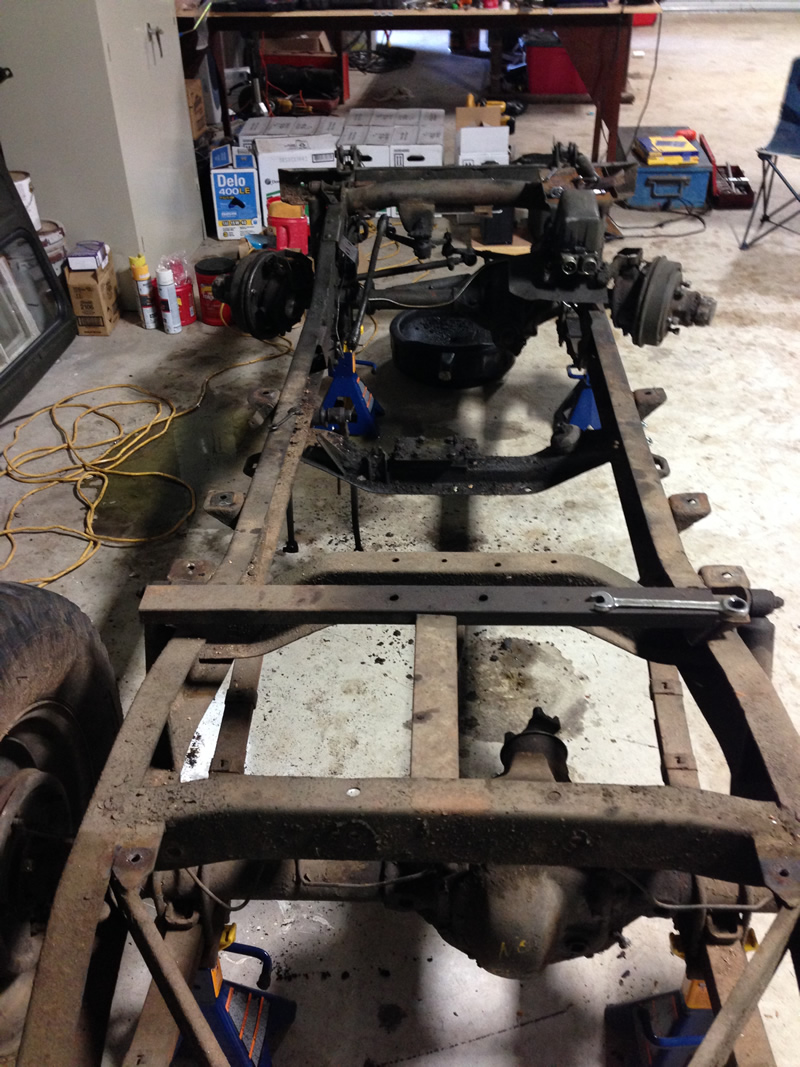
Here’s the jeep before disassembly:

2015-04-29-lee-m38-4

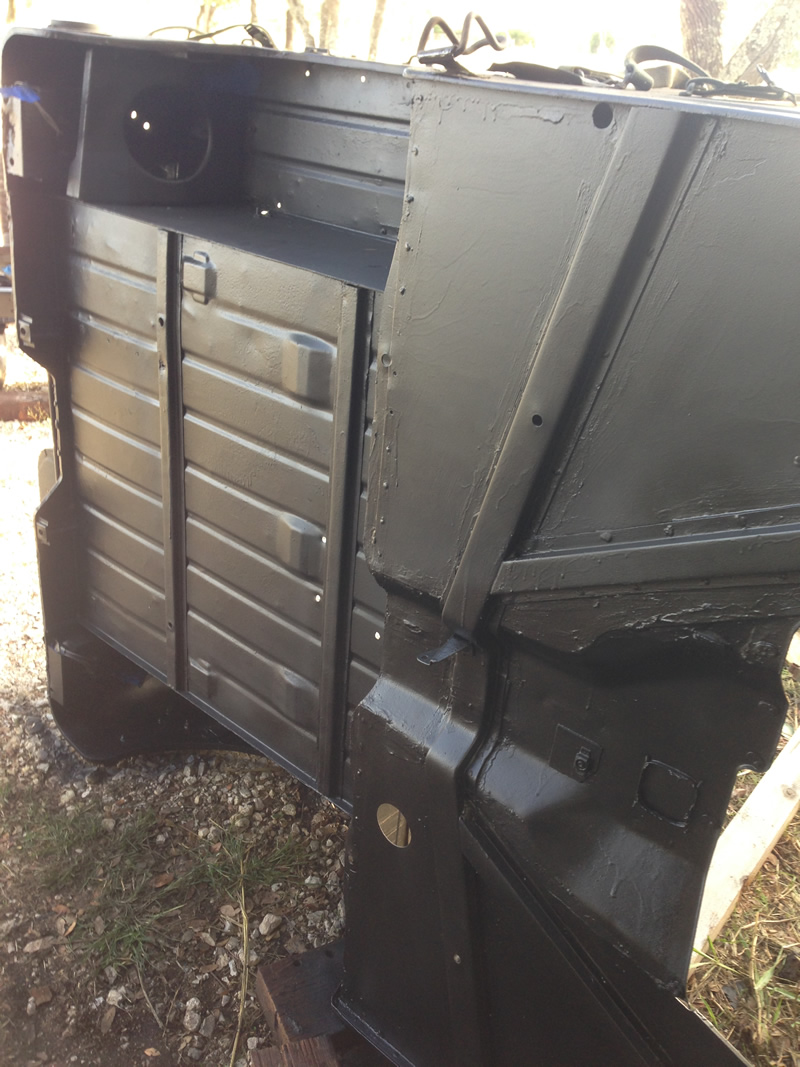
The body:

lee-m38-sansaba9

Some body work completed.


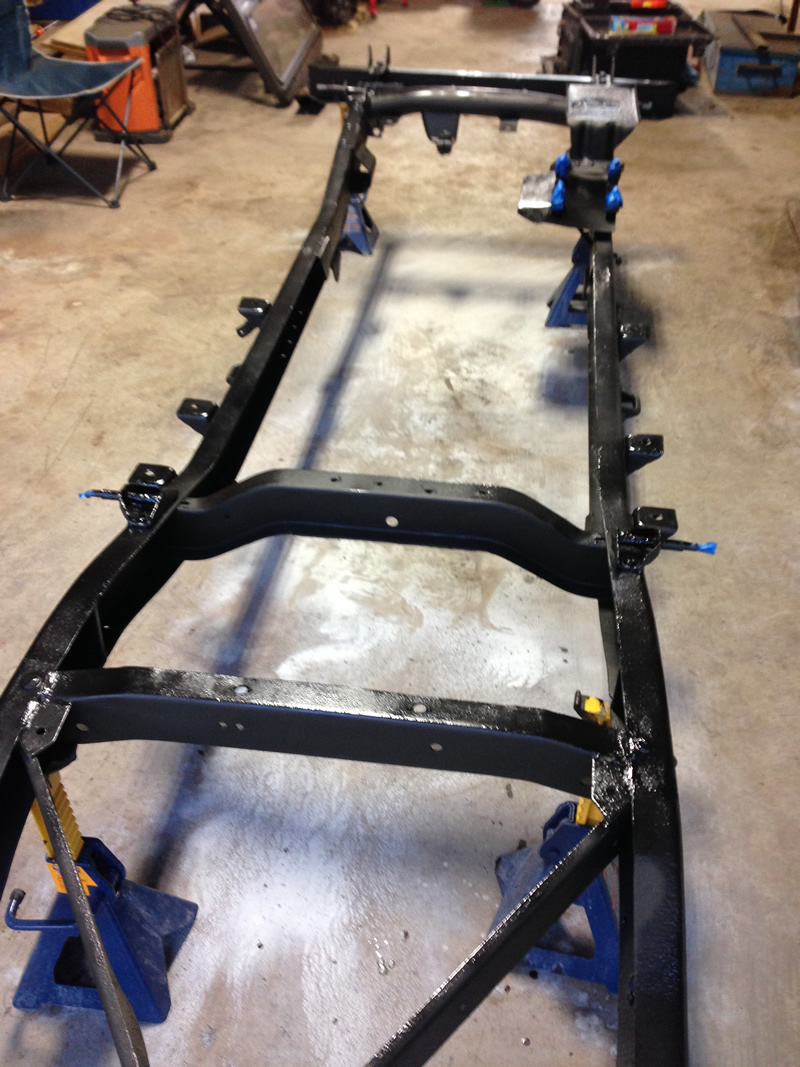
The Frame:

lee-m38-sansaba4

Plenty of scrubbing needed.

lee-m38-sansaba7

First coat of paint.

lee-m38-sansaba5

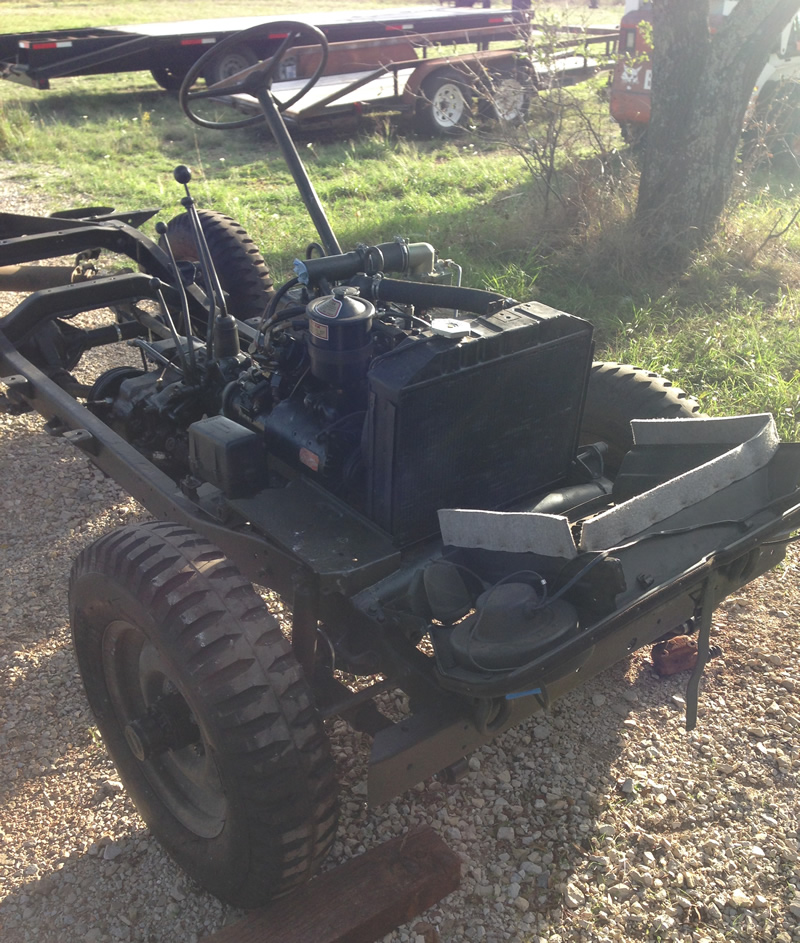
Partial assembly

Continue reading

[fb_button]
 
To Top

UPDATE: Robert’s 1942 GPW

• CATEGORIES: Builds, Features This site contains affiliate links for which I may be compensated.

You may remember Robert’s 1942 GPW from this post last year. Since then his father and he have repowered their modified GPW.

robert-wilson-10

Robert writes, It has been about 18 months since I wrote you about the GPW project that my father and I found on your website in 2010. You were kind enough to feature the build of our Willys last time. Since then we have made some drastic changes that I think you may enjoy.

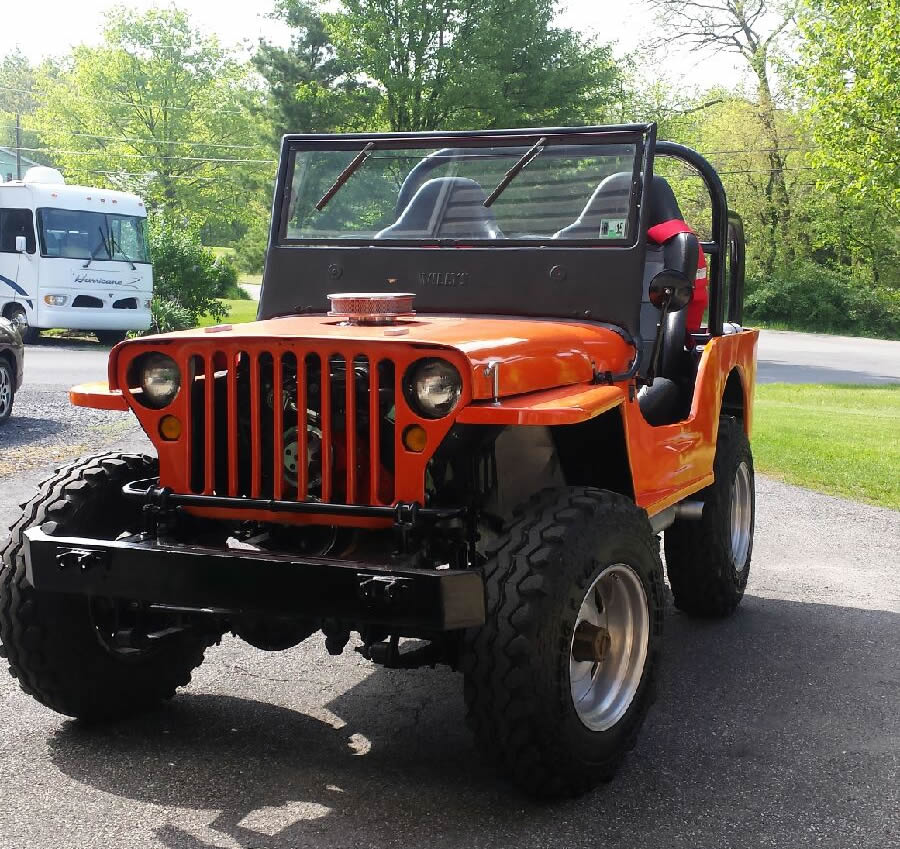
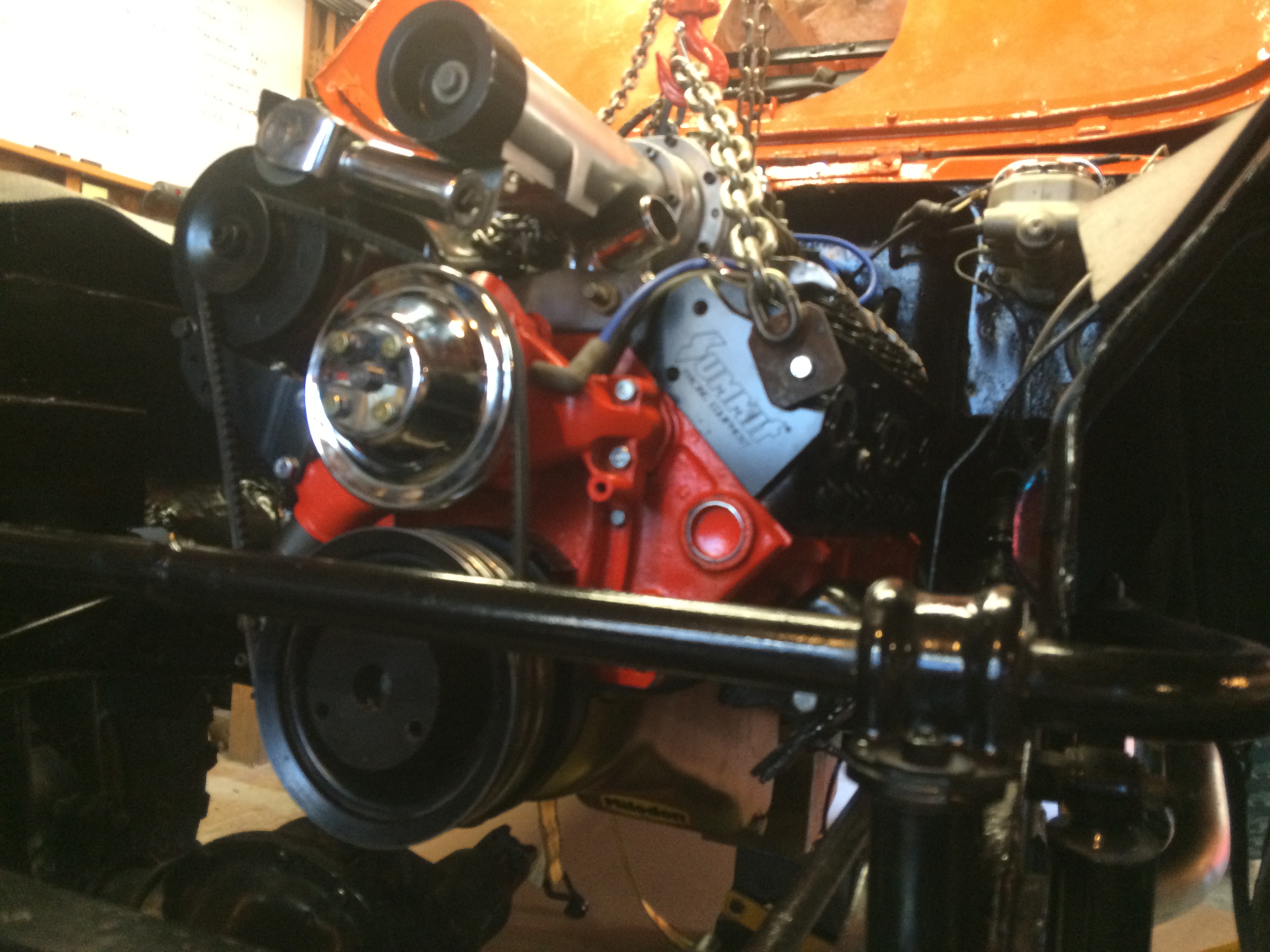
Things got out of hand last November when a simple craigslist browse lead to the purchase of a B&M 144 Supercharger from Ohio. Initially, we were not sure if the blower would find its way into the GPW, and decided to bore out a 350 that we had lying around. The plan was to build a supercharged 383 stroker for fun, and then decided what vehicle to install it in. As you may imagine the longer we had the blower in the garage the more inclined we were to see it tentatively installed in something, and the GPW was the easiest option. We pulled the 400 SBC and installed the 350 with no internals, but the blower on top to see how it looked. The result was amazing, and we decided that the Willys was going to get a new motor!

robert-wilson-1

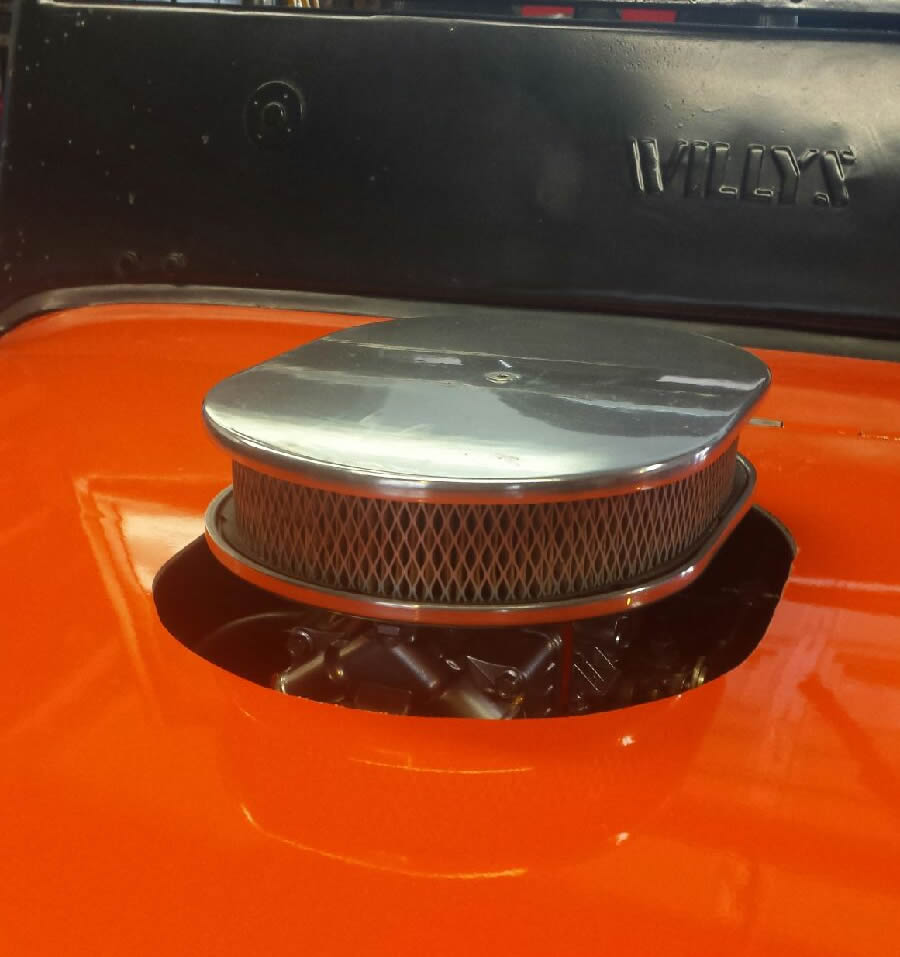
Installing a small block chev​y with a blower in a Willys that came with a 4 cylinder comes with numerous obvious and unforeseen hurdles. For instance the blower is a bit taller than a traditional intake manifold, and consequently the hood would not close. Therefore, we moved the motor mounts down which actually helped the center of gravity! This alone did not clearance the blower, carburetor, and air cleaner though. However, we were undaunted, and decided that the only remaining option was to cut a hole in the hood and stuck the air cleaner out!

robert-wilson-2 robert-wilson-6

After we figured out how to fit the motor in up and down we decided to address the issue of front to back. The position of the motor already had the HEI distributor close to the firewall so there was no room to move the engine backwards, and the snout on the blower was too long for us to fit the single core radiator before the grill. Therefore, we completely removed the radiator from the engine compartment, and installed a new 3 core aluminum radiator on the roll bar behind the seats! We had to customize all of the plumbing for the cooling system, and my uncle assisted us with a very special bender borrowed from a former custom off-road shop. In addition to the bent aluminum portion we ran the same flexible lines along the frame rails that you can find on monster trucks. Continue reading

[fb_button]
 
To Top

Colin’s Surrey’s Head Games

• CATEGORIES: Builds, Features This site contains affiliate links for which I may be compensated.

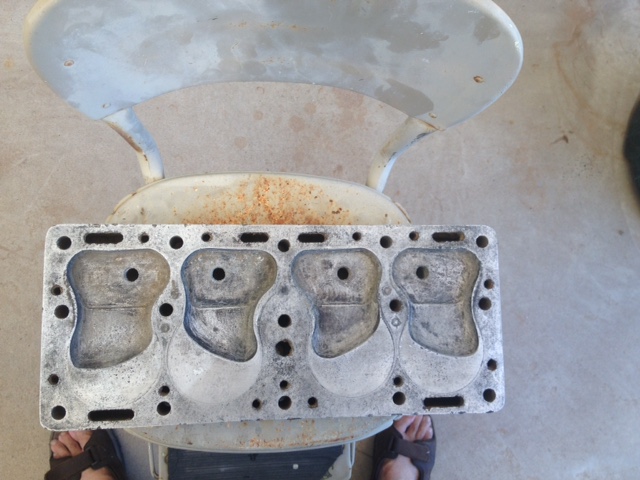
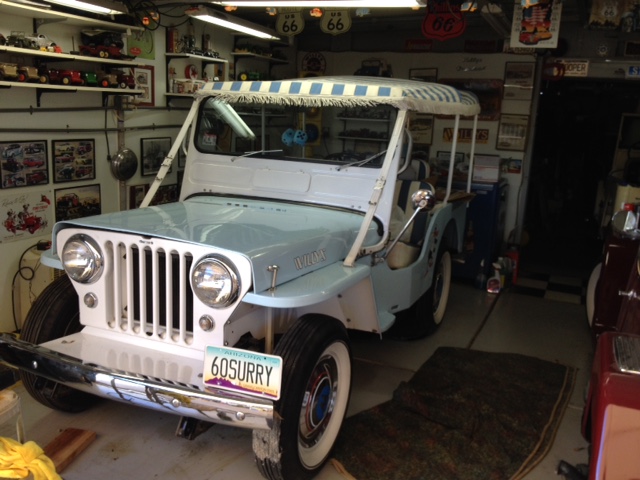
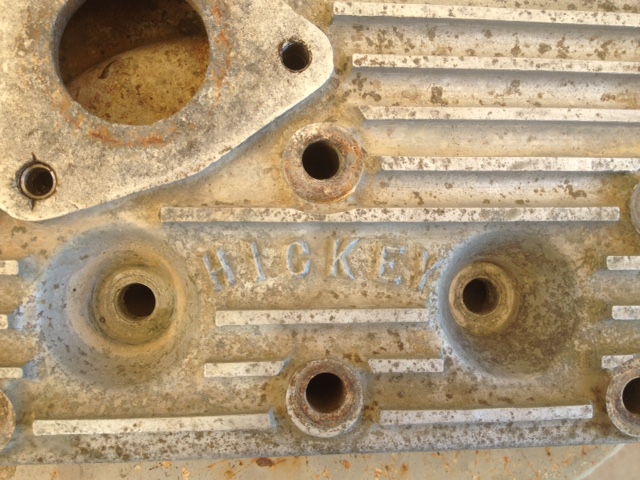
Colin bought a Hickey aluminum cylinder head to modify his 1960 Surrey, but ran into some problems with it. Below he describes the changes he made, the problems he encountered, and his current solution. Thanks for sharing Colin!
IMG_1029

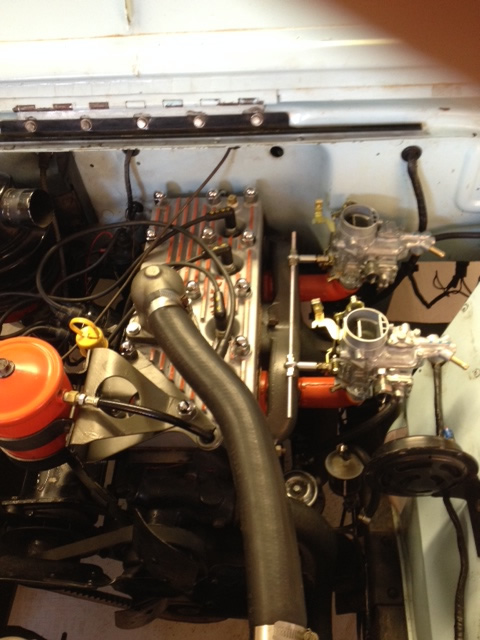
I started a hop-up project on our Surrey that involved the installation of a 1950s Nick Hickey aluminum cylinder head for the L-134. That morphed into the fabrication of a dual carb setup using  two intake manifolds with a balance tube an F Head exhaust manifold that a very good friend, Steve Mason, and I fabricated out of an old manifold supplied by Jim Sullivan.

The first issue was the two new Weber carbs. They were supposed to be synchronized and jetted the sam, but weren’t. That led to the rear carb dumping extra fuel into #s 3&4, resulting in a blown head gasket which dumped coolant into those cylinders.
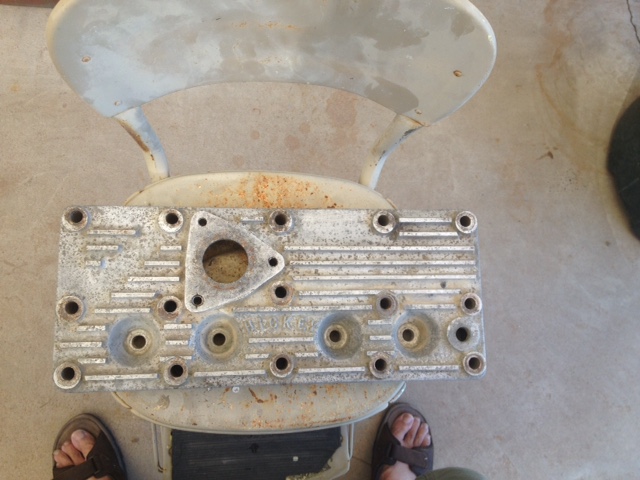
IMG_0788

Hickey head top and bottom.

IMG_0787

Took it all apart, rejetted the carbs and had the head resurfaced. I finished buttoning everything up and fired it up. adjusted the carbs slightly, running smooth, then noticed coolant in the #2 spark plug recess. Shut it off, pulled all plugs, could see coolant in #2, and steam coming from what must be a crack in the threads.

When I had the engine running previously I did not have water pooling in the plug basins. Upon looking at the plugs, the electrodes indicated the possibility of them coming in contact with the valves. Took a very hi intensity flashlight and looked into the cylinders and at least two of the valves I saw the imprint of the electrode on the valves.
IMG_0789

So my theory is this:
I had the head resurfaced and in that process, the machine shop used an epoxy to smooth the surface indentations( corrosion?), and then did the resurface. The plugs I had used were nearly new from the original head. Those electrodes did not extend into the combustion chamber. The machine shop( guys who do a lot of work on Ford V8s with aluminum heads told me to get plugs with a slightly longer shank for better combustion. So I did. Only a small imperceptible difference in length.
IMG_1046 Continue reading

[fb_button]
 
To Top

Paul’s Stainless Wheel Covers

• CATEGORIES: Builds, Features • TAGS: This site contains affiliate links for which I may be compensated.

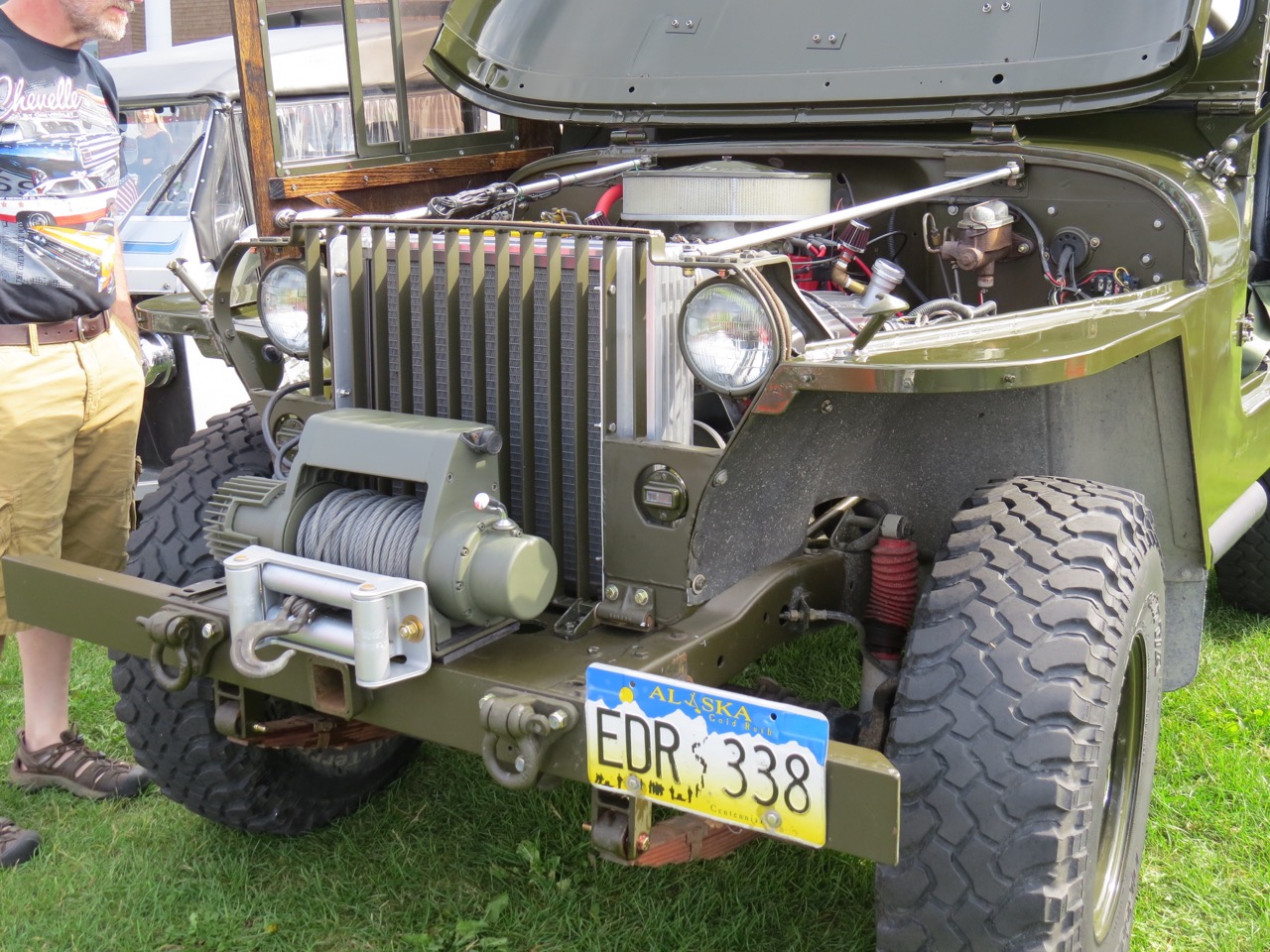
With winter settling into Alaska, Paul has returned to continue work on his Stainless M-38 (and a matching stainless trailer). I believe this is the 28th year of the project? Thanks for sharing Paul!

paul-wheels8

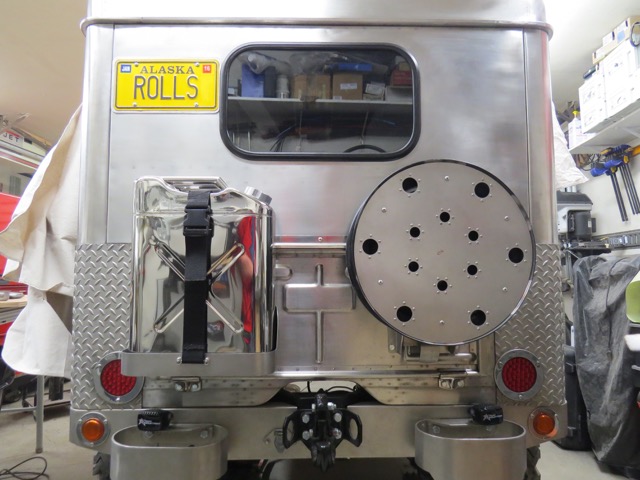
Knarley Rolls, Paul’s M-38. The spare with its cover is attached to the back of the jeep.

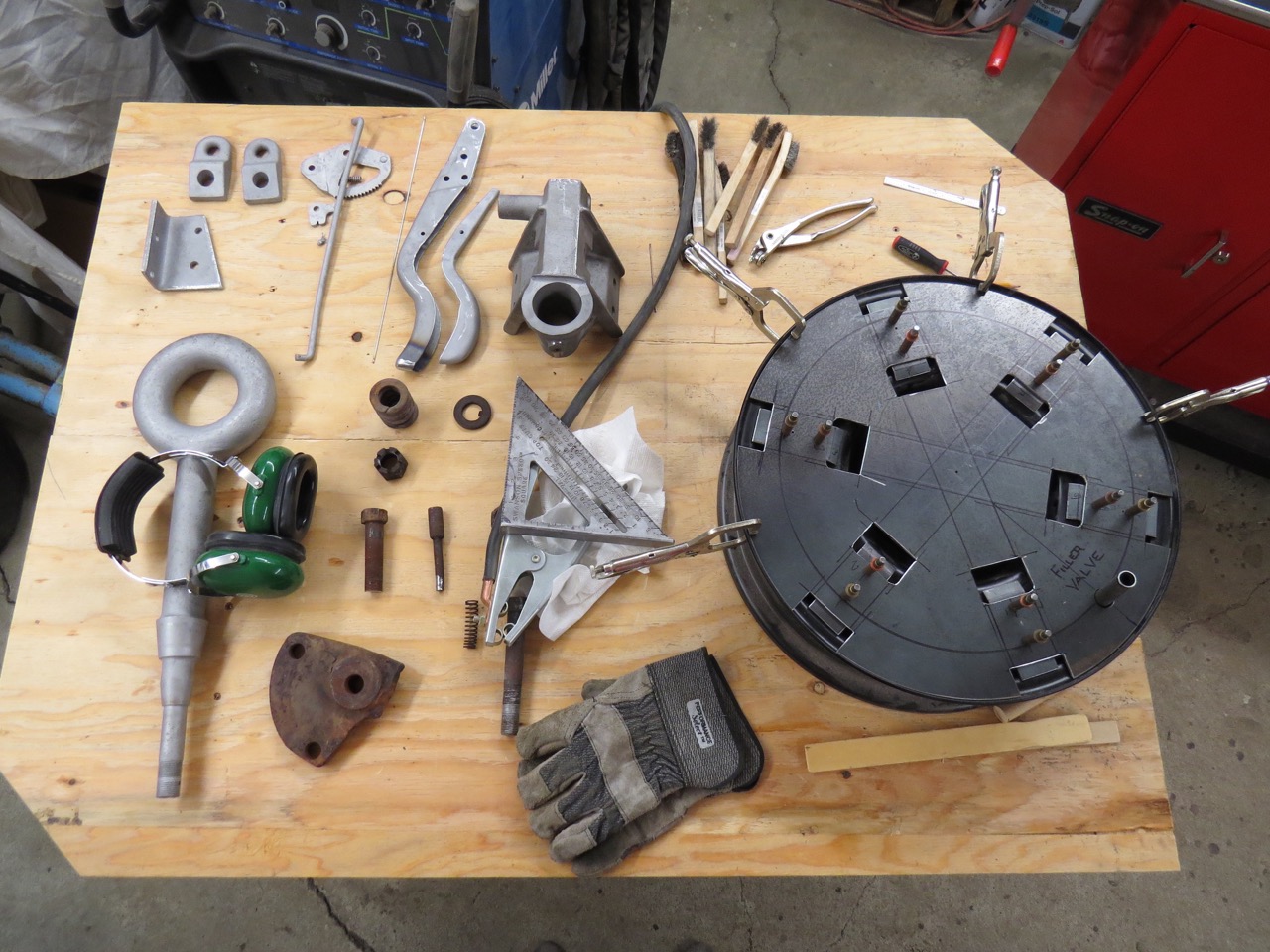
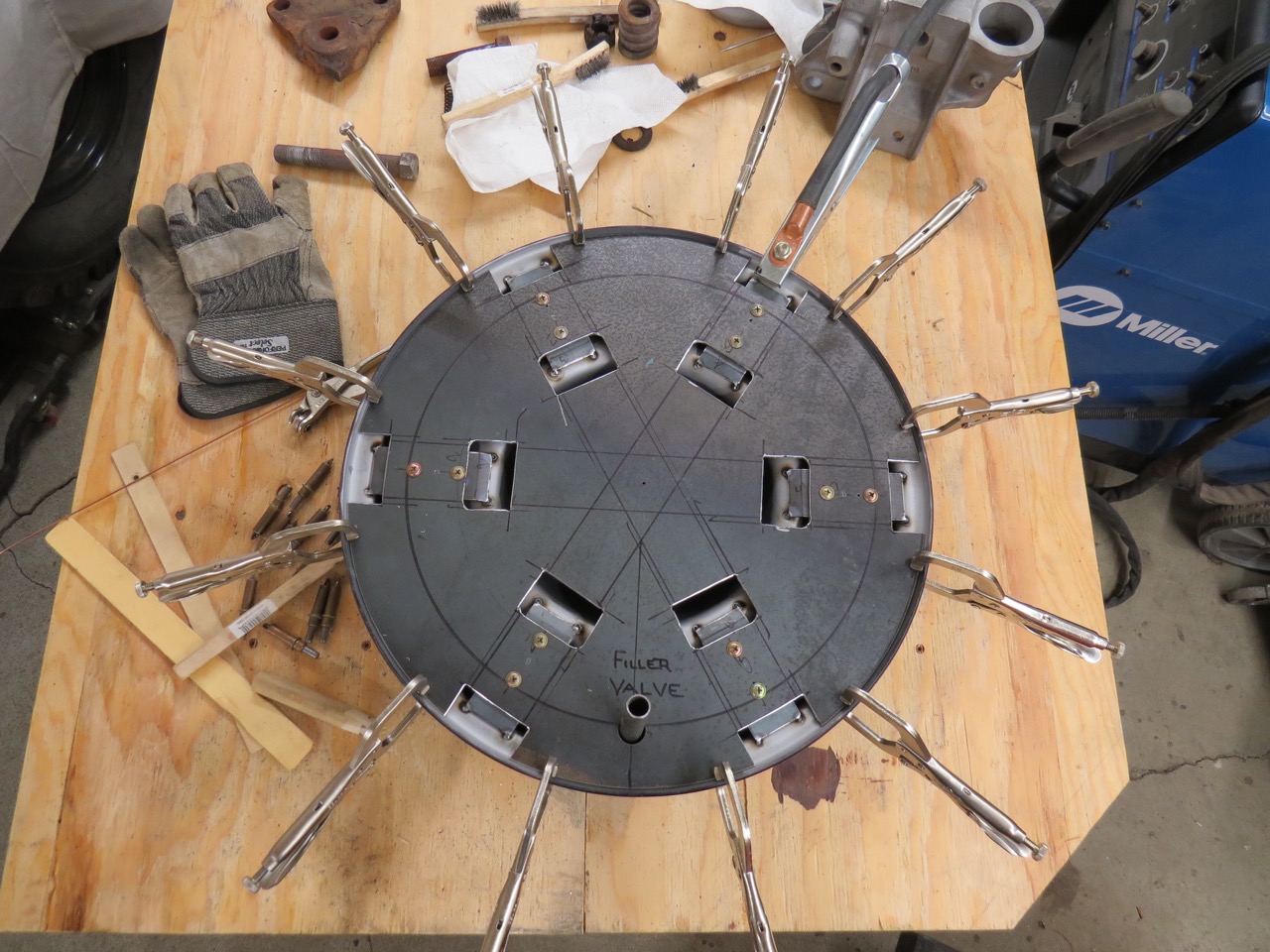
The black steel wheel in the photo below is one of 8 new wheels I purchased for the Willys (4 and a spare) and the M100 trailer (2 and a spare) so I need to modify these wheels to accept the stainless wheel discs I previously made. Each wheel will have 6 metal tabs (evenly spaced) welded to the outer face of the wheel with the tabs running from the outer bead flange to the raised inner ring around the lug nut area and each tab will have two nuts welded to the inner surface. These nuts will line up with holes drilled thru the stainless wheel discs to accept the wheel disc attach hardware and the tabs will provide additional support to hold the wheel discs while driving.

paul-wheels1

The black rim is to the right covered by a template. The other parts are trailer pieces from the disassembly of his trailer.

My original plan was to have only one nut per tab (so the wheel disc would be held on with six machine screws) but it’s much easier to weld two nuts to each tab while I’m making the parts than to have to add additional nuts and attach screws after the wheels have been powder coated just in case the discs wobble during rotation. I’ll try the 6 attach screws per wheel first and if the wheel discs stay smooth during driving I’ll leave the extra 6 nuts empty. If the disc shows any sign of instability while driving I’ll use all 12 screws to attach the disc for extra support.

paul-wheels2 paul-wheels3

Continue reading

[fb_button]
 
To Top

Craig’s 1943 GPW Rebuild

• CATEGORIES: Builds, Features This site contains affiliate links for which I may be compensated.

IMG_0115

Craig recently inherited this 1943 GPW from his deceased father. His Honda Racing shop will be rebuilding this. The goal will be to keep it’s original look. He plans to have it completed in two months and share some photos when completed.

IMG_0119

Here is a list of items to be done:

Body (tub) removed and sandblasted
Rust locations repaired and sealed
Repair rear bumperettes
Underbody and frame powder coat black color
Body to be painted in either original OD green enamel or we may color match that and paint with acrylic
The problem is we are not allowed to use enamel in our spray booth legally
We will not have any decals except for a small one on the back which says “1943 Ford GPW”.

Continue reading

[fb_button]
 
To Top

1948 Wagon Undergoing Restoration in Australia

• CATEGORIES: Builds, Features This site contains affiliate links for which I may be compensated.

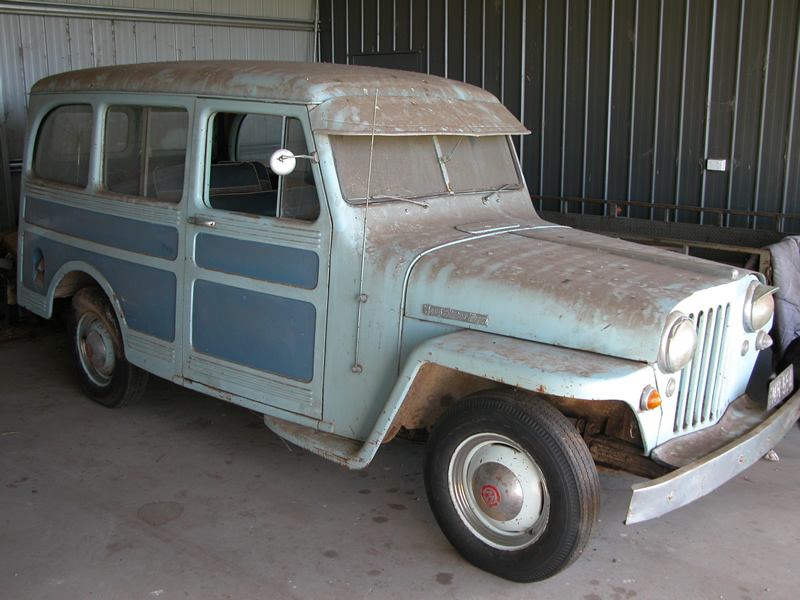
Leigh found this 2WD 1948 wagon that had been sitting in a shed in Australia since 1994. He plans on restoring while retaining the current look as much as possible. From what he has been told only about 400 Wagons of any description came to Australia so parts are a bit difficult, however he reports Kaiser Willys has been a big help.

1948-wagon-leigh-shields-australia-lores

[fb_button]
 
To Top

Paul’s Shielding the Heat

• CATEGORIES: Builds, Features • TAGS: This site contains affiliate links for which I may be compensated.

Paul built a heat shield to protect his steering assembly. I believe it’s his last project of the winter. Paul’s putting ‘Knardly Rolls’ to rest until Fall. It’s now time for him and the Goddess to drop the top on the Miata and explore the melting tundra.

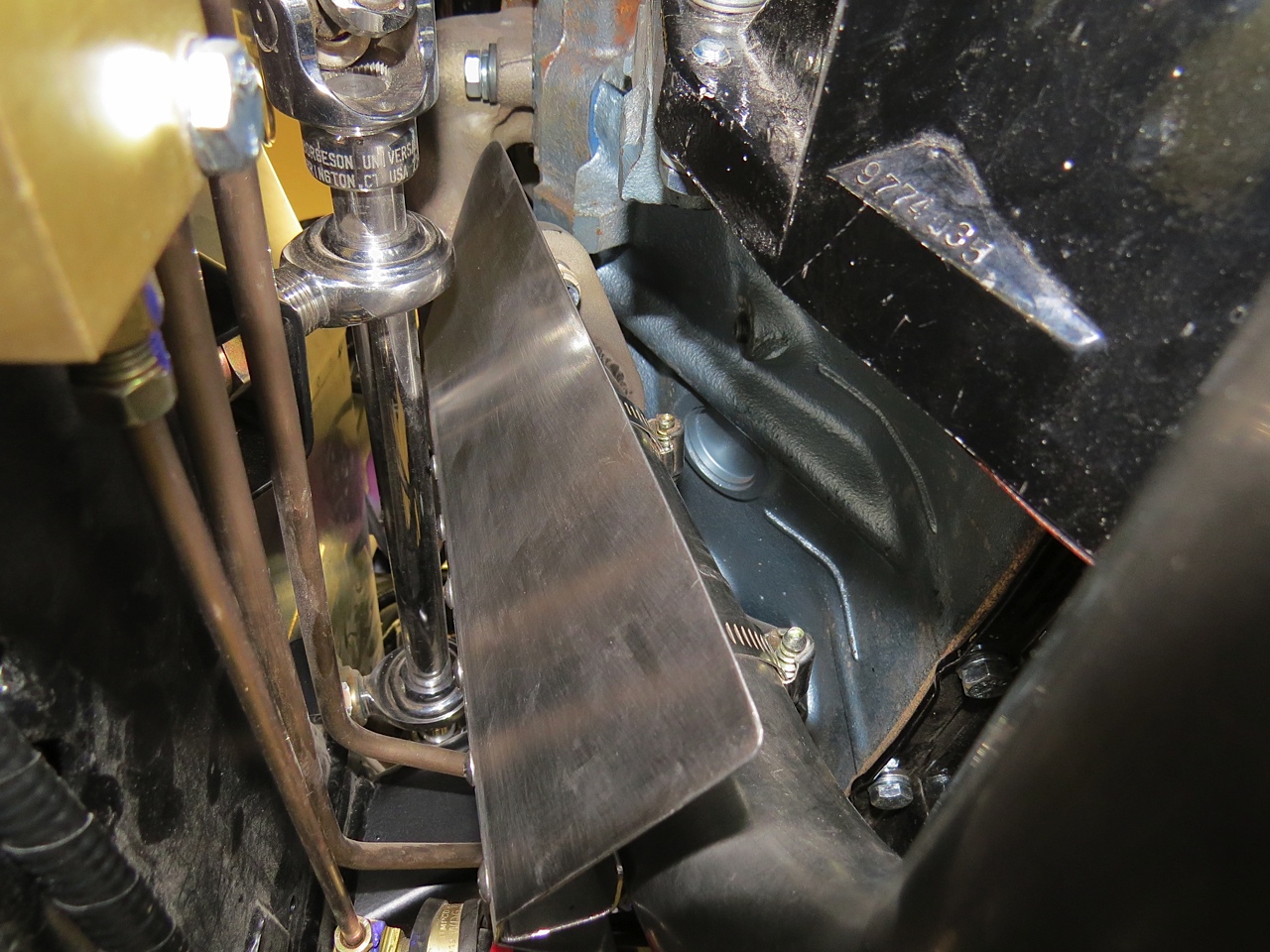
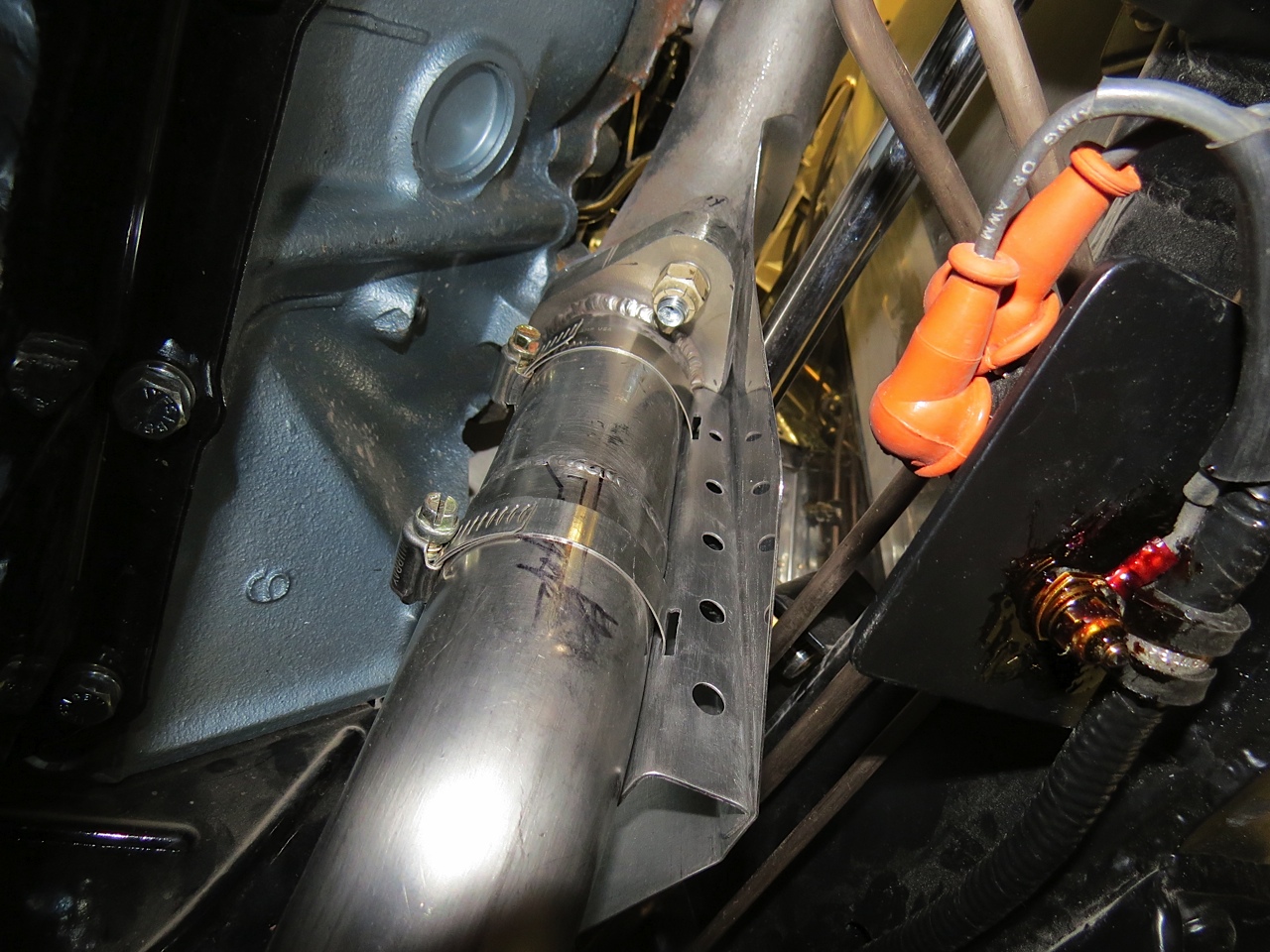
He writes, Here’s the heat shield I made to protect the steering assembly from the heat given off by the left exhaust manifold and exhaust tubing. As you might have noticed there’s very little clearance between the heat shield and the steering shaft.  A penny will not fit between the heat shield and the steering shaft. The heat shield is .020” stainless and the attach bracket which clamps to the exhaust pipe is .050” stainless.

paul-heatshield2

The decreasing diameter holes drilled thru the attach bracket will allow cooling air to pass behind the heat shield which will help keep the steering linkage from getting too hot. I hope. The brown coating on the brake light switch ground wire attach bolt is a gasket shellac that should prevent water from seeping between the ground wire connection to the bare frame so corrosion is prevented. The exhaust is held to the manifold by silver plated high temperature steel self locking nuts.

paul-heatshield1


[fb_button]