emailNeed to contact me and don't have my email? Click on email button.
About eWillys
Welcome to eWillys.com, a website for vintage jeep enthusiasts. I update this website nearly every day with jeep deals, jeep history, interesting reader projects, jeep related info, and more.
These quick searches can help you find things on eBay. People list in the wrong categories all the time, so don't be surprised to see brochures in the parts area for example. This section used to be split into jeeps, parts and other categories, but recent changes to eBay will require this information to be recoded.
The links to posts below show jeeps grouped by models, condition, and other ways. Some of these jeeps are for sale and others have been sold. If you are unsure whether a vehicle is still for sale or not, email me at d [at] ewillys.com for more info.
Importantly, the allure of buying a project jeep can be romantic. The reality of restoring a jeep can be quite different, expensive and overwhelming without the right tools and resources. So, tread carefully when purchasing a "project". If you have any concerns about buying a vintage jeep, or run across a scam, feel free to contact me for help, comments or concerns .
UPDATE: These are no longer for sale. I keep this post just for ideas.
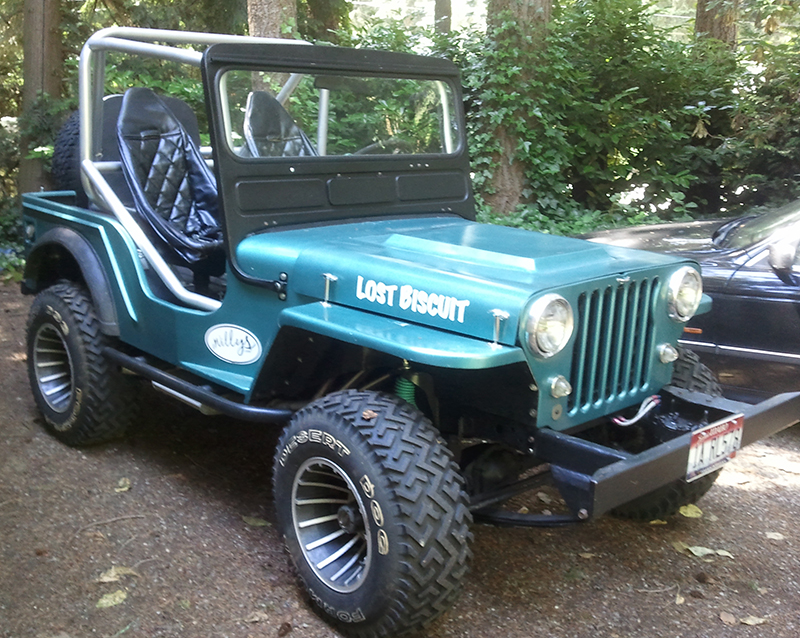
Jim writes, “I’m tired of not having anything out there anymore for Willys. For example, the only replacement seats you can get for an early Willys are either military or black vinyl. How boring! There are no more bikini tops of any variety – everyone pretty much runs the same boring top. Continue reading →
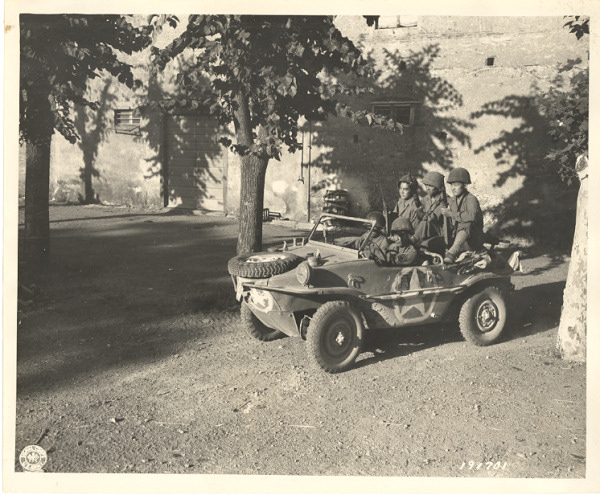
On the heals of yesterday’s GPA, I thought I’d do a brief shout out to the Schwimmwagen. You can read more and see more pics about the Schwimmwagen at Brian’s site. Here’s a pic (below) from July 12 1944 (from Brian’s site as well). Here’s some youtube videos.
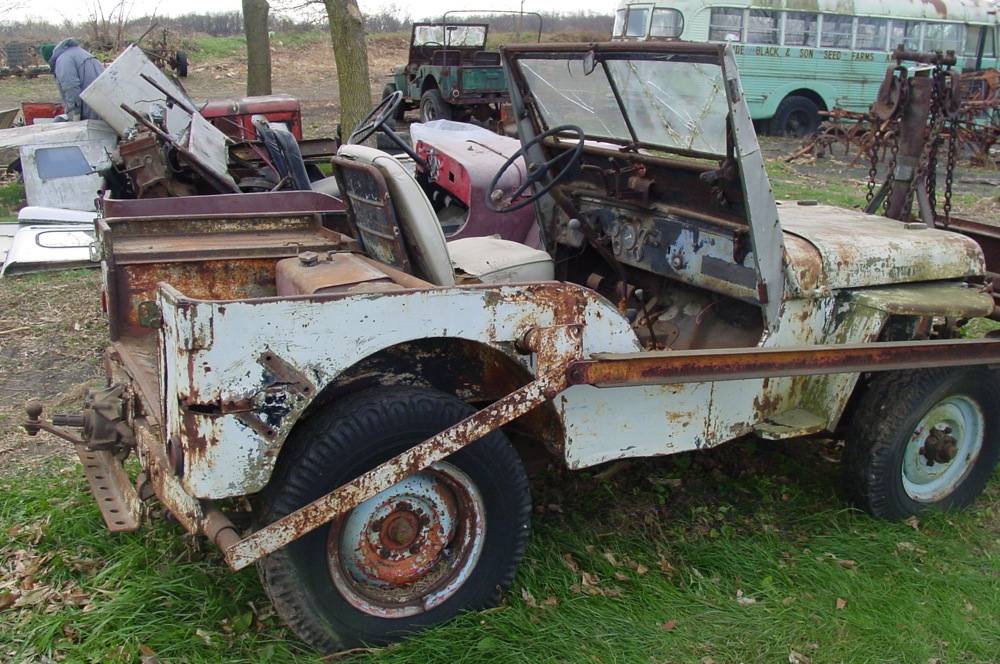
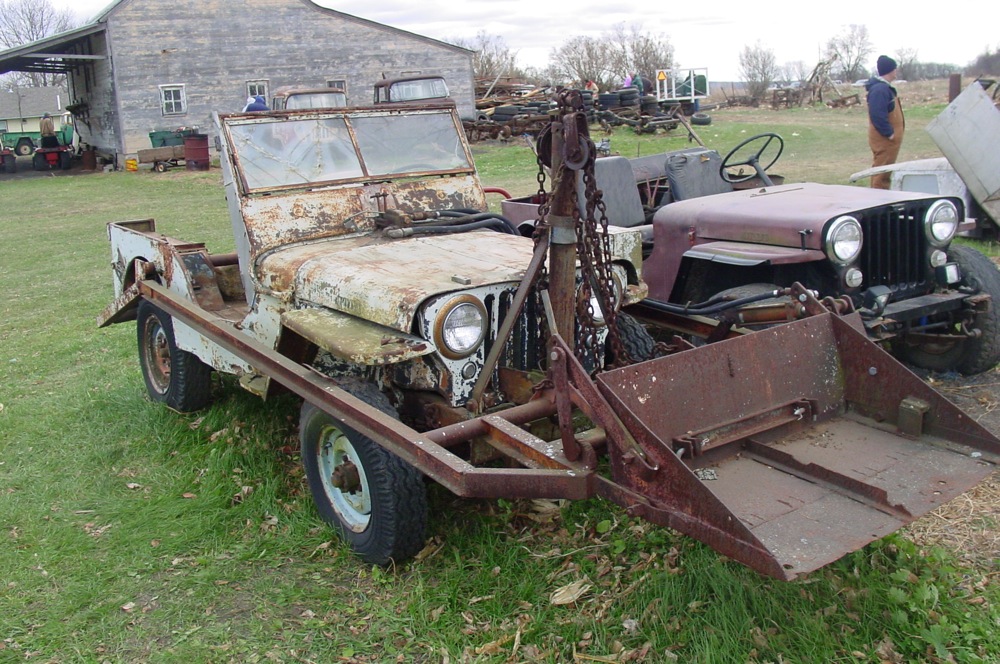
To keep with our recent front loader theme, Steve sent me some pics of what I’ll call a ‘custom’ loader (at least, I think it’s a one-off) mounted on the front of an old flattie. Don’t try this at home! Please! This was sold at an auction in Ames, Iowa a few years back.
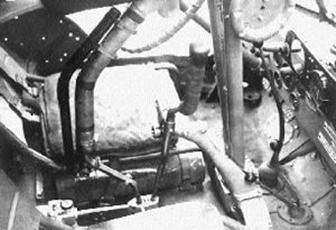
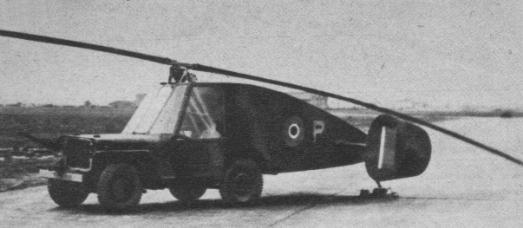
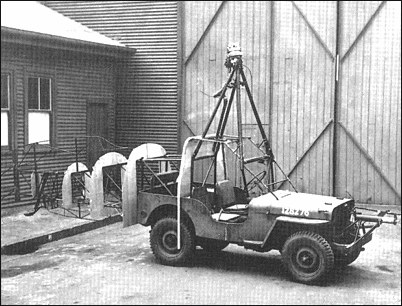
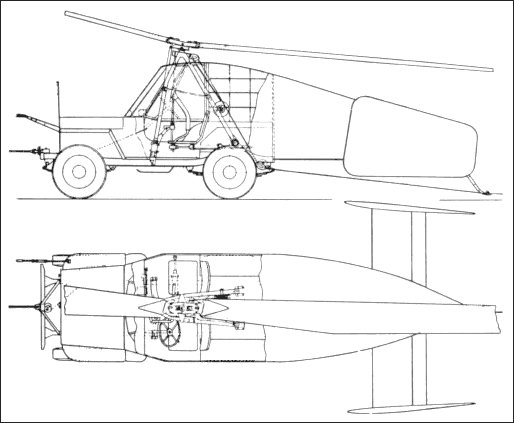
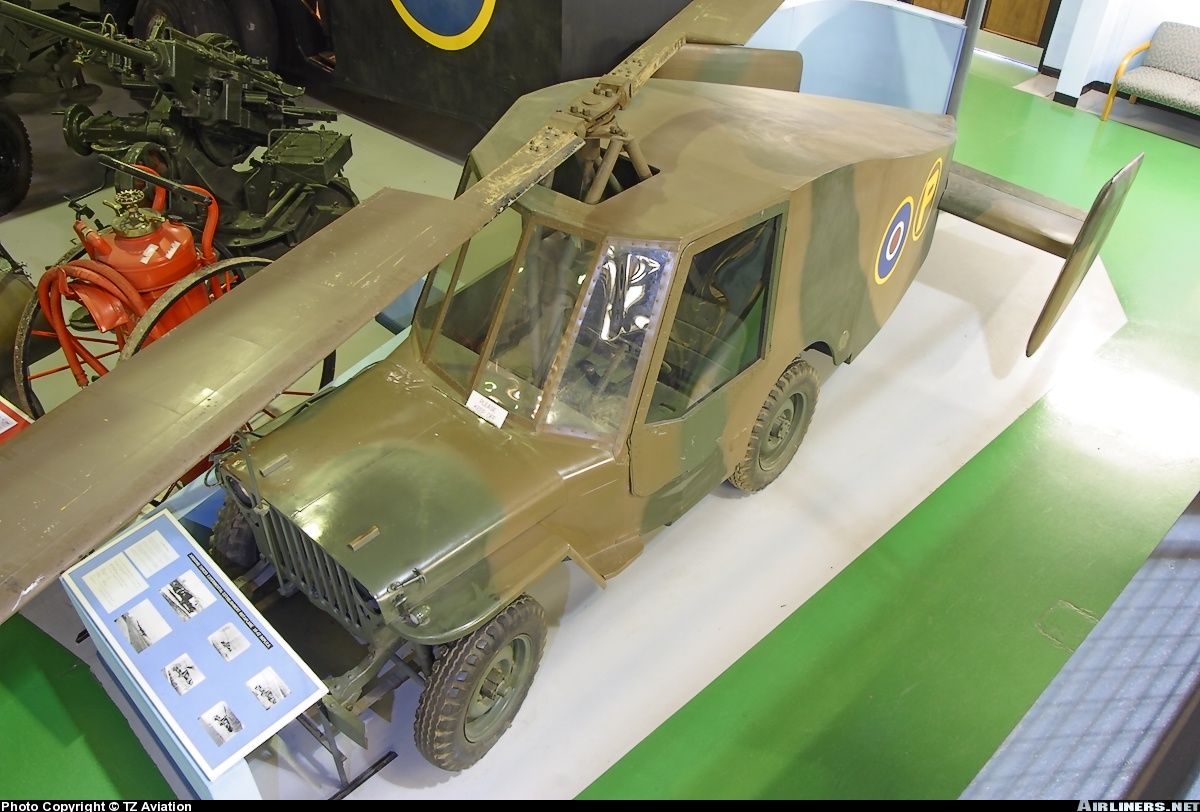
On some post somewhere I have an image of the flying jeep. I recently found a trove of information and images of the Rotabuggy, (actually, I just did a google image search of a rotabuggy) including pictures of a recreated model. One of the more unusual images is an interior shot, which I show to the right.
“In the early 1940s flight tests had been carried out on a number of one-man gliders known as Rotachutes. During this time Raoul Hafner decided to apply the same principle on a larger-scale military vehicle. On 3 April 1942 the Rotary Wing Section of the Airborne Forces Experimental Establishment AFEE) at Ringway, Manchester, submitted a proposal for the application of the system to the Blitz Buggy or Jeep.”
The Unreal Aircraft website records an eye witness account of one flight, which left the driver exhausted.
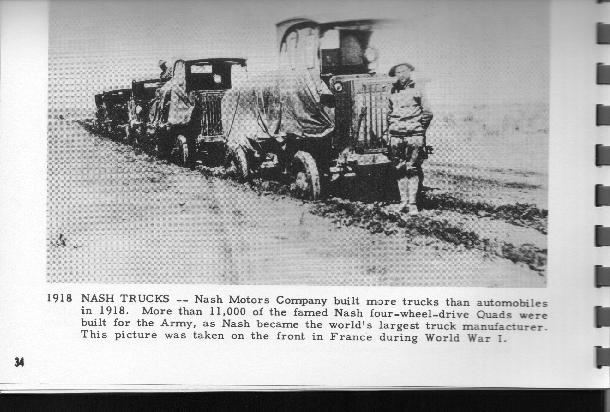
It was one of those days where I was searching for one thing and found another: The Nash Quad Truck (the truck to the right is a 1919 Nash Quad, Owned by Bruce and Melanie Rice #8880). These are 4wD with four wheel steering. (see the video below to see a quad and its steering in action)
It turns out, these were a big hit during World War I. In the Story of the Jeep, Patrick Foster writes that the Quad ” … dramatically proved it’s worth … and proved the value of four wheel drive …”
“The Nash Quad was first manufactured in 1914 by the Thomas B. Jeffrey Company, which was located in Kenosha, Wisconsin. It became quite popular during World War I and was used by the armed forces of not only the United States, but also Russia, France and Britain. One of the first motor vehicles to offer four-wheel drive, the Quad proved very suitable to the rough, unpaved roads of the time. In 1916, Jeffrey sold the production rights to the Nash company. Because of its popularity, it was produced in large numbers, including license production by Hudson, National, and Paige-Detroit. Exact numbers aren’t known, but apparently over 11,000 were produced in 1918 alone.“
Here’s a video of a Nash Quad being started and driven:
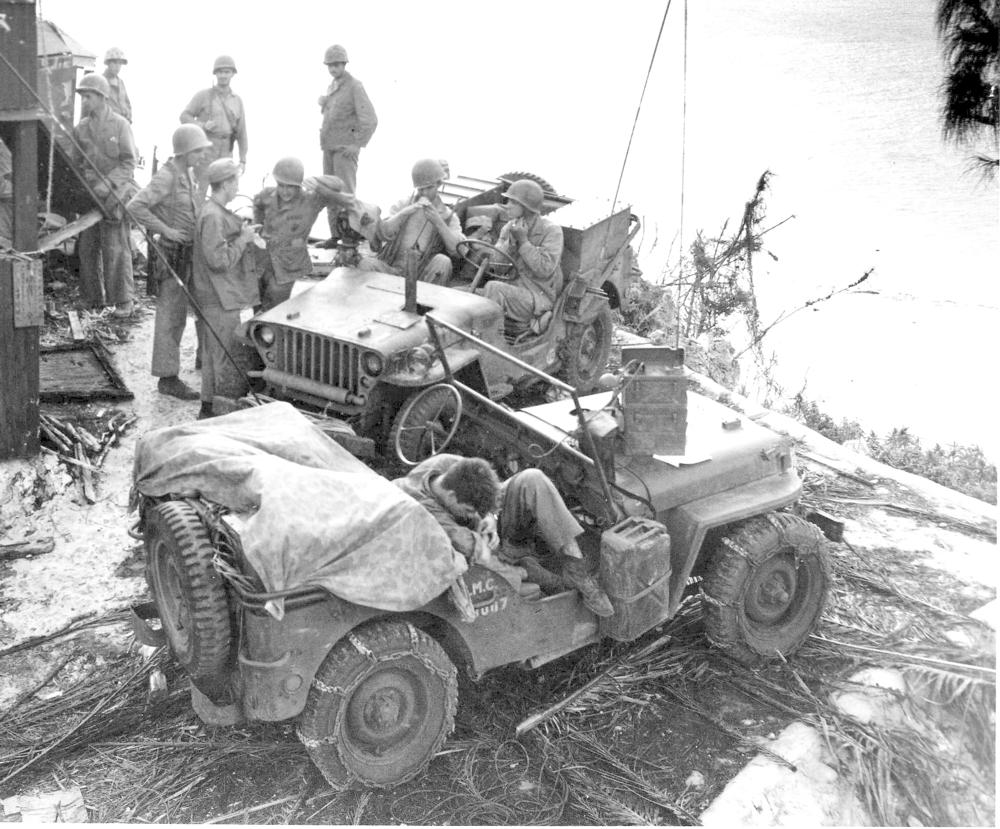
One of the more interesting early modifications for water fording is visible in the picture below. Note how the jeep facing the reader has the exhaust vented out the front of the grill with the muffler laying parrallel to the grille. I can’t say I’d ever seen that before.
The CJ-3A.info page notes: “The recommended maximum fording depth of an unmodified jeep was 21 inches. That is about the height of the fuel pump and transfer case vents. Any deeper and things would start to fill up with water. Even at this relatively shallow depth the Technical Manual (2) advised that the generator brace should be “pulled up to release tension on the fan belt and stop the fan from throwing water over the engine”. That would be important in order to keep water off the ignition system. During a combat landing the 21″ maximum fording depth was not adequate.”
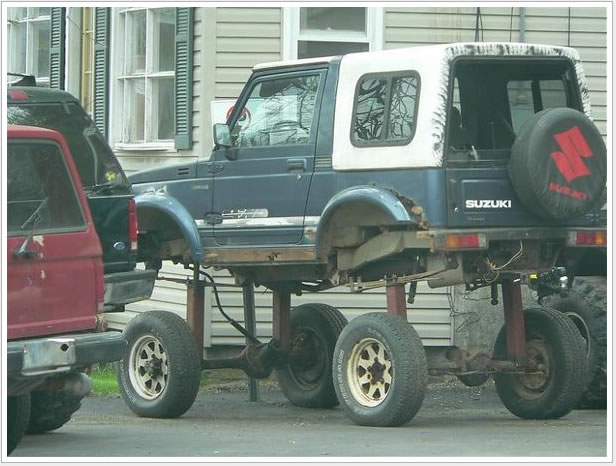
“We’ve seen some pretty crappy DIY craftsmanship before, but these examples take the cake. What’s amazing is these DIY’ers know how to post on the internet, but not how to research.”
As I mentioned in a post when I first launched eWillys, which appears to have disappeared in last year’s database disaster, one of my favorite Jeep Cartoons was drawn by Bill Mauldin and placed on the front of the November 1992 issue of the Smithsonian Magazine. You can see that one to the right (or see a larger version here). No doubt many of you have seen this before. At the time I wrote the post, it never occurred to me to search for any other cartoons by Bill.
However, for mystical reasons that remain unclear, it occurred to me tonight to search for other ‘Willys’ cartoons by Bill. Here’s the results of my search. (send me others or links to others if you know of more ….
Th’ hell with it, sir. Let’s go back to the front.
Thanks
Why ya lookin’ so sad? I got out of it okay.
I’ll never splash mud on a dogface again (999) … I’ll never splash mud on a dogface again (1000) … Now will ya help us push?
Today, as usual, I was browsing CNN when I came across a list of the ‘10 best’ car chases on film. I’m not sure if these really are the best 10, but one item that did catch my eye was the note attached to #10, the Cannonball run about George Baker.
I’d heard of the Cannonball Run, but didn’t really know anything about it other than the casual reference to a movie by that name until last summer. One day last summer I was browsing the new books section of my library and came across a book called The Driver, by Alexander Roy. That provided me some background on the race, with which I’ll end this post.
Note: I’m no expert on rally racing or it’s history, nor much of an expert on anything at all, but I’ve never let that stop me from writing anything else. So, here’s a brief Cannonball history for those that like this sort of thing.
Mr. Cannonball Express:
In 1915, Erwin George Baker drove a Stutz Bearcat across the country in only 11+ days (this was one of 143 driving records of various kinds he set). The next year he drove a Cadillac 8 from LA to NY in only 7 days. This feat earned him the nickname (or a reference of) the Cannonball Express.
The Cannonball Express was a reference to the fastest train, at least at the turn of the century, that motored between Chicago and New Orleans. It’s the same train that was operated by the immortalized Casey Jones, who would be killed at the reins of the train, attempting to slow it before it crashed into boxcars.
So, I’m doing my best to avoid going out to my parents very cold, damp garage to finish fixing my mom’s car. Of course, the internet is one of the best avoidance tools ever invented.
FLAT FENDER BABES:
On a lark, I typed in ‘Flat Fender Babes’ into google just to see if anything came up. While most of the links were garbage, one link lead me to a list of significant production automobiles, created by Angry Stan at AngryStan’s blog. Naturally, one of the vehicles listed was the Willys MB. What was interesting about the MB’s inclusion was Stan’s comment that the MB was “very loosely based on the Austin 7”.