emailNeed to contact me and don't have my email? Click on email button.
About eWillys
Welcome to eWillys.com, a website for vintage jeep enthusiasts. I update this website nearly every day with jeep deals, jeep history, interesting reader projects, jeep related info, and more.
These quick searches can help you find things on eBay. People list in the wrong categories all the time, so don't be surprised to see brochures in the parts area for example. This section used to be split into jeeps, parts and other categories, but recent changes to eBay will require this information to be recoded.
The links to posts below show jeeps grouped by models, condition, and other ways. Some of these jeeps are for sale and others have been sold. If you are unsure whether a vehicle is still for sale or not, email me at d [at] ewillys.com for more info.
Importantly, the allure of buying a project jeep can be romantic. The reality of restoring a jeep can be quite different, expensive and overwhelming without the right tools and resources. So, tread carefully when purchasing a "project". If you have any concerns about buying a vintage jeep, or run across a scam, feel free to contact me for help, comments or concerns .
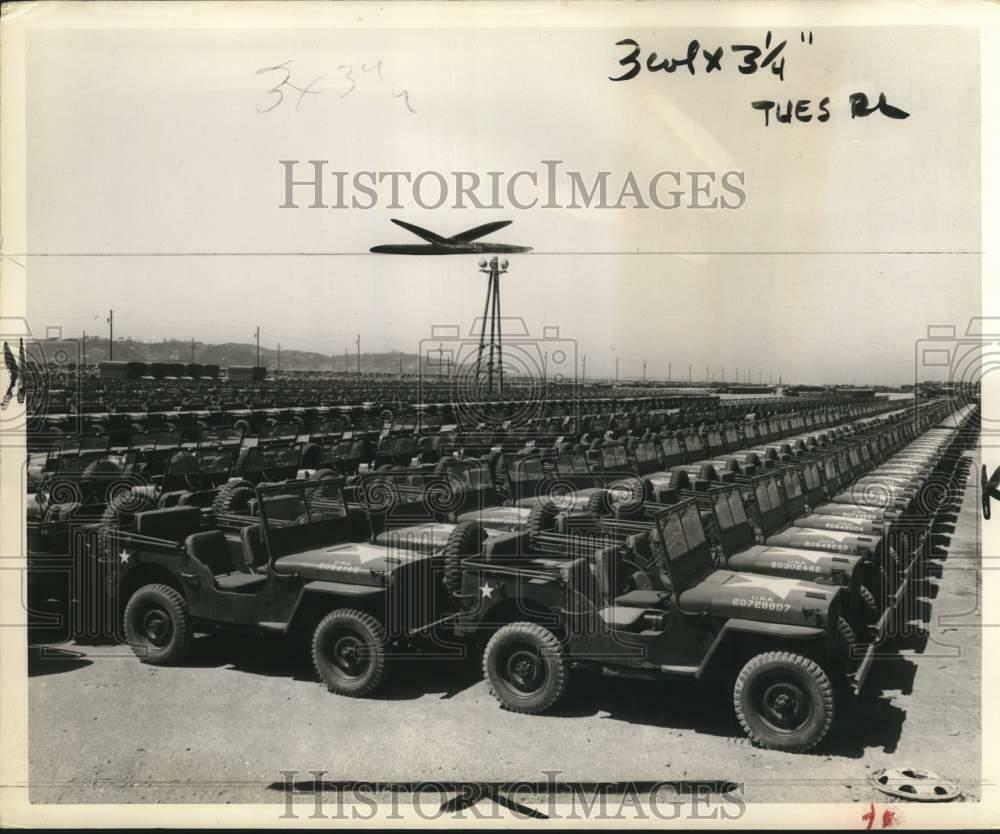
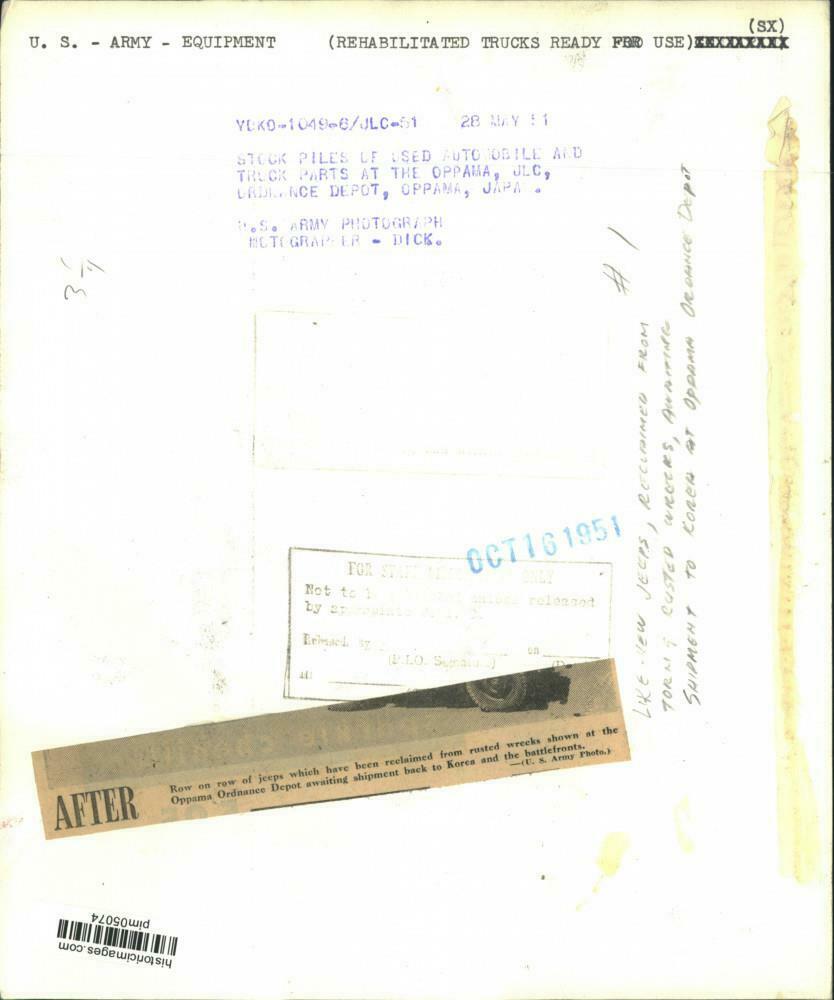
“1951 Press Photo US Army jeeps stockpiled at Oppama, Japan ordnance depot. This is an original press photo. US – Army – Equipment (rehabilitated trucks ready for use)(SX) – Stock piles of used automobile and truck parts at the Oppama, JLC, ordnance depot, Oppama, Japan. Row on row of jeeps which have been reclaimed from rusted wrecks shown at the Oppama Ordnance Depot awaiting shipment back to Korea and the battlefronts. Photo measures 10 x 8.25 inches. Photo is dated 10-16-1951.”
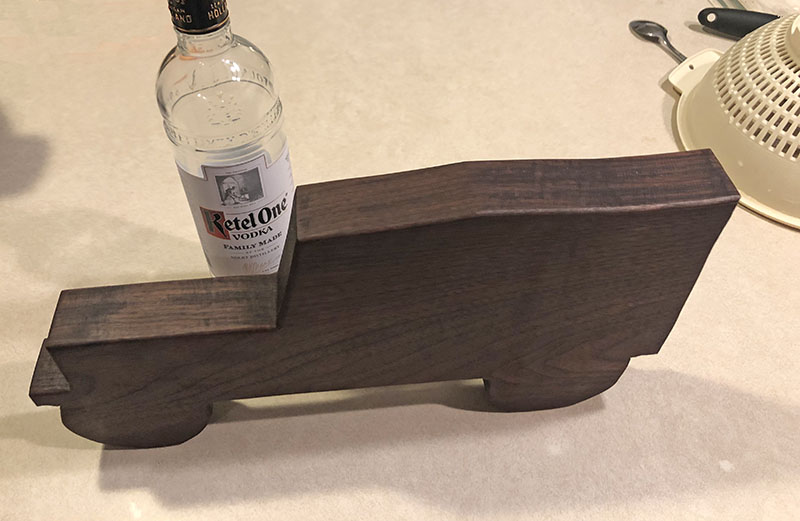
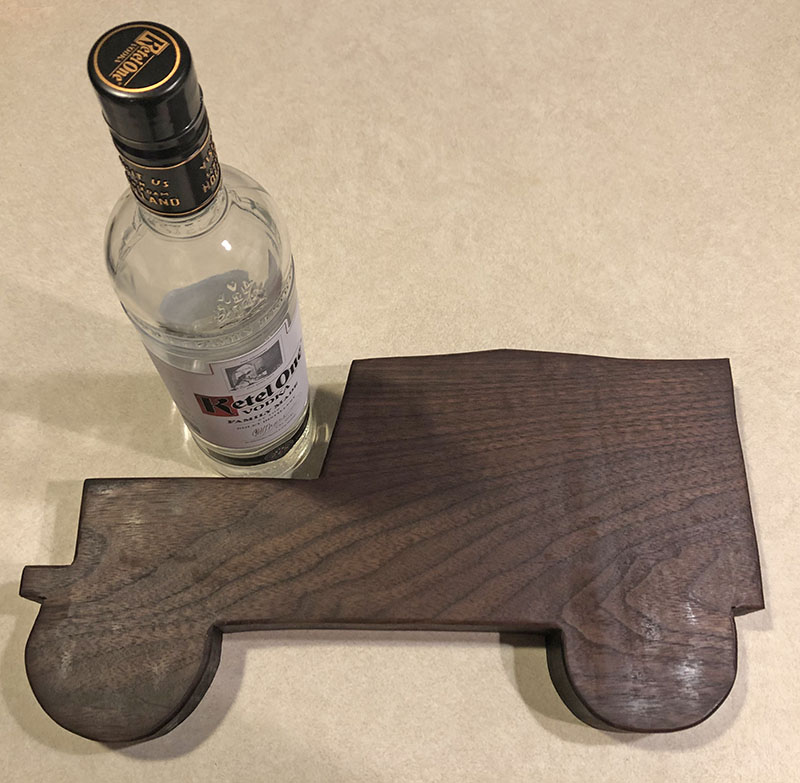
Thanks go to Tremaine Cooper for sending me this unique cutting board. I do love cutting boards of all shapes and sizes, so this will go nicely with the others I have. This will get used. Many thanks!
I’ve photographed it next to a Vodka bottle to show the size.
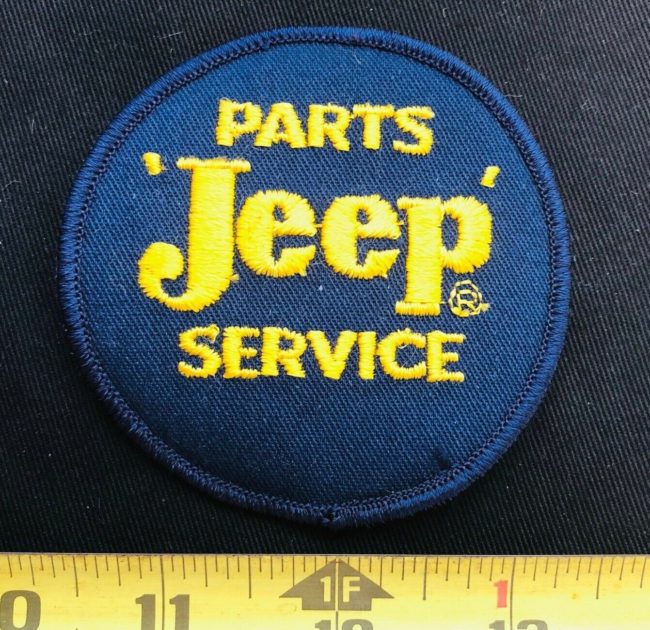
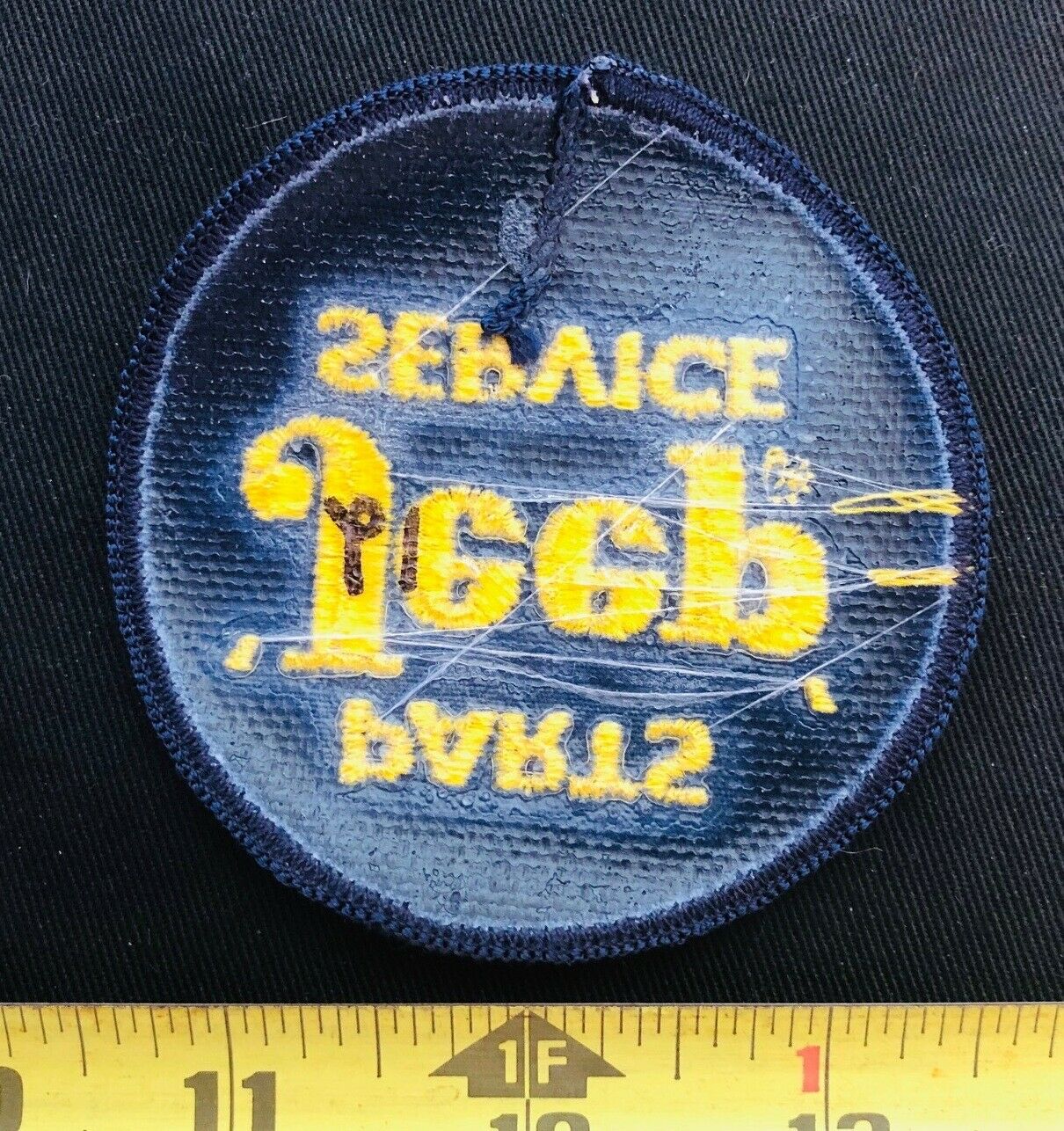
“100% authentic. I do NOT sell reproduction patches. Thank you. Patch came with some of the other items you are seeing us list today. very likely 1970’s dealership or even early 80’s, but considering the group of stuff it came with we are going with the 1970’s. Don’t try using the iron-on backing – it is too old and will likely destroy the patch.”
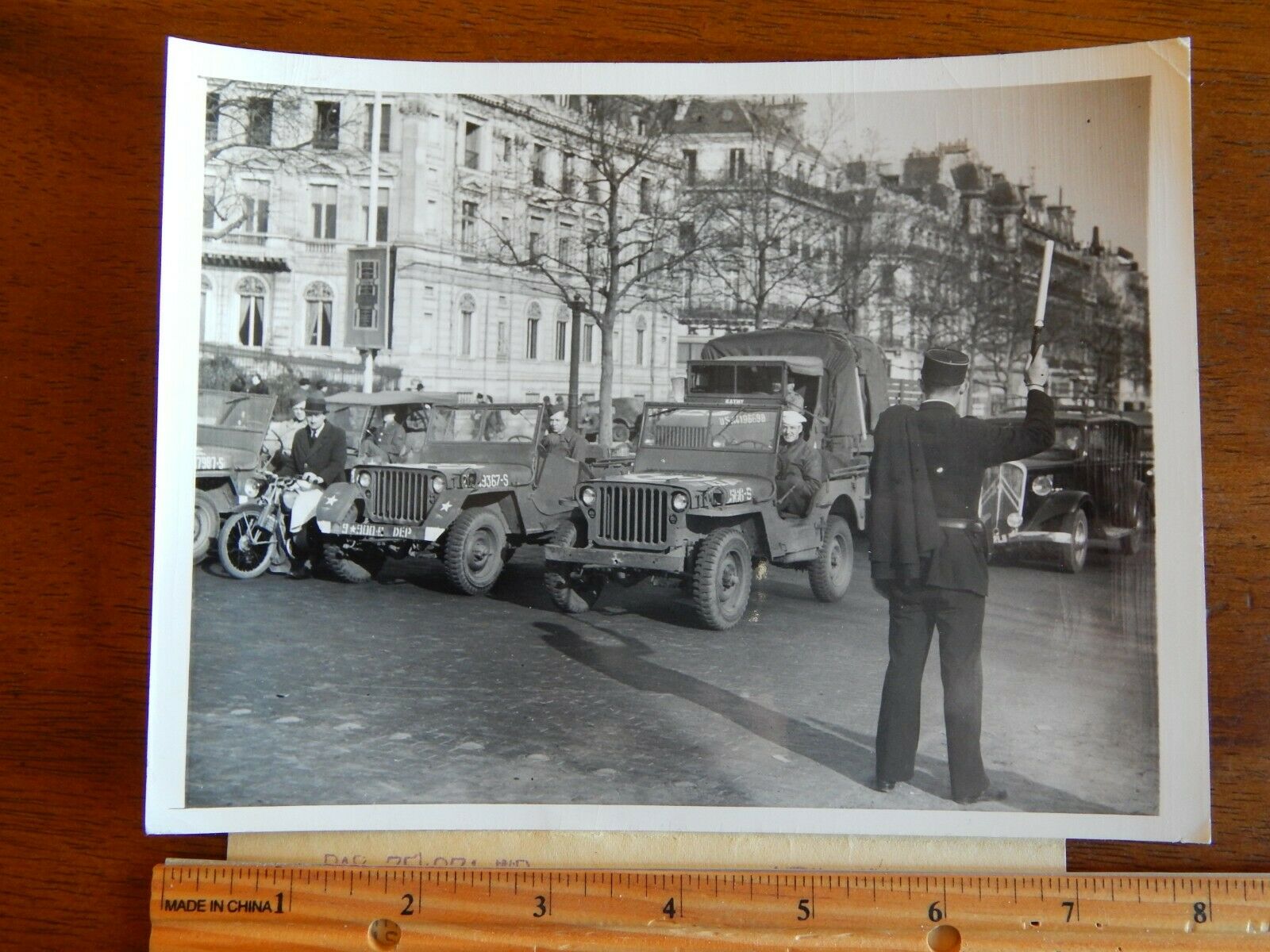
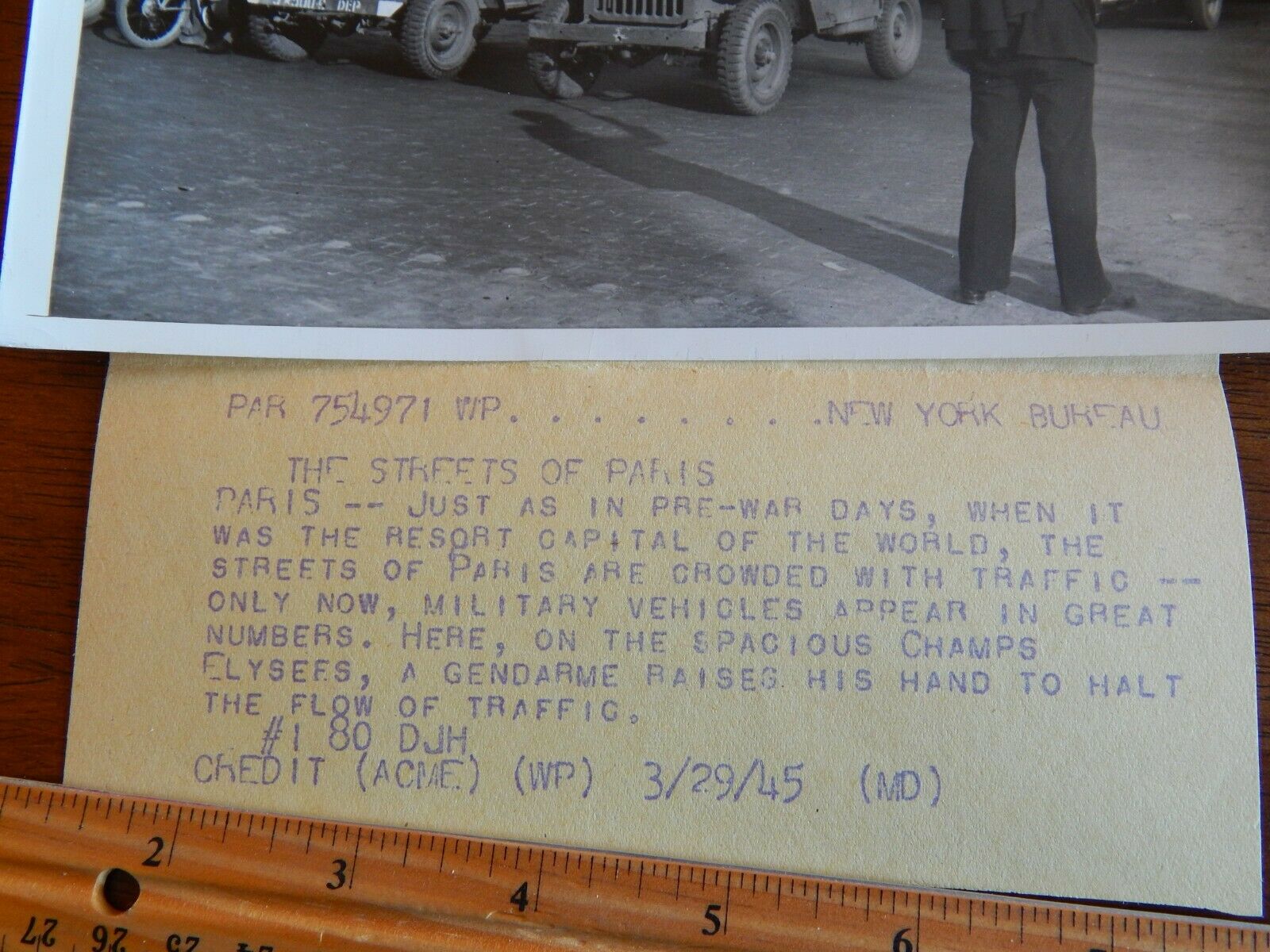
“as shown … … approx 6 x 8 .. … vintage original authentic press photo ( most are Army radiotelephoto from Acme Newspictures ) … date listed is transmission date … most of these are not perfect ..some are a little blurry… some are sharp.. they may have bends and minor damage from poor storage .. please use the pictures to see the actual condition .”
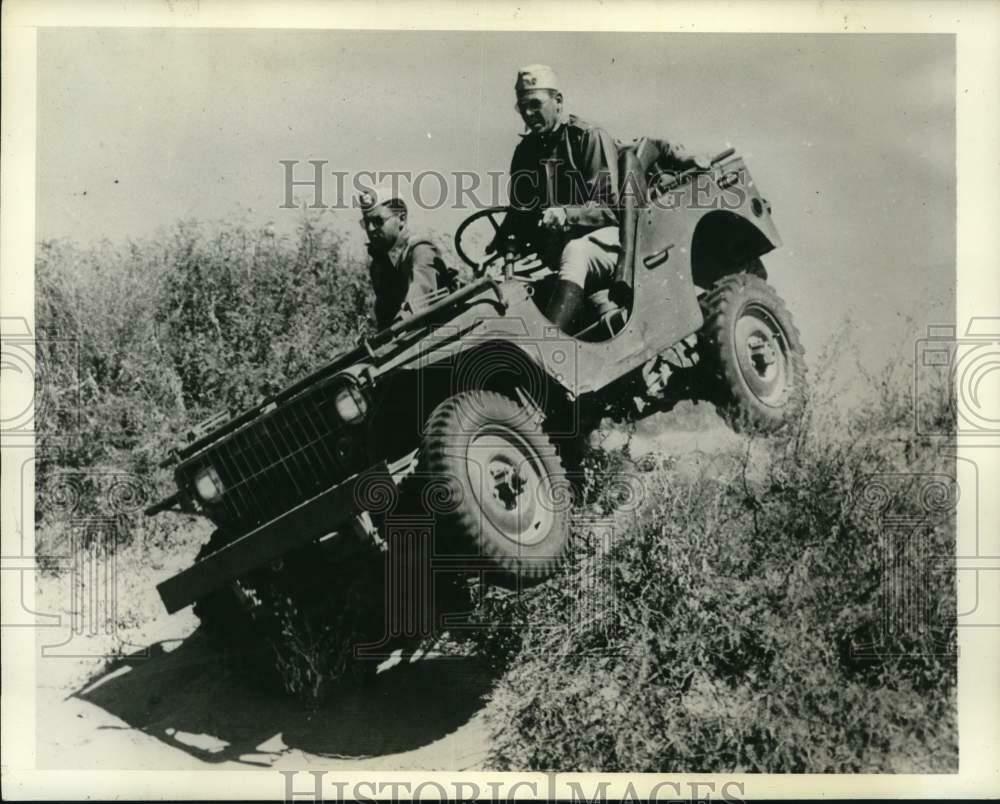
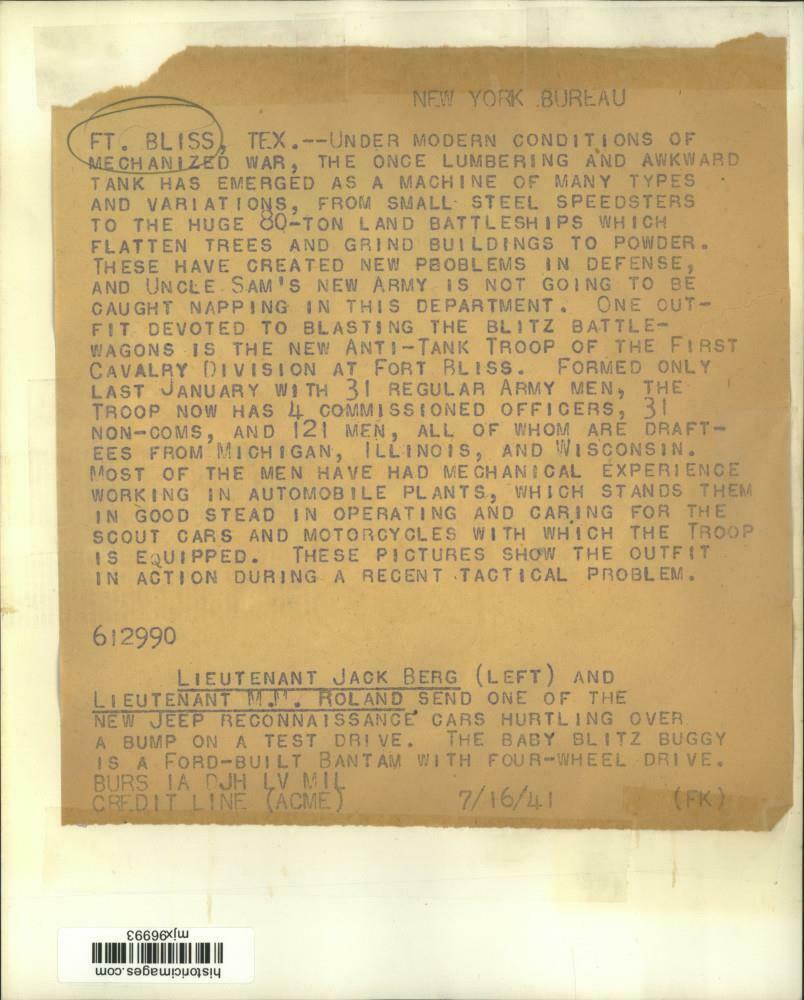
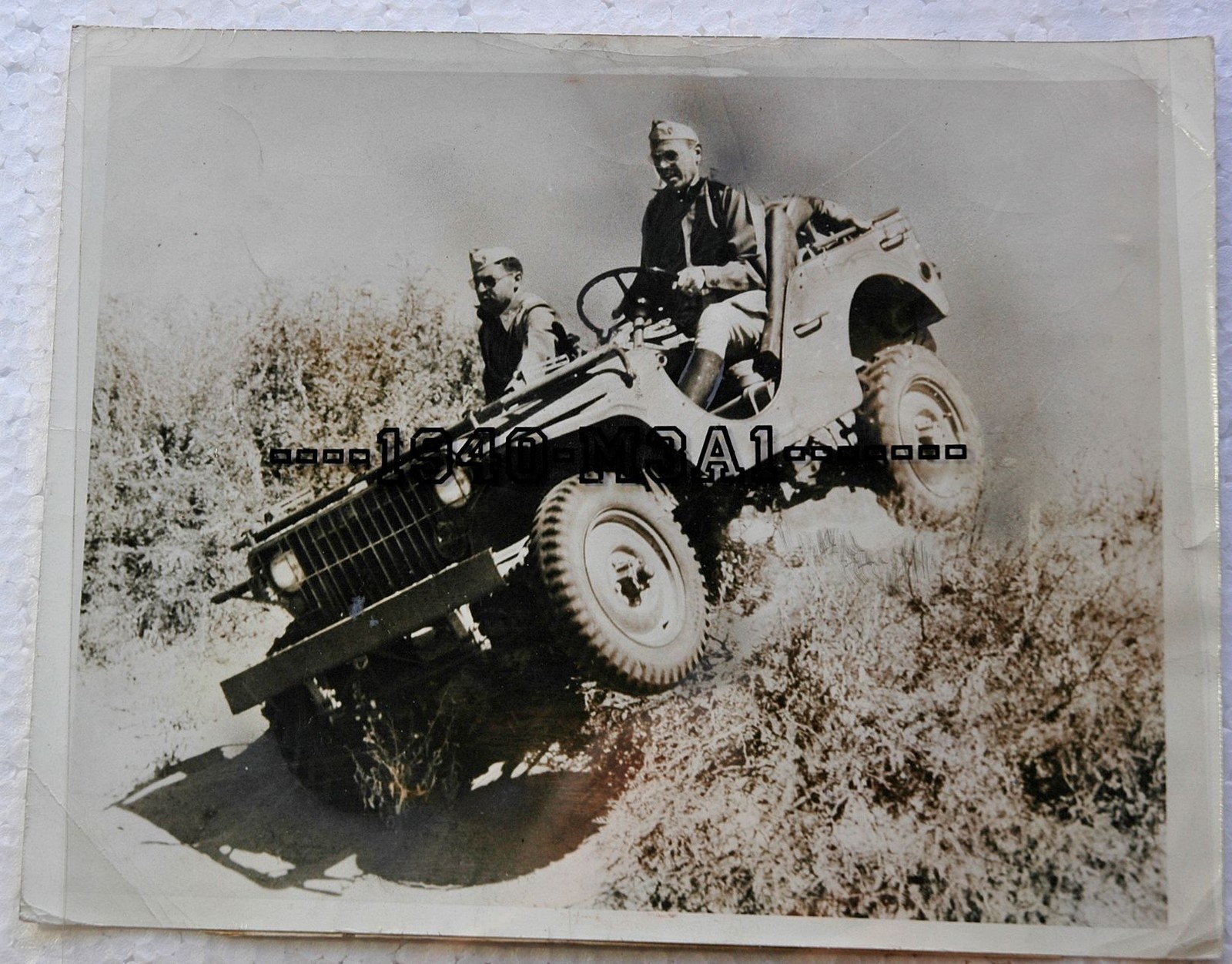
“1941 Press Photo Army lieutenants give new jeeps test drive at Fort Bliss, Texas. This is an original press photo. Fort Bliss, Texas. Under modern conditions of mechanized war, the once lumbering and awkward tank has emerged as a machine of many types and variations, from small steel speedsters to the huge 80-ton land battleships which flatten trees and grind buildings to powder. These have created new problems in defense, and Uncle Sam’s new army is not going to be caught napping in this department.
One outfit devoted to blasting the blitz battle-wagons is the new anti-tank troop of the First Cavalry Division at Fort Bliss. Formed only last January with 31 regular Army men, the troop now has 4 commissioned officers, 31 non-coms, and 121 men, all of whom are draftees from Michigan, Illinois and Wisconsin. Most of the men have had mechanical experience working in automobile plants, which stand them in good stead in operating and caring for the scout cars and motorcycles with which the troop is equipped.
These pictures show the outfit in action during a recent tactical problem. Lieutenant Jack Berg (left) and Lieutenant M. M. Roland send one of the new jeep reconnaissance cars hurtling over a bump on a test drive. The baby blitz buggy is a Ford-built Bantam with four-wheel drive. Photo measures 9 x 7.25 inches. Photo is dated 07-16-1941.
==========================
Originally Published Feb 11, 2013.
“This is an “ORIGINAL PERIOD GLOSSY PHOTO BY ACME” of THE BABY BLITZ BUGGY IS A FORD-BUILT BANTAM FOUR-WHEEL DRIVE GP JEEP WITH THE FIRST CAVALRY DIVISION AT FT. BLISS TEX., photo date – 1941. The condition is very good and measures 7″ x 9″.
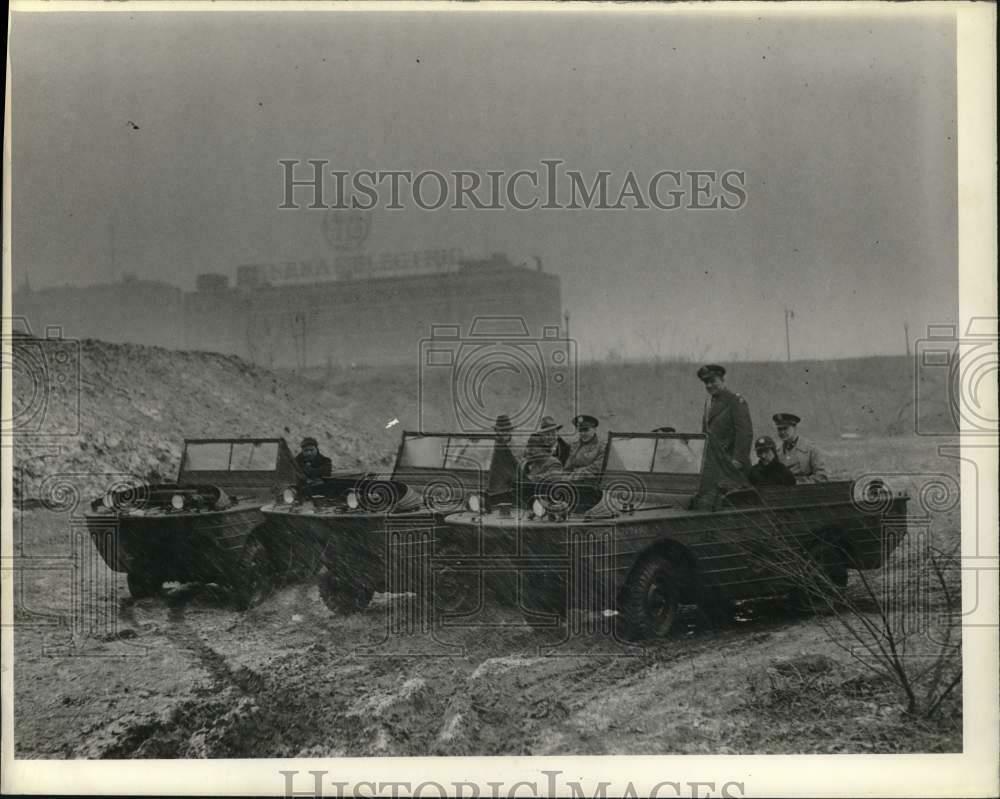
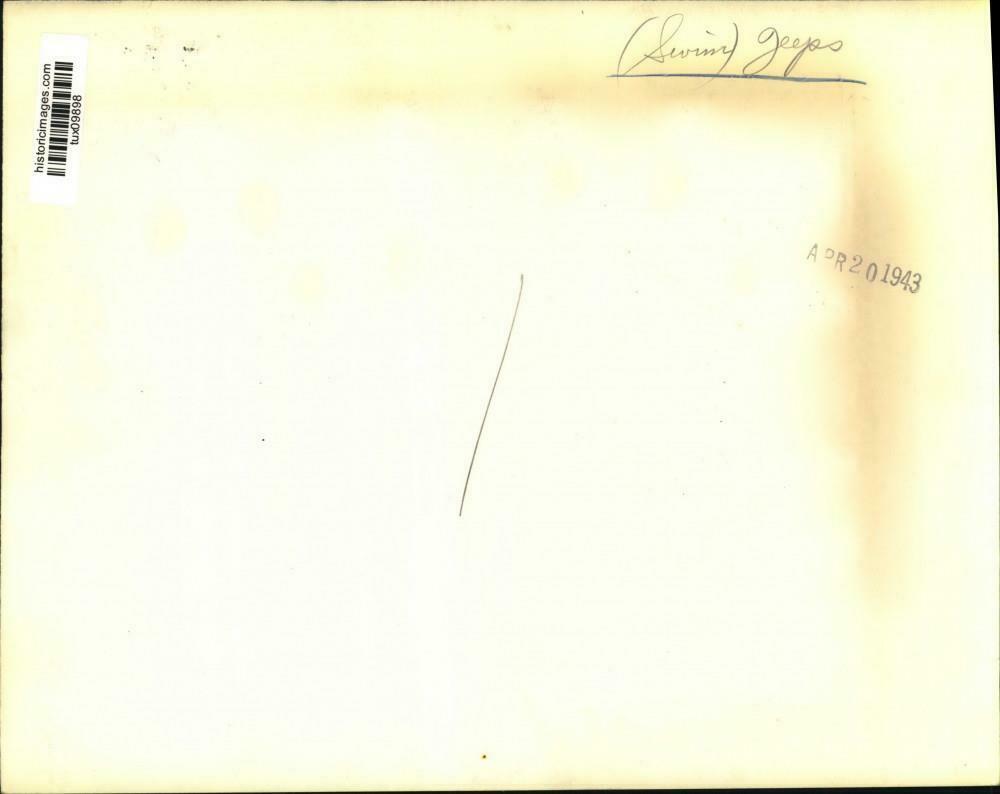
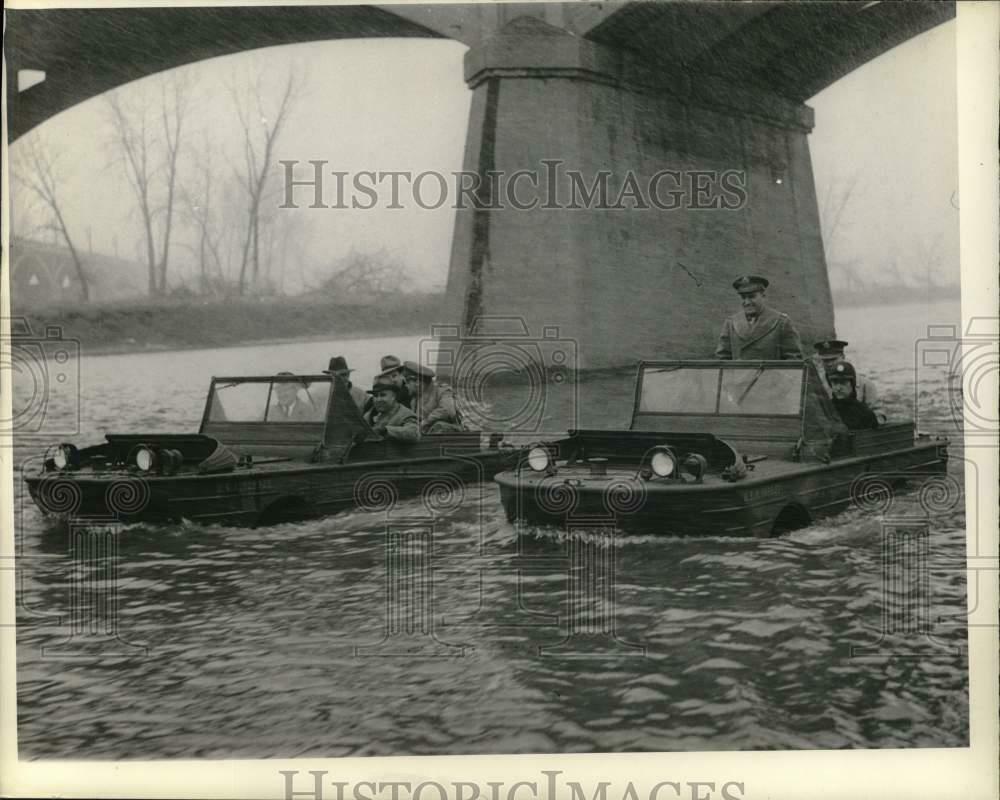
This April 20, 1943, photo taken in New York shows 3 Ford GPA Seeps. “1943 Press Photo US military officers in amphibious jeeps in New York. This is an original press photo. New York – (Swim) jeeps Photo measures 10.25 x 8.25 inches. Photo is dated 04-20-1943.”
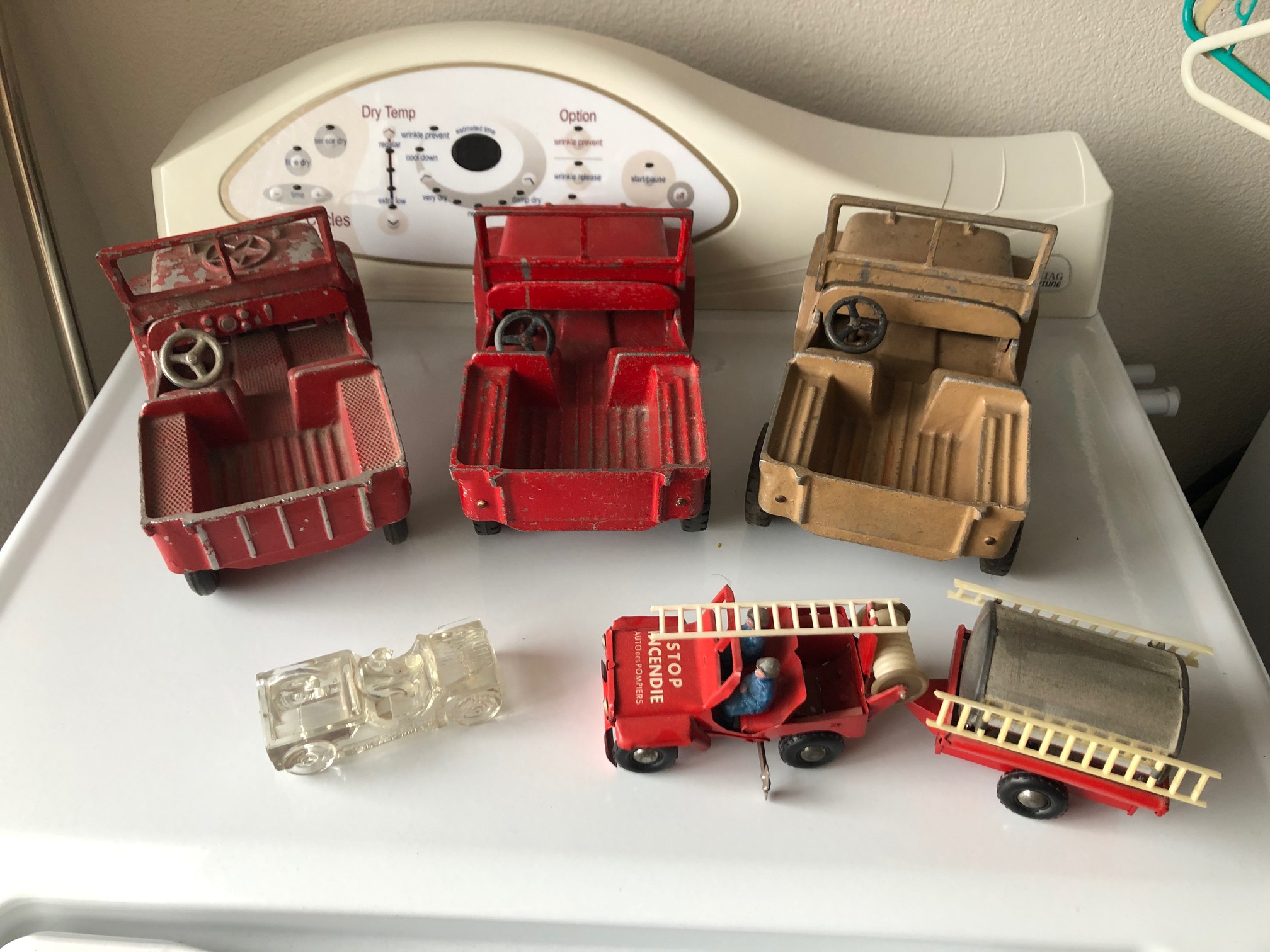
It wasn’t all bad news on Saturday. I now have a red CJ-2A Al-Toy (the one in the middle of the jeeps) to go with my tan Al-Toy. I got the red one for $50 (plus $20 shipping) with all the thanks going to Gayland for picking it up and mailing it to me. It needs one rivet fixed on the hood and one at the bottom of the steering wheel, but otherwise looks in good shape.