emailNeed to contact me and don't have my email? Click on email button.
About eWillys
Welcome to eWillys.com, a website for vintage jeep enthusiasts. I update this website nearly every day with jeep deals, jeep history, interesting reader projects, jeep related info, and more.
These quick searches can help you find things on eBay. People list in the wrong categories all the time, so don't be surprised to see brochures in the parts area for example. This section used to be split into jeeps, parts and other categories, but recent changes to eBay will require this information to be recoded.
The links to posts below show jeeps grouped by models, condition, and other ways. Some of these jeeps are for sale and others have been sold. If you are unsure whether a vehicle is still for sale or not, email me at d [at] ewillys.com for more info.
Importantly, the allure of buying a project jeep can be romantic. The reality of restoring a jeep can be quite different, expensive and overwhelming without the right tools and resources. So, tread carefully when purchasing a "project". If you have any concerns about buying a vintage jeep, or run across a scam, feel free to contact me for help, comments or concerns .
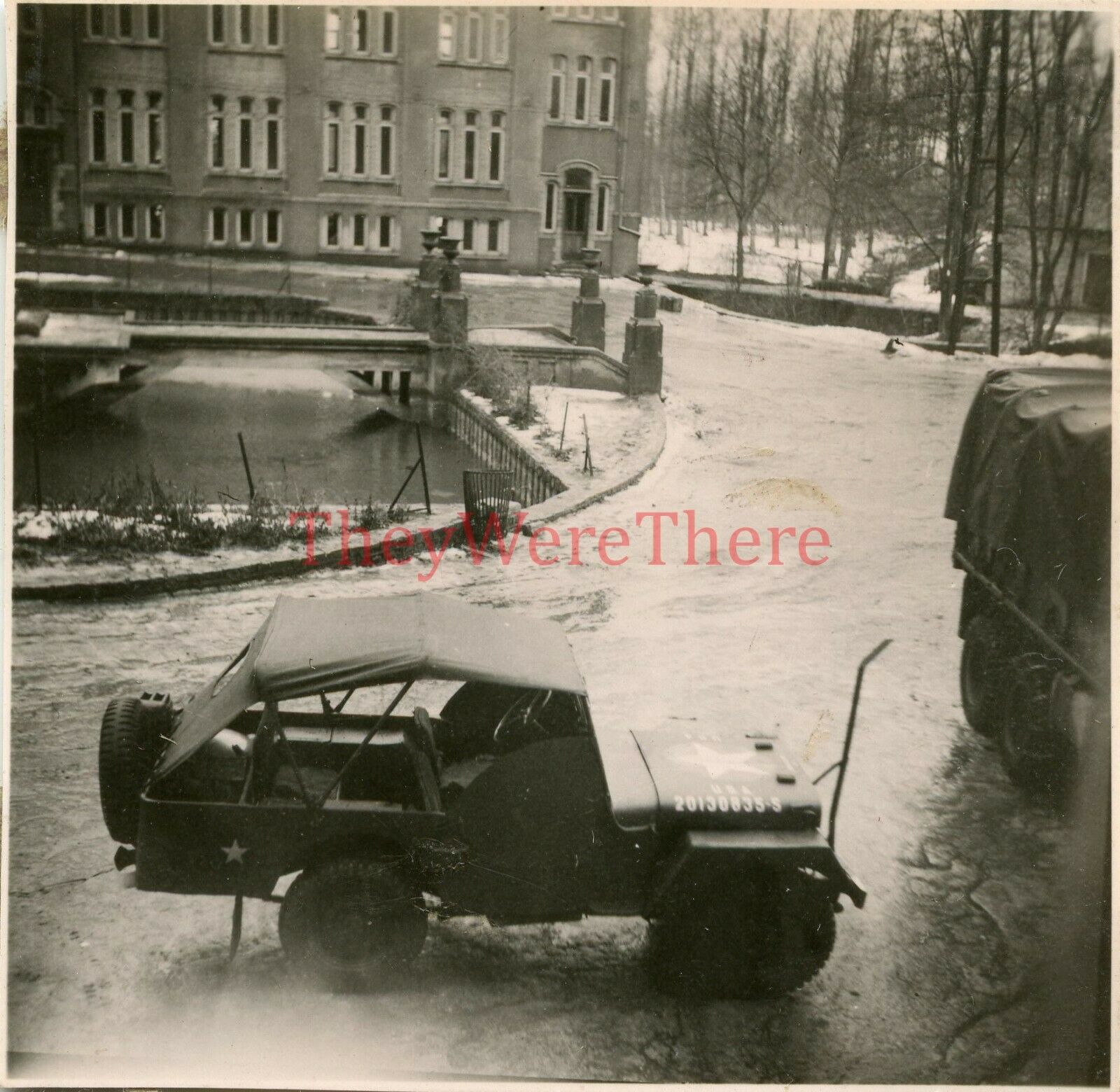
“Offered is an original WWII time period photograph. The picture measures approximately 2″ x 2.25″. It belonged to a GI who served as a medic with the 1st BN Aid Station attached to the 1306th Engineer General Service Regiment under the 3rd Army.”
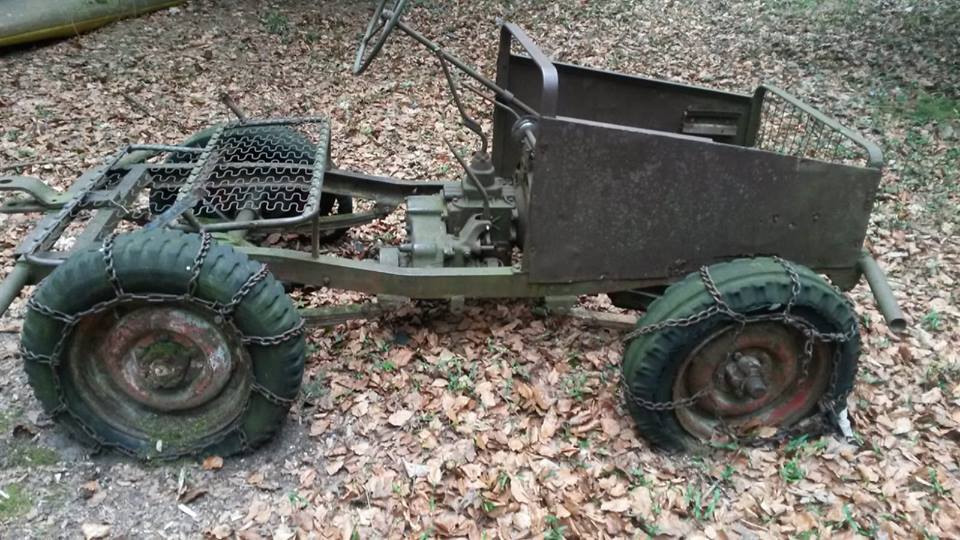
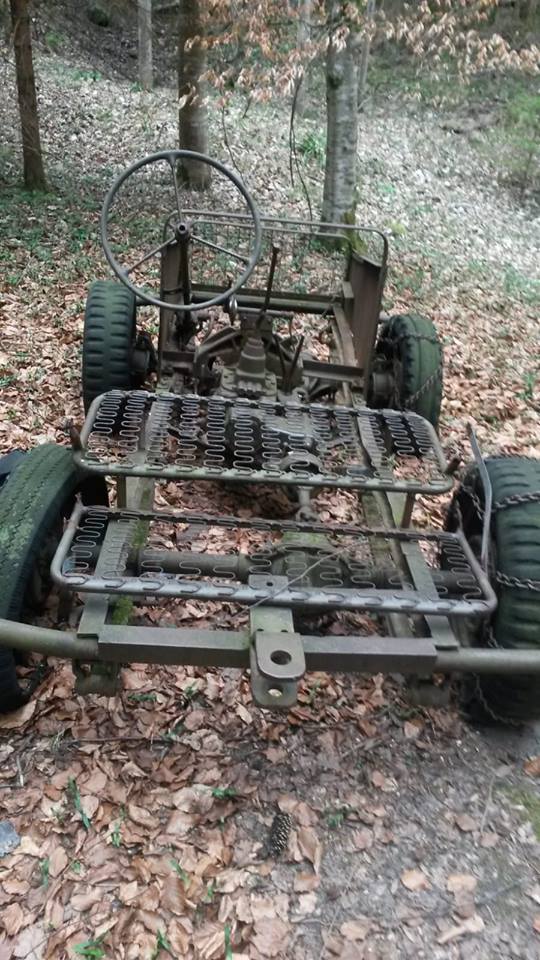
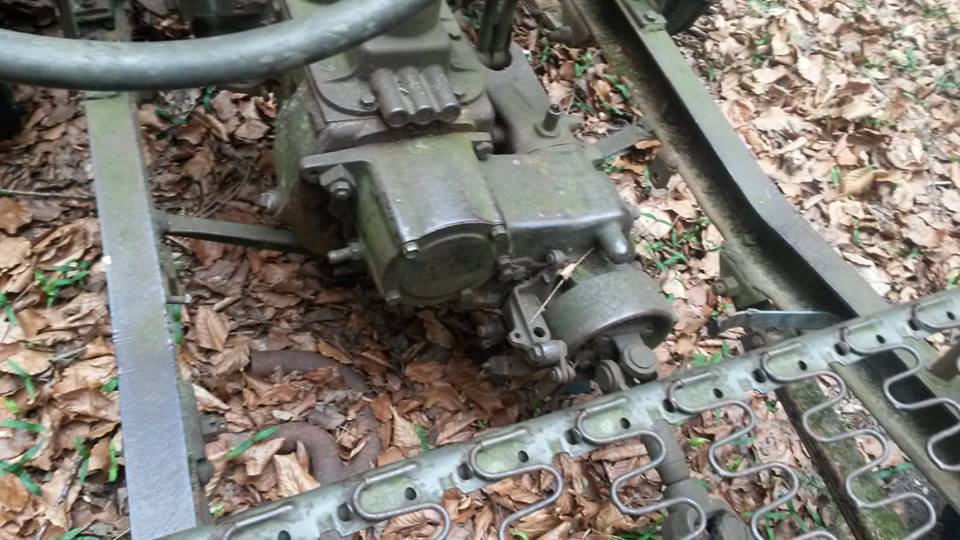
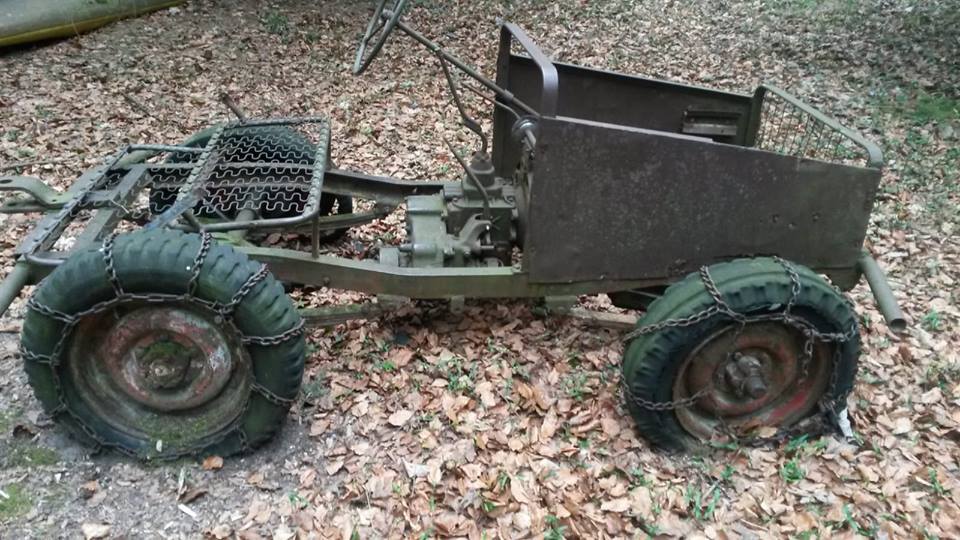
Apparently, this is located in Bavaria … Photos of this vehicle were posted to the G503 Facebook page. Some folks saw this as a bubbafied vehicle, and there may be elements of that. However, the bends of the frame and other nuances have me wondering if it was some type of airborne prototype. It’s actually a pretty clean frame for a bubba project. In a couple pics you can see how clean the spring hangers have been mounted.
Thoughts?
Check out the grille. You can see that it has equidistant slats up until the right side. I don’t see Bubba doing something like that so cleanly.
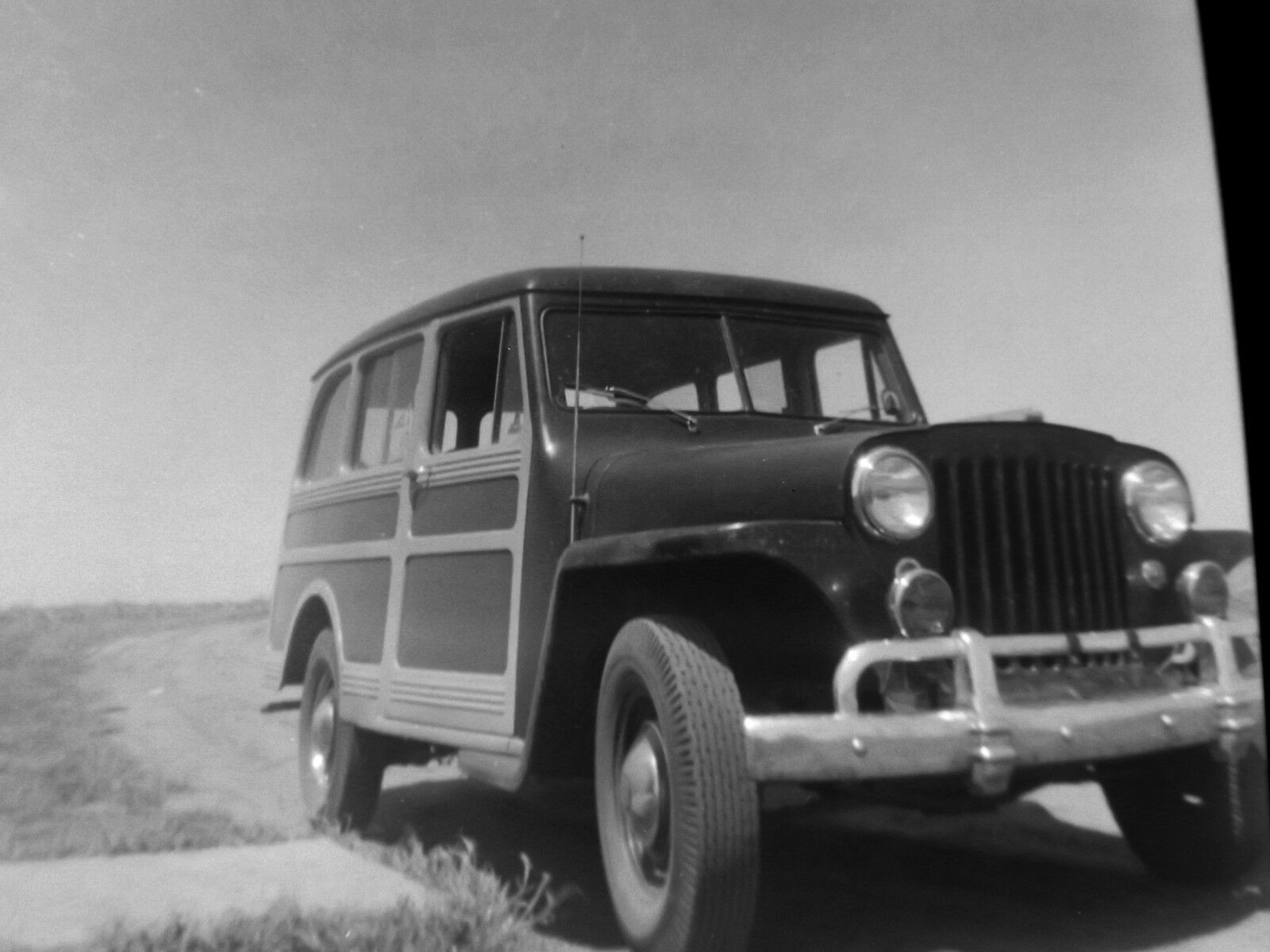
There’s something about these two photos I find simultaneously hypnotic and eerie (maybe ghostly?). I can’t quite figure out why that is. I can feel the wind blowing in them.
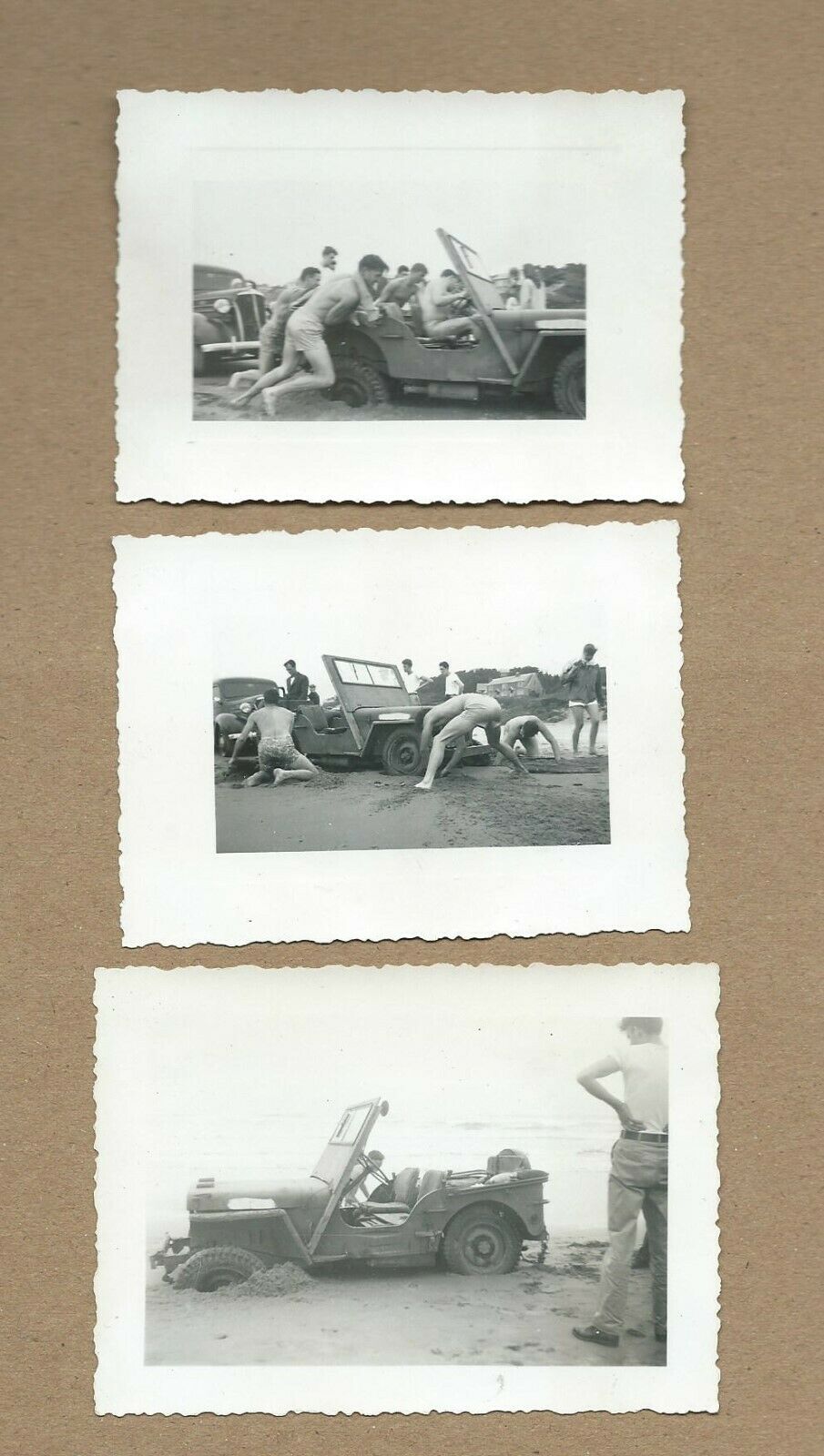
“Three original photos of a flat fender Willys Jeep getting stuck in the sand. The bottom photo measures 2-3/4″ x 3-3/4″, The top two photos measures 2-1/2″ x 3-1/2″. Great condition.”
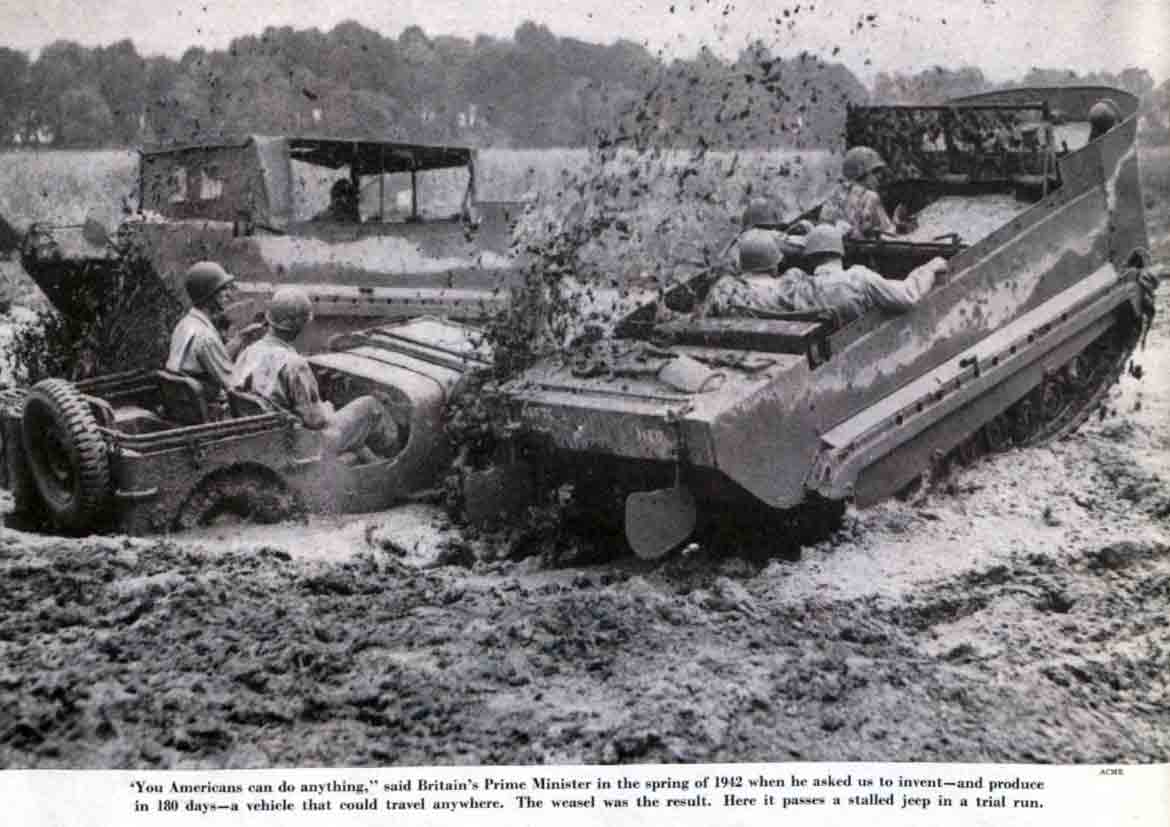
This photo was published in the February 09, 1945, issue of the Saturday Evening Post, page 12. It shows a Weasel getting a muddy test with a jeep next to it.
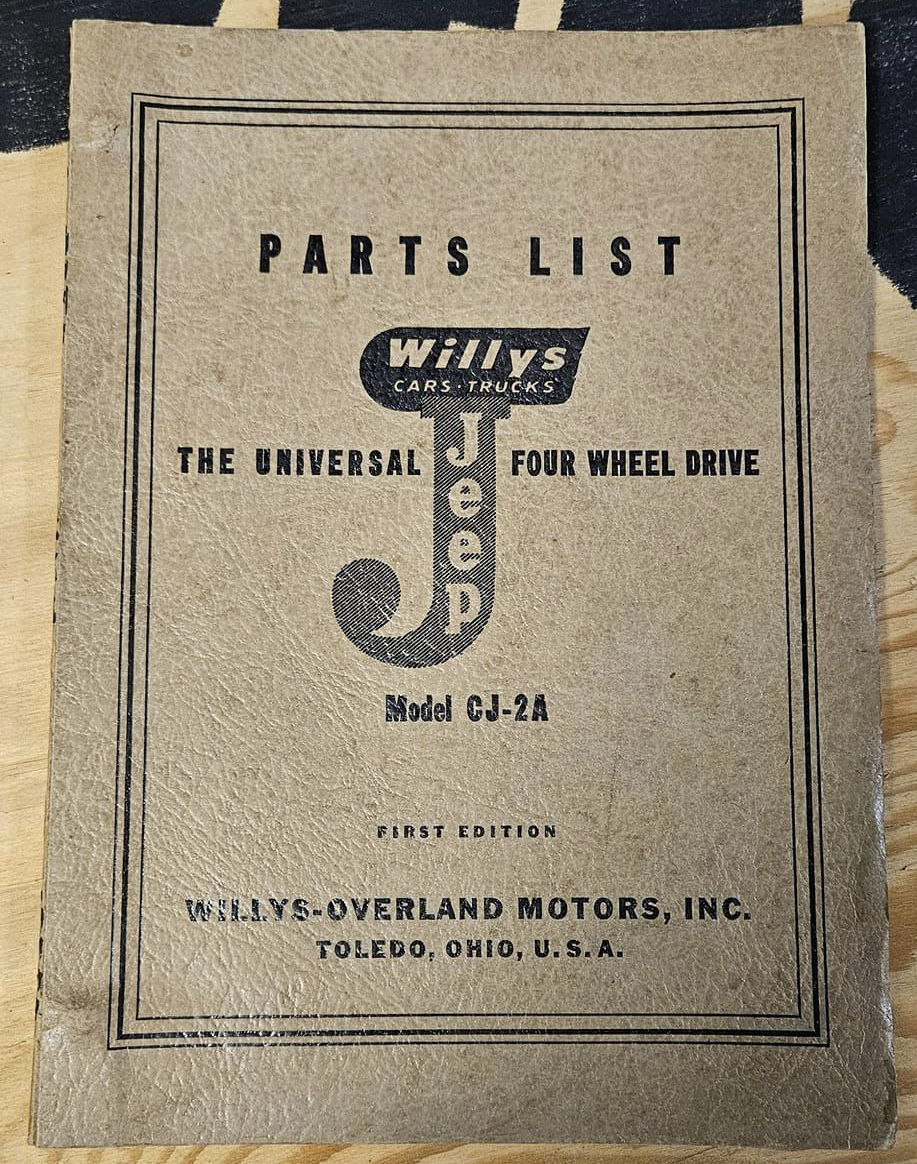
UPDATE IV: Branden found this 1945 Parts List booklet that includes a prominent “J” logo. This is the most prominent use of the logo that I’ve seen. It’s not clear to me whether this booklet was introduced with the jeep in August of ’45 or a little later in ’45.
==============================
UPDATE III (04/07/2019): Maury spotted the a “J” dealership sign example on this Miller Tools brochure:
UPDATE II: I’ve added two examples of ‘dark’ “J”s, dark (blue or black) background with white letters. Now that I think about it, I guess this is similar to the black and white newspaper versions.
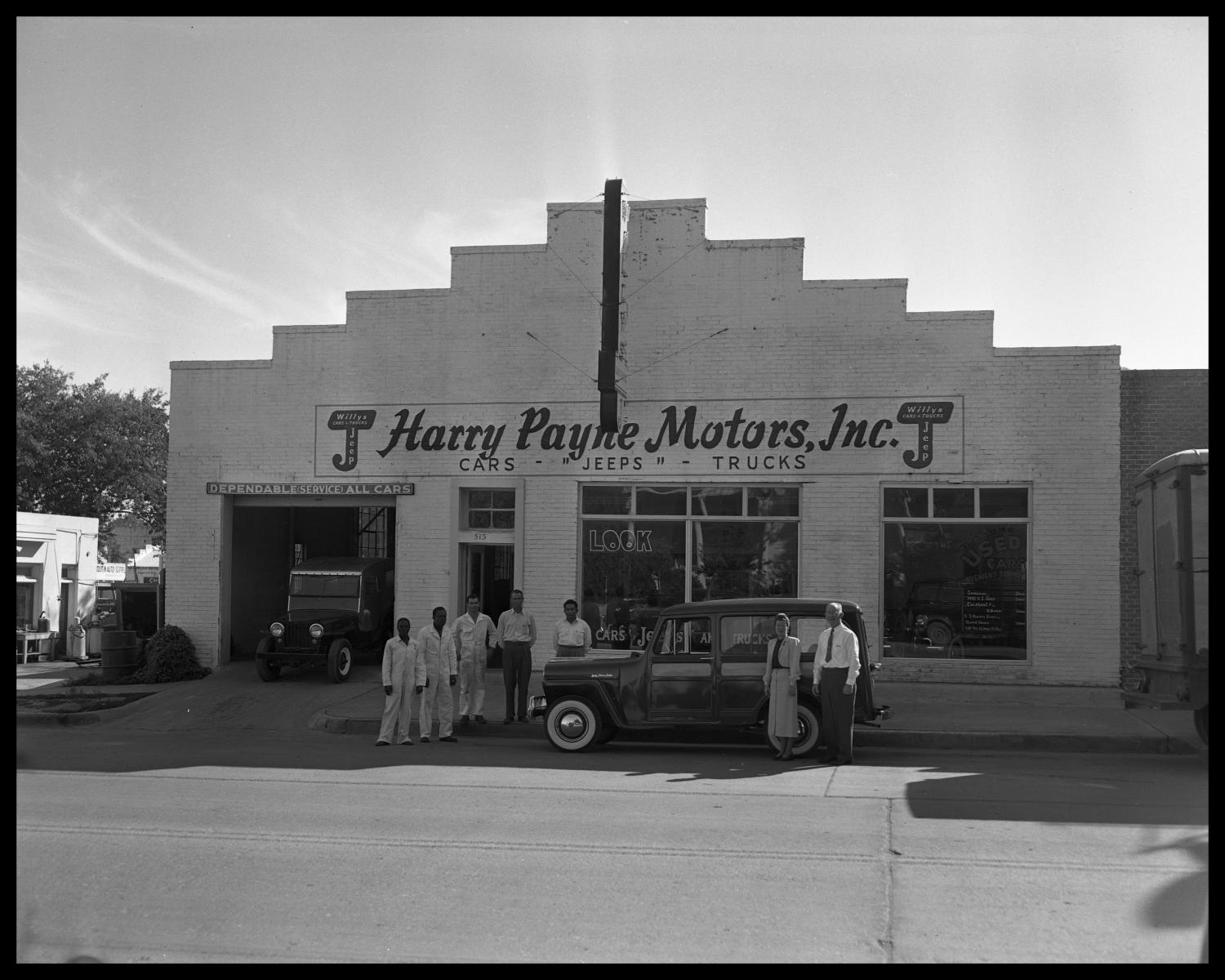
CREDIT: Douglass, Neal. Harry Payne Motors, photograph, June 3, 1942; (https://texashistory.unt.edu/ark:/67531/metapth34338/m1/1/: accessed April 7, 2019), University of North Texas Libraries, The Portal to Texas History, https://texashistory.unt.edu; crediting Austin History Center, Austin Public Library. … MY NOTES: The photo year is more likely late 1947 or 1948.
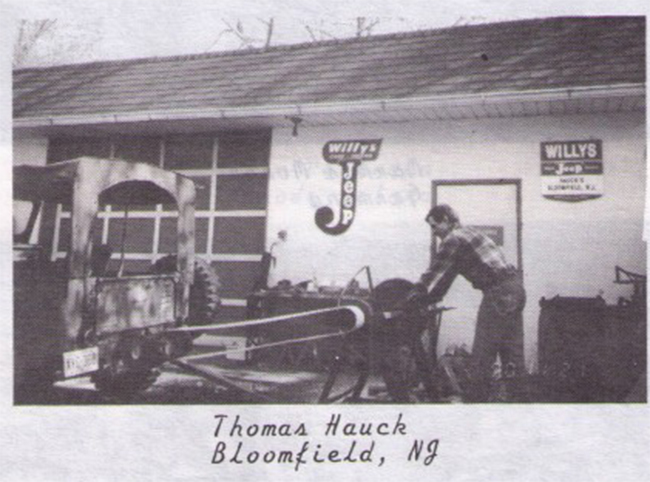
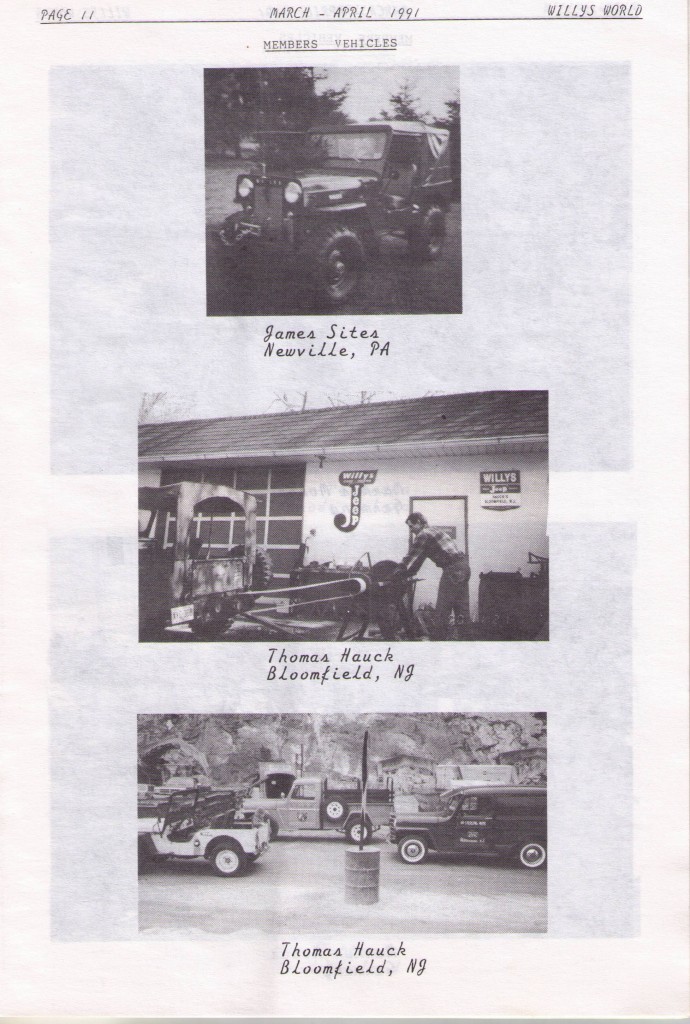
From Willys World March-April 1991 issue.
UPDATE: This is best described as a working draft that Maury Hurt and I have constructed in the hopes of understanding Willys-Overland’s “J” logo better …. If you have input, please email me or add it in a comment at the bottom of the post.
In January of this year, Maury emailed me about a Willys/Cars•Trucks/Jeep logo that he was hoping to reproduce, wondering if I had any better examples of it. That simple email turned into a mission: Find out the history behind the logo.
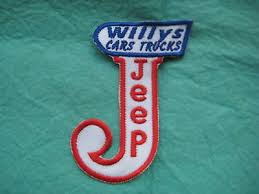
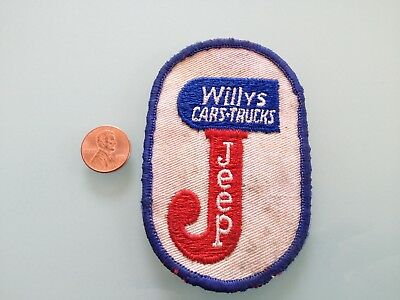
I have one of these patches. Not sure who created them or when.
It turned out that we could find no articles or discussion about the evolution of the logo. So, we spent a month looking through old brochures and advertisements to develop a theory of what it should look like, when it was used, and why.
What’s the logo supposed to look like?
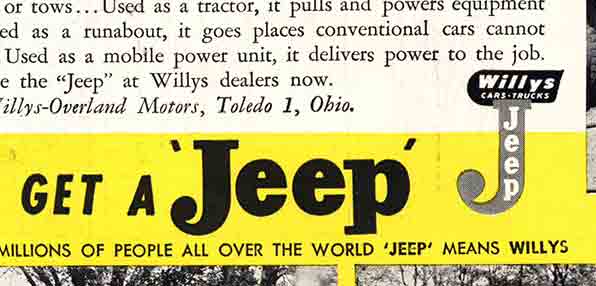
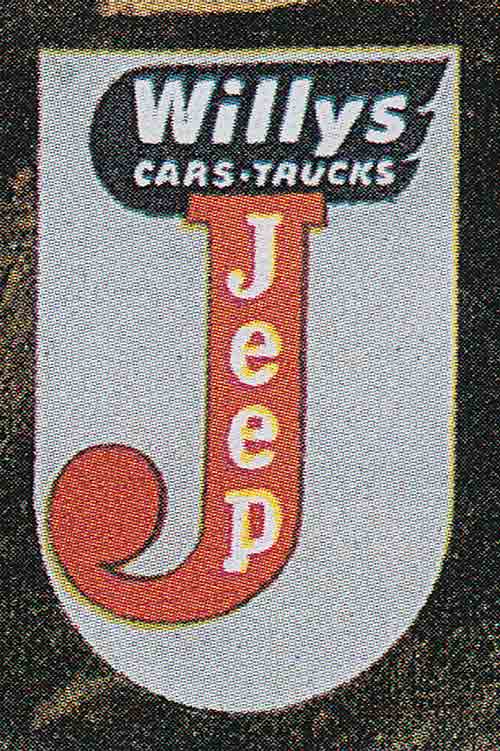
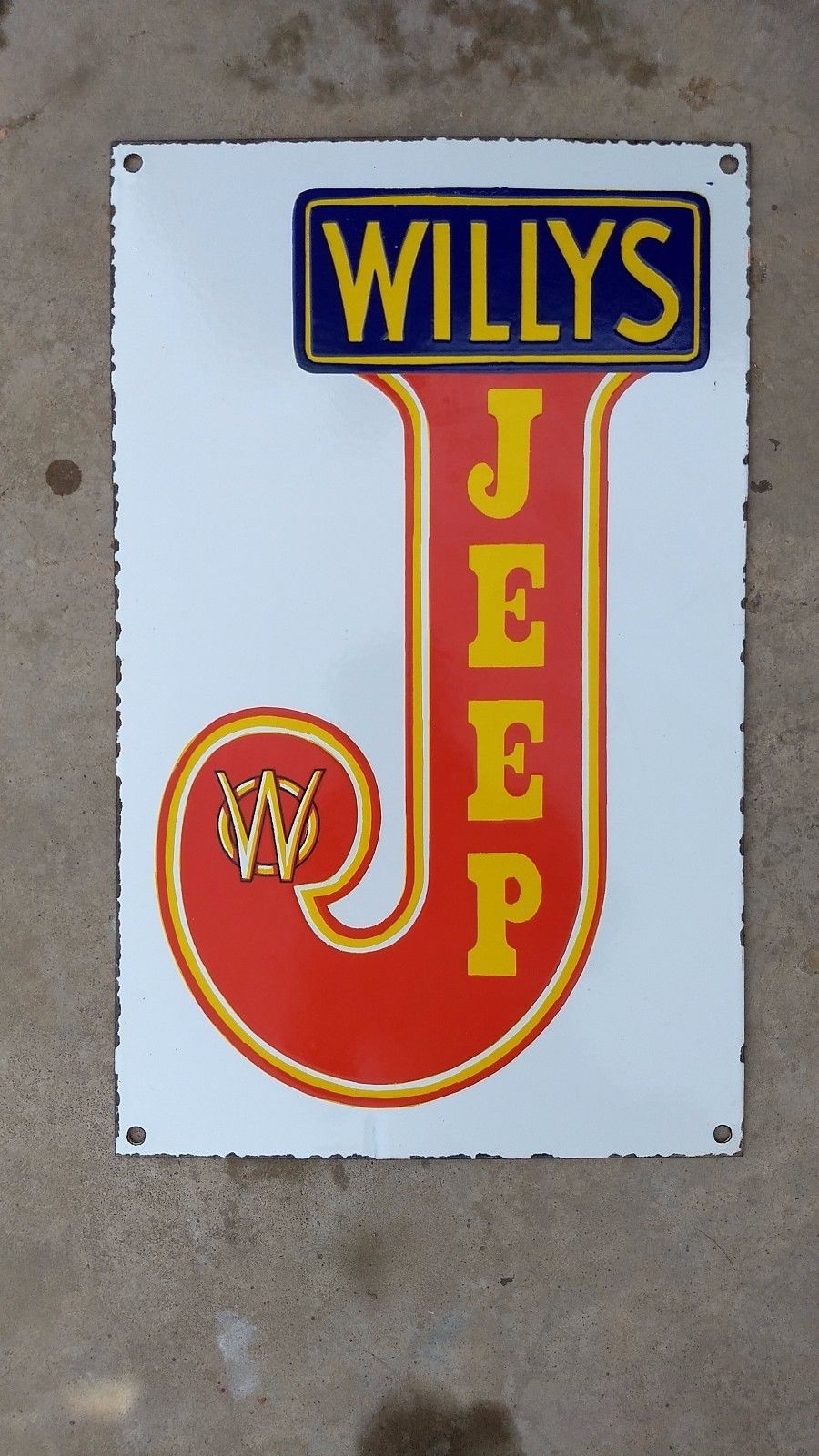
Our first challenge was to determine what the logo was supposed to look like. As these examples show, different fonts and slightly different looks were used in the printing of the logo.
Another patch example.
This was from a January 1946 magazine ad.
or even this one …
Our suspicion is that this is from overseas, possibly Australia? We don’t have a time frame on this one.
And, the list would not be complete without some matchbook covers: