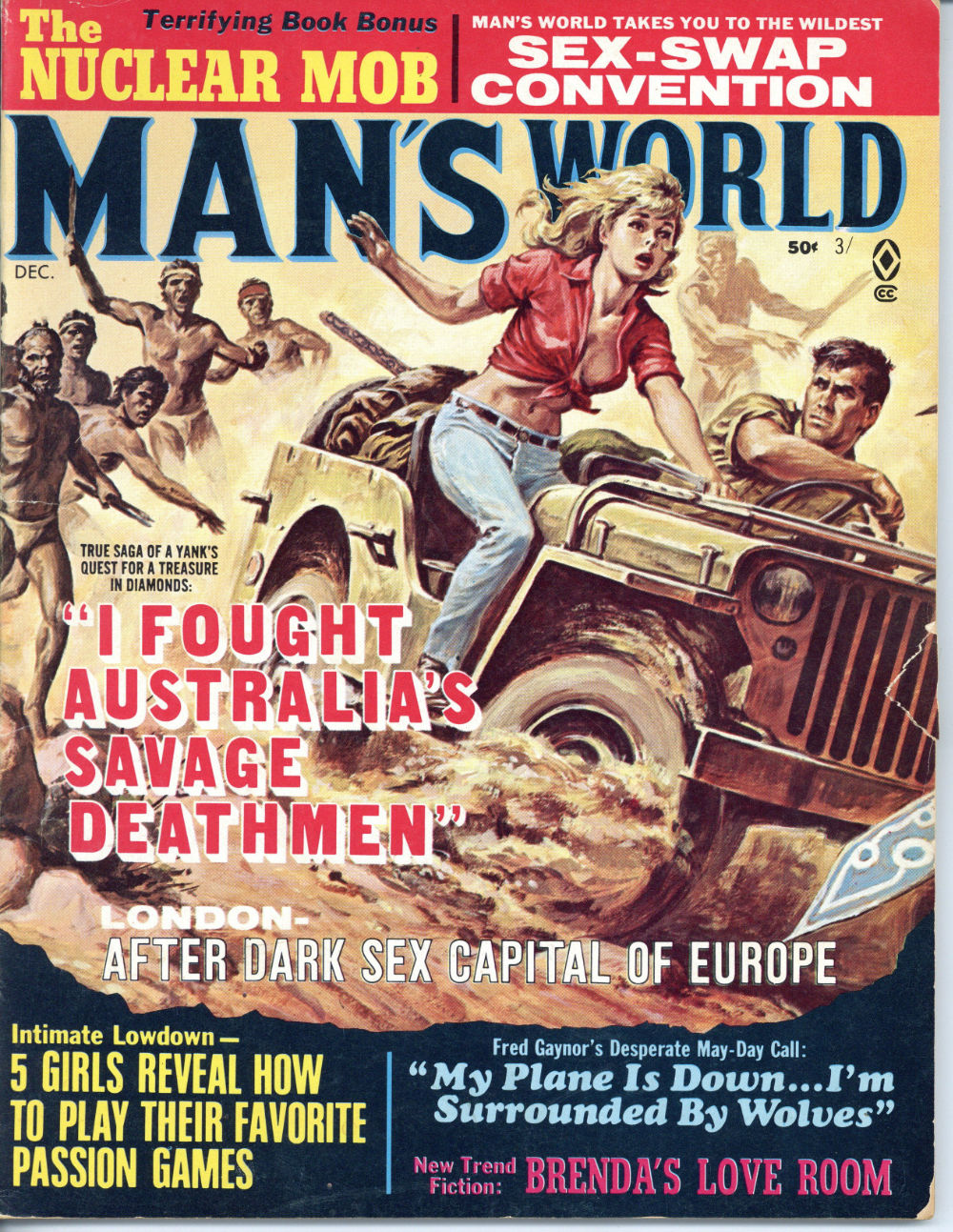
Here’s another Men’s magazine that depicts a jeep on its cover.
View all the information on eBay
“Man’s World Magazine 2nd Series Vol. 15 #6 VG 1969”
emailNeed to contact me and don't have my email? Click on email button.
Welcome to eWillys.com, a website for vintage jeep enthusiasts. I update this website nearly every day with jeep deals, jeep history, interesting reader projects, jeep related info, and more.
These quick searches can help you find things on eBay. People list in the wrong categories all the time, so don't be surprised to see brochures in the parts area for example. This section used to be split into jeeps, parts and other categories, but recent changes to eBay will require this information to be recoded.
The links to posts below show jeeps grouped by models, condition, and other ways. Some of these jeeps are for sale and others have been sold. If you are unsure whether a vehicle is still for sale or not, email me at d [at] ewillys.com for more info.
There are plenty of interesting, unusual, historic and surprising stories related to Jeeps and their owners. In addition, some of these features have nothing to do with jeeps. This link will display all featured stories starting from the latest.
Looking for parts and not sure where to go? There are a variety of large and small new and used parts sellers both online and offline.
Importantly, the allure of buying a project jeep can be romantic. The reality of restoring a jeep can be quite different, expensive and overwhelming without the right tools and resources. So, tread carefully when purchasing a "project". If you have any concerns about buying a vintage jeep, or run across a scam, feel free to contact me for help, comments or concerns .
Here’s another Men’s magazine that depicts a jeep on its cover.
View all the information on eBay
“Man’s World Magazine 2nd Series Vol. 15 #6 VG 1969”
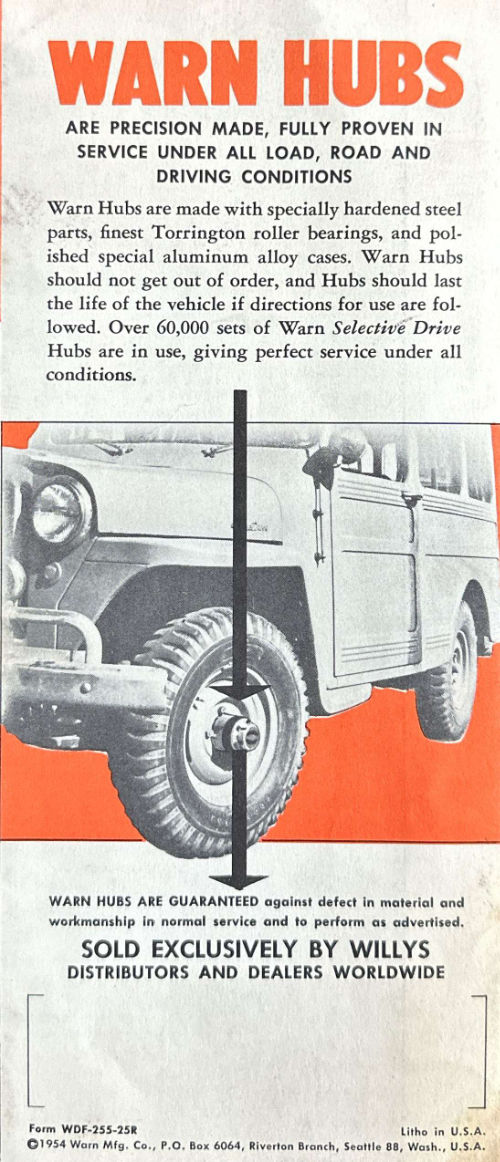
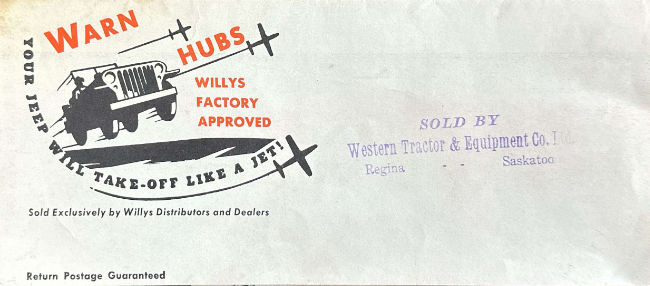
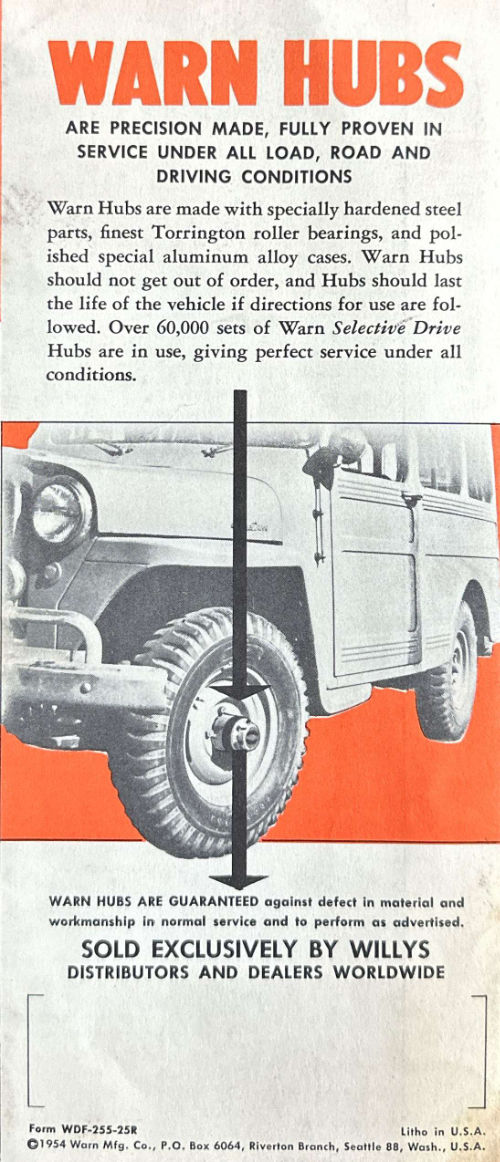
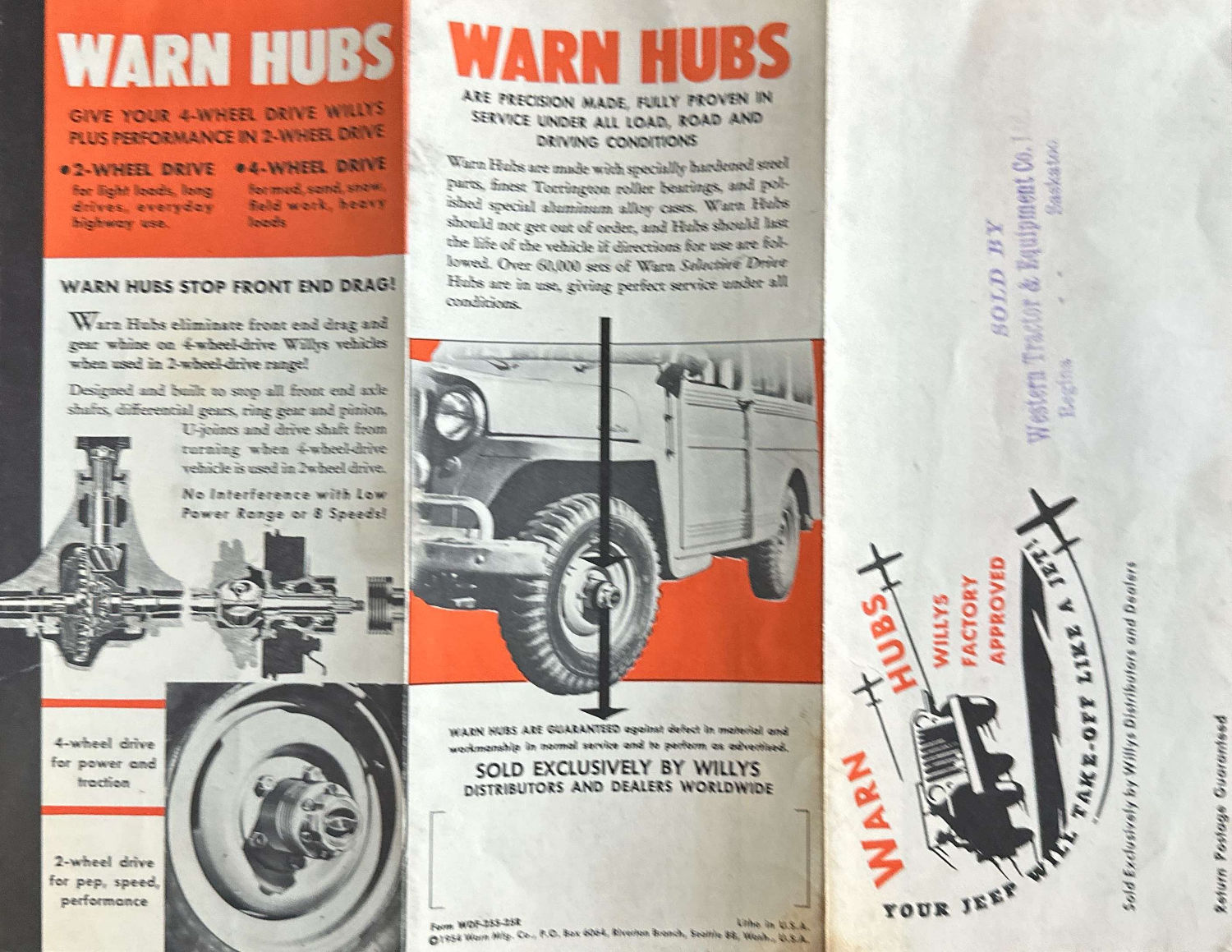
I spotted this Warn hub brochure out of Canada on eBay. It’s not I have documented. Its 1954 date makes it a fairly early one for the locking and automatic hub models.
This is the front of the brochure:
The is the back of the brochure:
If you open from the back, it reveals this page:
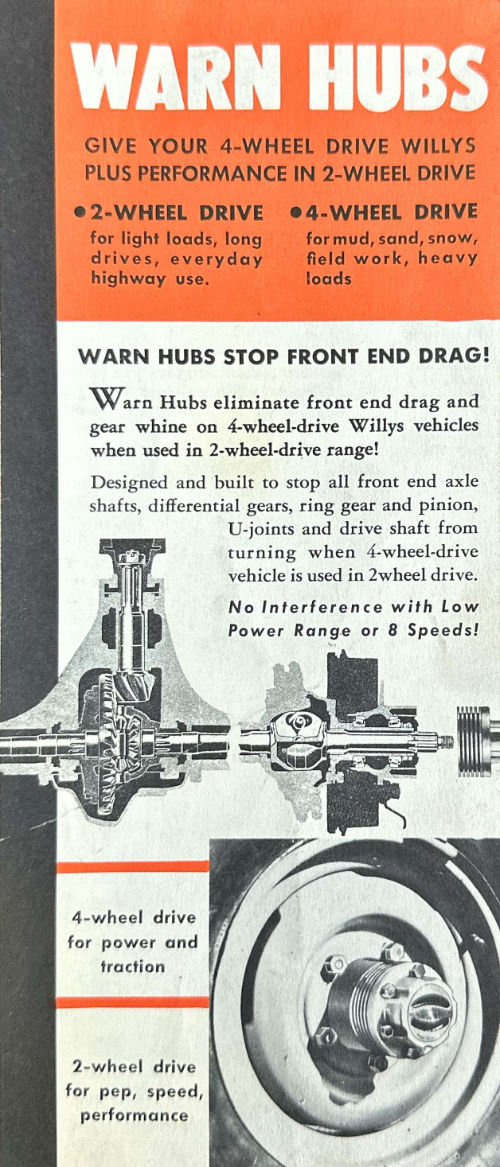
The this page opens horizontally again to reveal the interior three pages (8.5″ x 11″)
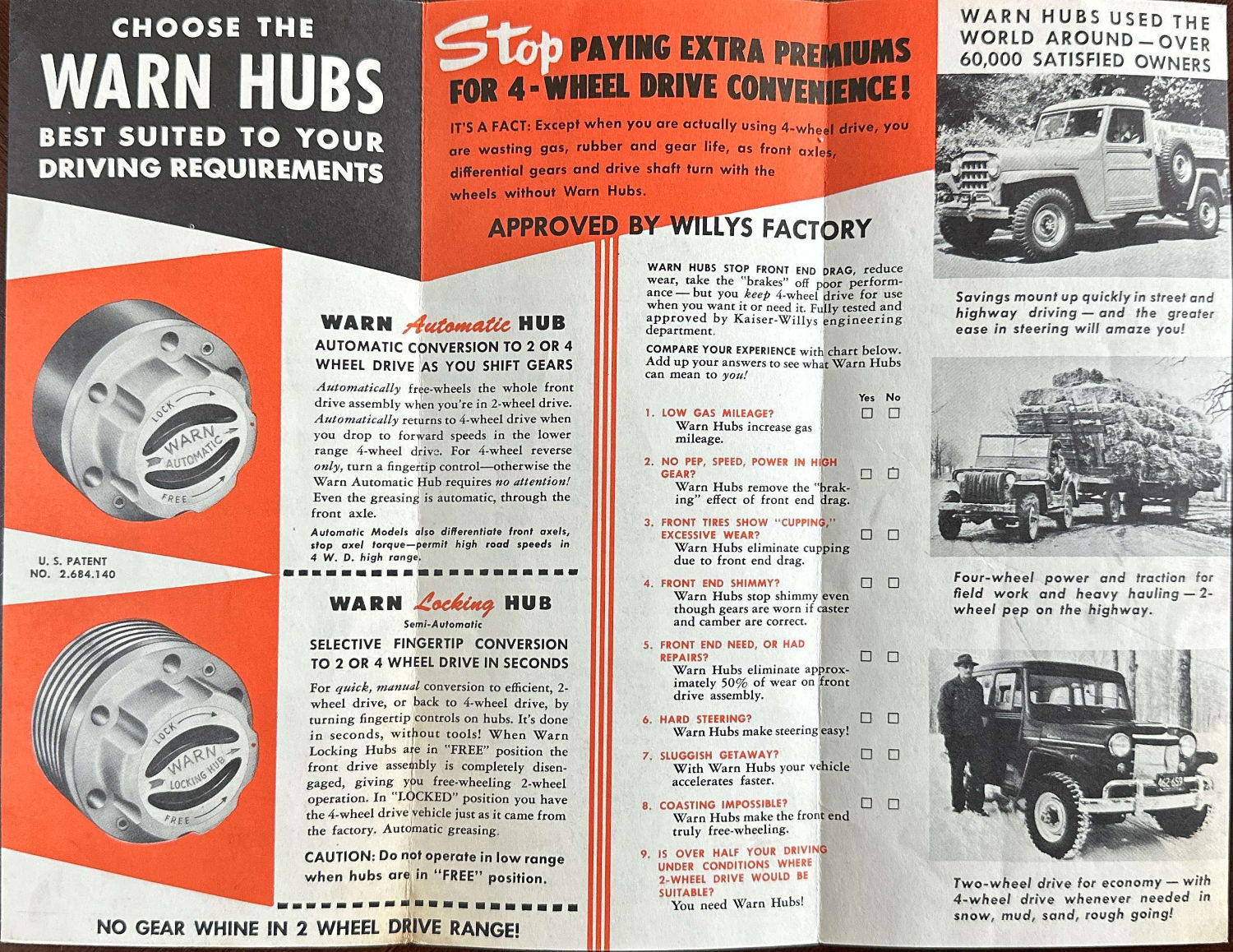
This is the back of the fully opened brochure.
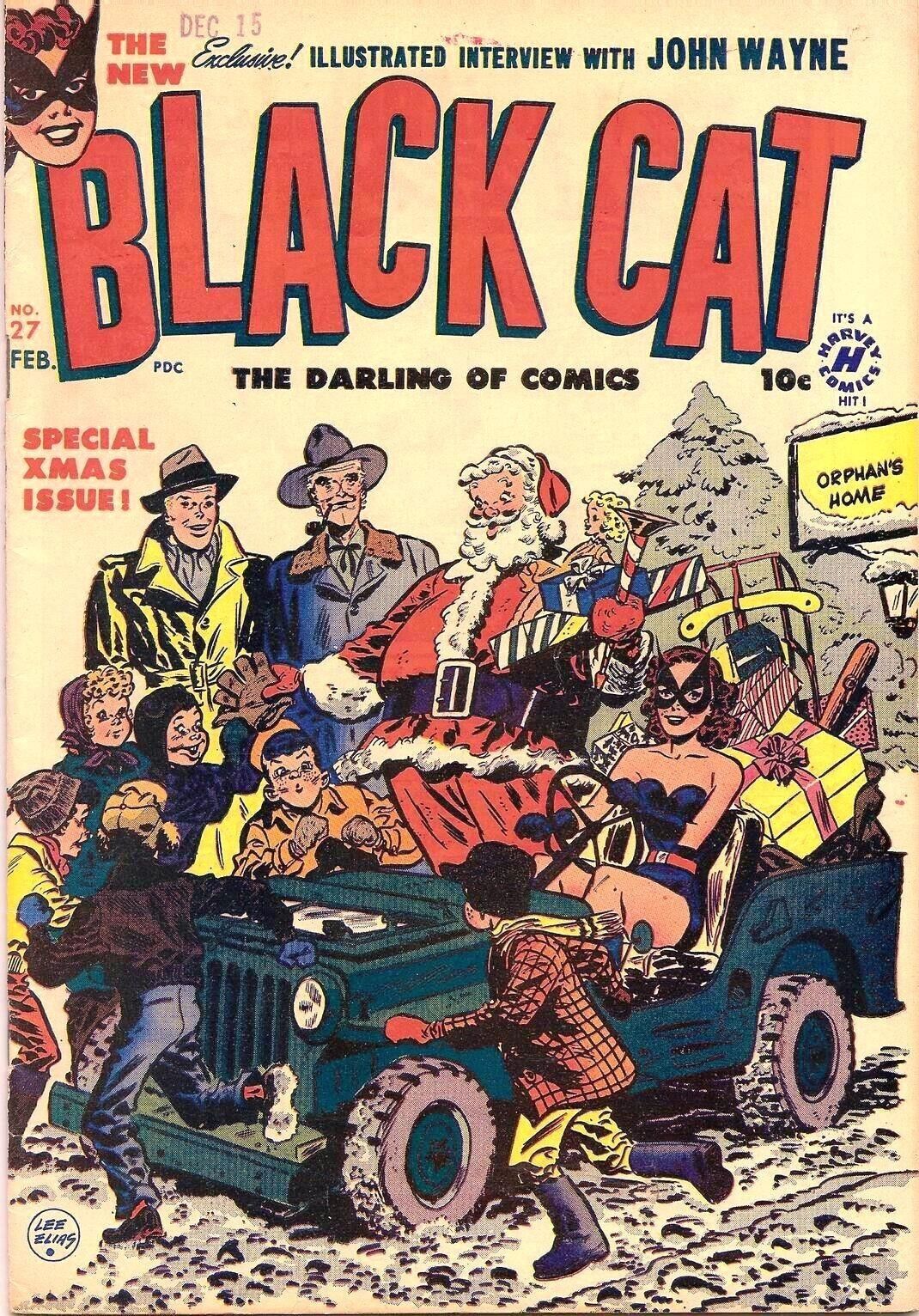
Steve shared this image of a jeep on the xmas issue of Black Cat Comics. This is issue #27 published February 10, 1951. According to this collector site, an issue of this comic sold in 2015 for $1,161! It probably doesn’t hurt the value that this issue includes an interview with John Wayne.
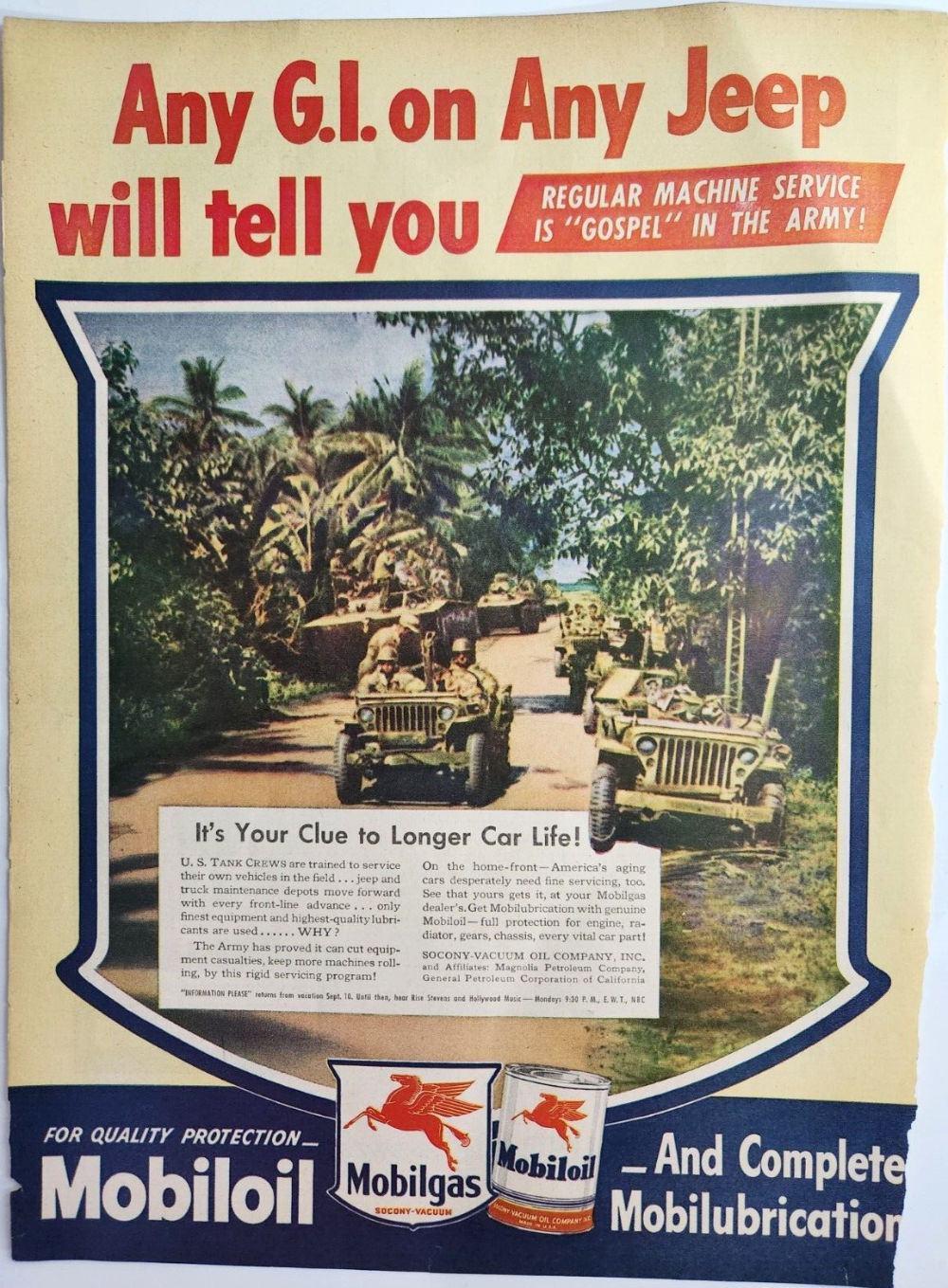
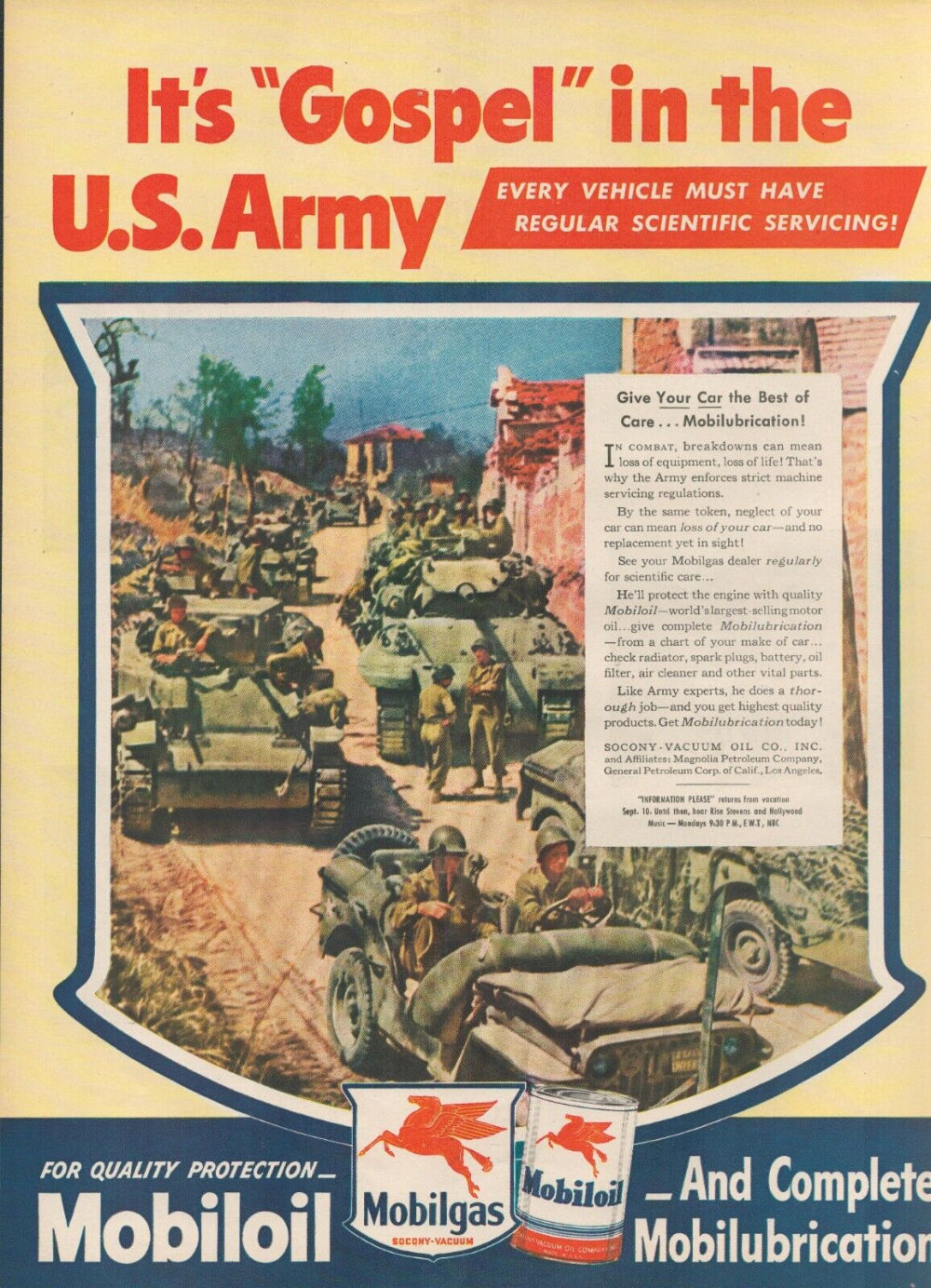
Here’s a second version of a 1945 Mobiloil ad featuring jeeps. This was part of a series of military-related ads buy Mobiloil in 1945 (see others here). I haven’t yet seen any other ones with jeeps in them.
View all the information on eBay
“Willys Jeep Mobiloil Vintage 1945 Ad Magazine Print Soldiers GI WWII
About 10.25 X 14 Inches. Carefully shipped flat.”
=======================
Here’s a second version of this ad campaign that included jeeps:
View all the information on eBay
UPDATE 3: Added an Automatic hub example shared by Seth (at bottom)
=========================
Originally Posted April 28th, 2017:
UPDATE 2: Niels shared a photo of his rare Cutlas key that can be used to spin the screws of the Power-Lock Hub.
UPDATE: 1) Well, it seems I forgot to read through this and edit it (I murdered the title for example) 2) The ending of the post has changed, thanks to Paul spotting an ad in the 1976 issue of Four Wheeler Magazine.
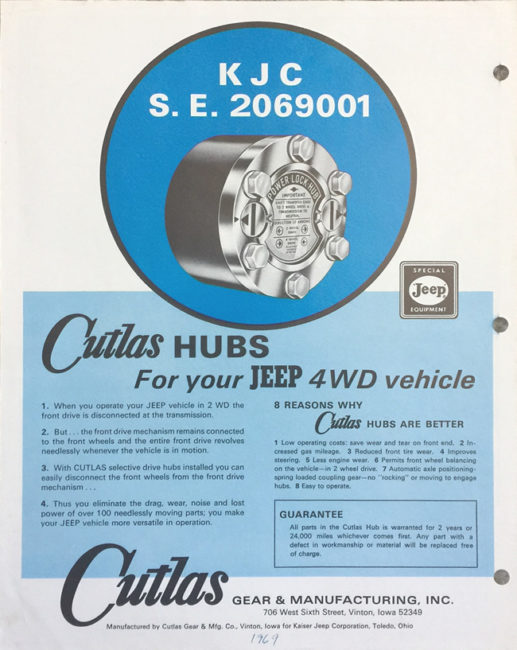
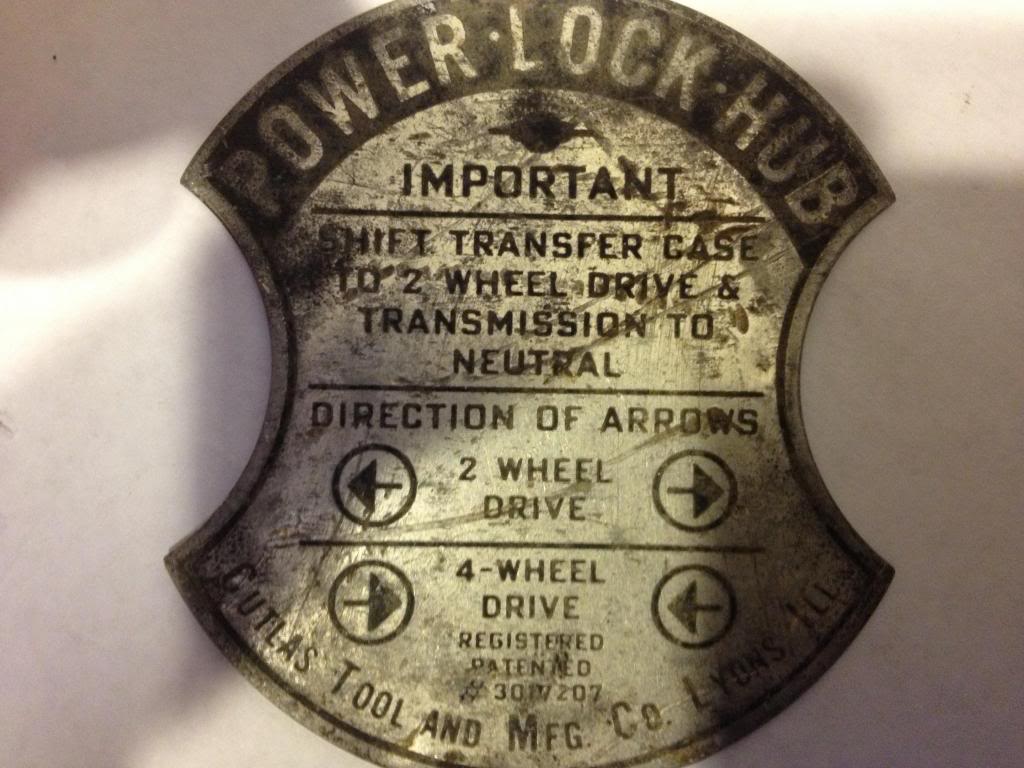
This is a Cutlas brochure for the company’s first hub, the Power-Lock.
In January of 1958, James Russell Lloyd, who up to that point had been president of the Free-Lock Company in Denver, filed a patent for a new type of hub on behalf of a company called the Cutlas Tool and Manufacturing Company out of Lyons, Illinois. At the time, Lloyd was still based in Denver (according to the patent filing), so what his relationship was with the Cutlas and Free-Lock companies at that time isn’t clear.

Patent was awarded in January of 1962.
Unlike the Free-Lock hubs, which relied on a rotating center piece to engage and disengage the hubs, the Cutlas hub had two rotating screws that had to be spun to engage and disengage the hubs.
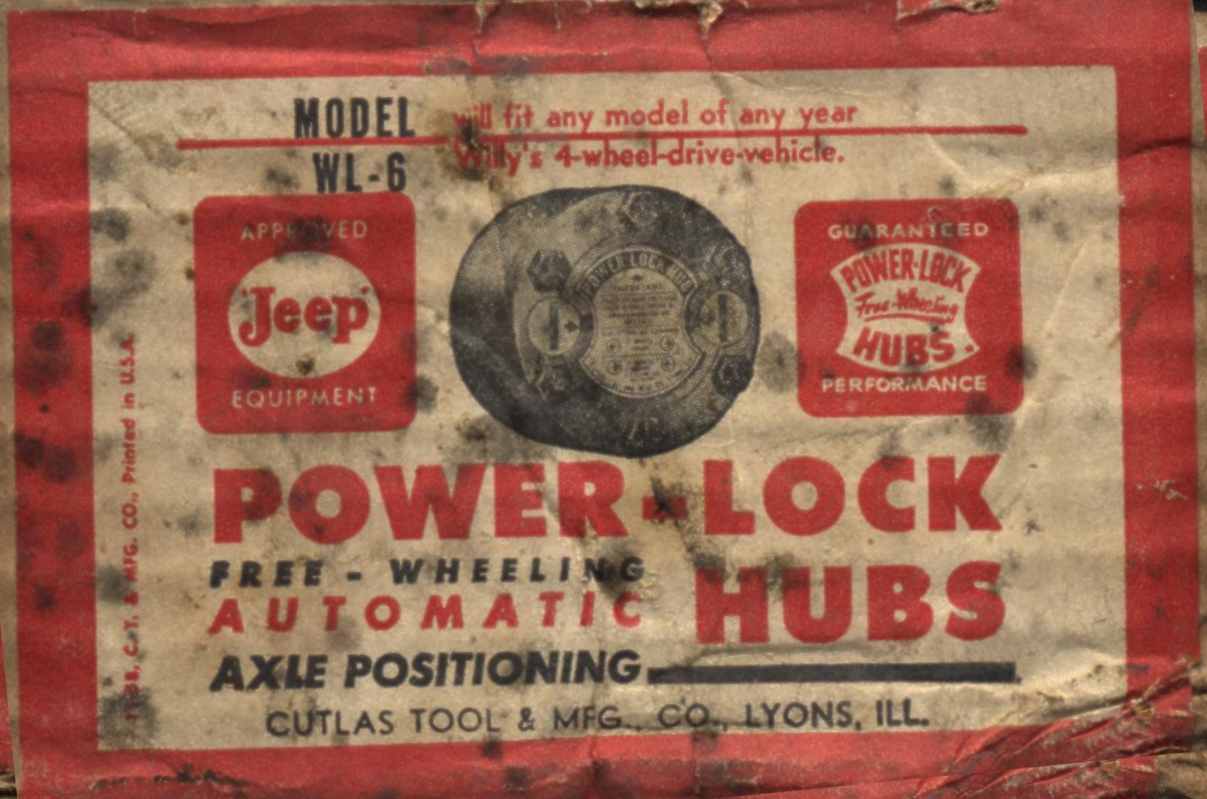
In May of 1958, Lloyd copyrighted the term Power-Lock Free Wheeling Hub, a name which the hubs would be known as from then onward. Here are some photos:
UPDATE II: This post was originally posted August 29, 2018:
Information about Husky and Dualmatic has been updated and more closely examined here.
Maury and I have been trying to determine how BestLok and EasyLok hubs are connected and how they are connected to Warn, Husky, and Dualmatic. The short answer is that we don’t quite know yet. But, below is what we do know. (Note, while Husky and Dualmatic are mentioned, it’s not a full history of either hub, histories I do need to address at some point).
In January of 1972, Richard Williams filed a patent, assigned to Warn-Belleview, for a new type of hub. Below is the image of that hub.
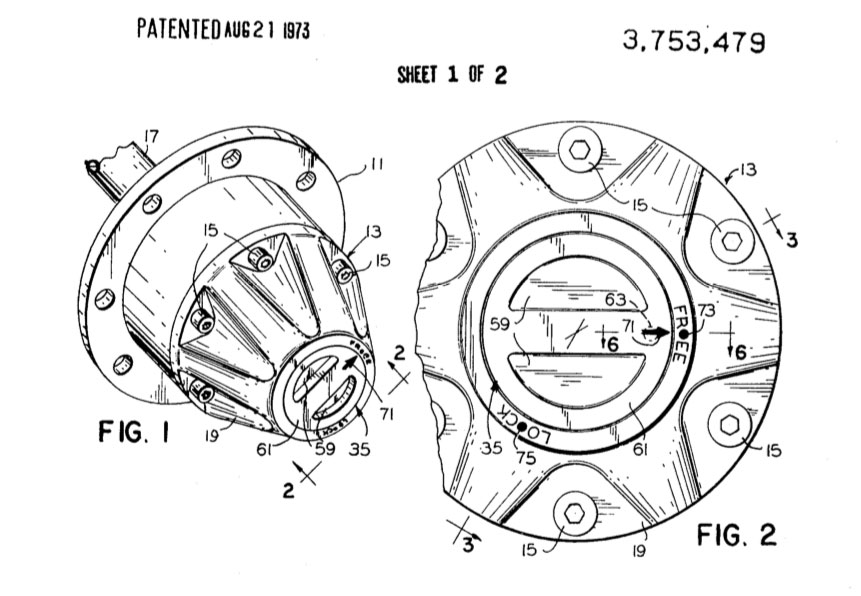
What’s curious is that there’s no documentation that Warn ever sold these hubs.
Even more curious, by July of 1972 this exact hub was produced and sold under the brand EasyLok, as advertised here, in the July issue of Four Wheeler Magazine:
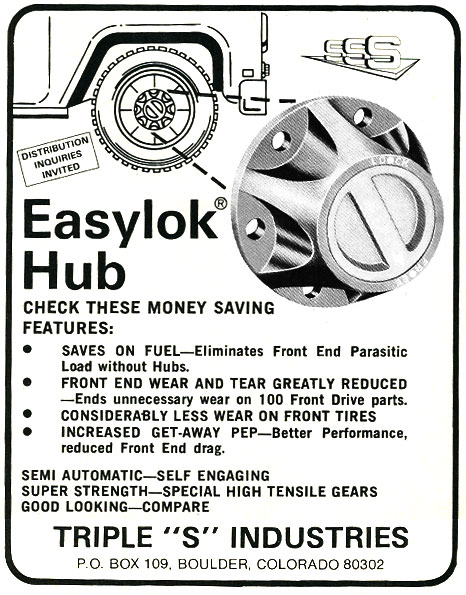
Why these hubs weren’t sold nor branded under any traditional seller of the time is a mystery to us.
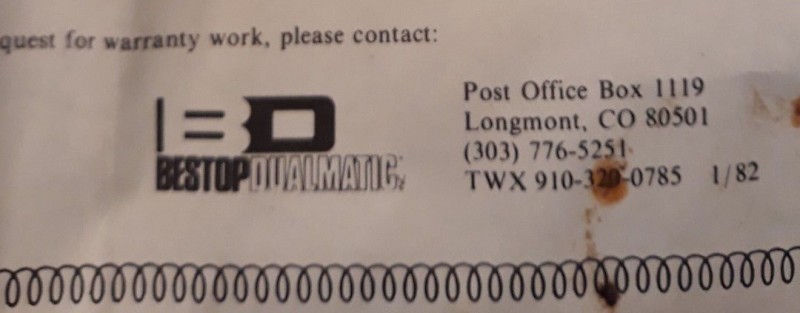
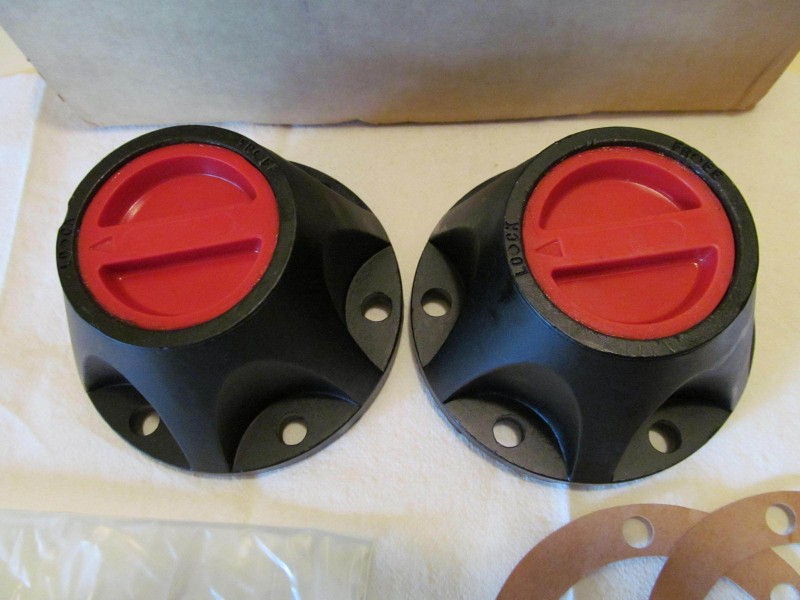
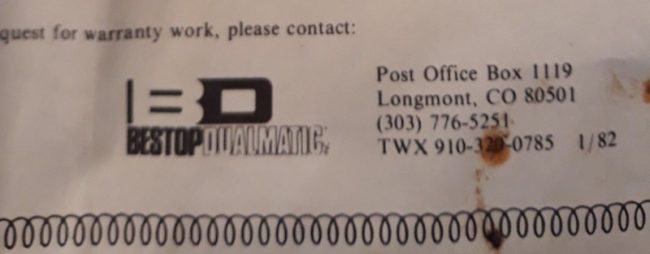
Earlier this year, Maury spotted a set of hubs with the Warn patented design that were manufactured in 1982. Maury managed to get ahold of photos that show the hubs were manufactured and warranteed by BestopDualmatic (a joined company formed when Wynn industries combined the companies around 1974).
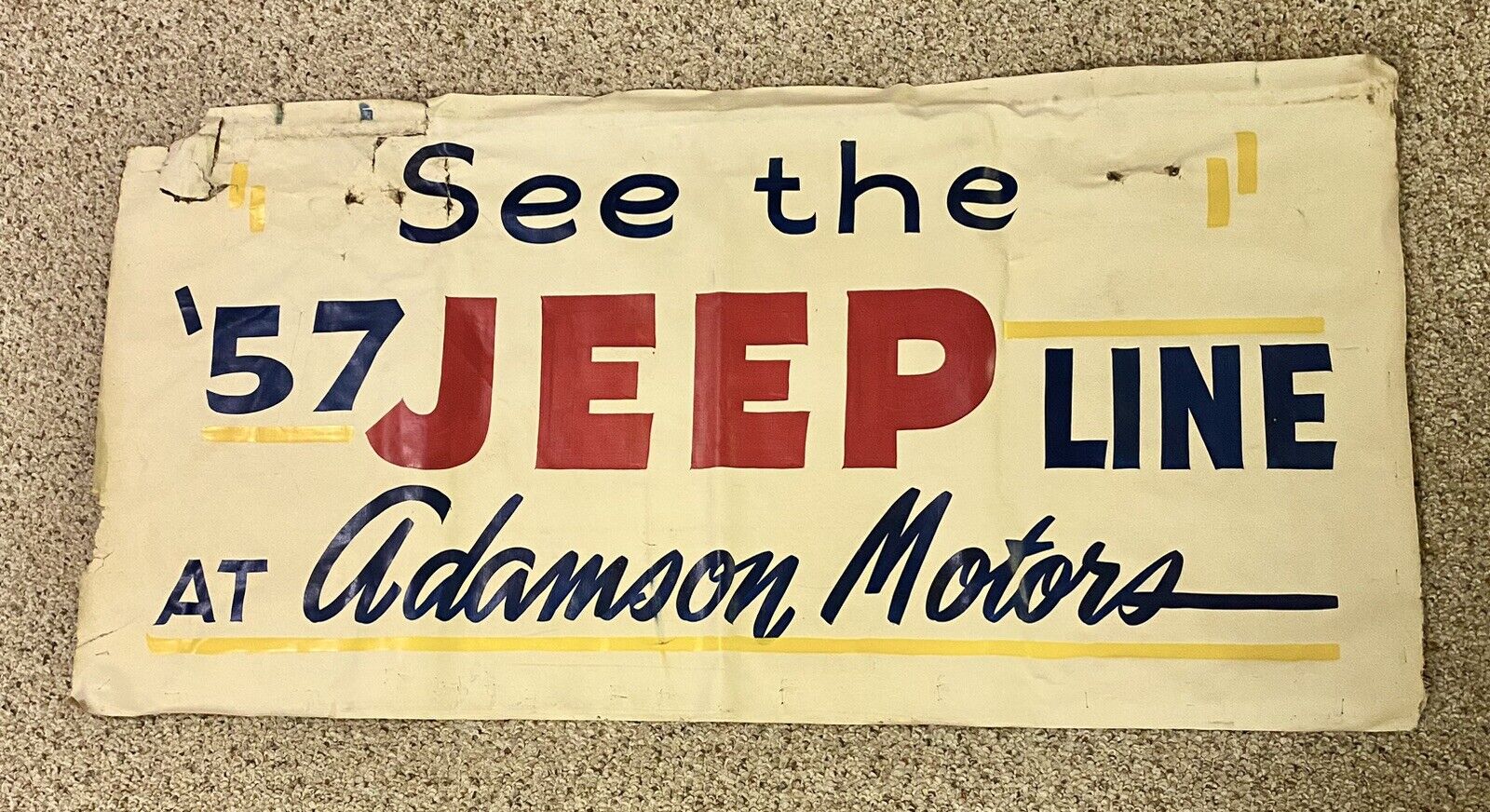
The seller of this sign has listed it at $250, but will consider lower offers. It likely is the only one of its kind.
View all the information on eBay
“Very cool canvas dealer sign. 46” x 24” Appears to be hand painted. This was found mounted to a board. There is some damage to one corner. Tape has been applied to help hold its position. Very cool piece. You will NOT find another
Vintage Canvas Banner Dealer Wall Hanging 1957 57 Willis Jeep RARE Hand Painted.”
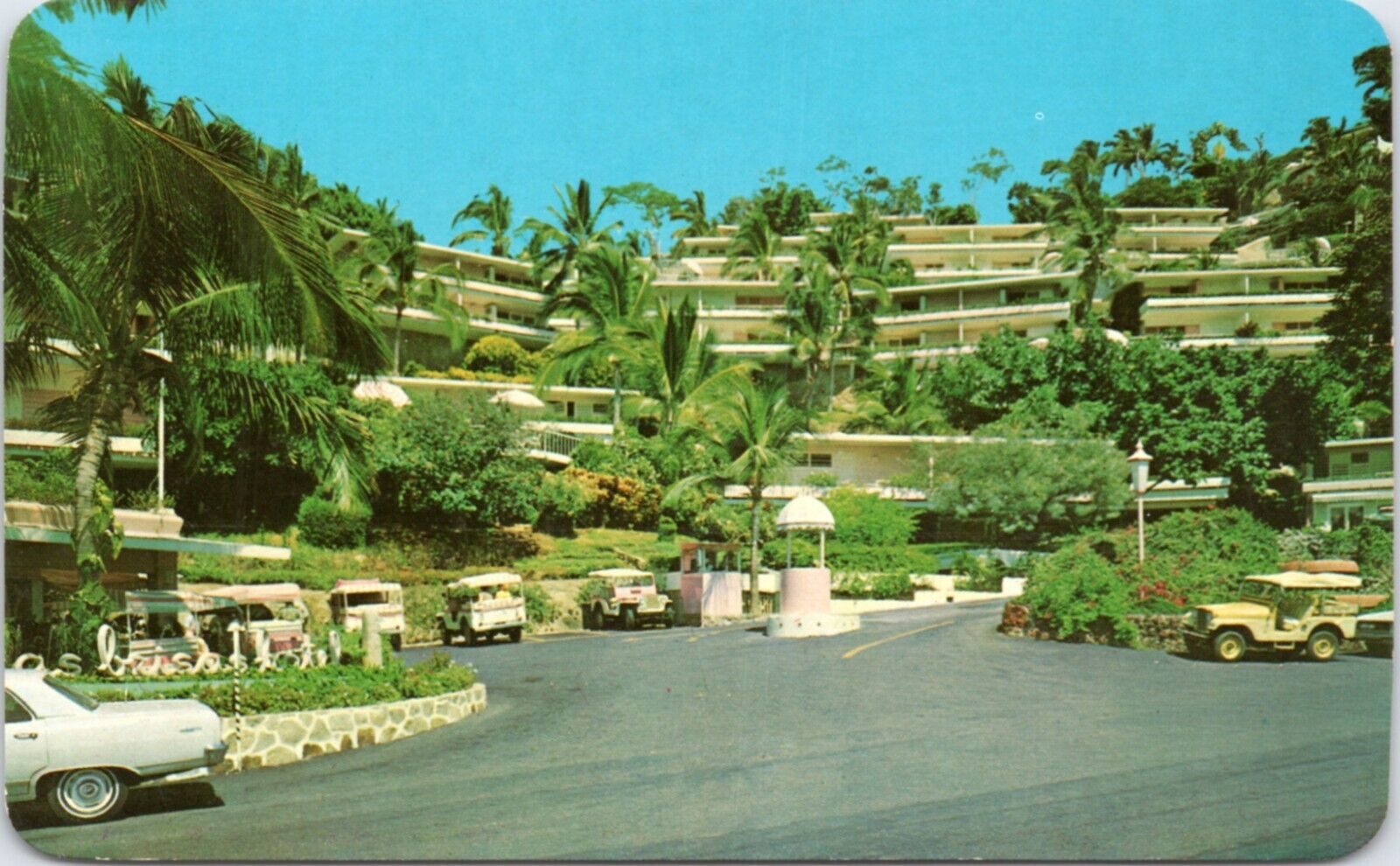
This postcard from the Las Brisas resort in Mexico may have been taken in the late 1960s as it appears to show multiple DJ-5 Galas/Surreys.
View all the information on eBay
“3.5 x 5.5 inch standard size vintage postcard”
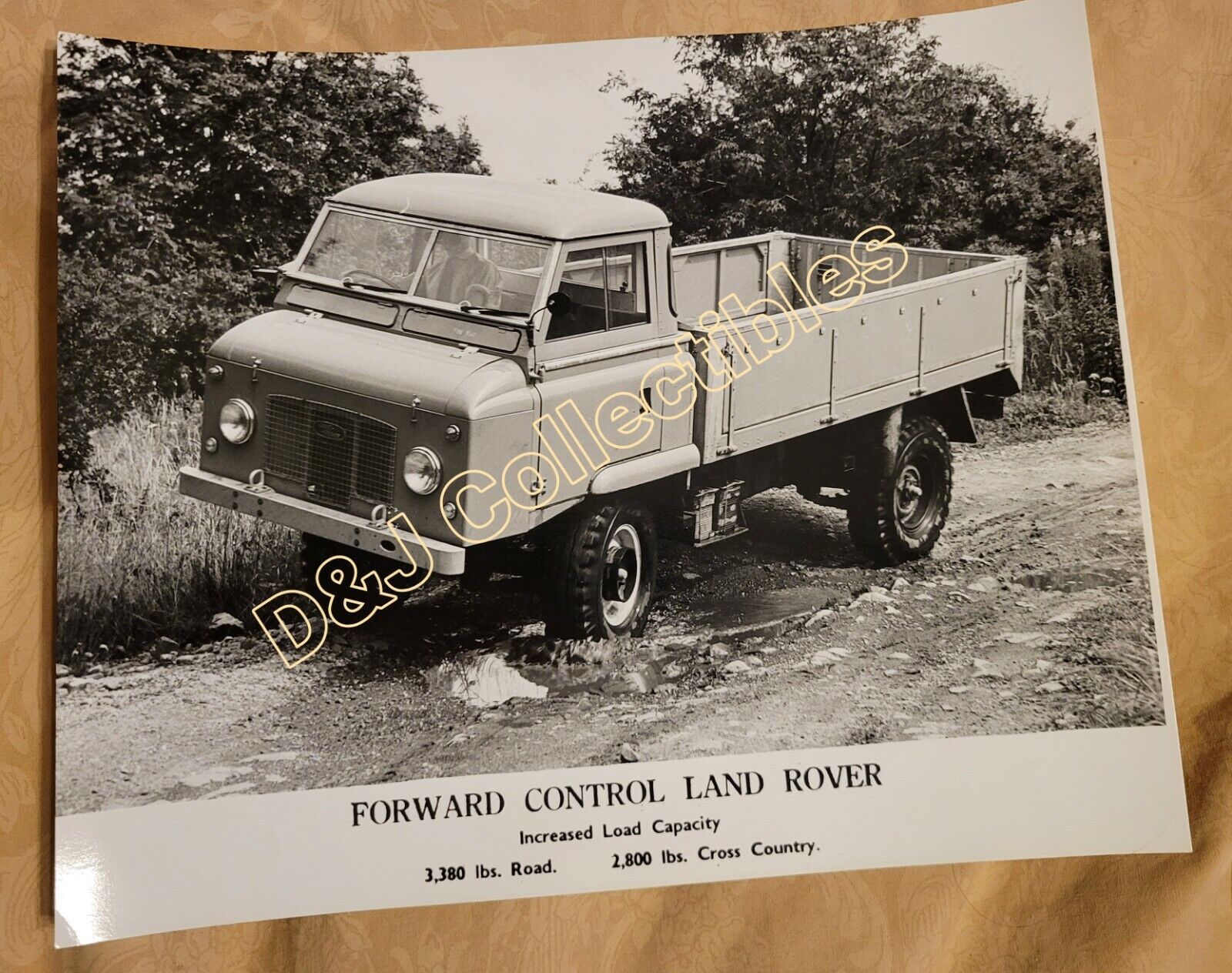
I was surprised to see this Jeep FC-looking vehicle by Land Rover (check out a brochure here). The company also made a 4 door version, which kind of echoes the M-677.
View all the information on ebay
“s listing is for a Vintage Forward Control Land Rover Photo. This photograph is possibly a dealer print with load capacity. . This press photo is 9” x 8”.”
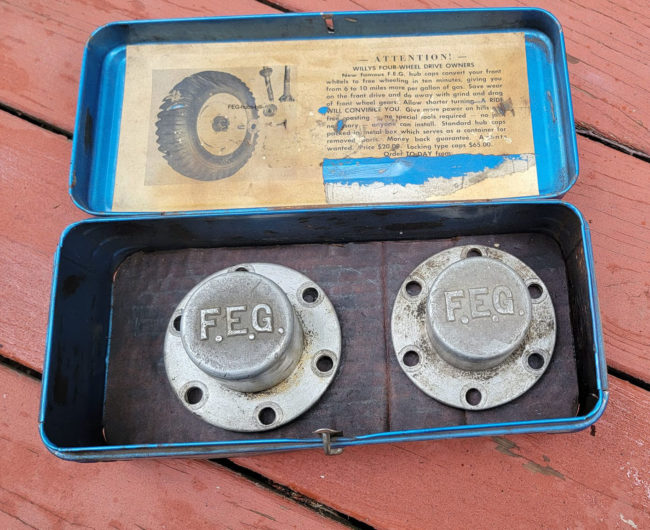
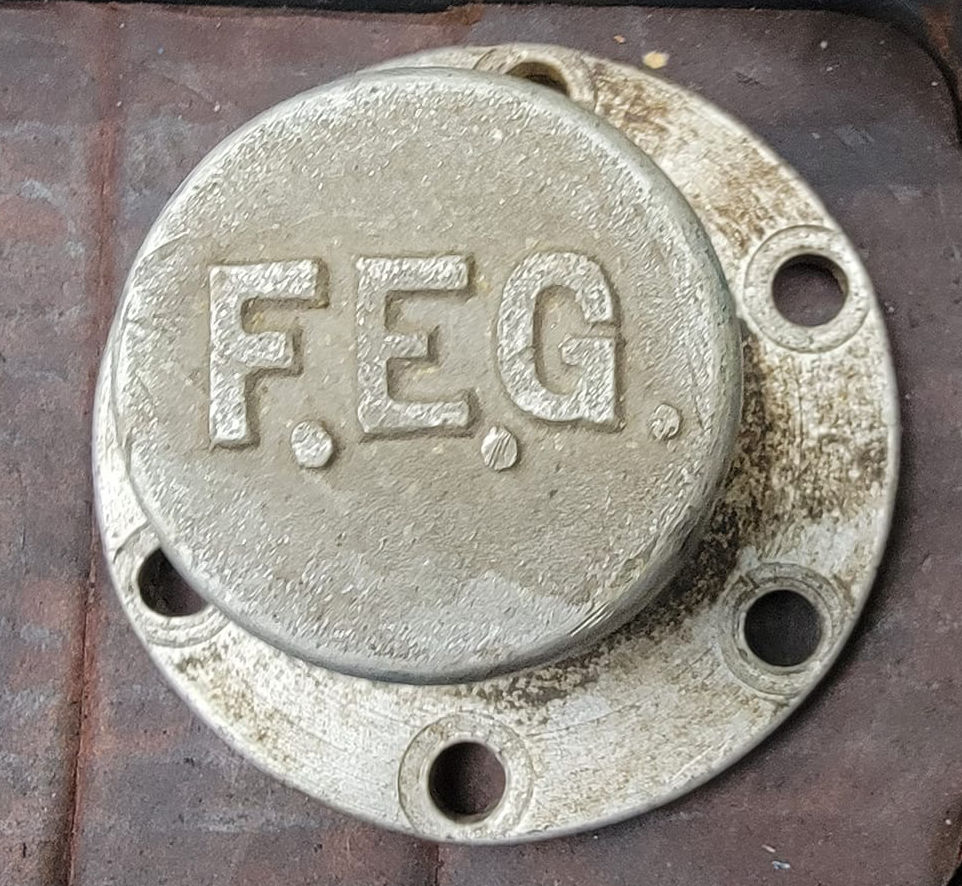
Bill Falconer scored a set of extremely rare “summer”-type hubs that are stamped F.E.G. Even better, he was able to get the original box that accompanied them, which included some additional information.
When I first published the post about the various Summer Hub models, I included a photo of an F.E.G. hub, but the only reference I had was that photo. I could finding nothing else about them. Thankfully, the New Hampshire Fish and Game, which owned these hubs originally, bought from a Willys dealership in Colebrook, New Hampshire (which has since been bulldozed), kept the information it had. So, now we know a little more.
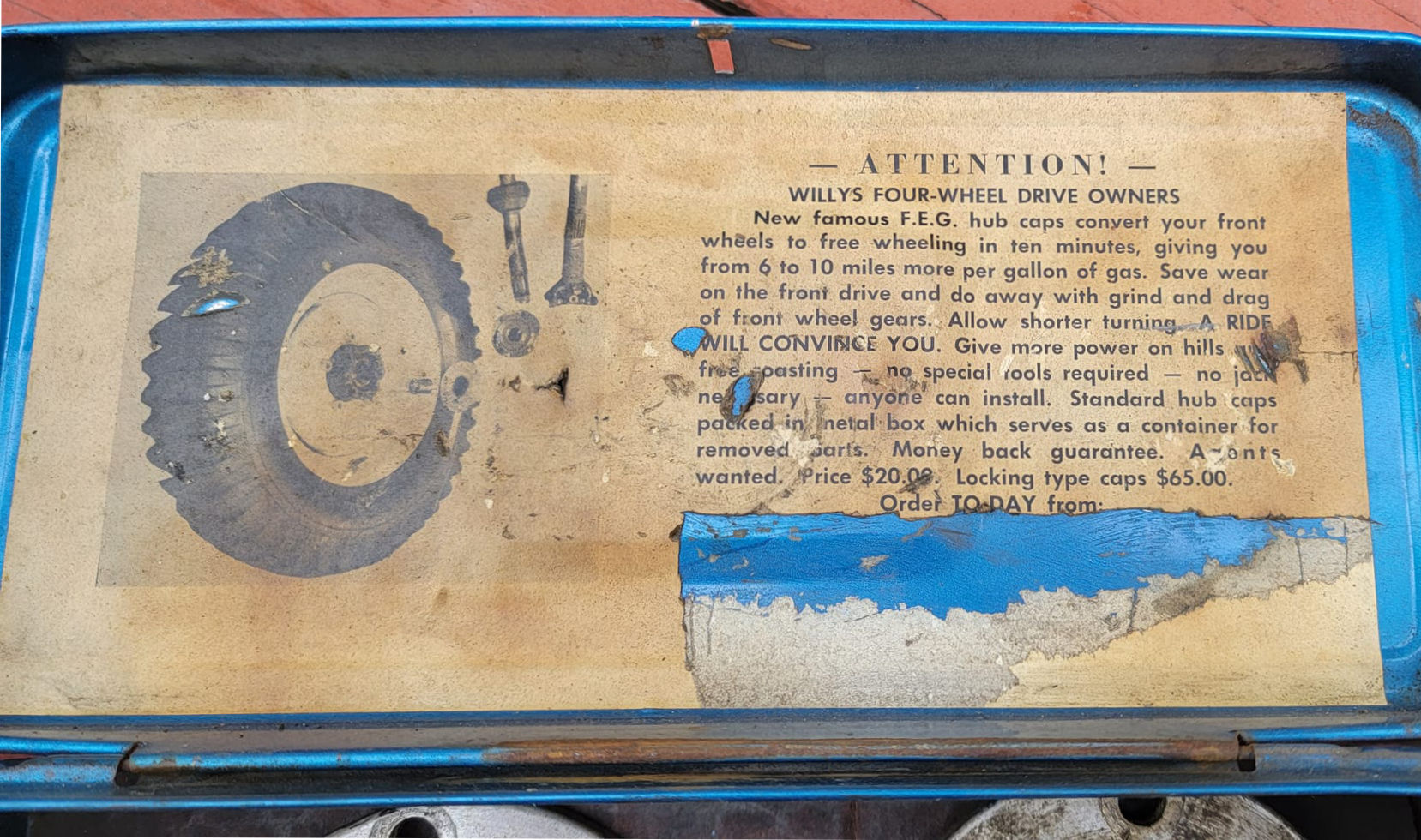
According to the Box’s information, these summer hubs were $20. F.E.G also offered a locking type for $65. Unfortunately, the part showing how to order the hubs was torn from the box.
So, what does “F.E.G.” mean? In researching these, I found a company called F.E.G. out of Mexico that has a subsidiary parts maker, HOWEVER it appears the company wasn’t around in the 1950s. Thus, I am at a dead-end on the company’s history. I suppose it’s possible that F.E.G. are just someone’s initials.