emailNeed to contact me and don't have my email? Click on email button.
About eWillys
Welcome to eWillys.com, a website for vintage jeep enthusiasts. I update this website nearly every day with jeep deals, jeep history, interesting reader projects, jeep related info, and more.
These quick searches can help you find things on eBay. People list in the wrong categories all the time, so don't be surprised to see brochures in the parts area for example. This section used to be split into jeeps, parts and other categories, but recent changes to eBay will require this information to be recoded.
The links to posts below show jeeps grouped by models, condition, and other ways. Some of these jeeps are for sale and others have been sold. If you are unsure whether a vehicle is still for sale or not, email me at d [at] ewillys.com for more info.
Importantly, the allure of buying a project jeep can be romantic. The reality of restoring a jeep can be quite different, expensive and overwhelming without the right tools and resources. So, tread carefully when purchasing a "project". If you have any concerns about buying a vintage jeep, or run across a scam, feel free to contact me for help, comments or concerns .
Steve sent this video. No jeeps, but an unusual and early Adams Farwell rotary motor. I’m hoping to stop by the National Auto Museum during our March trip along the California Coast (Still to be finalized).
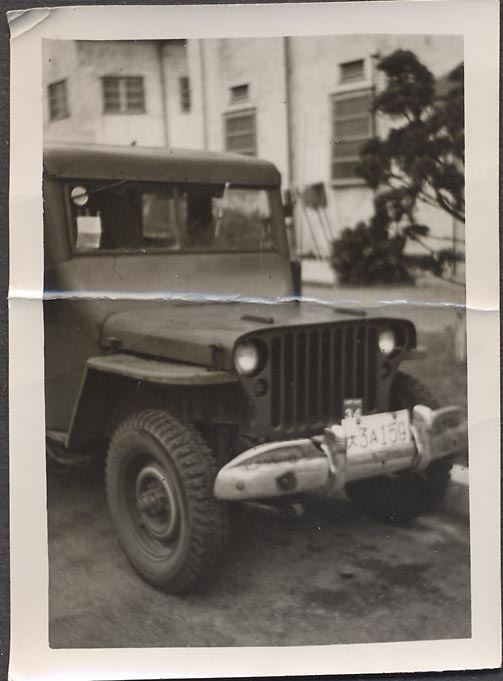
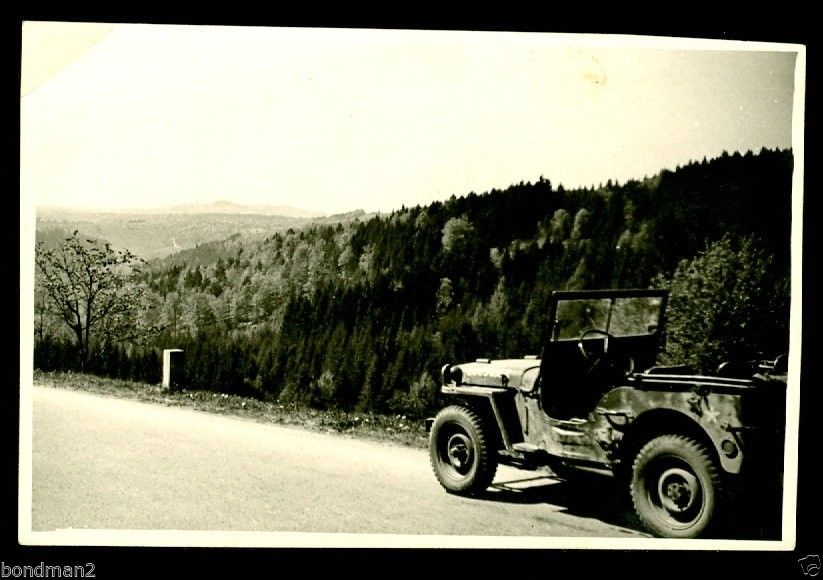
Marc found this photo. The jeep in this photo has some unusual features. Obviously, the bumper is odd. It may have a Japanese license plate. The top is odd (wish we could see more of it) and it appear to have a 2nd hood latch that is located in an unusual spot.
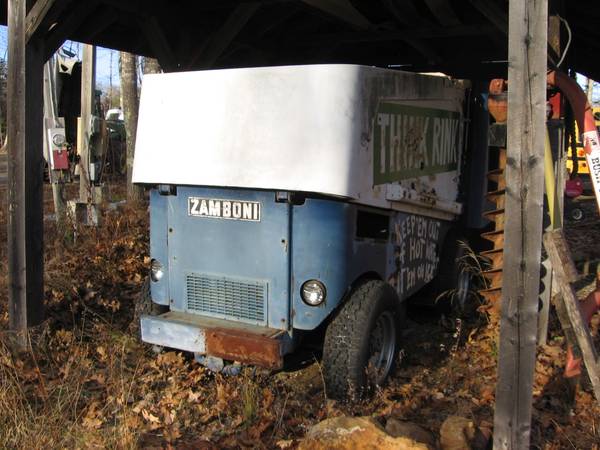
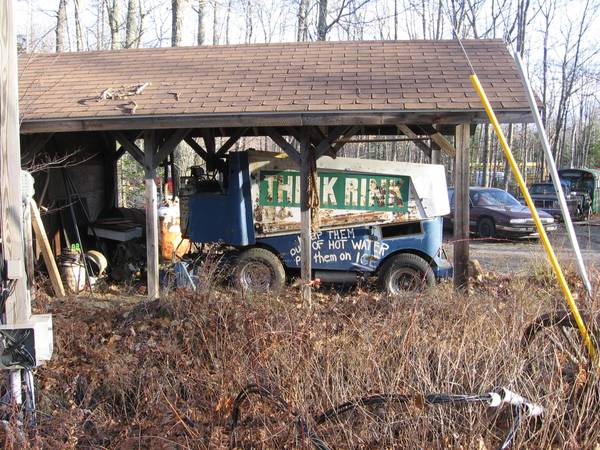
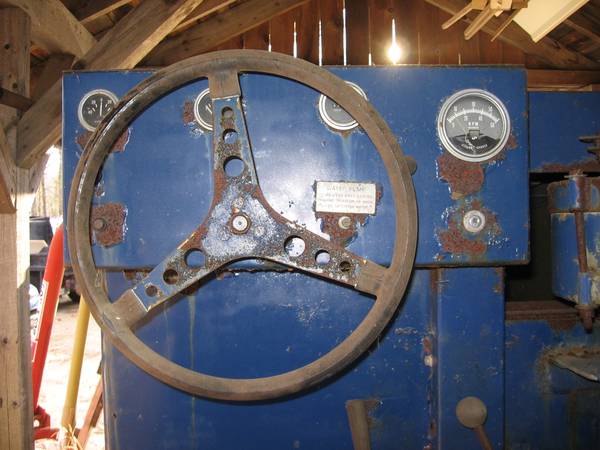
Glenn found this rare item. I don’t know much about the V4s that power these rigs.Might be an interesting motor to check out. I can’t tell if this is a variant of the Model F or a Model G. You can learn more about the Zamboni/jeep relationship here.
“1964 Zamboni ice-resurfacer, needs TLC, runs, goes, manuals included. These machines were made on a Jeep running gear. Dana front and rears, 3 speed manual with spicer transfer case, drive shafts etc. Will consider parting out if sale of whole machine doesn’t take place. Has V-4 air cooled motor that runs great and has propane setup. Would make a great lumber mill power plant.”
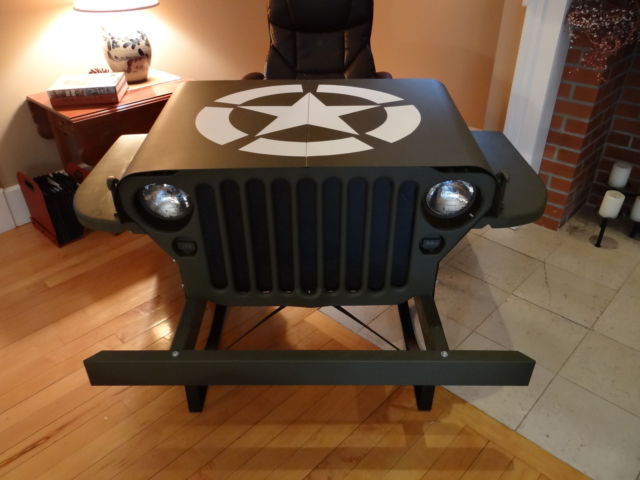
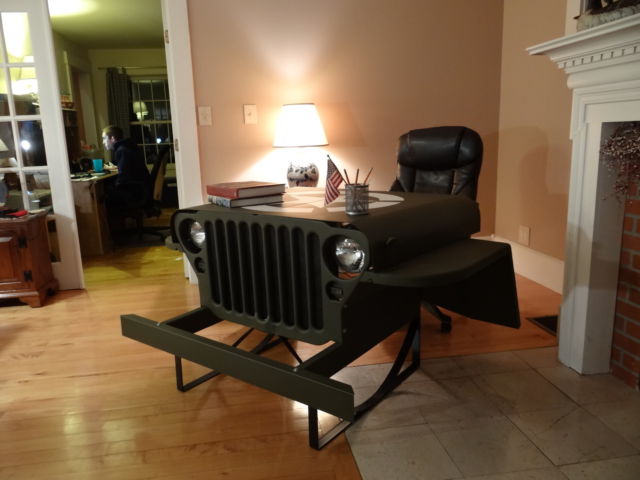
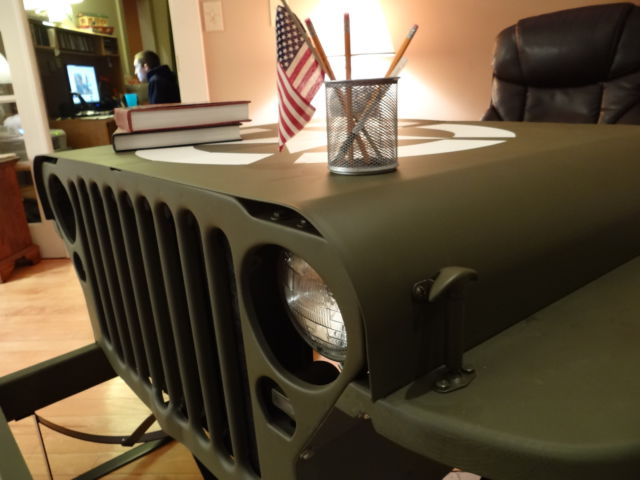
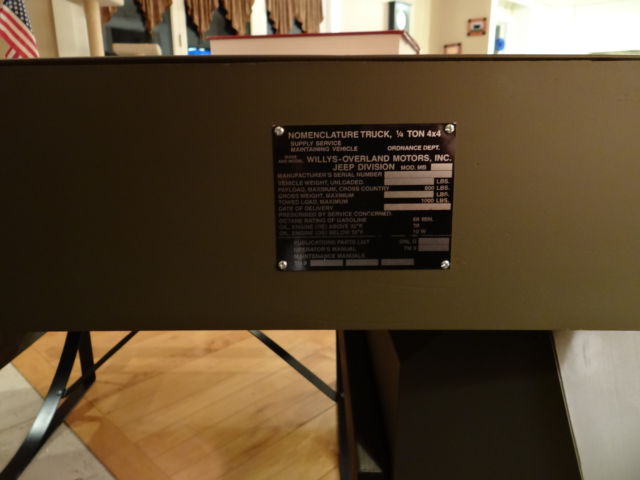
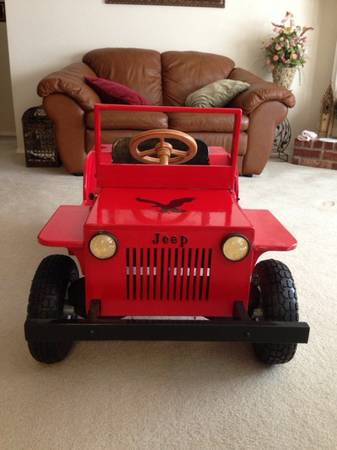
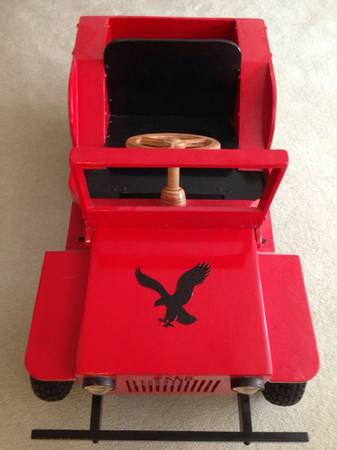
(11/15/2013) Zack spotted this unusual find: A MB Desk. I could very easily see myself writing at such a desk. I think I’m gonna have to build a version of it.
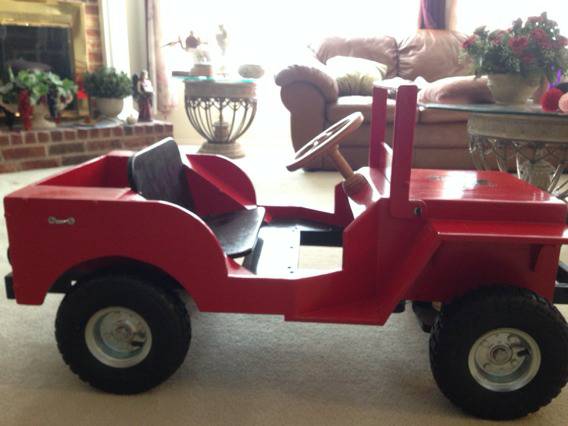
“This Jeep Desk is modeled from a WW 2 Willys. It has a real grill, headlight buckets, black out lights and dash plaque. The paint is authentic Lusterless Olive Drab. The invasion star is painted with a flat white. The fenders are an exact copy and are made of wood. The hood is also an exact copy but made of metal.”
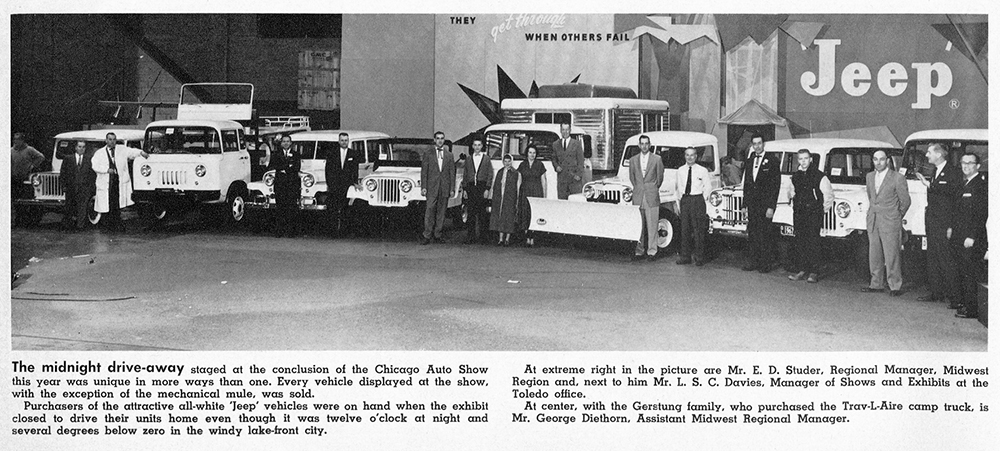
Craig writes, “This was the Midnight Drive-away program that happened at the conclusion of the 1959 Chicago Auto show.There was a little written article about the event but it was pieced together and not easily scanned.”
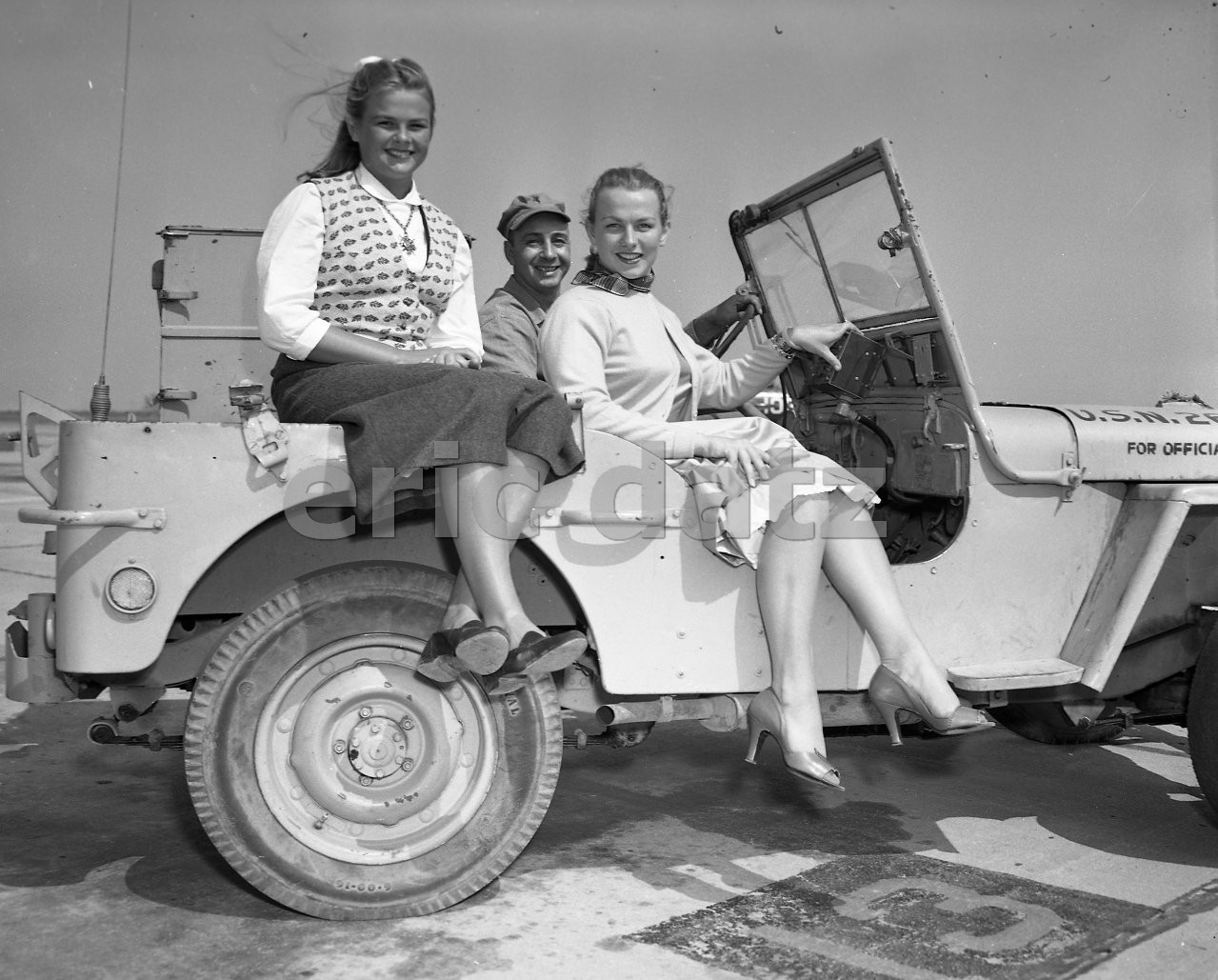
“1950’s 4×5 Negative~Pretty girls on a Military vehicle, p10224
Description: Original vintage negative from the late 1950’s. Taken by Don Comoe who was the official photographer at Naval Air Station at Los Alamitos, CA.
Size: 4 x 5″”
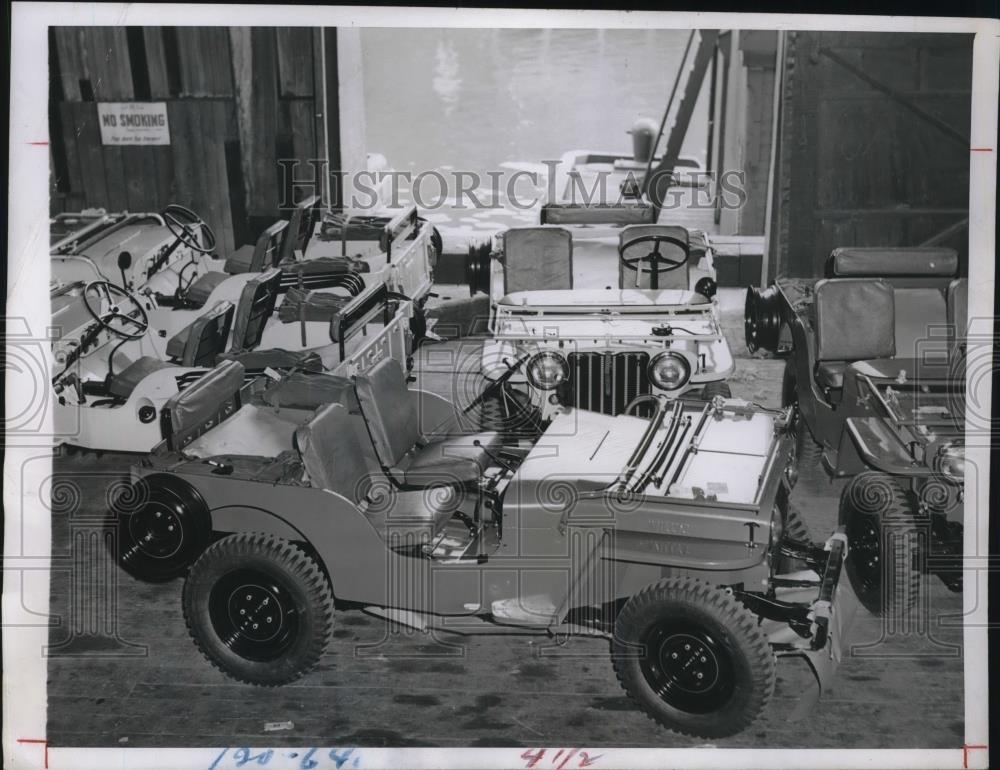
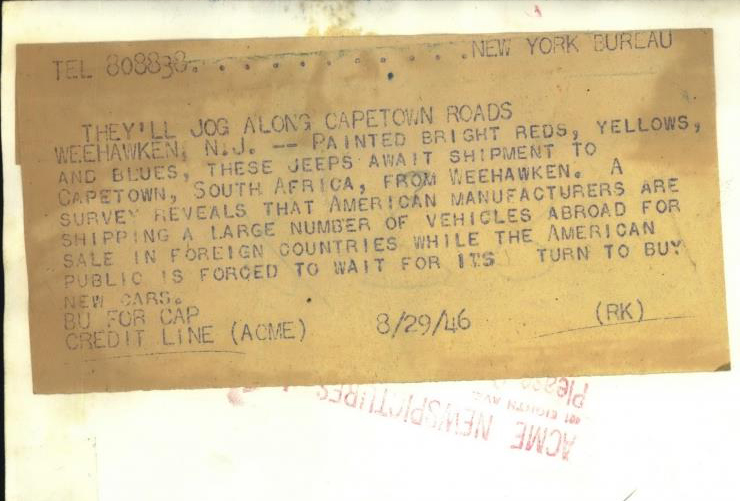
Marc found this photograph. These jeeps are being shipped from NJ to Capetown, South Africa. The caption notes that vehicles are getting shipped internationally, despite the need for vehicles in the US.