Paul-M38 Research Archives

To Top

Paul unpacks 60 Year-Old Parts

• CATEGORIES: Builds, Features • TAGS: This site contains affiliate links for which I may be compensated.

Paul wrote to share his experience unwrapping some old parts as he continues his M-38 rebuild.

Paul wrote, “One of the first jobs on my Willys rebuild list from many years ago was to overhaul the axles. Naturally all bearings and races were replaced with new, new ring and pinion gears with 4.27 ratios were installed along with a complete set of 11 inch backing plates and brake drums. Well, sometime during the past 25 or so years the new steering knuckle seals failed due to old age. Geeze, I haven’t even driven this thing yet and now I’m having to replace the replacement parts which are still new but old.

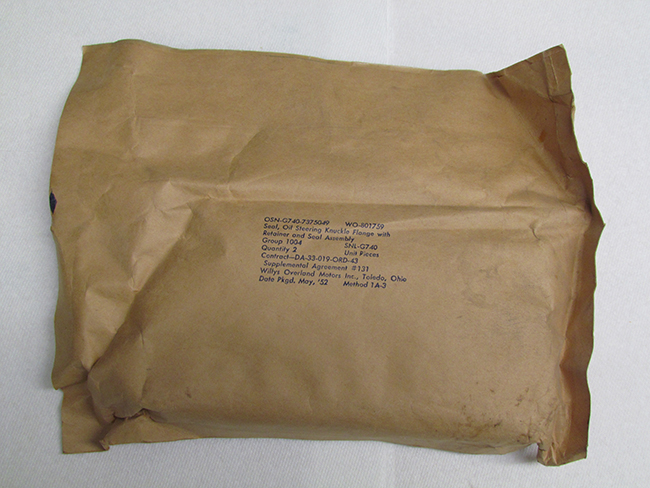
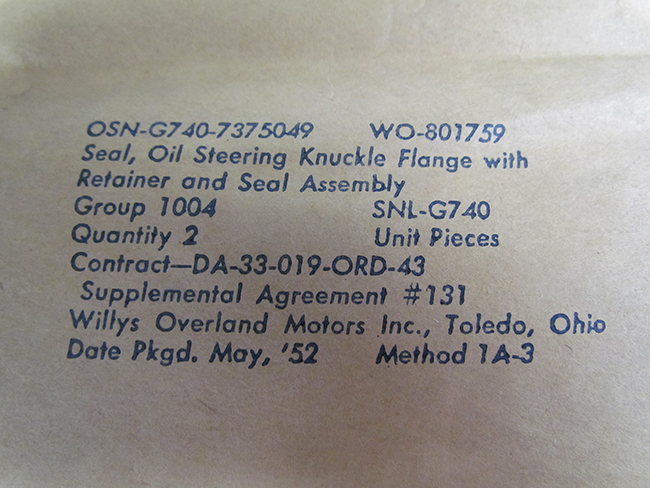
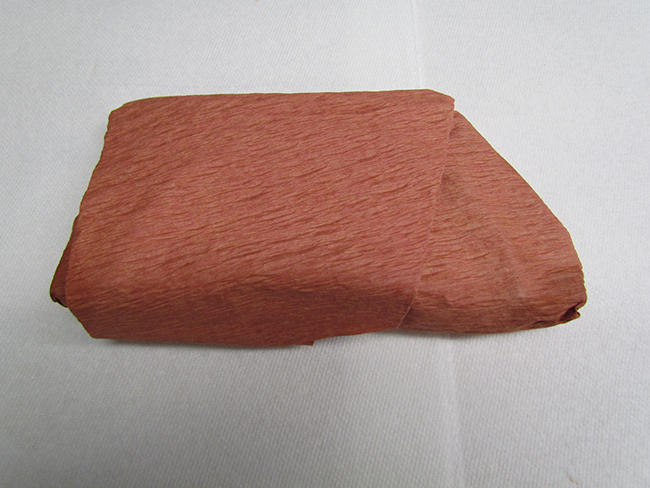
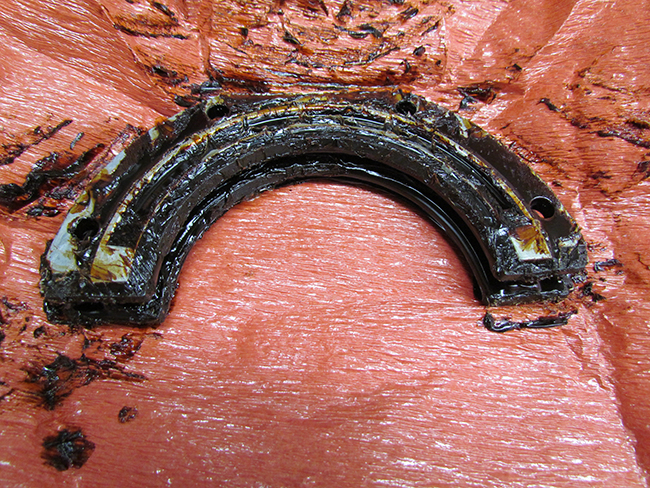
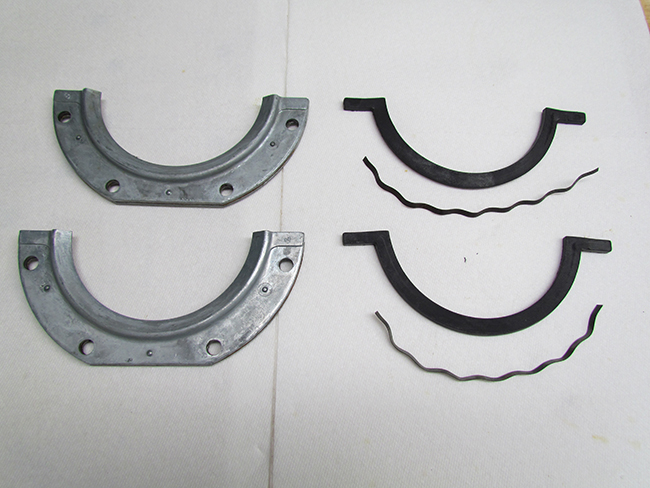
Oh well, it was time to go shopping once again. I was able to purchase a set of heavy duty steering knuckle seals from the local parts store (that can even be rebuilt when necessary) in addition to an extra set of replacement rubber seals for future use. Today I installed one seal kit on the left front knuckle with no problems, everything fit like factory, nothing was missing and the quality was perfect but that’s just what I’d expected. You should understand that these steering knuckle seal kits were packed by Willys Overland Motors for military use in May of 1952. The package had never been opened and all the parts were still coated with a preservative grease like coating, which required lots of paper towels to remove.

I can’t imagine whoever packed these parts so long ago had any idea that 60 years into the future some guy in Alaska would need these parts for his M-38 but I’m sure pleased the packer did such a good job protecting these seal kits. I took pictures of each step as I opened the package and the final photo shows the clean, new parts visible for the first time in over 60 years.”

[fb_button]
 
To Top

Pauls Frame is Finished Baking

• CATEGORIES: Builds, Features • TAGS: This site contains affiliate links for which I may be compensated.

Paul’s been eagerly awaiting the completion of his frame’s powder coating.  I told him that it was too pretty to put under the jeep.  Instead, he ought to hand it in the house.  No response to that idea so far . . .

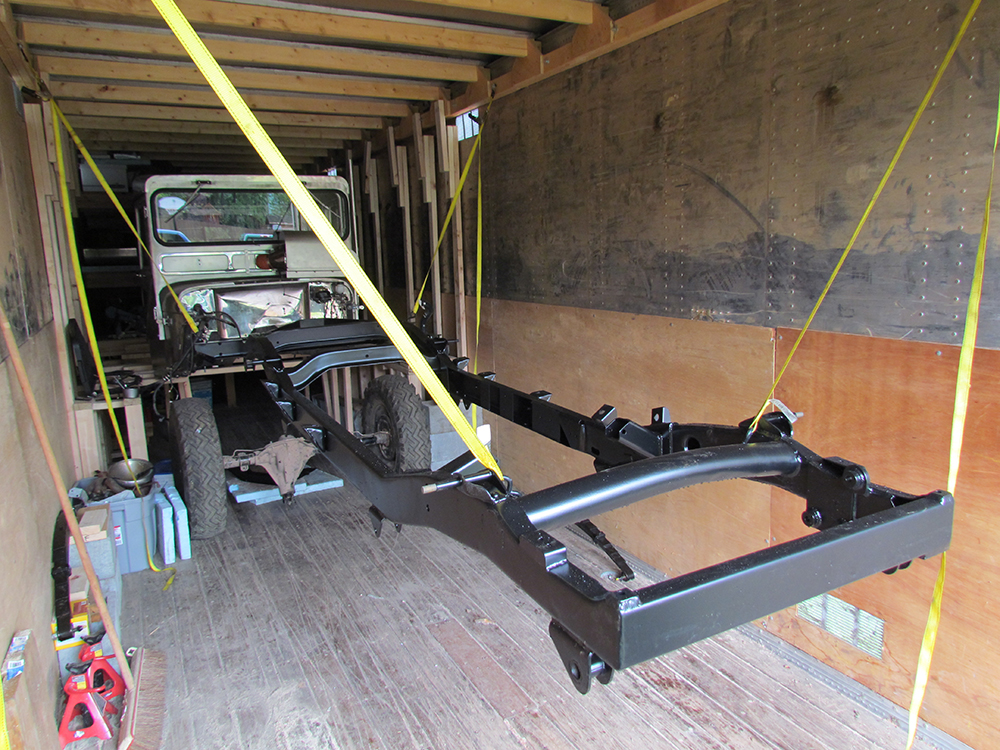
Paul writes, “Early this morning (to retired folks it seemed real early) I traded a fist full of cash to a local businessman and in return I received a beautiful black powdercoated Willys frame fresh from the curing oven complete with that new frame smell. Quickly hauling it home I positioned the frame inside the connex slightly ahead of the body while leaving enough room to safely install the springs and axles. I needed to somehow support the frame high enough to allow the axles to fit underneath while not damaging the new coating and still allow the frame to be easily raised and lowered. Did I mention this proposed support structure had to be cheap?

While the connex is incredibly strong the metal roof is way weaker than the weight of the snow we receive during a normal winter so years ago (to prevent the roof from collapsing) I reinforced the roof structure with full length headers bolted to the connex sides and 2X4 doublers positioned right below the original roof bows. With all this structure just waiting for me to use I attached the ends of four ratchet straps to the headers and hooked the opposite ends to the Willys frame. By adjusting the tension of the straps I was able to position the frame level and at the height necessary for clearance of the wheel and axle combination. I normally carry four ratchet straps in the truck (you never know when you’ll run across something that’s just too good to pass up so I’m ready to load it up, cinch it down and head for home at a high rate of speed before anyone changes their mind) they were quickly removed and became the Poor Folk Deluxe Adjustable Lift. This worked GREAT! Total cost…nothing!”

[fb_button]
 
To Top

The Earth Moved Under Paul’s Feet

• CATEGORIES: Builds, Features • TAGS: This site contains affiliate links for which I may be compensated.

Paul sent this to my inbox today. A couple days ago he removed his stainless steel body from his frame so he can complete the work on his frame.  It’s a good thing he listened to his intuition!

“I spent a few hours yesterday in the connex cleaning up my mess and double checking the security of the Willys body resting on the 2X4 support framework.  For the most part I felt the body was safely held three feet above the floor but my mind kept coming back to the thought “Would it stay in position during an earthquake?”  Since it’s much faster and easier to add additional support structure than it is to repair damaged stainless body panels I fitted eight more bracing legs to the existing body holder.  I really didn’t think any additional strength was necessary but I’d sleep easier with this bit of overkill engineering and the cost in time and money was negligible.  

While taking a shower this morning I was surprised when the house started rocking back and forth as several sharp jolts announced the arrival of an earthquake.  The quake was a small one, only about 4.6 but it was close to Anchorage (about ten miles away) and it was over quickly.  After getting dressed I hurried to the connex, opened the door and viewed a beautiful sight. The Willys body was safely resting on the framework undamaged and perfectly aligned on the supports.  

I realize rebuilding Jeeps can be an experience in frustration when money and time conflict with dreams but I really could do without adding earthquakes into the mix.  I’m slow enough as it is, I don’t need Mother Nature increasing my heart rate with exciting special effects.  On the other hand I’m happy the Willys is safe, the body support held and I don’t have to repair any damaged body panels.  Now all I have to do is to hurry to get the frame work accomplished and reattach the body to the chassis before anymore earthquakes visit my workspace.”

[fb_button]
 
To Top

Paul’s Jeep sees the Daylight (For a little while)

• CATEGORIES: Features, stainless/jewels • TAGS: This site contains affiliate links for which I may be compensated.

Like a bear emerging from it’s cave after a long winer, Paul temporarily removed his custom M-38 from its Alaskan lair.

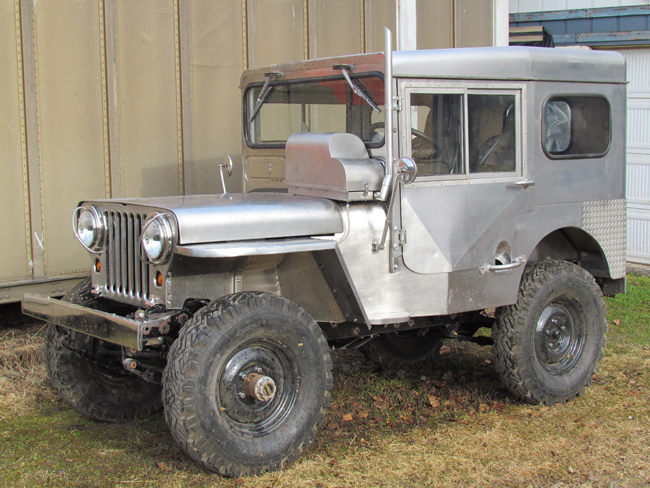
He writes, “The garage was opened and the Willys was pulled out into the early morning light today.  The poor Jeep was coated with sanding dust which I removed by blasting the body with high pressure air and followed that with a water rinse so you’ll notice the water droplets clinging to the sheet metal.  Anyway, with all the glass installed, the stainless wiper arms and blades mounted and most all of the major work done this project is looking pretty good to me.  I need to work on the frame welding up the extra holes, finish the radiator mount and double check everything before the frame gets sandblasted one more time before getting powder coated glossy black.

When my new sheet metal brake arrives I’ll finish remaking the fuel tanks, I wasn’t happy with the first set I built so I scrapped them and started over with a slightly different design.  Viewing the Willys outdoors from a distance is so different from the usual close up view in a packed garage I’ve become accustomed to and I get a better idea of what the finished Willys will look like.  I think this Jeep will cause people to stop and take a second look but that might be wishful thinking on my part.  Either way, I’m happy with the progress (I’ll admit I’ve taken much longer than I’d originally planned) and there’s more to do but I’m still a happy guy.

Over 4,000 hours of fabrication time to get to this point and still many more hours of work are necessary to complete this rebuild but I’m not tired.  I’ve learned a lot along the way and I’m reasonably pleased with my quality so far.”

[fb_button]
 
To Top

Want to Ditch that Mechanical Speedometer?

• CATEGORIES: Features, How To, Tips & Tricks • TAGS: This site contains affiliate links for which I may be compensated.

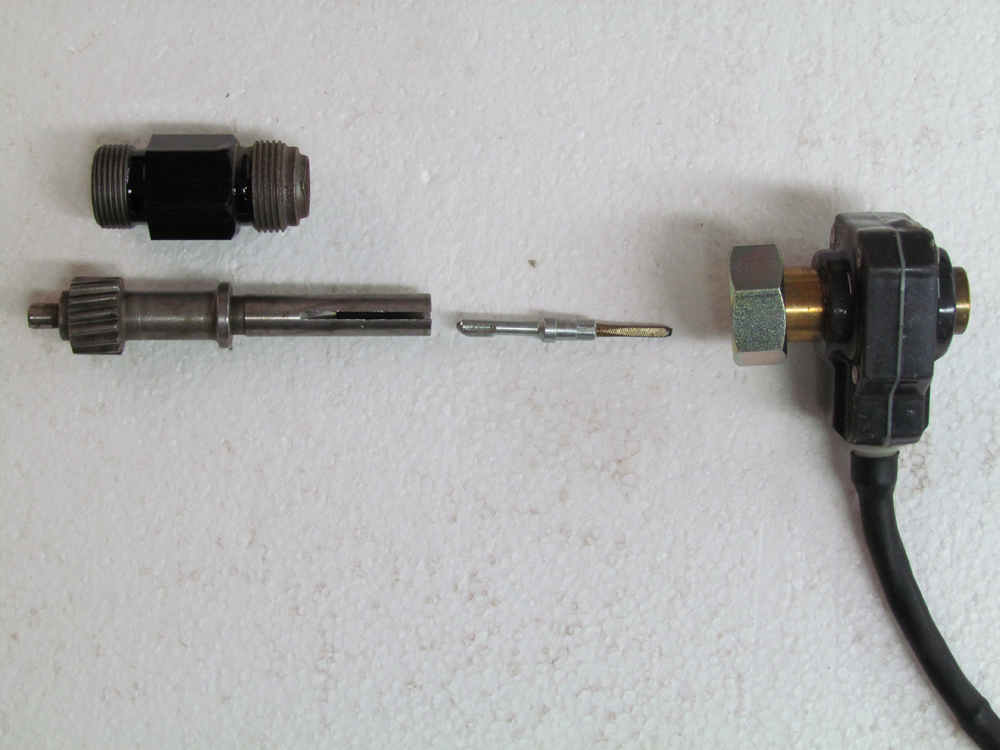
UPDATE: Paul forwarded a pic of the parts for the speedometer:

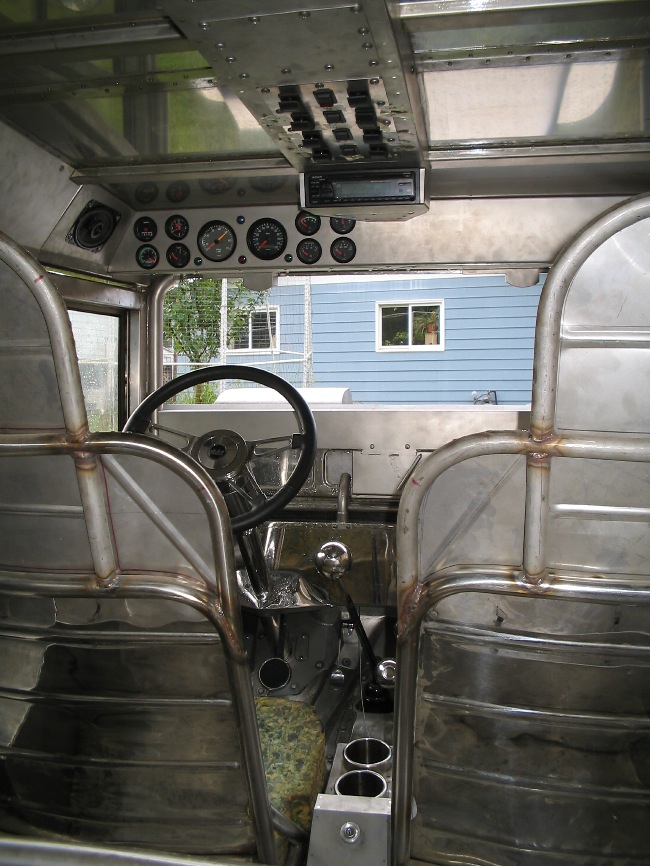
I’ve included a pic of Paul’s topside dash as an illustration of Paul’s dilemma/solution. You can read all of Paul’s adventures here.

inside2

Paul writes, “I recently hit a bit of a snag with the speedometer sending unit and I thought other Willys modifiers might be interested in the problem and solution.  Since I repositioned the instrument panel above the windshield (the hard top will not be removed and the windshield is not a folding unit) I realized there would be a problem with the mechanical speedometer.

The speedometer drive cable would have to have many tight bends as it snaked it’s way from the rear of the speedometer, down the windshield post, behind the dash and under the body where it would screw into the drive unit on the transfercase.  Taking into account the numerous tight bends, the length of the drive cable and the space necessary for the drive cable routing I figured it would be much easier to use an electric speedometer.  This way I’d only have to string some wires from the speedometer to the sending unit (a hall effect device) attached to the drive gear in the transfercase.

Really rather simple but I discovered the original Willys speedo drive unit was made for a flanged drive cable and the electrical sending unit was made for a square drive cable.  The stub cable supplied with the electrical sending unit is only two inches long but both ends are square so this wouldn’t work with the original shaft in the transfercase.

A friend of mine suggested I talk with the local marine diesel parts guys because he remembered the Detroit diesel engines used similar adapters as tach drives and they might have something which would work.  Less than five minutes after I explained my adapter problem and showed the items I wanted to connect, Jim (the parts guy) found a two inch long flex shaft with a square drive on one end and a round, flanged end on the other.  Not only was this the exact part I needed, the right length, and the right ends, but it was also the right price …FREE!

I realize most of the eWillys folks are keeping their Jeeps closer to stock when it comes to the instrument location, but it’s something to keep in mind if you do decide to go with an electrical speedometer.  Jim sure saved me hours of work since I won’t have to build what I need; I believe a few dozen donuts delivered early in the morning are necessary as a special thanks.  THANKS JIM !!!”

[fb_button]
 
To Top

Paul Re-plates His Plates

• CATEGORIES: Features, How To • TAGS: This site contains affiliate links for which I may be compensated.

Paul continues to make progress on his build, though he does have a habit of becoming side-tracked with wood projects (if I am a Foodie,  he is a Woodie).

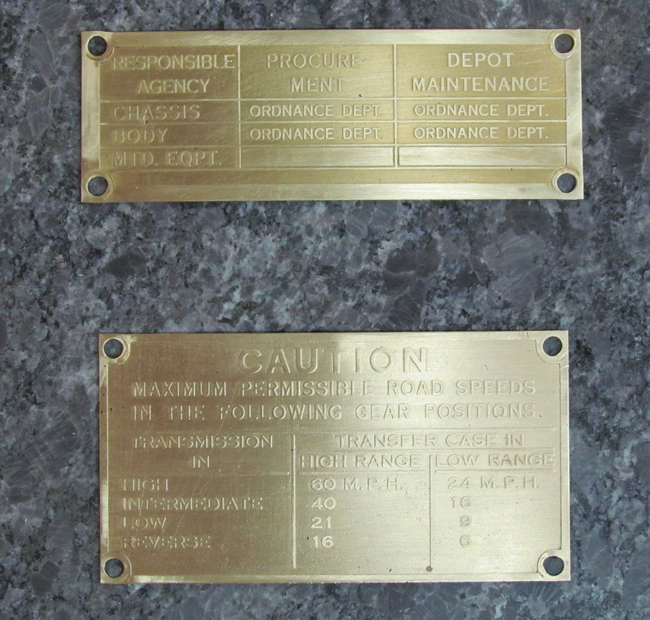
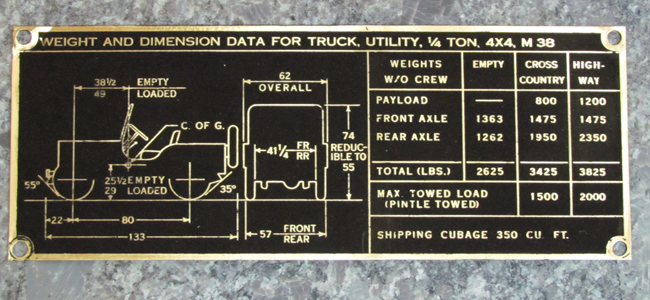
Paul writes, “The local exotic wood store has been letting me pick over the wood shipments right after they’re unloaded and this has caused some trouble with overheating my credit card.  While I’m still making progress on the never ending Willys project, money has been in short supply so many of these projects have to be low buck items.  One of the cheaper but necessary jobs was to repaint the brass data plates (a total of six plates) originally installed on the M 38.  While I really wasn’t looking forward to working on these plates ( lots of trouble for very little progress) I felt the appearance of the Willys would be improved by having bright and shiny data plates installed on the heater duct below the base of the windshield.

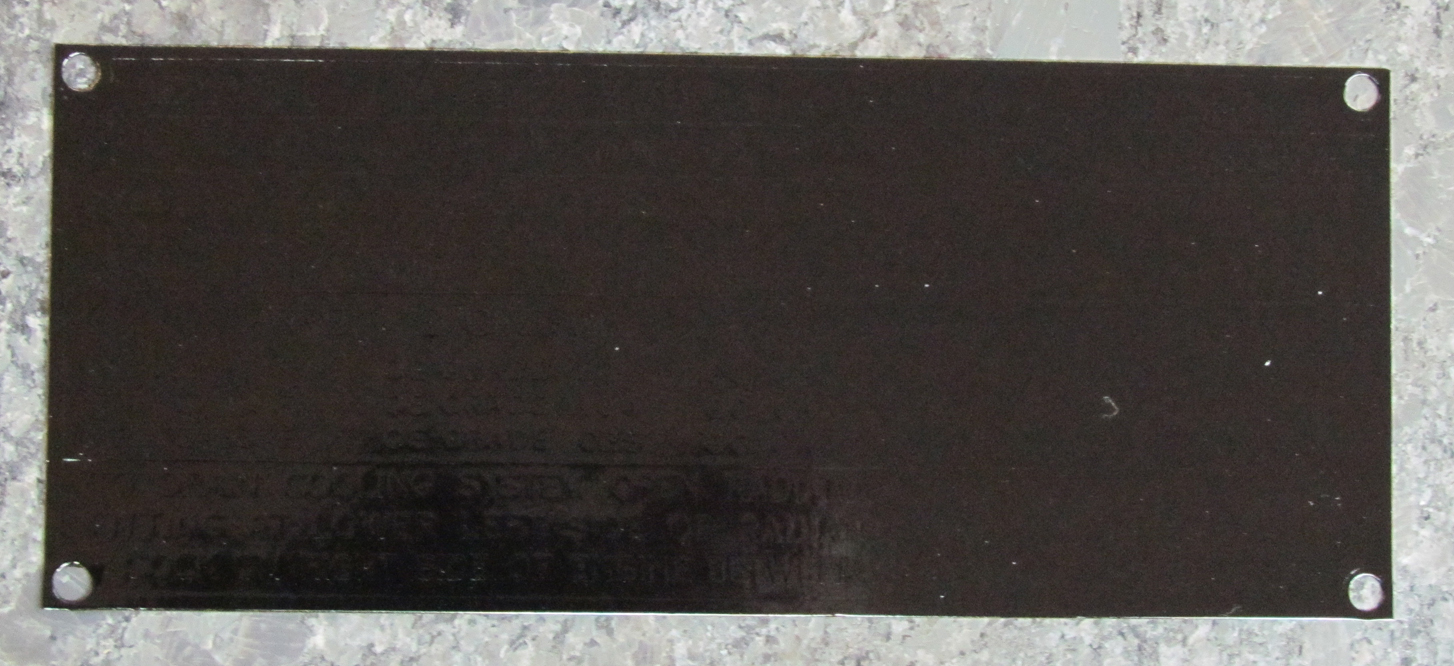
I use a really strong liquid paint stripper to remove the original black paint from the data plates. After the paint is gone I do a chemical wipe with lacquer thinner then gently rub the bare brass with a fine grade scotch pad before doing another chemical wipe followed by the spray can black. Cheap, easy, and quite time consuming but the finished plate looks pretty good.

While it isn’t difficult to redo these data plates it is real easy to screw up the paint (once the new paint is applied) while cleaning off the lettering and then have to start all over again.  I’m using rattle can glossy black spray paint to apply two light coats on each plate and I let them dry for one day after the second coat.  After the paint is dry I very carefully block sand the plate with 400 grit sandpaper with the plate supported on a thick, flat surface.  I’m using a 3/4 inch thick slab of granite (it’s flat and cheap) so if I didn’t damage the paint during the sanding process I spray a very light coat of clear over the data plate and let it dry for another day.  Don’t spray a heavy coat of clear, it lifts the black paint which results in more clean up time and then you have to start all over.  I figured this out the hard way so you wouldn’t have too.  Geeze, what a guy!

Anyway, if things went well you should have a new appearing data plate to attach to your Willys.  I’m still working on the remaining four plates because I got a little careless while sanding  but the first two plates look pretty good.  I’ve attached three pictures showing the stages of data plate repainting.

1. Cleaned Plates with paint removed.

2. After paint is applied.

3. After paint is lightly sanded off.

[fb_button]
 
To Top

Paul is back in the Garage — Year 25 …

• CATEGORIES: Builds, Features, Reader Stories • TAGS: This site contains affiliate links for which I may be compensated.

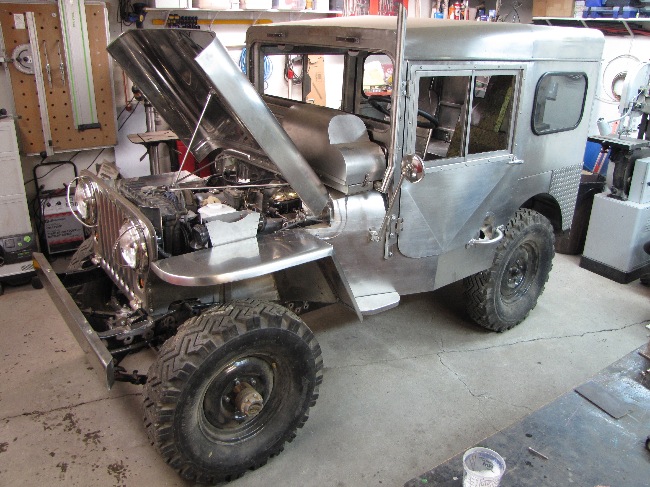
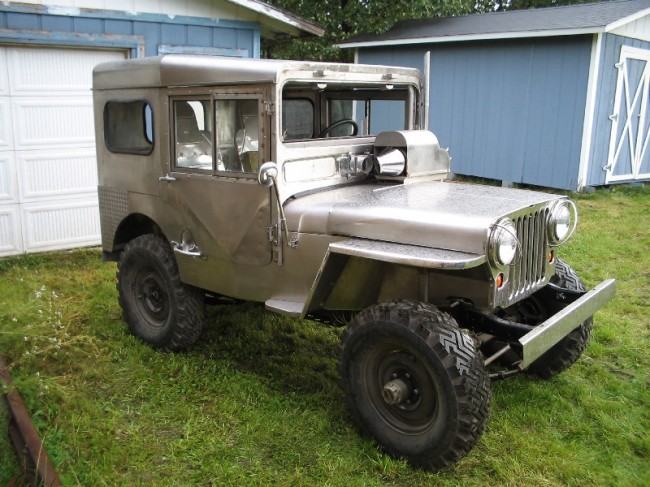
passenger_sideWith winter descending on Alaska, the time has come for Paul to direct his focus back on his beloved, shiny, stainless steel M-38.  One exciting difference between this year and the previous 24 years is that he is almost done — But no pressure Paul! Click on the pic to see the original post and followups.

Last spring, Paul reported that after some investigation, he discovered a M-151 radiator would fit perfectly into his engine compartment.  Recently, he took over an auto parts store (ok, maybe just a hose booklet in the store) to figure out a hose solution.  With that problem solved (it took 2 different hoses and a tube to link them), he now must figure out a fan solution.

With that background, take it away Paul …..

The Fan and Shroud

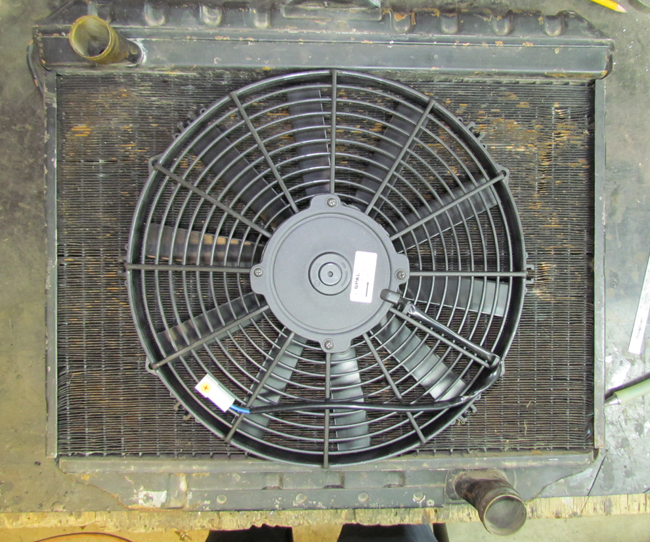
Paul writes, “After talking with the folks at Spal concerning their electric fans I ordered a 13 inch puller fan with straight blades along with a fan relay/installation kit.  The crazy part about this deal is when the Spal people wouldn’t sell me a fan over the phone, I would have to hang up and order on the internet and best of all I would pay over $50 dollars more for the fan and temp sensor/wiring kit than a Spal dealer in California was charging for the exact same items.  For some unknown reason The Fan Man (California dealer) sells lots of these fans at quite a discount and these are brand new fans.  No factory seconds, returns, or rebuilt units.

Anyway, the fan arrived last night undamaged and it looks great.  Thank you Fan Man!  The total fan thickness is slightly under two and a half inches and I have a little over three inches between the aft side of the radiator and the waterpump shaft.  Sweet!

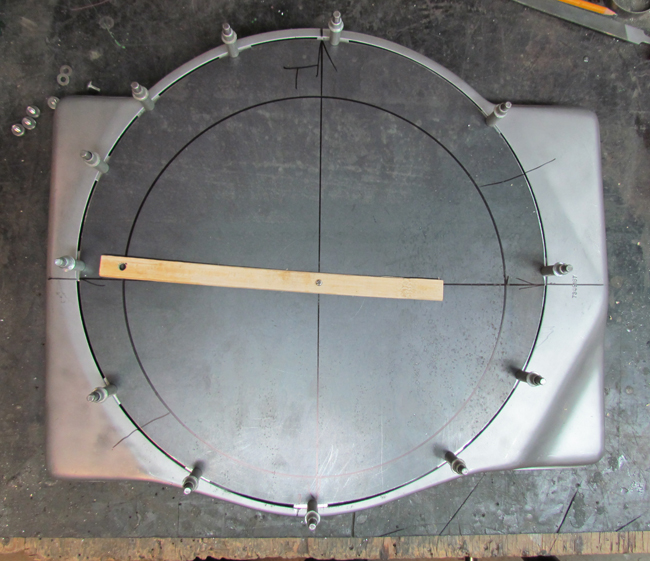
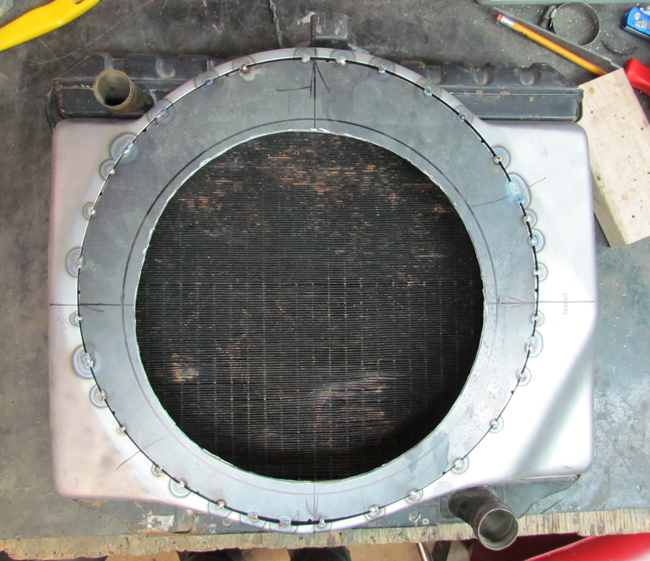
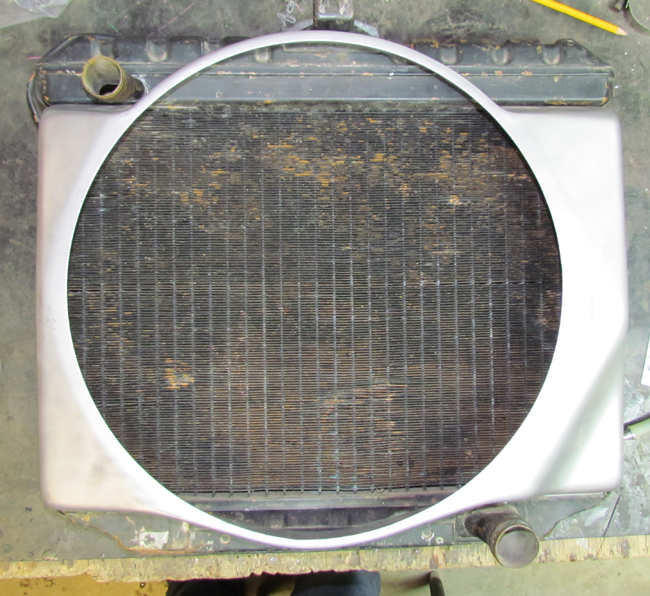
The shroud on the M151 radiator has a 16 inch diameter circle for the fan so I bought a ten dollar piece of thin sheet steel, cut out a 16 inch diameter circle and tack welded this piece to the shroud.  After finishing with the tack welds I rough cut a 12 inch diameter slightly offset circle to allow for the correct placement of the new fan.  I didn’t have a compass large enough to layout a 12 inch diameter circle so I used a stir stick for paint and drilled a pivot hole in one end and another hole 6 inches away and large enough to hold the tip of a sharpie marker.  It worked slick.  Tomorrow I’ll finish welding the insert to the shroud, clean up the welds and trim the inner circle for a more precise fit to the fan assembly before I attach the fan to the shroud.

Things are looking good.  I really didn’t need the relay kit since I’d wired in a fan relay in the electrical box behind the passenger seat but it was cheaper to get the kit with the temp sensor and I could doublecheck the Willys wiring against the Spal wiring so I could identify any potential problems before mean old Mr. Electricity messes something up.
The Fuel Line

Today I received a 25 foot coil of copper/nickel 5/16th fuel line along with the needed fittings to attach the fuel line to the carb.  This is the same tubing I used on the brake and clutch systems (just a different size) and it’s a pleasure to work with.  The 3/16th tubing is flexible enough to be bent back to back 180 degree bends (with a one inch bend diameter so the tube now looks like the letter S) with no kinking, flattening or any defects at all.  Jeeze, I really like working with this stuff.  Check out the fedhillusa.com website, it’s amazing.    This latest batch of tubing should be more than enough to do all the fuel delivery and return lines with enough left over to cover any mistakes I might make along the way.

Modifying the Skid Plates

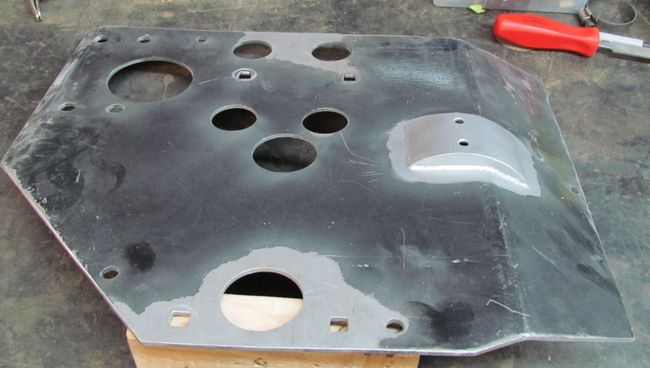
The local metal fabrication shop cut and bent an eighth inch thick skidplate for the V6 oil pan.  After drilling a one inch diameter hole for the drain plug (that’s the only size hole saw I have) I hand filed the hole to one and a half inch diameter before welding the skid plate to the pan.

I had to do a little work on the transmission/transfercase skid plate also.  When I welded up the exhaust assembly I included a joint below the tranny so the right exhaust pipe could be removed without touching the left side or the rest of the exhaust system.  What I forgot to figure in was the thickness of the clamp holding the exhaust pipes together at this joint so the skid plate had to be slotted to allow the clamp to protrude slightly.  To prevent rock damage (like I’m going to go bashing this thing thru boulders) I welded up a small deflector from eighth inch steel and welded this to the skid plate over the slot.  Just another little OOPSIE which needed to be worked around.
[fb_button]
 
To Top

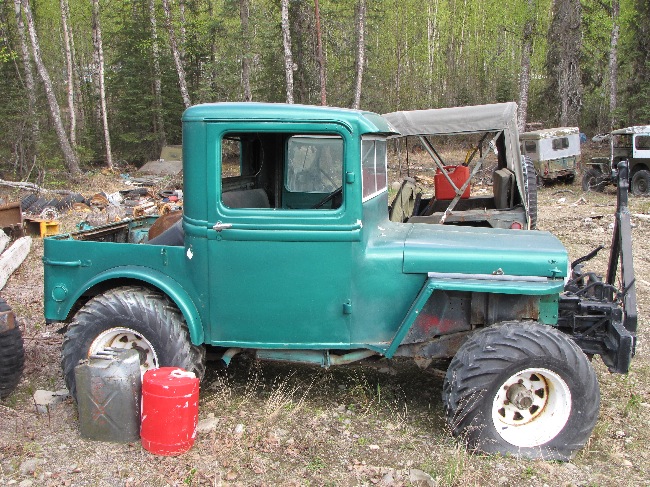
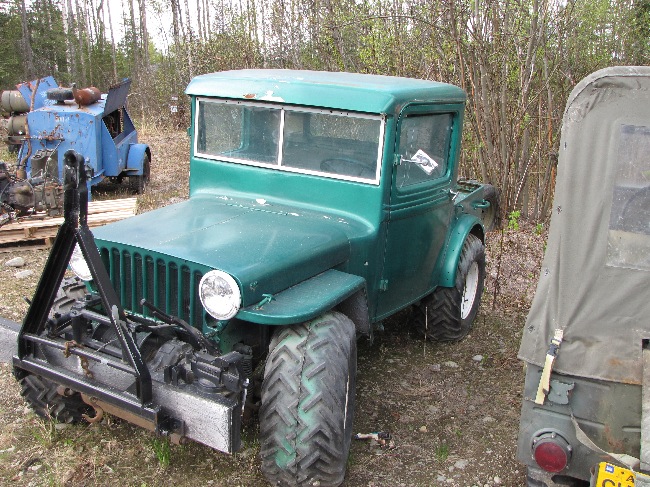
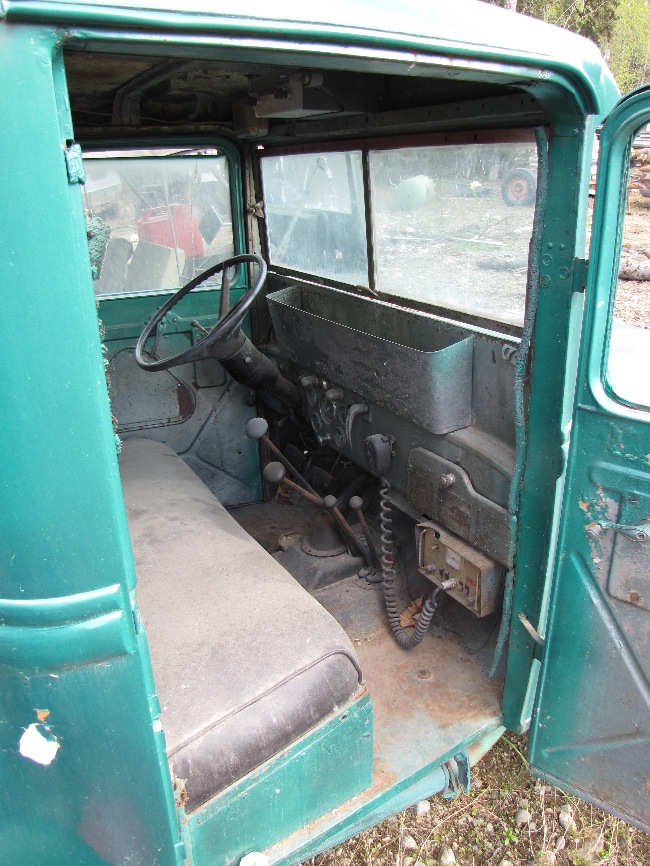
Paul finds a MB with an unusual Ford Cab Mod

• CATEGORIES: Builds, Unusual • TAGS: This site contains affiliate links for which I may be compensated.

Paul writes that the days are getting longer and the temperatures warmer, allowing him to check in on friends across Alaska.  While looking over one collection recently, he spotted this unusually well done transformation. Those terra tires sure looking in good condition, too! Paul, be sure to thank your friend for sharing this with us!

Paul writes, “I’ll try to remember what he told me concerning the construction / modification of this Jeep but it appears a Ford pickup cab was grafted onto the Jeep body, the four cylinder engine was replaced with a V8, Scout axles replaced the original axles and I think he said the transmission was replaced with a T90 along with numerous other modifications but you can see for yourself when you check out the pictures.  With the power of the V8 this little Jeep can quickly dig holes with the tires while in low range and gassing it just about makes the Jeep jump in high range…”

e

[fb_button]
 
To Top

Paul Readies His Radiator

• CATEGORIES: Builds, Features • TAGS: This site contains affiliate links for which I may be compensated.

Paul made good progress recently with the radiator installation.  I’ll let him explain …

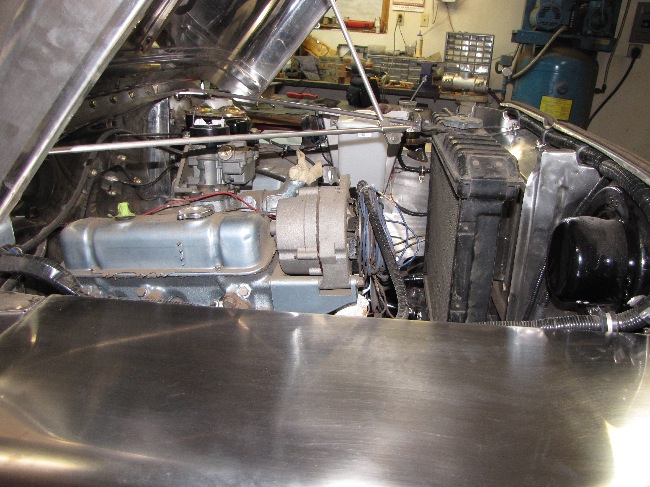
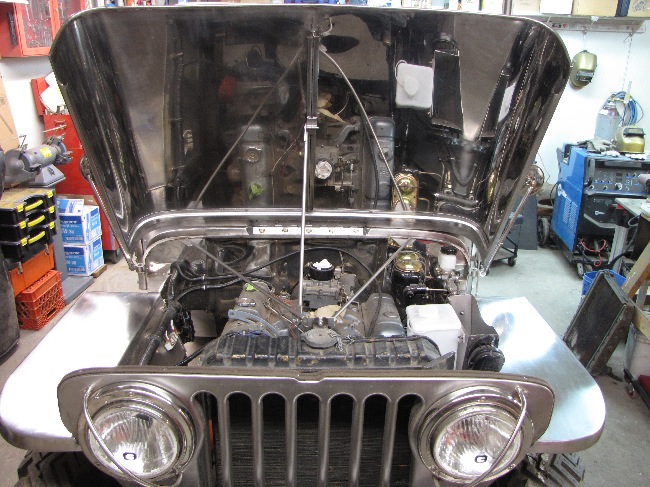
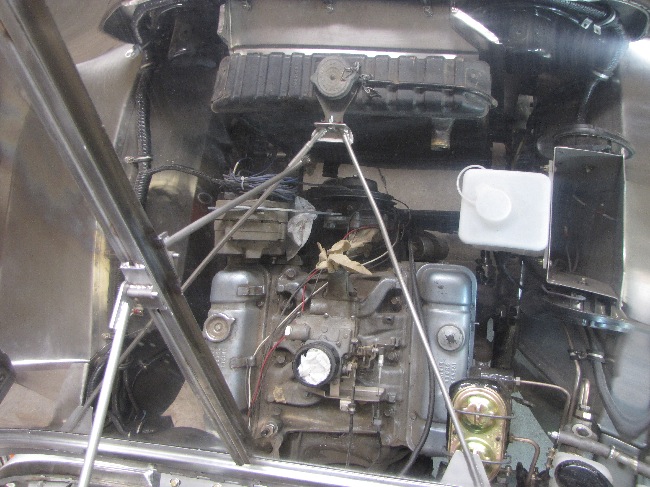
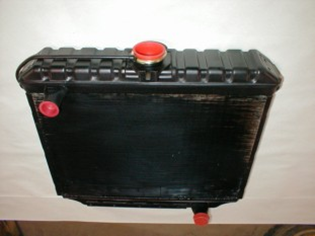
Paul writes, “During the past few days I’ve been busy scrounging metal, making parts and playing with the welder but the end result is the Willys has an M 151 radiator installed along with a V type firewall to radiator brace and a hood hold open rod.  I also picked up my new radiator from the local military surplus yard in addition to a used shroud and the necessary lower mounts.  The new radiator will reside safely in the house until it’s time to be installed after I quit taking things apart for modifications and redesigns but the size of this radiator is just about perfect for the room available under the hood.  I’ll have to spend some time at the local autoparts store mixing and matching coolant hoses before the engine is plumbed to the radiator and I also have to go shopping for a low profile electric fan (a puller is what I’m hunting for) but both of these tasks can be solved with reasonable amounts of money so I’m feeling pretty good with my progress so far. ”

[fb_button]
 
To Top

Paul is finally chillin’

• CATEGORIES: Builds, Features, Reader Stories • TAGS: This site contains affiliate links for which I may be compensated.

A trip to the local Military show turned out to be just what Paul needed.  BTW Paul, you don’t owe us anything.  You are putting on a show for us up there in “The Last Frontier (which is the official state nickname)”.  No doubt there’s a few readers who might benefit from this mod.

Paul, take it away!  “This past weekend the local military vehicle collectors had a show at a car dealership near my house for the general public and it was free so I went.  Before leaving the house I grabbed my camera and a steel tape just incase I ran across a shining gem of a radiator nestled among the antique olive drab metal.  In addition to the WWII Willys and Ford Jeeps on display, the Dodge command cars, M 38’s and M 38 A1’s there were a couple of M 151’s and one of them had it’s hood up.  Naturally I began checking out the radiator, first by eye and then measuring the height, width and thickness and ending up on my back under this Mutt where I noticed the radiator was a bottom mount.  Most interesting!

The original M 38 radiator is a bottom mount with a top mount brace rod, it’s 21 1/4 inches wide by 19 inches high and 5 inches thick.  These dimensions are overall and they include the radiator cap.  The core dimensions are 13 inches high by 20 inches wide and 3 inches thick.

The M 151 radiator is a bottom mount with a top mount brace rod, it’s 20 1/2 inches wide by 19 inches high and about 4 inches thick (I didn’t measure the metal shroud so I’m guessing here) and once again these measurements are overall.  The core is 13 1/2 inches high by 19 1/4 inches wide by 2 inches thick.

Both radiators have a drivers side inlet (top) and a passenger side outlet (bottom).

Gentlemen, we have a winner !!!!!!

For the past 55 years E. A. Patson Parts and Equipment has been dealing in new and used surplus military vehicles and parts here in Anchorage but Elmer Patson is 86 years old (his son, Rod, is only 63 but he’s been working at the business since he was 12) and would like to retire so everything’s for sale.  I asked about M 151 radiators and they have both new and used radiators.  I was able to borrow a used radiator so I could do a bit of metal massaging and fabricate a lower mount and the top brace rod and when the snow melts some and they can get into one of their outbuildings where the new radiators are stored I’ll buy one of those.  For now this used radiator will allow me to continue my progress with the Willys resurrection until the end of March when I’ll officially declare the winter to be over and it will be time to do outside (summer) projects.

Thanks again to all the Willys fans for their much appreciated suggestions, ideas and help.  I look forward to the day when I can return the favor, but until then I owe you.

[fb_button]