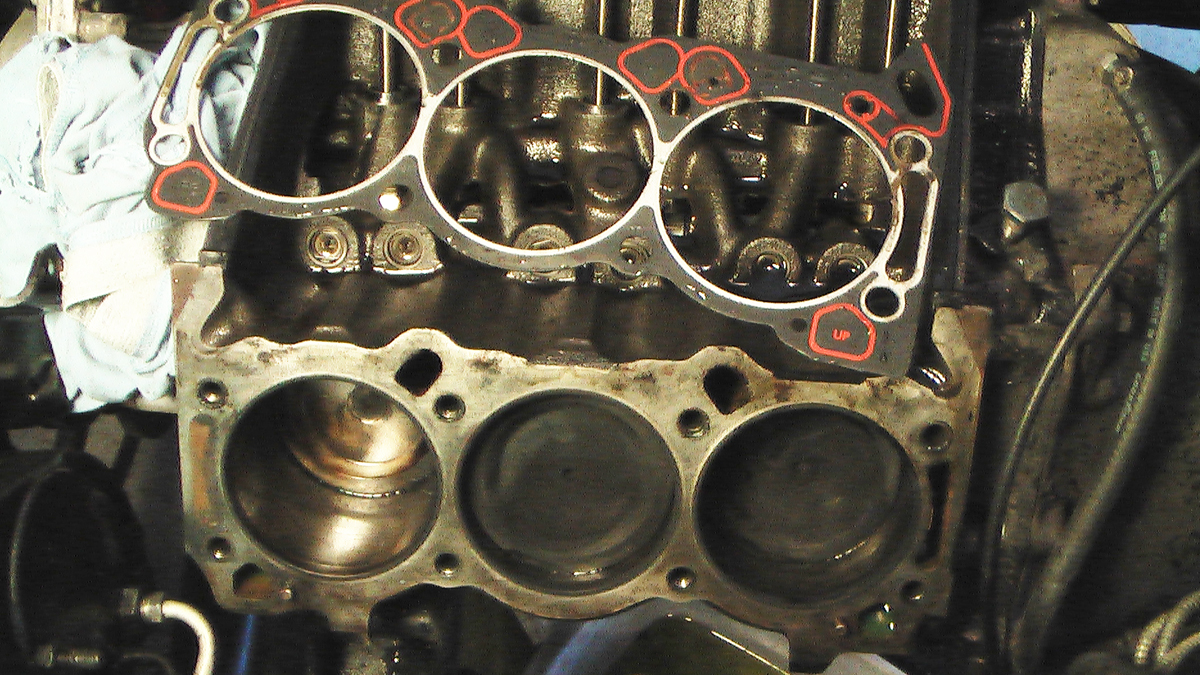
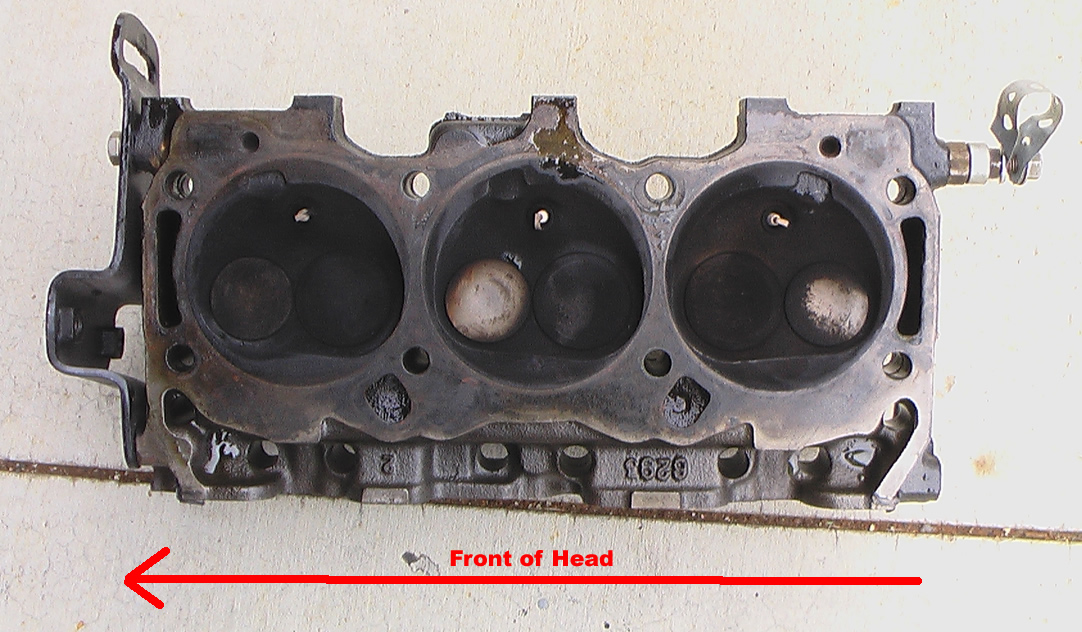
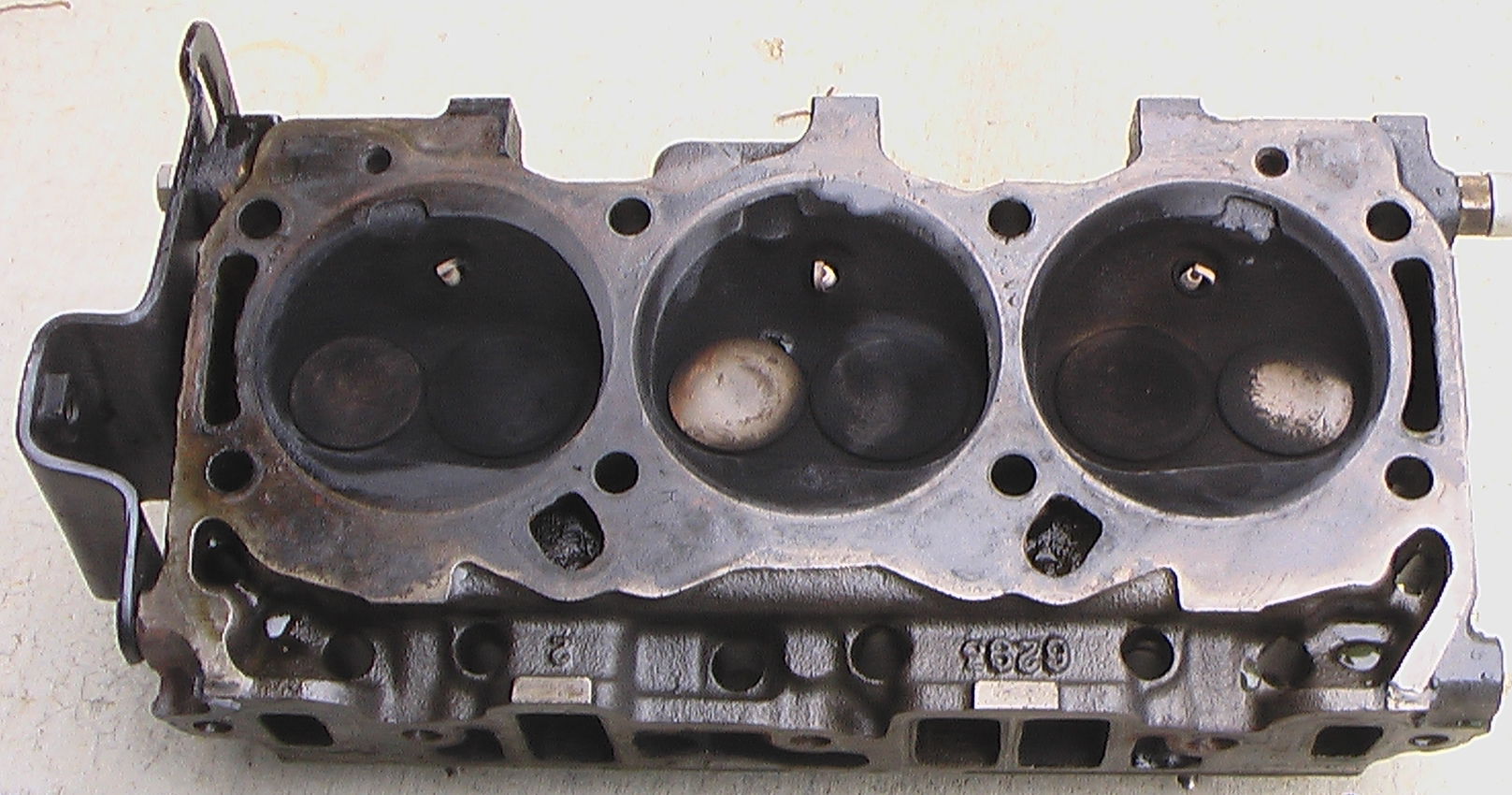
So, I pulled the driver’s side head and inspected the head and cylinders. You can see in the pics of the valves that the number #1 cylinder isn’t buring as well as #3 and #5. Also, number 1 cylinder looked a great deal moister inside as well. The head gasket appears fine.
I’m still uncertain what’s causing the problems as I haven’t spotted any cracks yet. As a refresher, here are the problems:
1. Some exhaust or blow-by escapes into the block and escapes out the intake manifold (or out the driver’s side head).
2. It sounds like it runs well until under pressure such as more than average acceleration, then it seems to run rough, until the acceleration is let up a little.
3. Some coolant residual appears in various places after running the engine (in the form of a slightly white foam).
4. I have leakage of slightly watered oil that leaks from the oil dipstick and from the valve cover. I can slow this greatly by disconnecting the PCV unit from the intake manifold.
Here’s a few pics (note cylinders #3 & #5 have a little liquid from pulling the head, but the #1 cylinder is much damper/oilier).


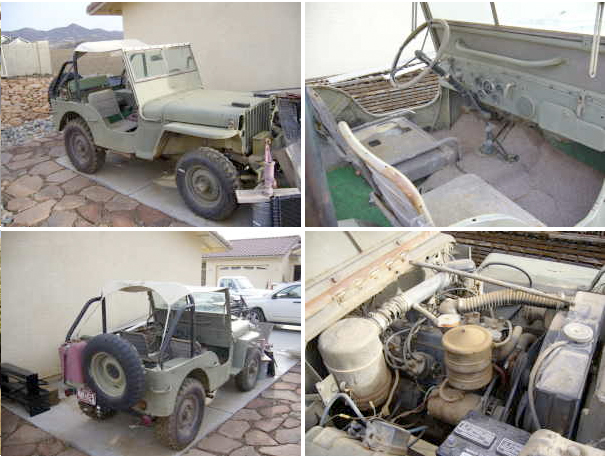
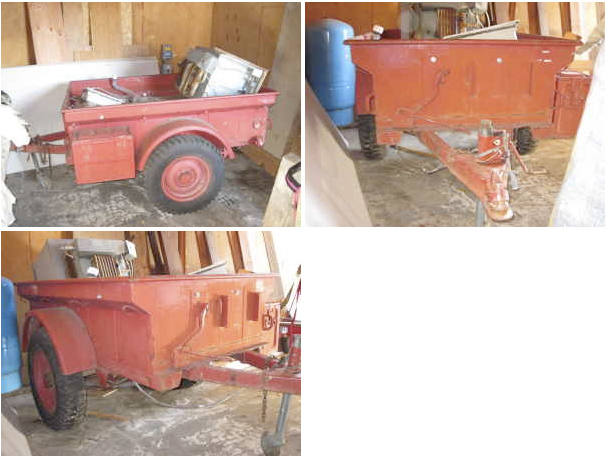
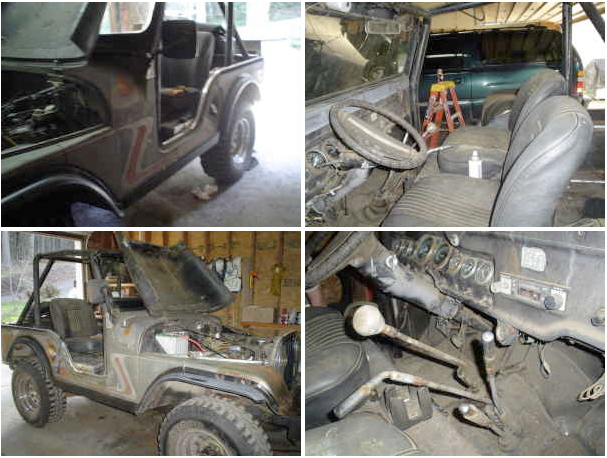
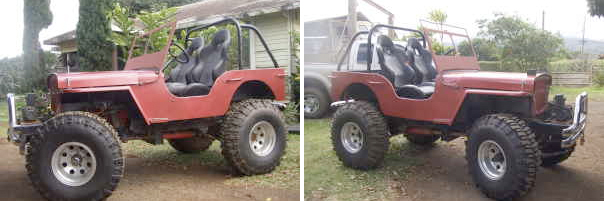
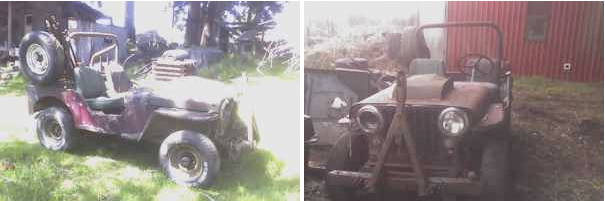
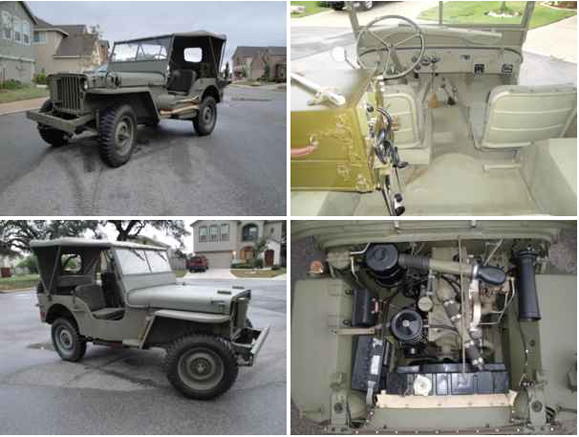
 1943 Willys MB Jeep for sale. The Jeep has its’ original body and components minus the windshield frame assembly. I’ve restored over 30 vintage Military Vehicles since 1993 and this is my 3rd WWII Jeep. This is one of my finest jobs if I can say so. I applied new techniques that I learned recently that added more detail to my work. I got the Jeep operational last week and it drives perfect at 55 MPH! As any other vintage restoration, there is always some minor tweeking and tuning to get things just right. This Jeep was rebuilt by the US Army at the Esslingen Army Depot in 1952 where it received a newer type engine since the older type had long been out of stock. There are a few parts that’re Ford script marked to attest to that point….. (much more of a description in the Ad)”