emailNeed to contact me and don't have my email? Click on email button.
About eWillys
Welcome to eWillys.com, a website for vintage jeep enthusiasts. I update this website nearly every day with jeep deals, jeep history, interesting reader projects, jeep related info, and more.
These quick searches can help you find things on eBay. People list in the wrong categories all the time, so don't be surprised to see brochures in the parts area for example. This section used to be split into jeeps, parts and other categories, but recent changes to eBay will require this information to be recoded.
The links to posts below show jeeps grouped by models, condition, and other ways. Some of these jeeps are for sale and others have been sold. If you are unsure whether a vehicle is still for sale or not, email me at d [at] ewillys.com for more info.
Importantly, the allure of buying a project jeep can be romantic. The reality of restoring a jeep can be quite different, expensive and overwhelming without the right tools and resources. So, tread carefully when purchasing a "project". If you have any concerns about buying a vintage jeep, or run across a scam, feel free to contact me for help, comments or concerns .
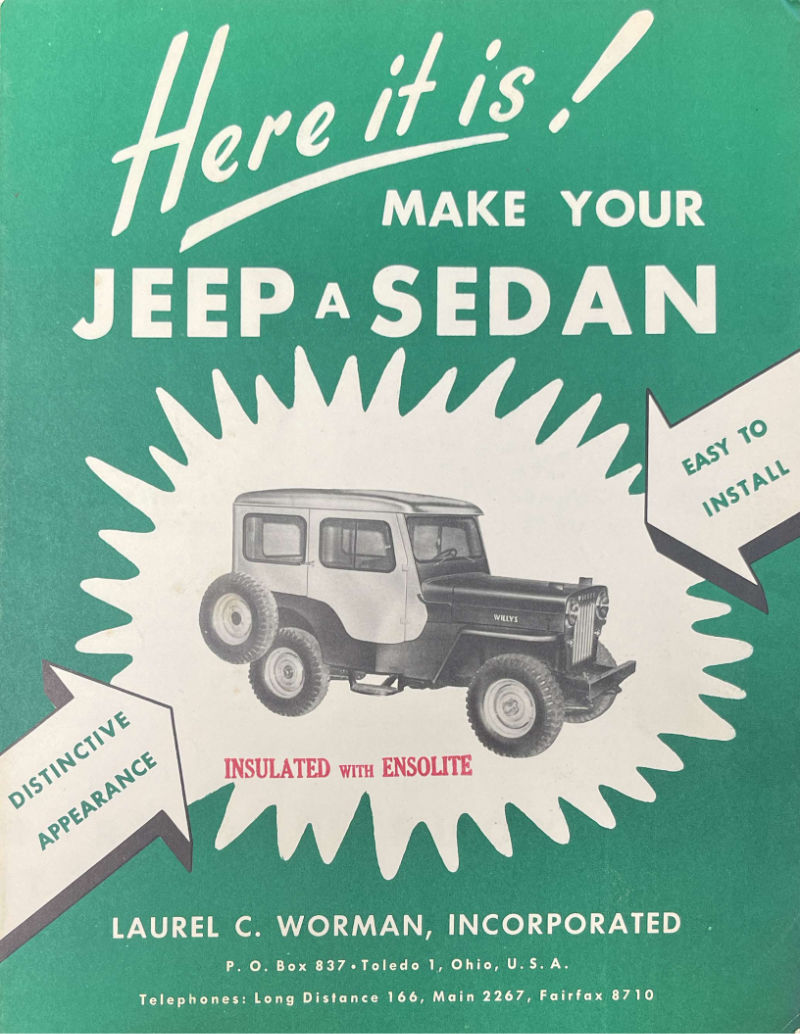
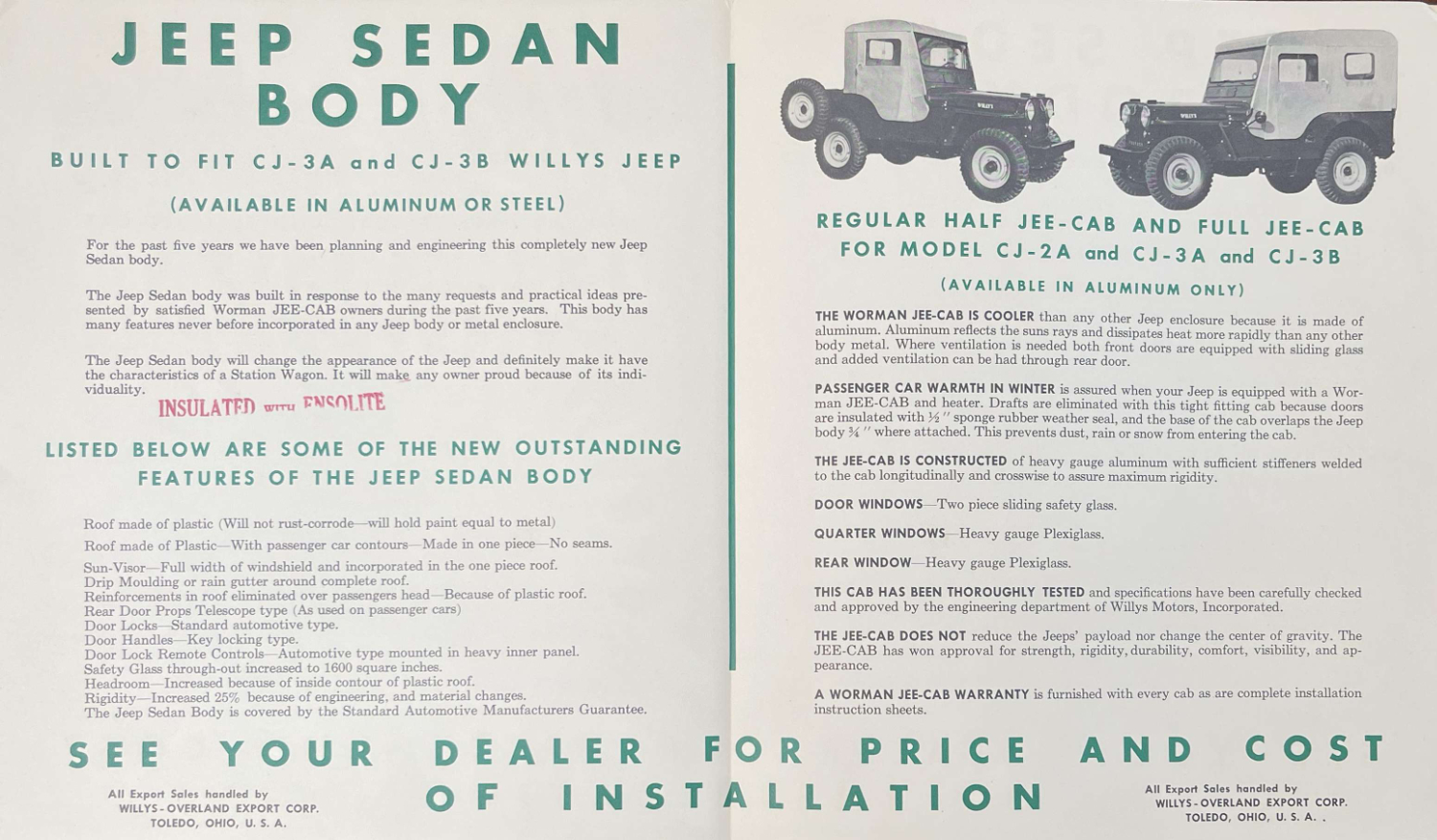
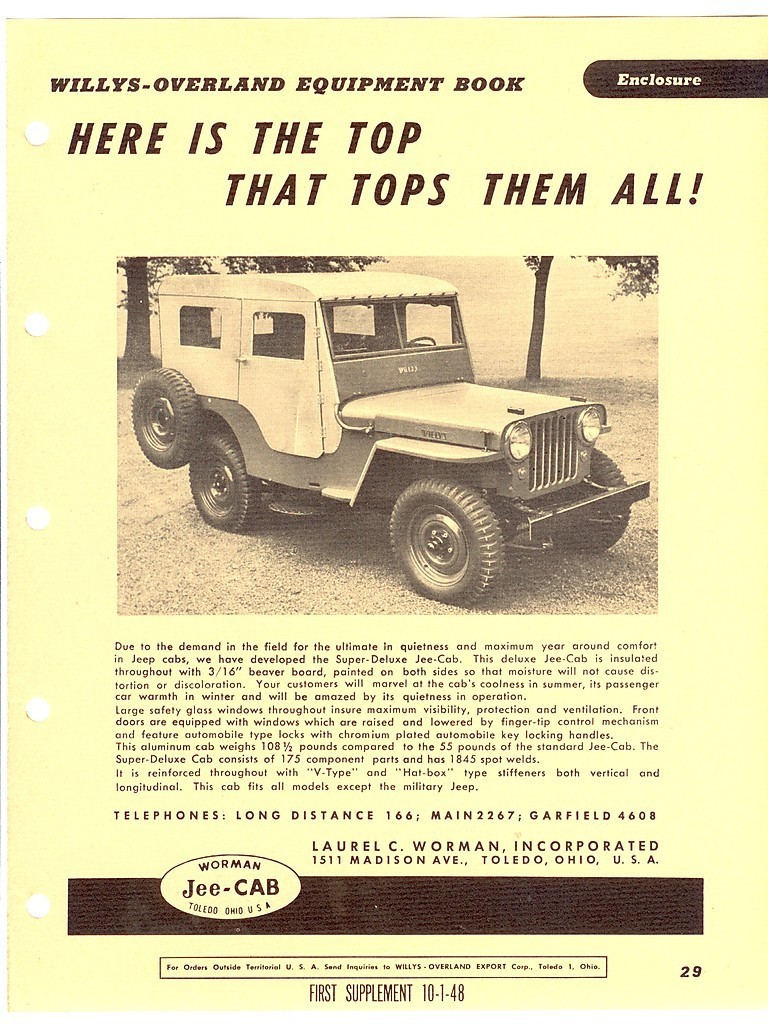
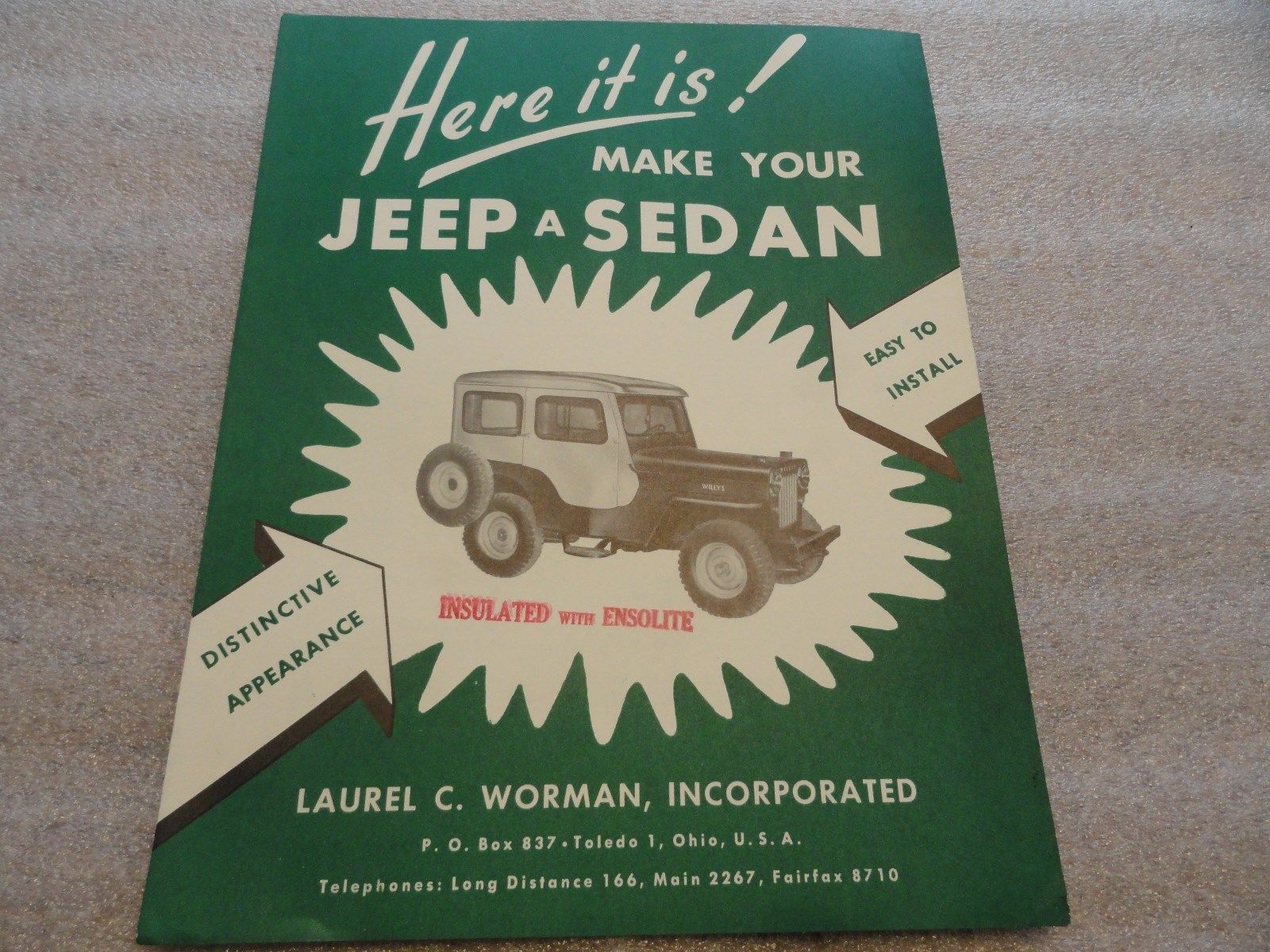
UPDATE: I finally found an original of this brochure by Laurel Worman, Inc. I was surprised to see it printed as late as October of 1953. It is an 8.5 x 11 inch brochure that folds out to 17 x 11 inches.
Its primary purpose was likely to promote the new Worman hardtop for the CJ-3B. I’m not sure how many of that style of tops sold, but I sure haven’t seen many. Instead, I’ve always wondered if the design was sold or made for Sears, which promoted a similar “Deluxe top”. Interestingly, this was more than just a top. The brochure highlights that the top was the result of Worman’s 5-year attempt to turn the CJ-3A into a station wagon type vehicle. Given Worman faded quickly after this brochure was made, it seems the company’s goal wasn’t met.
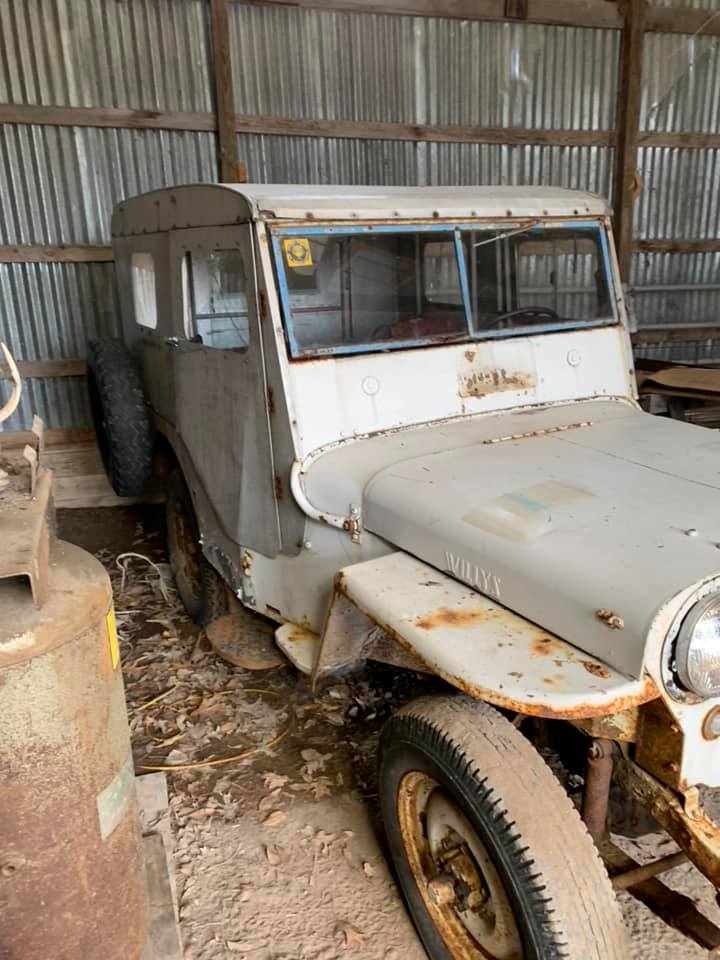
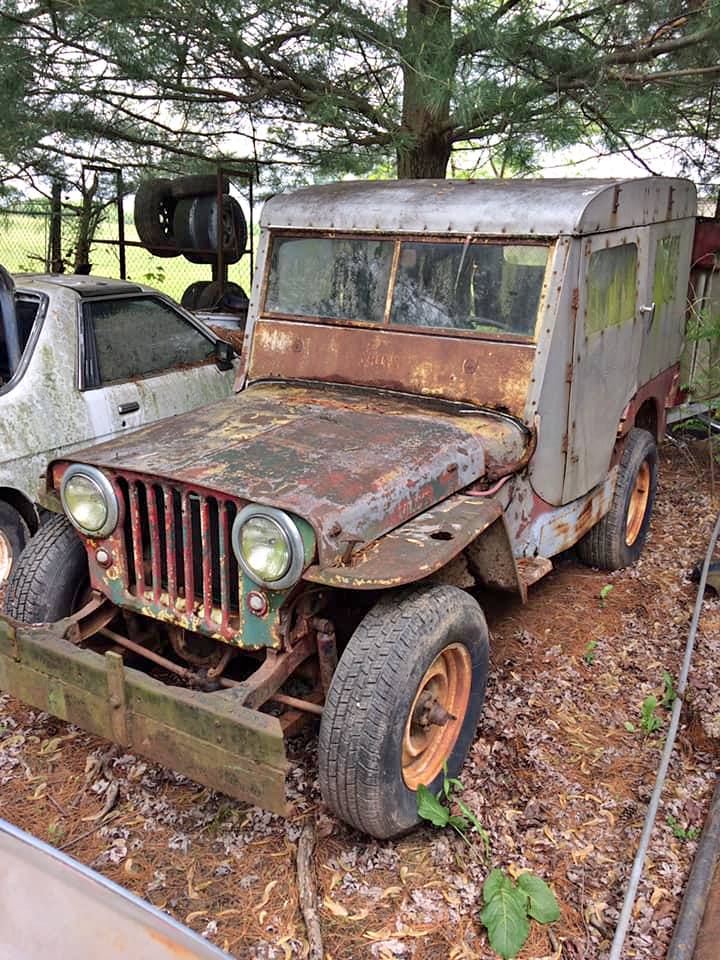
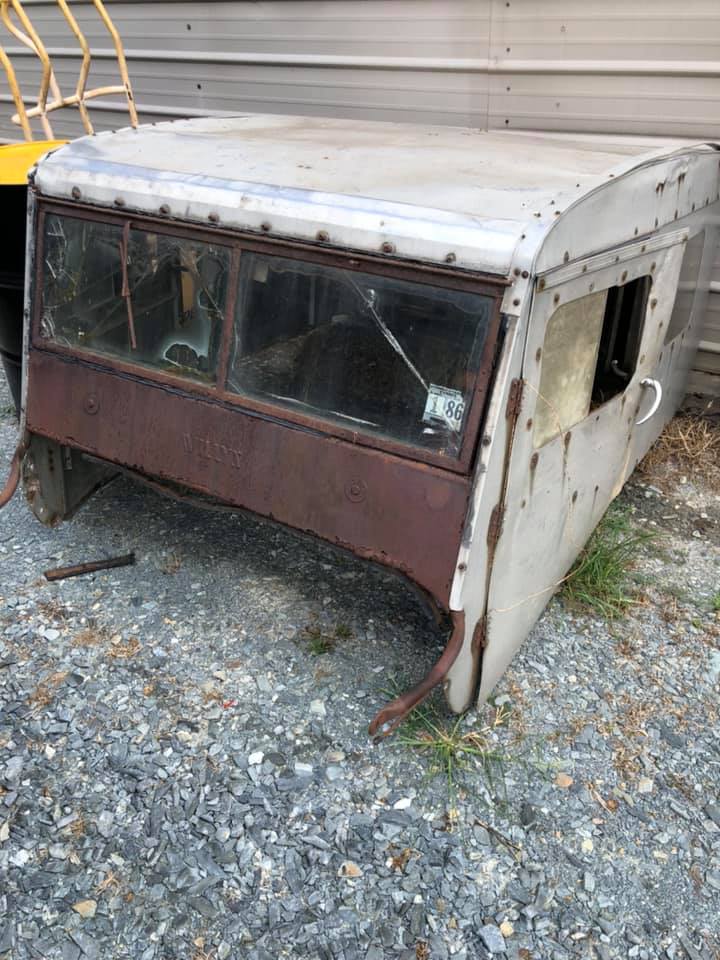
This jeep recently sold, but the ad included several good photos of a Worman hardtop. Based on the door rivets, this might be the “mail carrier” model, which included roll up windows.
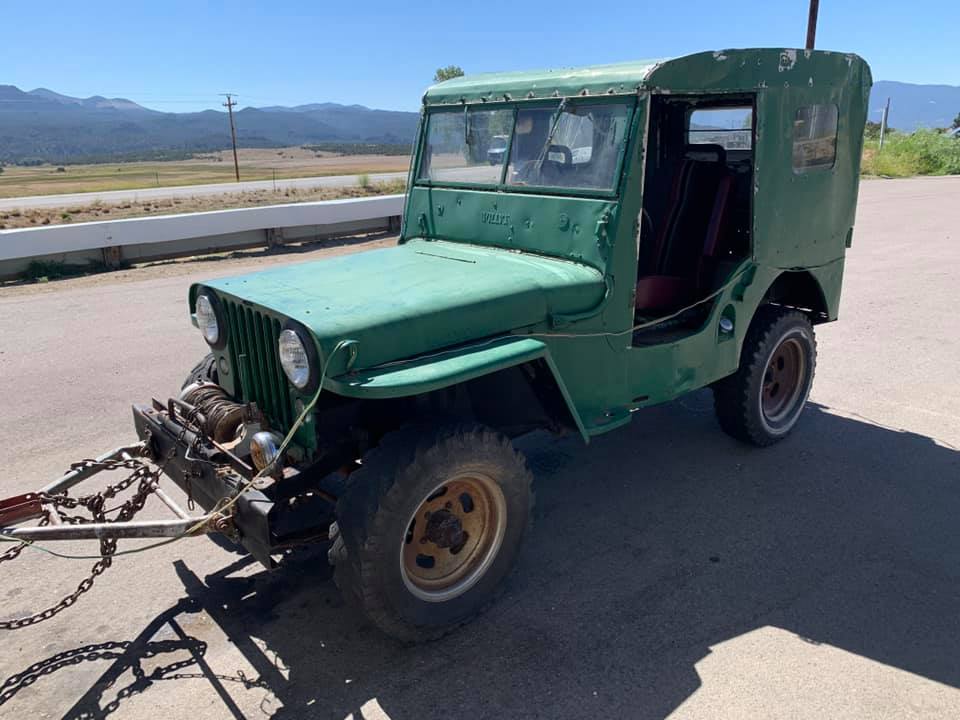
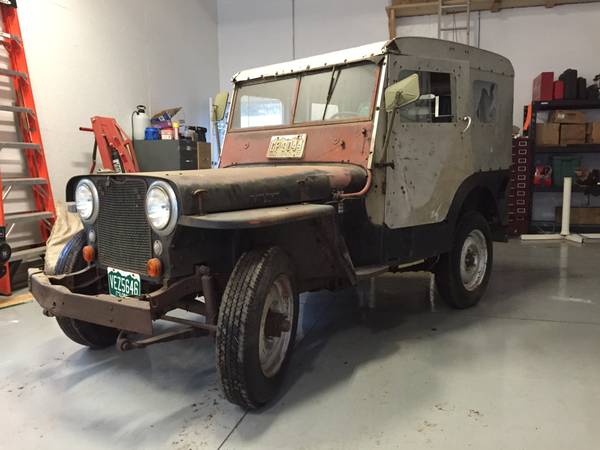
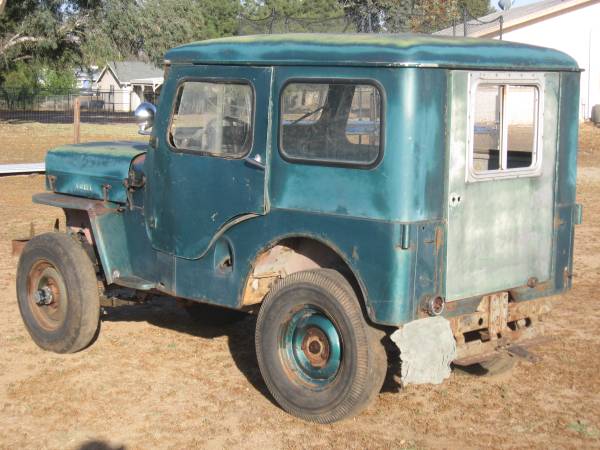
(08/31/2020) This appears to have a Worman Jee-Cab hardtop.
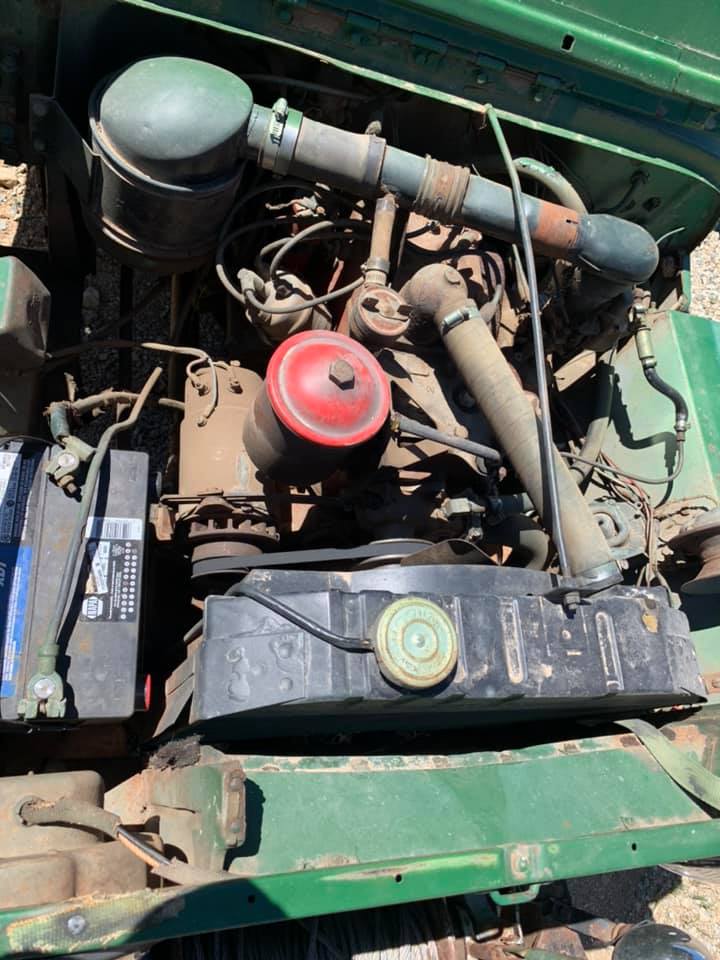
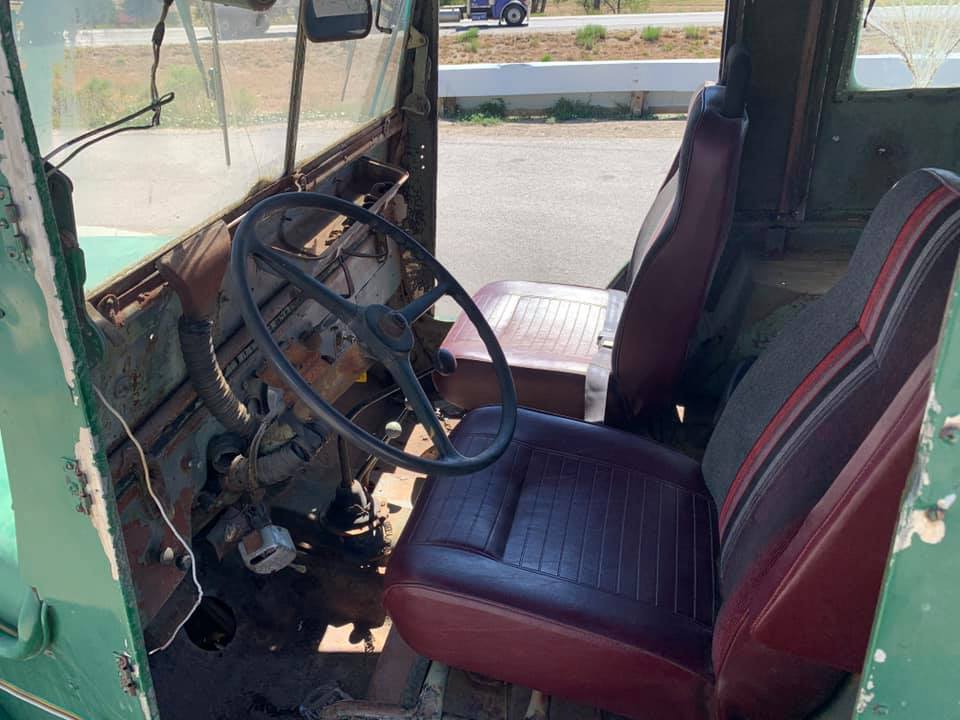
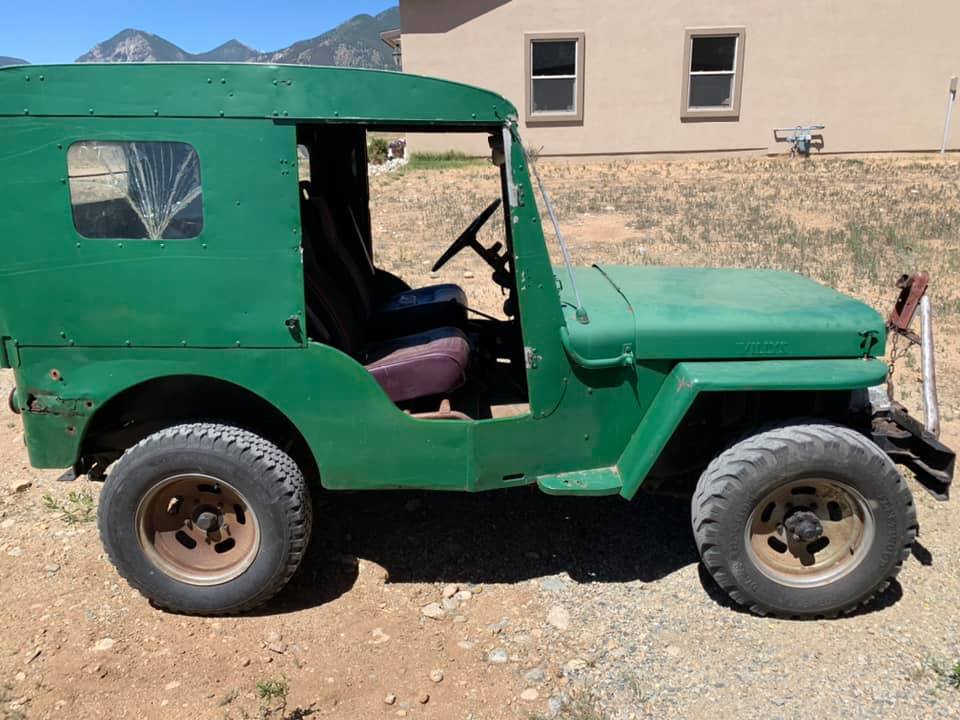
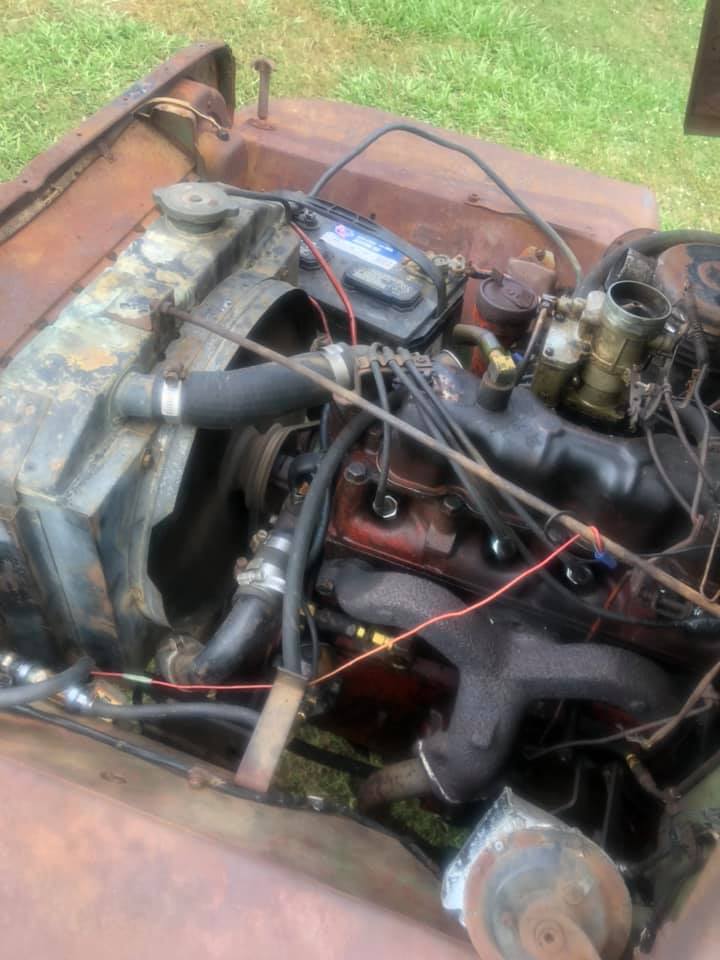
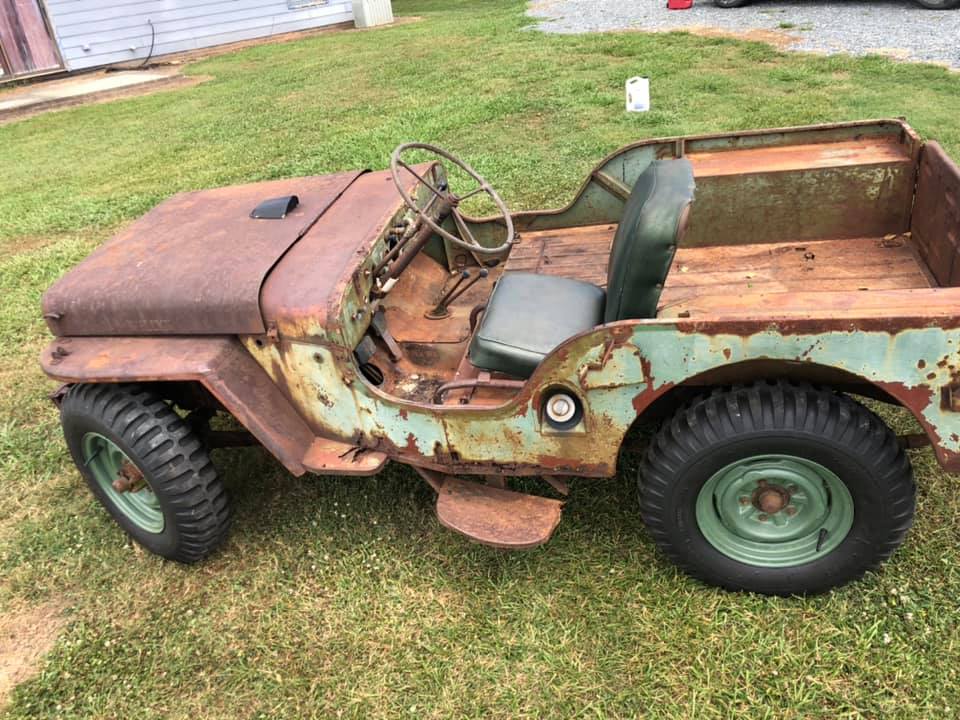
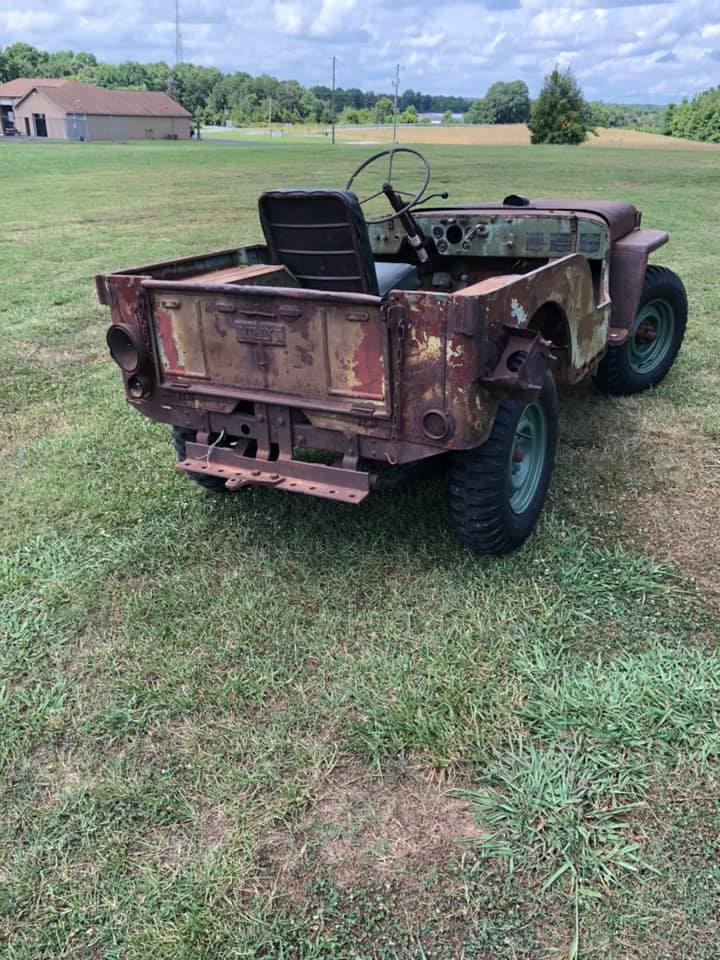
“Running and driving and very original cj2a. Getting harder to find these! Some rough edges but a great base to build into a classic head-turner or fun 4×4. Starts and runs and goes through the gears fine. Brakes need bled, but it will stop- eventually. Pto winch works. Body mostly very straight. Original seat bases there with some decent newer passenger van seats on them now. Fairly comfortable. Need bolted in. $3500 obo.”
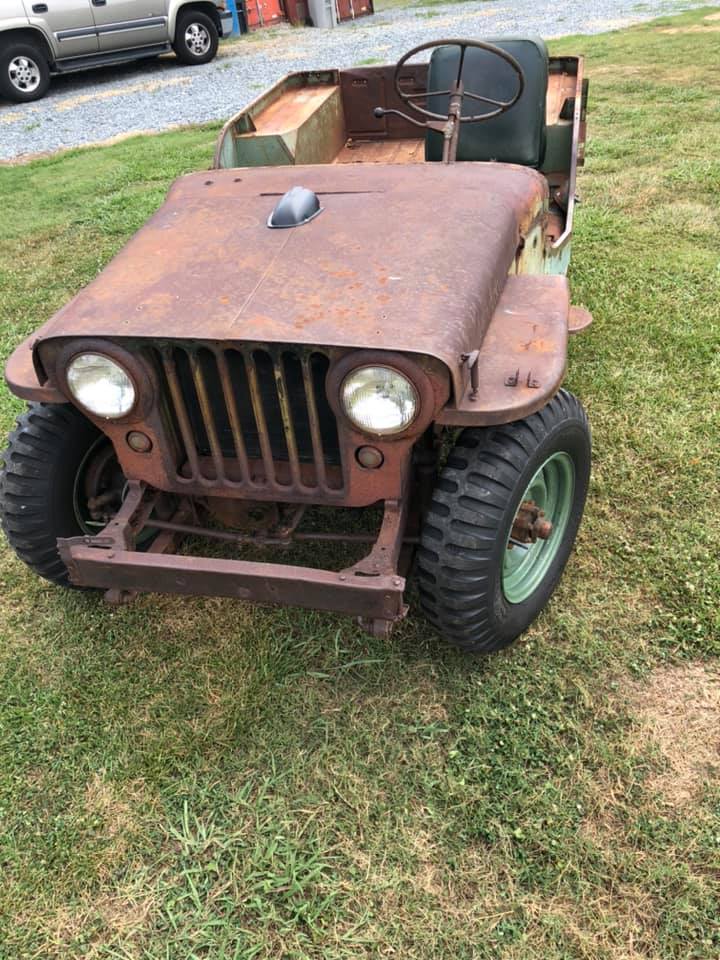
“1948 CJ2a Barn Find Fun to drive!
Clear Title
Runs and Drives well, transmission and transfercase very good shift well, front axle joints smooth, generator charges battery, rebuilt master cylinder, brakes fair, rebuilt carb,
new: starter, points, condenser, coil, fuel pump,
gas tank probably replaced
Engine all original, except: 12v conversion, fuel pump, starter,
Body in great shape, very little rust (right side hat channels)
Has hard top
Oil pressure 40psi cold, 20psi hot
Gauges all work
Fuel level sender not working”
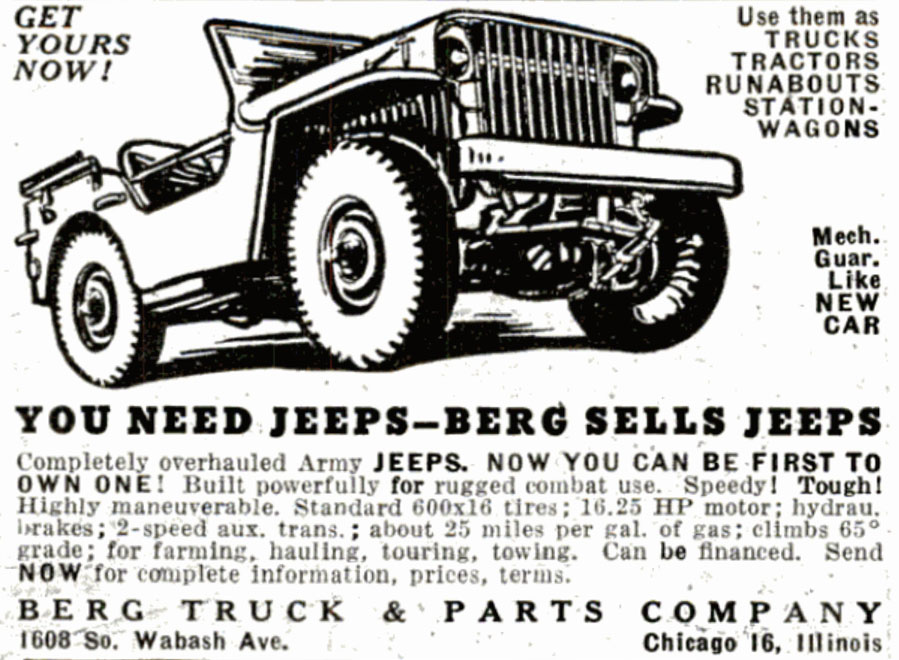
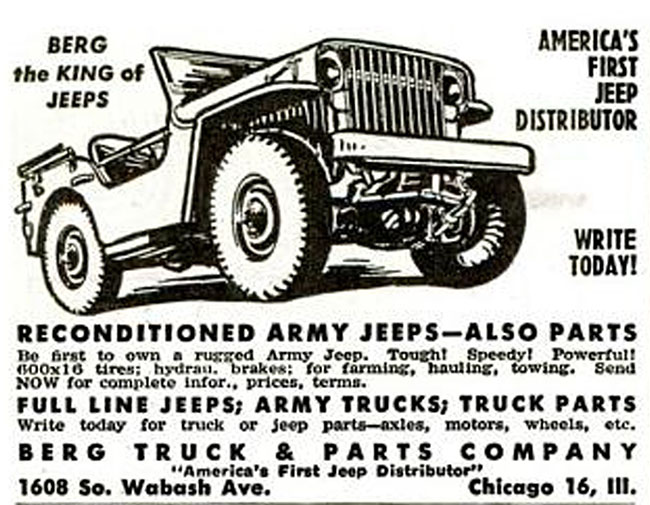
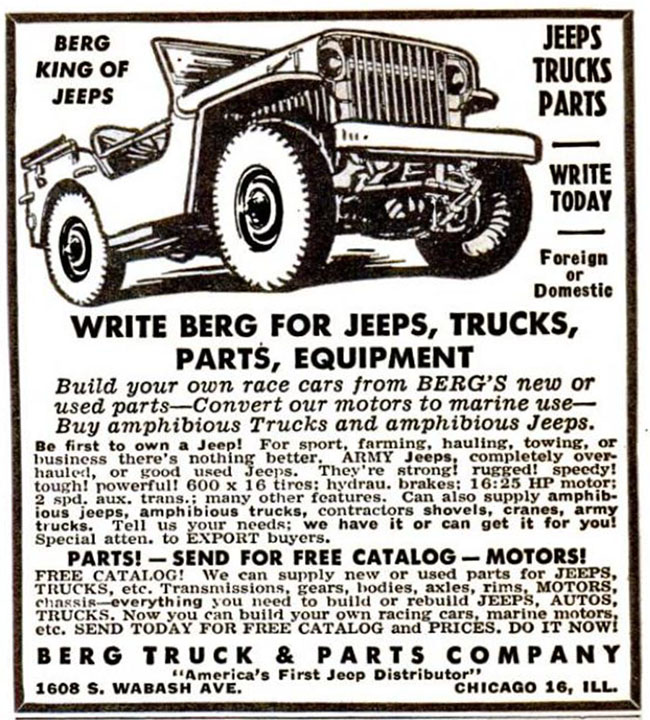
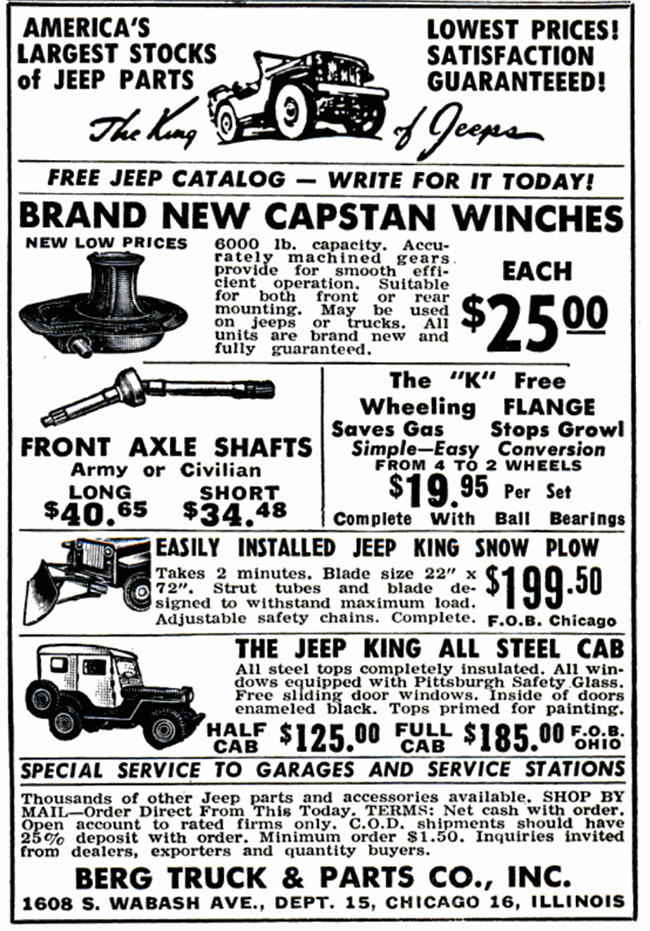
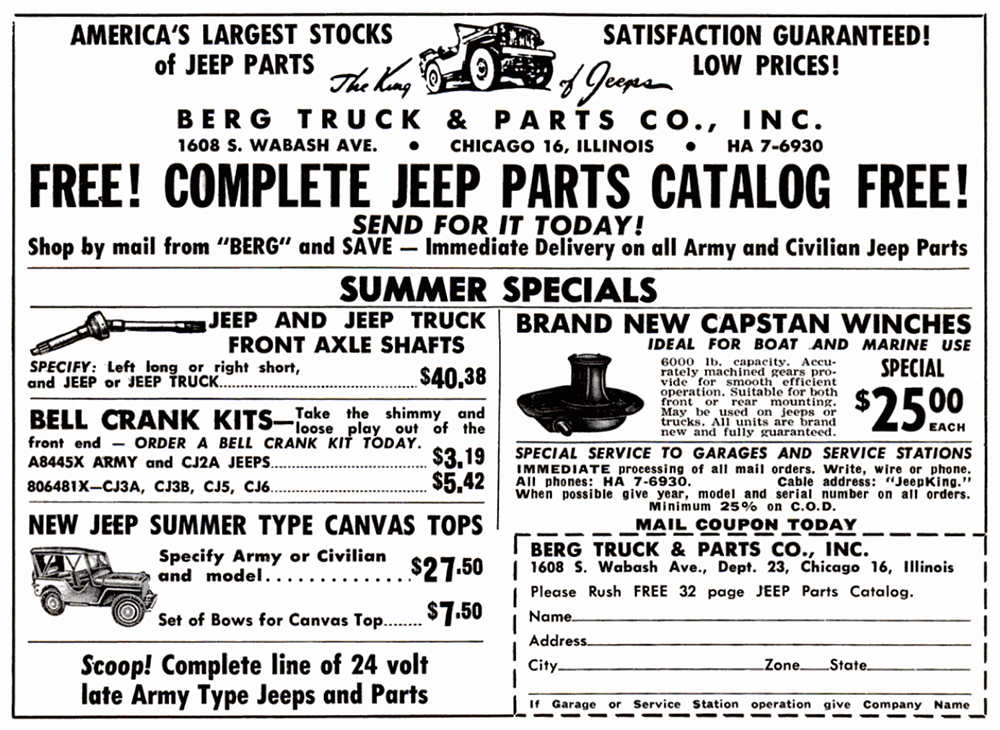
The first three ads appeared in Popular Mechanics during 1946, first in February, then March, then June. Note that the February ad does not include the King of Jeeps moniker, but the later two ads have it.
By June 1946 Berg was advertising Amphibious vehicles.
A November 1955 ad highlighted the use of private labeling by Berg. The hardtop looks like a Worman Jee-Cab that’s been rebranded “the Jeep King All Steel Cab”. I’m sure the “Jeep King Snow Plow” is another private labeled product.
This has what appears to be a very early version of the Worman Jee-Cab with the dual sliding windows and large rivets(?) around the windows. I’ve included 1948 factory photos from that top at the bottom.
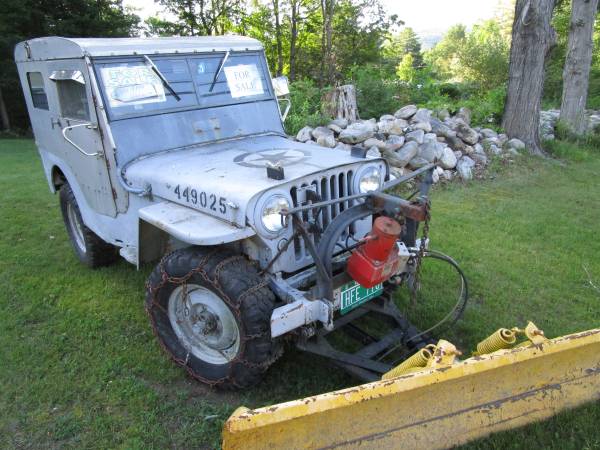
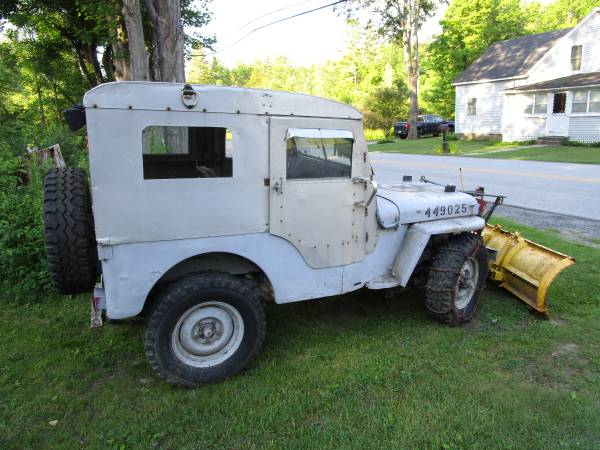
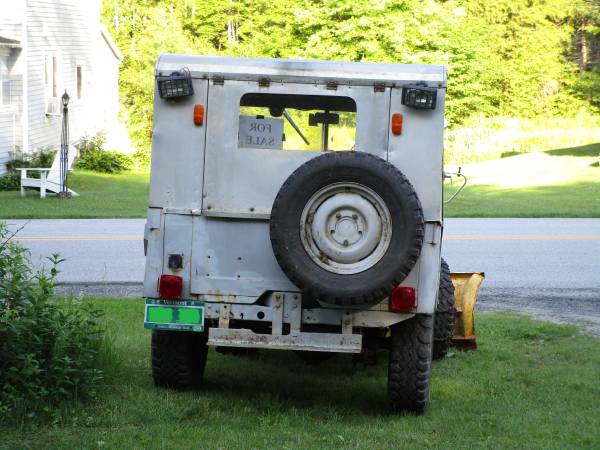
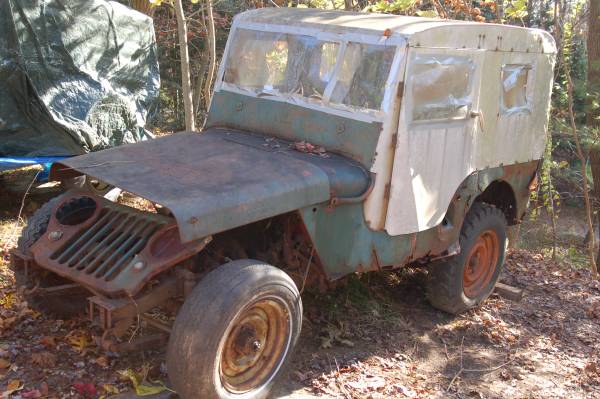
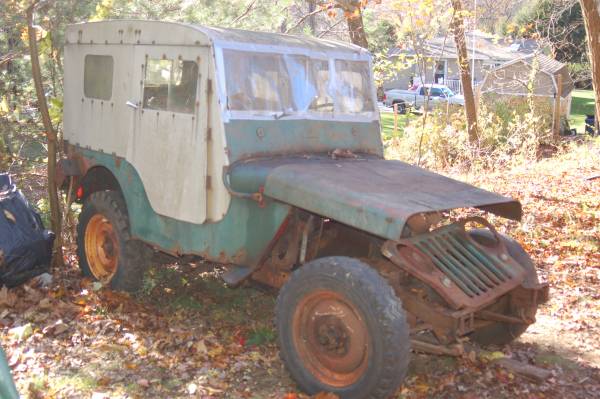
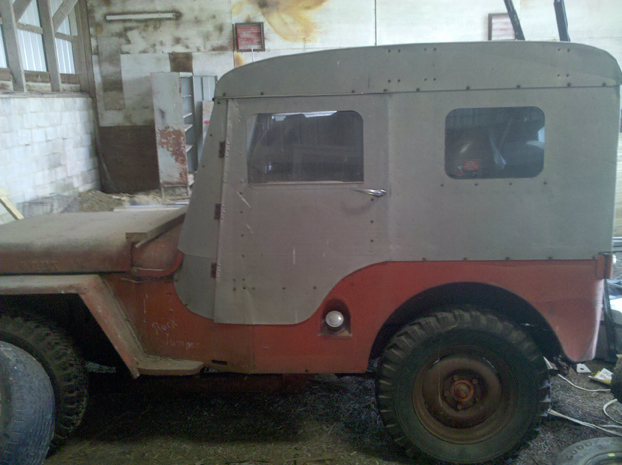
(11/04/2019) This jeep looks to have a Worman Jee-Cab.
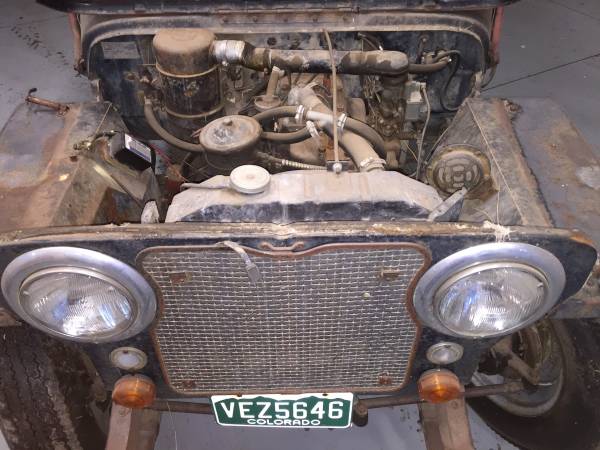
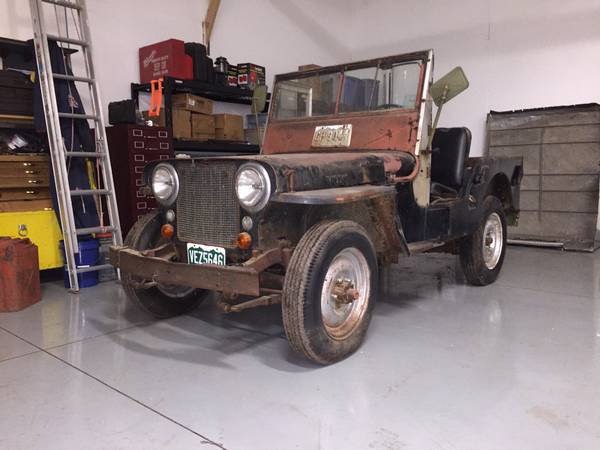
“This is a 1947 Willys CJ2A jeep for parts. Serial # 138877. Frame appears to be solid, front horns are in great shape; The T-90 transmission is stuck and the L134 engine turns by hand; front floor is toast, hood is good. It has a rare Worman Jee-Cab (will need some repair) It does roll. I’ll throw in the fenders and radiator for an extra $150. Has a nice bumper too, $50..”
“1954 Willys CJ3B. Great project. Extremely solid and straight. Has arctic hardtop. Engine and seats are missing but everything thing else is there. Find another 134 “F” head or perfect for a v6 or V8 conversion. Last driven in 1976. Stored under a carport for a majority of the time since then. It will be hard to find a better CJ3B to restore than this one. Has not been abused or molested like a most. If the ad is up it’s for sale. No trades too many projects already.”
UPDATE: This article appeared in the 2016 Winter edition of Dispatcher Magazine. The original of this was posted in October of 2106 as a series of notes, but is now updated with text from that article along with some additional photos.
Willys-Overland equipment manufacturers experienced a range of successes and failures. One of those who entered the market at the dawn of the CJ-2A to achieve the former was Laurel C. Worman, a businessman who created the first set of jeep hardtops for different applications, most sold under the brand Jee-Cab.
Early Willys-Overland branded Laurel C. Worman built hardtop.
EARLY YEARS OF LAUREL C. WORMAN:
Laurel C. Worman was born in 1898 in Toledo, Ohio, to Ernest and Clara Worman. He was the younger of two children. The boy’s father Ernest was a self-made man, who developed a large hardwood lumber business, something Laurel must have watched with fascination. When he was old enough, Laurel married Muriel Florence Jackson. The pair had two sons, Ernest “Ernie” William and Lester Lee Worman. The couple later divorced. By 1940, Laurel had remarried a woman named Ruth.
Perhaps Laurel’s father’s entrepreneurial influence led him to become a self-made man himself. While his early employment history has yet to be unearthed, by 1941, Laurel was president of Packard Toledo, Inc. Well known in Toledo automotive circles, Laurel later that year became a northwestern Ohio distributor for the new Willys Americar. It may have been the car that interested him most, but more likely it was the potential of the jeep, which had garnered automotive interest for more than a year.
About this time in 1941, Laurel C. Worman incorporated a company by the same name, under which he placed the Willys dealership. It was only one of several companies he would co-found. In December 1941, he went to Washington, D. C., as a dealer representative and gathered with other auto industry to reps to establish a ceiling on car prices, perhaps in anticipation of war. Four days after returning from his D. C. meeting, the Japanese struck Pearl Harbor.
The war doesn’t appear to have slowed Worman down. By 1942, he was placing ads in the Toledo Blade, arguing how “Willys Truck Owners Are Lucky!” Laurel noted that Willys-Overland had produced the most economical line of trucks. He told potential customers they would be well-served by the truck’s low use of gasoline and their rugged nature, two characteristics important for enduring war time challenges. Worman also made sure to note that Willys was the producer of the jeep, already famous by September of 1942.
As an automotive dealer seemingly in the thick of things in Toledo during WWII, there’s no evidence he formed plans for any jeep equipment. But, as a Willys dealer in Toledo, he certainly would have stayed abreast of the CJ’s progress and must have saw potential in the jeep following the war.
THE CJ-2A ARRIVES:
When the CJ-2A was introduced to the public in July of 1945, options included a front soft top ($55) and rear soft top ($39). The first civilian hardtop half-cab, according to Fred Coldwell in his Preproduction Civilian Jeep book, didn’t go into production until the fall of 1945. Somewhere around that time, the Army asked Willys-Overland to design a full steel cab for the late 1945 MBs. The result was a stretched version of the half cab, but it never went into production. One probable reason was that steel was in short supply. Another reason was that they were heavy.
In August 1945, Worman invited prospective buyers to visit his dealership and see the new “Universal ‘Jeep’” for themselves. The amazing “4-in-1” vehicle was advertised as a light truck, a light tractor, a runabout, and a mobile power unit. But, it still lacked the comfort of a full cab, a fact that must have been apparent to Worman as he engaged customers and sold jeeps through ’45 and into ’46.
Perhaps after hearing from dealers and customers that they’d prefer a hard top over the canvas front and rear tops, the Willys-Overland decided to contract with Laurel C. Worman to produce a line of hardtops. The hardtops would be made of aluminum, which, unlike steel, was amply available and light.
“I have an old Willy’s I need to get rid of. Its been stored inside for at least 30 years. I aquired it several years ago, never found the time to do anything with it, and trying to make more room. It has a very rare Worman Jee-Cab hardtop on it as well. Was told it ran when it was parked, but I have never tried anything with it. If interested, please reply though craigslist, as my email goes directly to my phone.”