emailNeed to contact me and don't have my email? Click on email button.
About eWillys
Welcome to eWillys.com, a website for vintage jeep enthusiasts. I update this website nearly every day with jeep deals, jeep history, interesting reader projects, jeep related info, and more.
These quick searches can help you find things on eBay. People list in the wrong categories all the time, so don't be surprised to see brochures in the parts area for example. This section used to be split into jeeps, parts and other categories, but recent changes to eBay will require this information to be recoded.
The links to posts below show jeeps grouped by models, condition, and other ways. Some of these jeeps are for sale and others have been sold. If you are unsure whether a vehicle is still for sale or not, email me at d [at] ewillys.com for more info.
Importantly, the allure of buying a project jeep can be romantic. The reality of restoring a jeep can be quite different, expensive and overwhelming without the right tools and resources. So, tread carefully when purchasing a "project". If you have any concerns about buying a vintage jeep, or run across a scam, feel free to contact me for help, comments or concerns .
This Brazilian tutorial about the Willys Rural Wagon and Truck was spotted by Carl. Portuguese speakers might find it interesting.
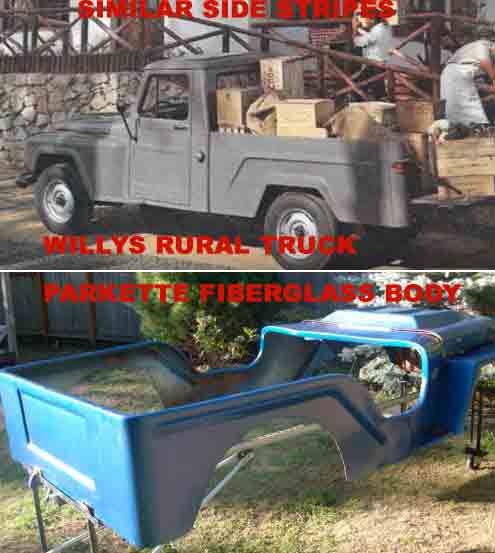
I hadn’t noticed it before, but some of the Rural wagons and Jeepsters have a “Parkette”-looking fiberglass stripe along the sides. Maybe that’s where Paul Parker got the idea?
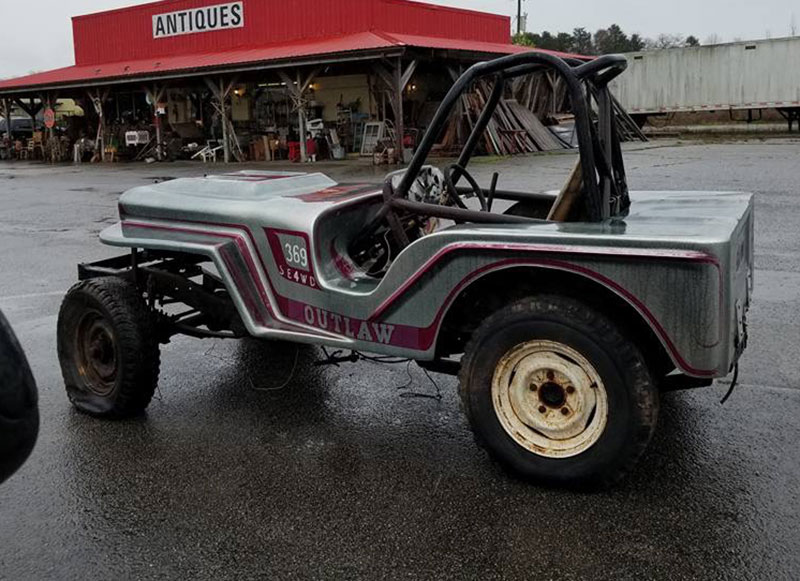
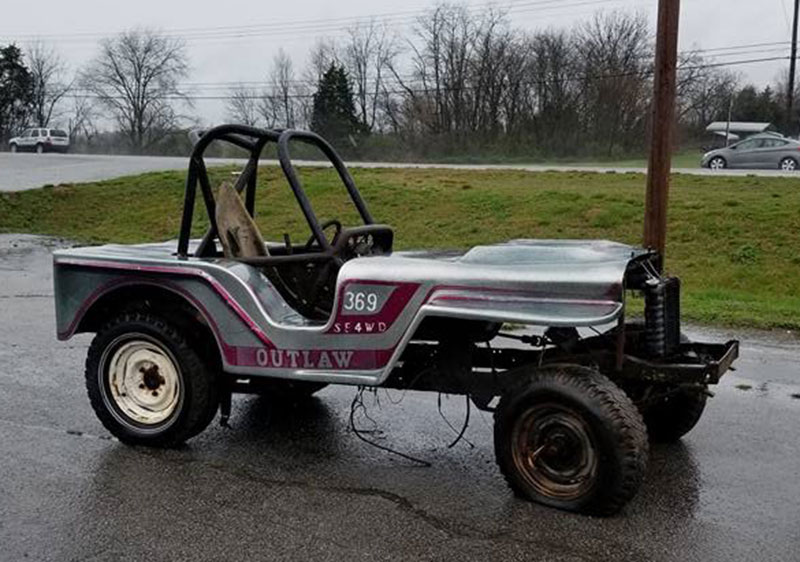
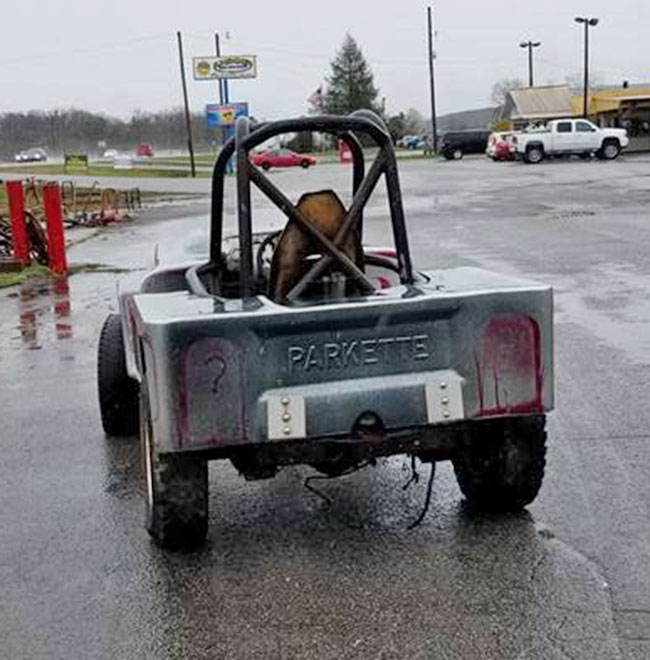
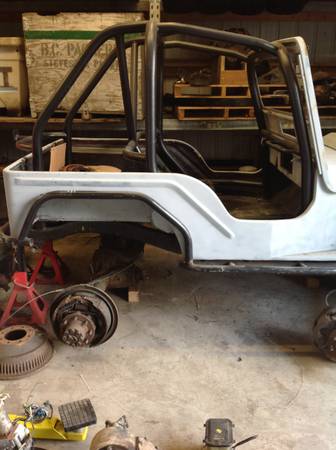
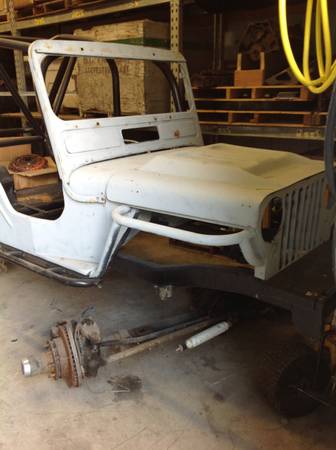
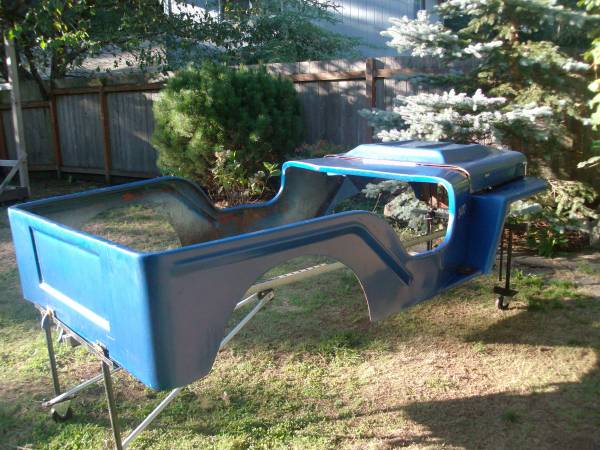
Tim posted this chassis with a Parkette racing body on it. Price Unknown. Has anyone run across a Parkette racing shell like this in the PNW (with the solid back on top and a dash that rolls down, then curves with the sides? I bet this one came out of Georgia when Paul Parker moved back there, but that’s just a guess.
“On hwy 411 just south of Maryville Tn.. appears to be one piece fiberglass.”
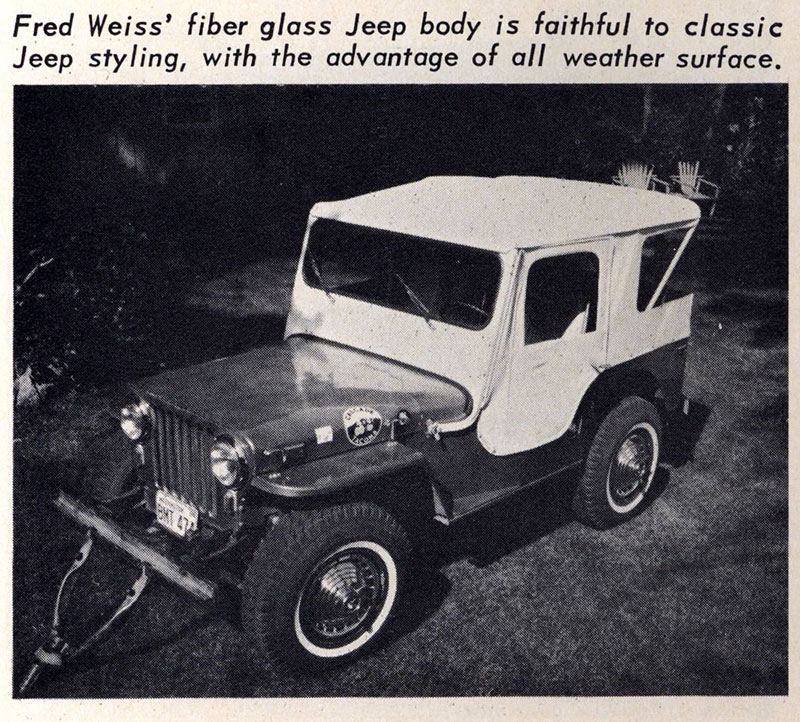
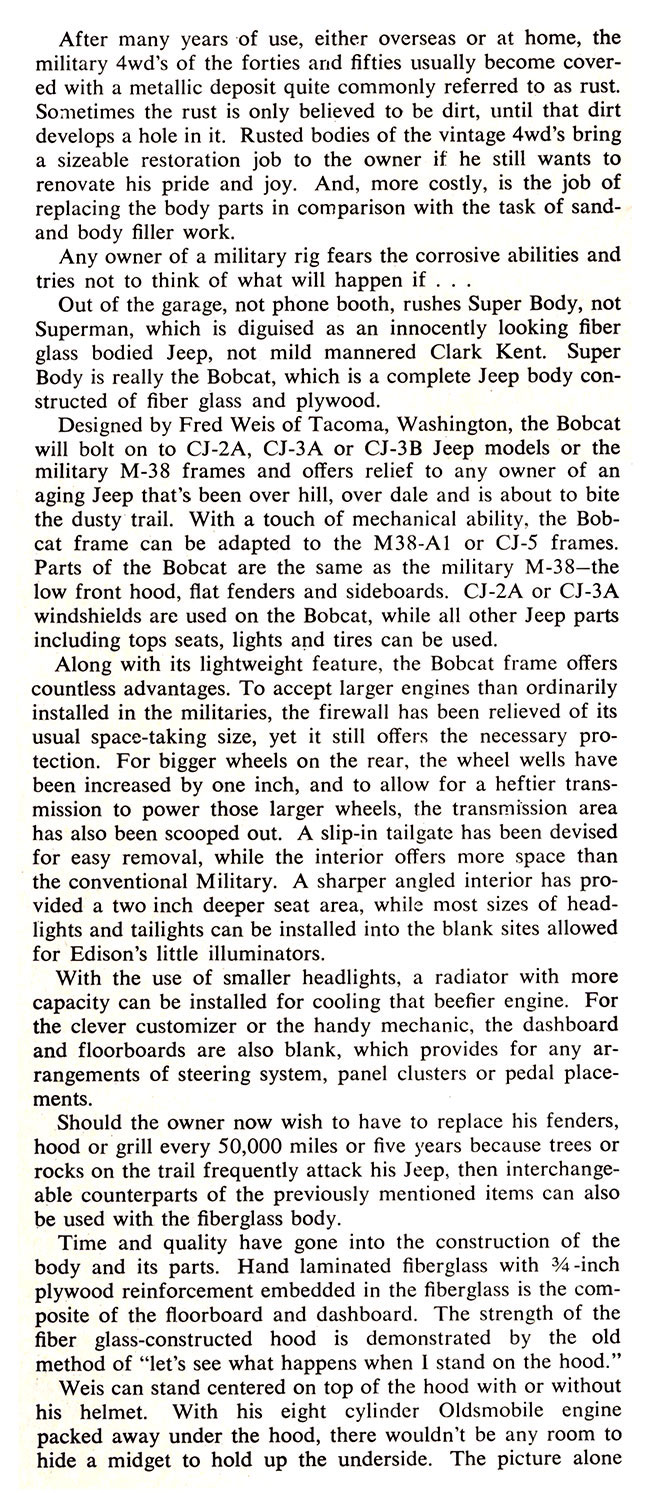
Yesterday morning, SteveK asked to know more about the Bobcat products. Were they race products or something else? The terminology is so second hand, that I thought everyone knew it by now. I decided to send him a link to an article I thought I had published about Fred Weis and the Bobcat body from the February 1970 issue of Four Wheeler Magazine. It turns out I never published that article!
So, I’d like to publish (perhaps I am republishing it) to better explain the Bobcat body and products. At the post’s bottom I’ve included a number of additional examples and information about the Bobcat. Then, on the next post, I discuss the Bobcat & Parkette fiberglass body histories.
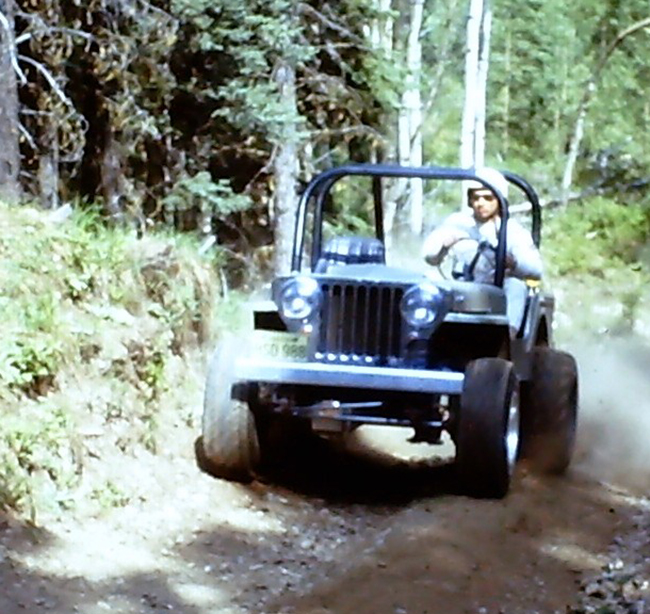
Paul Parker, maker of the Parkette bodies, racing up a hill climb in Calgary in the summer of 1970. Photo courtesy of Ed Bray.
This is a companion article for the Fred Weis and Bobcat Body post. Much of this history is built from conversations, emails and comments on eWillys. I welcome corrections and additions.
In the late 1960s Fred Weis, who I understand ran a fiberglass products company, experimented with a fiberglass jeep design until he found one he liked. At the time he had been jeeping and jeep racing for a decade as part of the Cascade 4×4 Jeep Club. His first complete body was completed in 1969. By 1970, he was ready to produce them for resale. Fred’s bodies were built to be rugged, using fiberglass and wood.
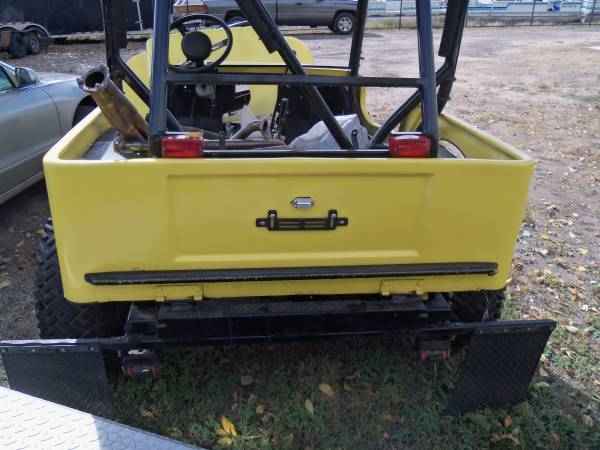
The body was not intended to be an exact replica of the original body; instead, it met the needs outlined by Fred, who styled them (i would guess) to make them a little cooler. For example, the side steps reached the length of the body bend. The rim around the body edge was wider. The dash came with no holes. At some point, the body could be purchased with or without a tailgate and with or without a floor.
Fred also came up with two custom fiberglass raised hoods that provided more room in the engine compartment. One was a teardrop design (few were made) and the other was highly recognizable.
Long time jeeper Paul Parker decided to get into the fiberglass body business about the same time as Fred, so according to Ed Bray, Paul joked about buying Fred’s bodies, adding a side stripe, and calling them Parkettes. Another source told me that Paul did indeed do this, which led to a falling out to some degree between Fred and Paul.
Paul, who had been in the jeep parts business with his brother in Georgia before moving to the Tacoma area, began to build his own Parkette fiberglass tubs out of molds he built. They were very similar to Fred’s body. The biggest difference was that Paul’s jeep included a side stripe, similar to a hockey stick, that was designed to make the body side more rigid and set it apart from Fred’s body. Besides the side stripe, the body of the Parkette was better designed to fit the curve of the CJ-3A windshield. Fred’s body did not support the windshield well at all (I know this from personal experience with my Bobcat body).
You can see the Parkette stripe “hockey stick” on the side of the body. This was likely just a racing shell, given the lack of a tailgate.
A family friend ran into the windshield issue as well. Jim Carter bought a Bobcat body in the early 70s. The body arrived rough. The Carter’s sanded and primered the body, but when it came time to mount the windshield, Jim discovered it didn’t fit. He was angry. Many phone calls ensued. Next, Jim turned to Paul Parker, eventually buying a Parkette body. Jim, Pattie, and their two boys raced, trailed and streeted the jeep for years.
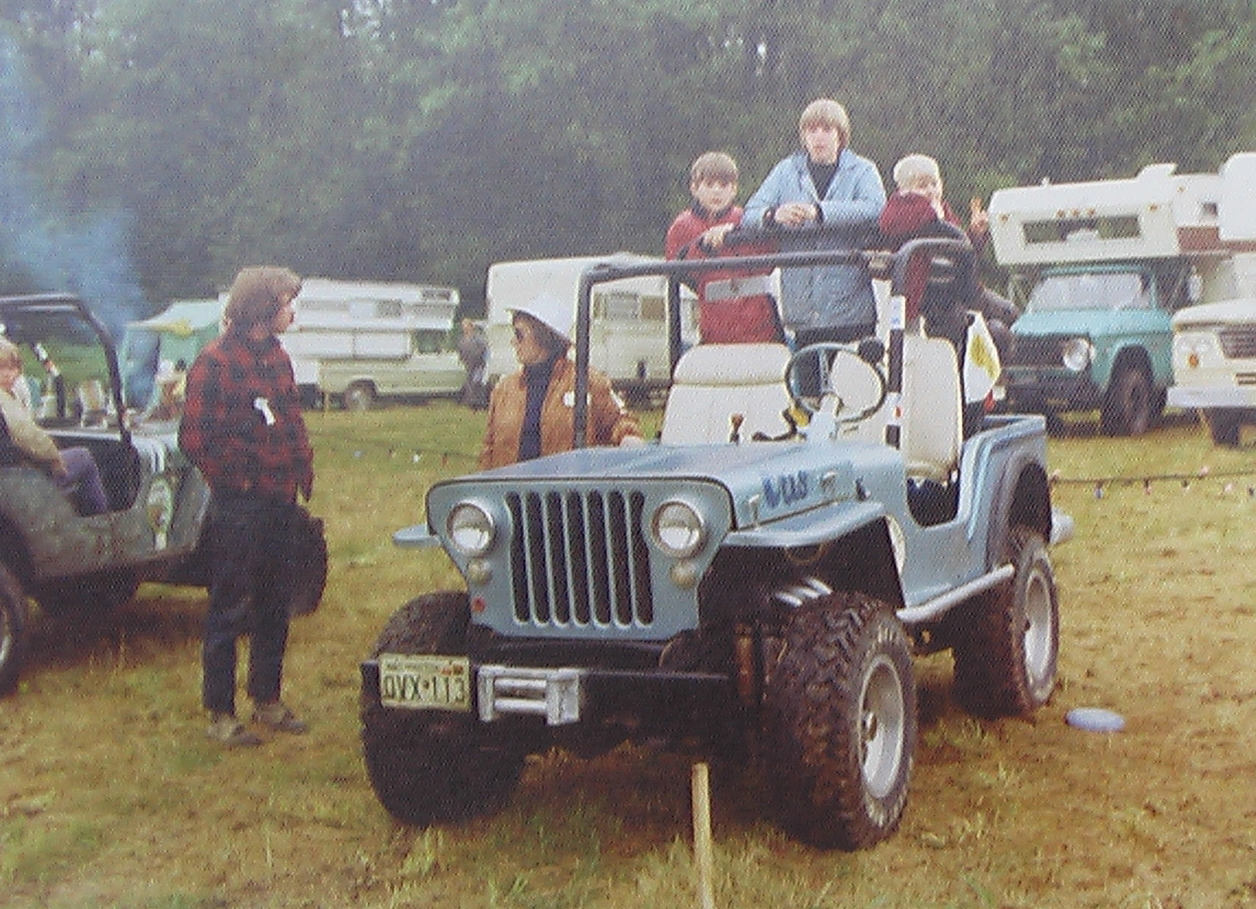
Early 70s photo of the Carter family’s “Otis” not long after the new Parkette body was installed.
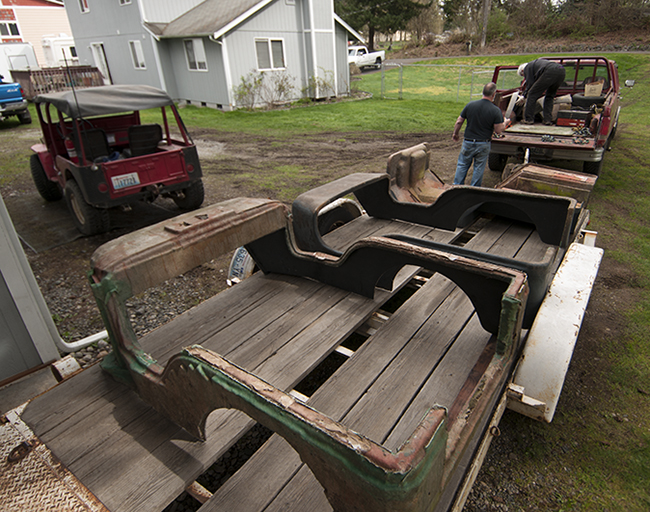
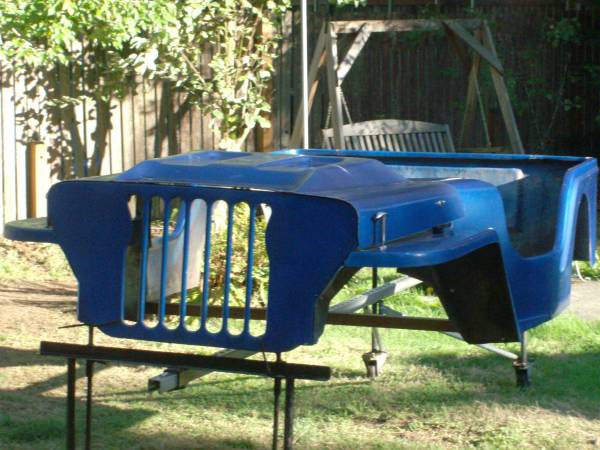
At some point, Fred passed the business and molds on to someone else. The Bobcat molds were divided into at least two groups. I have some of the molds. I hope some day to make my own Parkette body.
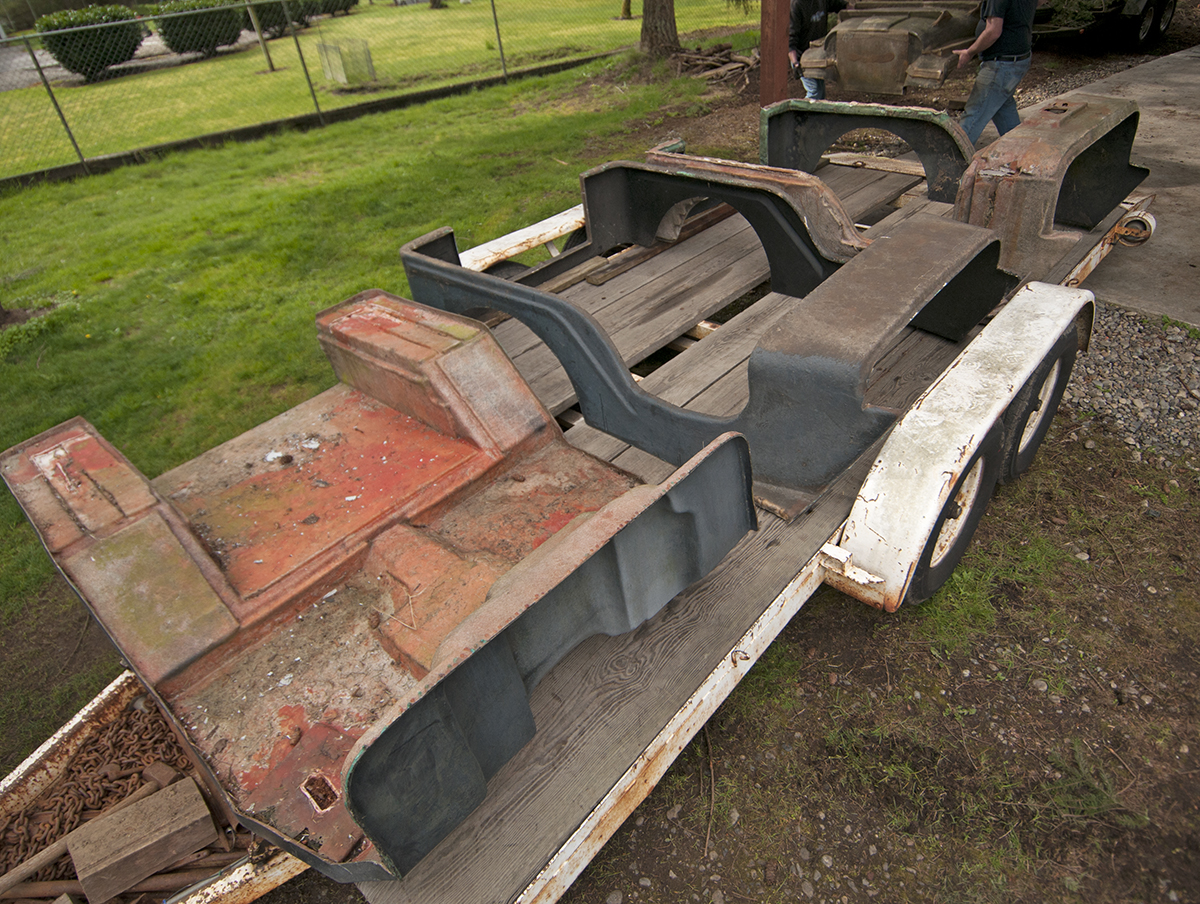
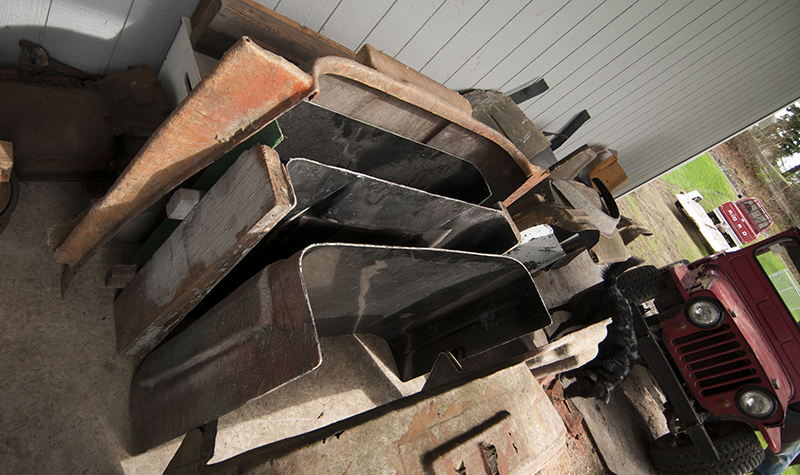
A Parkette racing shell mold sits in the middle. A CJ-3B shell is at the far side. A floor is shown in the foreground (I believe that’s a 3B floor).
September 4, 2016 • CATEGORIES: Event, Features, Racing • TAGS: Fiberglass, Parkette. This site contains affiliate links for which I may be compensated.
Saturday morning in Ethel started with a driver’s meeting at 8:30am. This has been standard practice for decades, the intent being to let driver’s know of any changes to the schedule, heats, classes, and courses. Some folks always have a skip in their step, others, like me, not born as morning folks, view it as the crack of dawn. Eventually my caffeine kicked in and things began to make sense.
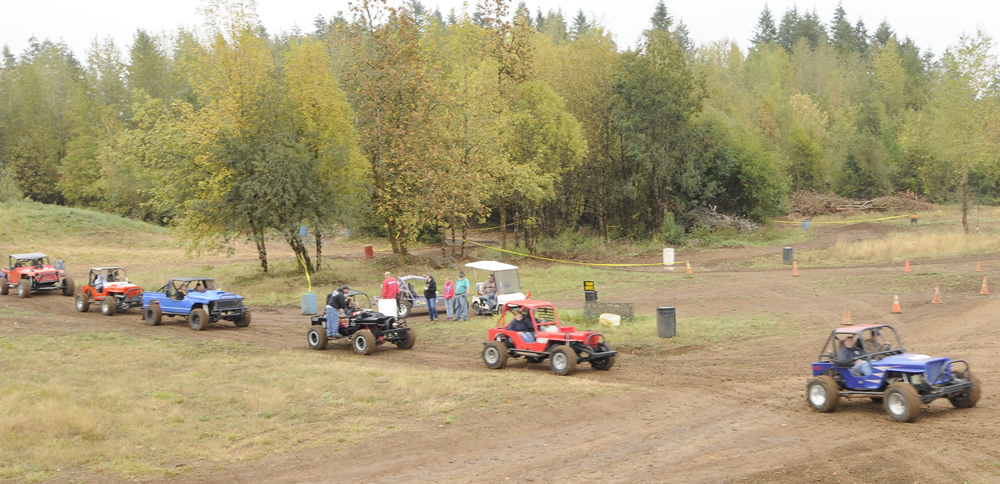
After the driver’s meeting is a parade of jeeps, something that I never remember doing. Most of the racers line up and slowly drive the obstacle course. Not only do you get to see the course first hand, but it seems like a great group activity.
The line was pretty long. If you look near the top of the photo you can see the beginning of the parade of jeeps.
The jeeps returning from their loop on the track.
Here’s a short video:
Once the parade was finished it was time to race. About that time, the drizzle began to fall, adding some extra water to the already muddy track. The kids lined up to race first. During that time Jeff Miller introduced himself to me. We’d exchanged emails not long after I started eWillys. At that time he shared his Jewel’s Stainless Jeep with readers. Jeff has been a regular reader of eWillys since.
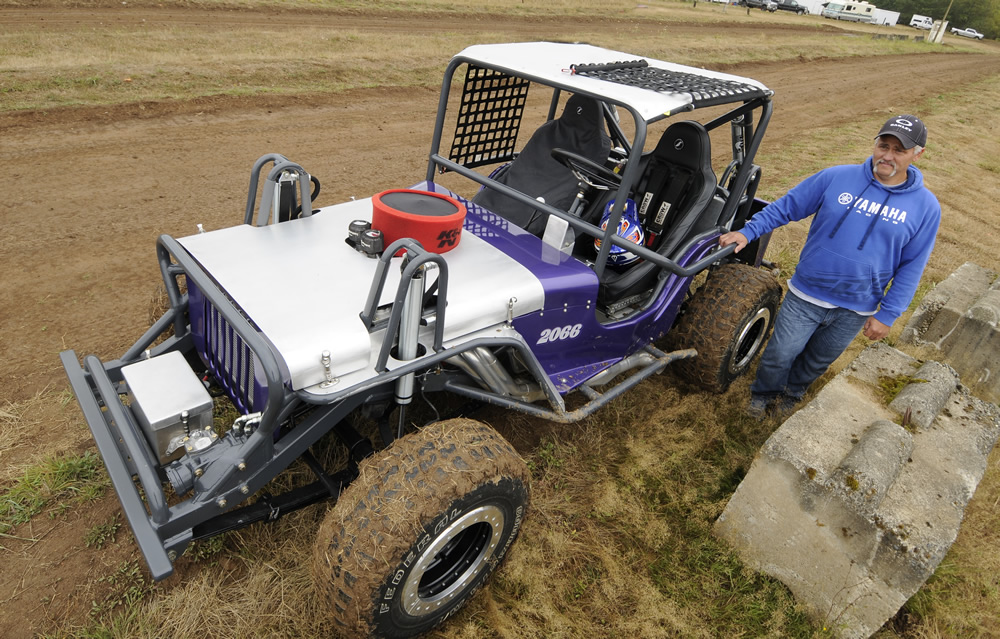
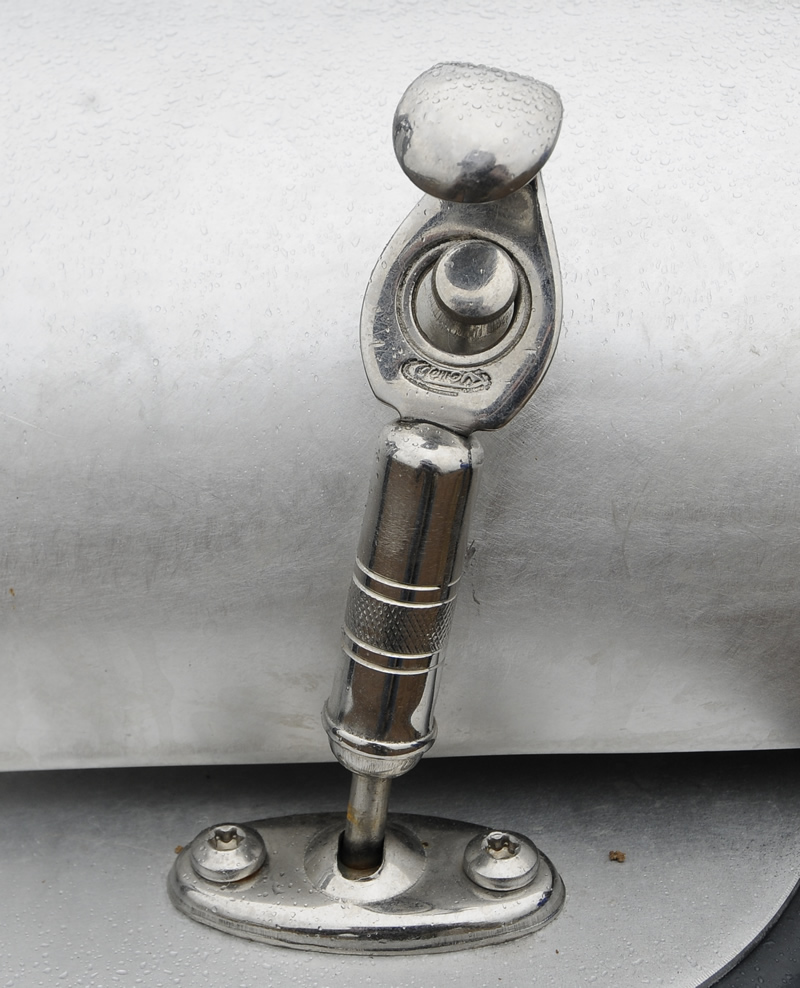
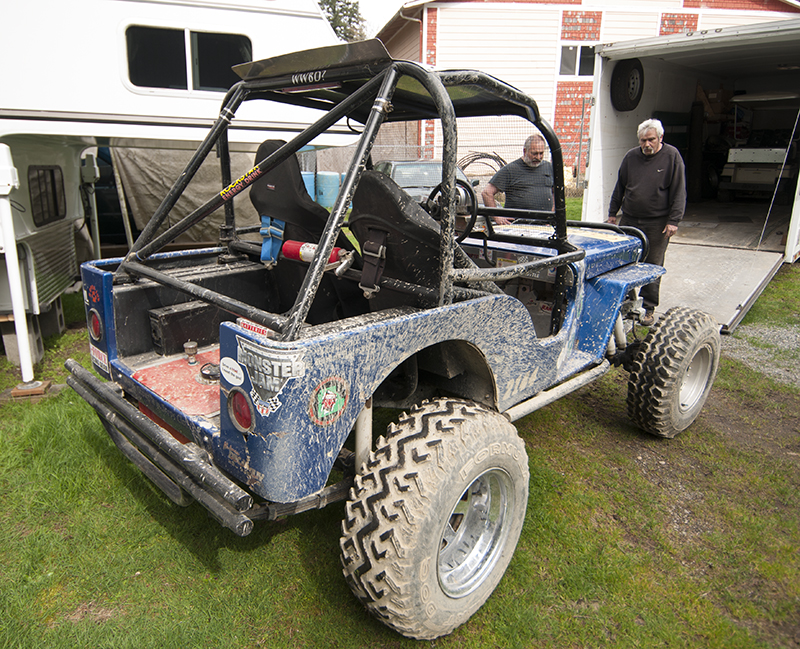
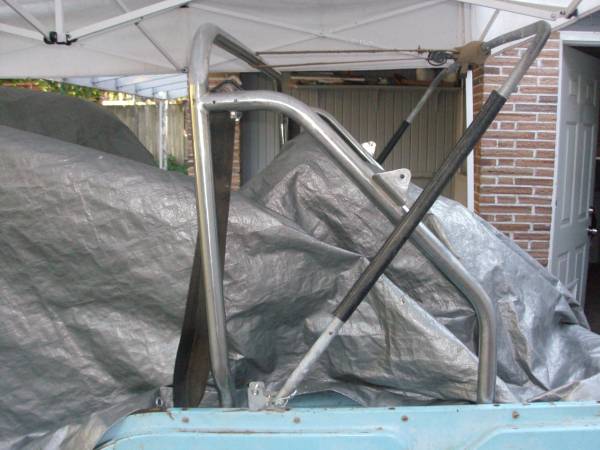
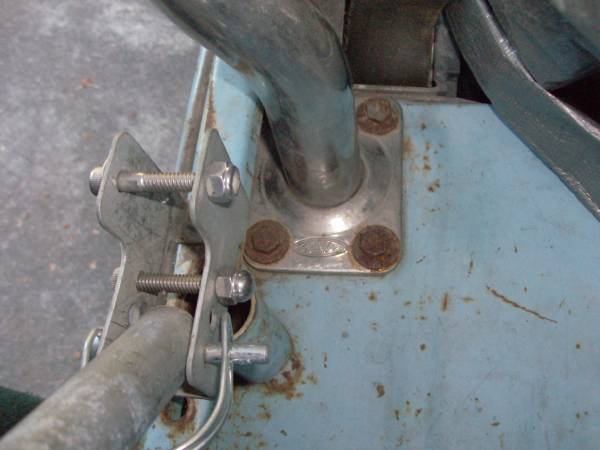
For much of the 1990s Jeff raced a jeep, but then he put racing on hold. It wasn’t until this year that he finally assembled another racing so he could reenter the sport. Like me, he’s fond of the Bobcat and Parkette bodies, so it’s no surprise that his race uses a Parkette shell. The jeep is a little more old school, powered by a 331 Stroker connected to a Ford Toploader and Dana 20. Not much is jeep other than that Dana 20. The hood is a piece of aluminum that a shop rolled for him so the angles from the grille to the body would look correct. It’s a nifty, clean piece. Holding the hood to the fenders are some original, stamped, Jewels stainless latches. As you can imagine, my shirt was wet from my drool. It’s a beautiful rig and it’s obvious he’s proud of it.
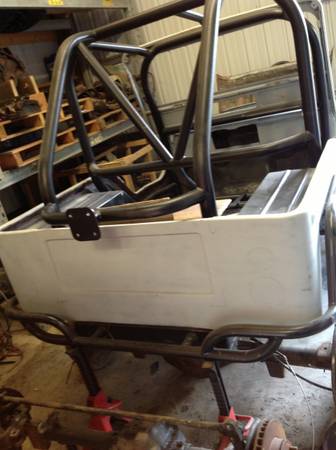
“New fiberglass tubb, cj2a boxed frame with title. Custom roll age with seat mounts and rear tire mount. Custom exo rear bumper, rock sliders, and hand fabricated front fender frames. Original windshield frame and grill.”
(05/22/2015) This jeep has a Parkette Body and Bobcat hood.
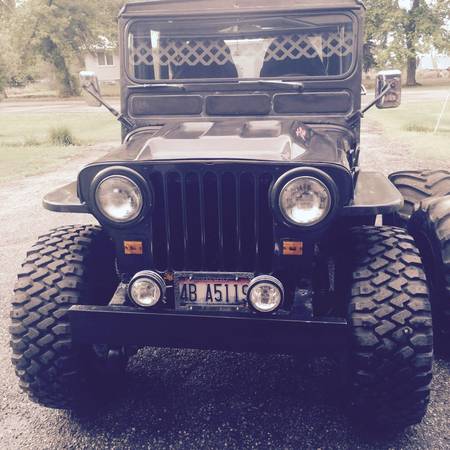
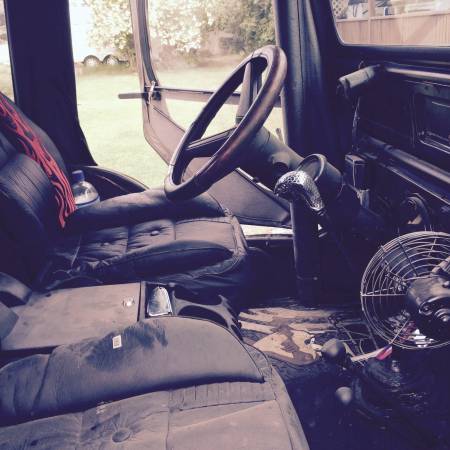
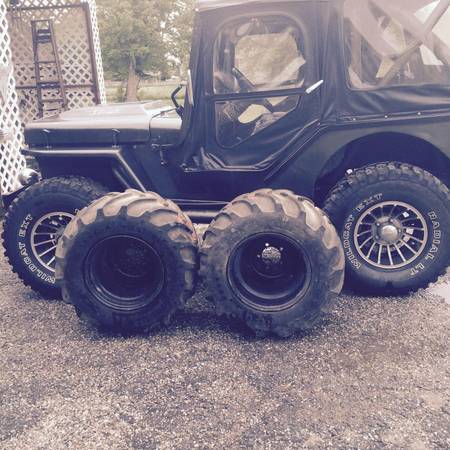
“This is a running gear from a 1948 CJ2A. The body is completely fiberglass; with a Chevy stock 350cid. Brand new tires, rims, and paint job. Been in storage for 5 years. It’s a awesome old jeep and very light for the sand! It come this the tires next to it.”
Al and Rob checking out the Stafford family race jeep.
For me it started with a four hour drive from Pasco to Spanaway, where I met up with Rob Stafford and Al Schaper. Al and I planned to look over some fiberglass body molds that Rob had been storing for years. The molds were used to create fiberglass flat fender and CJ-5 body and front clip parts.
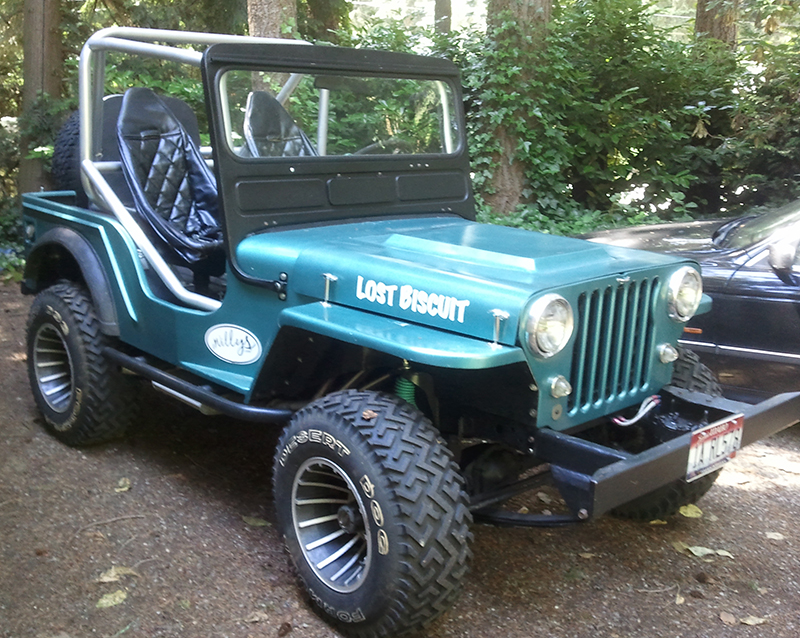
Of particular interest to me were the body molds. One of the body molds was used to create a Parkette racing body shell. The second body mold was used to create a Bobcat racing shell or in conjunction with a floor mold to create a complete body. While I have owned an Acme (I think) light racing fiberglass body and a Bobcat body (Biscuit’s body), I’ve always wanted a Parkette body. So, I was checking out that mold particularly closely.
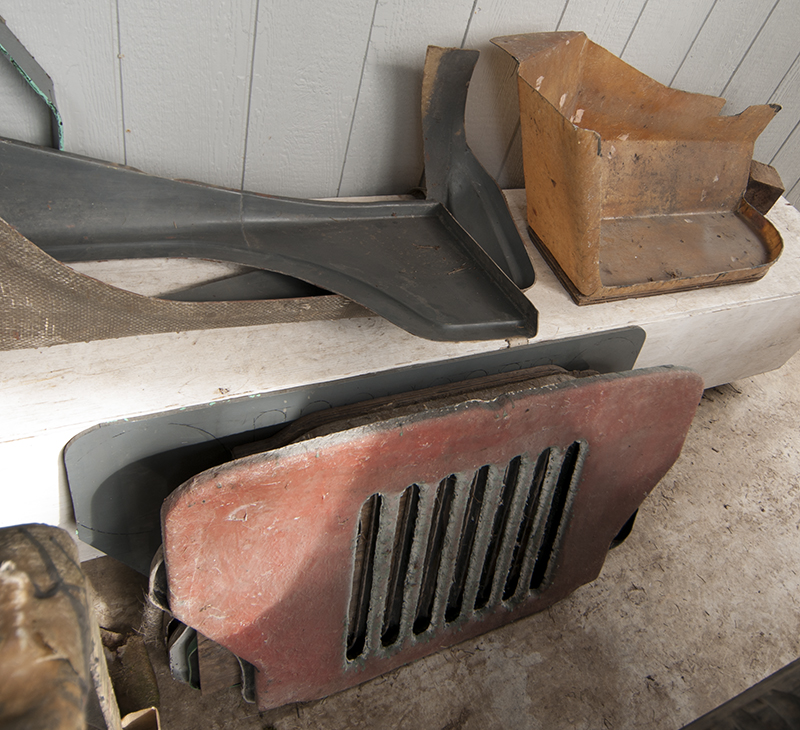
CJ-3B floor mold on the left, Parkette racing shell body in the middle, CJ-3B body mold on the right.
Grille and fender molds. There are also some CJ-5 fender molds. Missing is a Bobcat and/or Parkette tailgate mold.
From front to back, CJ-3B mold, low hood Bobcat mold, low hood standard mold, CJ-5 mold.
I had a long, but tun and productive Sunday! I’ll file a report on Tuesday morning. In the meantime, some of you might be interested in these fiberglass jeep body molds I’ve co-acquired (3B / 3A bodies, fenders, hoods grilles). More on all that tomorrow.
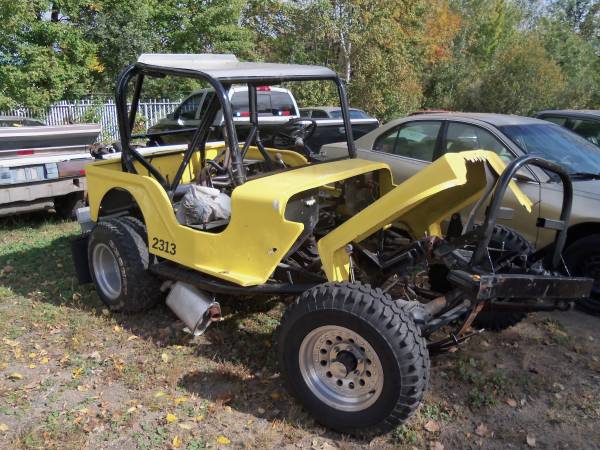
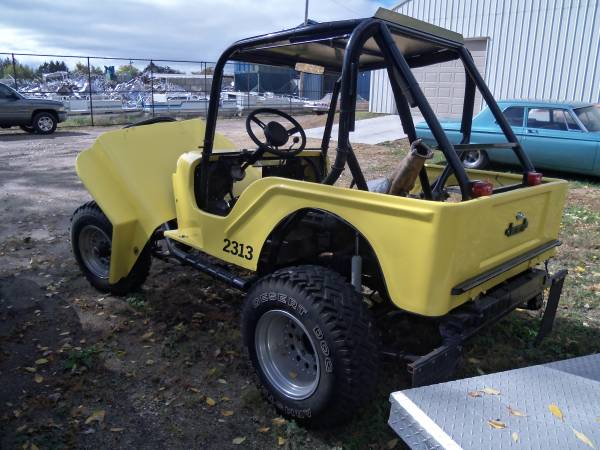
This former PNW jeep was still in good shape last March. Unfortunately, someone crashed this into a tree. Looks like there’s value in tires, rims and the Parkette body.
“Parting or Repair 1954 Willys jeep that had a 450hp small block Chev till it hit a tree. I bought it this way to make into a 2wd street rod but have 2 many projects now and want to sell it whole or part it out. what you see is what you get. have small block headers that go with it if it sells whole.”
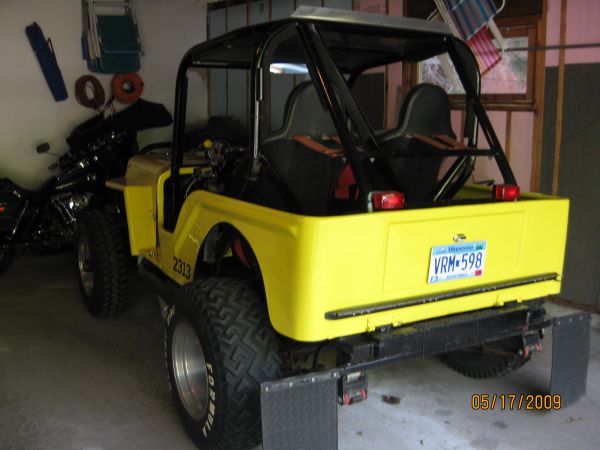
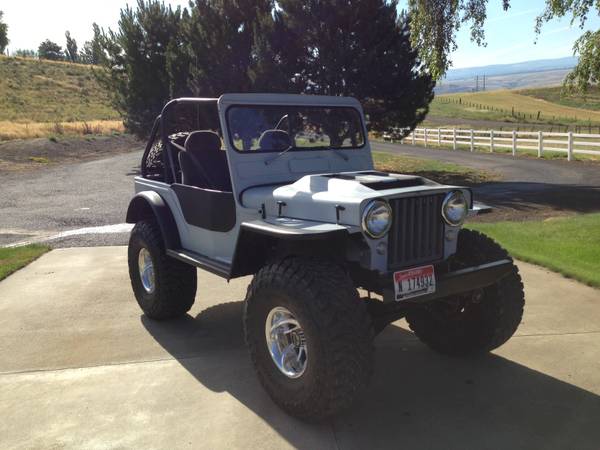
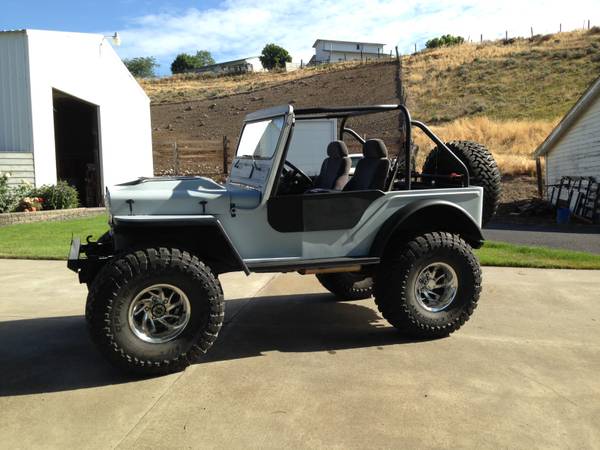
This CJ-3A has a stretched Parkette fiberglass body and a bobcat fiberglass hood.
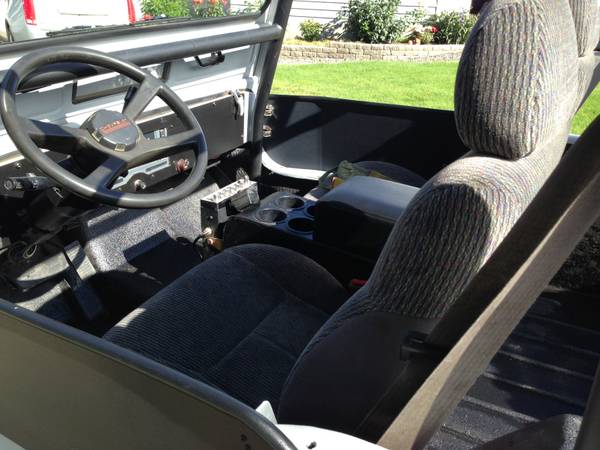
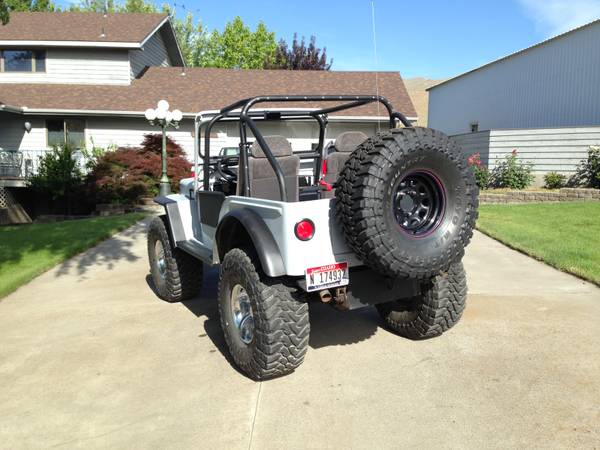
“1949 Fiberglass flat fender Willy’s Jeep
Stretched 8″ for leg room
Bikini Top & Half Doors
4.3 Vortec with a 4L60E computerized
Automatic transmission
Spicer 20 with twin stick, Novak adapter
Dana 44’s with detroit lockers front and rear
5 new toyo 37×14.5×15 Siped Tires
Aluminum Radiator
Onboard Air
Power steering, power disc brakes
Full cage
High Life jack, CB, and Seat Heaters included”