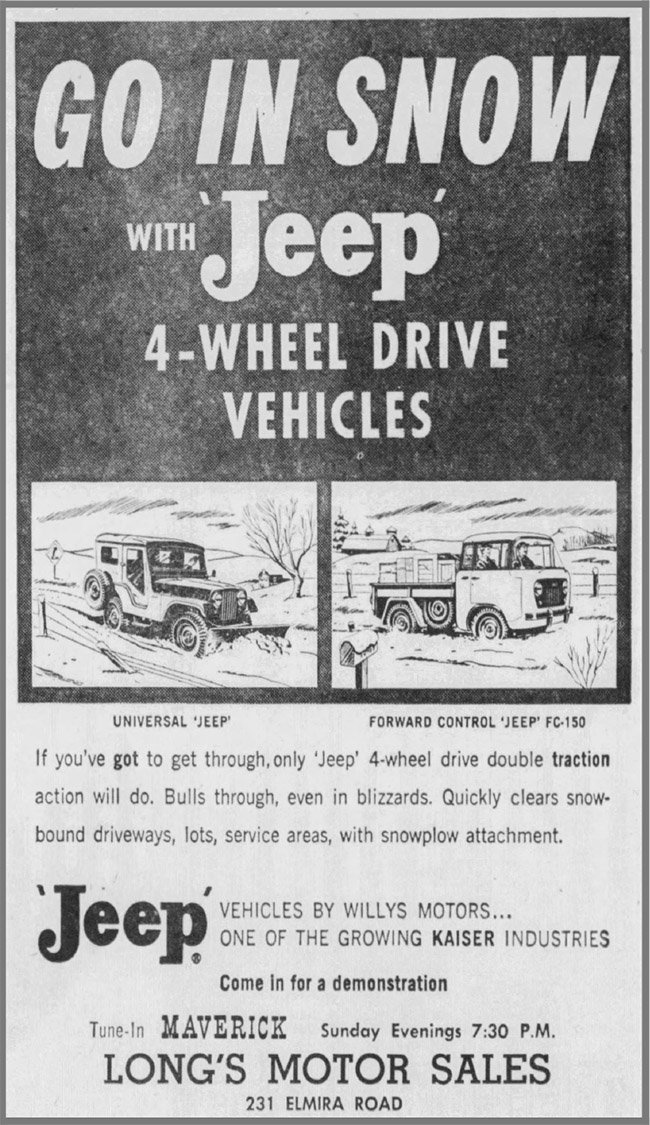
The Ithaca Journal printed this ad on November 10, 1960. Long’s Motor Sales out of Ithaca, New York, paid for the ad. It features an FC-150 and a CJ-5, while also promoting the tv-series Maverick.
emailNeed to contact me and don't have my email? Click on email button.
Welcome to eWillys.com, a website for vintage jeep enthusiasts. I update this website nearly every day with jeep deals, jeep history, interesting reader projects, jeep related info, and more.
These quick searches can help you find things on eBay. People list in the wrong categories all the time, so don't be surprised to see brochures in the parts area for example. This section used to be split into jeeps, parts and other categories, but recent changes to eBay will require this information to be recoded.
The links to posts below show jeeps grouped by models, condition, and other ways. Some of these jeeps are for sale and others have been sold. If you are unsure whether a vehicle is still for sale or not, email me at d [at] ewillys.com for more info.
There are plenty of interesting, unusual, historic and surprising stories related to Jeeps and their owners. In addition, some of these features have nothing to do with jeeps. This link will display all featured stories starting from the latest.
Looking for parts and not sure where to go? There are a variety of large and small new and used parts sellers both online and offline.
Importantly, the allure of buying a project jeep can be romantic. The reality of restoring a jeep can be quite different, expensive and overwhelming without the right tools and resources. So, tread carefully when purchasing a "project". If you have any concerns about buying a vintage jeep, or run across a scam, feel free to contact me for help, comments or concerns .
The Ithaca Journal printed this ad on November 10, 1960. Long’s Motor Sales out of Ithaca, New York, paid for the ad. It features an FC-150 and a CJ-5, while also promoting the tv-series Maverick.
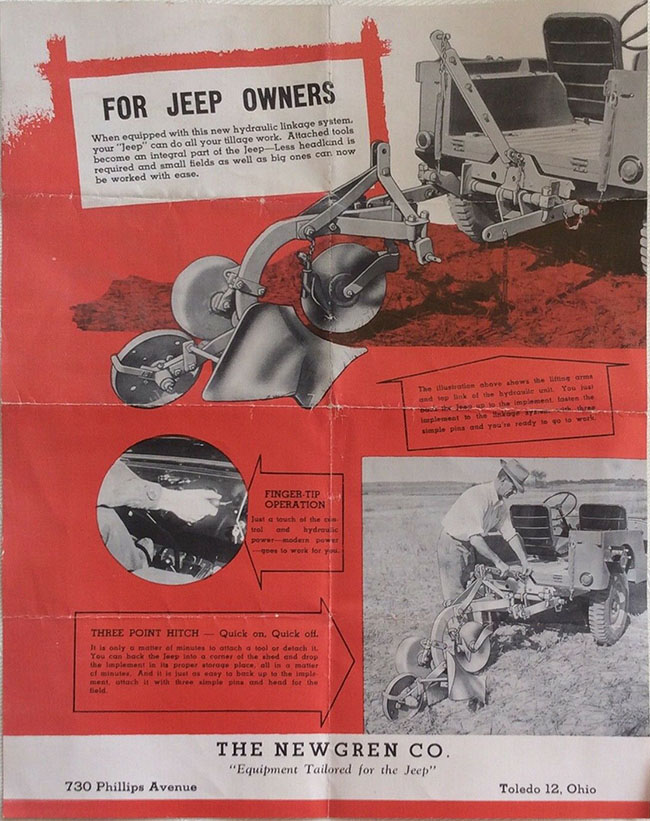
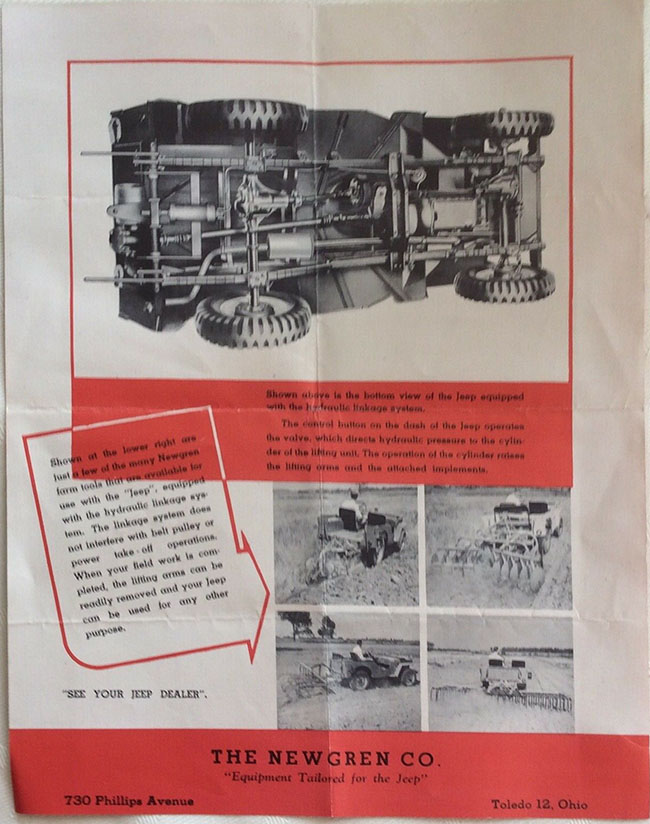
This rare Newgren 3-point lift brochure just sold for $124.50.
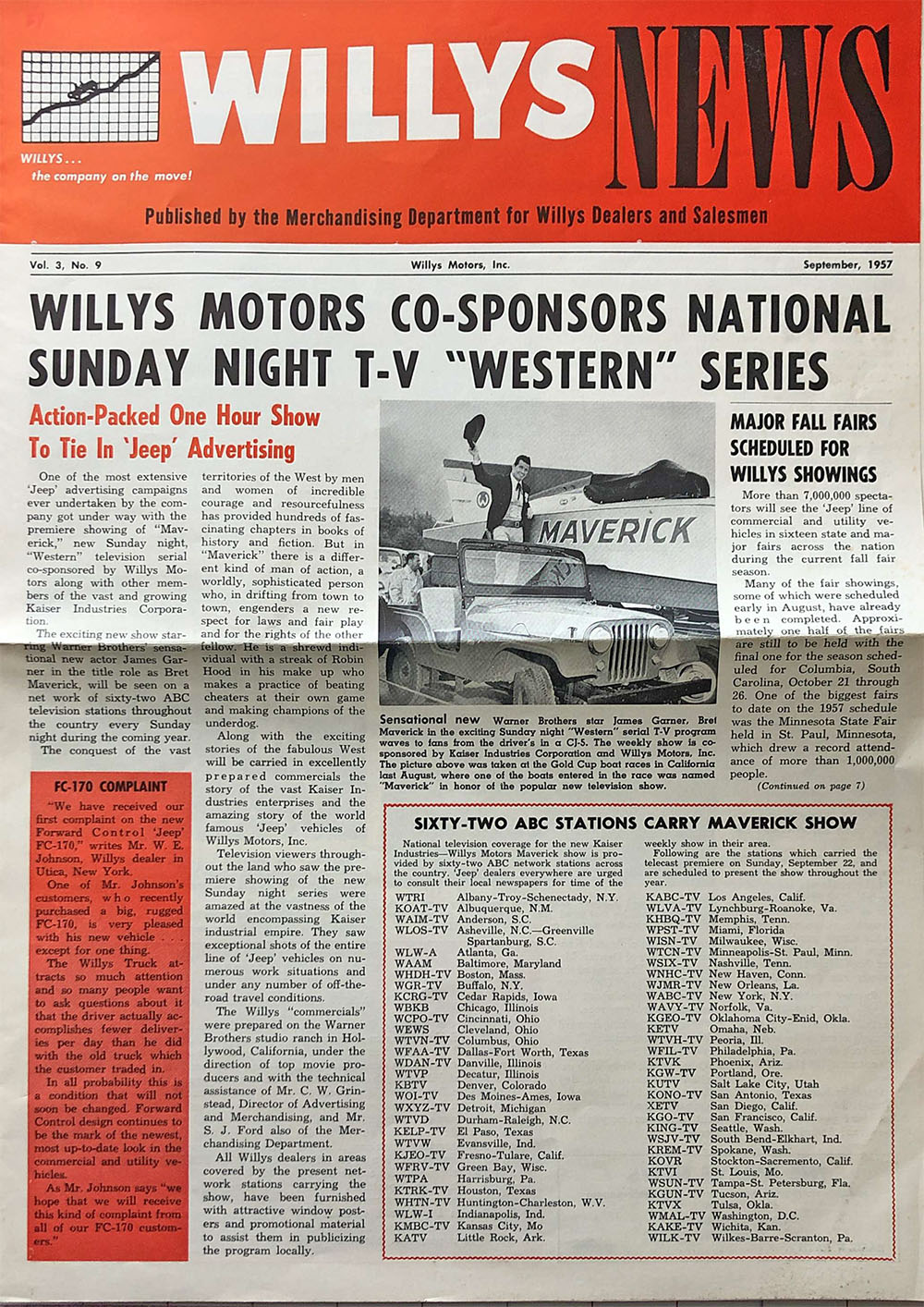
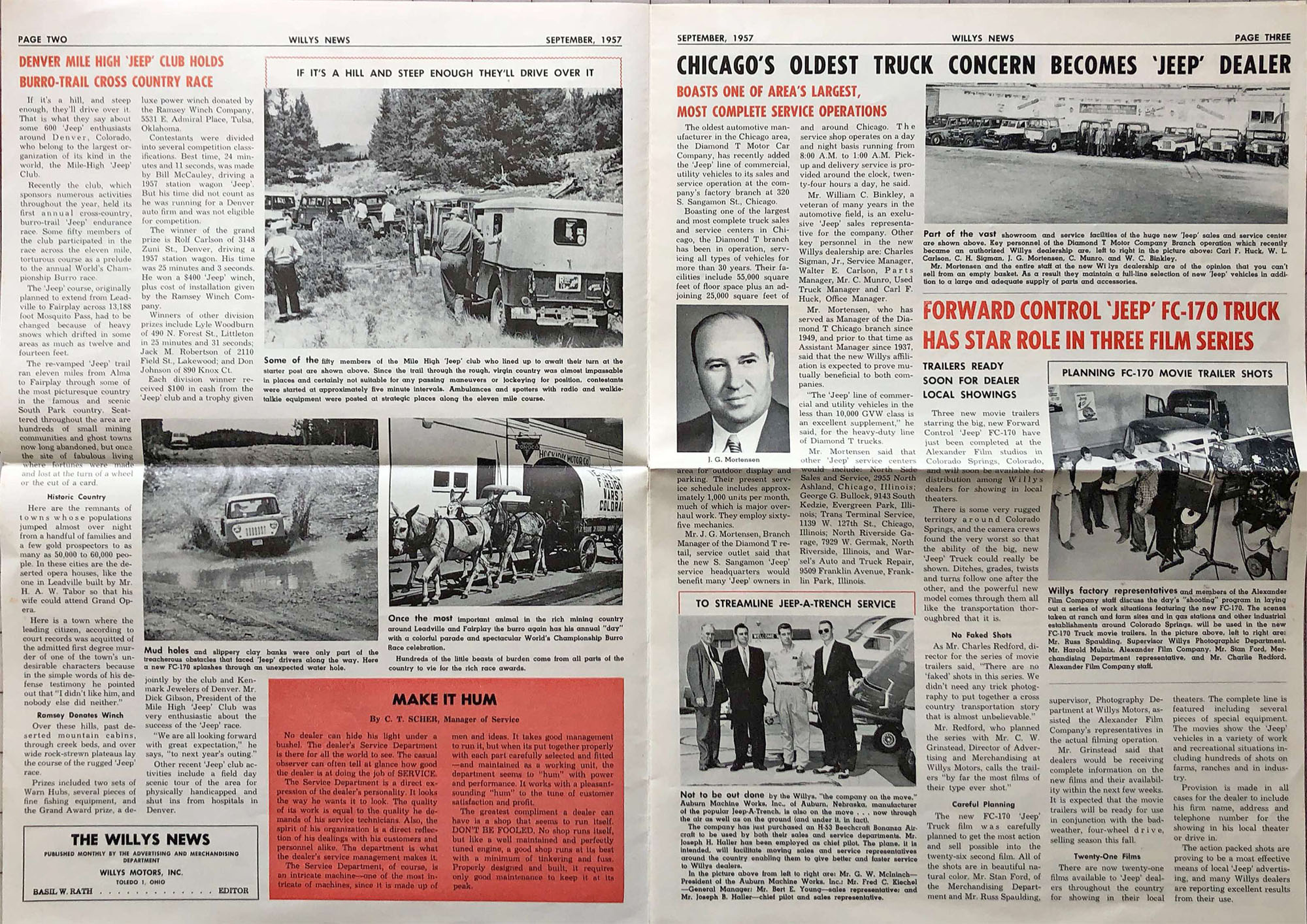
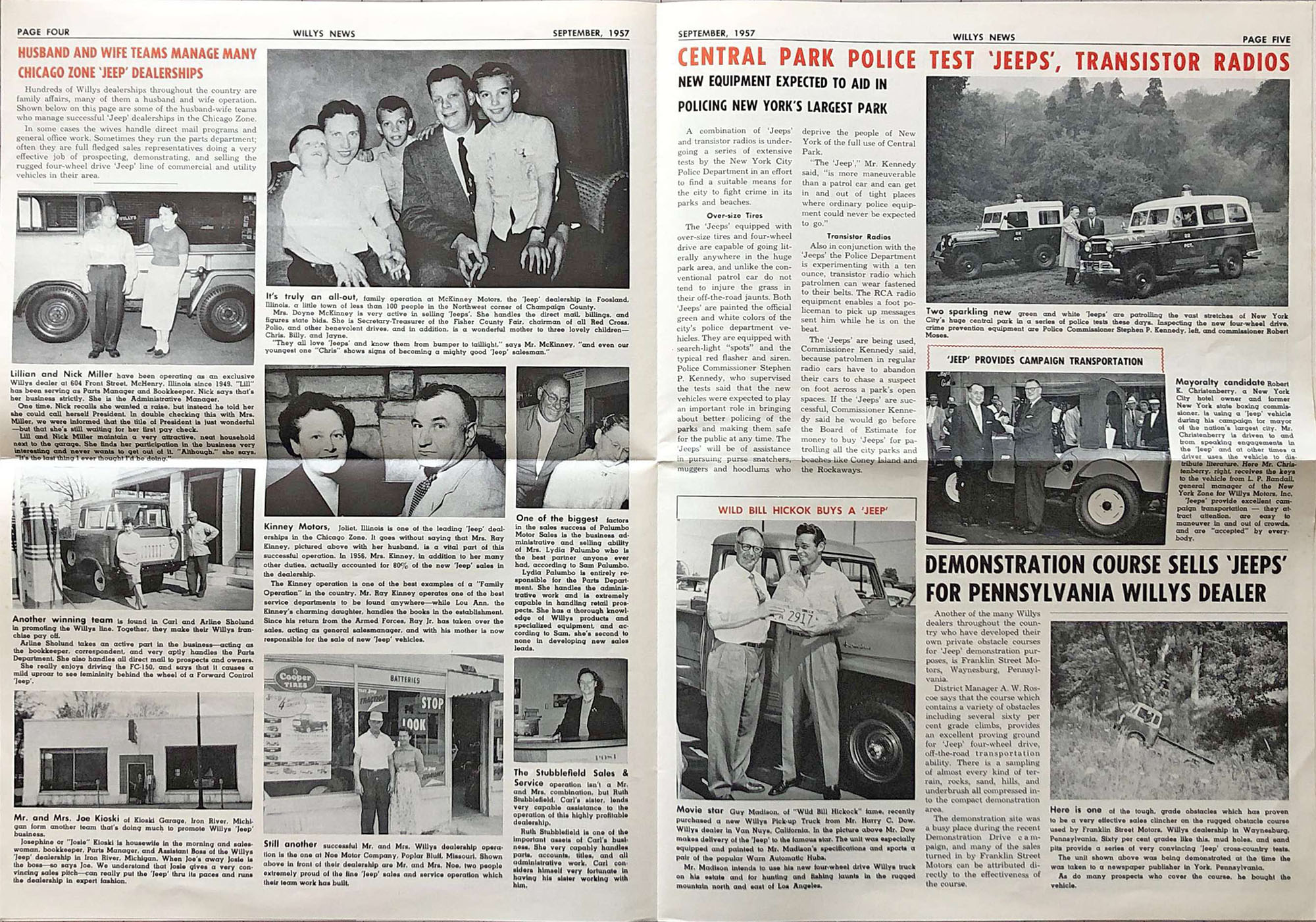
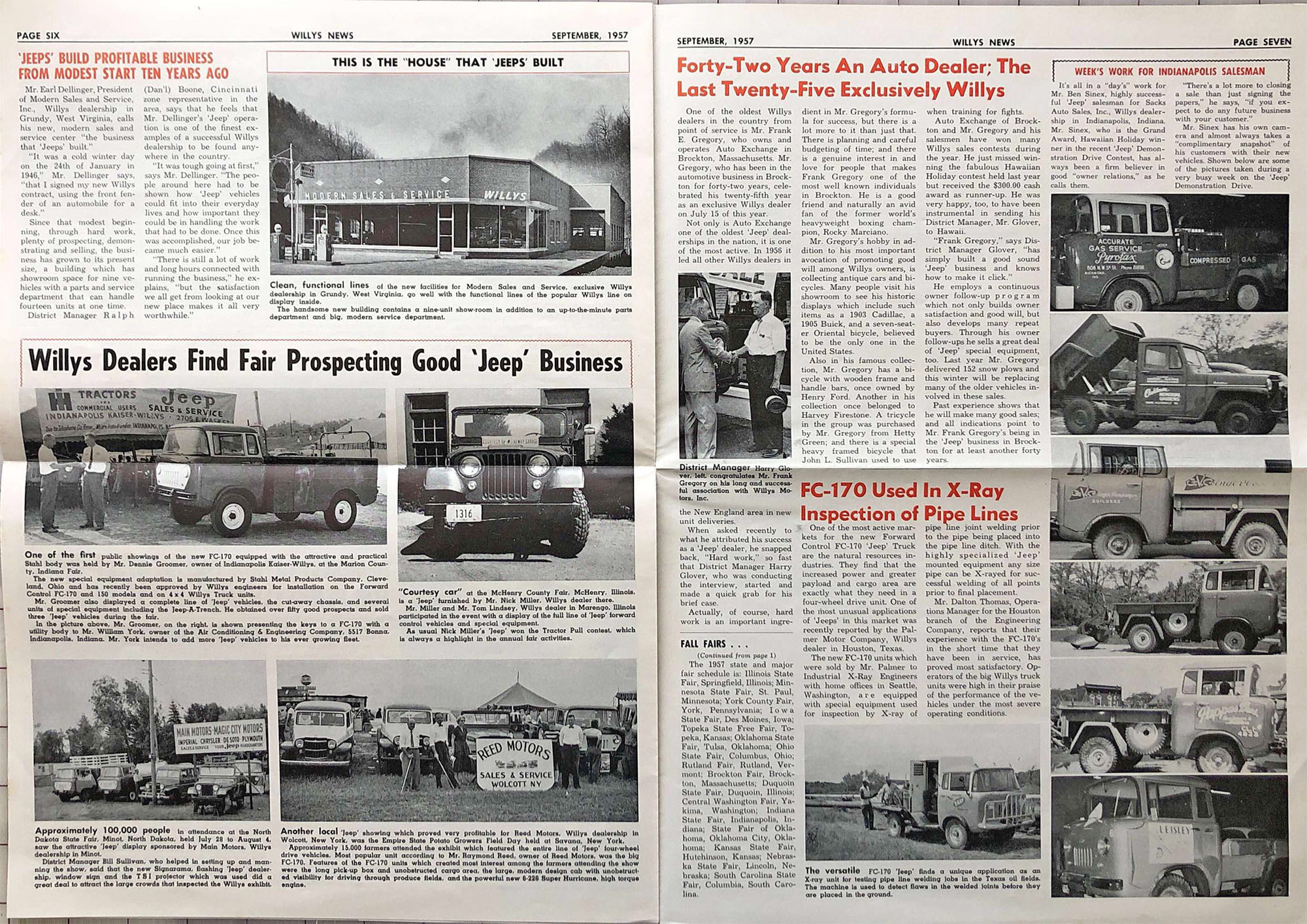
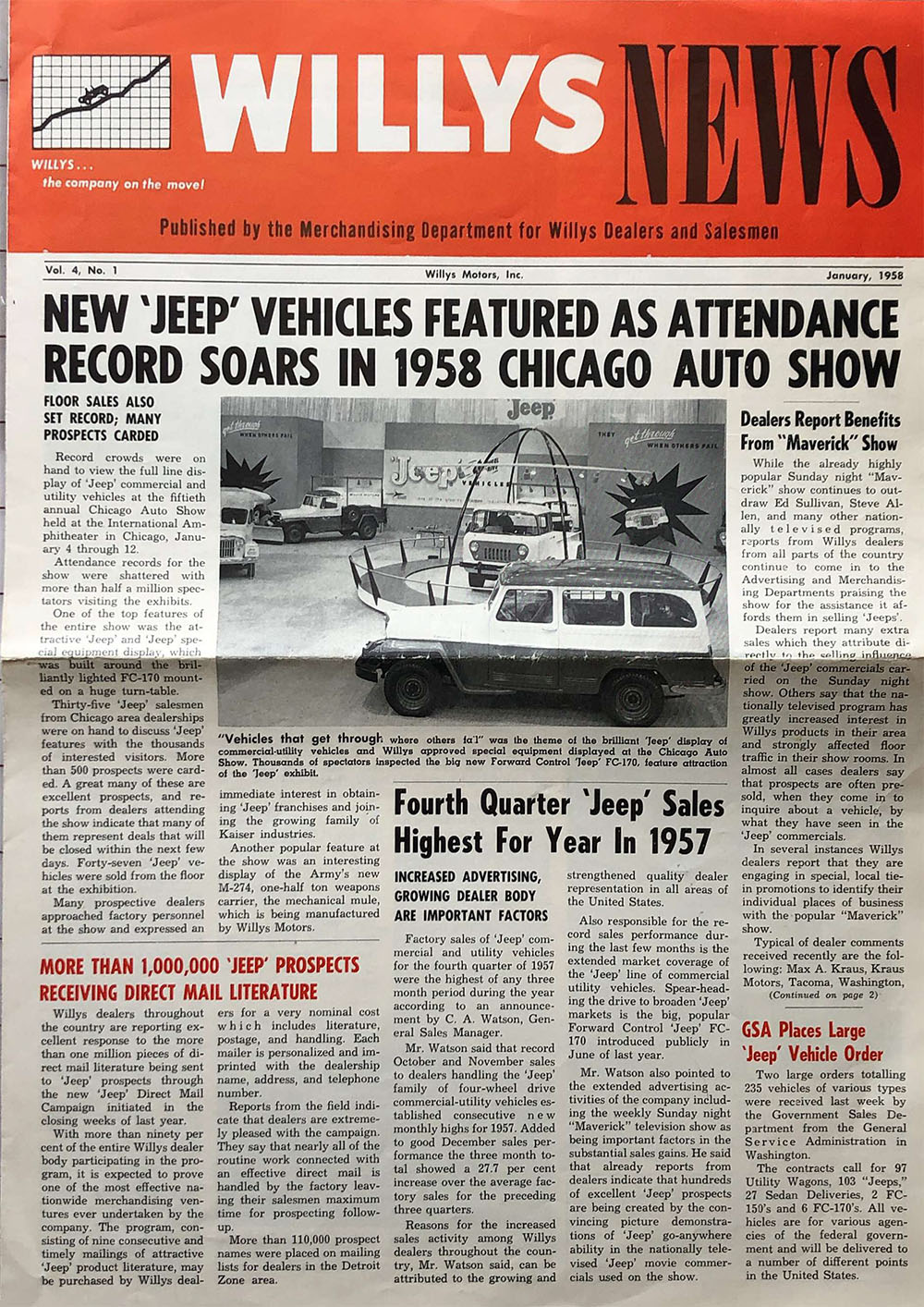
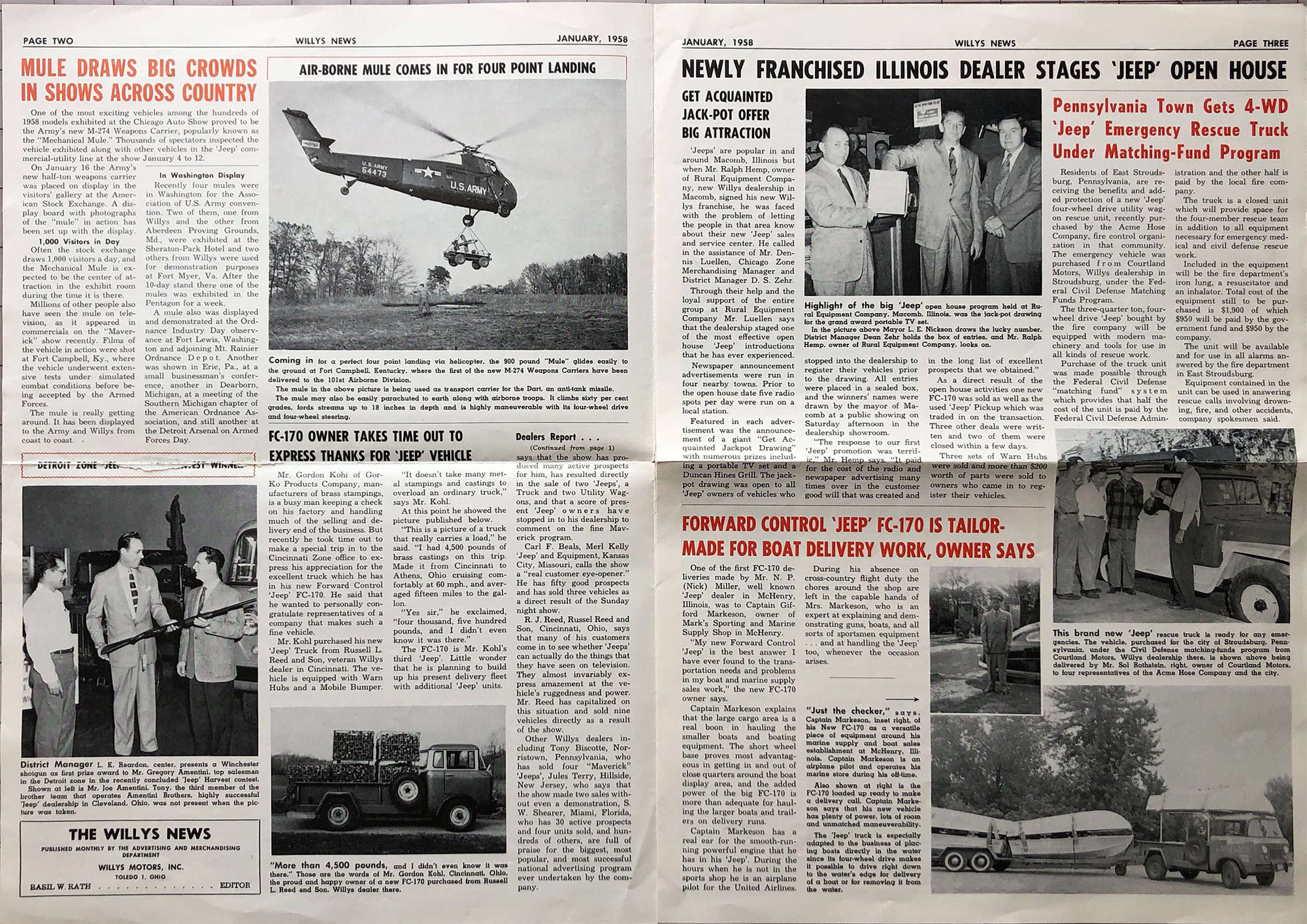
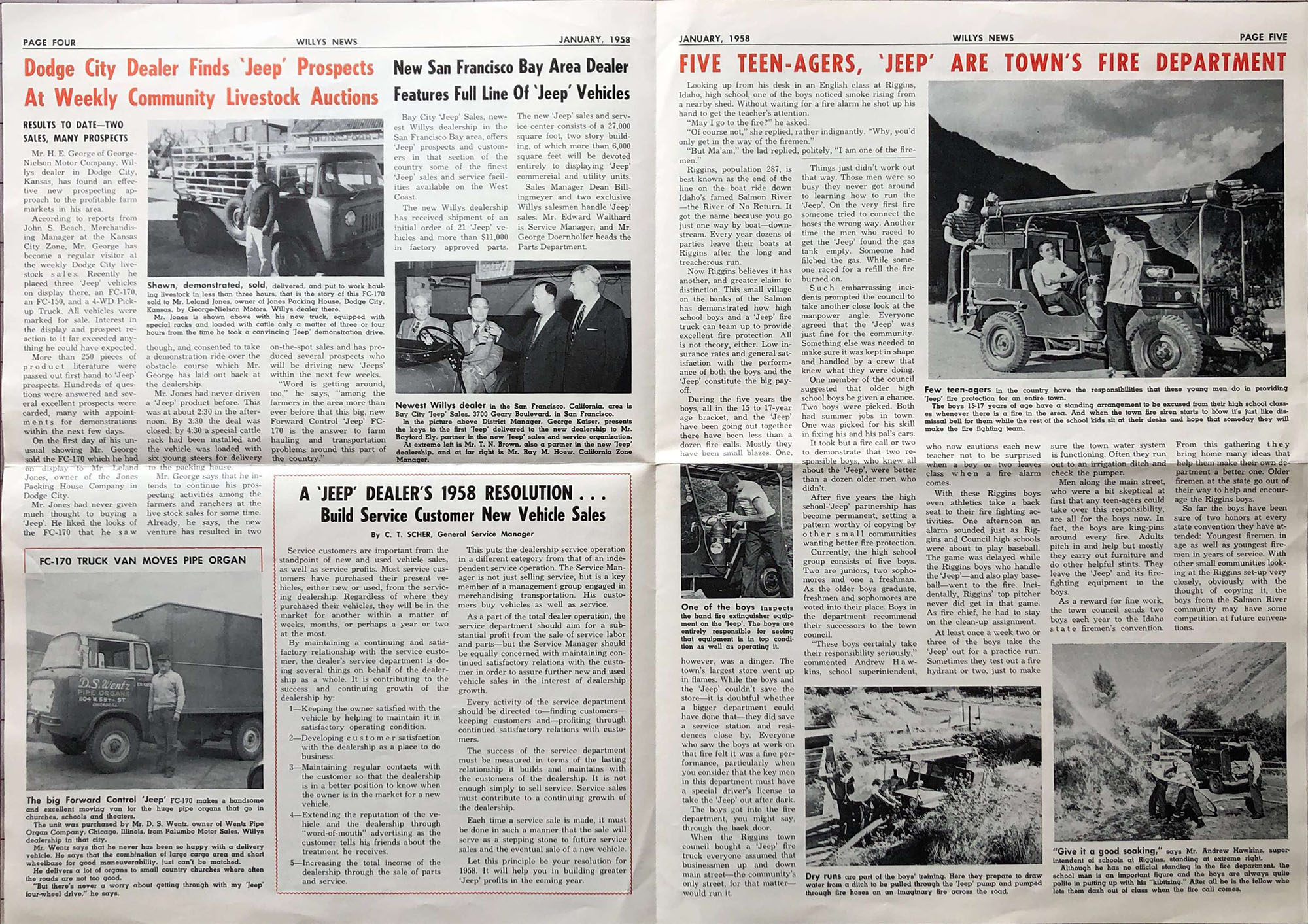
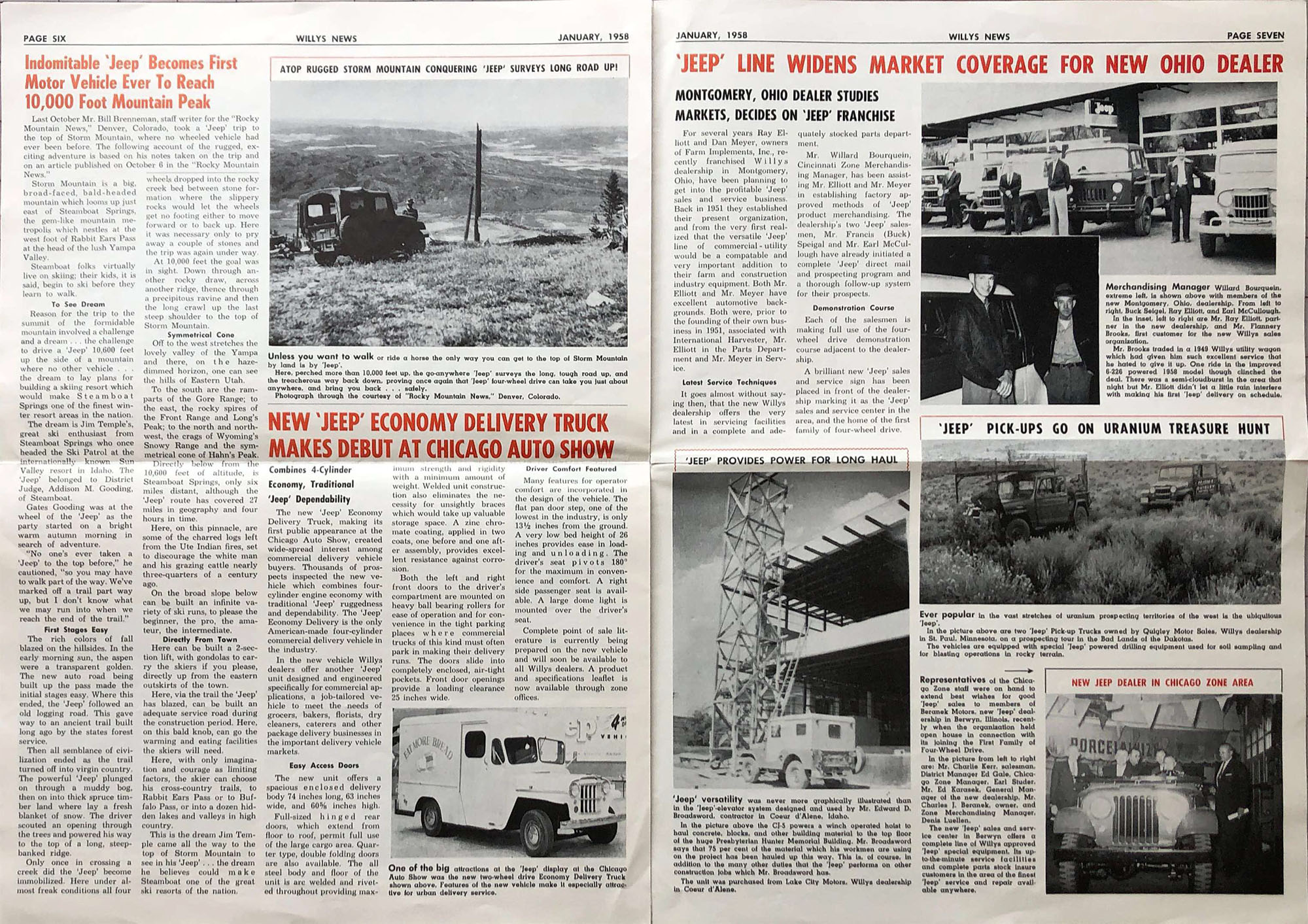
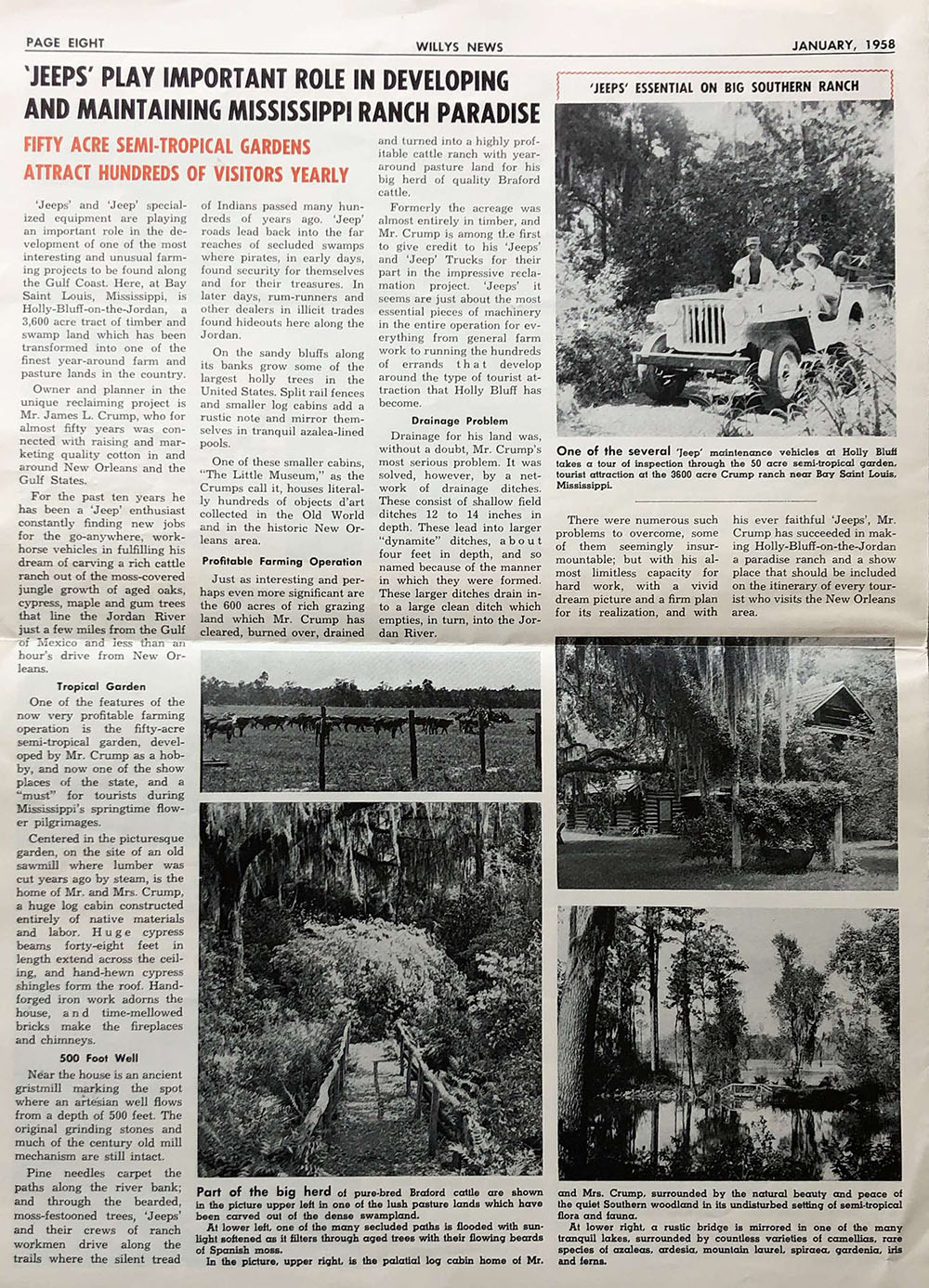
The January 1958 issue of Willys News includes a rare article on the Willys Economy Delivery Truck, which was new for 1958.
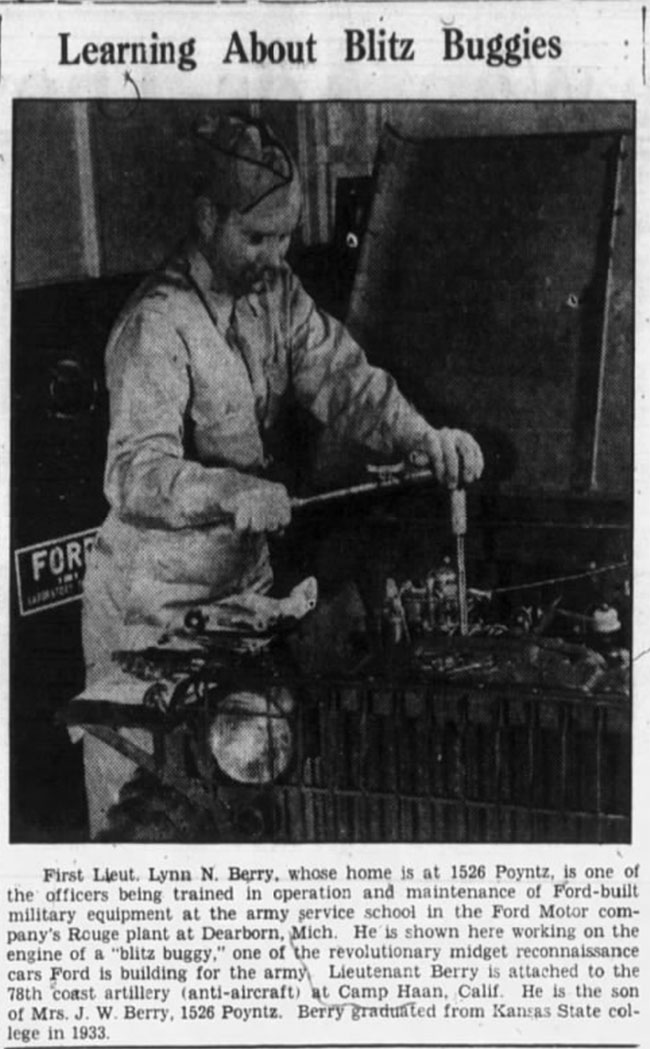
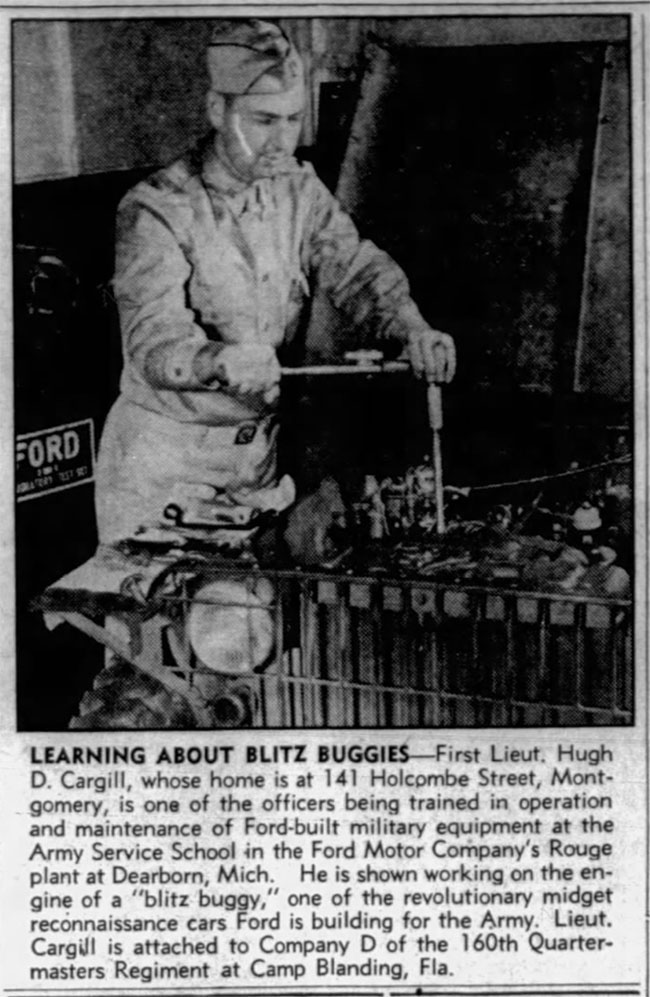
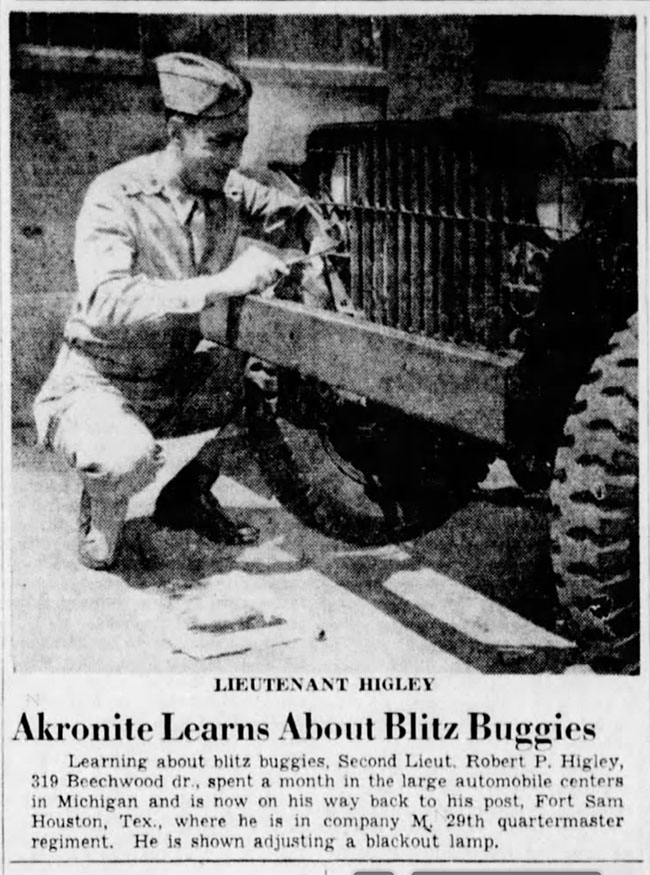
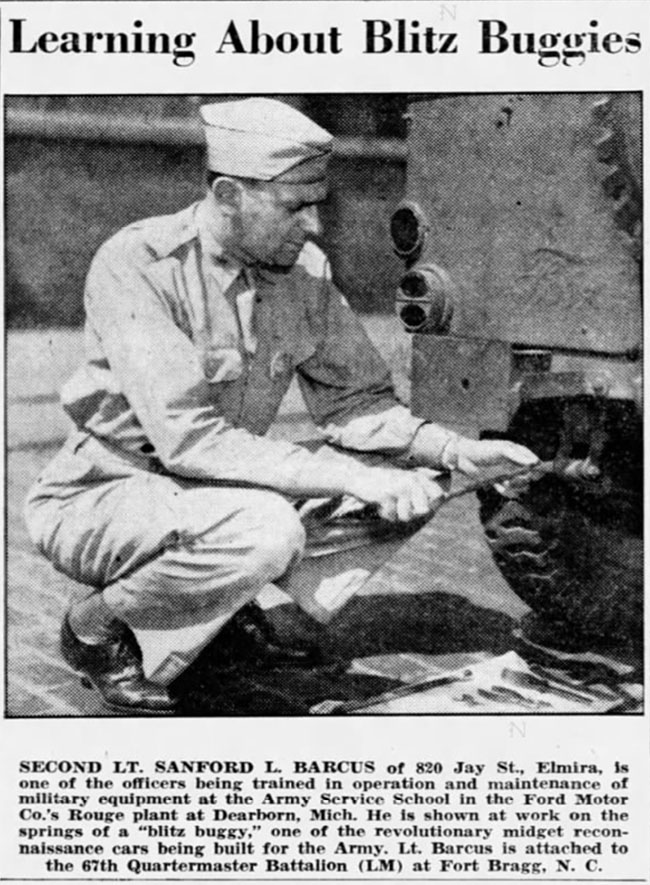
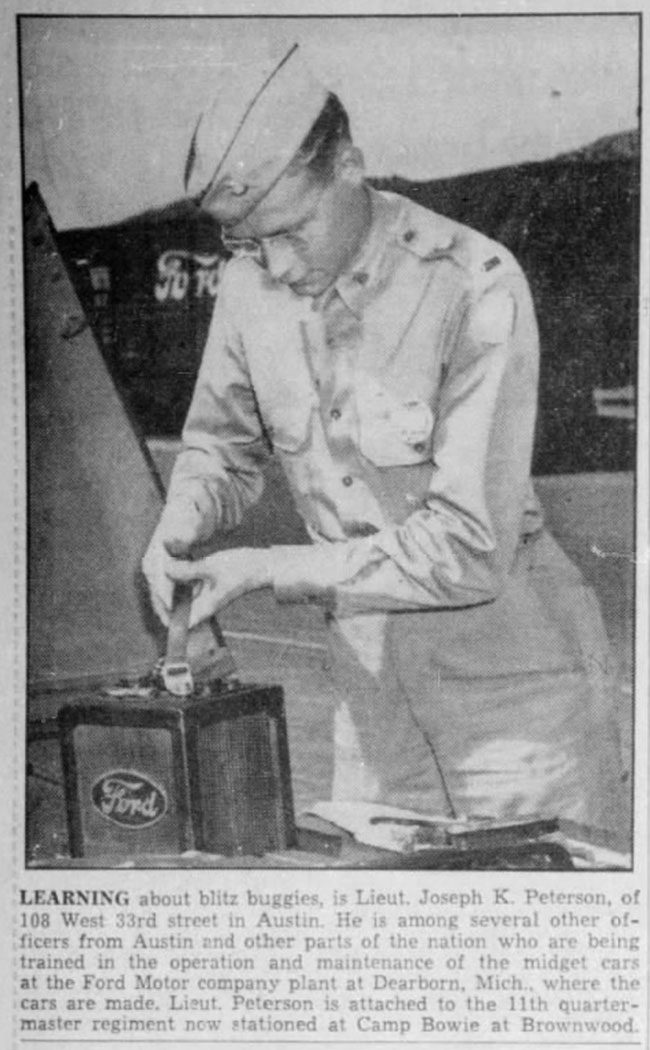
This post began as a single newspaper photo and caption titled “Learn About Blitz Buggies” that Mario posted to Facebook. Just before I readied the post, I figured I’d see if there was a better quality version of the photo he posted.
To my surprise, when I searched for “About Blitz Buggies”, the results returned numerous seemingly press release photos over the summer and fall of 1941. No credit for the photos are provided. Given the titles are mostly identical and all showed various soldiers “working” (but probably posing) in front Ford GPs, I can’t help but wonder if this was a subtle campaign by Ford Motors to encourage the adoption of the Ford GP “Blitz Buggy” by the military.
So, here are some random newspaper photos from 1941 (there are many more during 1941).
June 26, 1941, Manhattan Mercury out of Kansas:
June 17, 1941, Montgomery Advertiser out of Alabama (looks to me like the same person as above, yet the caption shows a different name):
 July 13, 1941, Akron Beacon out of Ohio:
August 16, 1941, Star Gazette out of Elmira, New York:
August 24, 1941, Austin American out of Texas (that Ford logo looks a little too obvious):
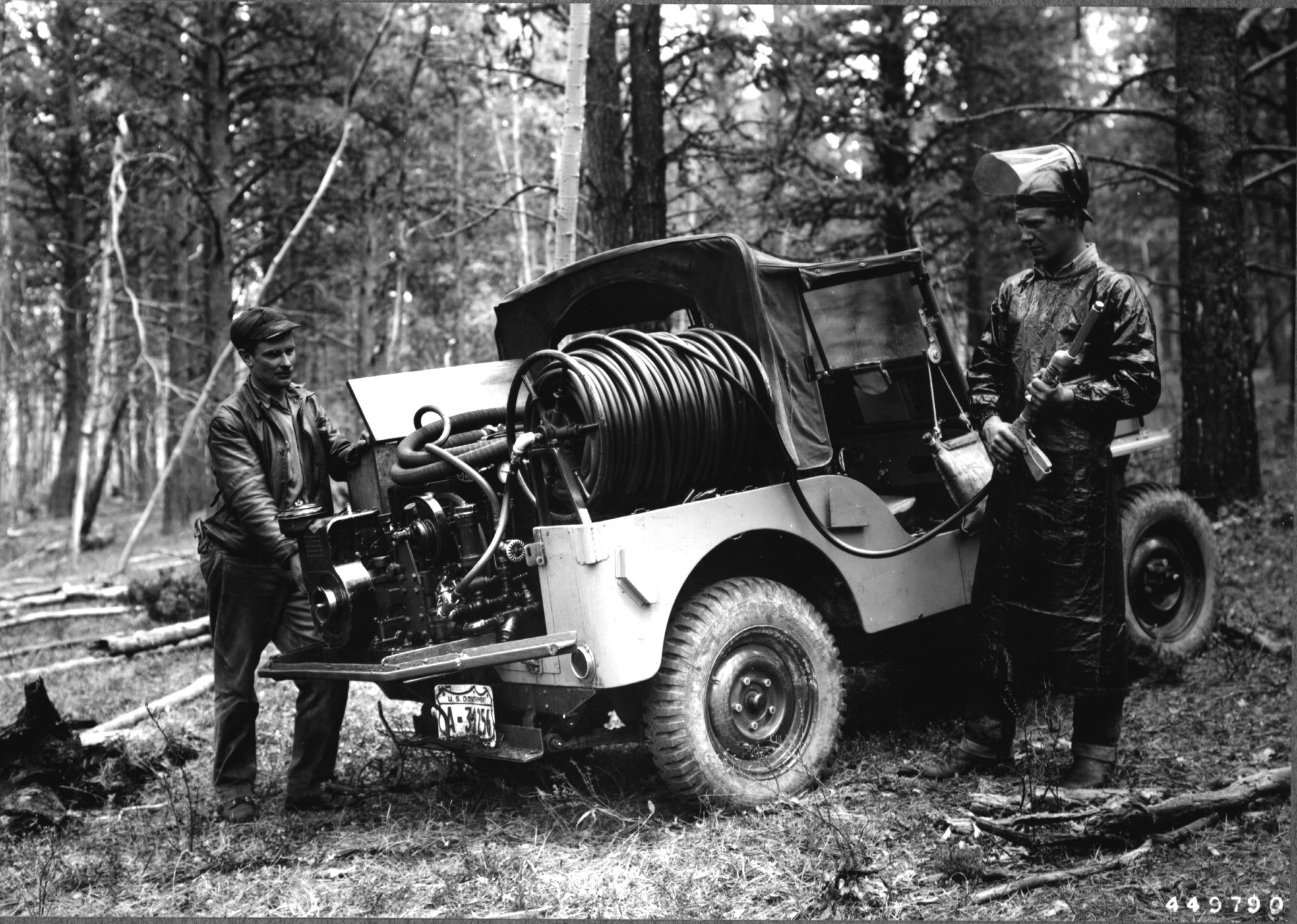
Taken by Jay Higgins on May 28, 1947, and published by the USDA Forest Service, this photo is shared on archive.org. The confusing part is that this is a May 1947 photo, but CJ-2As with passenger side bow holders weren’t supposedly built until 1948. The photo does not appear reversed, as the reflector is on the correct side in the rear.
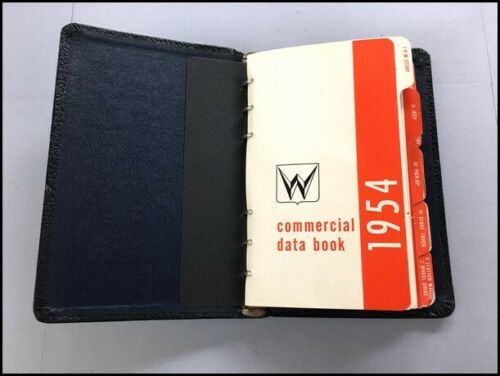
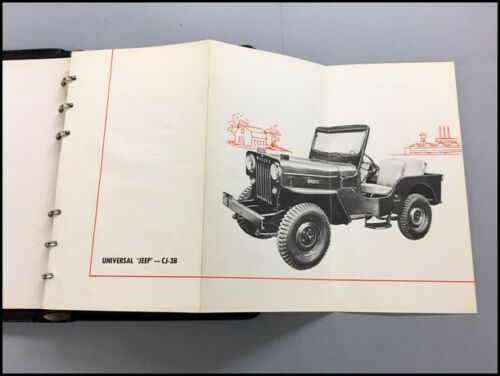
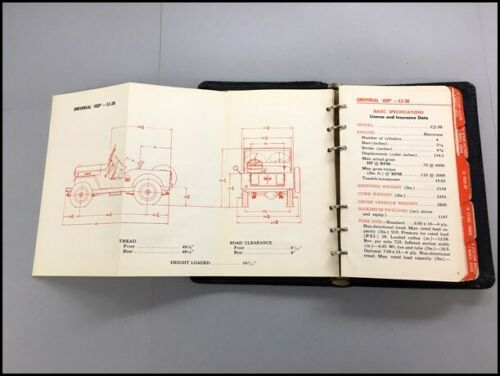
Two different 100+page Willys Commercial Data Fact Books on eBay. One is listed at $95.99 and the other at $159.99. I’ve never seen one of these, so I’m not sure all of what is inside them.
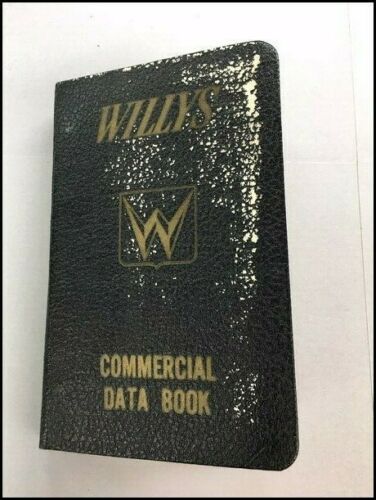
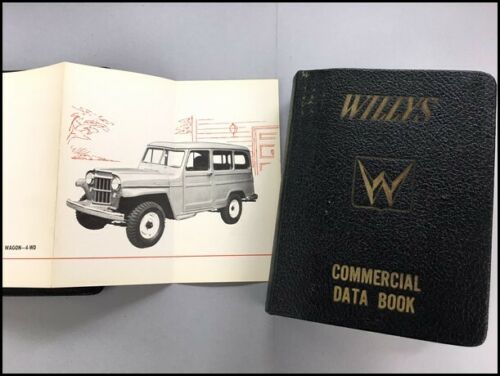
The interior pics appear the same for both:
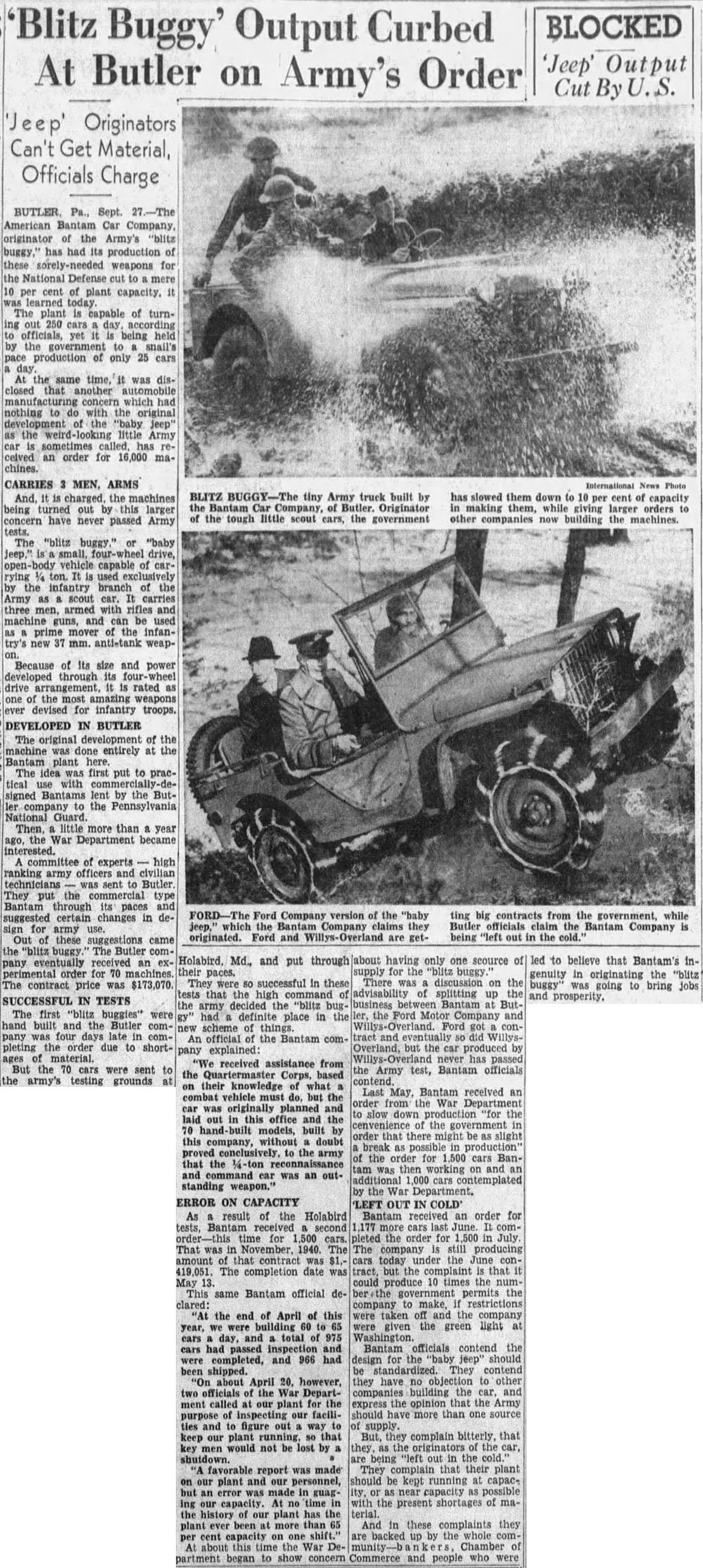
This September 28th, 1941, article covered the ‘cold shoulder’ given to American Bantam by War Department.
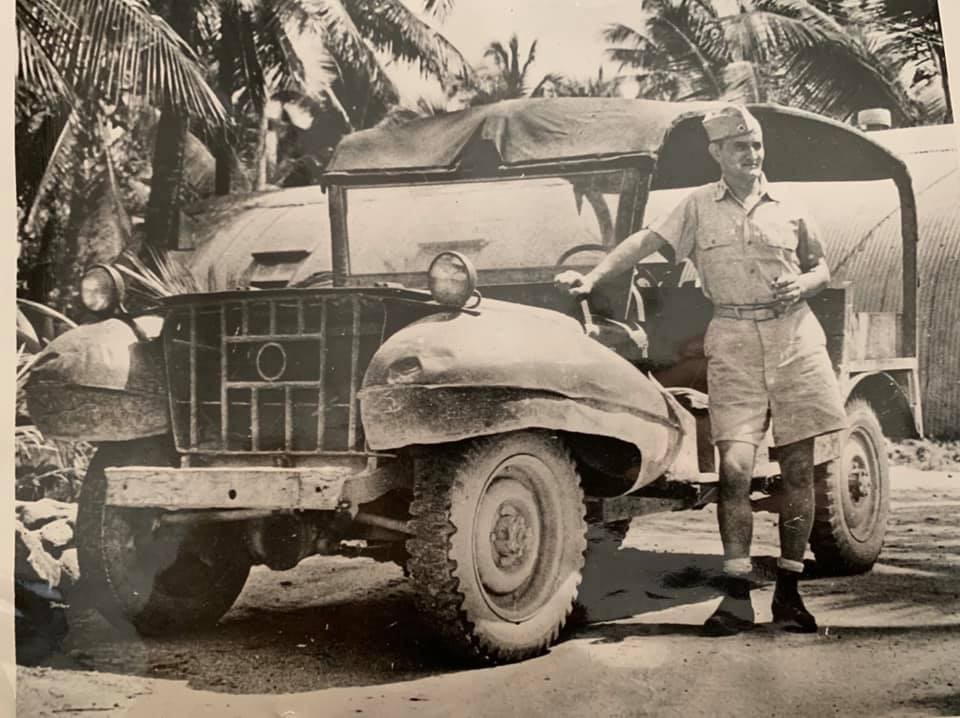
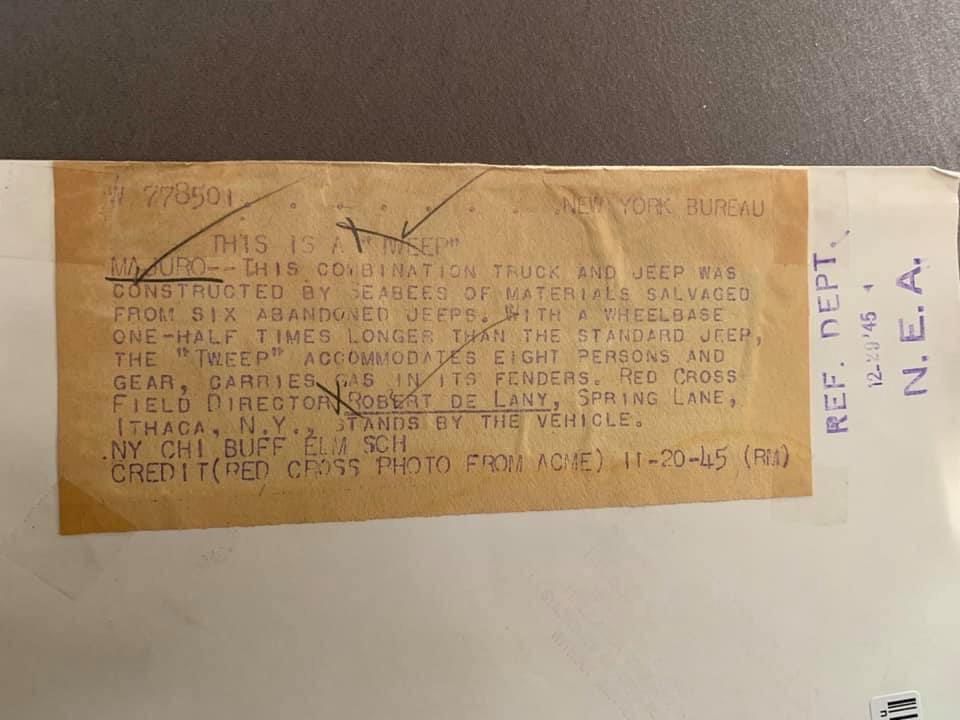
A few items I found on my phone. I think all these photos were on Facebook?
Some thought when into the mods on this jeep:
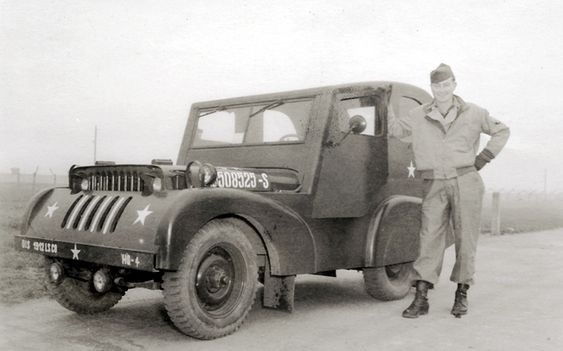
This sedan jeep is odd even for custom hardtop jeeps.
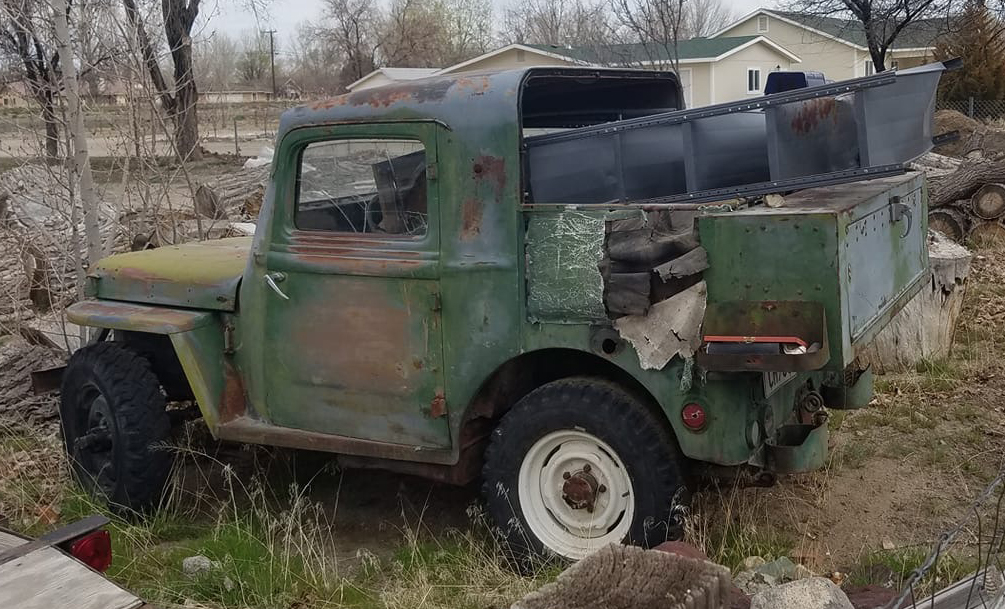
UPDATE: This brochure appeared on Facebook a while back.
===========================
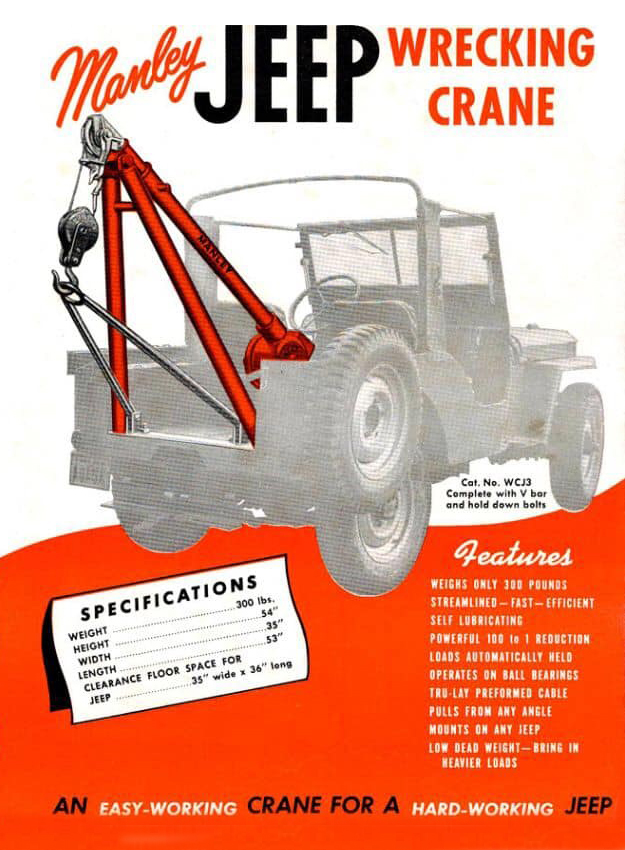
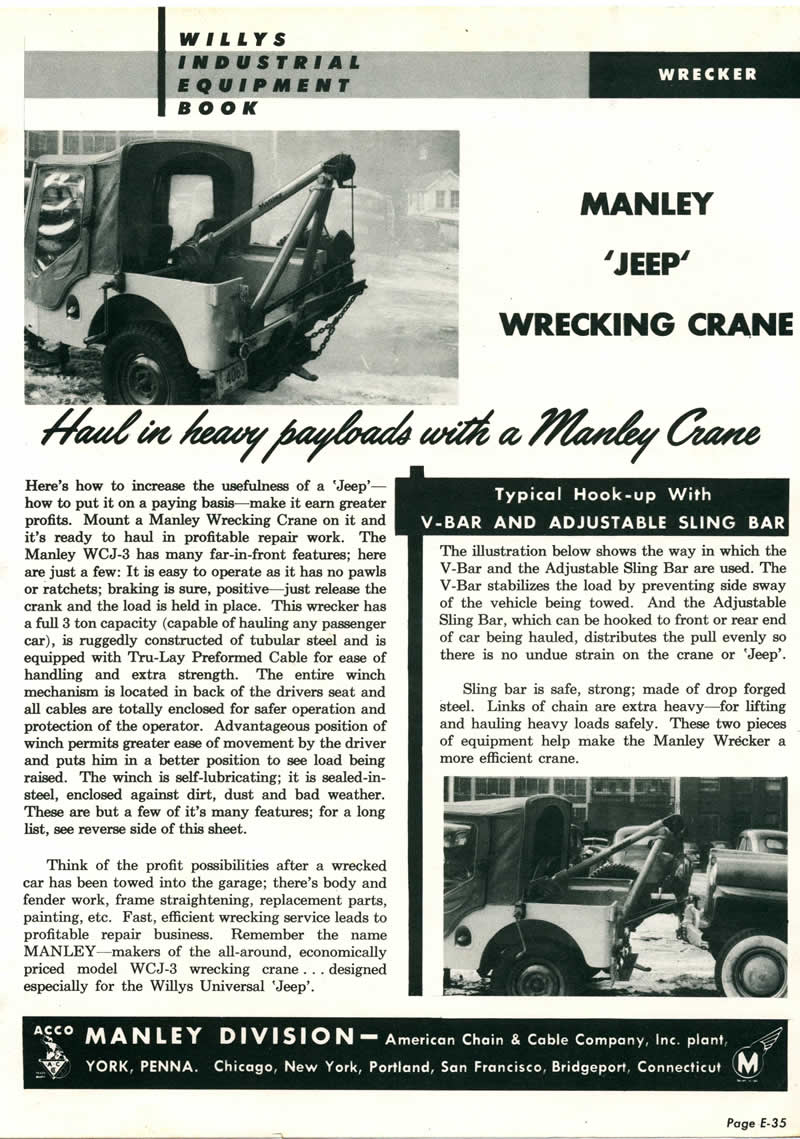
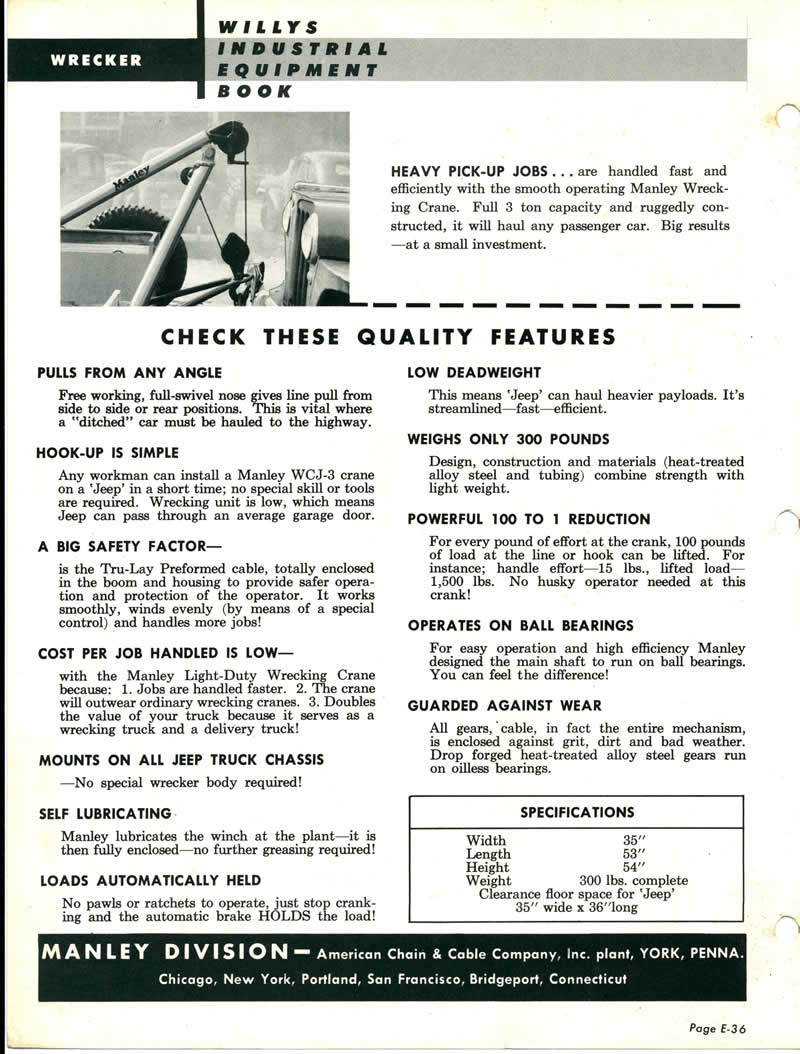
Originally published October 2016: The American Chain & Cable Company’s Manley Division produced these Jeep Wrecking Cranes in the late 1940s. I can’t imagine there are too many of these around. This brochure is from a 1948 Industrial Equipment book.
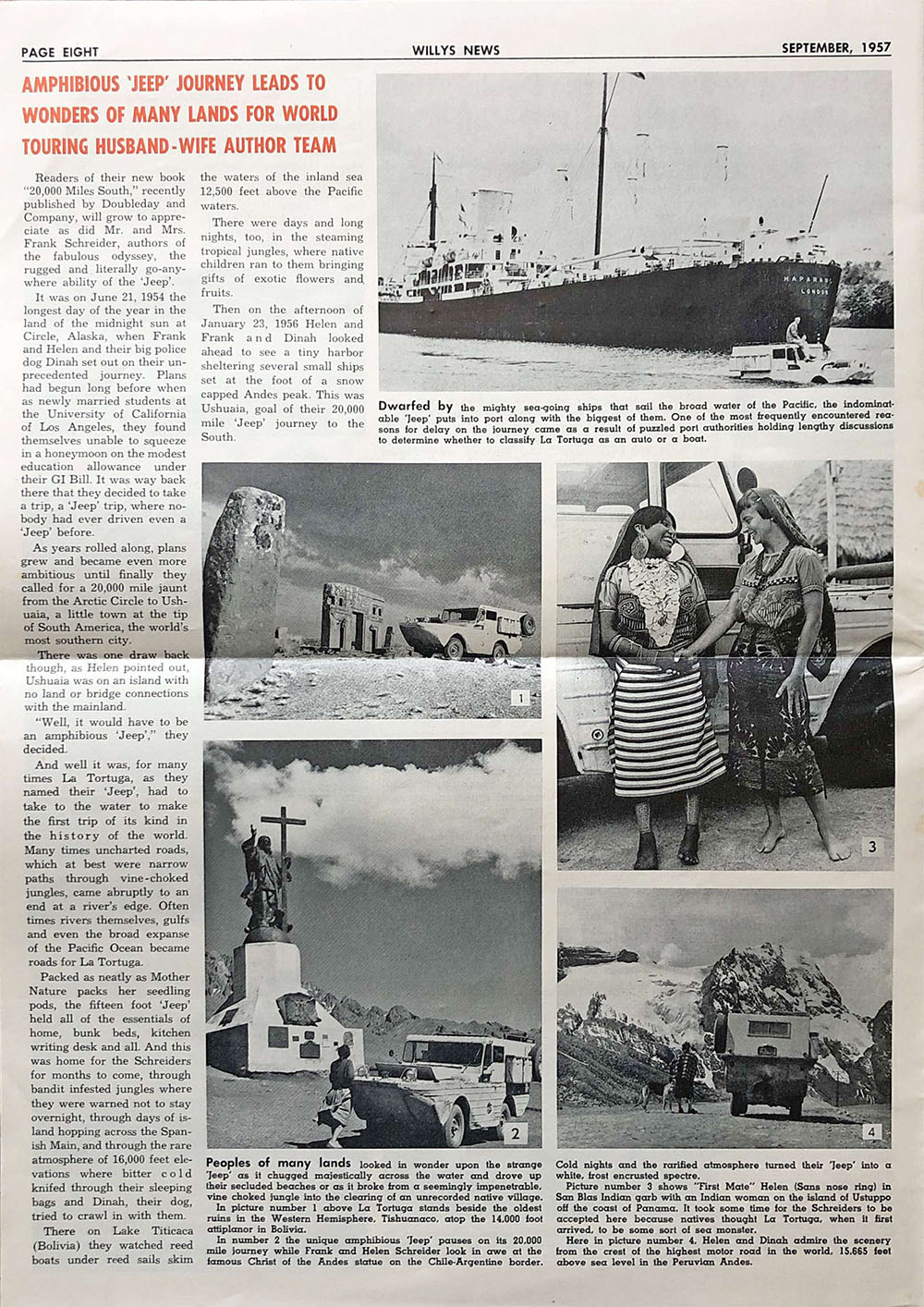
This issue has some good articles, from new dealers, to jeeps in media, to the Schreiders’ first big adventure in their Ford GPA, Tortuga, from the Arctic Circle to Argentina (opposite direction of yesterday’s adventure).