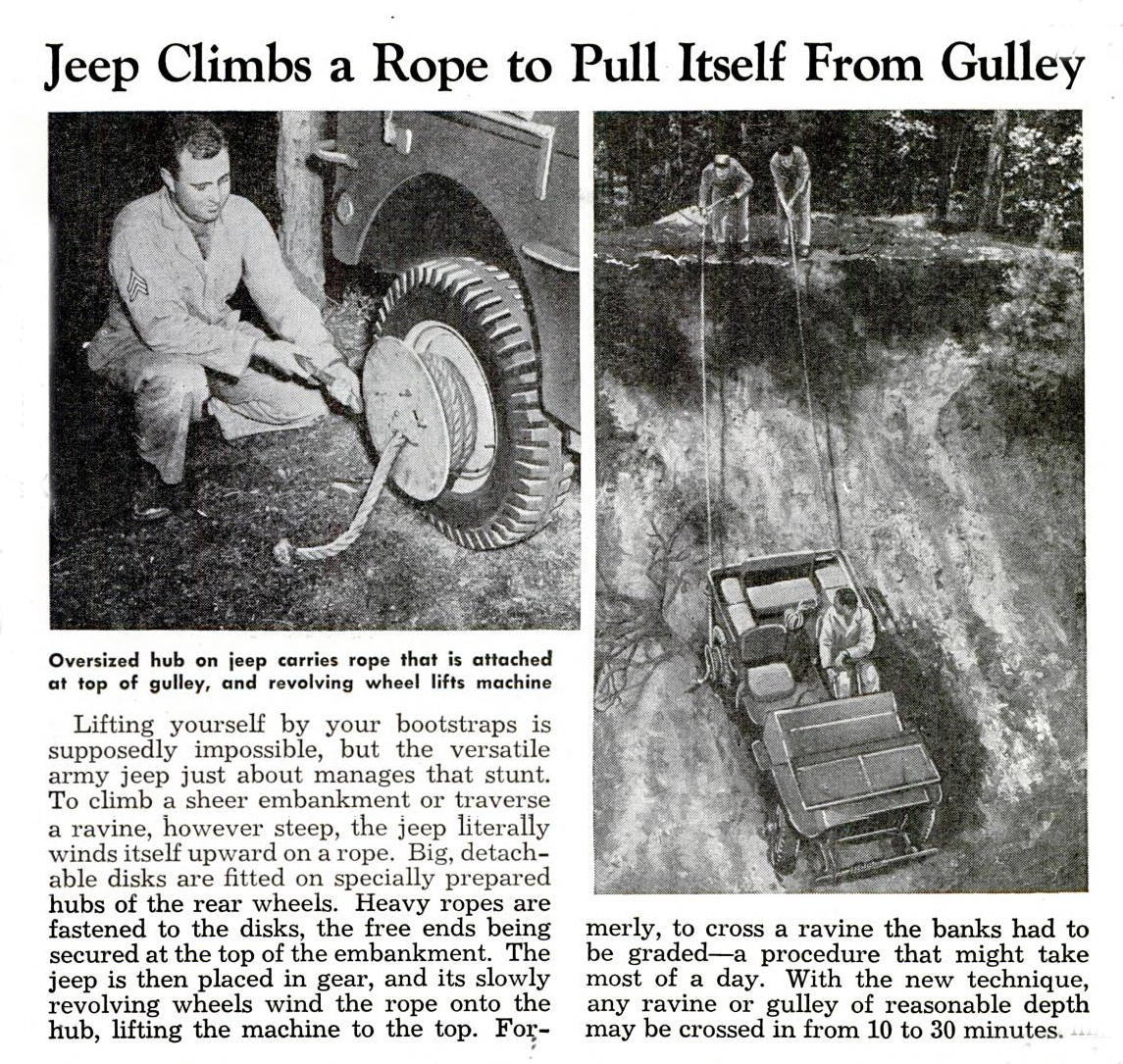
This is the earliest use of jeep hubs as winches that I can remember documenting. It was publishing in the July 1943 issue of Popular Mechanics. The McCain hub was a similar, much later idea.
emailNeed to contact me and don't have my email? Click on email button.
Welcome to eWillys.com, a website for vintage jeep enthusiasts. I update this website nearly every day with jeep deals, jeep history, interesting reader projects, jeep related info, and more.
These quick searches can help you find things on eBay. People list in the wrong categories all the time, so don't be surprised to see brochures in the parts area for example. This section used to be split into jeeps, parts and other categories, but recent changes to eBay will require this information to be recoded.
The links to posts below show jeeps grouped by models, condition, and other ways. Some of these jeeps are for sale and others have been sold. If you are unsure whether a vehicle is still for sale or not, email me at d [at] ewillys.com for more info.
There are plenty of interesting, unusual, historic and surprising stories related to Jeeps and their owners. In addition, some of these features have nothing to do with jeeps. This link will display all featured stories starting from the latest.
Looking for parts and not sure where to go? There are a variety of large and small new and used parts sellers both online and offline.
Importantly, the allure of buying a project jeep can be romantic. The reality of restoring a jeep can be quite different, expensive and overwhelming without the right tools and resources. So, tread carefully when purchasing a "project". If you have any concerns about buying a vintage jeep, or run across a scam, feel free to contact me for help, comments or concerns .
This is the earliest use of jeep hubs as winches that I can remember documenting. It was publishing in the July 1943 issue of Popular Mechanics. The McCain hub was a similar, much later idea.
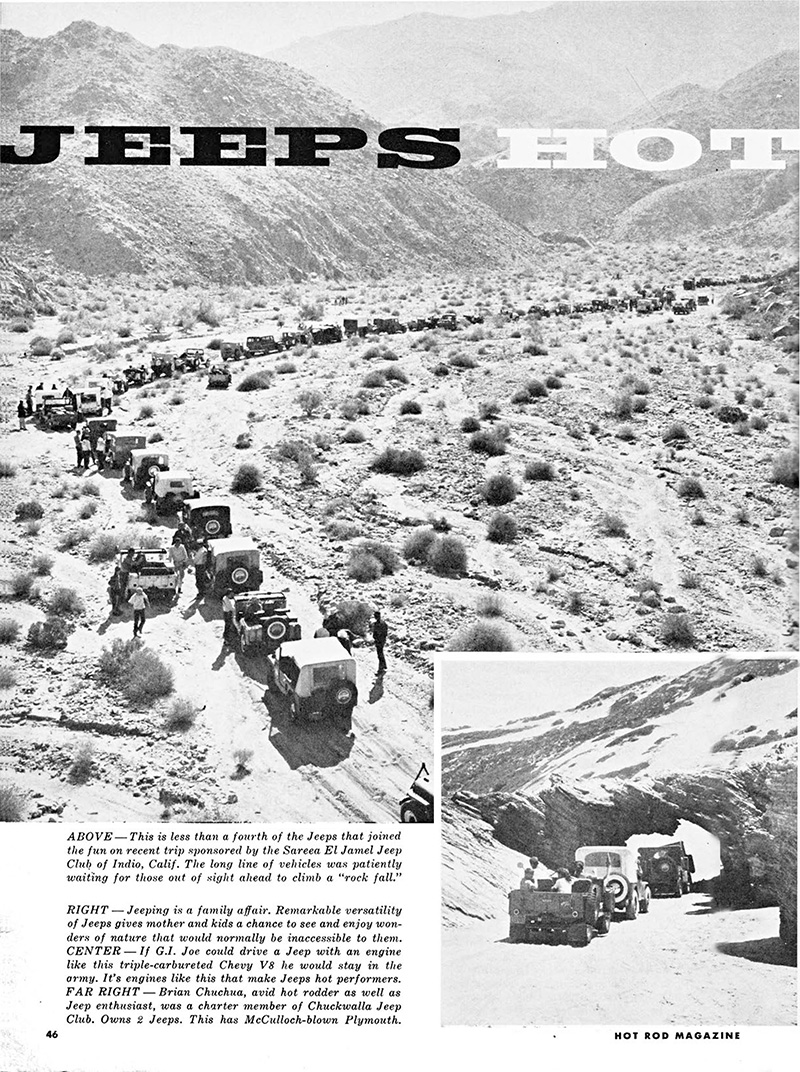
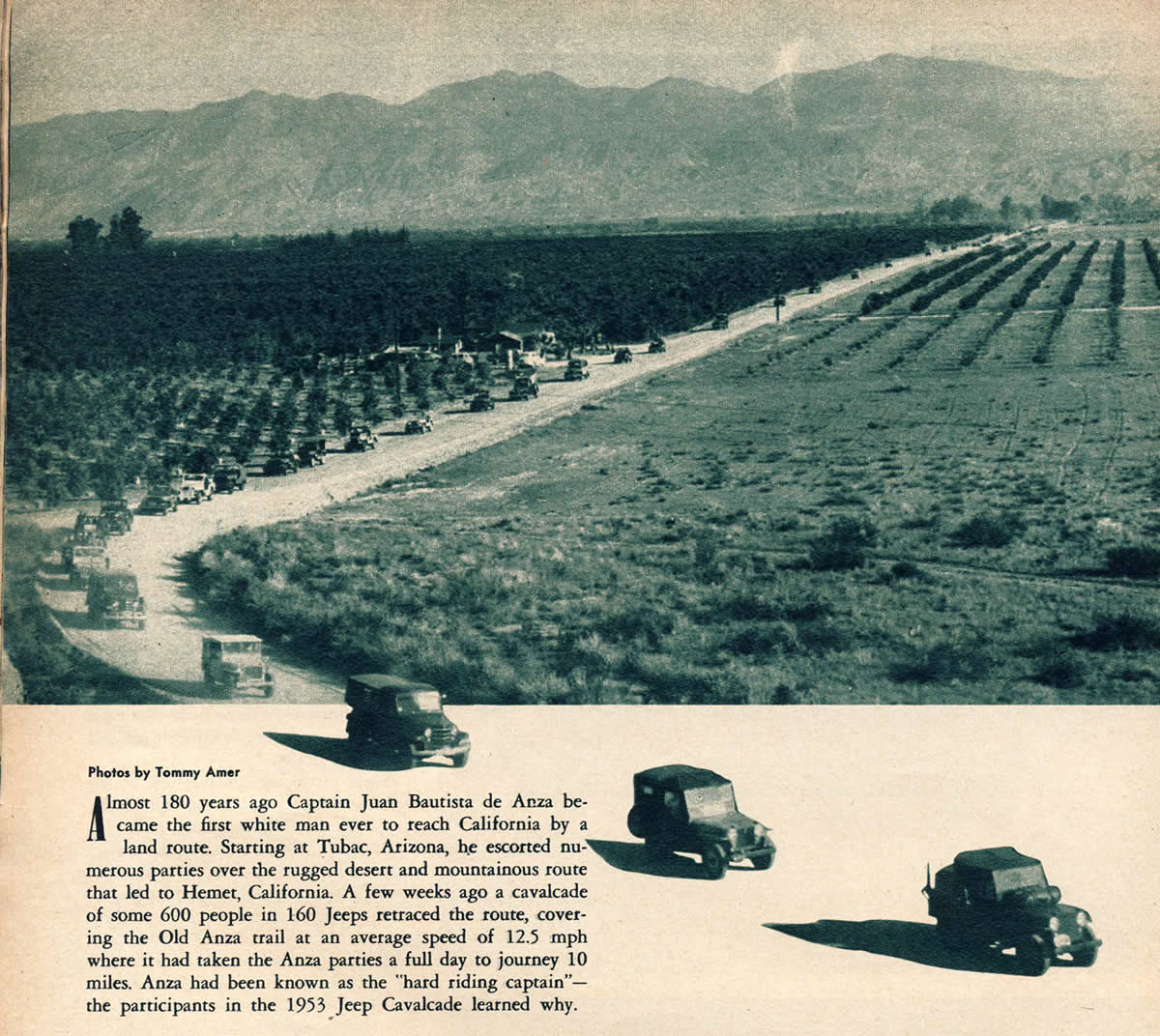
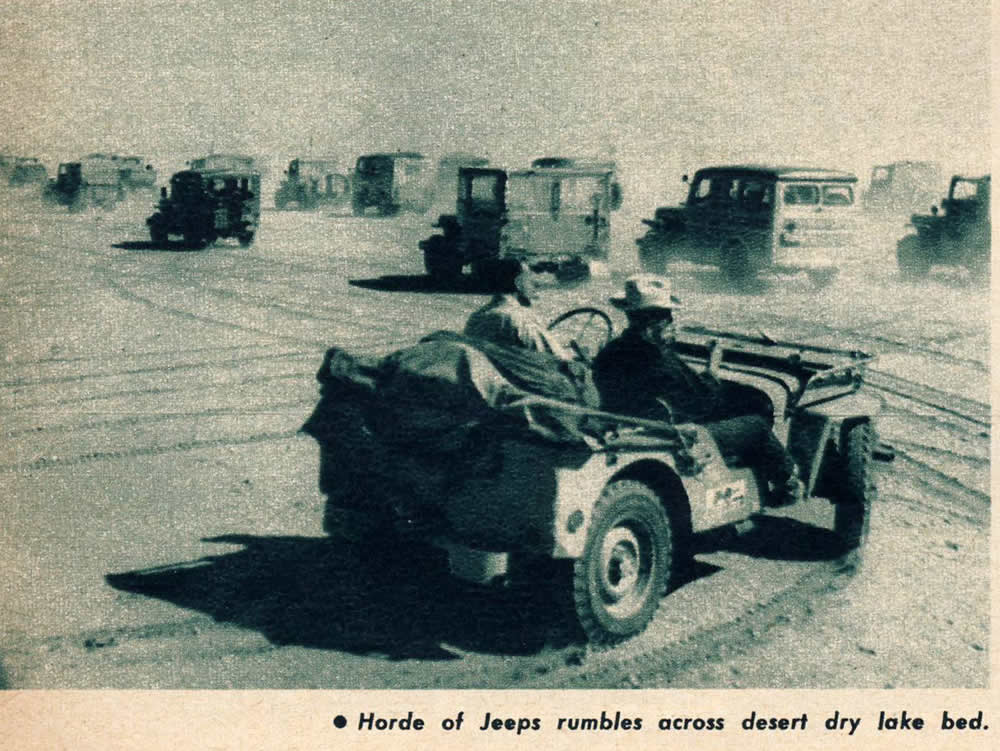
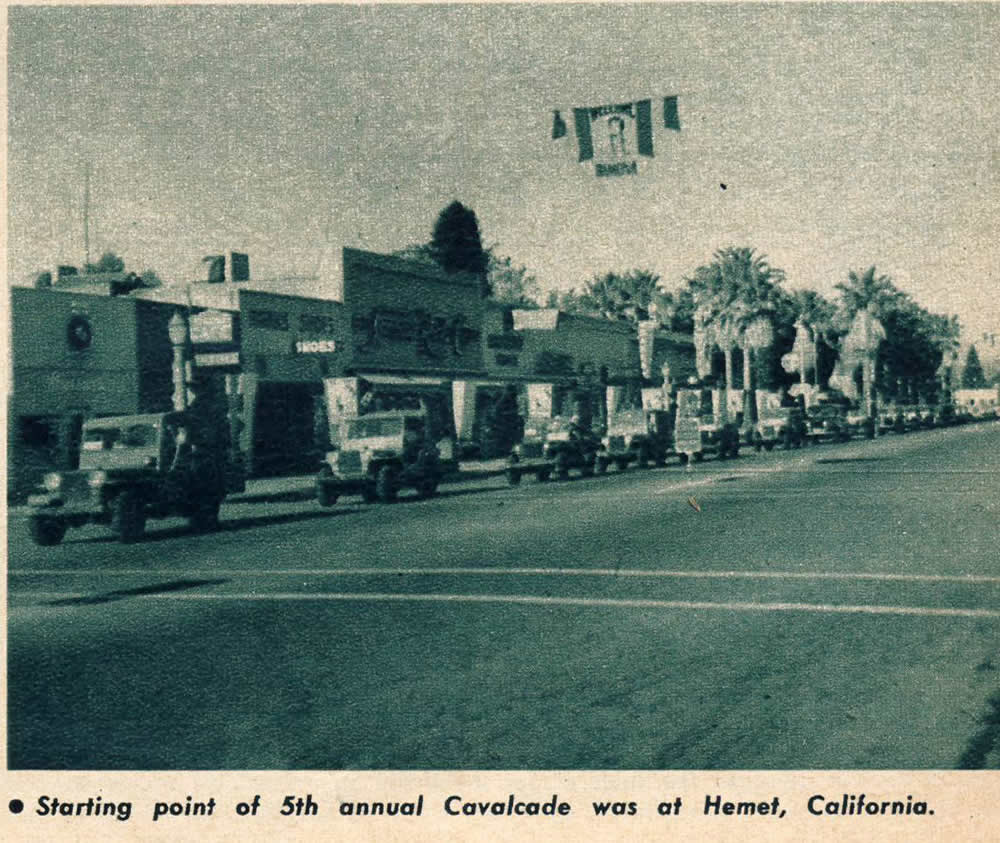
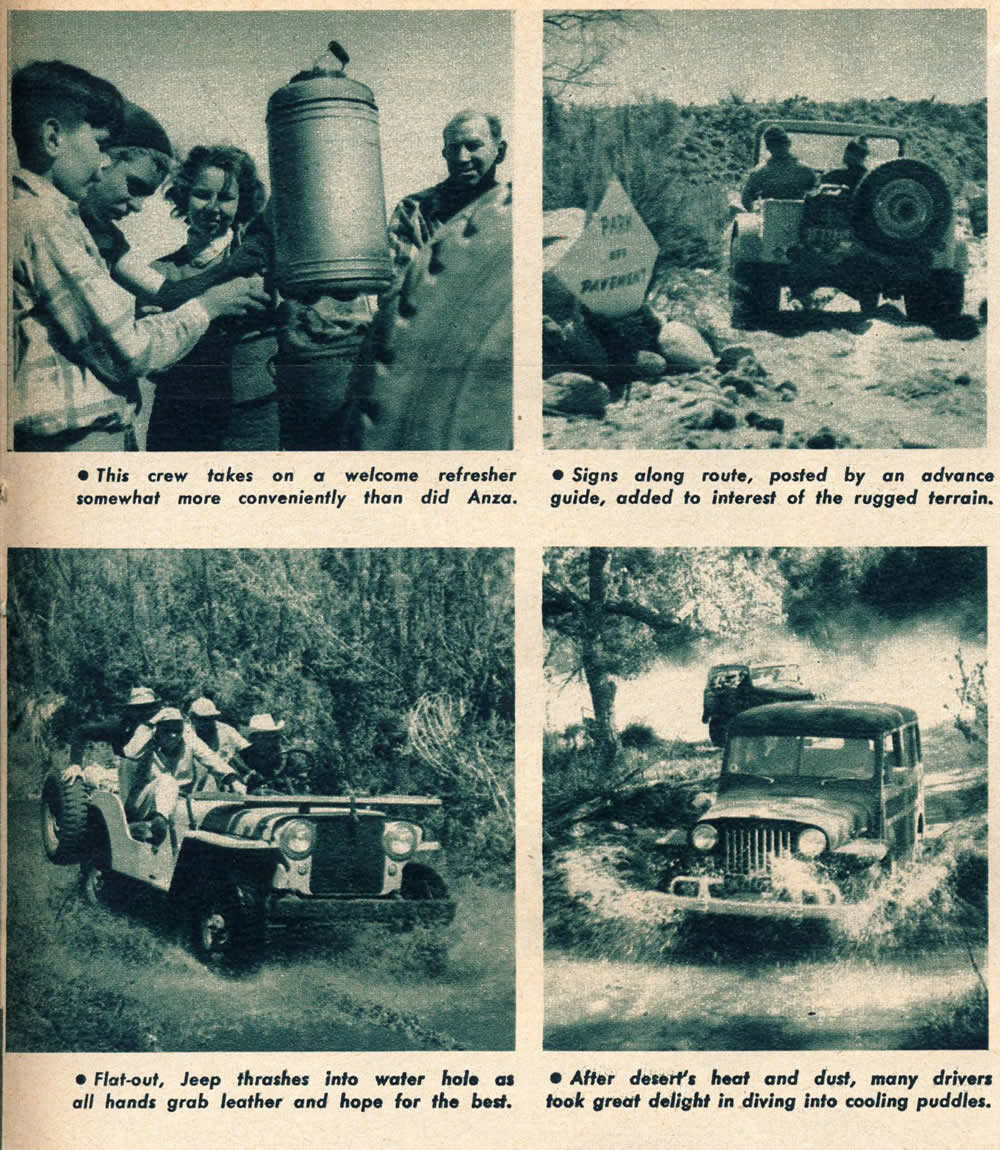
This two page article appeared in the July 1953 issue of Hot Rod Magazine. It’s mostly a photographic spread about the trek over the Anza Trail. Six hundred folks in one hundred and sixty jeeps participated in the trip.

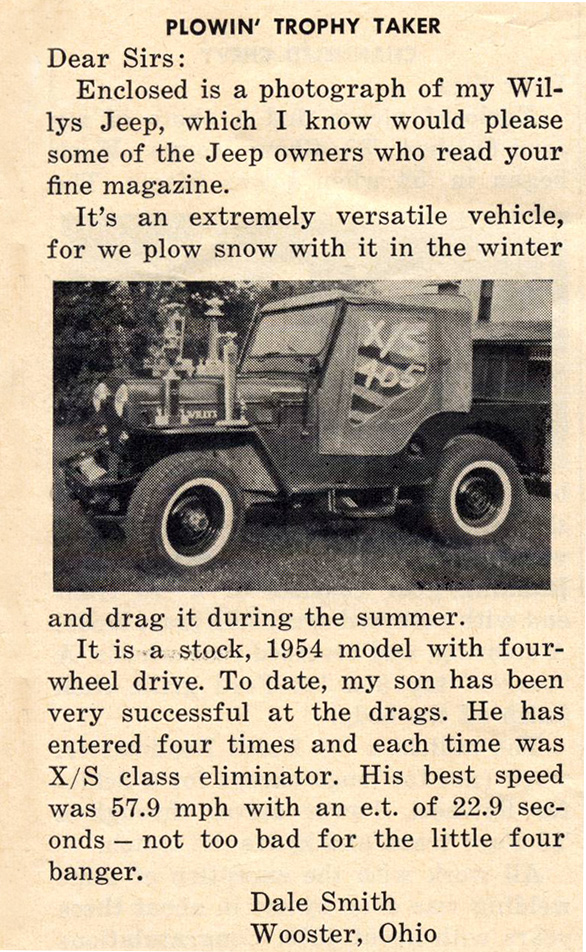
The September 1961 issue of Hot Rod Magazine included this reader-submitted photo. The owner explained that the jeep did well as a drag racer (in the stock 4cyl class I’m sure) when they weren’t using it as a plow jeep.
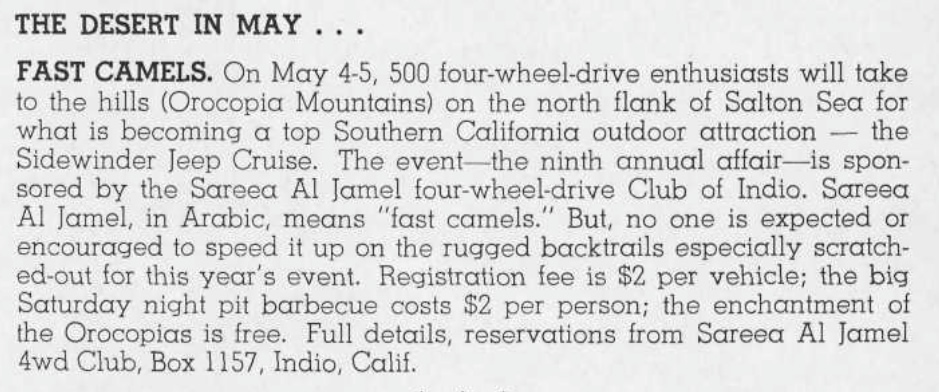
In September of 1961, Hot Rod Magazine published this article about the Saleea Al Jemel jeep club’s Sidewinder Cruise (first documented jeep club, formed in 1946) in Southern California. The article covers various V8 upgrades installed in flat fender jeeps, with a focus on Brian Chuchua’s Plymouth V8 install.
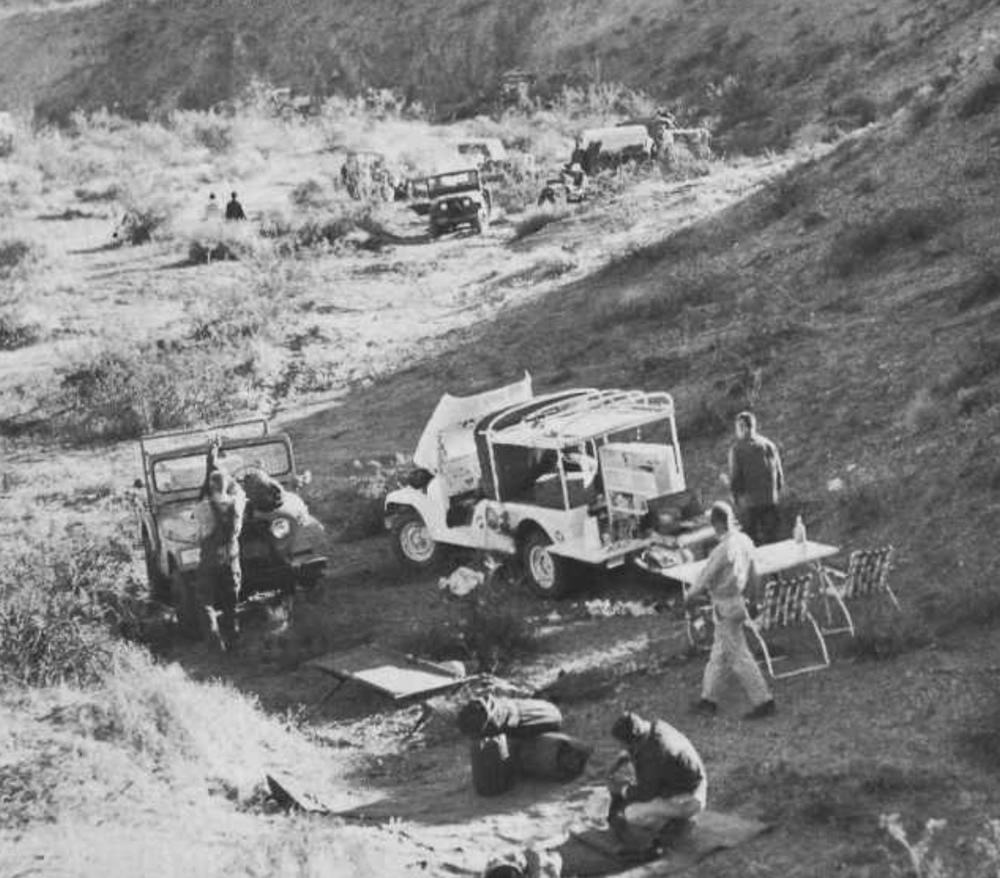
This photo and caption appeared in the May 1963 issue of Desert Magazine. Note the camping modifications on the CJ-6 in the foreground. Looks like a pretty interesting rig.
I accidentally ordered an issue of Willys News I already had. So, I’m putting this one up for sale. It has eight pages of pictures and information. These sell for between $28 – $38 on eBay. 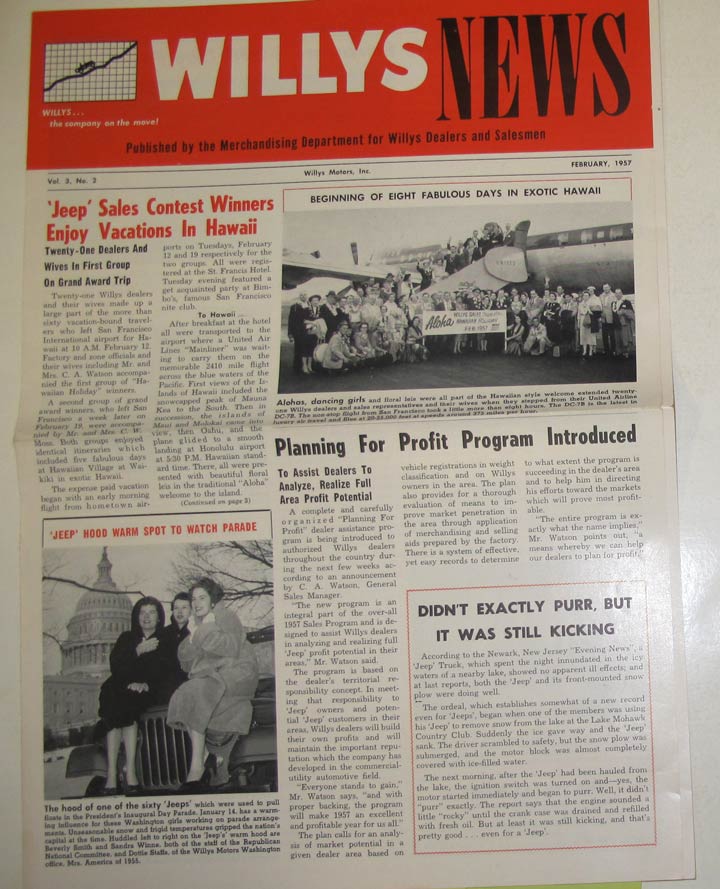
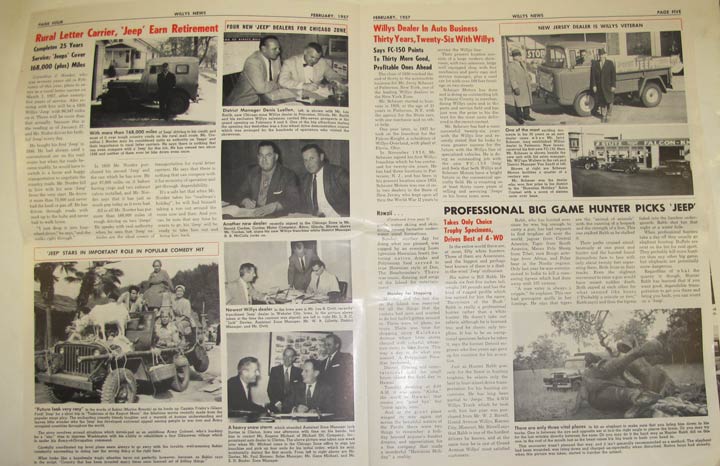
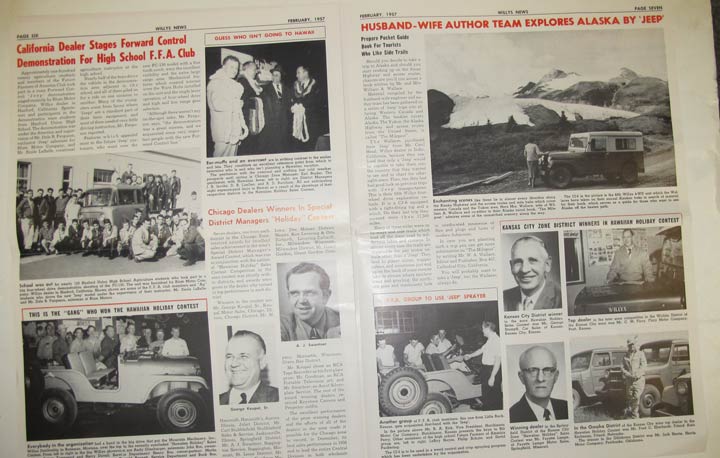
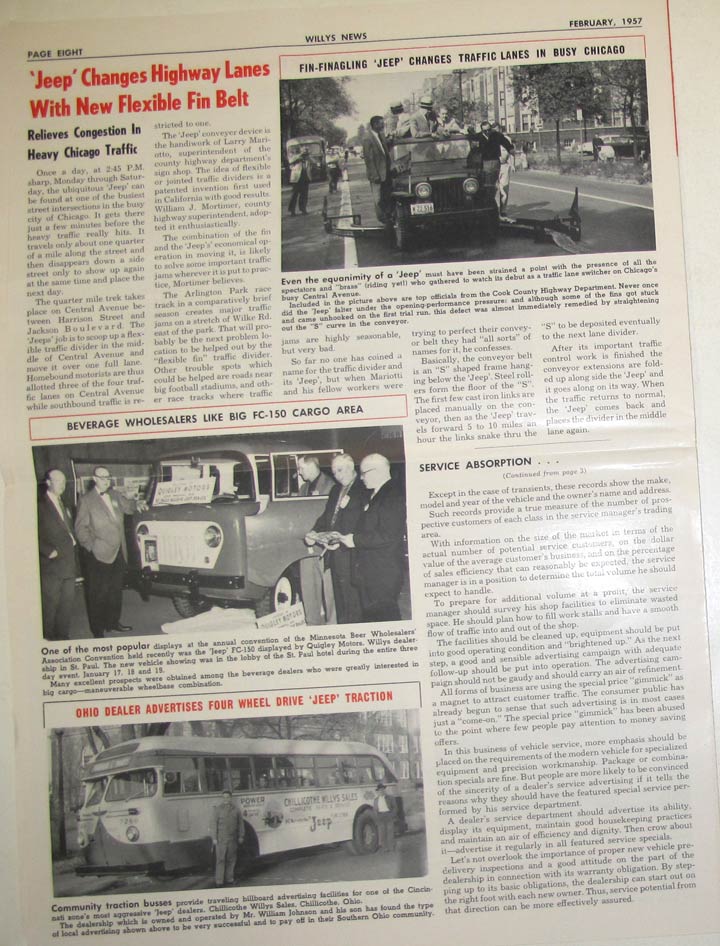
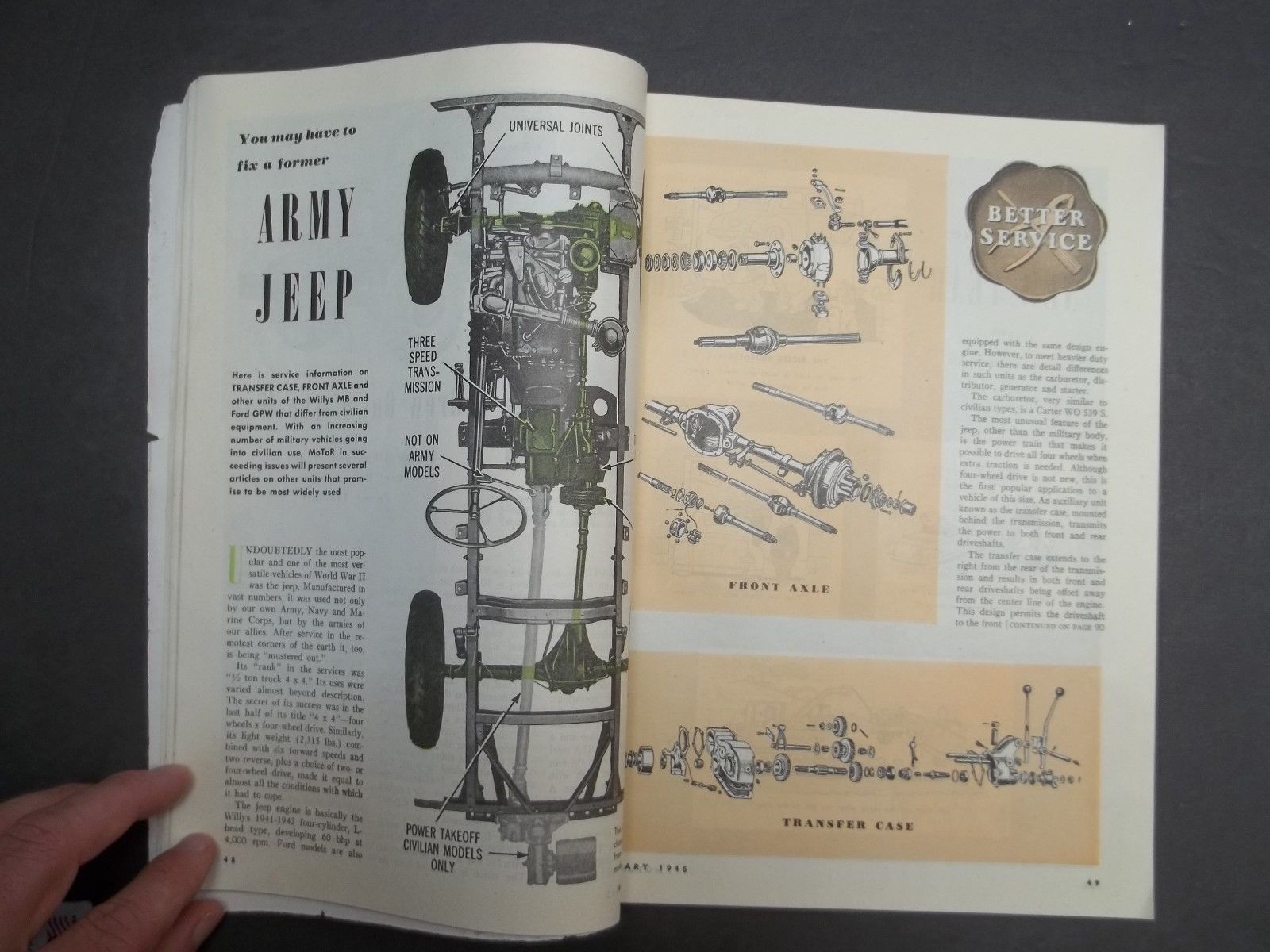
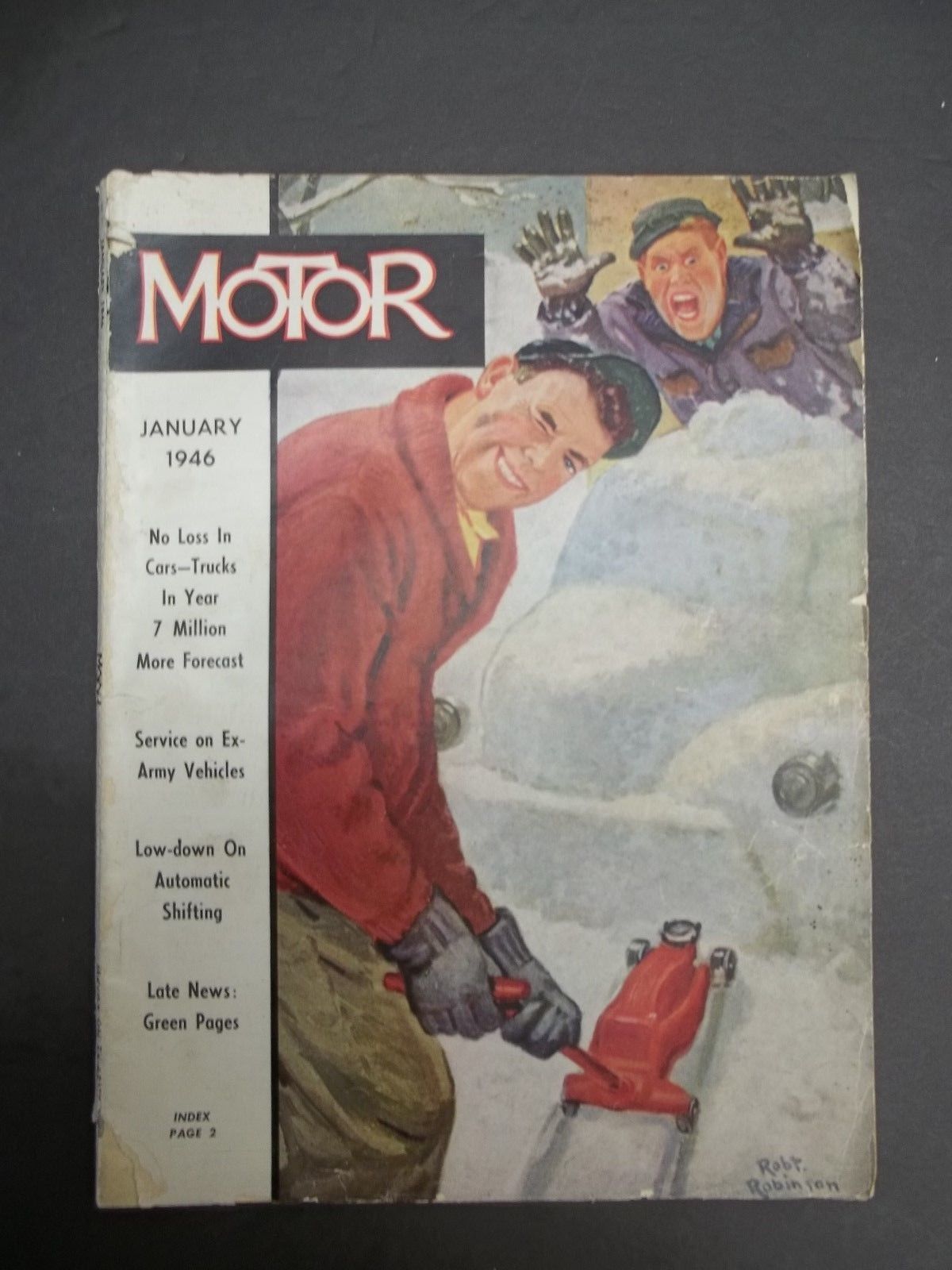
The January 1946 issue of Motor Magazine has an article about fixing the Army jeep.
View all the information on eBay
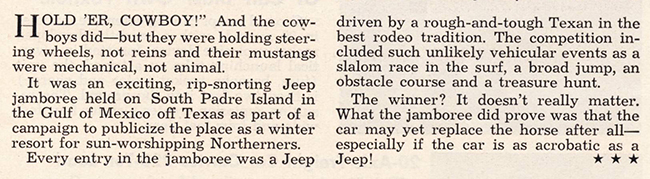
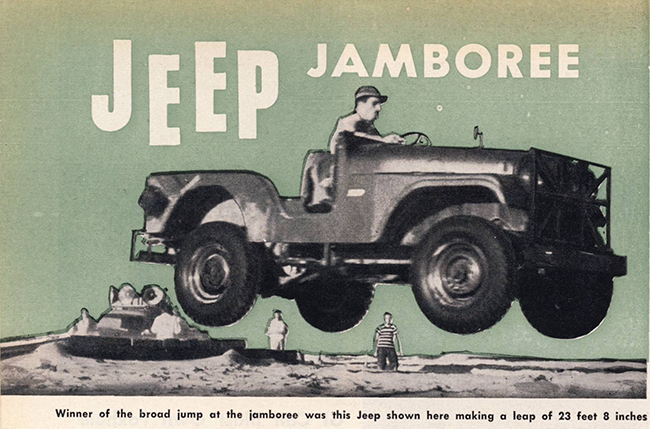
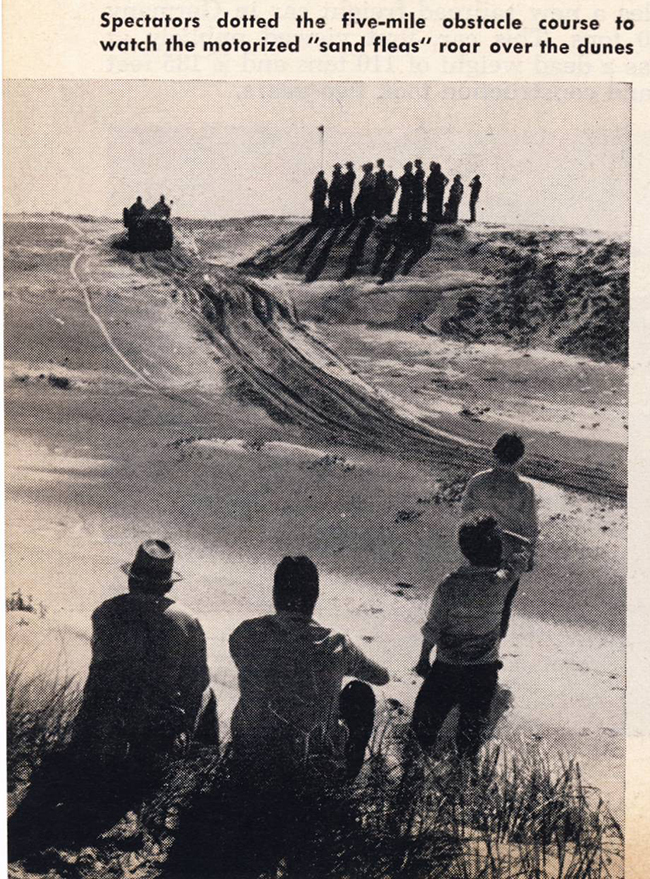
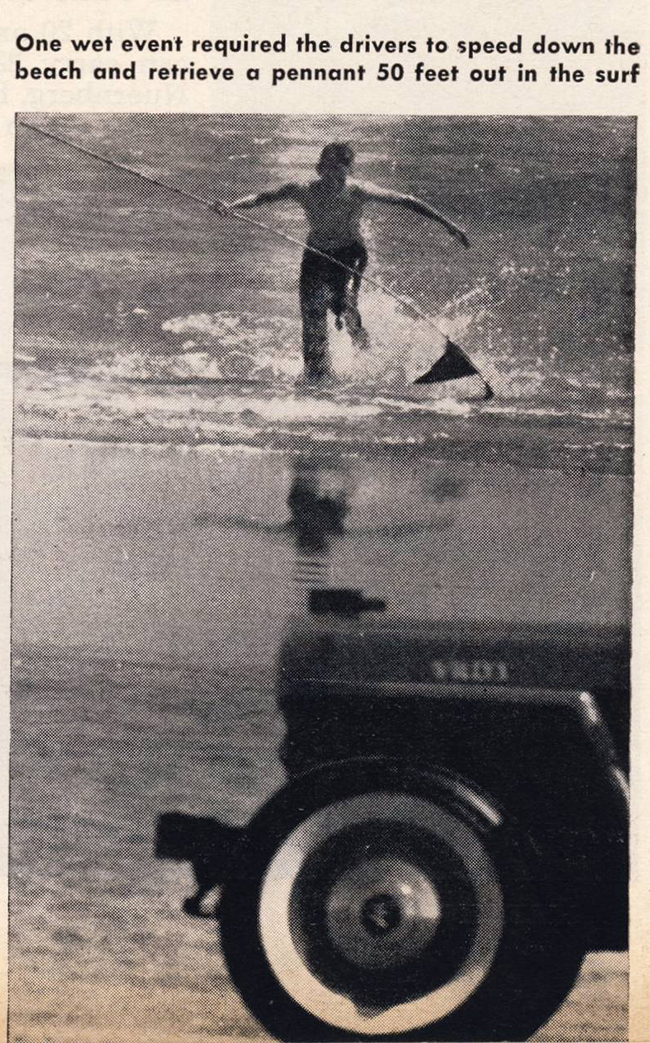
This March 1957 article from Popular Mechanics highlighted the 1957 Jeep Jamboree in Texas. A few days ago a press photo showing the photo of the DJ-3A (just the front of it) landed on eBay for sale.

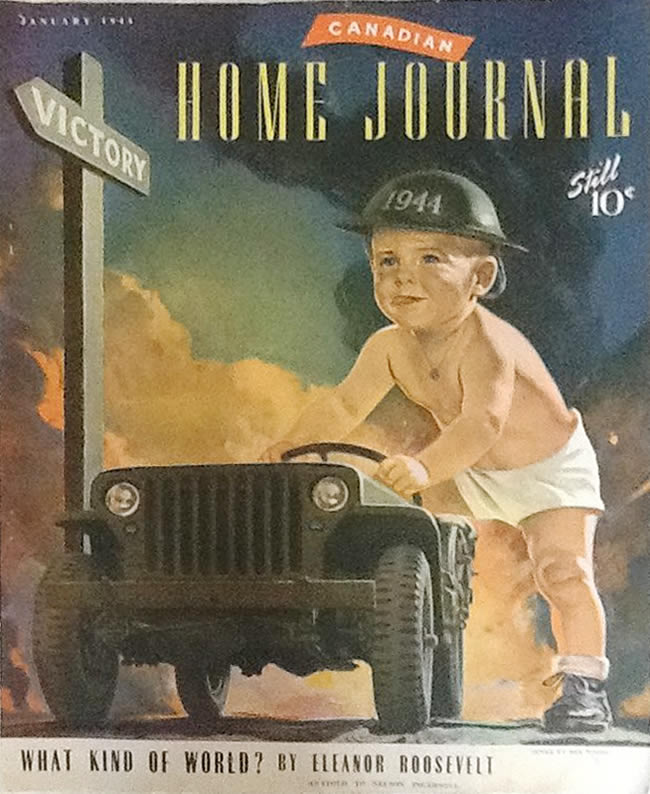
The January 1944 issue of the Canadian Home Journal featured a baby and jeep on its cover. This particularly magazine was advertised for sale on Facebook.
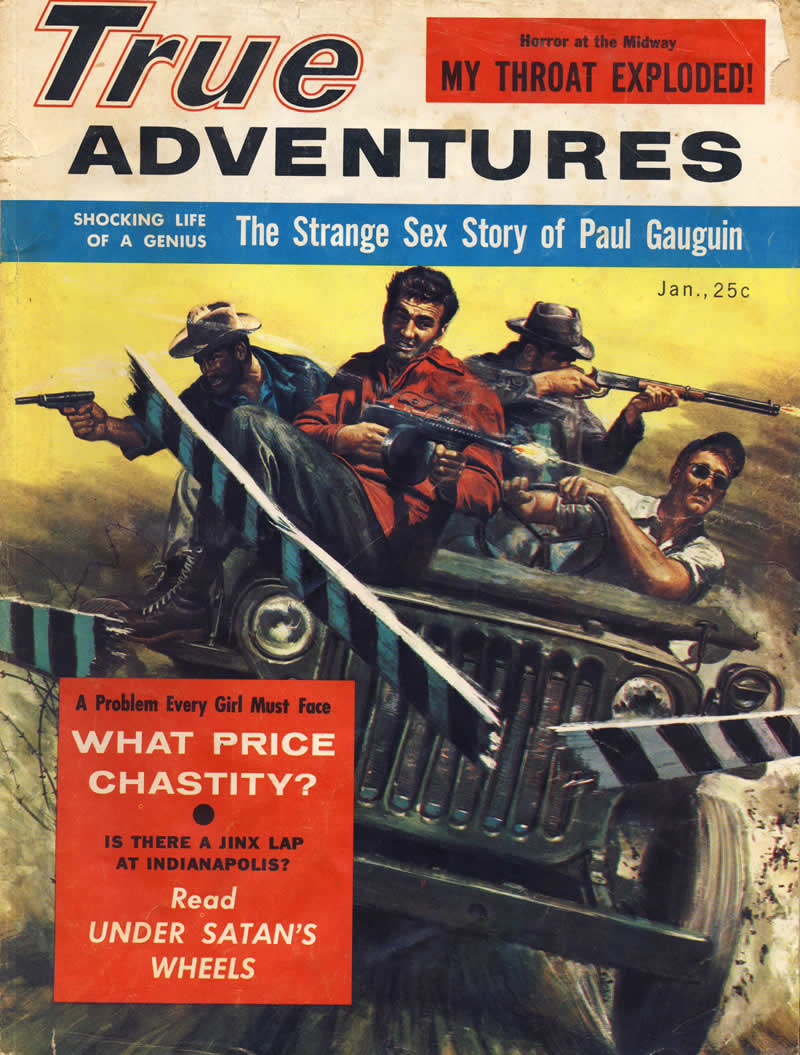
It took a chance on this January 1957 issue of True Adventures and bought it on eBay hoping to find an article that included jeeps. But, I struck out. There was nothing but scantily clad women (not that I was complaining), fantastical stories, and silly advertisements.
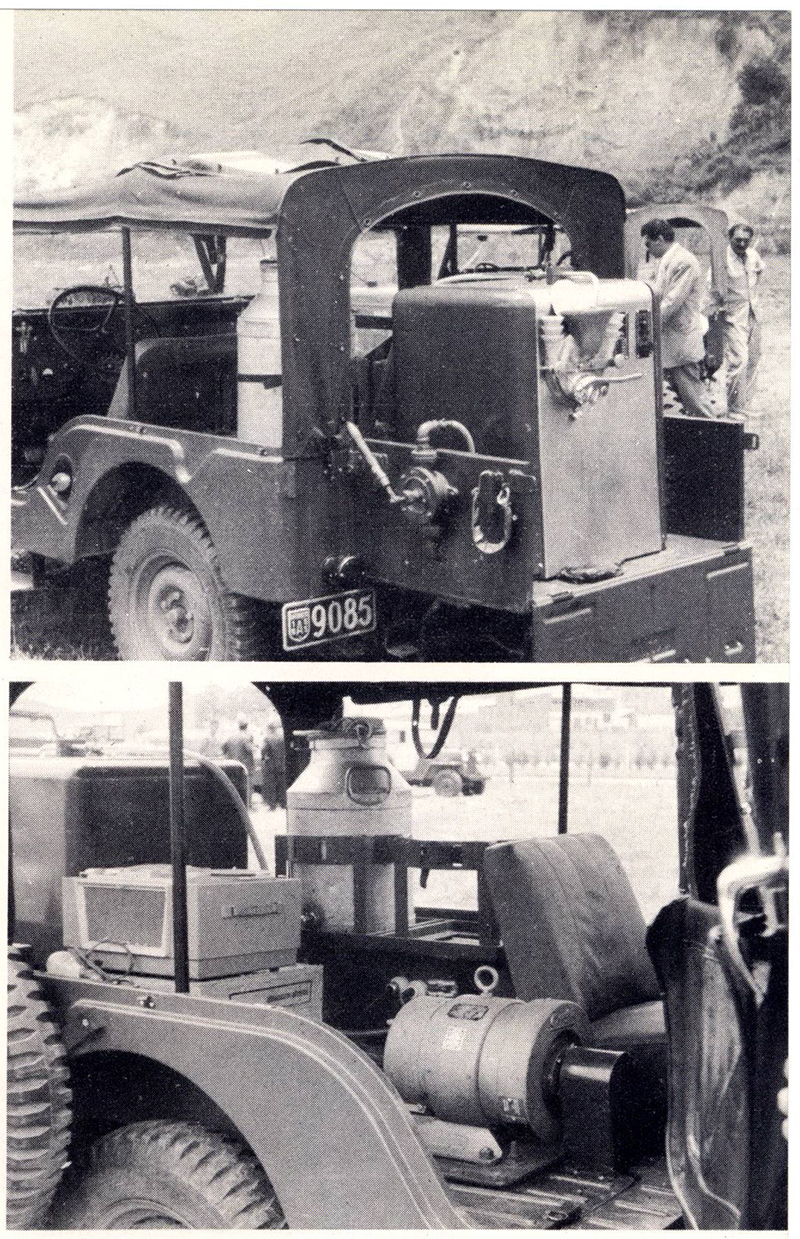
These photos appeared in the February 1956 issue of Globe-trotter. I especially like the CJ-5 with the ice cream maker!

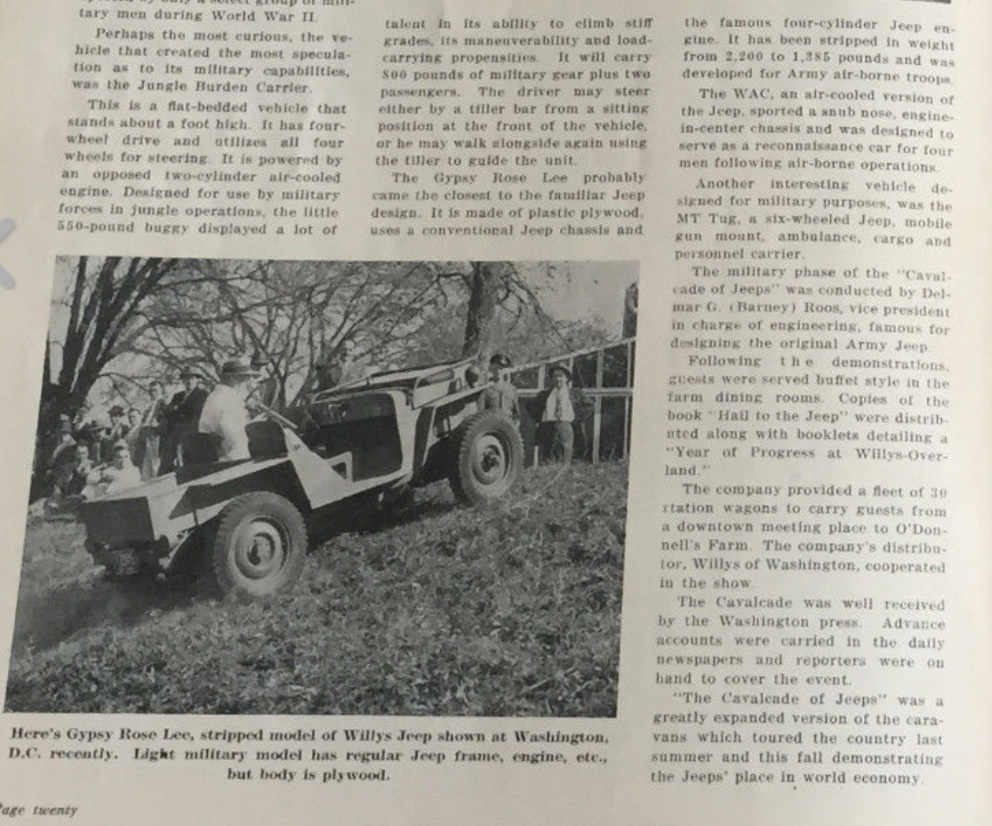
The Gypsy Rose Lee Jeep is a stripped down version of the regular jeep for airborne troops (one of a variety developed). Made of “plastic plywood”, it was almost a 1,000lbs lighter than the standard 2,200lb jeep. You might also know the jeep as the MB-L. This article, of which the Gypsy Rose Lee was a part, was published in the December 1947 issue of Willys Overland Unity Magazine.