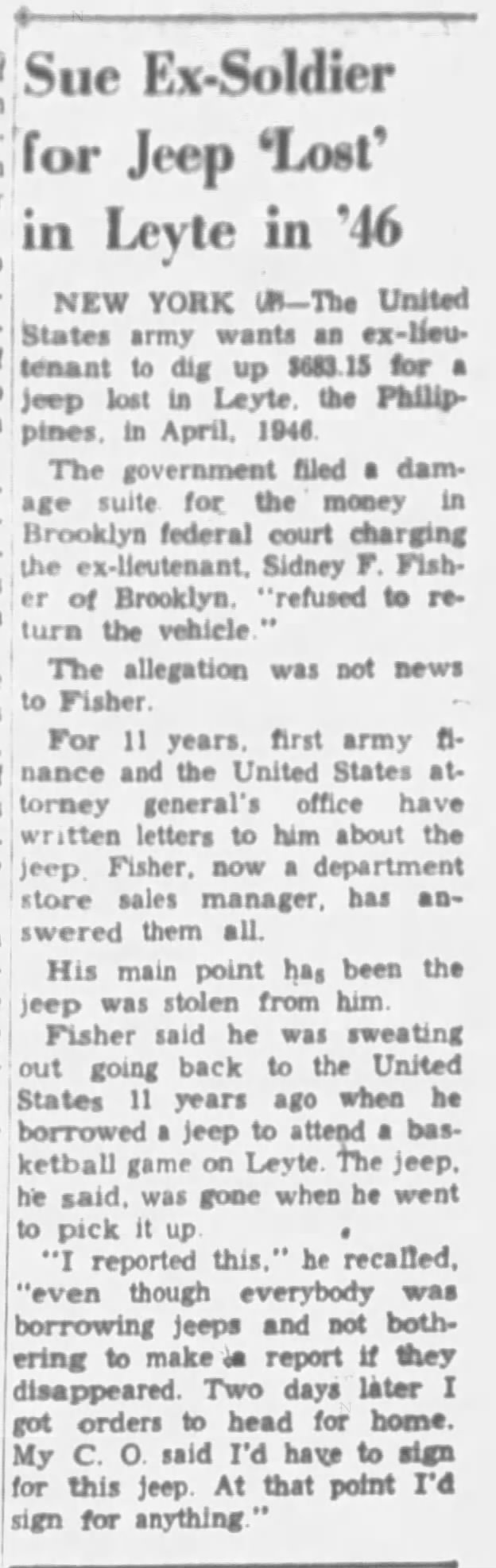
Both of these are from 1957, I think the Jeep Scam is just as valid today as well as the Stolen Jeep deal.
Surplus Army Jeep Scams and Stolen Army Jeep from 1946, Articles from 1957.
Mar 14, 1957
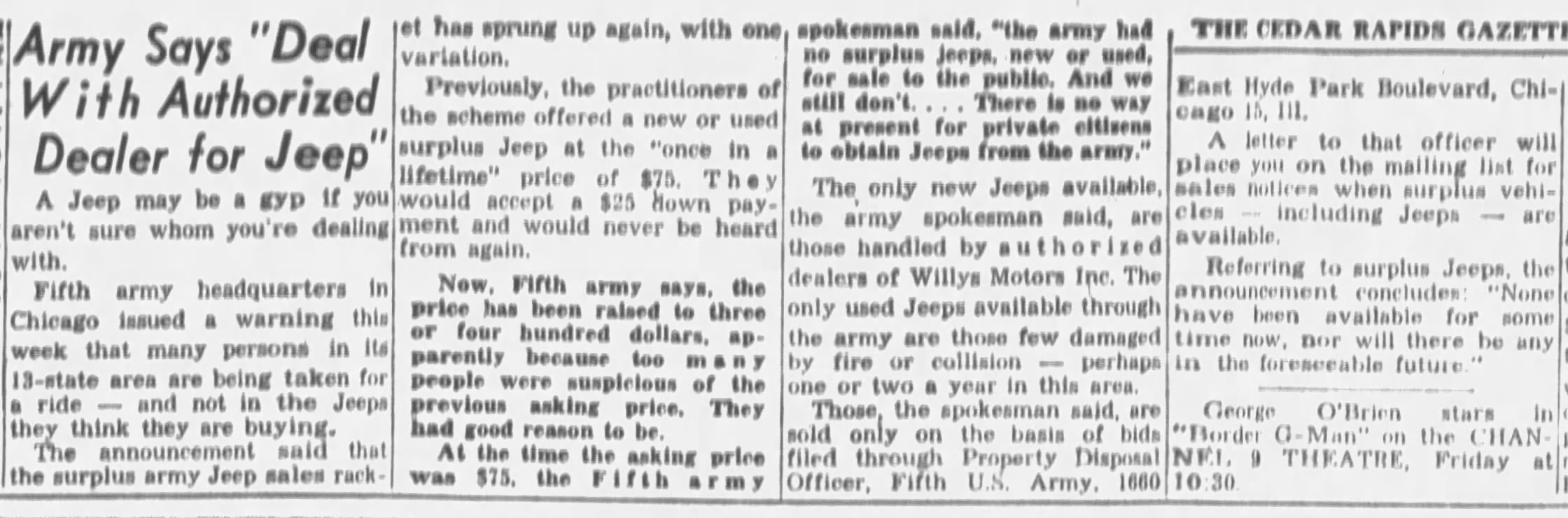
Oct 31, 1957
emailNeed to contact me and don't have my email? Click on email button.
Welcome to eWillys.com, a website for vintage jeep enthusiasts. I update this website nearly every day with jeep deals, jeep history, interesting reader projects, jeep related info, and more.
These quick searches can help you find things on eBay. People list in the wrong categories all the time, so don't be surprised to see brochures in the parts area for example. This section used to be split into jeeps, parts and other categories, but recent changes to eBay will require this information to be recoded.
The links to posts below show jeeps grouped by models, condition, and other ways. Some of these jeeps are for sale and others have been sold. If you are unsure whether a vehicle is still for sale or not, email me at d [at] ewillys.com for more info.
There are plenty of interesting, unusual, historic and surprising stories related to Jeeps and their owners. In addition, some of these features have nothing to do with jeeps. This link will display all featured stories starting from the latest.
Looking for parts and not sure where to go? There are a variety of large and small new and used parts sellers both online and offline.
Importantly, the allure of buying a project jeep can be romantic. The reality of restoring a jeep can be quite different, expensive and overwhelming without the right tools and resources. So, tread carefully when purchasing a "project". If you have any concerns about buying a vintage jeep, or run across a scam, feel free to contact me for help, comments or concerns .
Both of these are from 1957, I think the Jeep Scam is just as valid today as well as the Stolen Jeep deal.
Surplus Army Jeep Scams and Stolen Army Jeep from 1946, Articles from 1957.
Mar 14, 1957
Oct 31, 1957
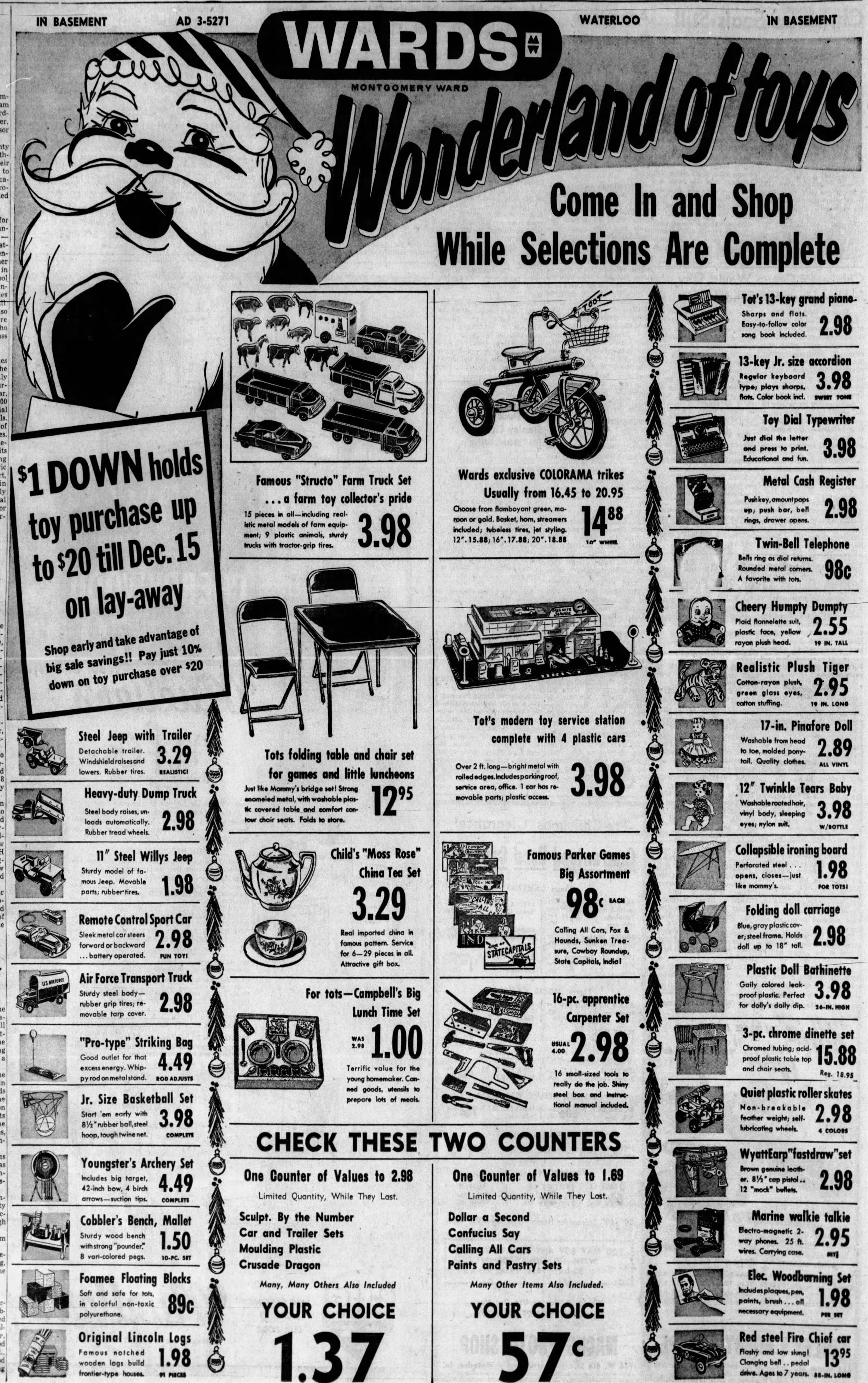
1957 Jeep Toy Advertisements, thought seeing the Toys in the ad’s was pretty cool.
11-17-1957 $1.98 Jeep Toys Ad Montgomery Wards.
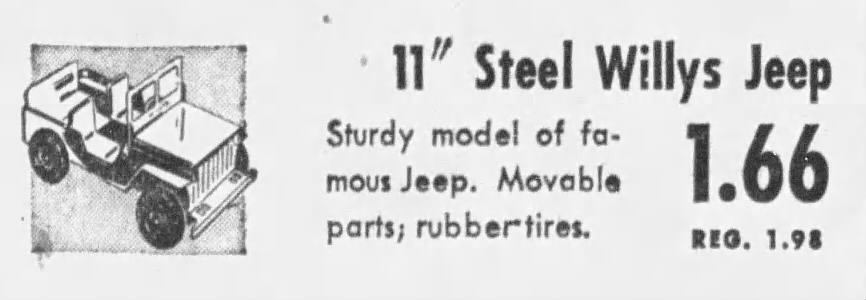
Went on Sale a few weeks later 12-5-1957
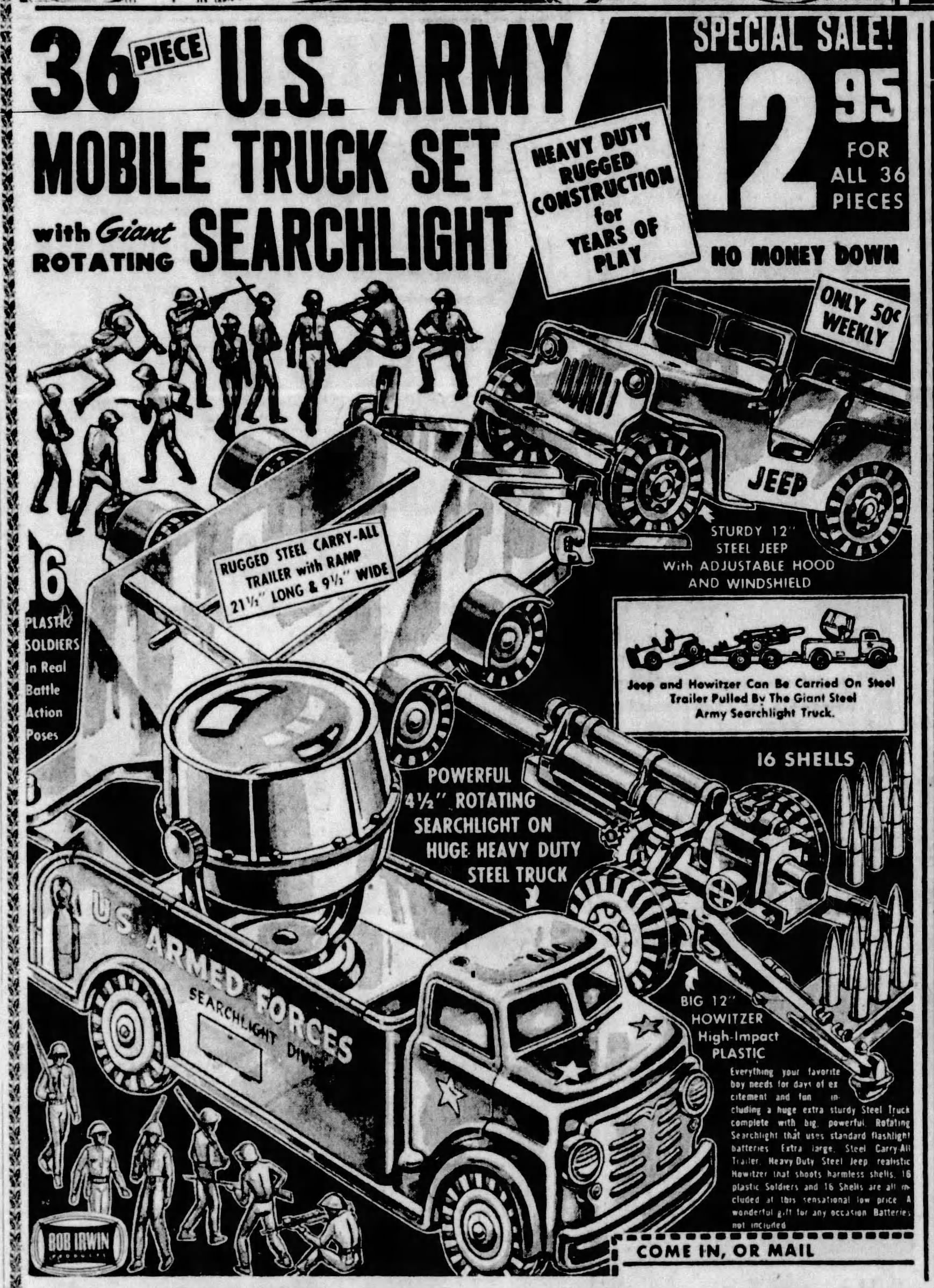
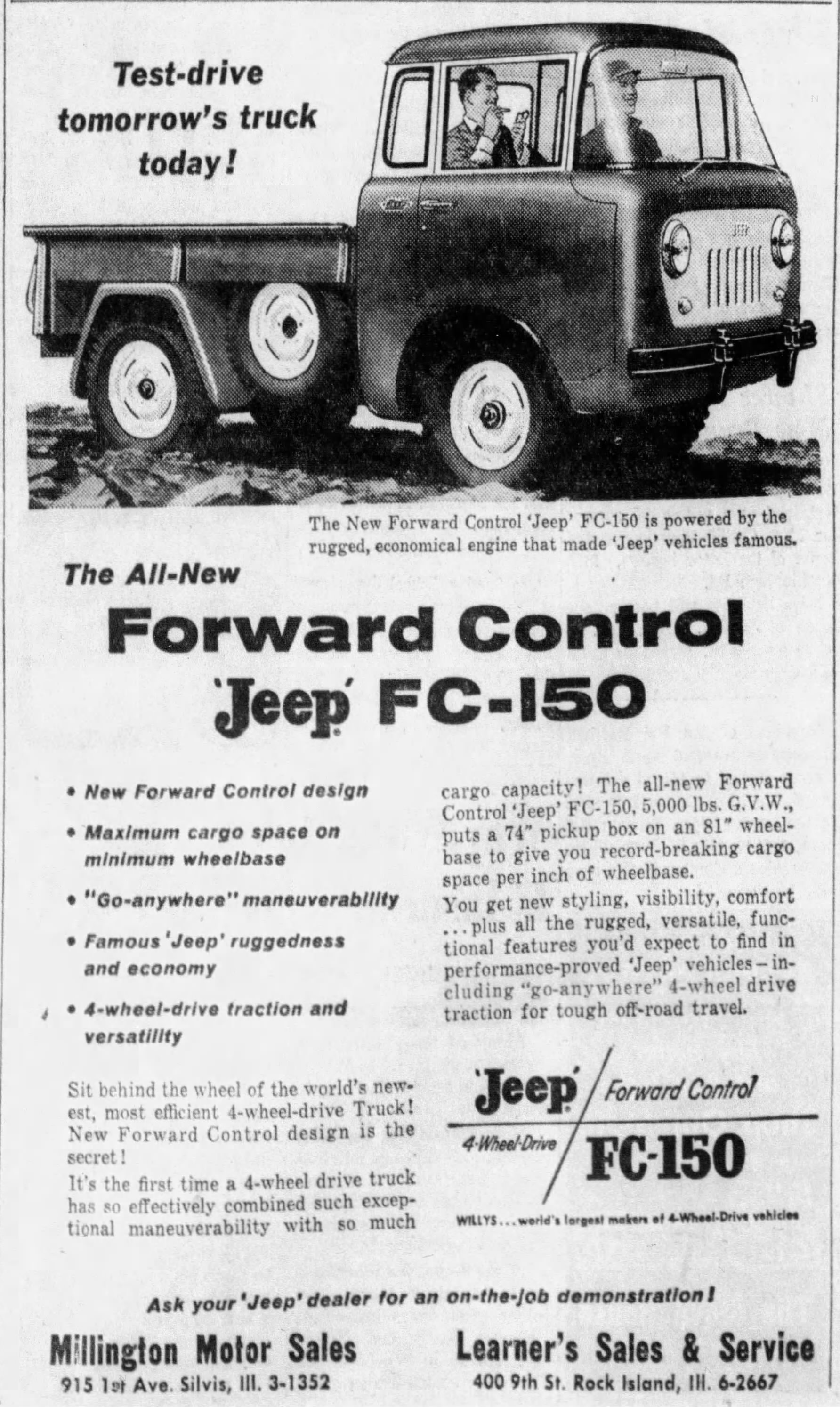
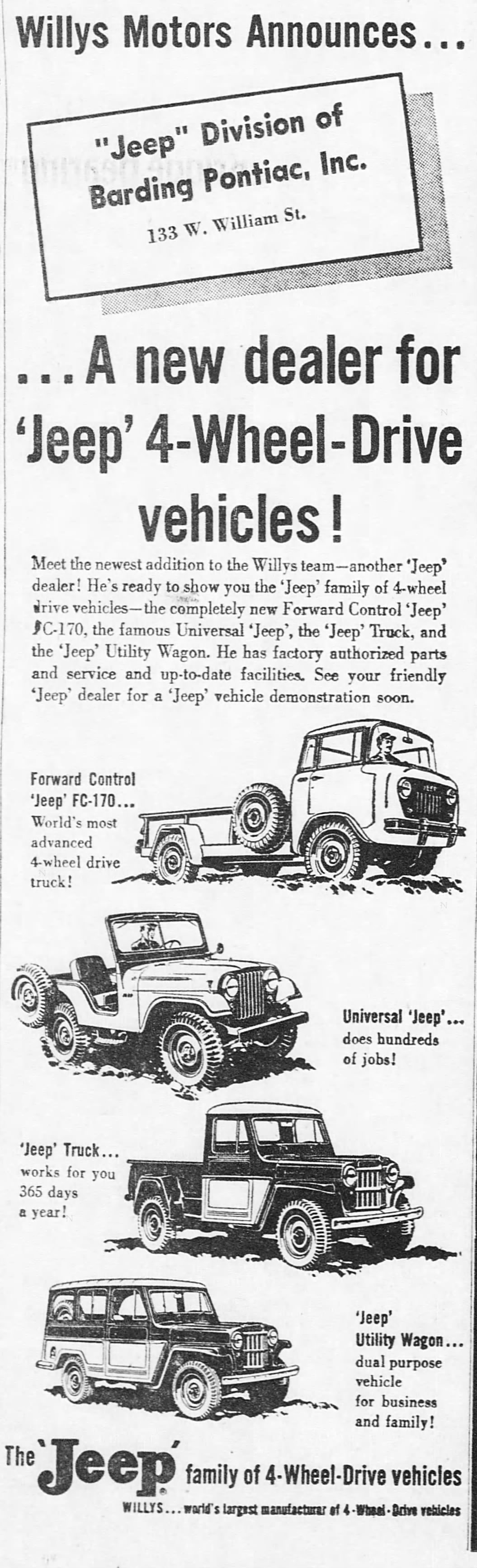
Here are a few FC Ad’s from 1957
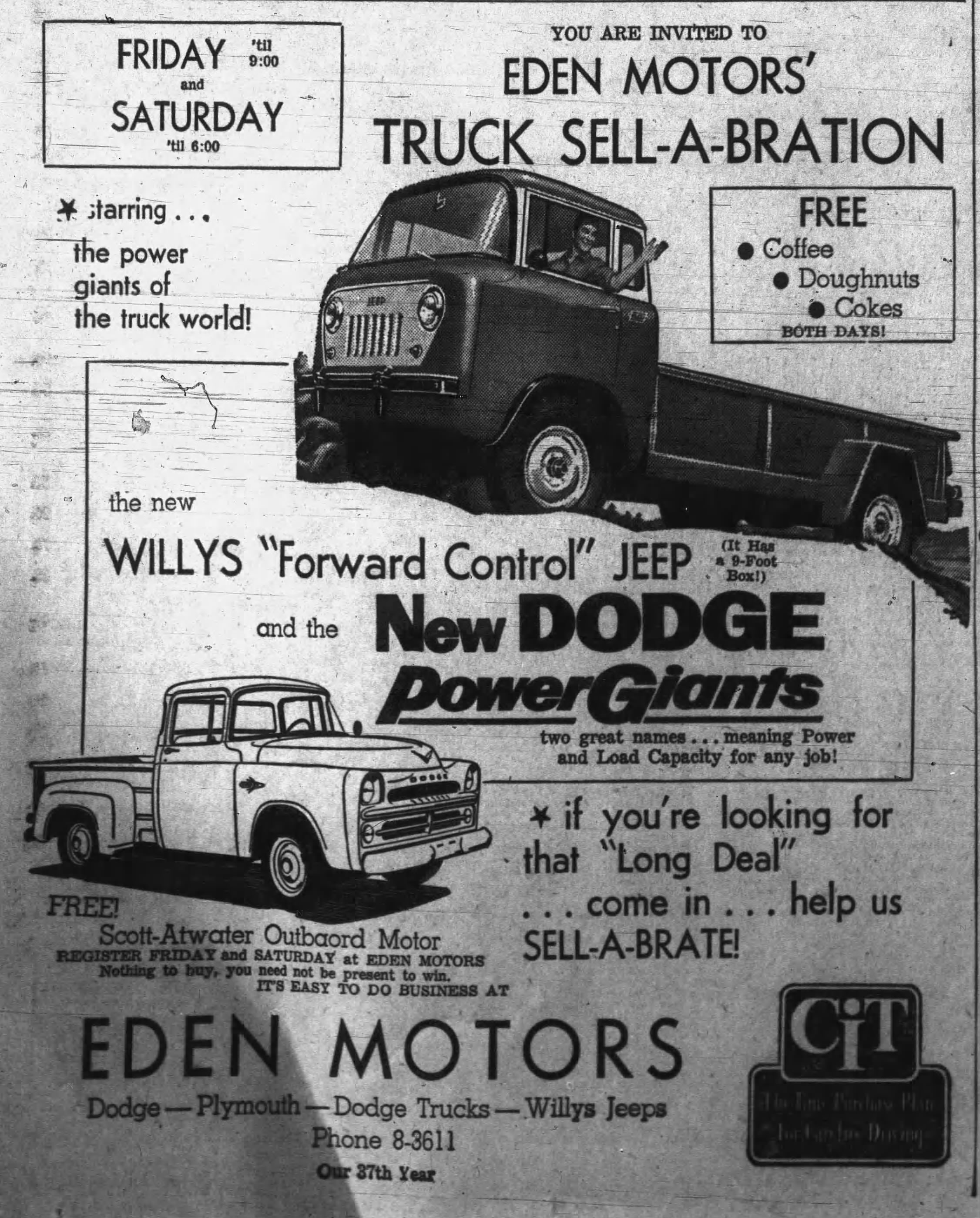
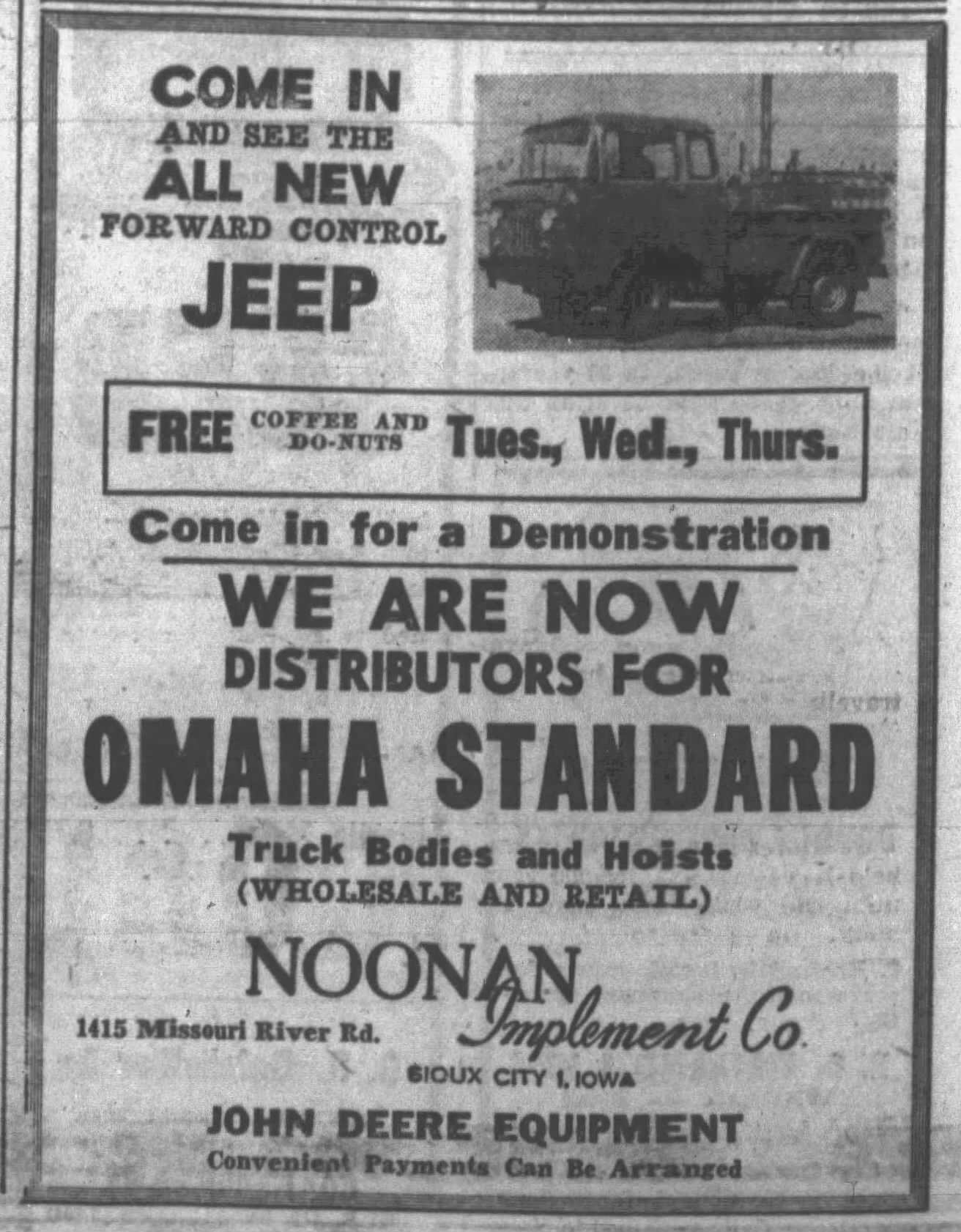
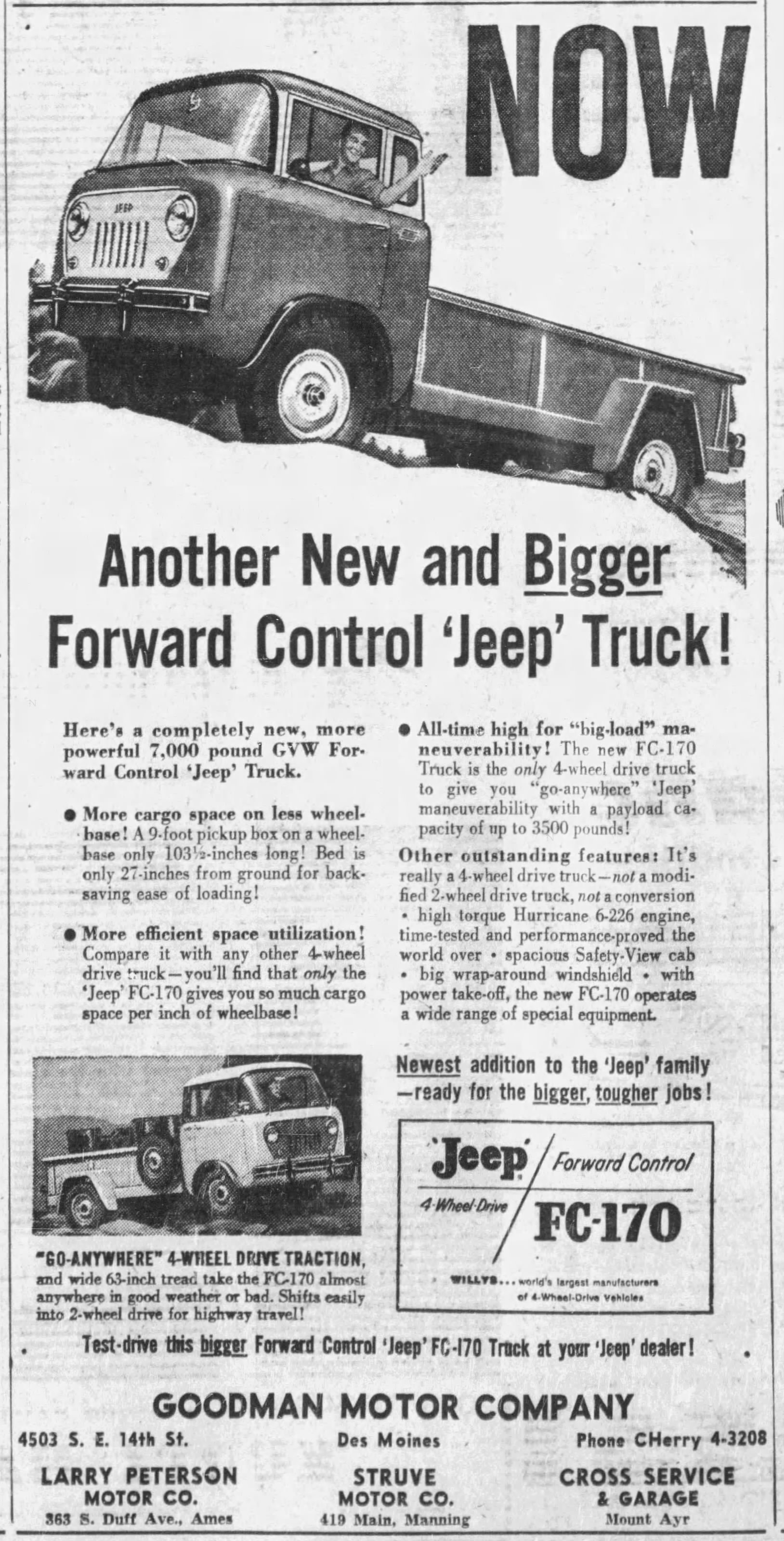
Here are a few 1957 Items.
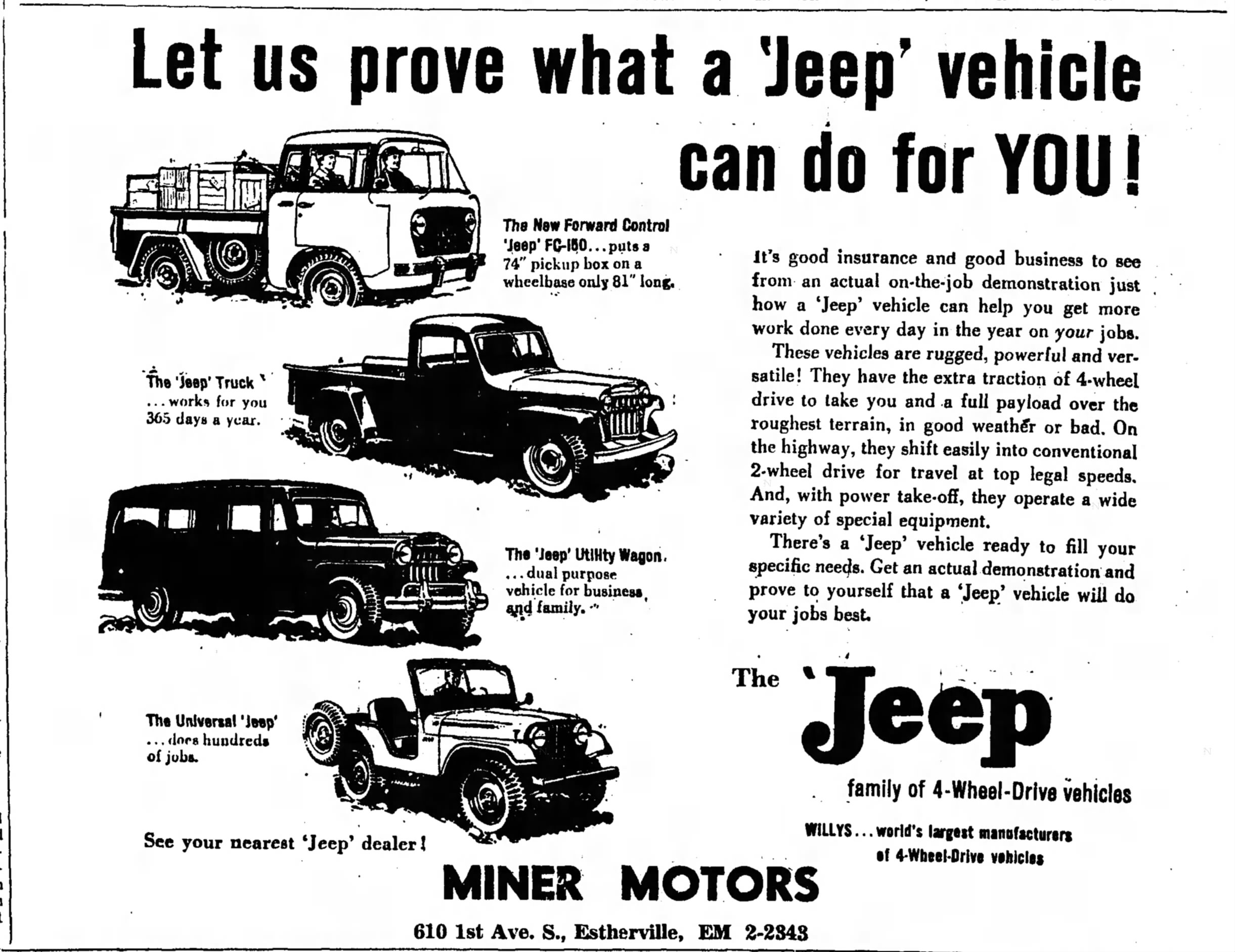
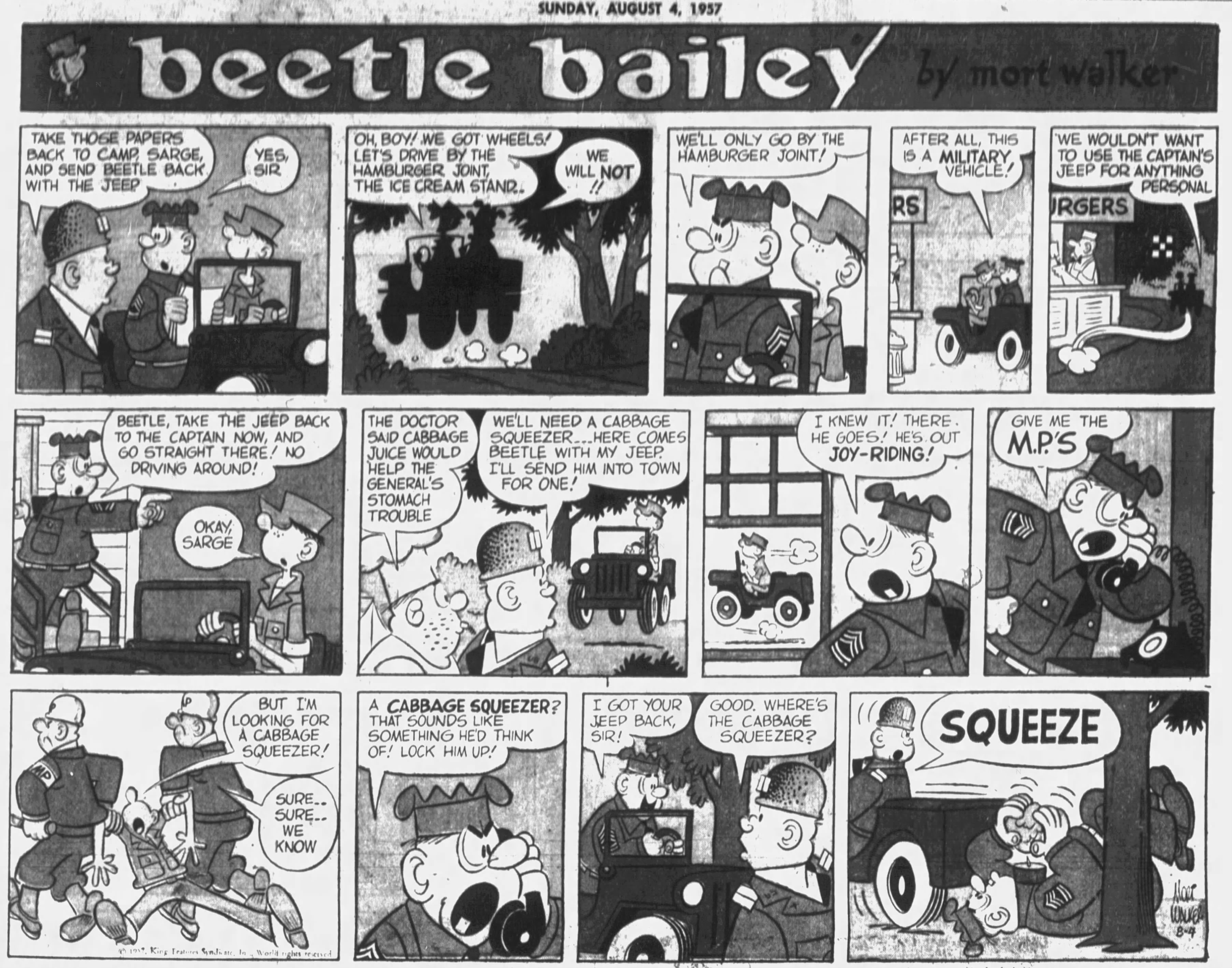
This thing looks pretty cool!
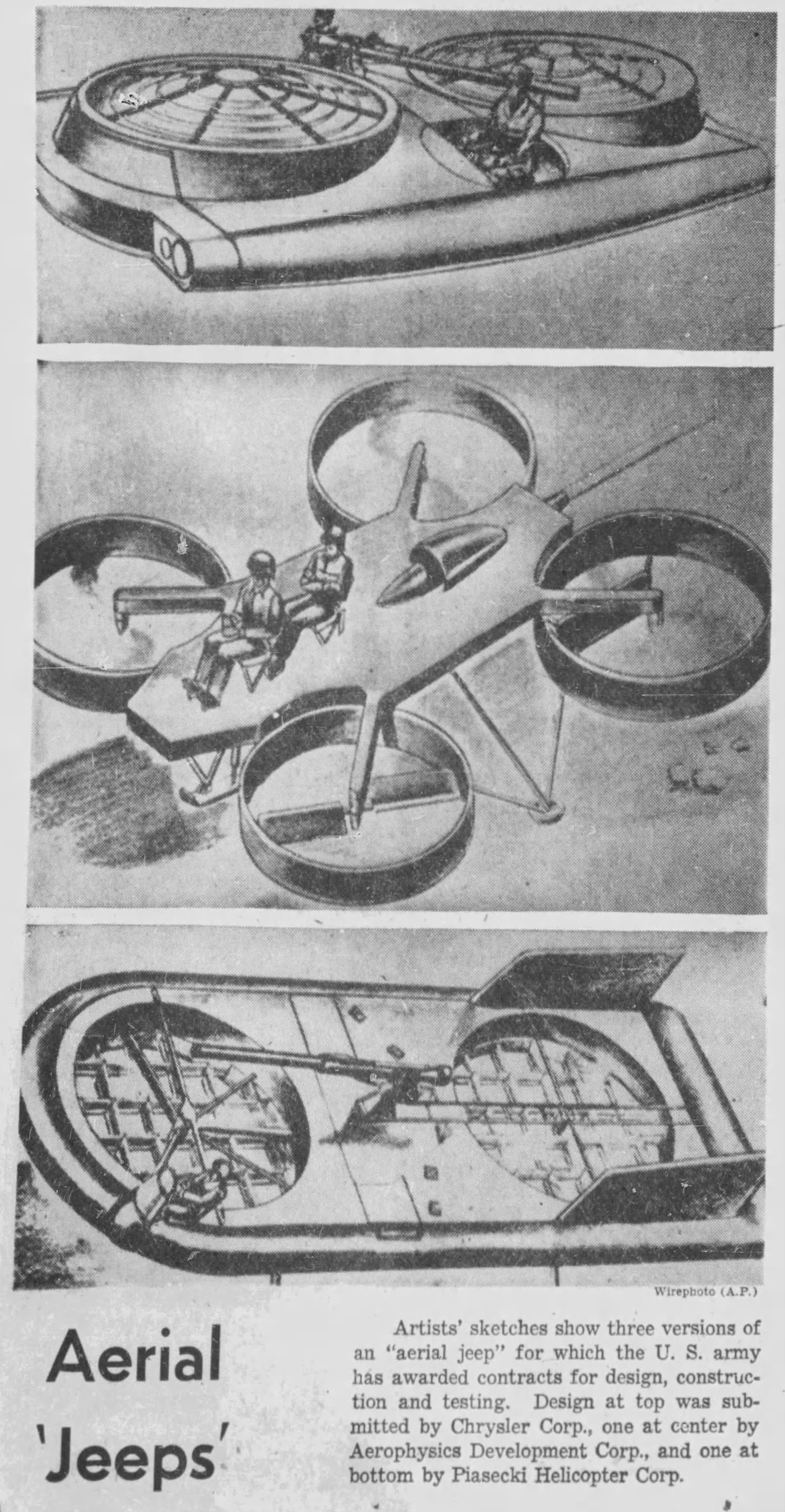
Aerial Jeeps, little different concept of the future of the Jeep. 7-30-1957
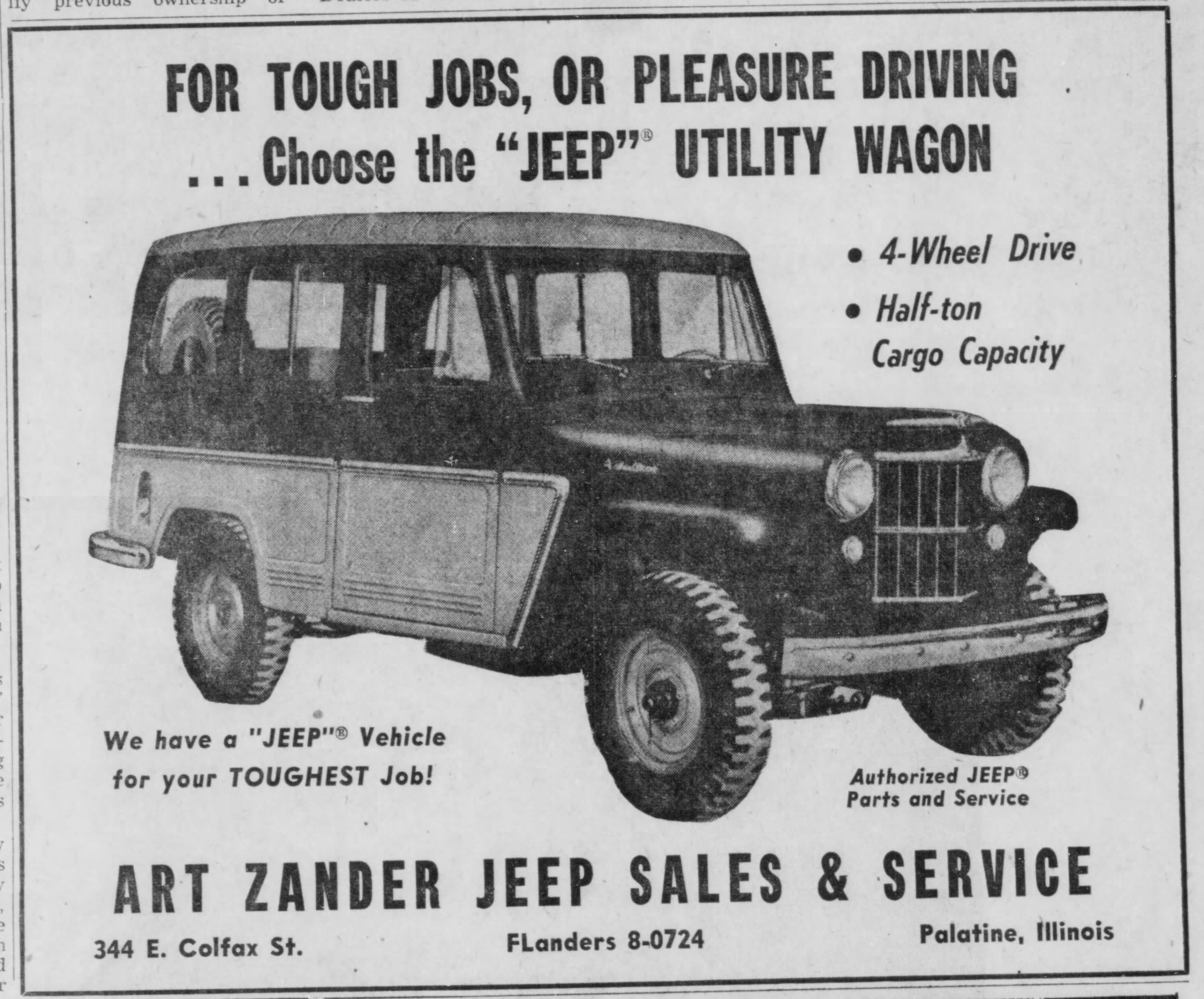
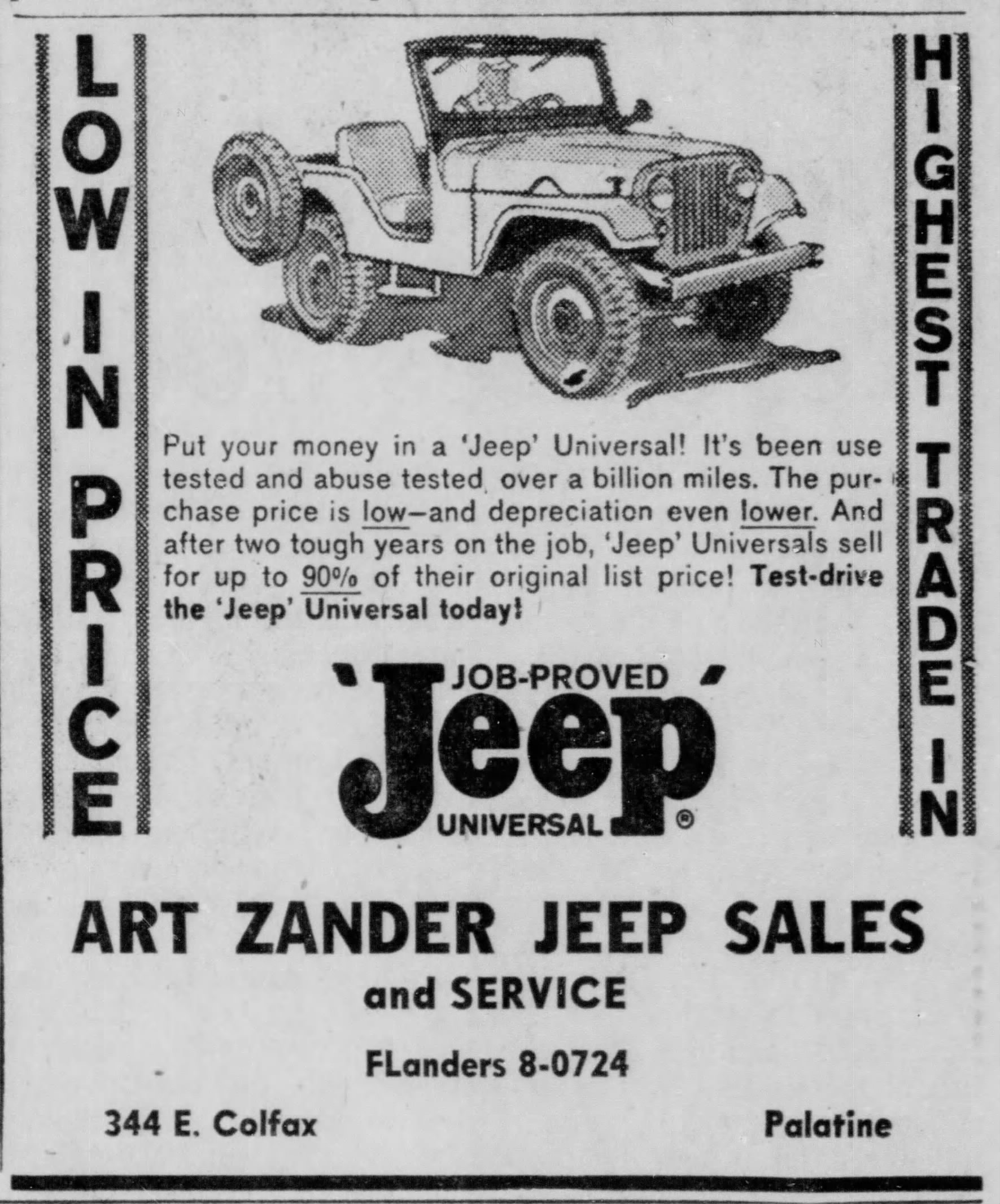
1961 Jeep Ads
Here are a few classic 1961 Jeep Ads. The Wagon one is pretty neat they used a photo of the Wagon.
Final bid: $100 Highest Offer: $400 Ended
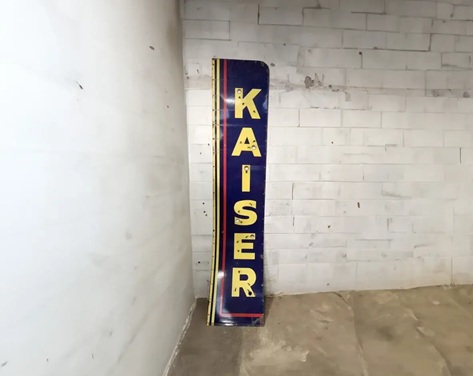
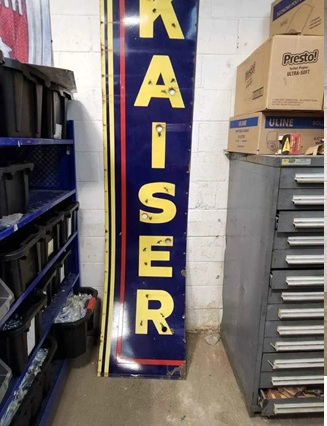
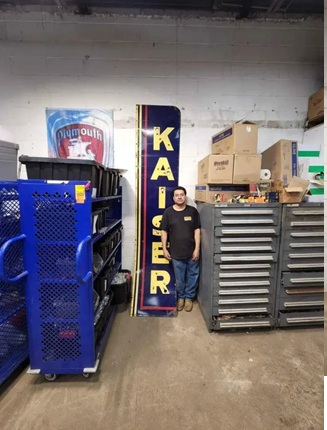
1940’S LARGE KAISER PORCELAIN SIGN
“Andy’s Picks”
Pre Willys Kaiser sign. Look at the size of it!
https://www.pcarmarket.com/auction/1940s-large-kaiser-porcelain-sign/
ITEM DETAILS
Available for auction is a stunning Kaiser porcelain sign from the 1940s, showcasing vibrant blue, red, and yellow colors. This vintage piece measuring 10 ft by 2 ft is stated by the seller to be in good condition, with a natural patina that enhances its nostalgic appeal.
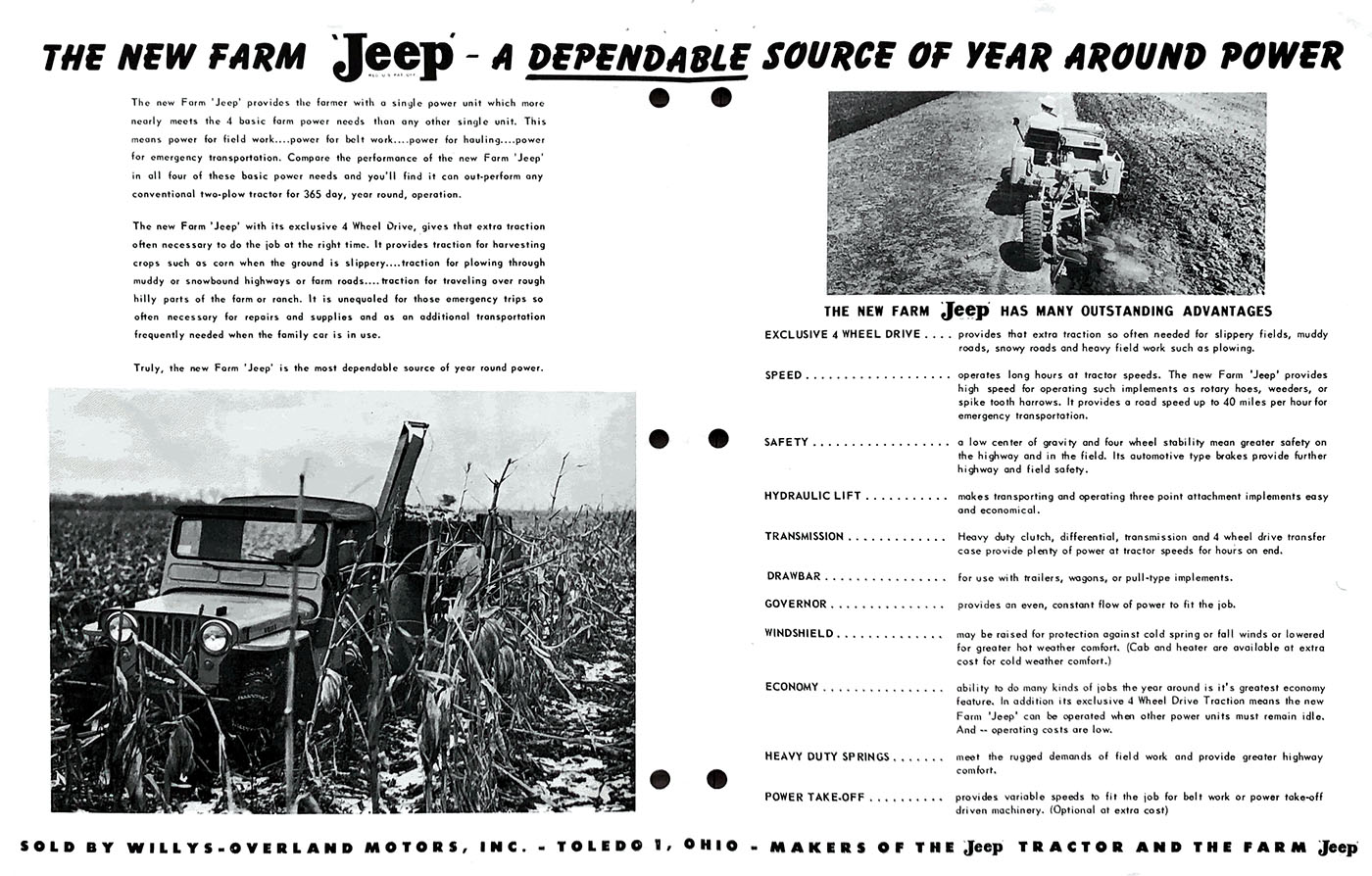
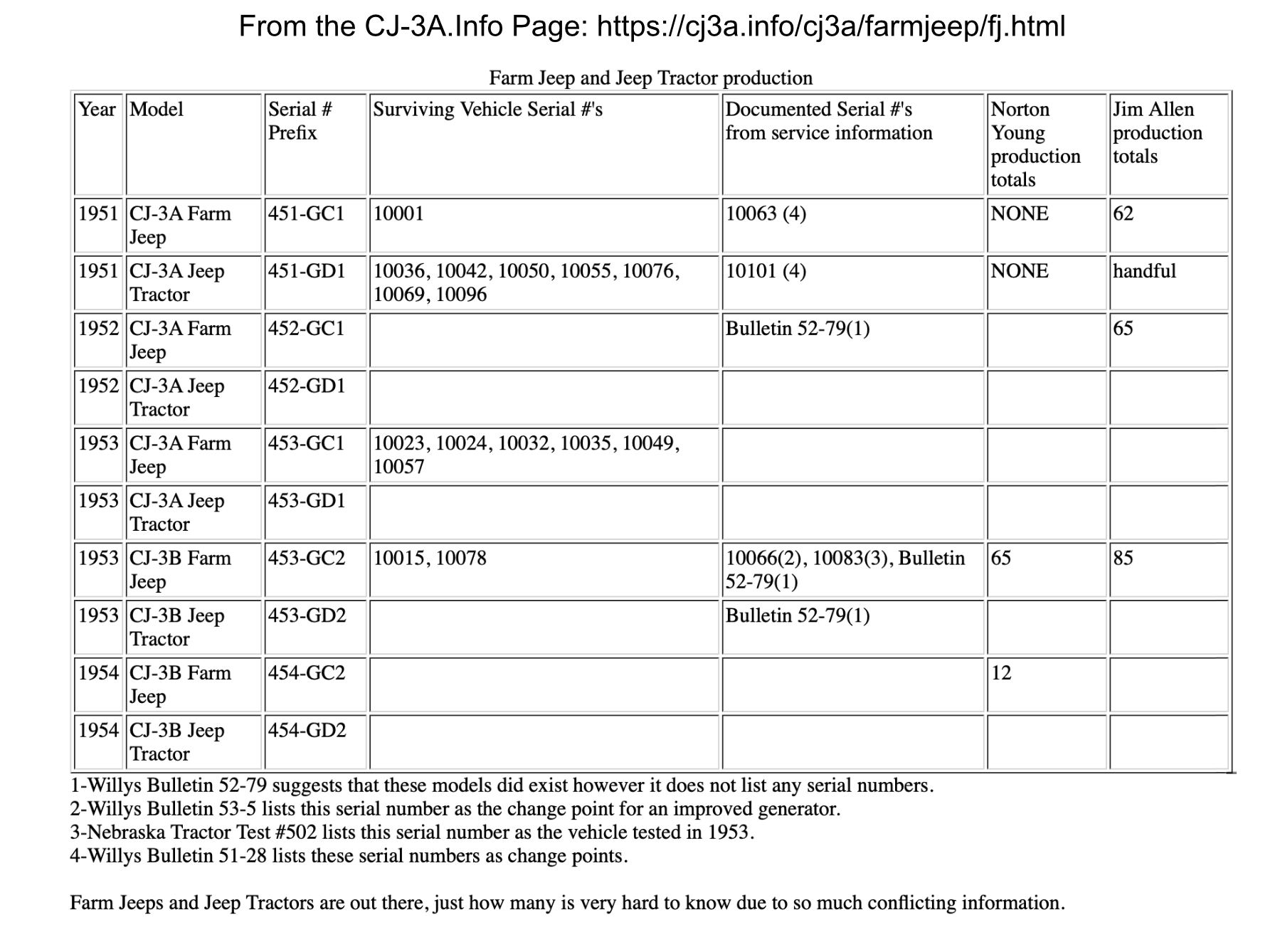
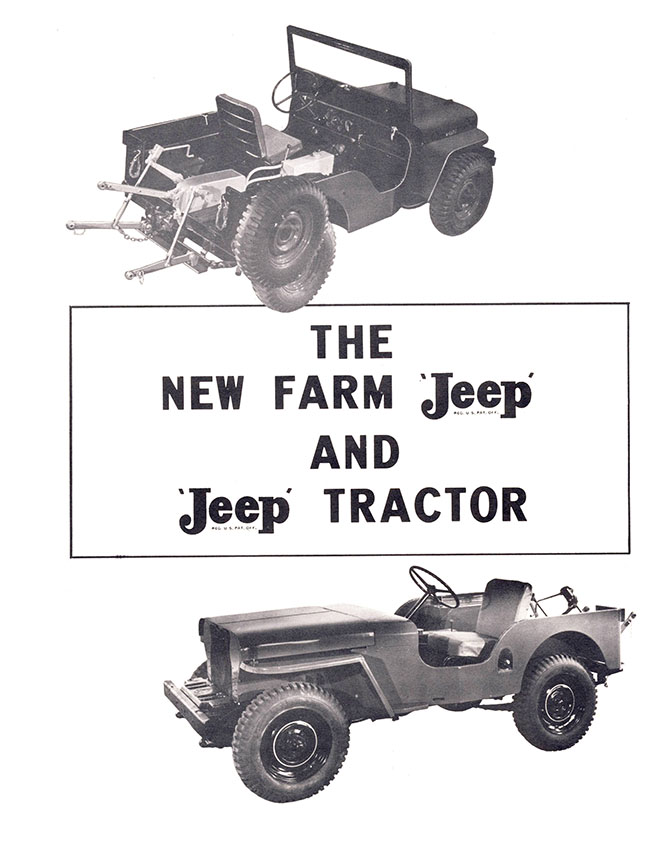
UPDATE: I was surprised to recently see a 1953 ad for a Farm ‘Jeep’ in the Nevada State Journal (March 05, 1953, pg 9). Remember that the Farm ‘Jeep’, along with the ‘Jeep’ Tractor, were models produced mostly in 1951 and 1952, along with a line of jeep implements.
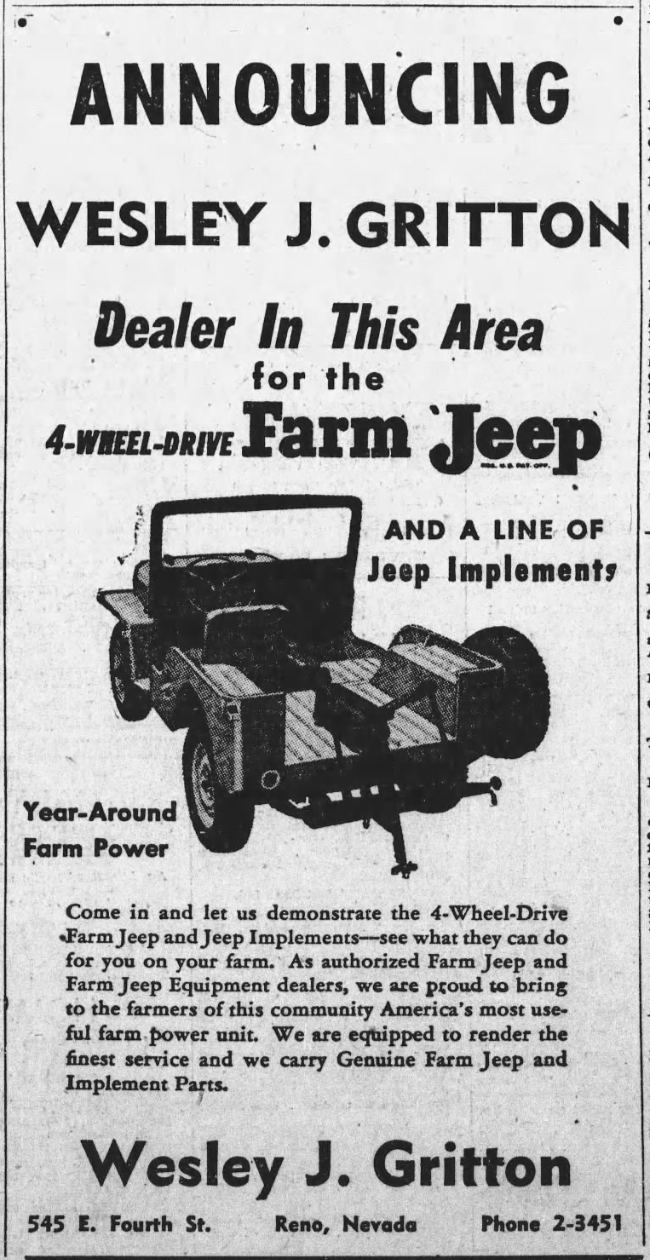
As you can see from this timeline reproduced below from the CJ-3A.info page, there were very few Farm ‘Jeep’s produced at all and none in 1953, though a handful of CJ-3B Farm ‘Jeep’s were made (see CJ-3B page for more info on the 3B version). So the use of the ad is curious.
=============================
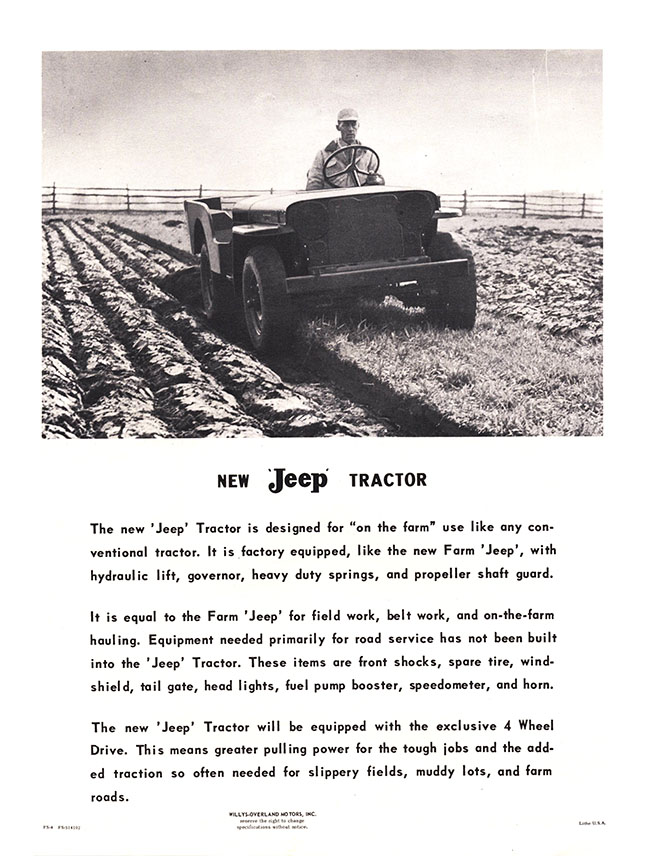
Originally Published May 12, 2020: Each of the brochures has consecutive form numbers, from FS-514100 to FS-514105. The brochure below included extra digits at the front: FS-4 FS-514102.
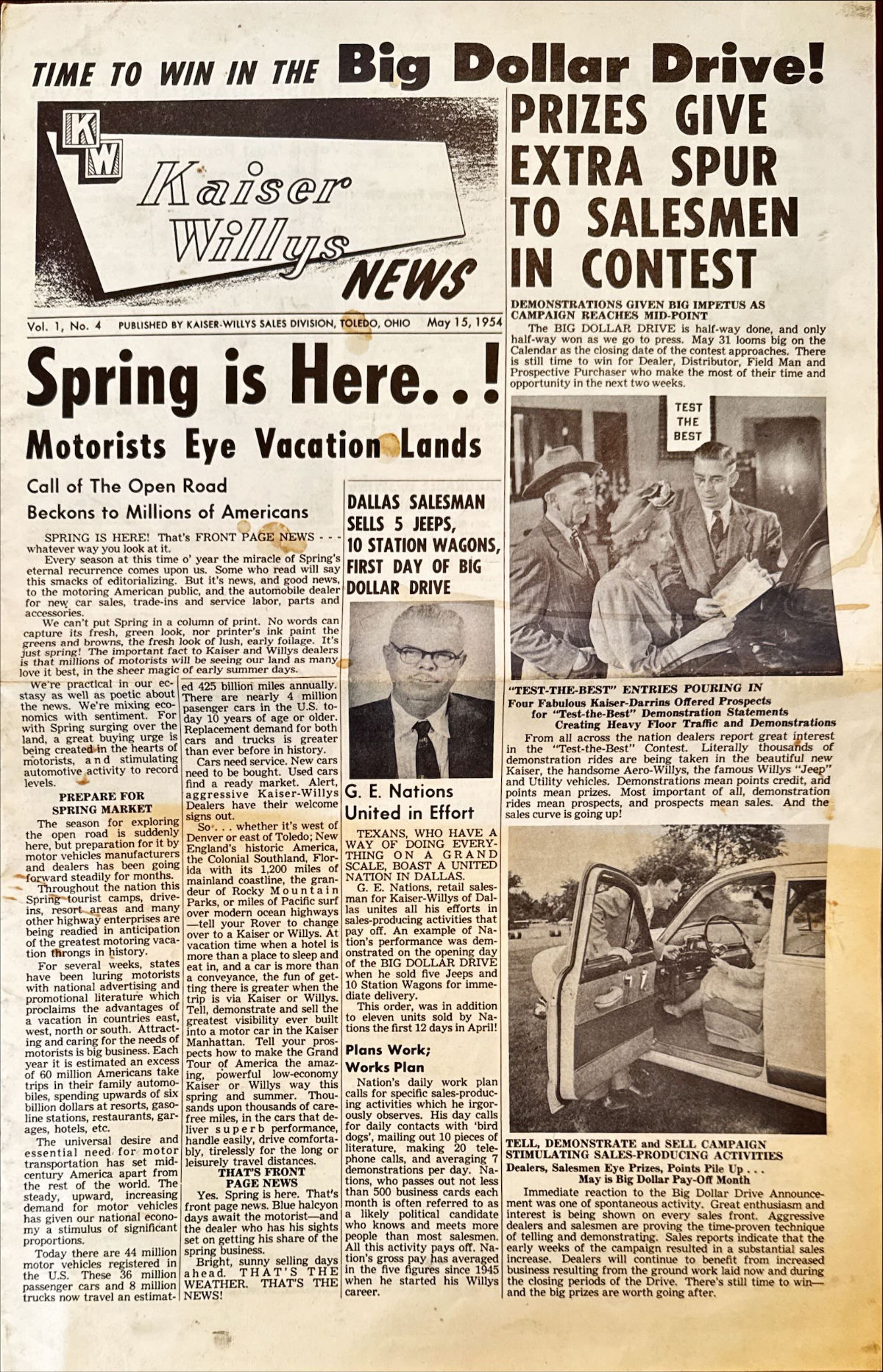
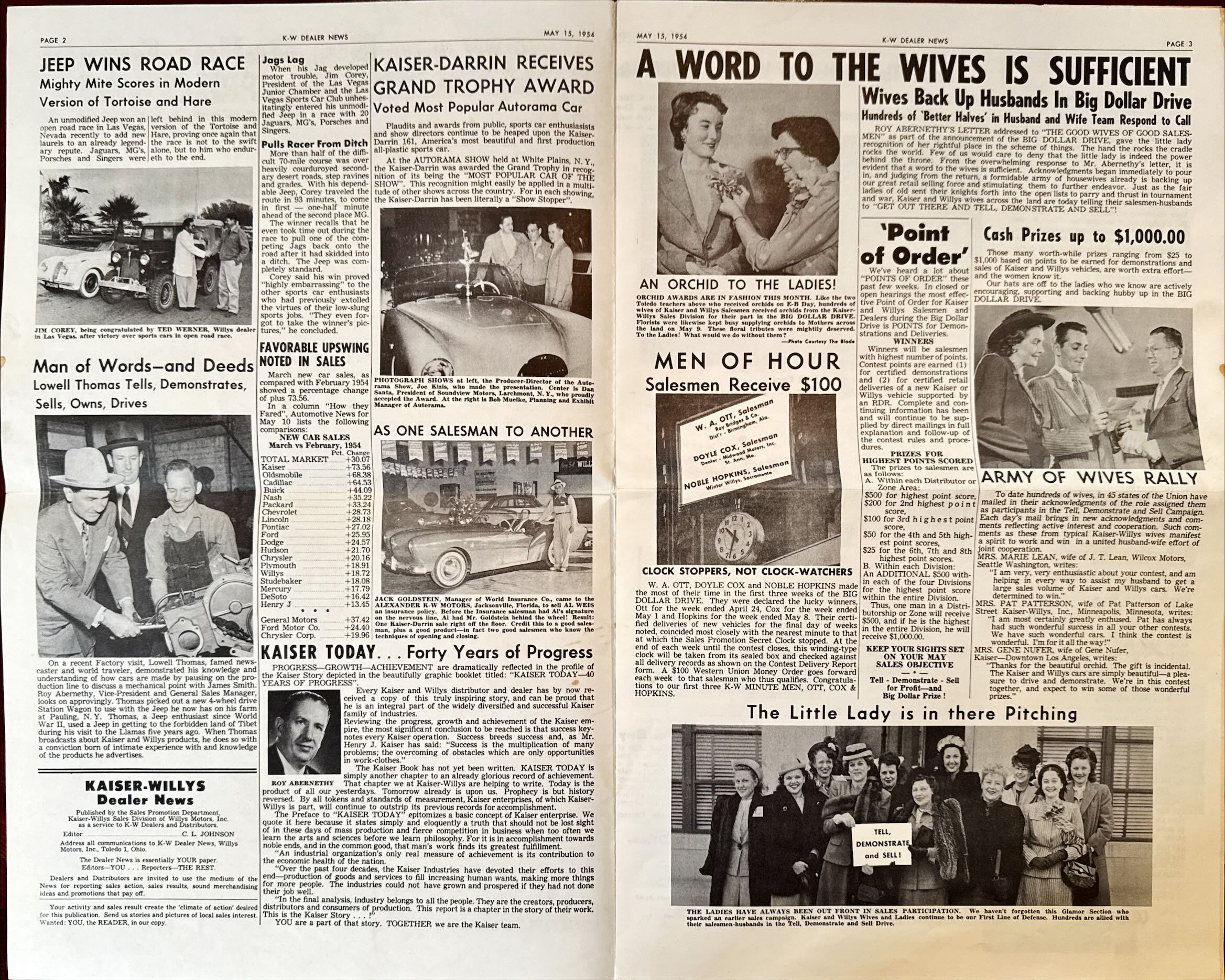
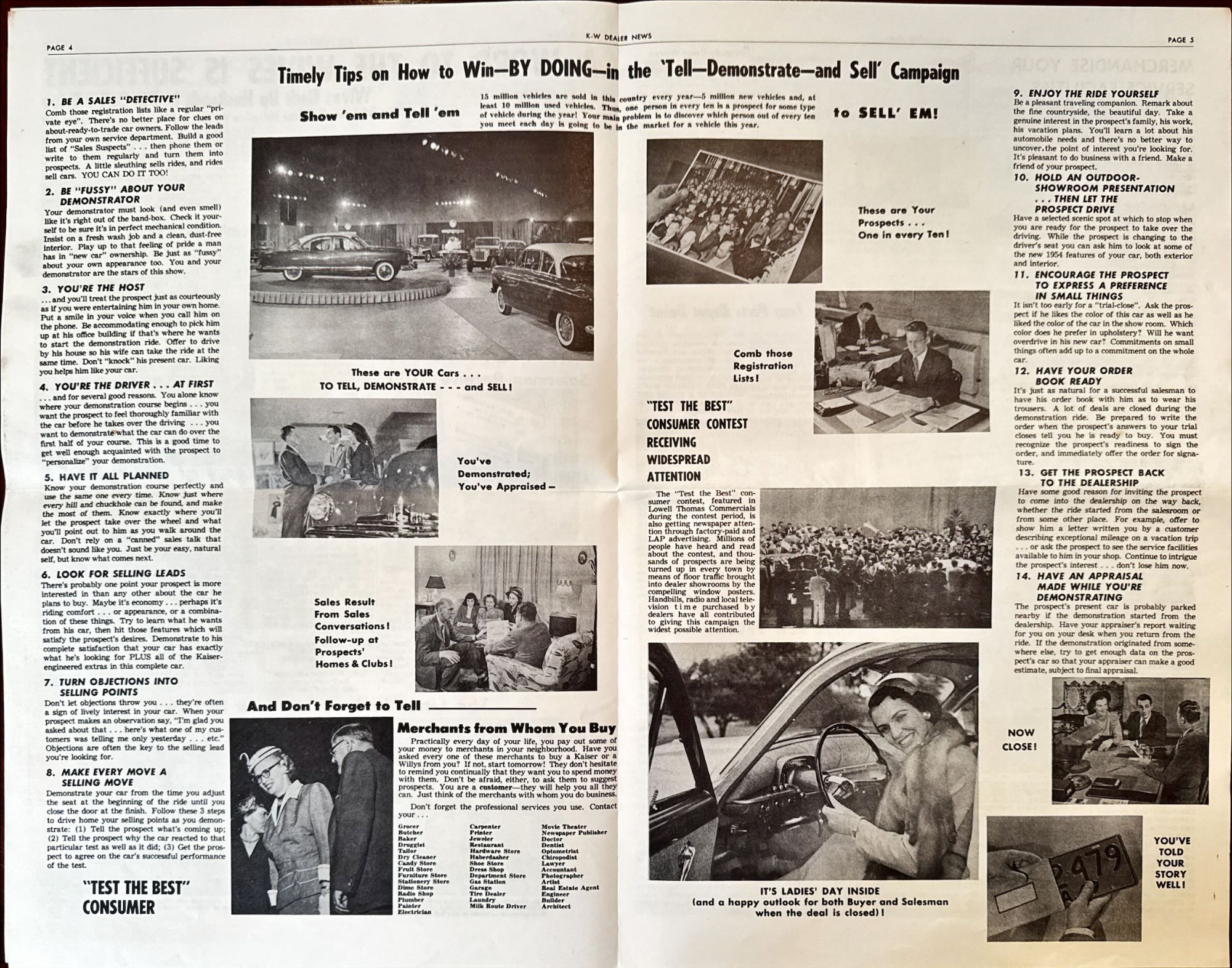
UPDATE: I obtained a copy of this Kaiser Willys News, Volume 1, Number 4, off of ebay. Previously, all I had was a low resolution copy. This issue includes stories and photos about the Yakima Ridge Runners (last page).
Page 1 covers sales contents. Page two includes a short article about how a jeep won a road race in Las Vegas, but a search of vintage newspapers did not yield any more information. Page three is unusual in its description of the efforts to encourage wives to support their husband’s sales efforts.
Page 4 and 5 covers sales tips. Page 6 has an interesting diagram of an automatic transmission tools board, with enough detail to recreate it for a museum.
Page 7 includes a story with some details that might help someone recreate the 1954 Cavalcade of jeeps. As mentioned before, page 8 covers the Yakima Ridge Runners, among other stories.
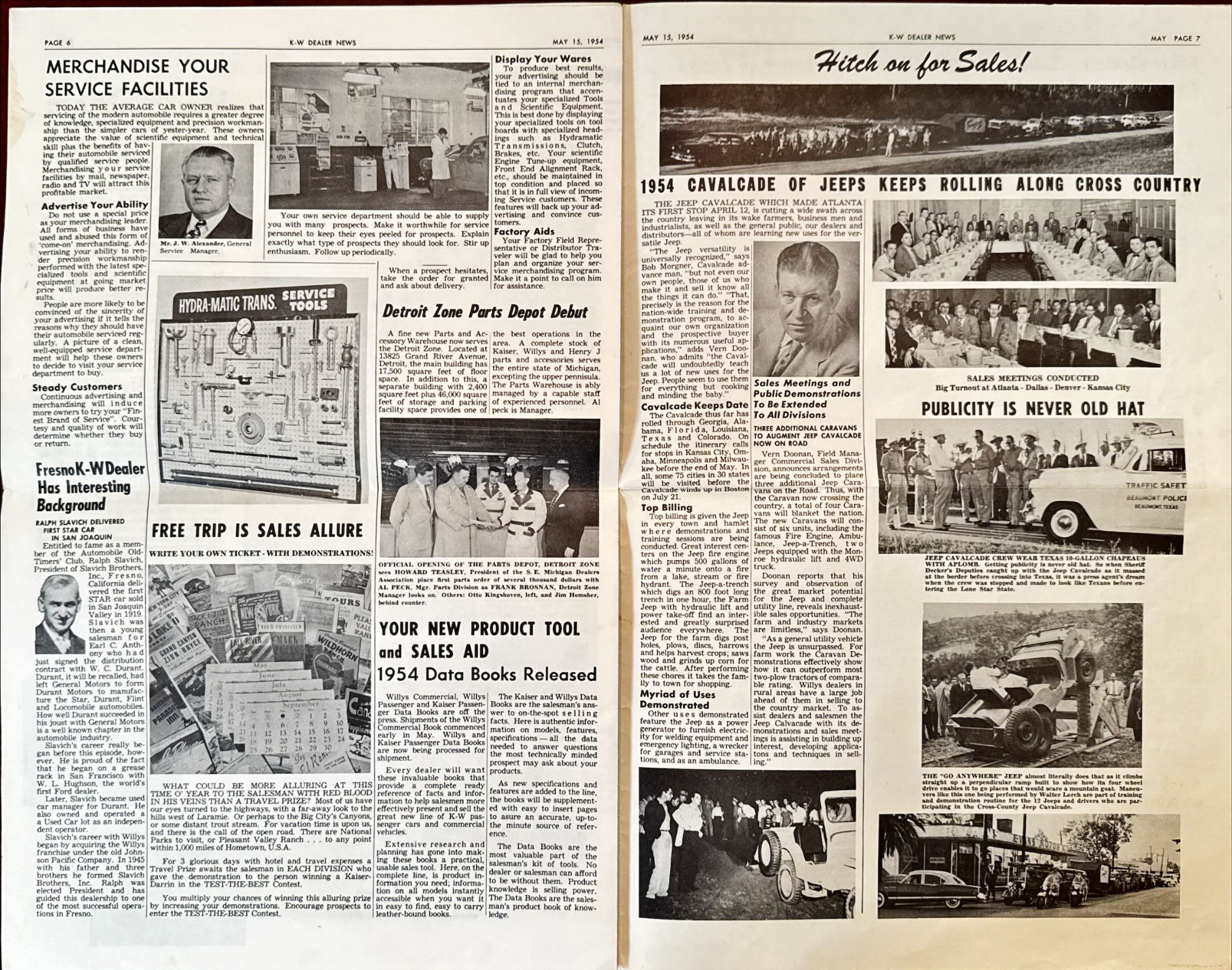
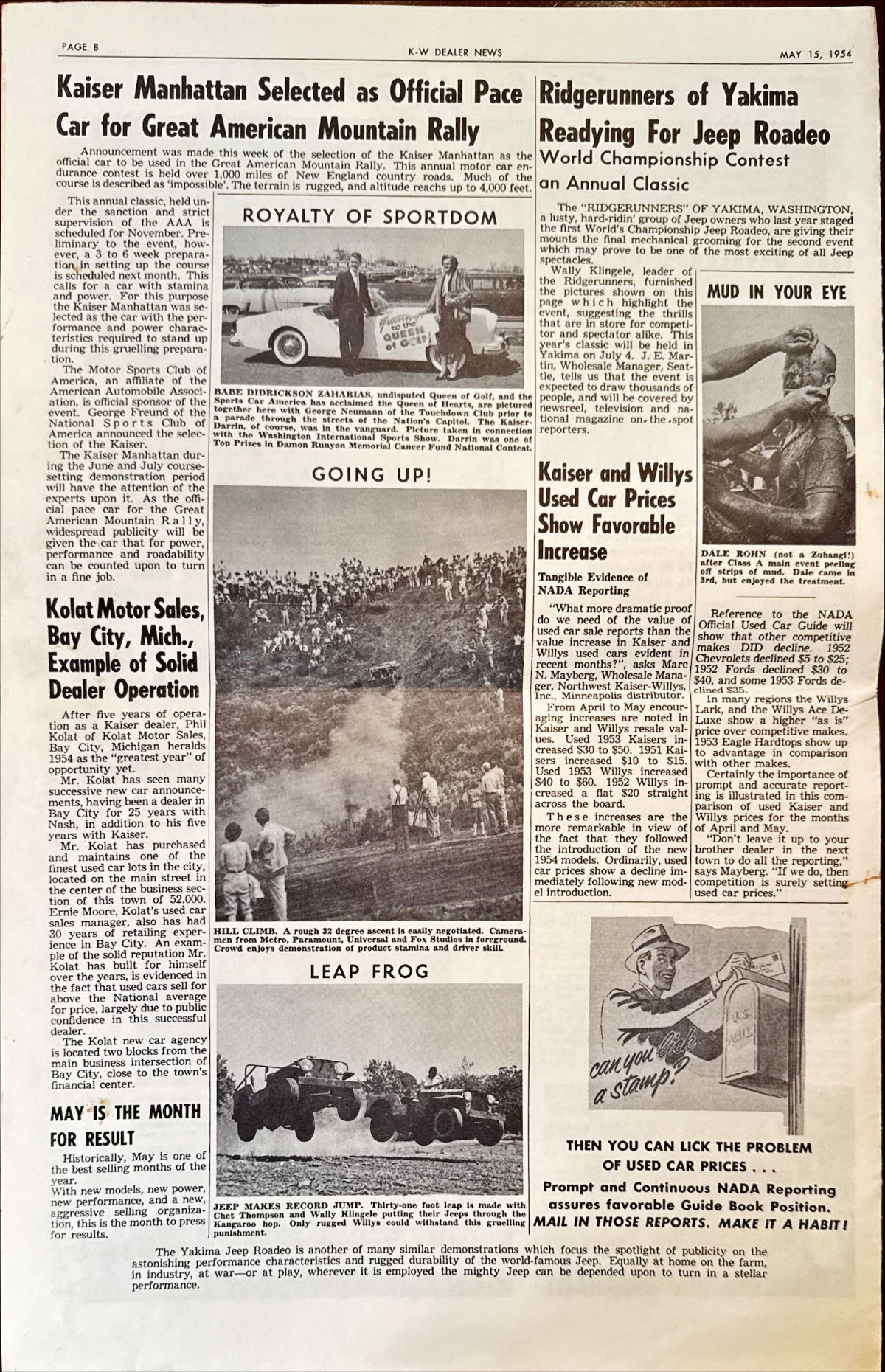
UPDATE: I’d never seen this brochure before finding it on eBay. This is part of what was a vast vintage jeep doc and toy collection in New England. I’ve bought a few cool things from him.
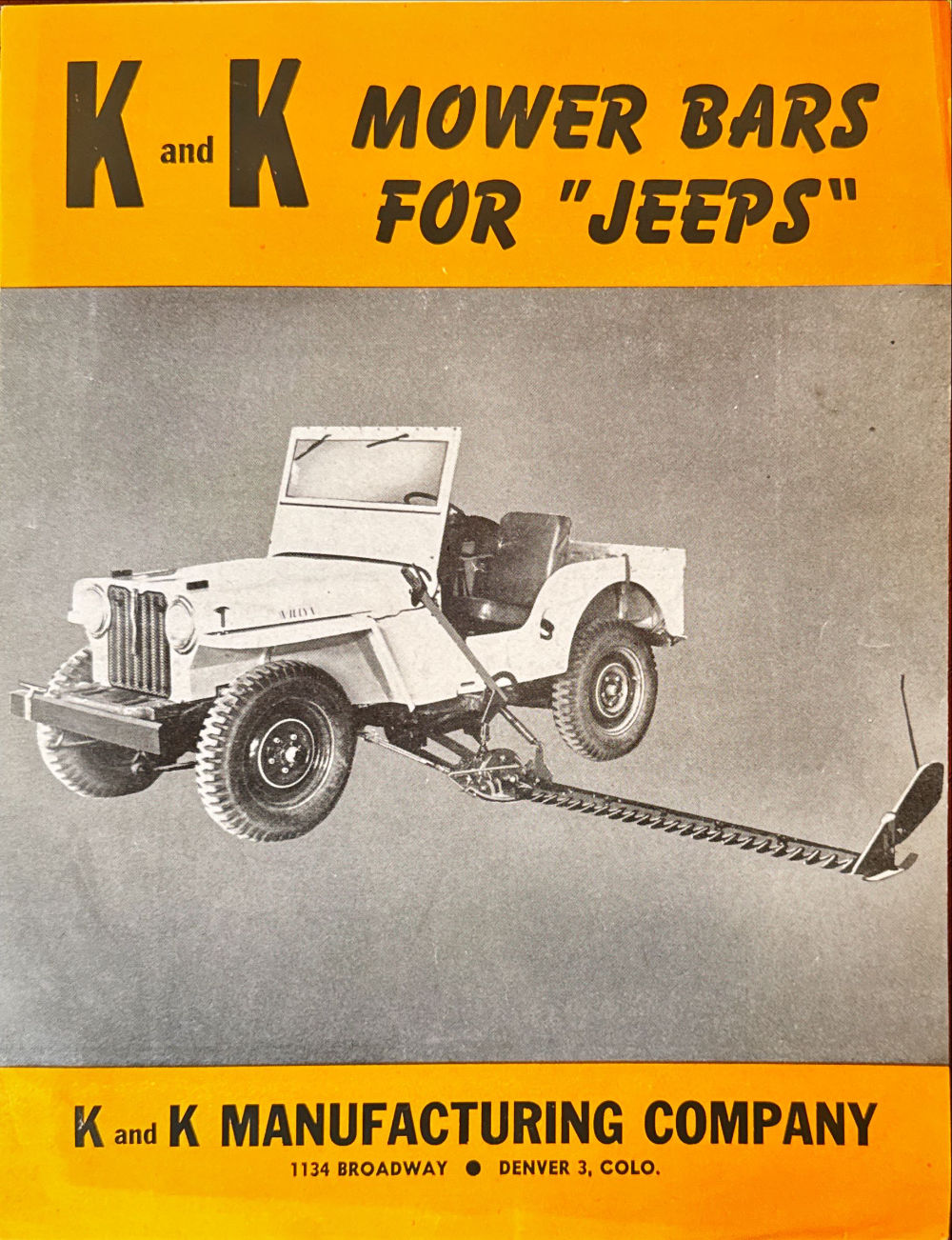
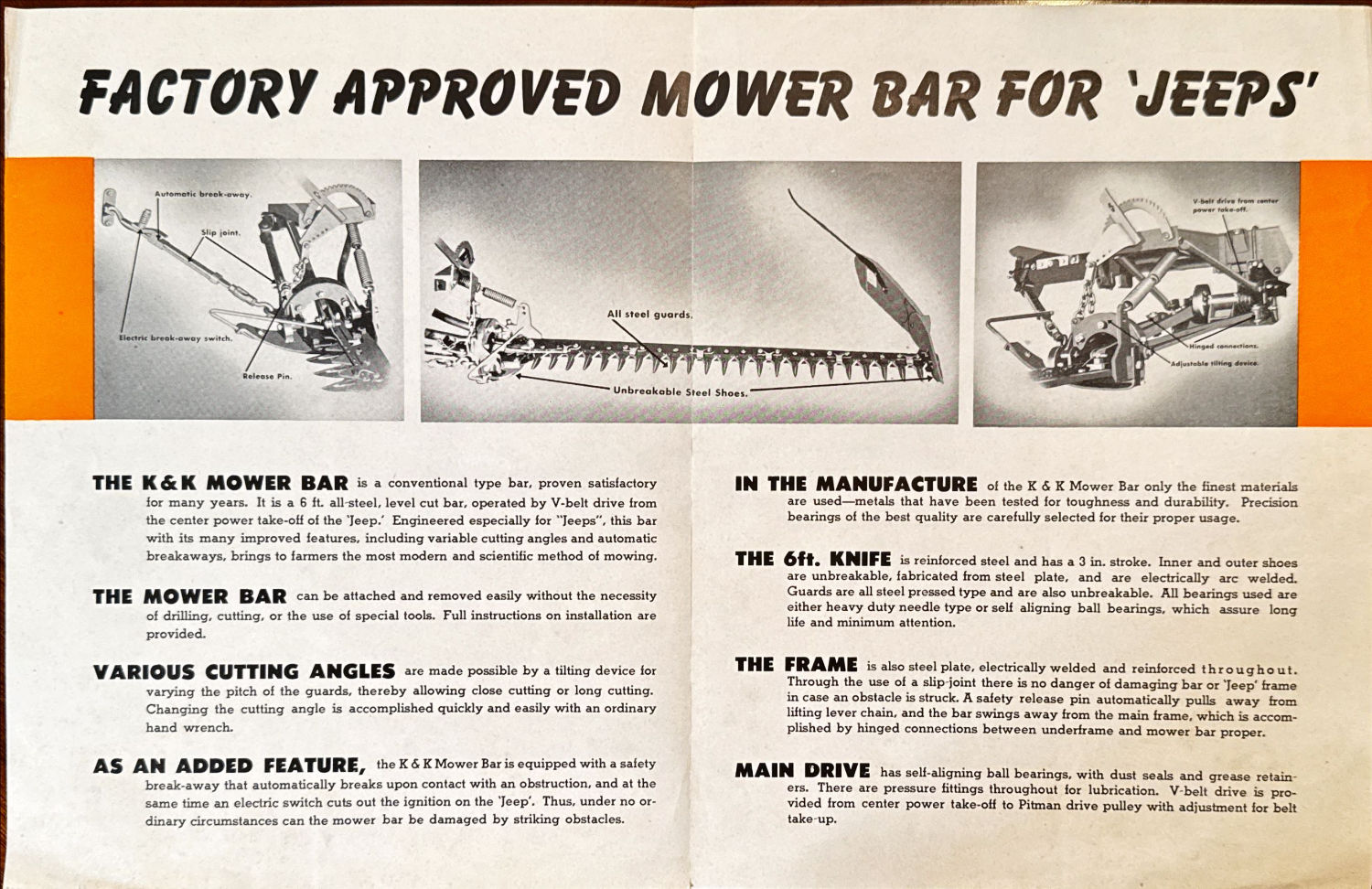
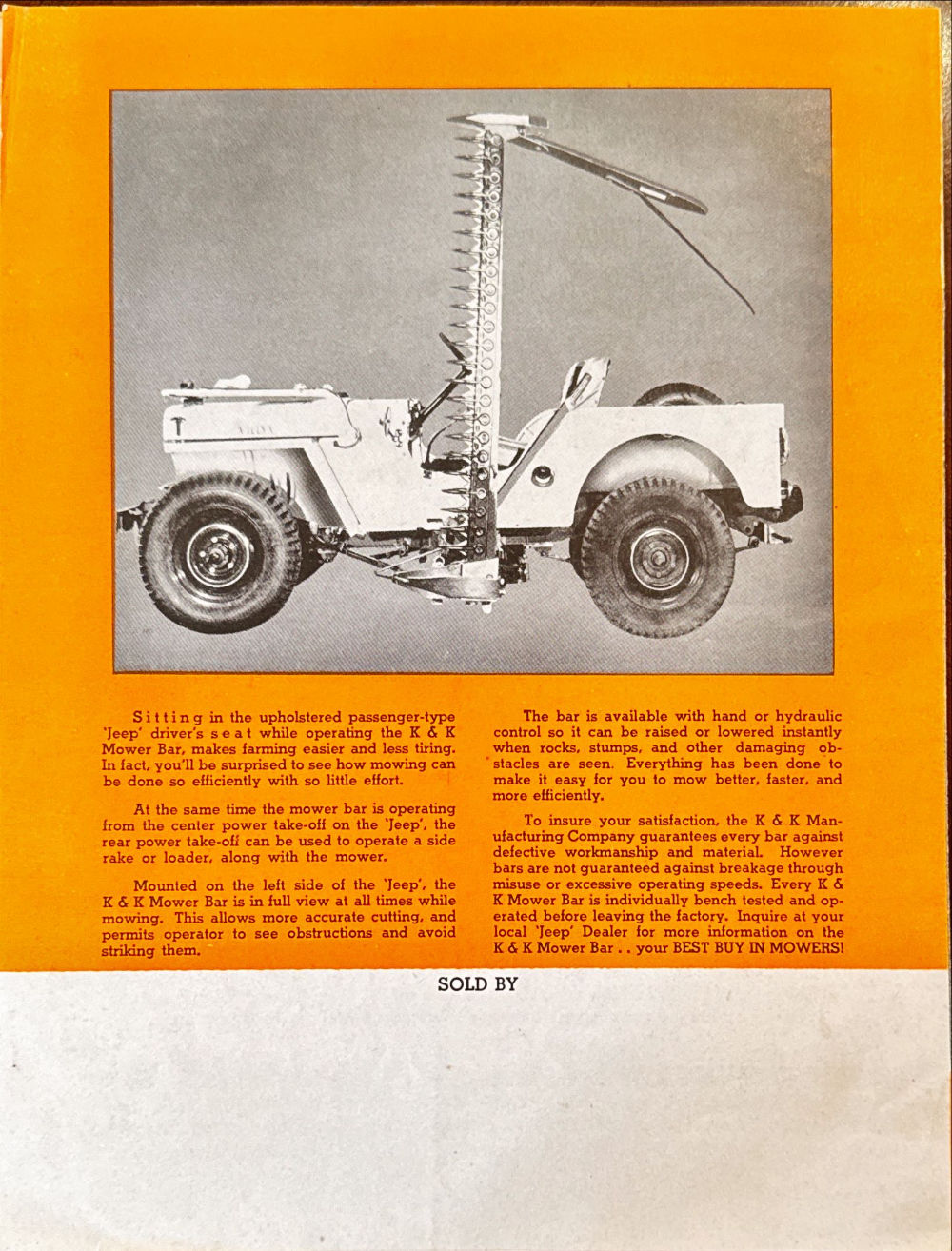
As for a date on this four-page brochure, I’d say, given the patent date of 1948, that this brochure might have also been printed in 1948, especially given the CJ-2A. My guess is that Mr. Keyser didn’t make enough money to warrant any future reproductions of it. But, that’s only a guess.
While I’ve always called this a K and K mower (that’s the manufacturer), the brochure and data tag describes it as a Jeep Mower Bar (see pics at very bottom).
=============================
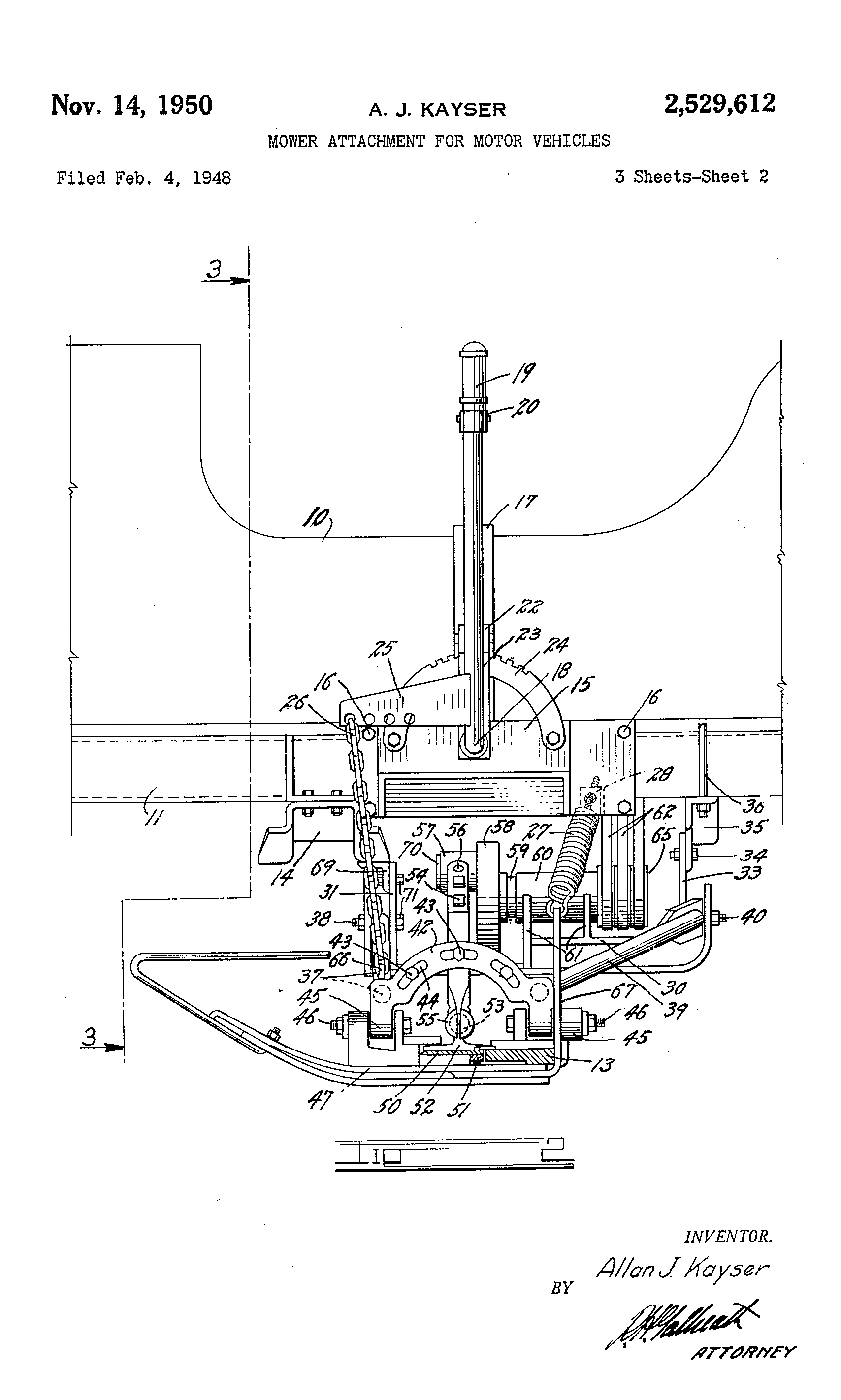
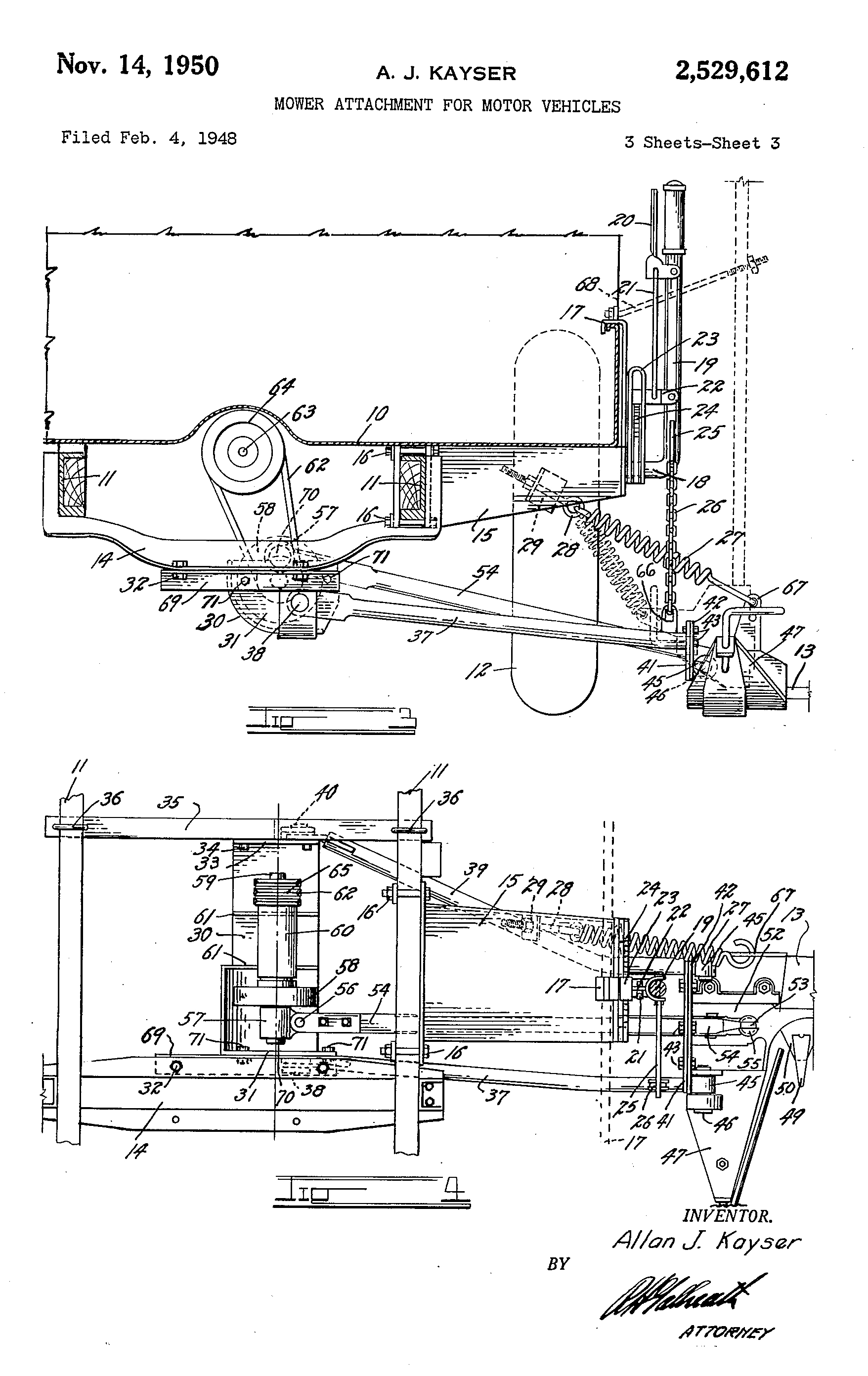
ORIGINALLY PUBLISHED MAY 17, 2019: In February of 1948 Allan Keyser filed a patent for a side mower. It appears this became the design for the K And K Manufacturing Company’s Mower as seen in the brochures at bottom. You can view other early mowing apparatuses here. Interesting that this came out of Colorado. I wouldn’t have guessed it.
“This invention relates to a mower attachment for the presently popular small, four-wheel drive, automotive vehicles popularly known as jeeps, and has for its principal object the provision of means whereby a mower bar can be quickly and easily attached to, or detached from, the vehicle so that it will be easily visible and easily controlled by the driver of the vehicle.
Another object of the invention is to provide highly efficient means whereby the angle of attack of a mower bar may be adjusted to suit the desires of the user and the requirements of the particular crop being harvested.”
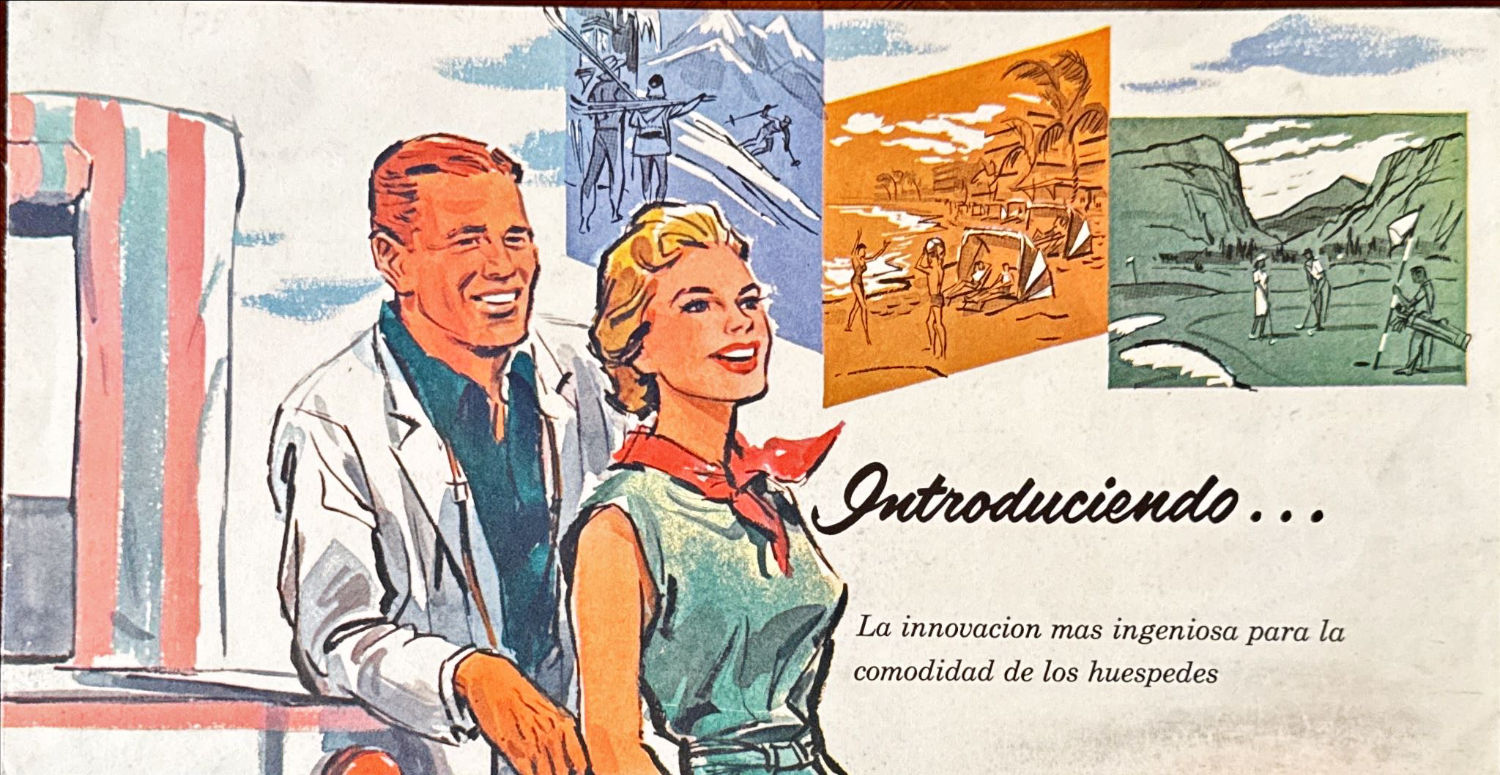
UPDATE: I bought the Spanish version of this brochure off of eBay, so I’m adding it to this post. The Spanish version is Forma H1-3-59.
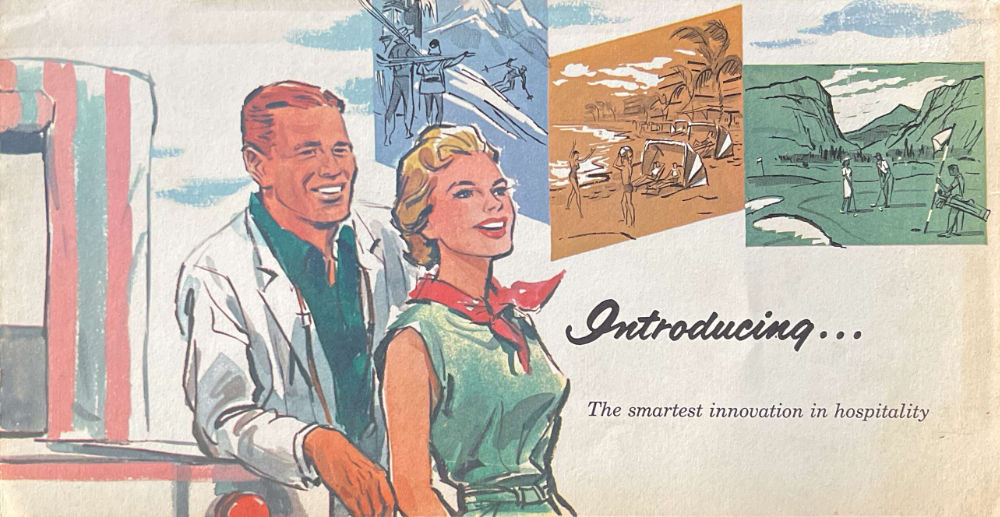
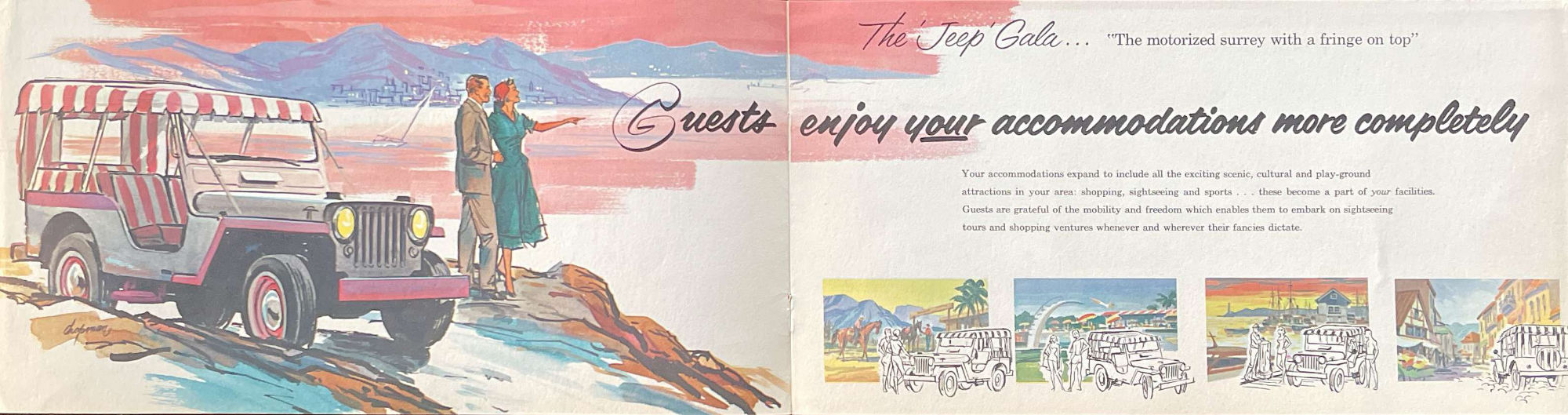
I won this rare early (first) Gala Brochure off of eBay. It is Form H1-3-59. The marketing document appears aimed at resorts and other tourist businesses. Interestingly, it appears conceptual in scope and doesn’t show any of the actual models available, other than what Las Brisas had done with DJ-3As. Note that on the back page it encourages interested parties to write to “Gala Plan, Willys Export Corp., Toledo 1, Ohio, U.S.A.”
Page 1:

Dan shared this one with me,
Not a Jeep, but priceless to someone looking for something like this…might be good to put on the site and try and get the word out so this gets a new home… .it’d be a shame for this to not find a good home…
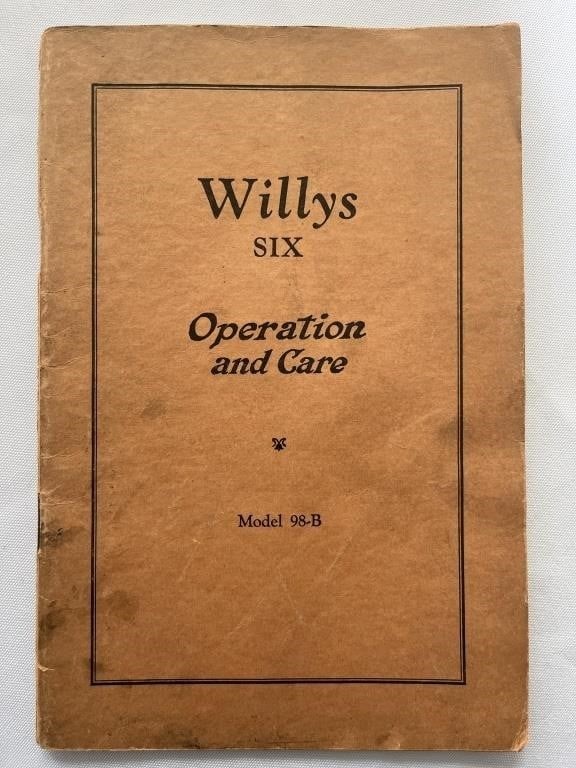
1929 Willys Six Model 98-B Owners Manual 1st (Auction)
https://hibid.com/lot/228963034/1929-willys-six-model-98-b-owners-manual-1st
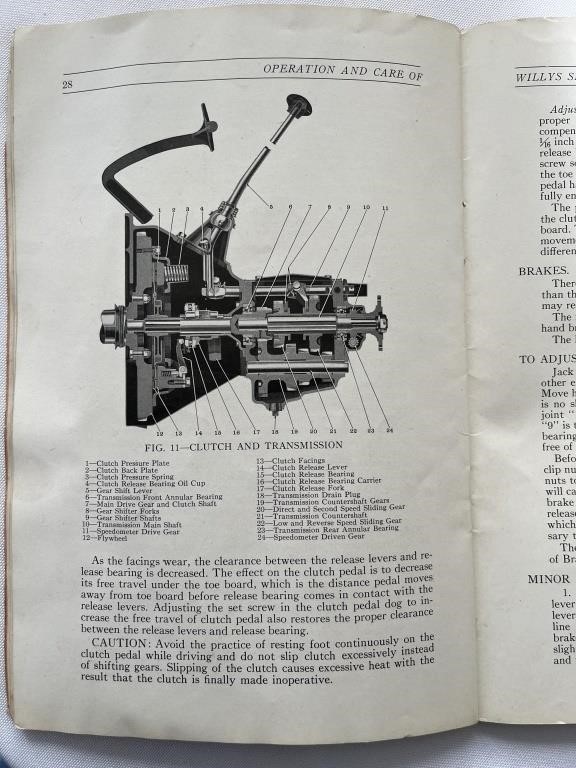
Really cool 1929 Willys Six Operation and Care Manual. What a great piece of Willys history. This is an auction.
Seller’s Description
Lot #: 54j
BIDDING NOTICE:
A 13% buyer’s premium will be charged on all winning bids. 3% discount for cash buyer that contact us by phone or email us BEFORE 12:30 p.m. on the auction closing day. Items are sold as-is, where-is, and buyer is responsible for inspection and evaluating condition.
1929 Willys Six Model 98-B Owners Manual 1st

Anyone recognize their serial number?
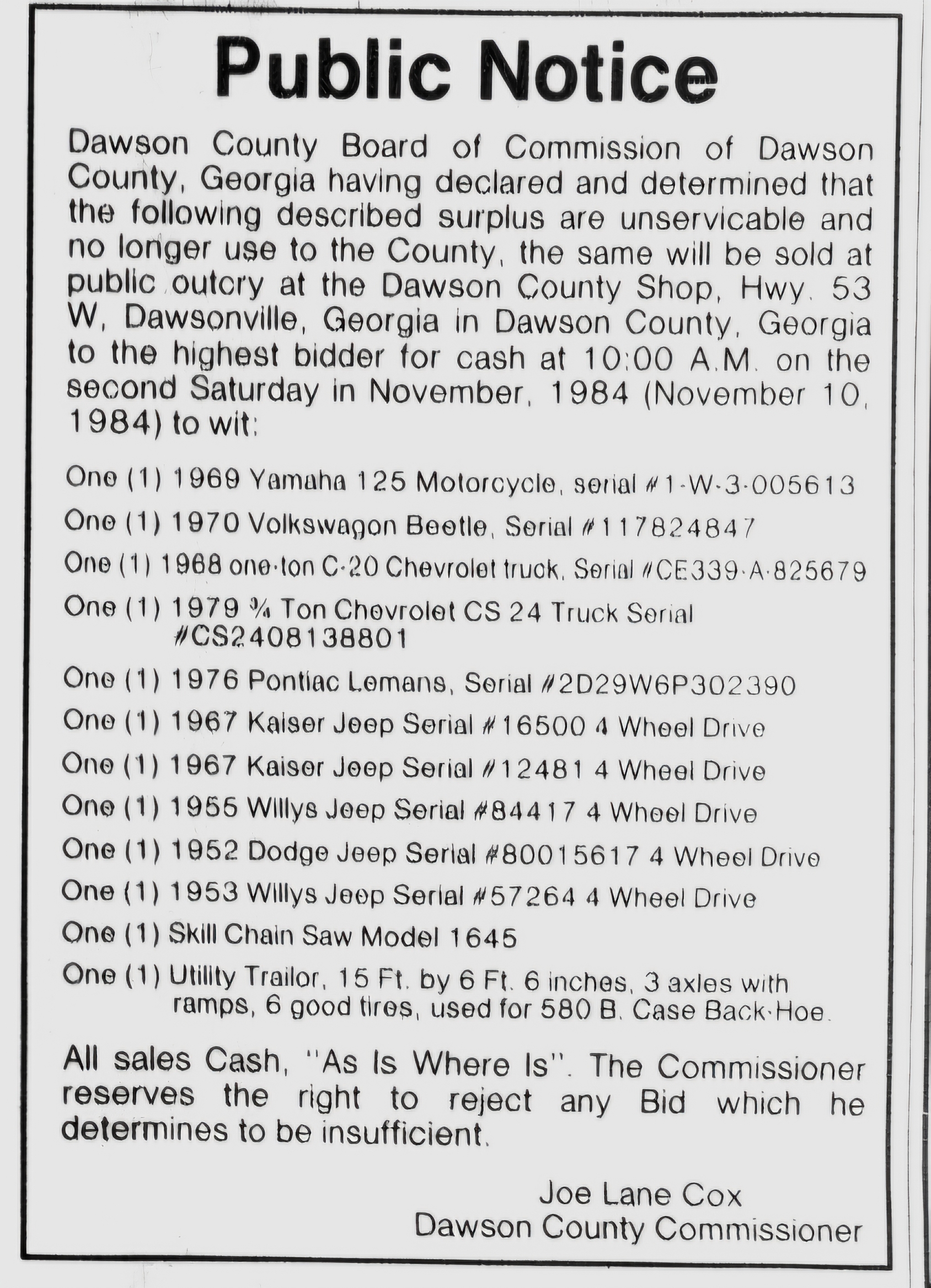
1984 Dawson County GA list of vehicles for Auction.
What a run for that 1953! 31 years, not that I know it was placed in service new, but if I had to guess I would say sure.