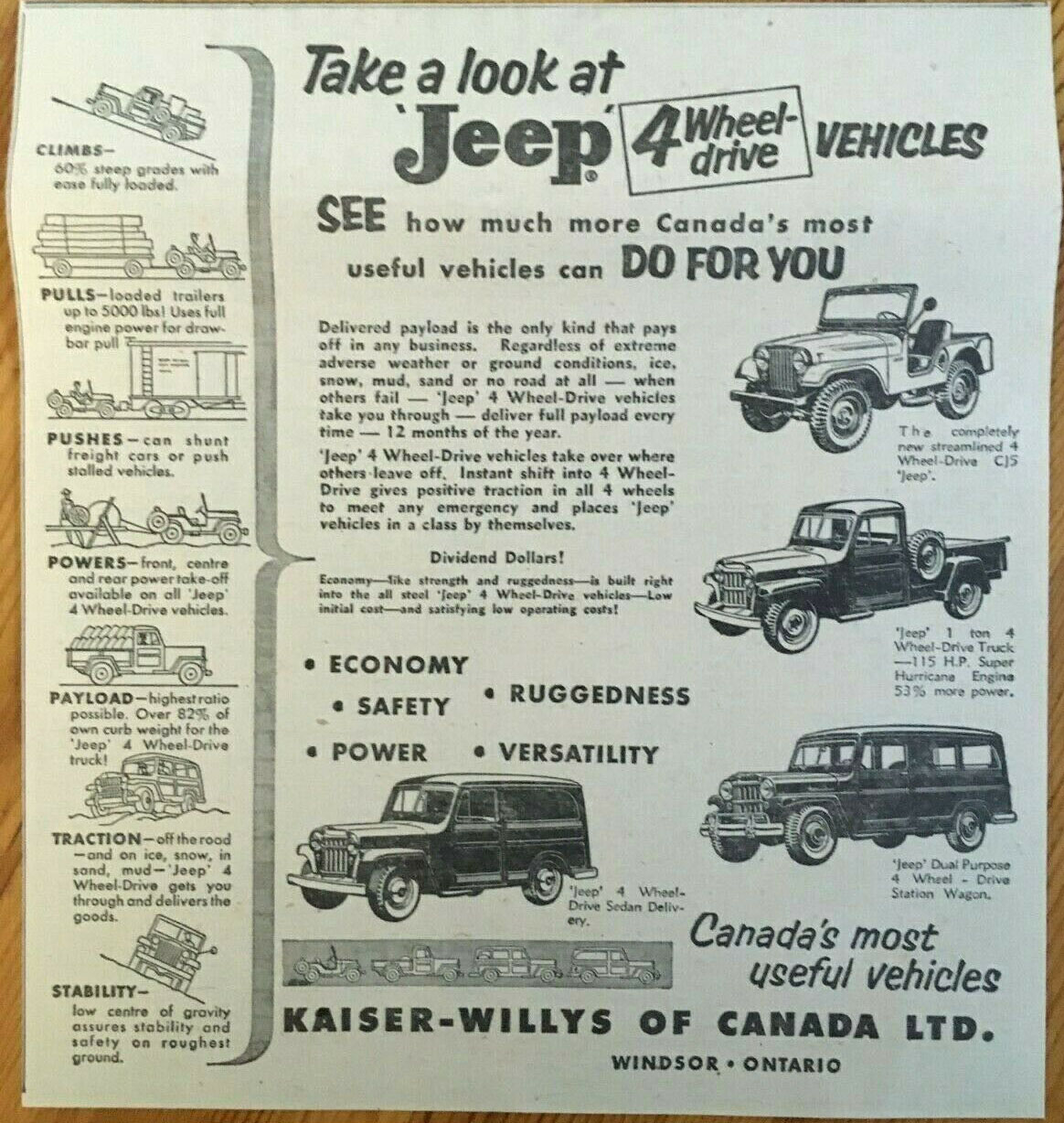
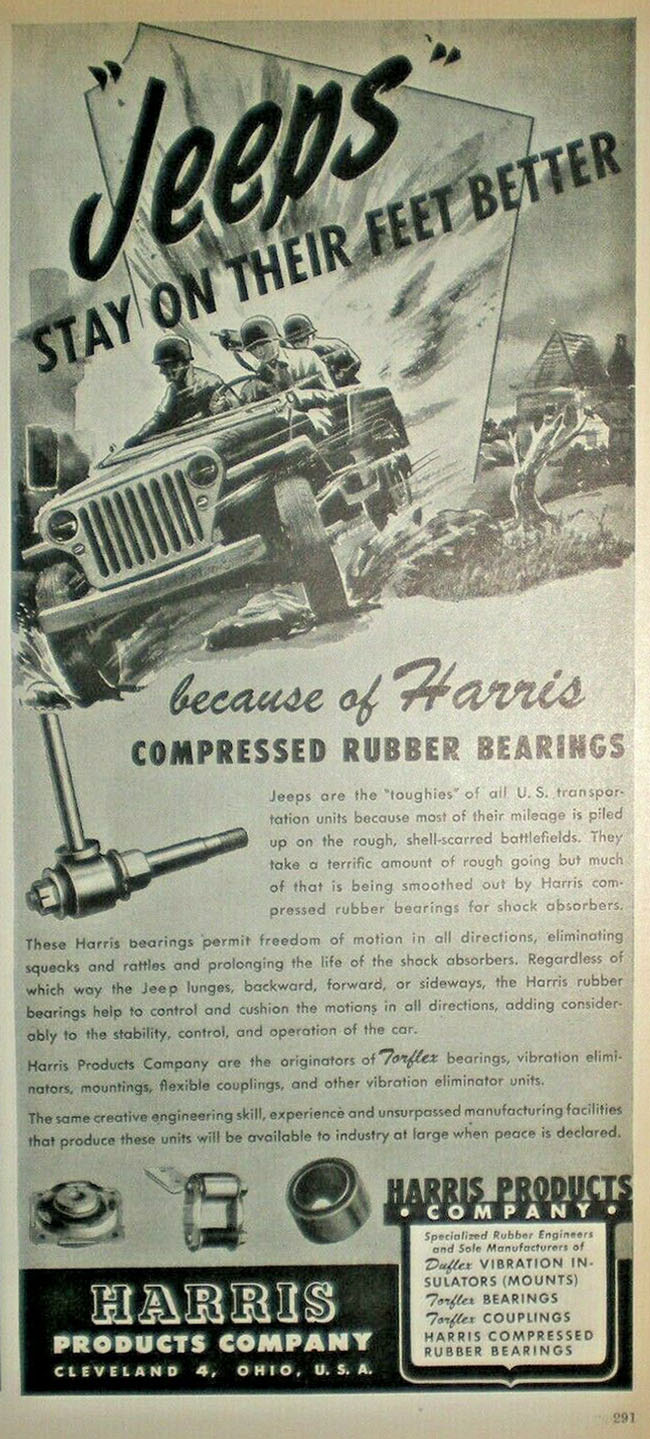
UPDATE: This is back on eBay.
This Harris Bearings ad appeared in a 1944 trade journal of some kind.
View all the information on eBay
“This is an Original old Vintage Trade Ad from 1944 This print ad Measures Approx: 11″ x 5″.”
emailNeed to contact me and don't have my email? Click on email button.
Welcome to eWillys.com, a website for vintage jeep enthusiasts. I update this website nearly every day with jeep deals, jeep history, interesting reader projects, jeep related info, and more.
These quick searches can help you find things on eBay. People list in the wrong categories all the time, so don't be surprised to see brochures in the parts area for example. This section used to be split into jeeps, parts and other categories, but recent changes to eBay will require this information to be recoded.
The links to posts below show jeeps grouped by models, condition, and other ways. Some of these jeeps are for sale and others have been sold. If you are unsure whether a vehicle is still for sale or not, email me at d [at] ewillys.com for more info.
There are plenty of interesting, unusual, historic and surprising stories related to Jeeps and their owners. In addition, some of these features have nothing to do with jeeps. This link will display all featured stories starting from the latest.
Looking for parts and not sure where to go? There are a variety of large and small new and used parts sellers both online and offline.
Importantly, the allure of buying a project jeep can be romantic. The reality of restoring a jeep can be quite different, expensive and overwhelming without the right tools and resources. So, tread carefully when purchasing a "project". If you have any concerns about buying a vintage jeep, or run across a scam, feel free to contact me for help, comments or concerns .
UPDATE: This is back on eBay.
This Harris Bearings ad appeared in a 1944 trade journal of some kind.
View all the information on eBay
“This is an Original old Vintage Trade Ad from 1944 This print ad Measures Approx: 11″ x 5″.”
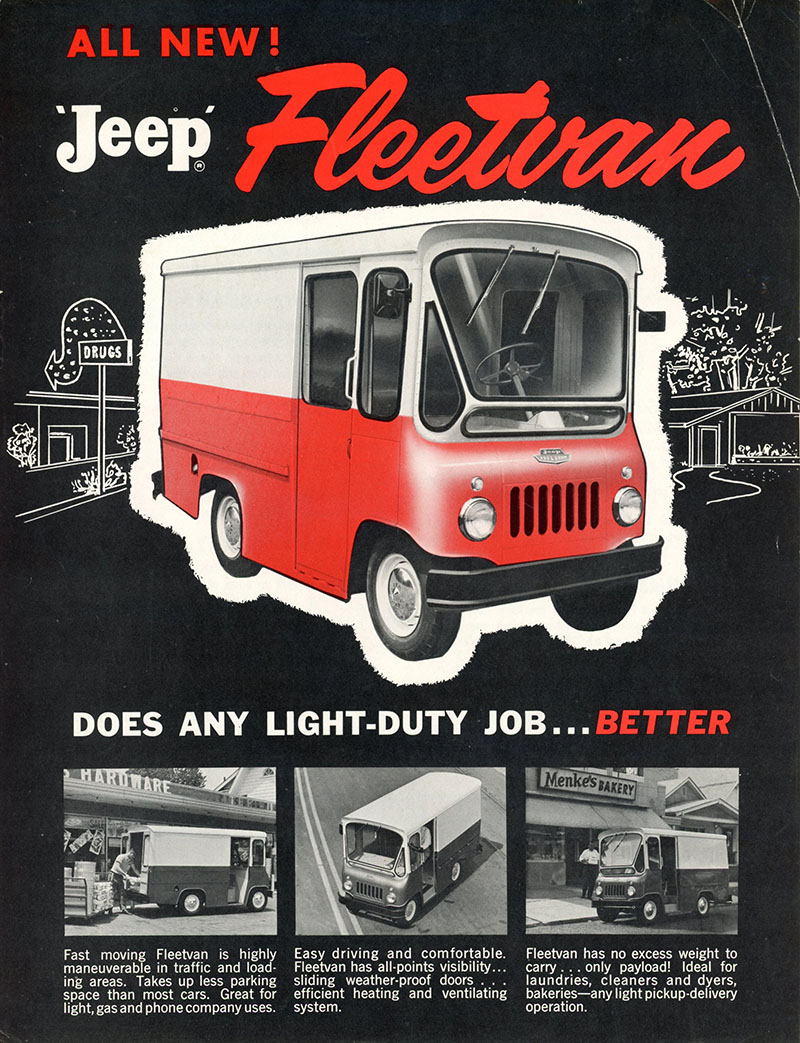
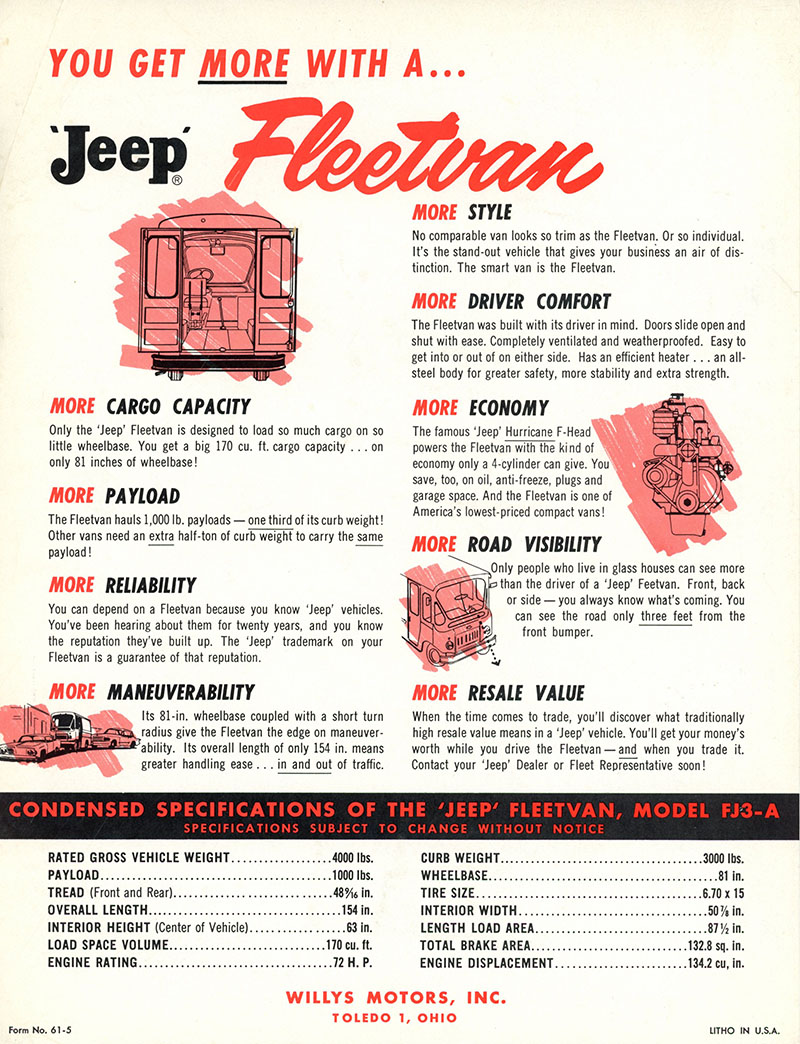
This FJ-3A brochure Form No. 61-05.
====================
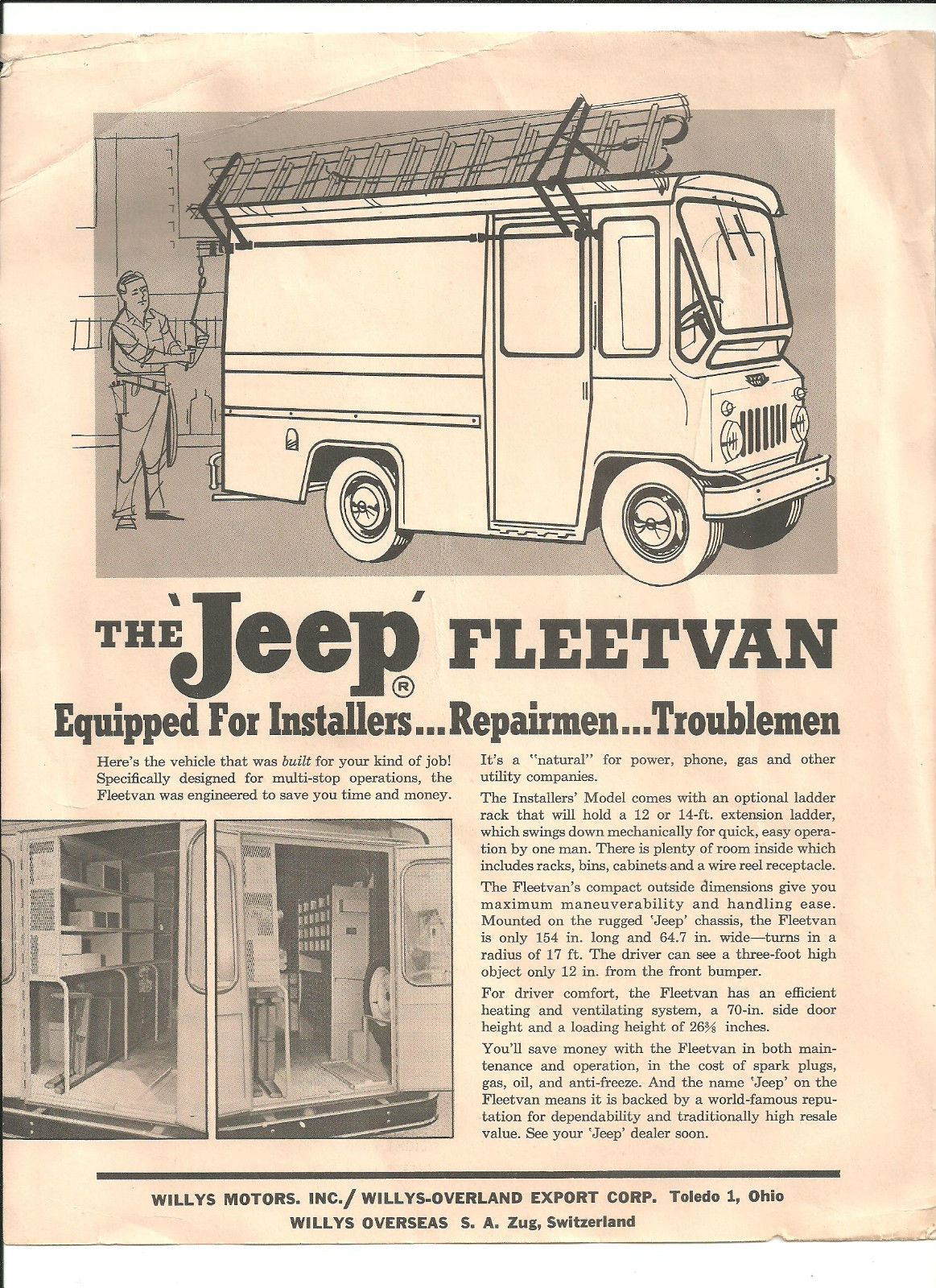
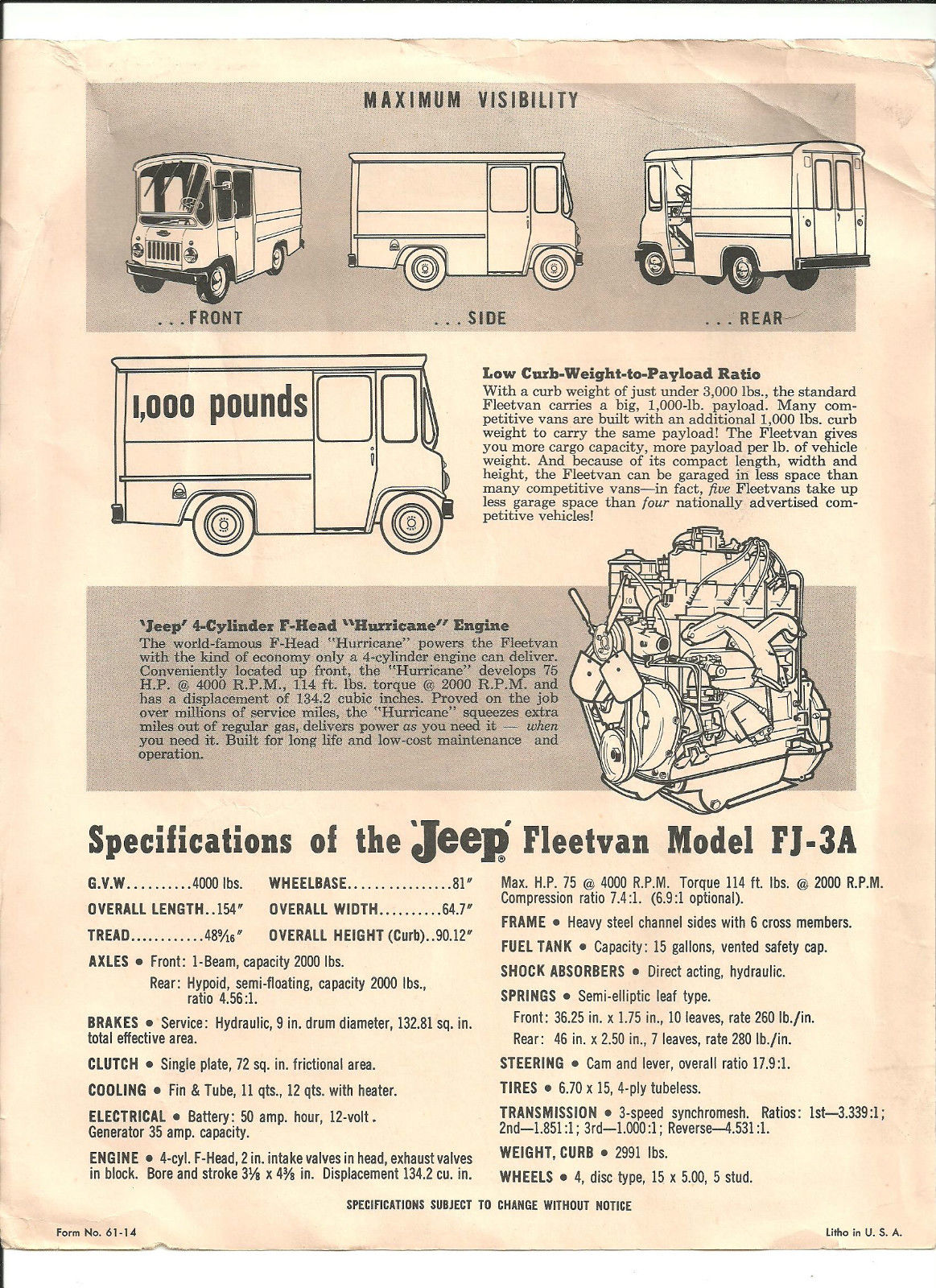
Originally published October 31, 2015: This is an interesting FJ-3A brochure. It is Form No. 61-14. The ladder holder is something I haven’t seen anywhere.
“Here I have a 1961 single sheet advertisement issued by Willys for the Willys Jeep Fleetvan. There is some wear along the top and some light creasing (See Scans) but it still displays very nicely.”
Originally Published November 03, 2019:
===========================
Originally posted in September of 2018:
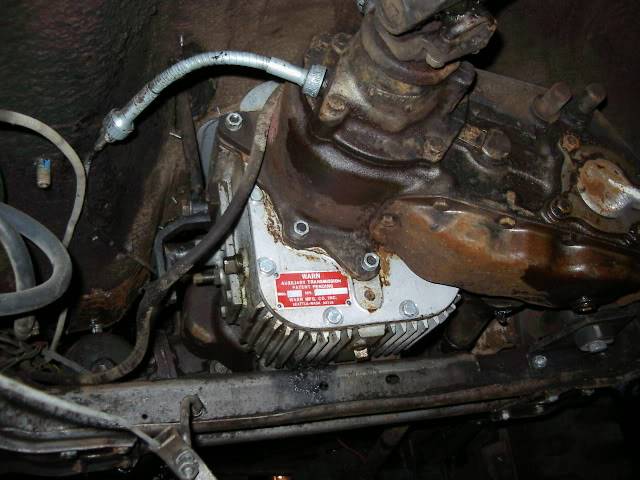
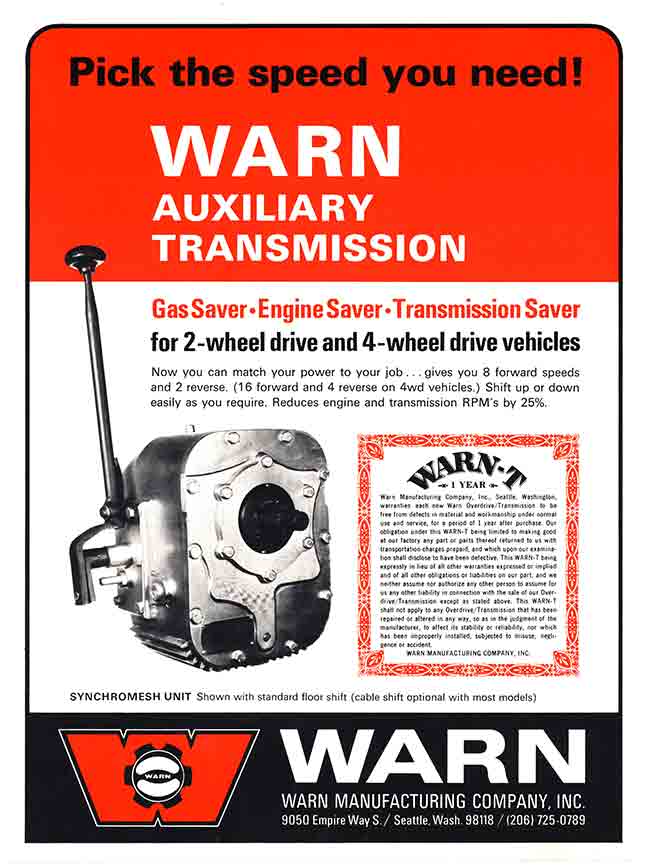
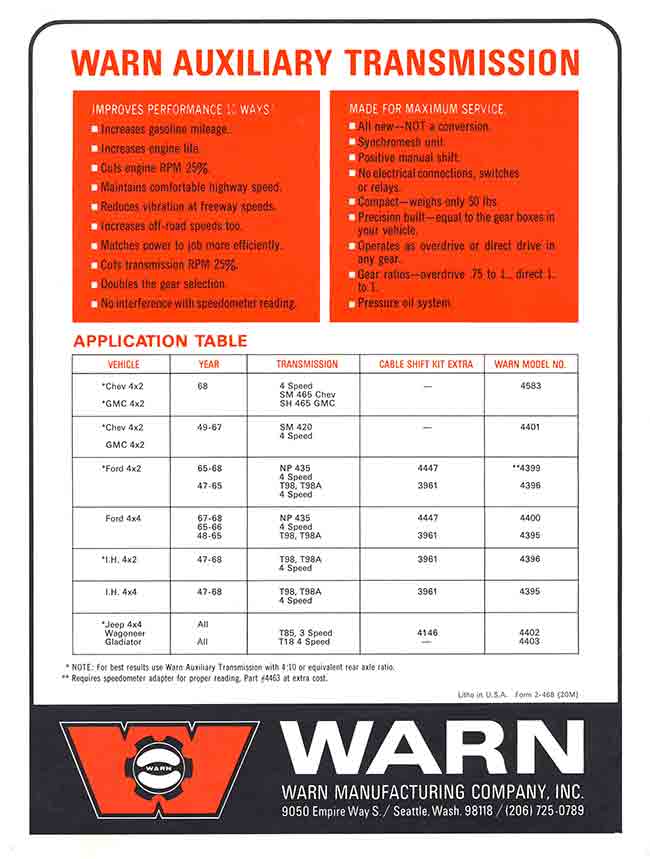
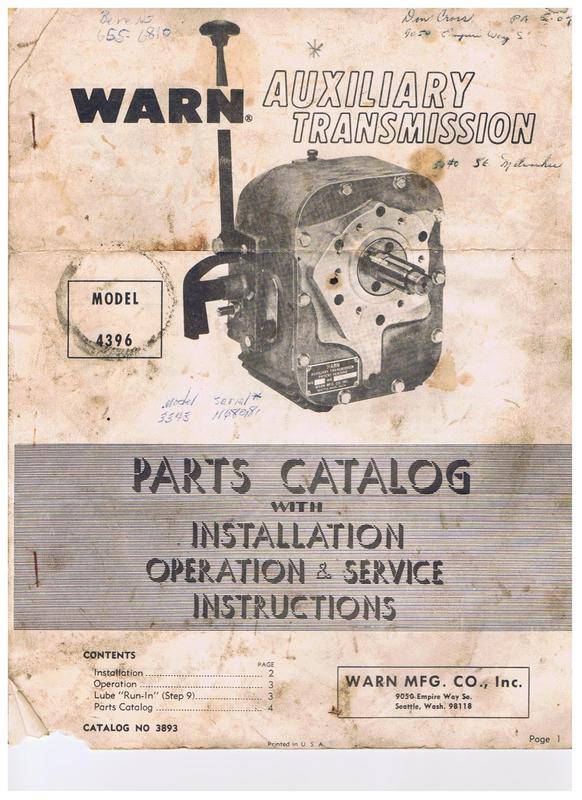
Blaine spotted a discussion at the Ford-Trucks.com forum on Auxiliary transmissions that included the rare Warn Auxiliary Overdrive. A user named “38 Coupe” shared a bunch of smaller Auxiliary transmission documents that included a Parts and Instruction manual for the Warn AO. So, here it is, along with some photos of a Warn unit that was for sale in April of 2015.
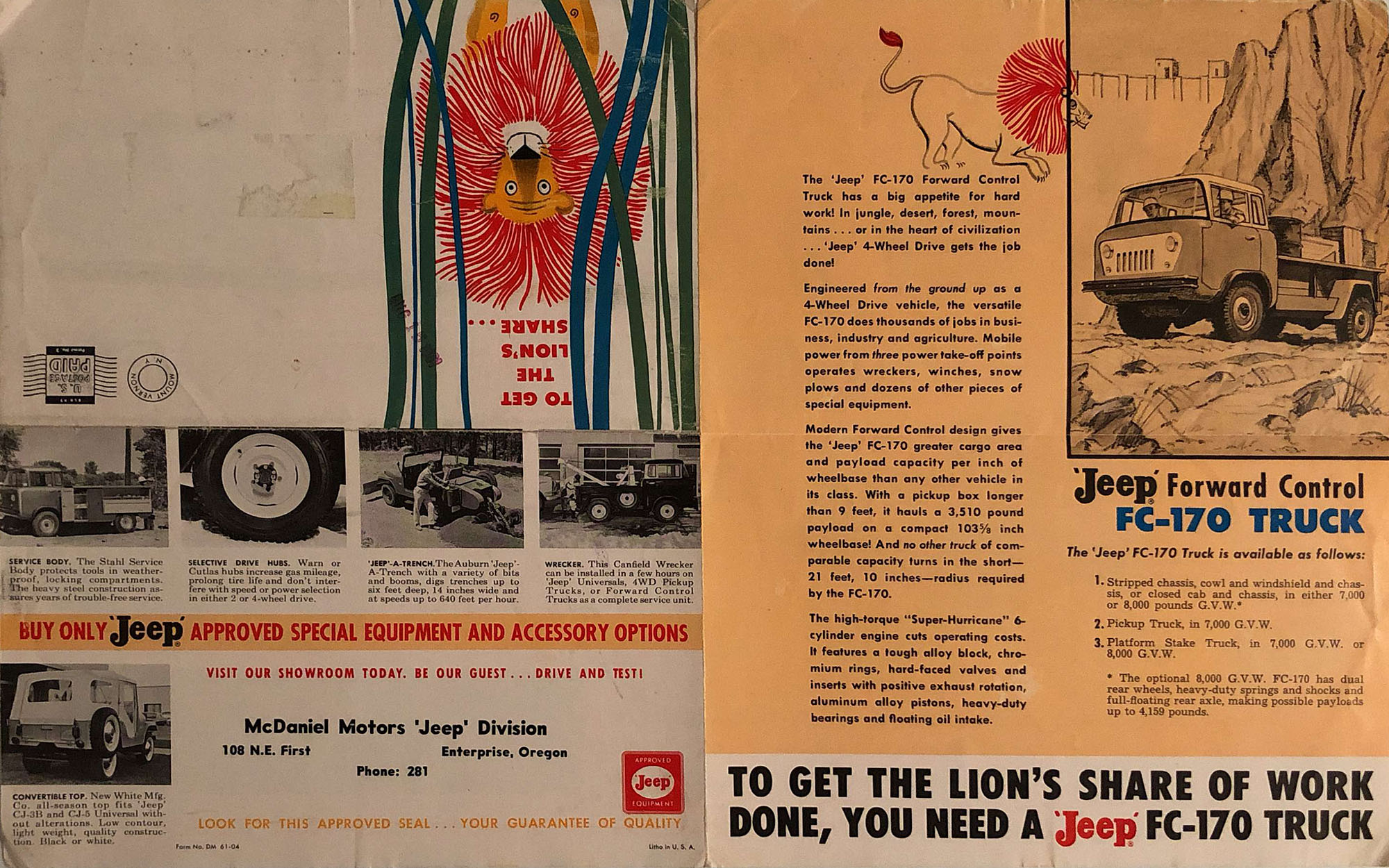
This jeep family brochure is one of that last of the “animal series” that I didn’t own. The brochure includes plugs for Maverick, Hong Kong and Jack Paar Shows. It is Form No. DM61-04.
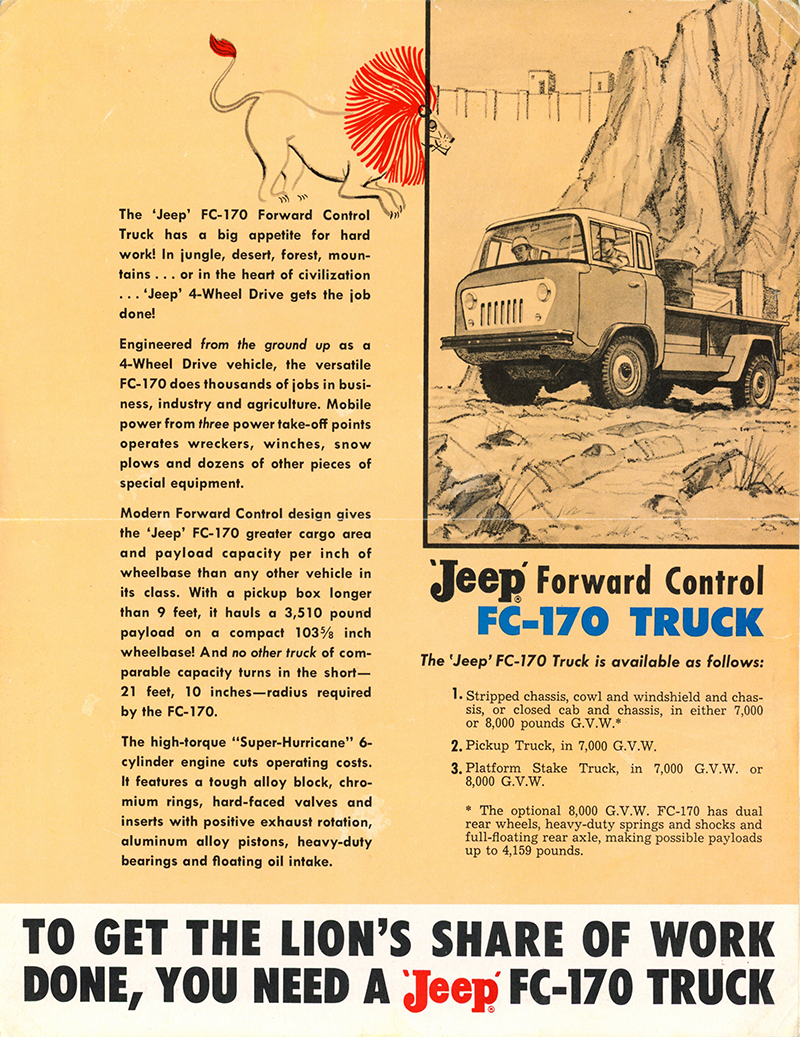
This is how it looks when fully opened:
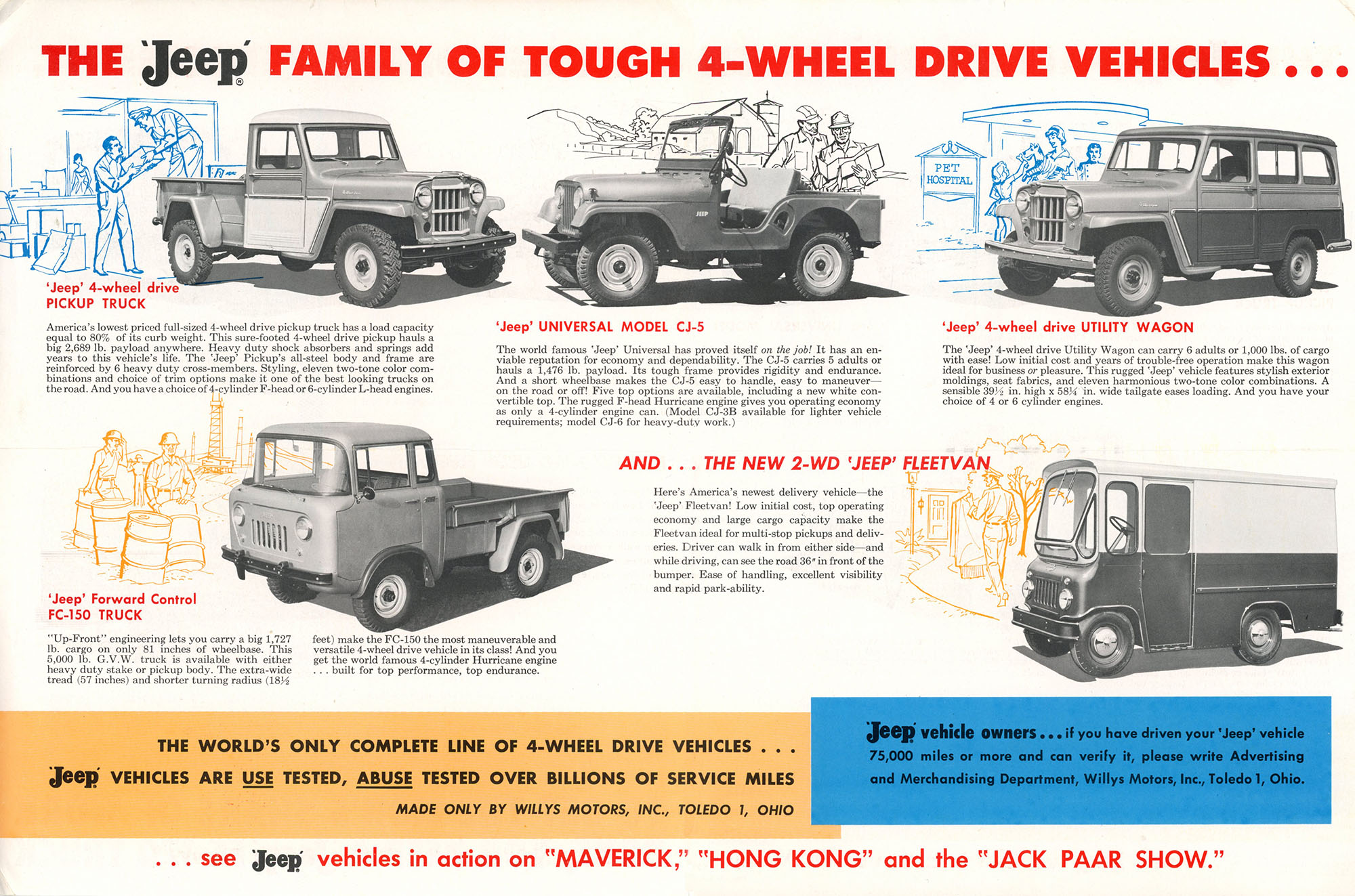
This is the back: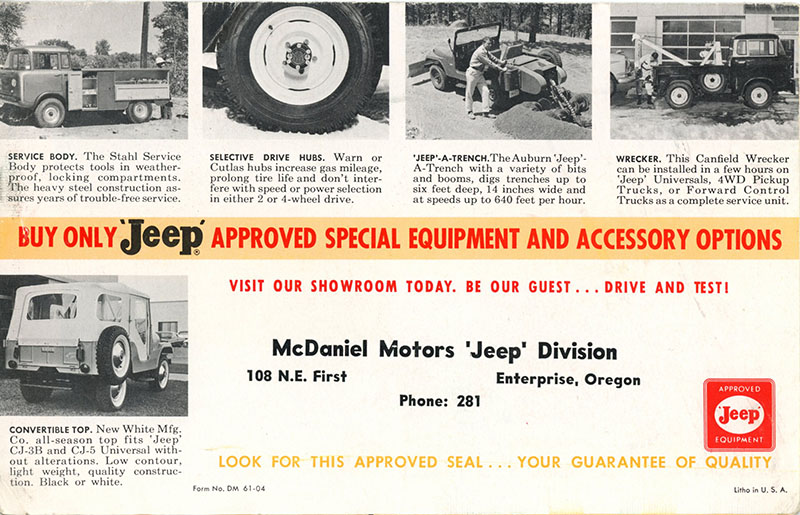
This is the entire back when opened:
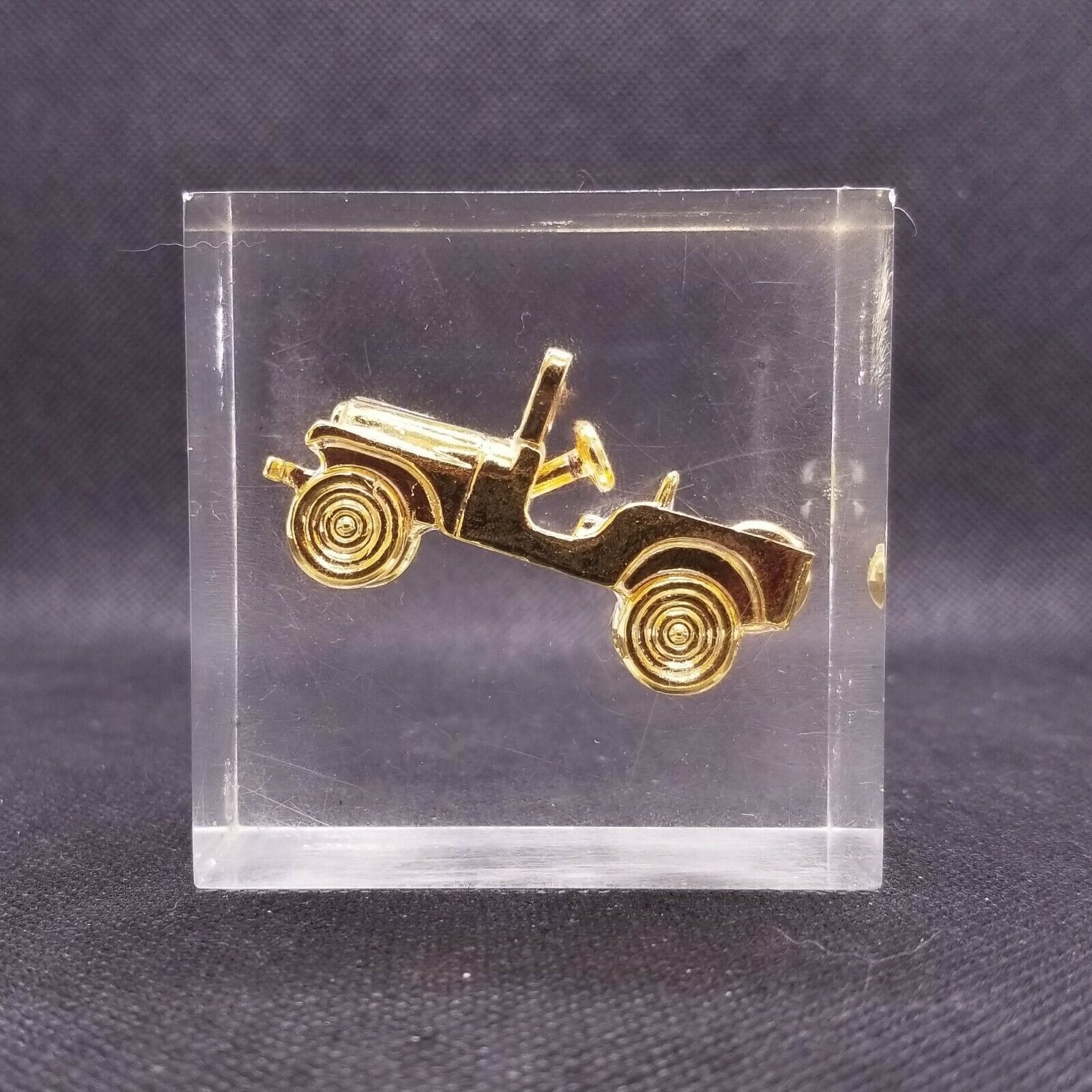
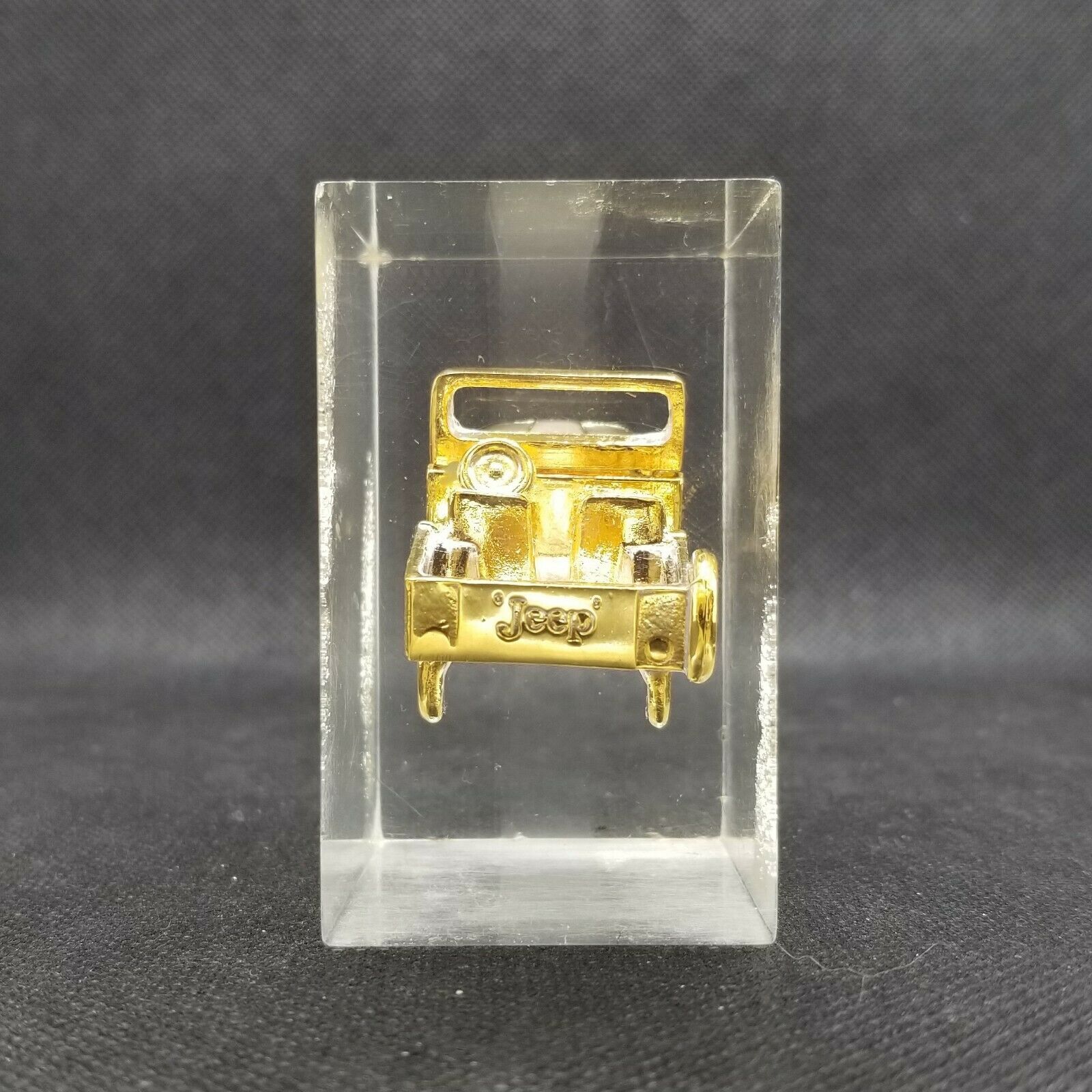
This is an unusual item that Maury shared. It’s priced at $99. A similar type of jeep sold without the lucite for $57 in August of 2020.
View all the information on eBay
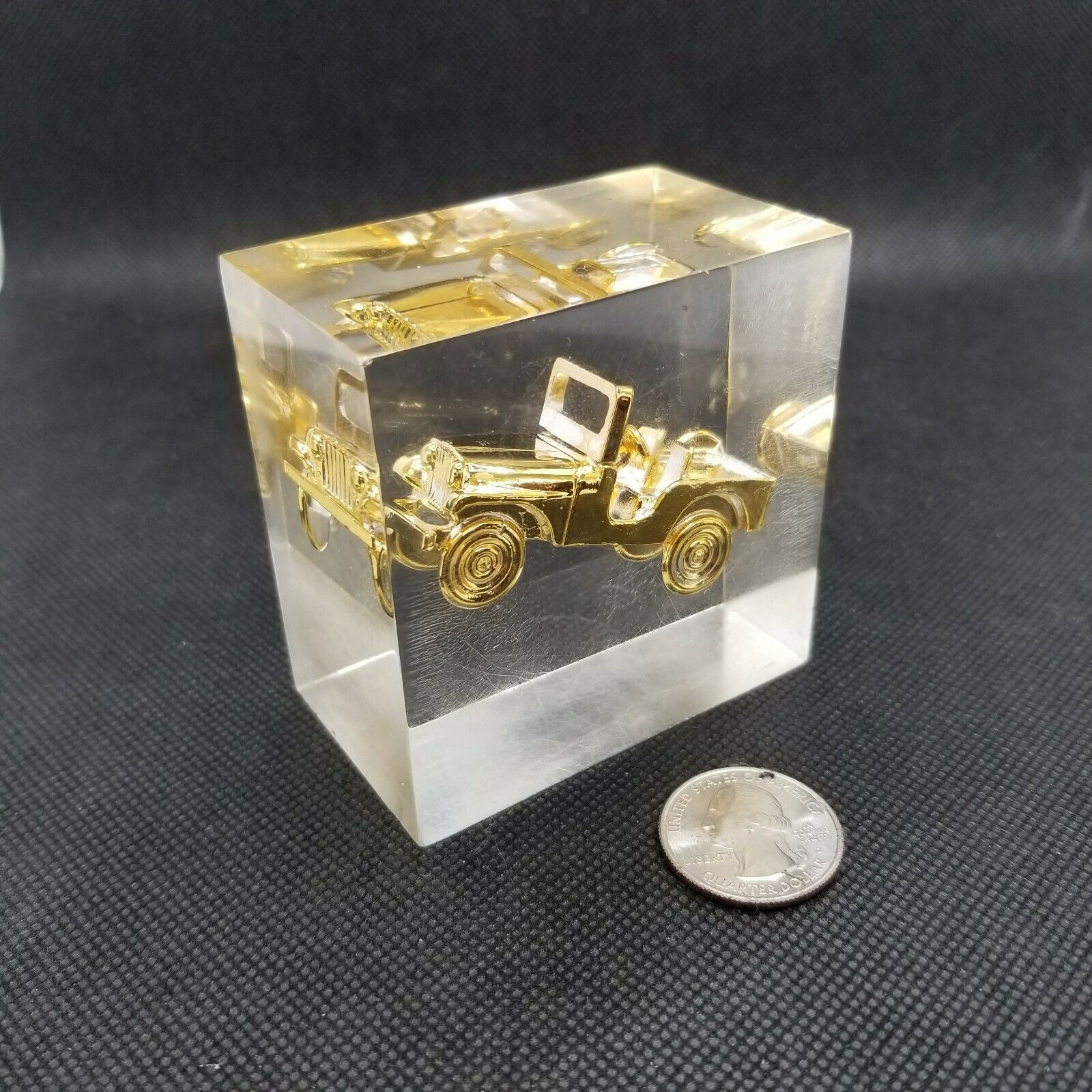
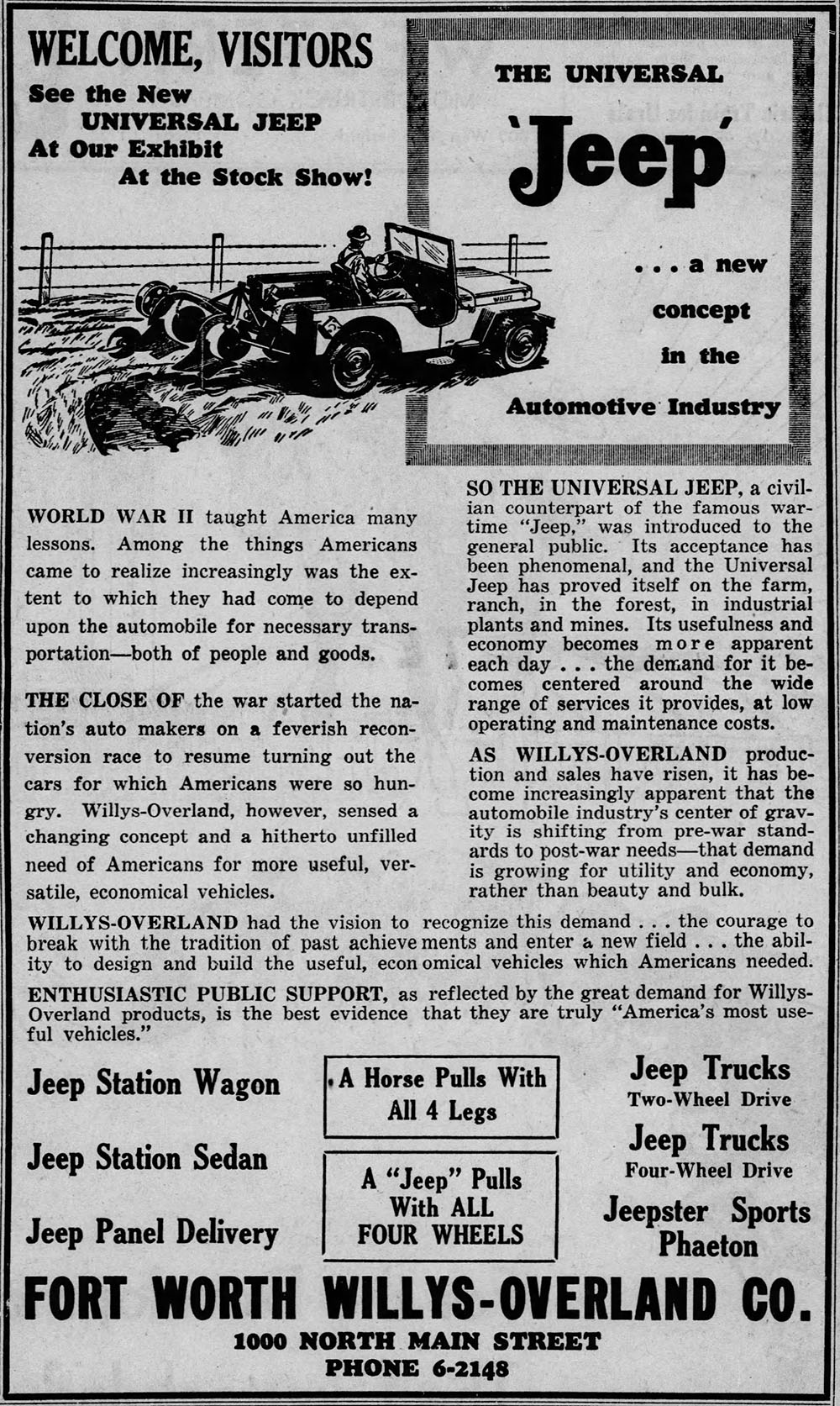
What I found curious about this advertisement is that it sounds more like one from 1945 or 1946, rather than 1949. Published January 23, 1949, the ad by Fort Worth Willys-Overland seems to be trying to introduce readers to this ‘new concept’ of an automobile. However, it does so without invoking the four-in-one-vehicle concept used in the early years. Had Fort Worth Star-Telegram readers never seen or heard of a civilian jeep?
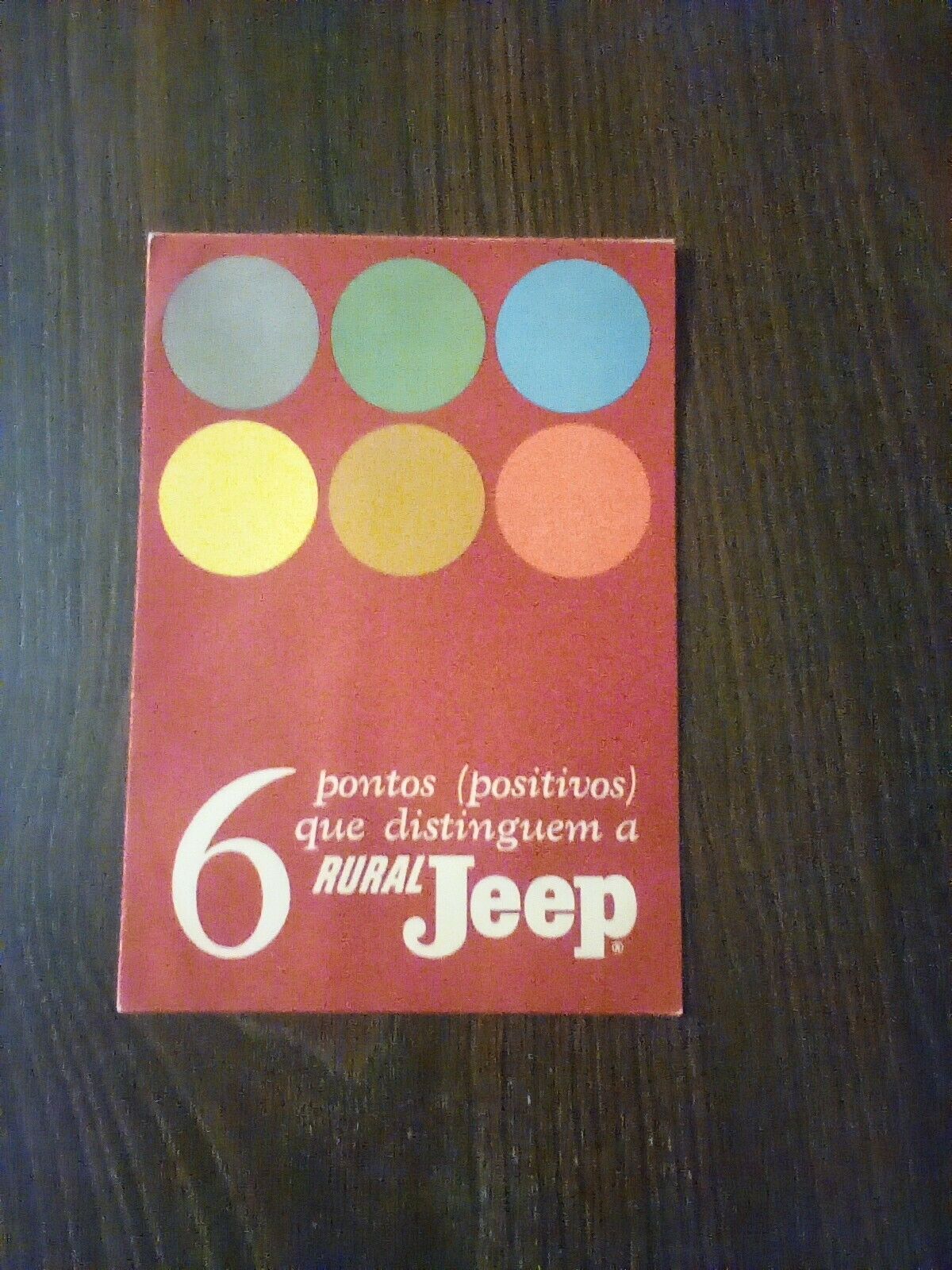
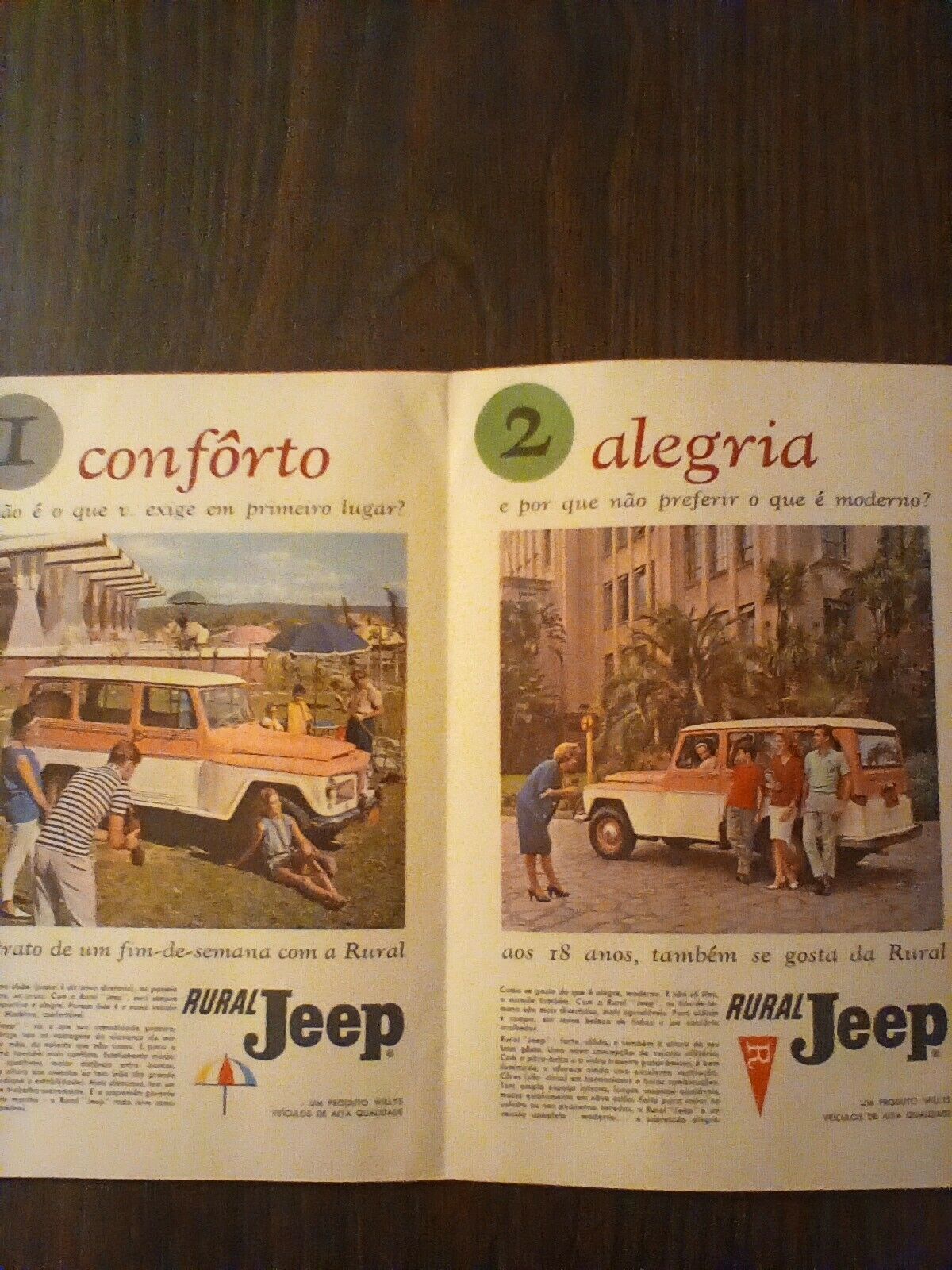
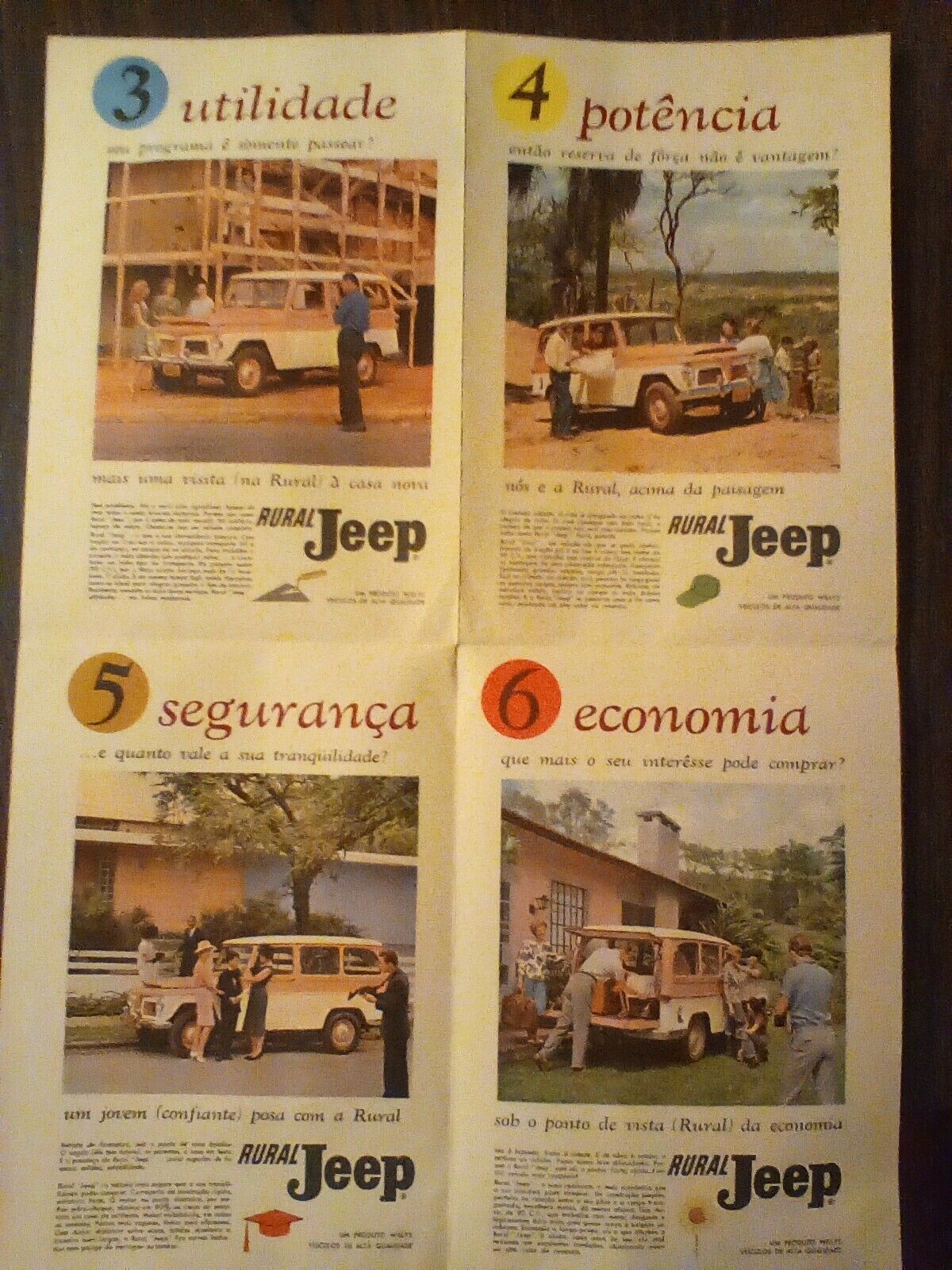
This brochure out of Brazil highlights 6 reasons to buy the 1963 Rural wagon.
View all the information on eBay
“1963Jeep Folder, Brazilian Rural Jeep Folder. Condition is “Used”. Shipped with USPS First Class. This is a very nice folder Written in Portuguese Willys Overland”Fabricator vehicles of high quality”. I think what it’s saying is 6 positive reasons To buy a jeep in this rural area. Very nice piece, In great condition. All original.”
UPDATE: Bill shared David Tracy’s updated to this commercial. Apparently, there’s a disagreement on the history of the truck between the former owner and jeep. While an interesting story, I still think it’s a big issue over nothing.
https://jalopnik.com/jeep-bought-his-awesome-1963-gladiator-and-then-crushed-1845936078
=======================
Originally Posted Feb 2, 2019:
Several folks have emailed about the controversy over the new Gladiator Jeep ad. The new ad shows an old Jeep Gladiator being crushed from which the new Gladiator emerges. Some folks resent the fact that the old Gladiator was crushed, as it appears to be in restorable shape. Given there were over 100,000 of them produced, I don’t think crushing one will cause the world to end. There are also plenty of cheap ones available. I found these two on my very first search:
2 for $3000: https://olympic.craigslist.org/cto/d/bremerton-rare-jeep-gladiator/6799254554.html
1 for $1100: https://seattle.craigslist.org/tac/cto/d/gig-harbor-1971-jeep-j2000-gladiator/6804750817.html
The actual crushing aside, my problem with the commercial is this: If the point of creating a new Gladiator was to benefit from the nostalgia of the original Gladiator, crushing the life out of an old Gladiator doesn’t do that. Nostalgia should be about reliving happy memories not, literally, crushing old memories.
For fun, here’s an old Jeep Gladiator commercial (the first 30 seconds is an introduction, but the remainder of the video is a commercial or 2 separate commercials):
On a side note, there’s already a Jeep Gladiator Forum ready for the new Gladiator.
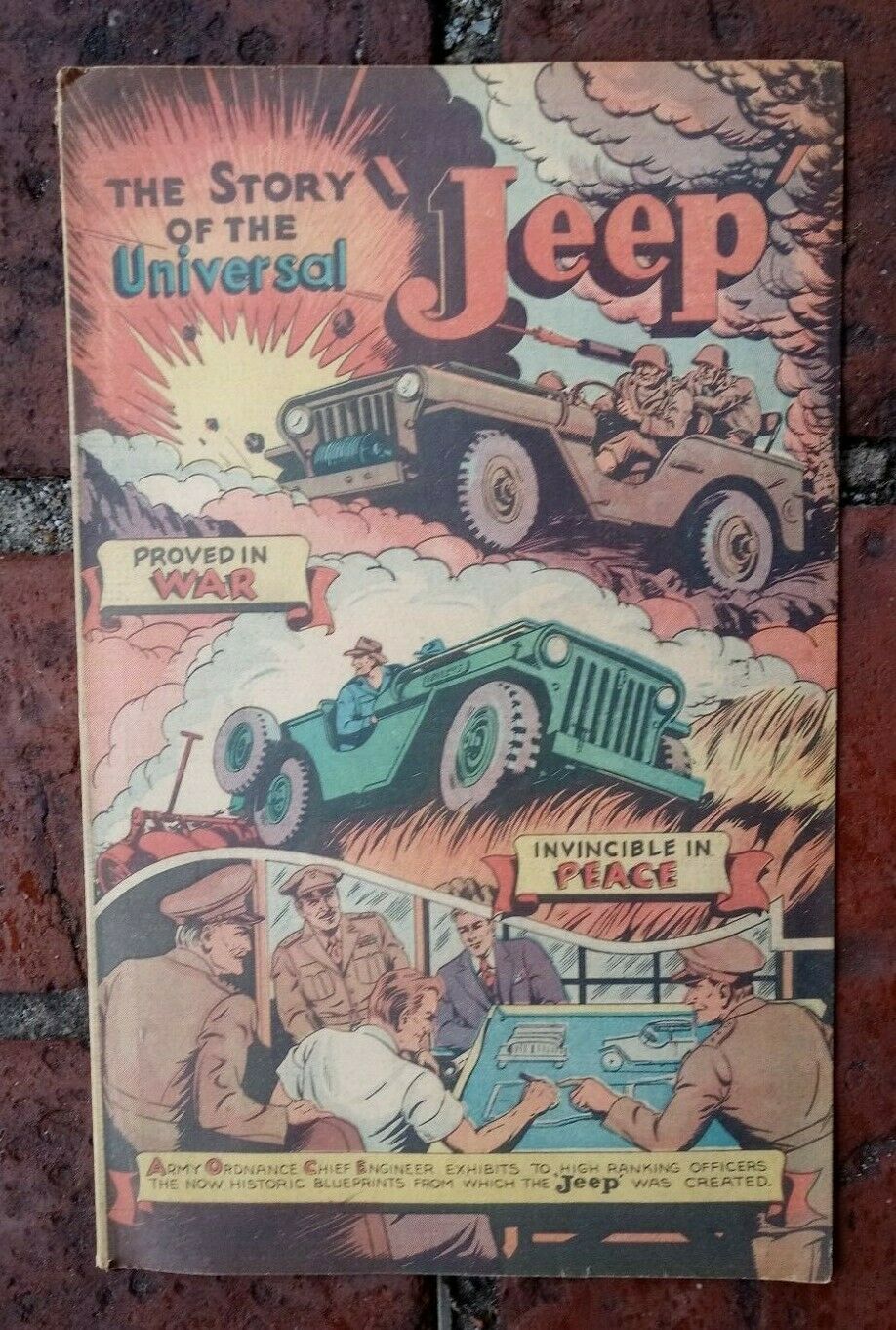
Bidding starts at $15. This is listed as a 1950 creation, but I would think it was published earlier than that. Given it includes a truck, but no CJ-3A, I’d say more like 1948? I’ll have to verify with my copy.
View all the information on eBay
“THE STORY OF THE UNIVERSAL JEEP – PROMOTIONAL COMIC
PUBLISHED BY WILLYS – OVERLAND, CREATOR OF THE JEEP
JEEP UNIVERSAL WAS A NAME USED BY WILLYS FOR ITS 1/4 TON CJ UTILITY VEHICLES
BACK COVER HAS AN AD FOR THE UNIVERSAL JEEP AND JEEP TRUCKS
16 PAGES, FULL COLOR, STANDARD COMIC SIZE”
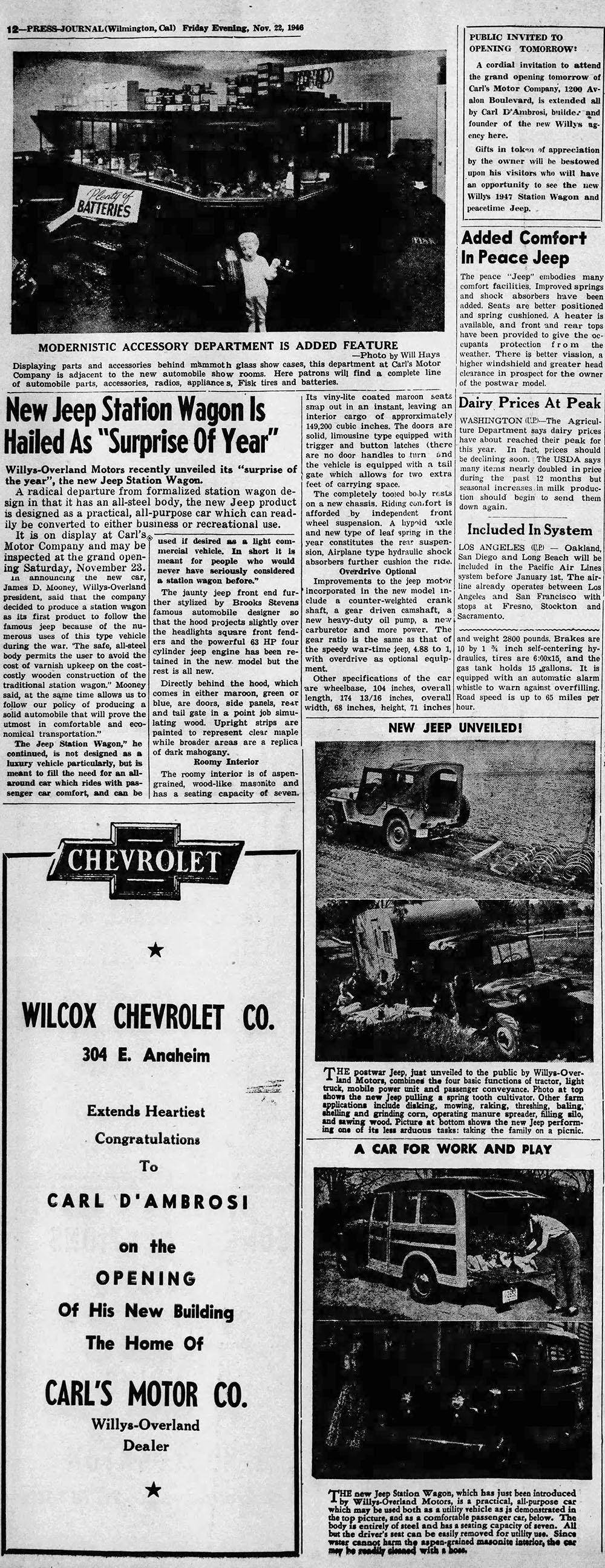
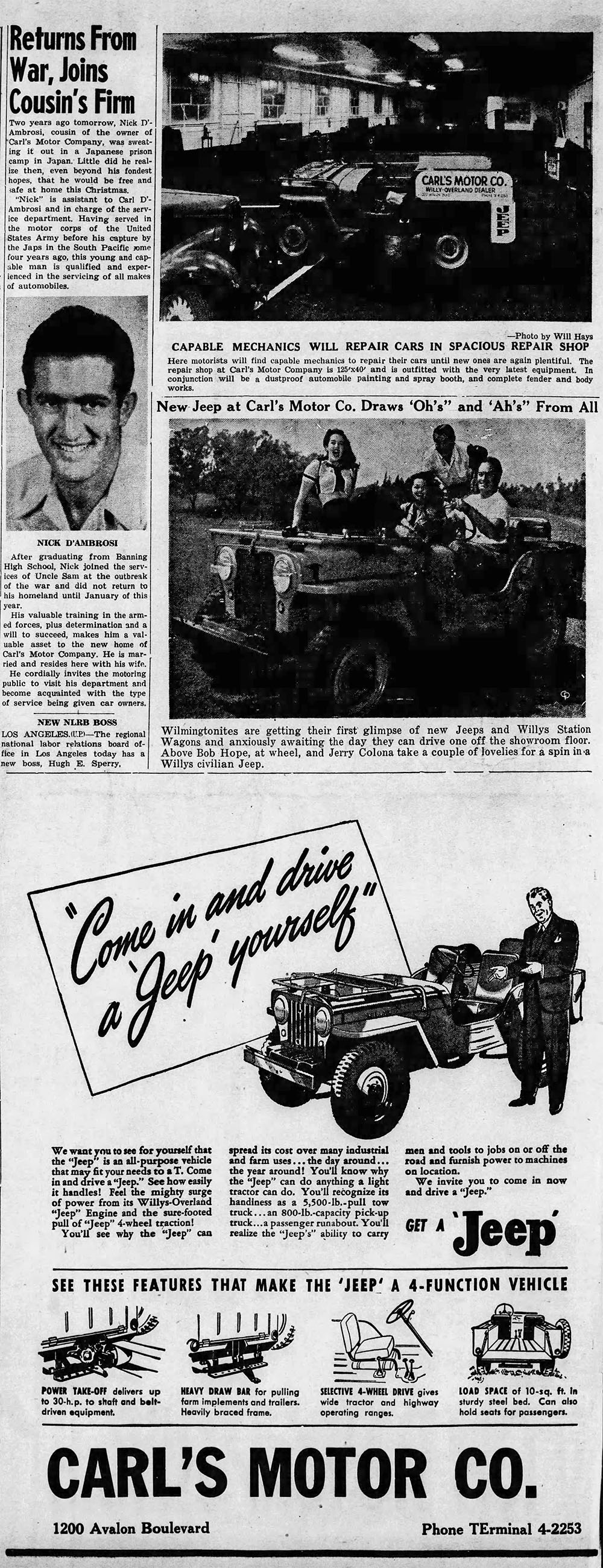
This looks like it may have been a full-page ad for Carl’s Motor company, despite the news stories sprinkled within. Note the photo of Bob Hope in a CJ-2A that seems to be promoting Carl’s Motors (I wonder if Bob Hope knew it).
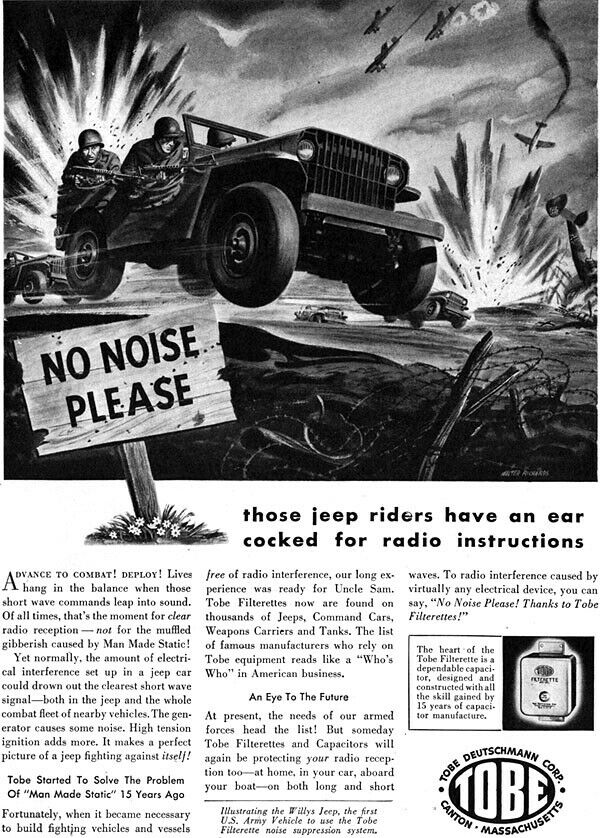
A whole ‘flock’ of Slat Grilles flying over a battle field.
View all the information on eBay
“What It Is
A wonderful original magazine ad from 1942 for
Tobe Deutschmann Corp. Filterettes and Capacitors – Canton, Massachusetts
wonderfully illustrated by Walter Richards
Those Jeep Riders have an ear cocked for radio instructions.
Specifications
Ad is about 7.5 x 11 inches
Condition Note
It’s rather difficult to get the color and the contrast of the original in a scan AND preserve any flaws, which tend to get muted, so this text will describe flaws, if any.”