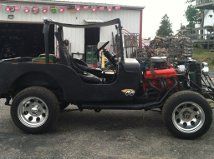
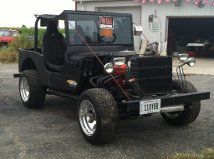
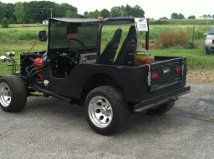
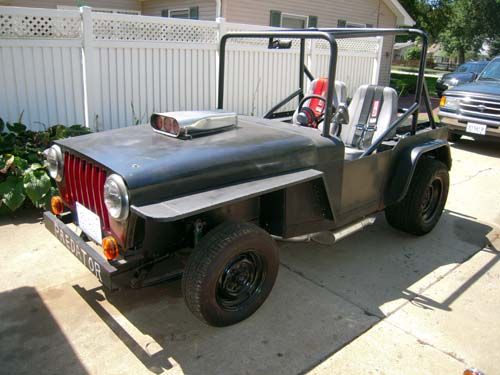
Here’s an odd looking top. The caption from eBay suggests it is a homemade. The jeep appears to be a MB/GPW. The photo is for sale.
View all the information on eBay
emailNeed to contact me and don't have my email? Click on email button.
Welcome to eWillys.com, a website for vintage jeep enthusiasts. I update this website nearly every day with jeep deals, jeep history, interesting reader projects, jeep related info, and more.
These quick searches can help you find things on eBay. People list in the wrong categories all the time, so don't be surprised to see brochures in the parts area for example. This section used to be split into jeeps, parts and other categories, but recent changes to eBay will require this information to be recoded.
The links to posts below show jeeps grouped by models, condition, and other ways. Some of these jeeps are for sale and others have been sold. If you are unsure whether a vehicle is still for sale or not, email me at d [at] ewillys.com for more info.
There are plenty of interesting, unusual, historic and surprising stories related to Jeeps and their owners. In addition, some of these features have nothing to do with jeeps. This link will display all featured stories starting from the latest.
Looking for parts and not sure where to go? There are a variety of large and small new and used parts sellers both online and offline.
Importantly, the allure of buying a project jeep can be romantic. The reality of restoring a jeep can be quite different, expensive and overwhelming without the right tools and resources. So, tread carefully when purchasing a "project". If you have any concerns about buying a vintage jeep, or run across a scam, feel free to contact me for help, comments or concerns .
Here’s an odd looking top. The caption from eBay suggests it is a homemade. The jeep appears to be a MB/GPW. The photo is for sale.
View all the information on eBay
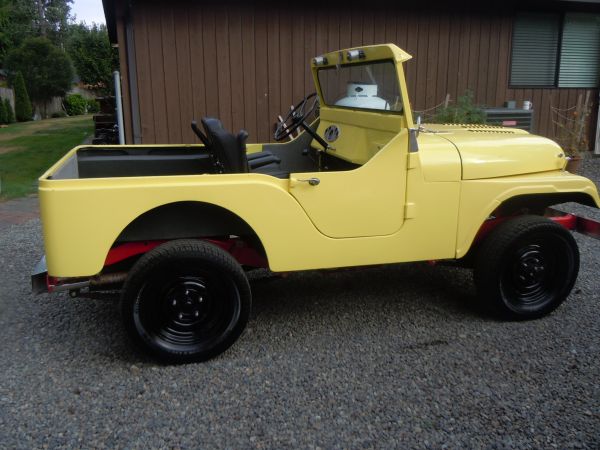
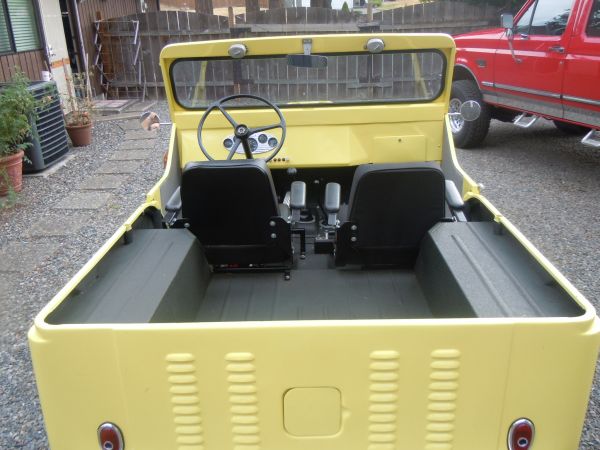
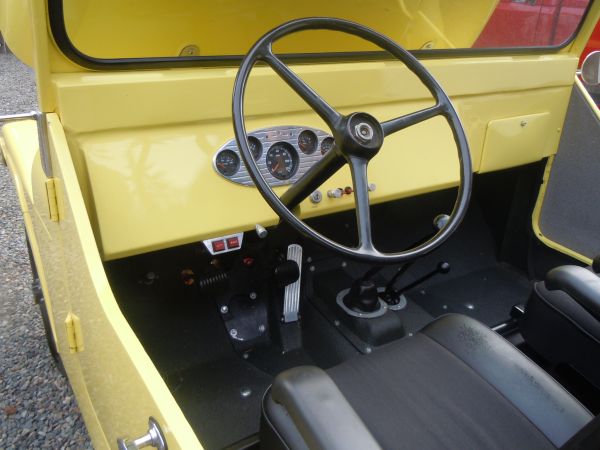
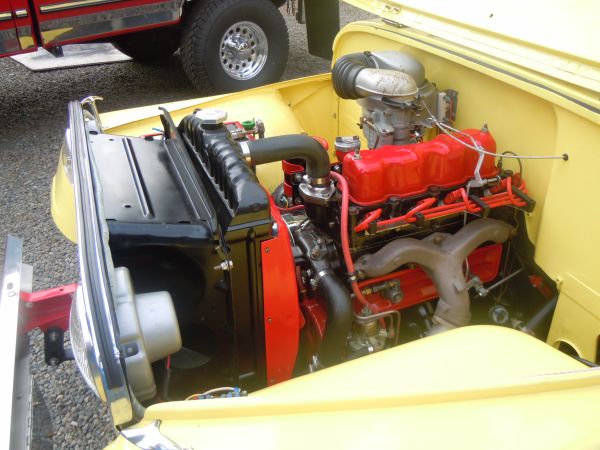
This is an unusual CJ-5 build.
“ground up restoration every thing is new or rebuilt. All original. 360-280-6818”
http://seattle.craigslist.org/tac/cto/3245367509.html
UPDATE: **SOLD** Was on eBay.
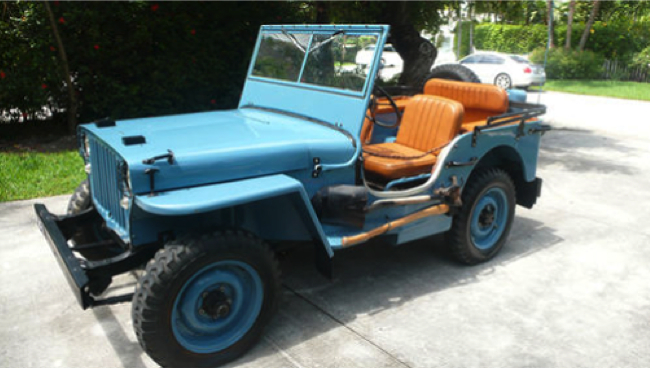
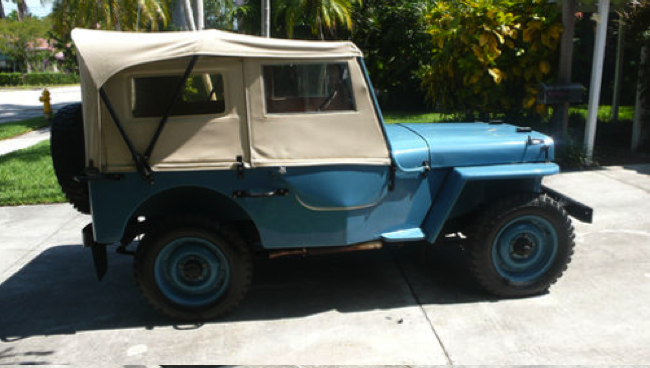
(06/14/2012) Well, this has an unusual history.
“This Jeep Willys Overland MB 1946 was purchased from an Italian Army Surplus Sale during the sixties, subsequently the car was restored for my late Mother by Carrozzeria Pavesi Rolls Royce and Bentley, Milano, Italy. The restoration was focused on making a glamorous car with all original parts, just the roof and side panels are a work of art…. The dashboard was fitted with a wood panel to increase the good look and the original plates where fitted to the glove compartment box door instead of the engine compartment. The car is fitted with a Webasto gas heather for cold climates. The car was stationed in St. Tropez, France for many years and then was sent to the Swiss Alps in St. Moritz where it stayed until I imported it into the US in 2003. It is a great car, all systems works very good, steering, brakes, engine, etc… it would make a great addition to a Summer/Winter Home, it is great on snow, beats any modern car…. The attention to details in this car is fabulous.”
UPDATE: Was $5000. **SOLD**
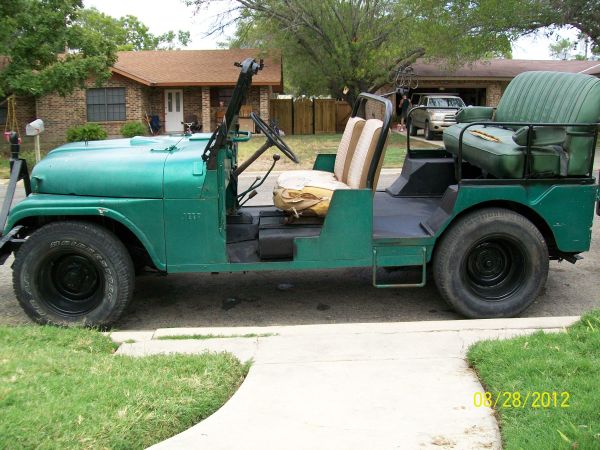
This is an unusual CJ-6.
“standard transmission, 4 wheel drive. oil changed in transmission and motor, also has new spark plugs, inside is rhino lined. is classified as a cj6 has clean title and has been licensed before”
UPDATE: This is back on eBay
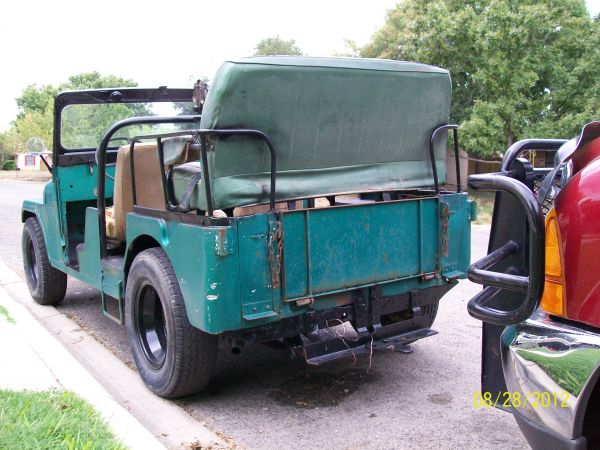
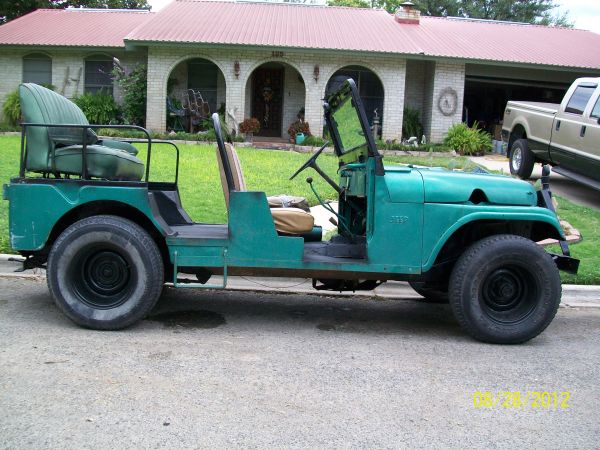
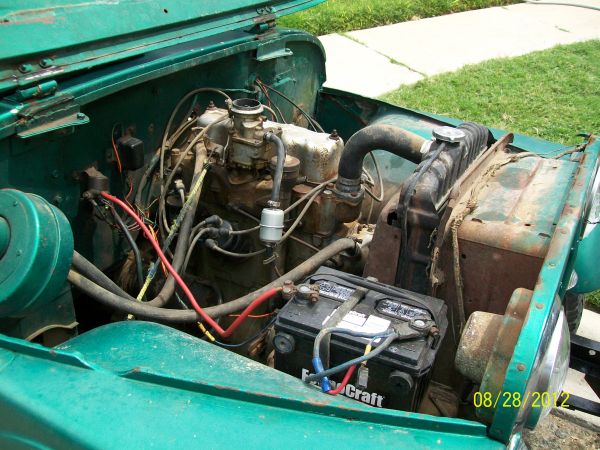
(08/15/2012) Here’s an unusual CJ-5. It appears to have been modified by the same people/person who created these other modified jeeps, an observation I’m basing on the top. Given the jeep is from Hesperia, there’s a very good change it is the same group. Note that the jeep was stored for more than three decades.
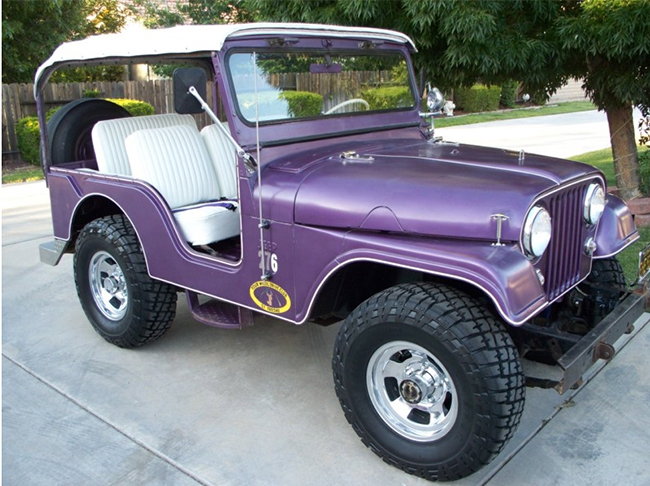
“Here’s my 1957 jeep, it was stored from around the late 70’s till 2010, still has the original california black plate, runs and drives great!!
paint, interior, and engine change where done around 1960, was owned and customized by a california car customizer in the fresno area
engine is a all stock 1960 283, has the original 4bbl carb, power pack heads, generator with power steering drive, runs perfect, very nicely installed, looks factory
Here’s a crazy looking jeep. The auction is located at 421 Market St. Byron, IL on Sunday Sept 30th.
“Custom 1957 Willys Jeep w/ ’63 Corvette 327 engine”
http://www.auctionzip.com/cgi-bin/auctionview.cgi?lid=1535844&kwd=willys&zip=&category=0
UPDATE: **SOLD** Was on eBay
(07/09/2012) Needs plenty of work to be restored.
“THIS JEEP WAS SENT FROM THE WILLYS FACTORY TO HOWSE FIRE AND APPARATUS IN INDIANA AND OUTFITTED AS A FIRE TRUCK IN 1947 FOR THE CITY OF ST. MARTINVILLE, LA. I AM THE 2nd OWNER. THE FIRE EQUIPMENT WAS REMOVED BY THE FIRE DISTRICT 1 MONTH PRIOR TO MY PURCHASE. I HAVE ALL OF THE FIRE EQUIPMENT EXCEPT FOR THE 2 TOOL BOXES AND A COUPLE OF THE ALUMINUM TUBING FOR THE LADDER RACK THAT I KNOW OF. THE BODY IS RUST FREE EXCEPT FOR SURFACE RUST. THE ORIGINAL JACK IS STILL IN THE TOOL BOX. THE JEEP IS FULLY OPERATIONAL BUT WILL NEED A NEW BATTERY. BUYER WILL HAVE OPTION TO PURCHASE A LARGE INVENTORY OF NEW OLD STOCK PARTS FOR $1000.00.”


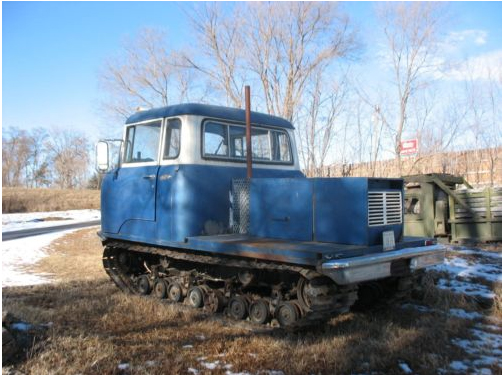
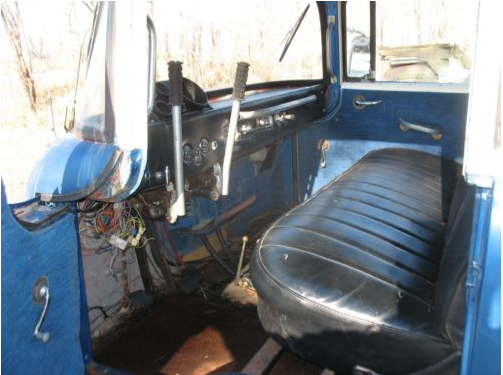
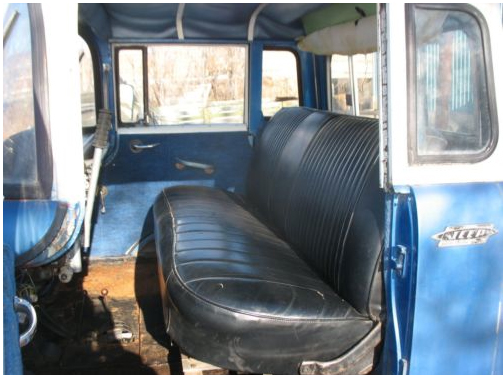
UPDATE: Jason is selling his rare Weasel.
“For sale is my vintage fc-170 weasel. This truck runs good and will go anywhere. Ive spent alot of money to make this truck dependable. New parts are starter, gm alt, gauges, steering cyl, exhaust, battery,. It starts and runs great. Tracks are in good shape and someone added chain to them to make them stronger. Motor is a studabaker 6 cyl. lights work. The bottom needs plugs where they were cut as to let it drain. T90 trans. Reserve is low compared to cheap side by side. When this hits mud park you get standing cheers. buy today play tomarrow.”
http://www.youtube.com/watch?v=jjBmup8RDK0
View all the information on eBay

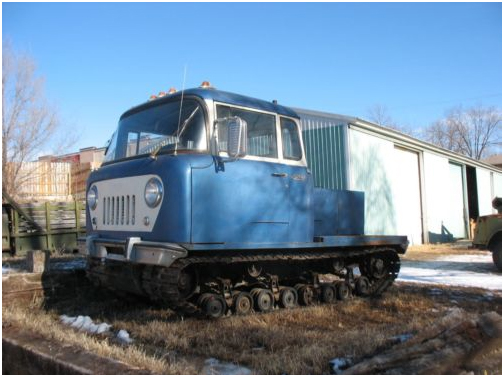
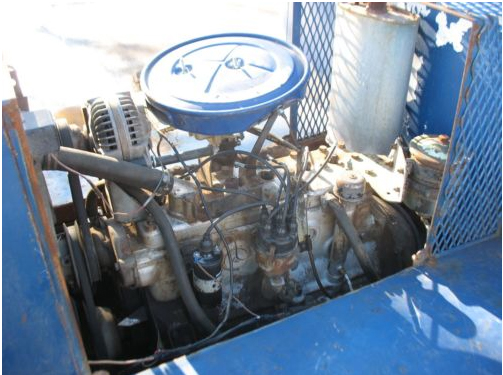
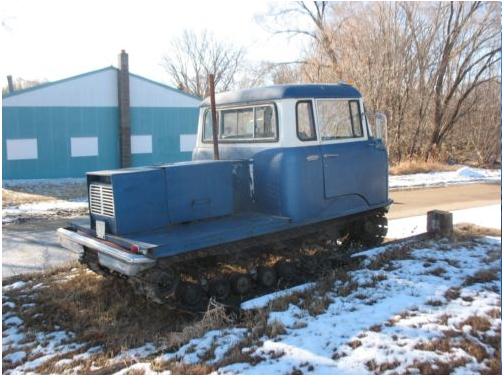
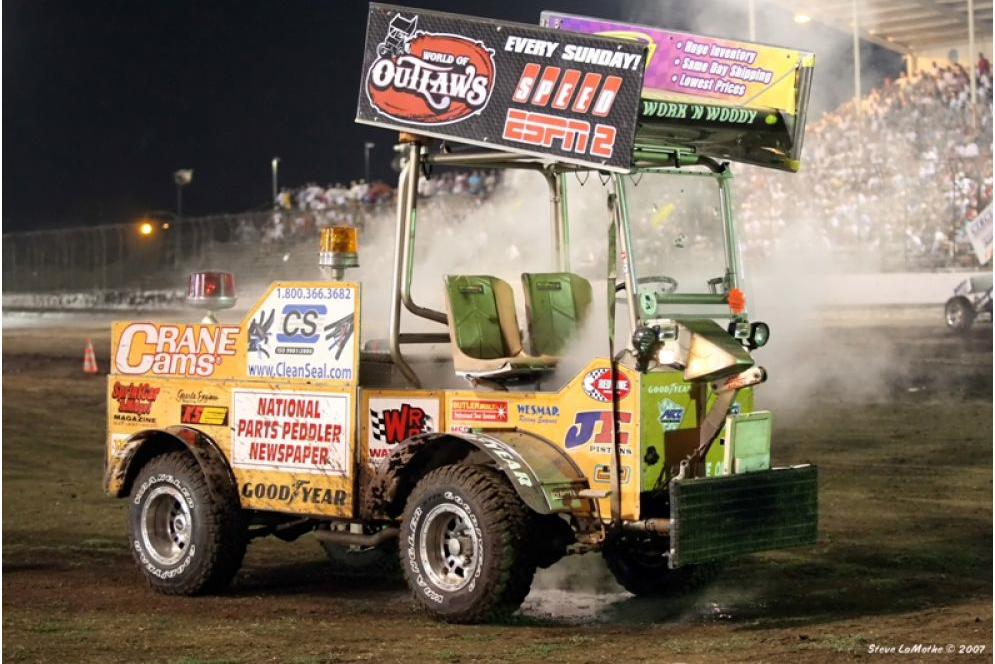
I ran across this unusually modified FC named Work’N Woody. According to this website, it’s a modified FC that has been a fixture at race tracks since 1978. It even has its own website. You can see a gallery of pictures here. Pretty cool! It must be a great place to watch a race.
Here are a couple pictures from the website:
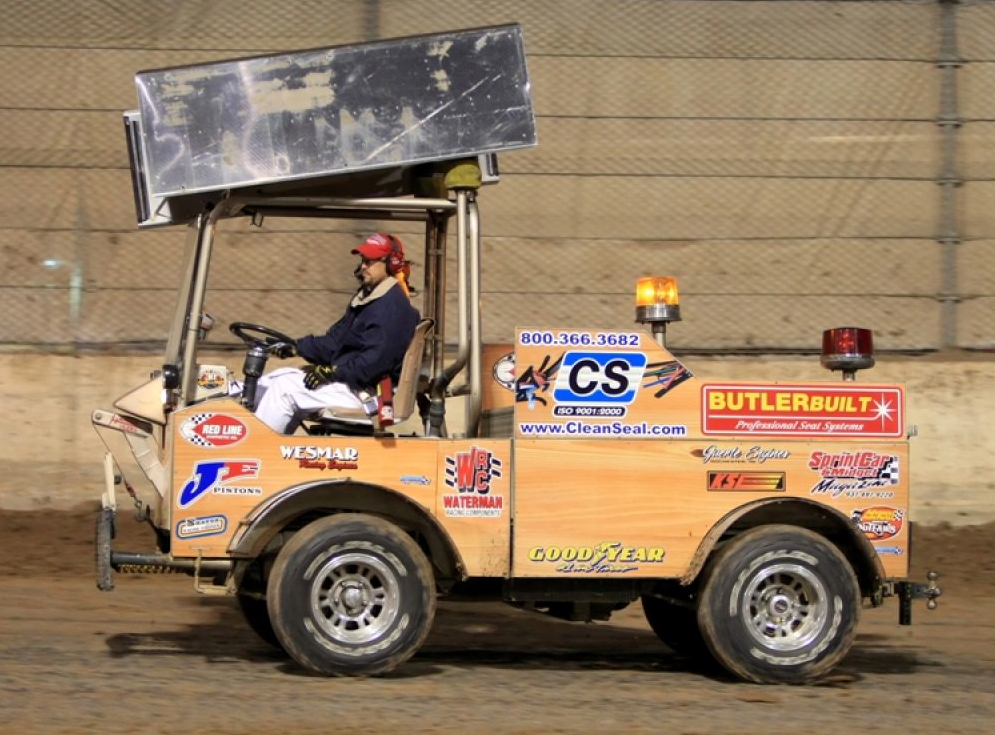
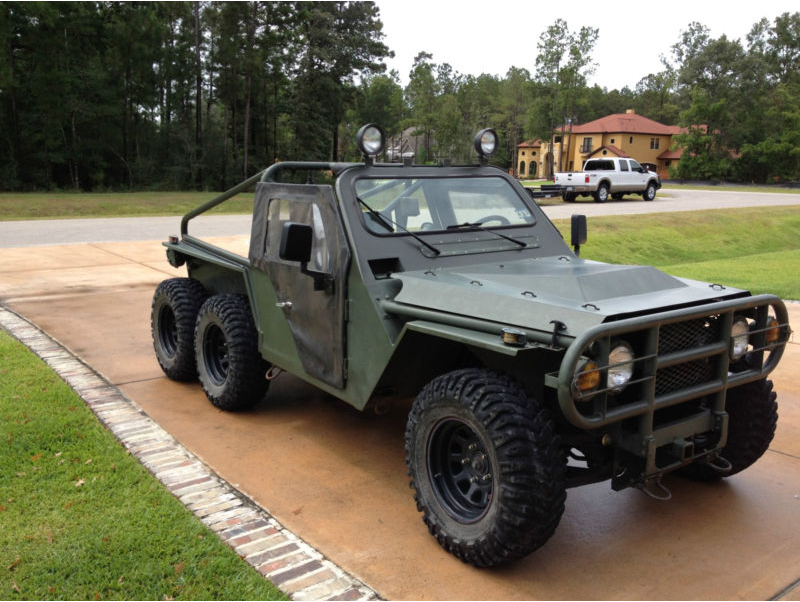
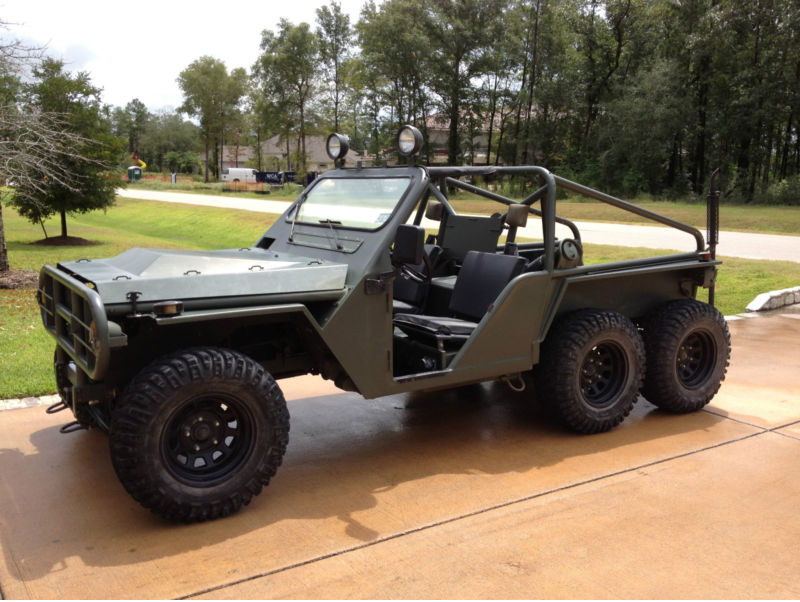
The seller claims this is stock, but in my searches I couldn’t find any example of this. It looks kind of cool though.
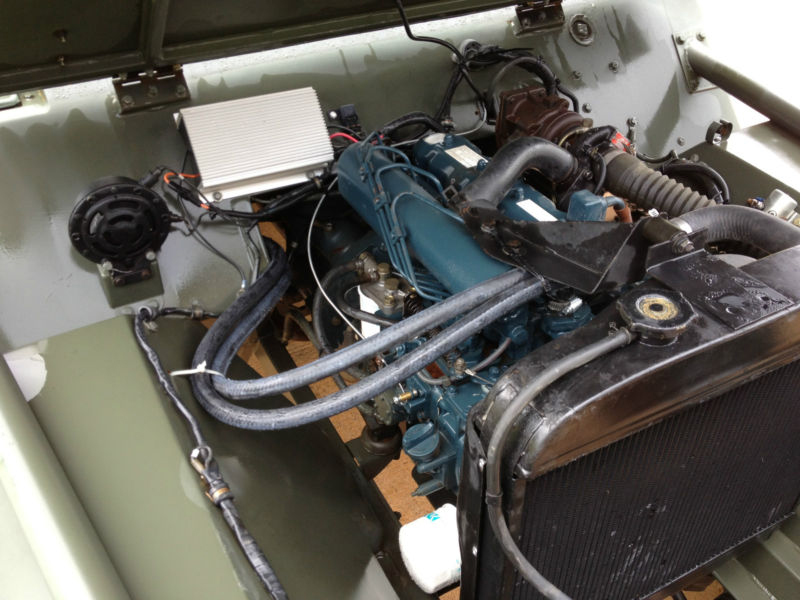
“VERY RARE 6 WHEEL DRIVE DERIVATIVE M151A2 KUBOTA TURBO DIESEL. I UNDERSTAND THEY ONLY MADE A HAND FULL OF THESE FOR THE MILITARY BEFORE SOME CONTROVERSY AROSE. THIS IS THE ONLY ONE I HAVE SEEN IN THE FLESH. 357 ORIG. MILES FROM NEW. IT HAD 187 MILES WHEN I BOUGHT IT ABOUT 5 MONTHS AGO, AT THAT TIME I DID A COMPLETE SERVICE , OIL,OIL FILTER , FUEL FILTER, SERVICED ALL THREE DIFFS, TRANSFER CASE, AND GEAR BOX, 2 NEW BATTERIES ,AND RADIATOR, AND COMPLETE LUBE.I HAVE ALL OF THE RECEIPTS. STILL HAS 24 VOLT SYSTEM AND EVERYTHING WORKS ( ALL GAUGES AND ALL LIGHTS AND SWITCHES ) I AM SELLING THIS ON A BILL OF SALE BUT I DONT THINK THERE IS A PROBLEM WITH OBTAINING A TITLE IN MOST STATES , IT PASSED STATE INSPECTION HERE EASILY , HAS EVERYTHING AS IN TURN SIGNALS, HORN , SEAT BELTS , MIRRORS , LIGHTS (HIGH AND LOW ) .
THE ONLY THING THAT I CAN TELL NOT STOCK IS THE AIR INTAKE SNORKEL WAS REMOVED ( FOR HIGH WATER CROSSING ) DUE TO IT WAS AN OIL BATH TYPE AND WAS HURTING THE PERFORMANCE. THE ORIG. HIGH WATER EXHAUST PIPE IS STILL INTACT.
I AM INCLUDING A COUPLE OF PHOTOS OF SOME PAINT CHIPPING IN MINOR PLACES THAT SHOW WHAT APPEARS TO BE RUST, IT IS ONLY COSMETIC. THERE WAS AN AREA AROUND THE WINDSHIELD THAT APPEARED BAD SO I PULLED THE GLASS ( AND CRACKED IT ) ONLY TO FIND IT WAS VERY MINOR , LOOKED LIKE IT WASNT PREPPED PROPERLY PRIOR TO ORIG. PAINT BUT NEVER THE LESS IT HAS BEEN RE FINISHED AND A NEW PIECE OF GLASS WAS CUT AND INSTALLED. THE UNDERCARRIAGE IS IN EXCELLENT CONDITION AS WELL AS ALL FLOOR PANS , NEVER ANY RUST WHATSOEVER . THIS JEEP HAS BEEN IN WEST TEXAS ITS WHOLE LIFE.
IT HAS A TOP ( NO BOWS ) WITH DOORS AND QUARTER COVERS THAT SNAP DOWN THE SIDES.
THE KUBOTA IS A 2.O LITRE V2003 TE , TONS OF TORQUE AND WILL LAST FOREVER
THIS HAS A 4 SPD. GEAR BOX , INCLUDING GRANNY GEAR WITH A SHIFT ON THE FLY SYSTEM THAT IS INCREDIBLE
WE WENT TO FAR WEST TEXAS LAST WEEK , PULLED OUT THE BACK SEAT ,( 2 COTTER PINS AND ITS OUT IN ABOUT A MINUTE ) YOU HAVE BASICALLY A TRUCK BED , 20 BAGS OF CORN AND FEED AND YOU COULD NOT EVEN TELL IT WAS THERE. WILL PULL AND HAUL MOST ANYTHING. 2 RECEIVER HITCHES , ONE IN THE FRONT AND ONE IN THE REAR. WE HAVE 5 M1A1 AND A2S AND CJ2S AND MY PLANS HAVE CHANGED . THESE WERE VERY EXPENSIVE AND I DONT HAVE AN EXACT PRICE IN MIND SO BID WITH CONFIDENCE YOU WONT BE DISAPPOINTED
ANY QUESTIONS CALL 214-675-1665 GARY”
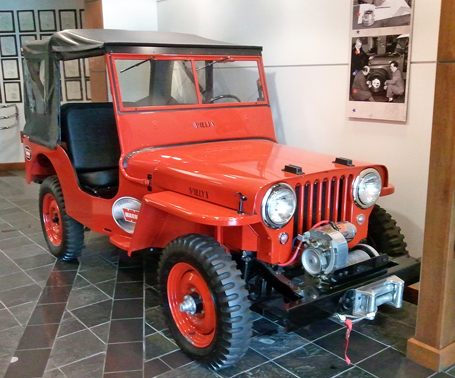
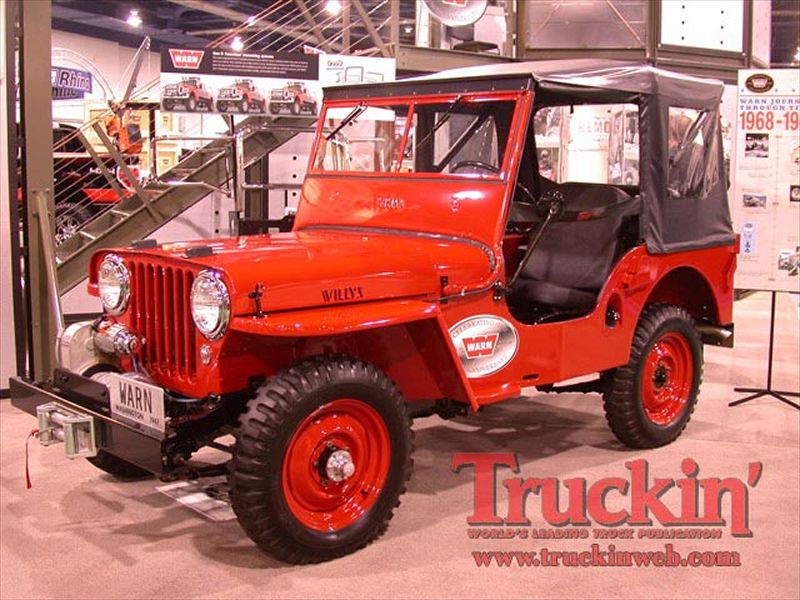
Doing some hub research today I ran across images of “Big Red“, the CJ-2A that lives in the Clackamas, Oregon, facility of Warn Industries. It’s a beautiful looking jeep that I plan to visit one of these days.
If you haven’t been to the Warn website, stop by the history page and check out the picture of the two odd jeeps taken early in Warn’s history when the shop was located in Seattle. I contacted Warn about the photos, but they couldn’t provide any additional information about the jeeps. I’ve never seen the body and frame modifications like those any where else. It looks like it turned CJ-2As into a truck.
Big Red:

Here’s a shot from the 208 Sema Show from Truckin
UPDATE: **SOLD** Was $5000
“46 willy jeep 4 wheel drive, 350 chevy motor, 350 tran, new wheels and tires. 250. miles on build.”