Mike shared this video of a brief MD Juan factory tour. The video, in part, demonstrates the scope of equipment necessary to make some of the parts. It’s not a trivial investment in stamps and computer equipment.
Features Research Archives
Kurland Hubs and Kurland Histories
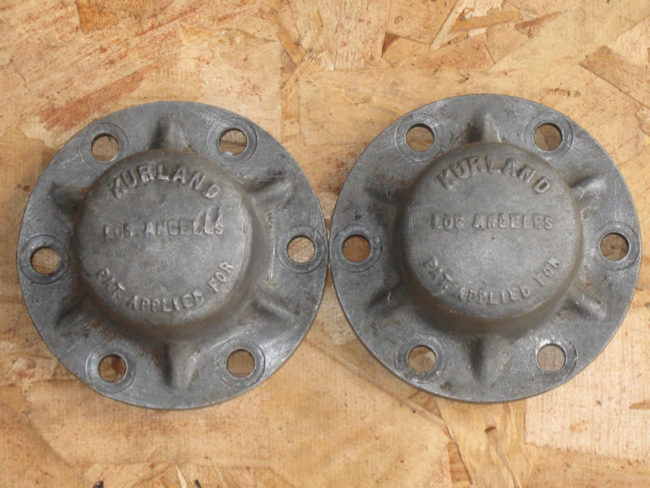
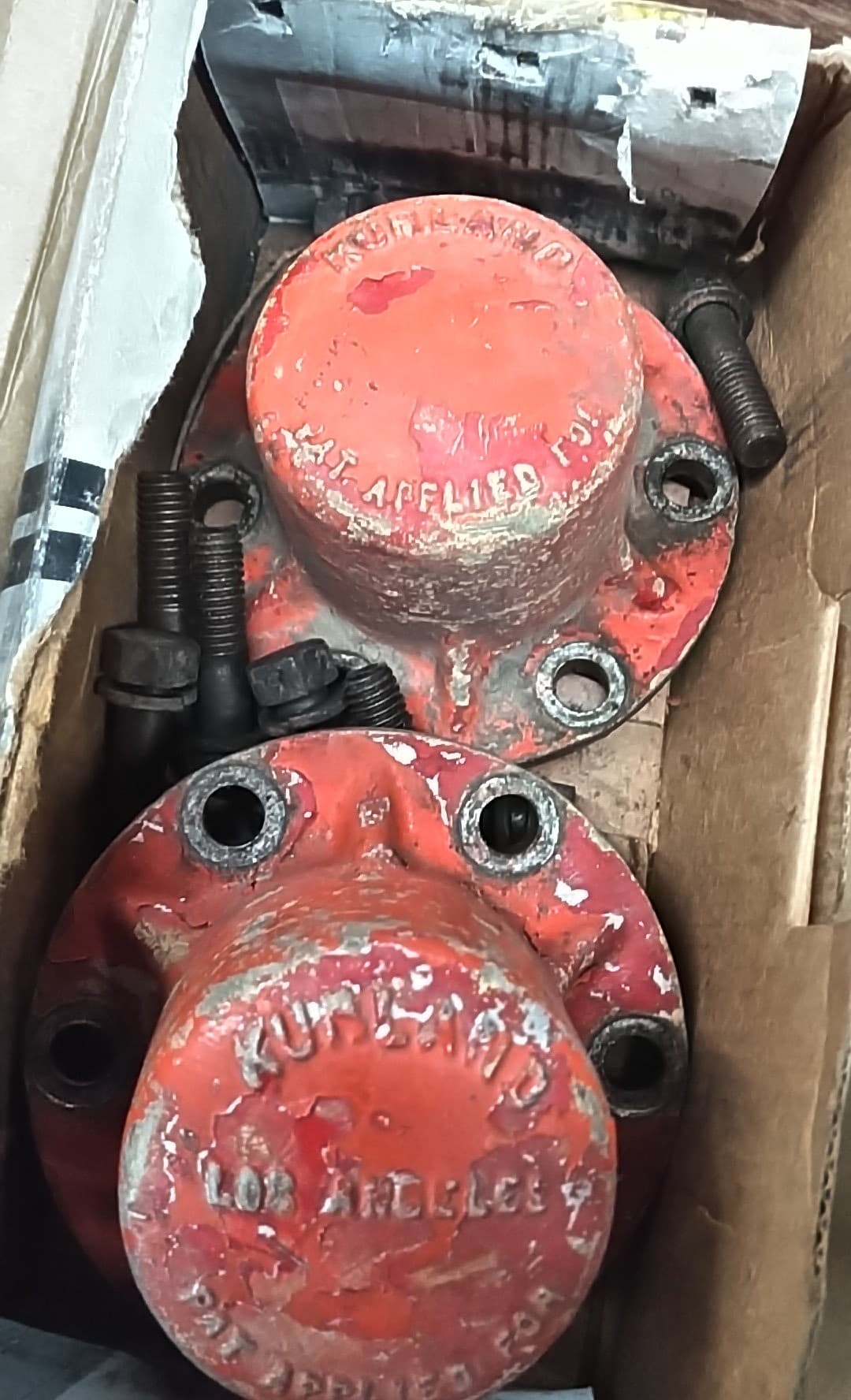
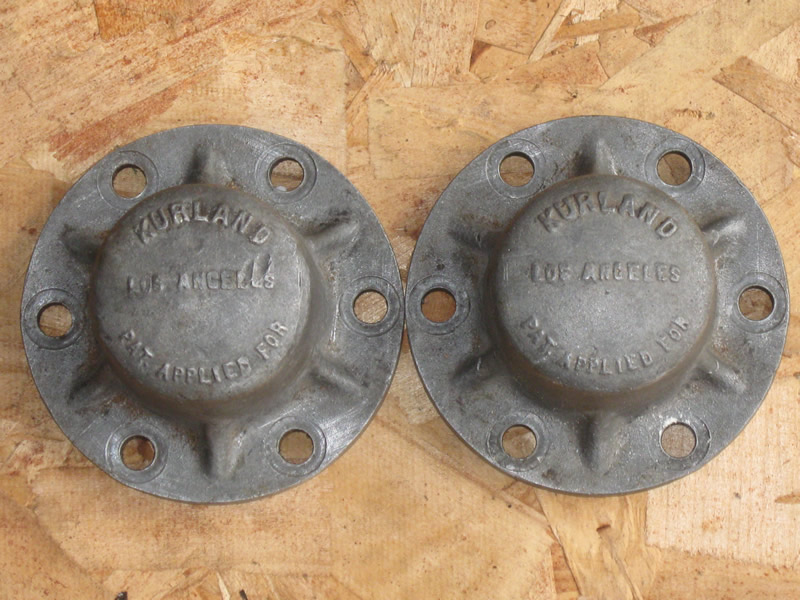
One of the rarest type of jeeps hubs are the Kurland hubs. I’ve only had one pic of these hubs (thanks to Ted Jordan) until yesterday when Richard Darr forwarded me a photo of a set of hubs he acquired. This led me to a quick dive into the internet, which yielded the following.
A variety of searches related to “Kurland” and “Kurland Motors” yielded results in both Los Angeles (a city whose name appears on the hub) and Denver. In fact, there were Kurland Motor companies in Los Angeles, Denver, and Grand Junction, Colorado (also known as Kurland Junction Motors).
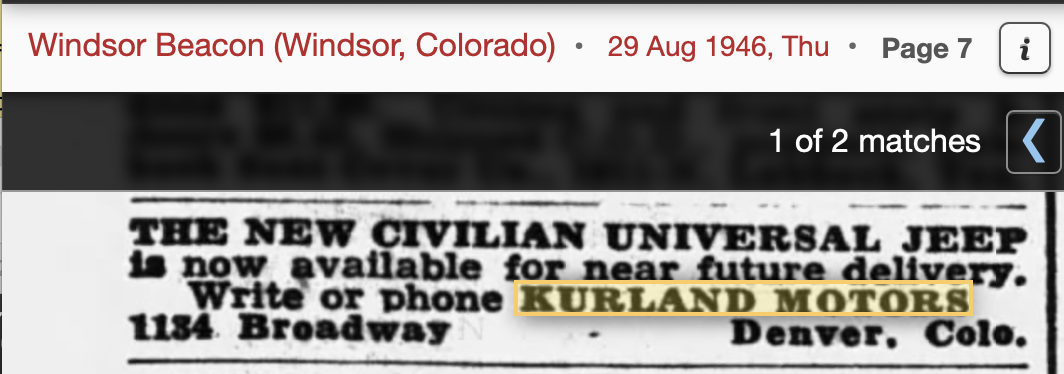
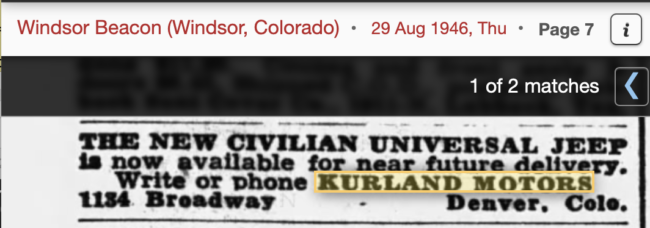
The Denver location was opened as early as August 1946, as an ad in the Windsor Beacon out of Windsor, Colorado, mentioned the new Universal Jeep arriving for delivery (soon).
I couldn’t location much information about this Denver Willys distributor, other than Kurland Motors was instrumental in the launch of the Mile High Jeep Club in 1956 and that Kurland Motors, at least for a short time, marketed Kurland-branded bumpers about that same time.
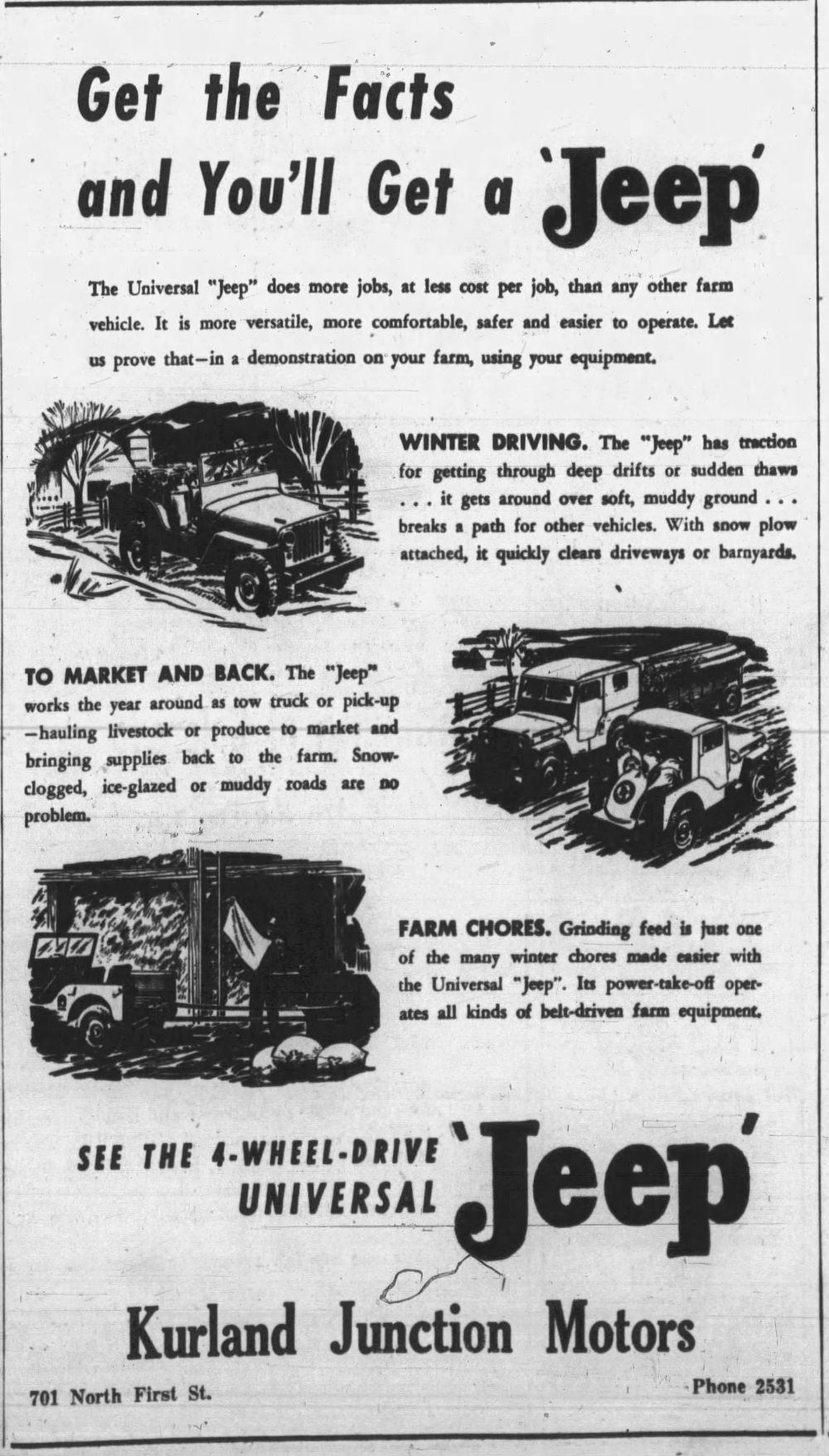
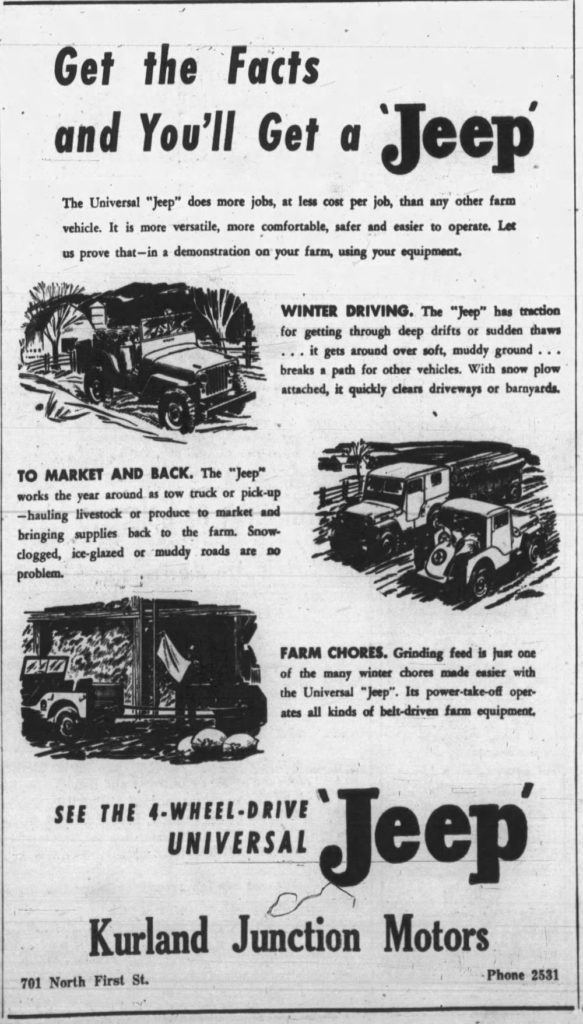
Regarding Kurland Junction Motors, I was able to locate this ad from February 22, 1948, (The Daily Sentinel, GC, CO):
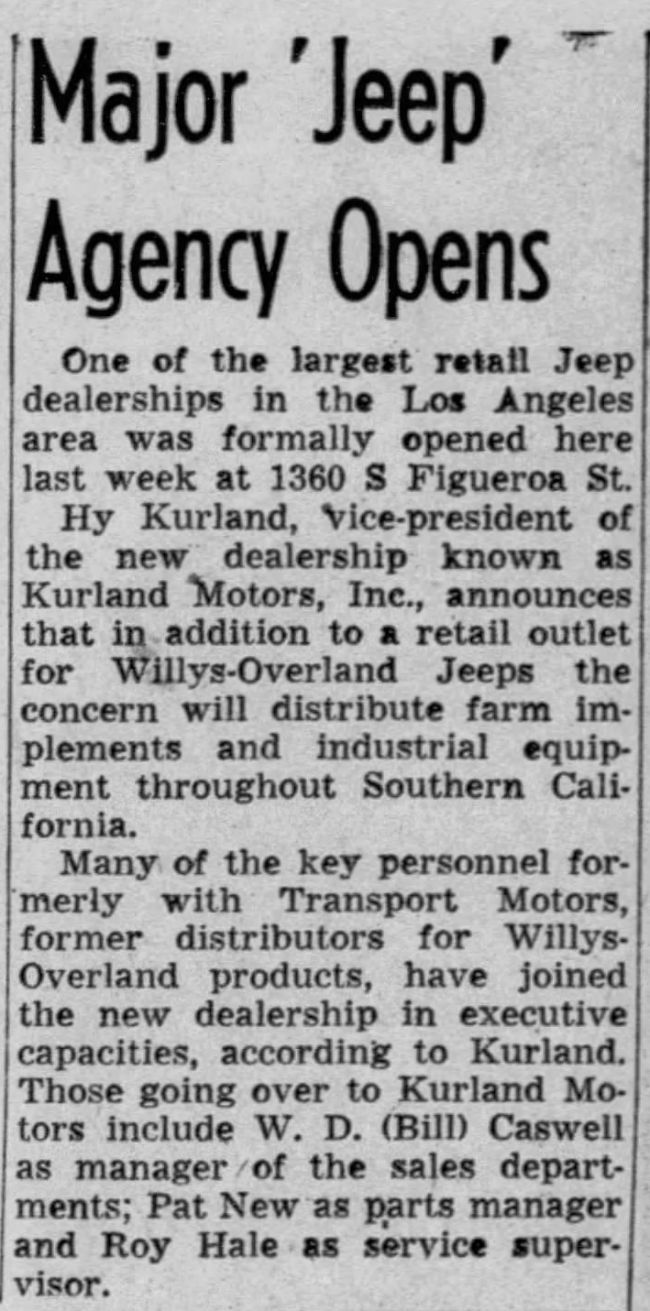
Now, were the Denver/Grand Junction Kurland dealers connected to the Kurland Motors of Los Angeles that also sold Willys-Overland vehicles? If they were related, I have yet to find a connection. But, at least I was able to unearth more information about the LA Kurland.
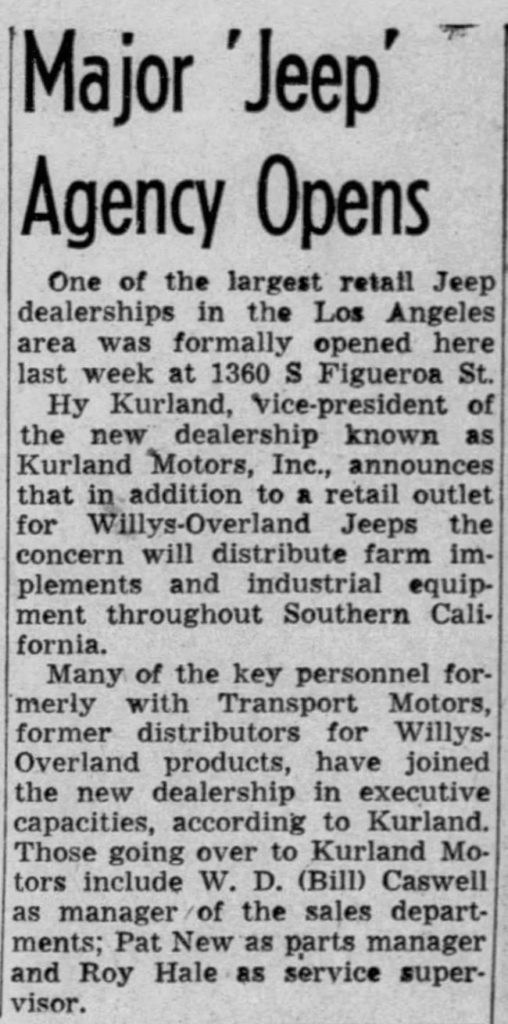
As the article suggests, the Transport Motor Company lost some key personnel. Perhaps Transport Motors had decided to exit its Willys-Overland relationship?
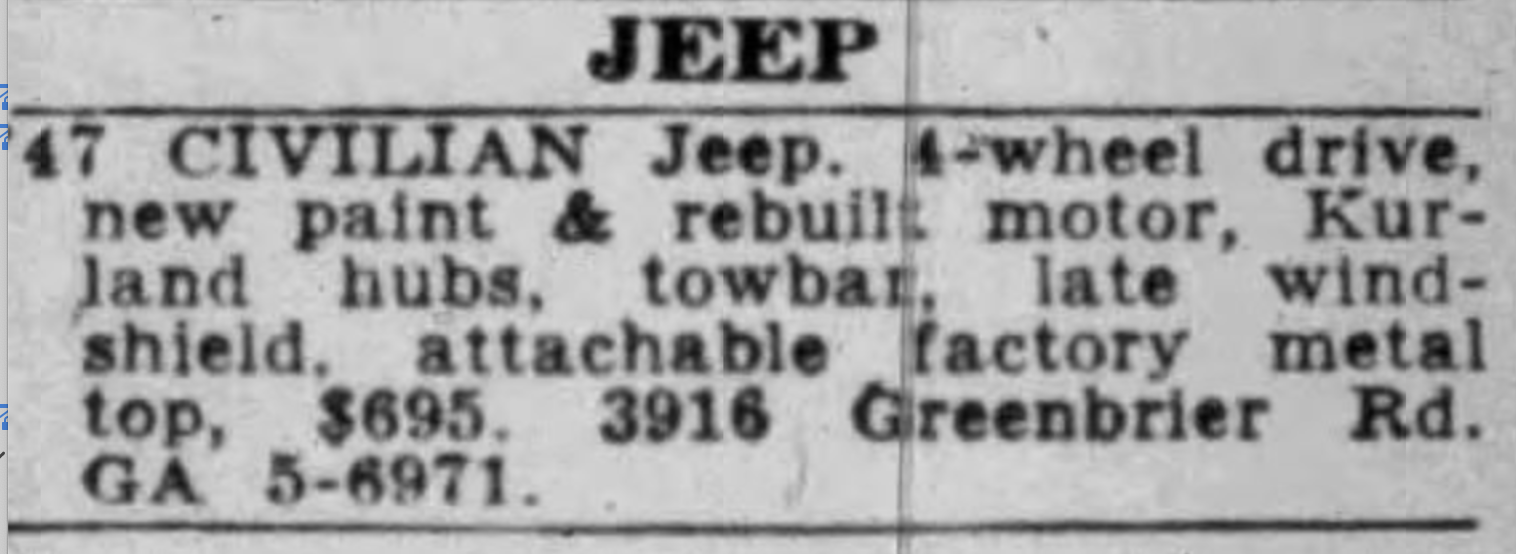
At some juncture, it appears Kurland launched a line of free-wheeling hubs. These hubs were stamped with 1) KURLAND, 2) Los Angeles and 3) Patent Pending. Unfortunately, I could find no patents related to the hubs. In fact, the only information I could find related to the hubs was a reference to a CJ-2A being sold with a set of the hubs.
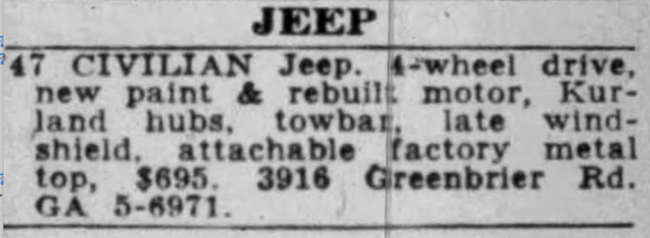
Here are the only pics I have of the hubs:
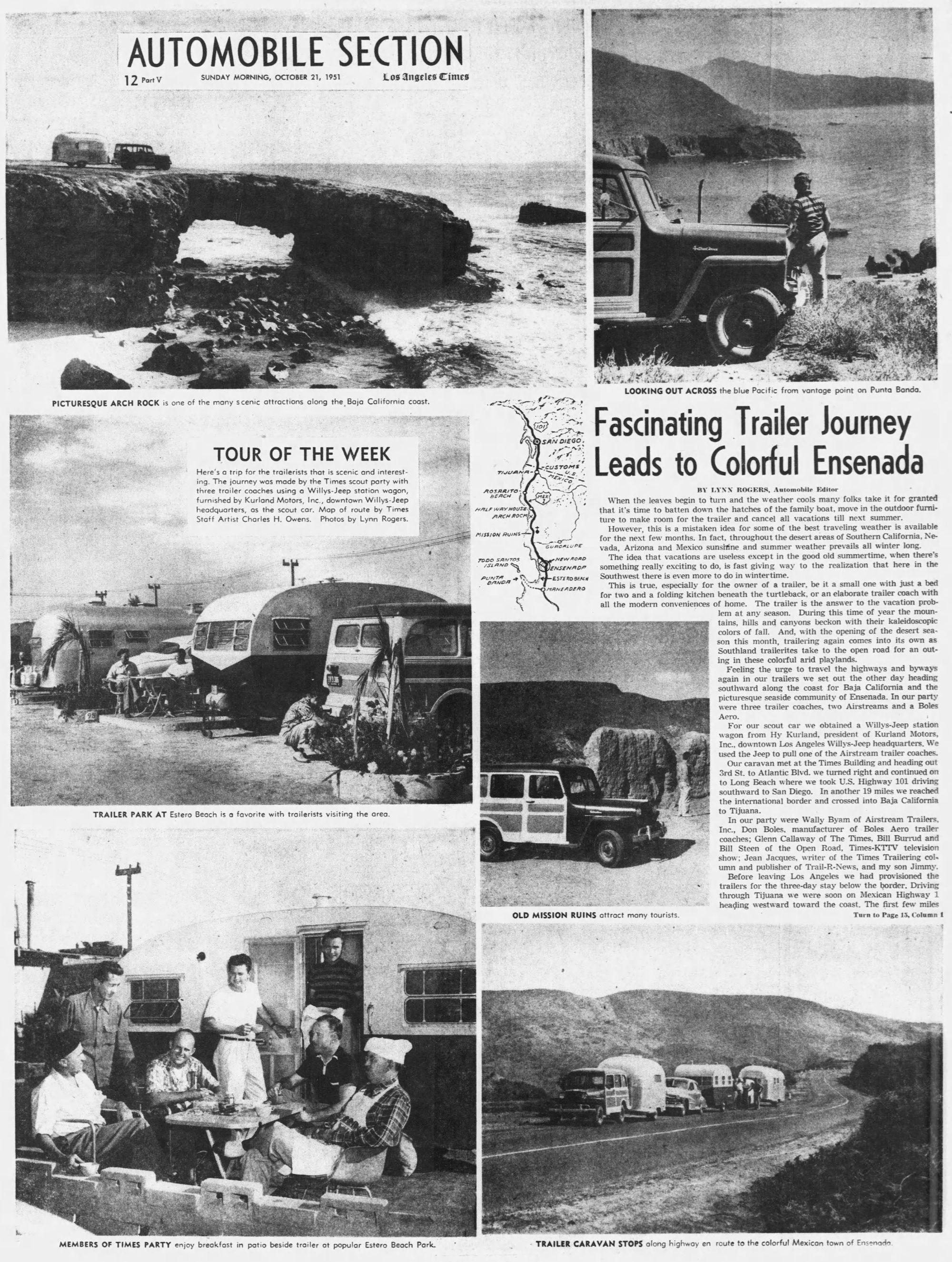
1951 Wagon and Trailer Trip to Ensenada, Mexico
In 1951, Kurland Motors provided the Los Angeles Times automobile editor, Lynn Rogers, a wagon for a journey down to Ensenada, Mexico. A description of the trip was printed in the October 21, 1951, issue of the Los Angeles Times.
Reviving a 1959 CJ-3B
Bill shared a video via Autorevolution.com that highlights the saving of a locked-up CJ-3B.
Video: Saving a 1946 CJ-2A
Thanks to Chuck for sharing this video about saving a CJ-2A.
Overdrive Differences
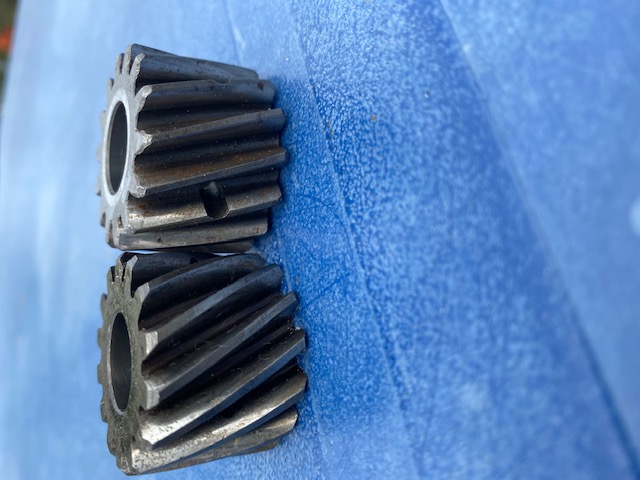
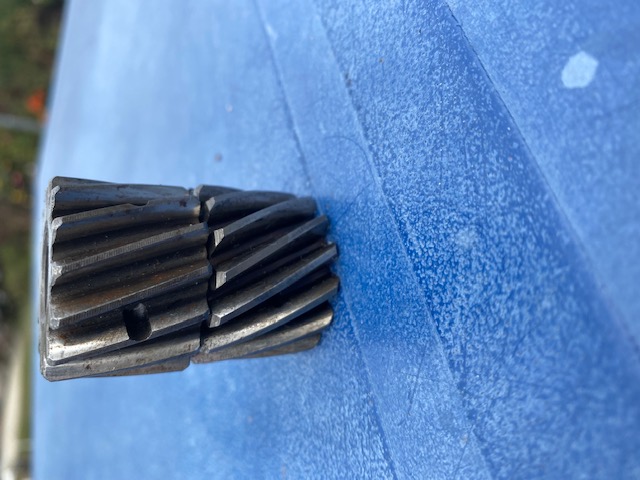
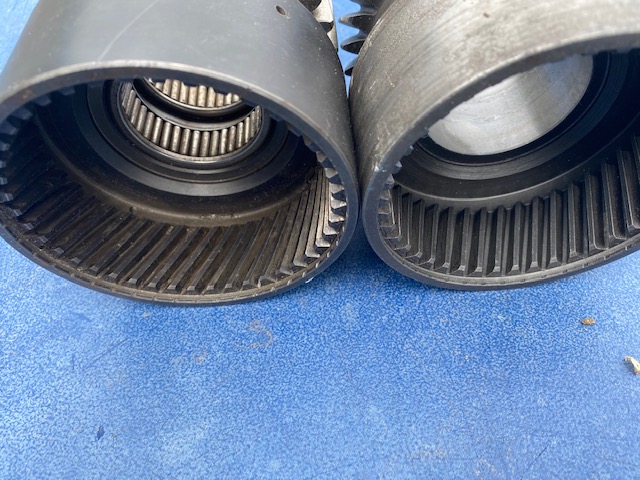
Will shared pics that show some of the differences between a Warn overdrive with a Husky overdrive. Regarding finding Husky parts, my best guess for parts would be Herm Tilford.
Will writes, “A little while back there was a discussion on the different overdrive units. There where several different units produced and maybe others but the ones I’ve seen are Warn, Dualmatic, Saturn, Husky and ATV overdrives that all looked similar. Saturn is a direct decedent of the Warn as Advance Adapters purchased the tooling from Warn to make the Saturn. I don’t know much about the Dualmatic or ATV except ATV is still produced as is Saturn.
In 1957-58 4 Italians Drove to Toledo the Long Way
UPDATE: This was first posted in August of 2016.
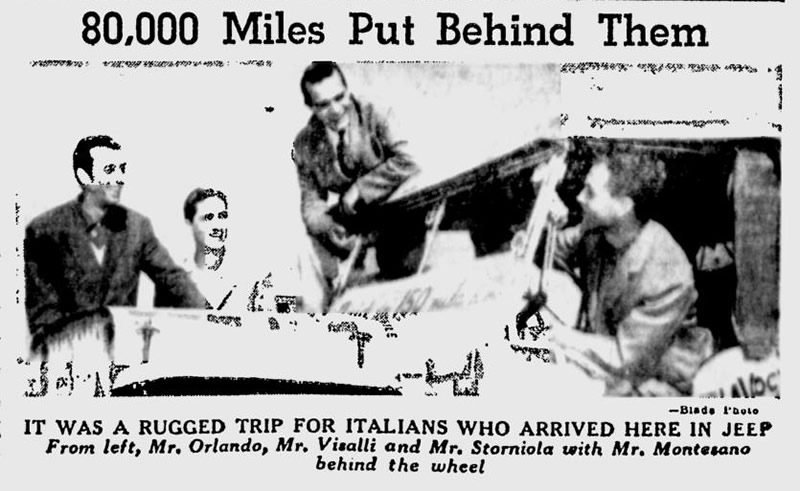
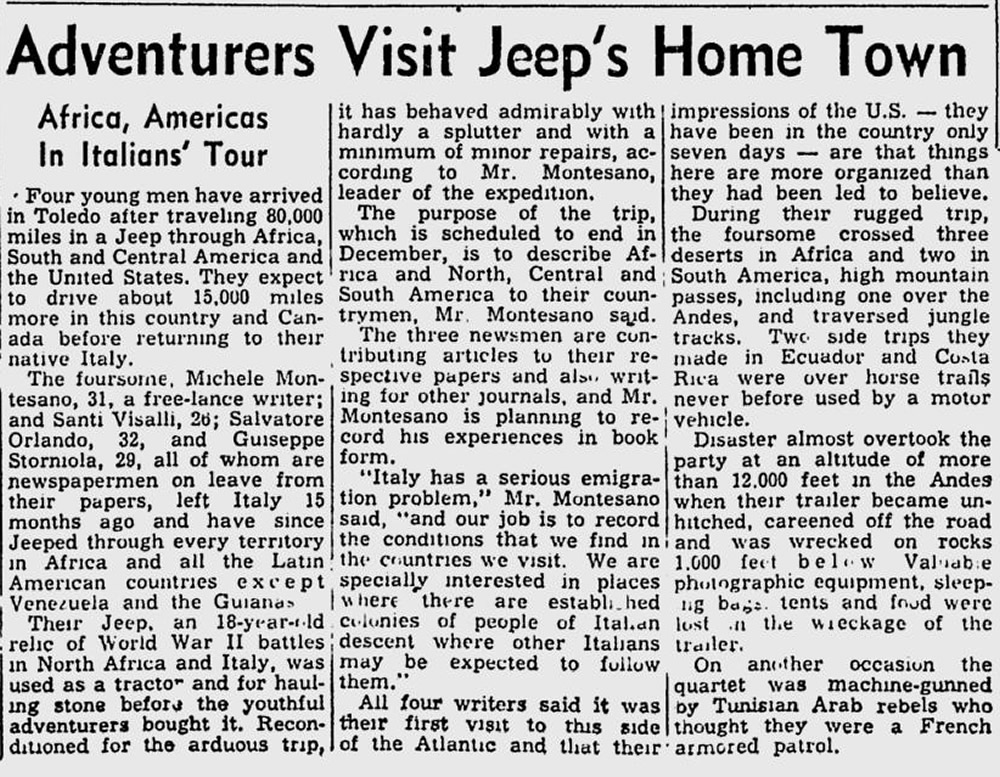
This September 13, 1958, article from the Toledo Blade told the story of four italians who drove what appears to be a WWII jeep a distance of 80,000 miles from Italy to Toledo. The men, all newspapermen, planned to drive another 15,000 miles back to Italy. What a trip! I wonder if their counterparts in 2013 knew of their countrymen’s adventure?
Re-Grading the Little House Lawn
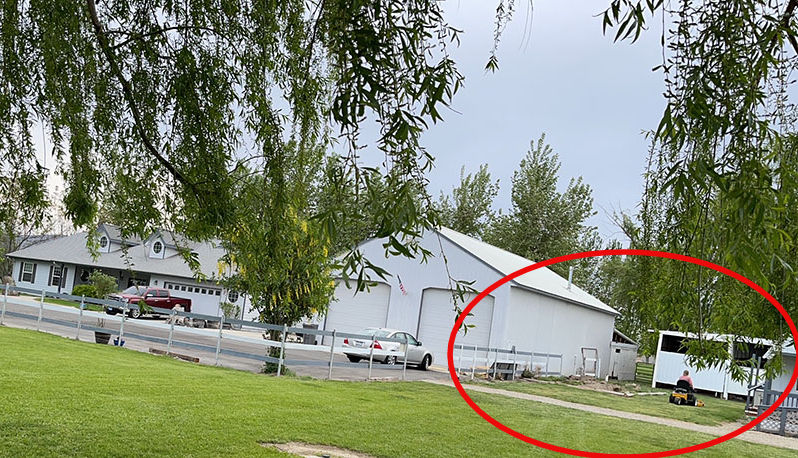
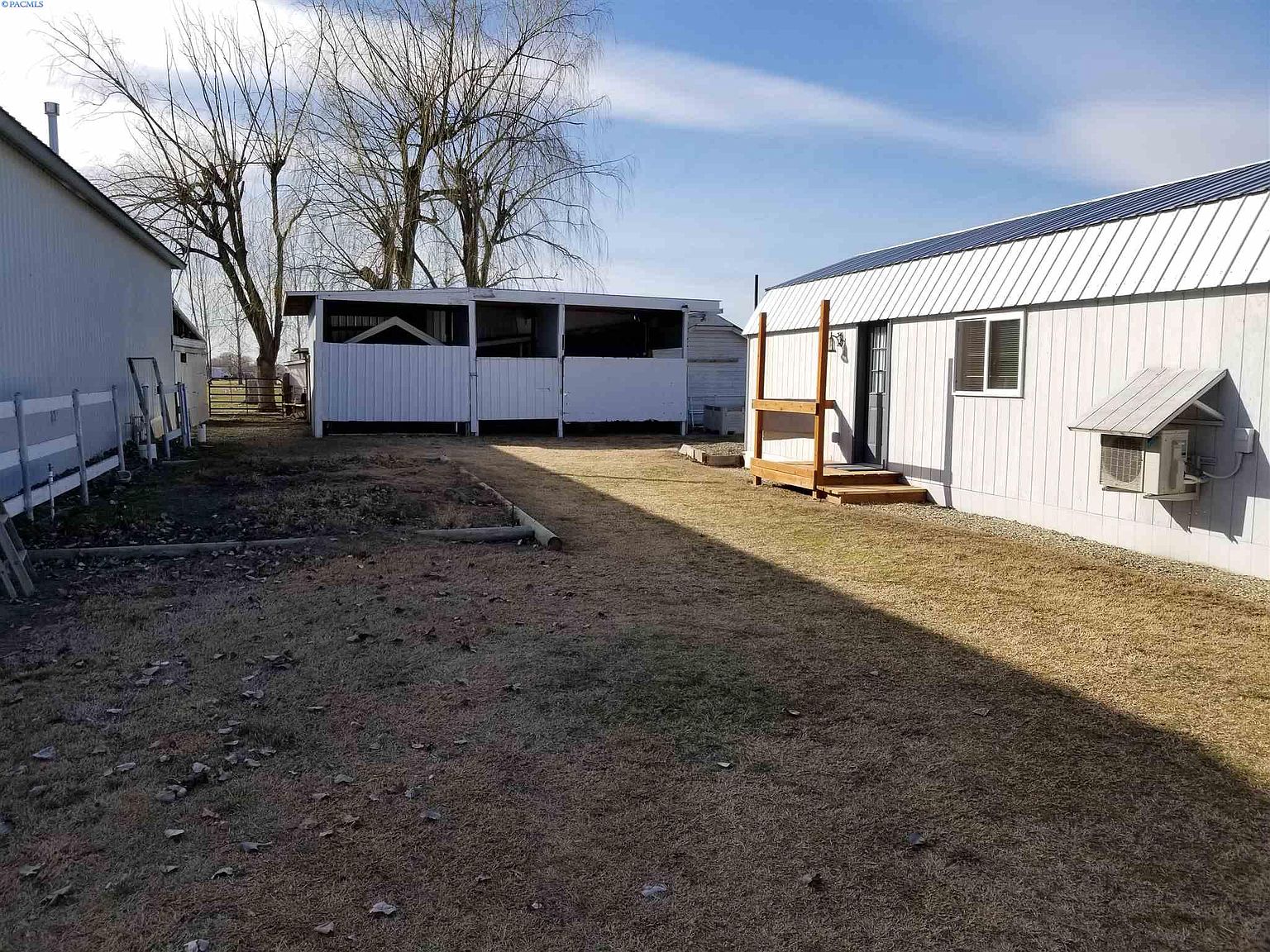
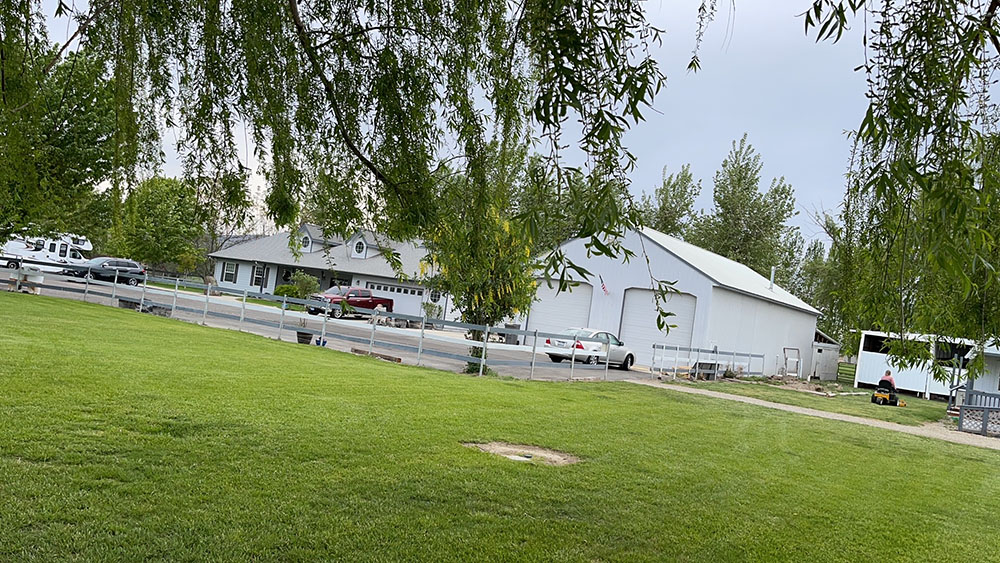
In another of the series of why-I-am-not-working-on-jeeps-right-now posts, the warm weather has allow me to get busy the last couple of days regrading the lawn next to the guest house. The previous owner had put a garden next to the shop. We wanted that to go, because it was in the shade most of the time and because it didn’t make sense for us in that location. In addition, there was a negative slop into the south side of the guest house. Finally, we want to add a walking path along the lawn side of the shop and install some new sprinklers (line were laid for this area, but, we have discovered, the growth of the lean-to-structure (at back) and the construction of the guest house a few years ago appear to have been built, in some cases, over the original lines. So, we are having to locate this sprinkler line as we go.
Here’s what it looked like when we bought the place:
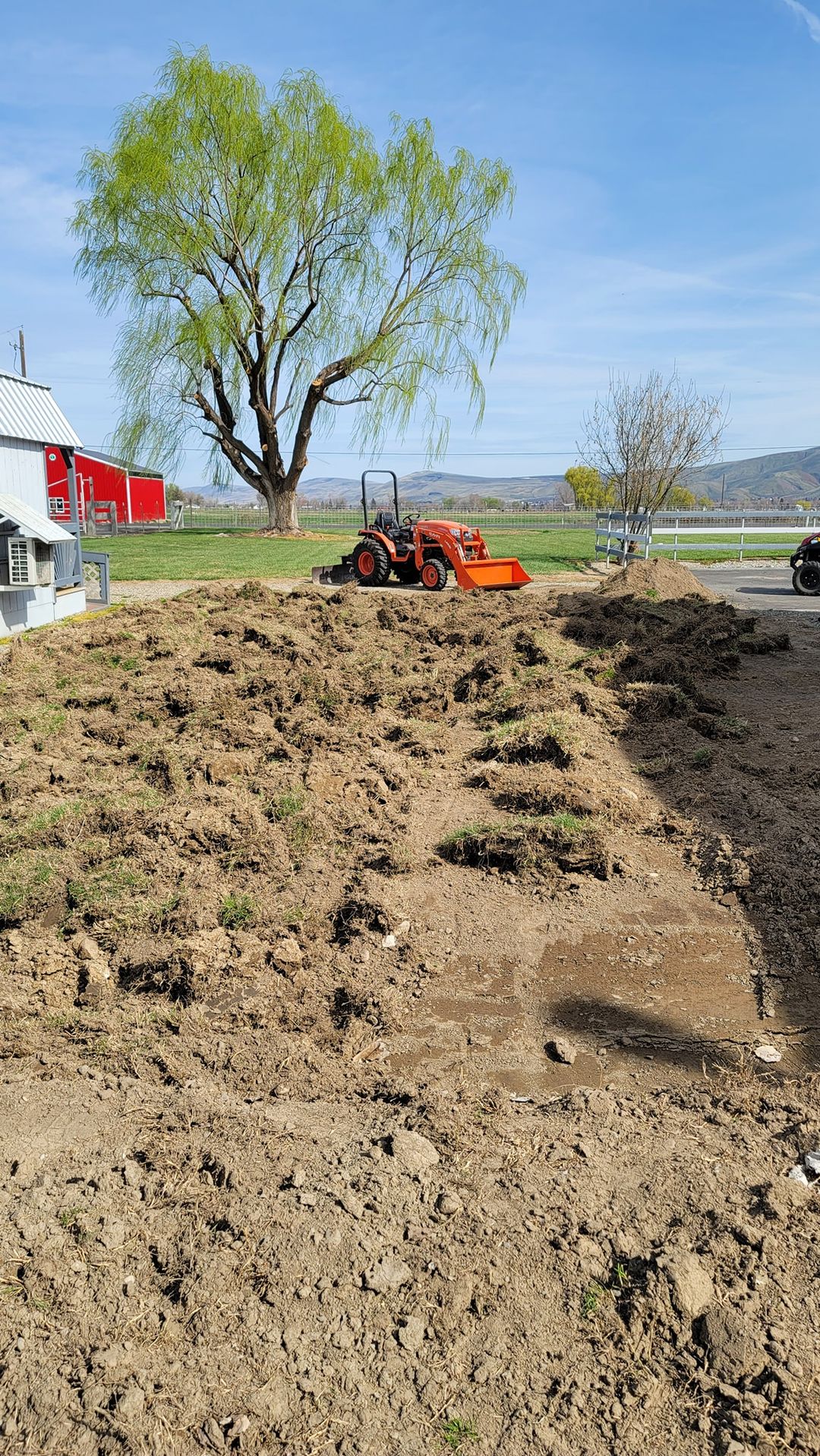
All those issues led me to regrade the area this weekend. Pulling up the grass turned out to be the most difficult part. So, I used my fork-lift forks to stab, then lift the grass. The result was this jumbled mess.
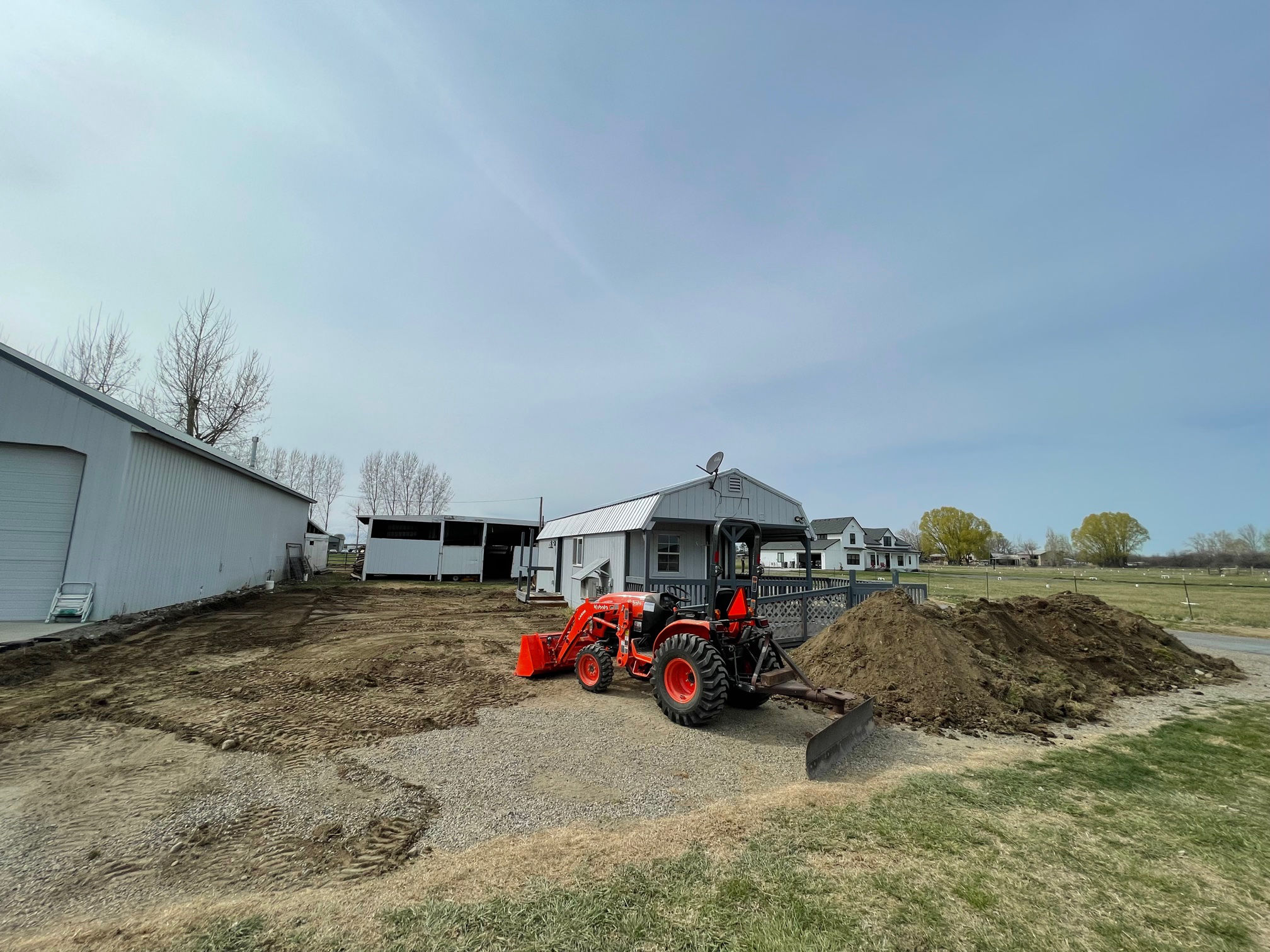
Eventually, I got all the area roughed out, with the sod and dirt piled in one big pile.
With the roughing-out completed, today I will spend some time using a level to see what other work needs to be done, mark the future walk-way path, and layout some additional lines and sprinklers.
Now I just have to find a place for all that dirt!
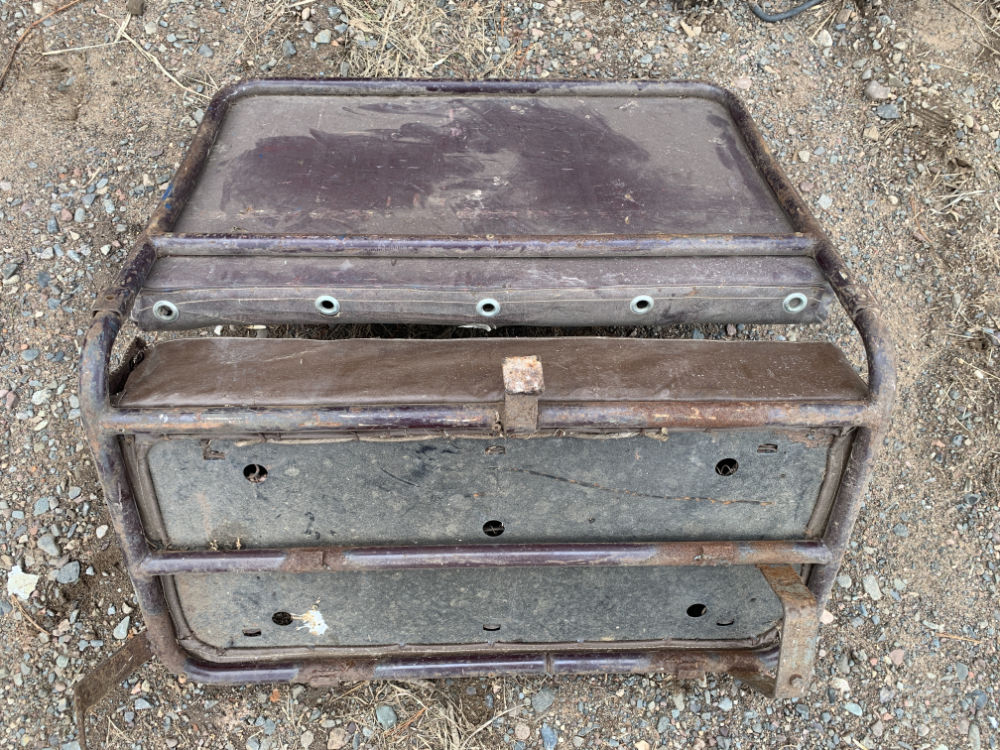
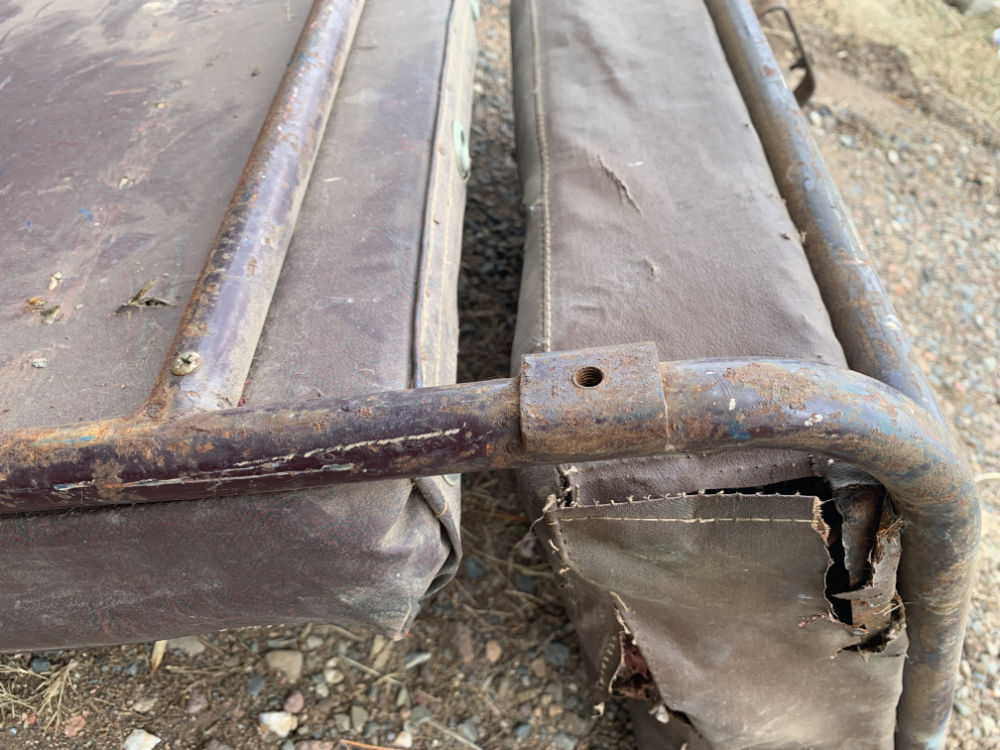
Anyone Recognize this Seat?
Dave’s been trying to figure out some wagon seats he has, but he’s got one seat that he can’t identify (he isn’t sure it belongs to a wagon).
He writes, “I do have one seat that I don’t know about.
Thinking it’s a jeep seat as I got with other jeep stuff but that’s no guarantee.
32” wide. Non folding. Some of original brackets cut.
Believe that part of rear bracket is original. Threaded holes into uprights.”
Meanwhile, Dave was investigating wagon seat differences in general. Neither of us could locate a good source of information on the differences through the years. However, using some of his wagons, he was able to surmise the following. Can anyone provide additional details on the seat differences or point to a good source??:
Per Dave, “Drivers seats are approximately 32” wide, on sliders. Early wagons did not fold (I only have a ’49 with which to compare). Some slightly later wagons driver seats do fold, but I don’t know when that stopped.
Passenger seat seems fairly consistent all throughout, about 15″ wide, long legs fold and tumble. Intermediate or rear narrow seats also about 15” wide, shorter legs fold and tumble.
Wide rear or intermediate seats as stated in parts book, 25” wide. Early ones were non folding, rear legs stab into floor brackets. Maybe also before mounting change became folding. Later fold and tumble.”
Dec 1942 Foreign Service Mag Cover
I ran across this magazine on eBay. Given the cover, I couldn’t resist buying it, though there was no other jeep pics or illustrations within it.