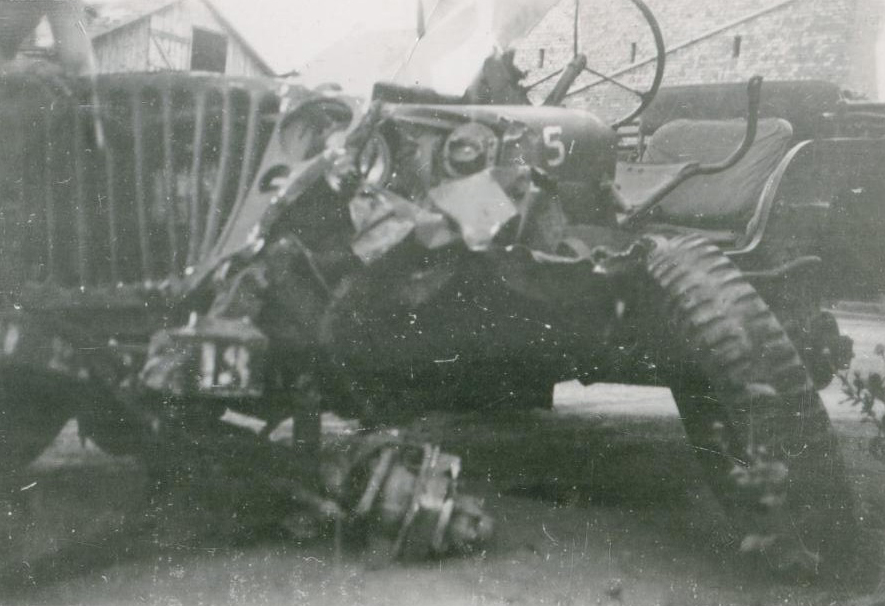
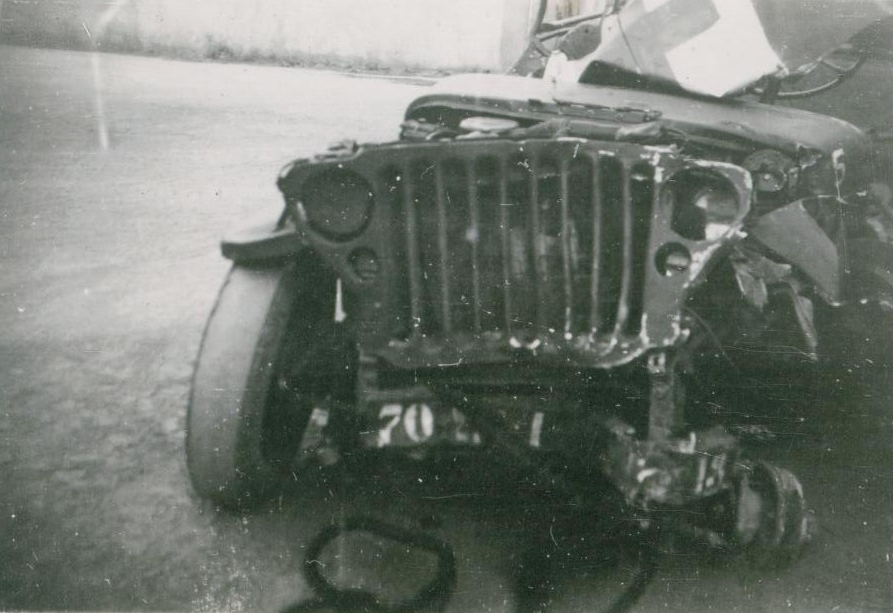
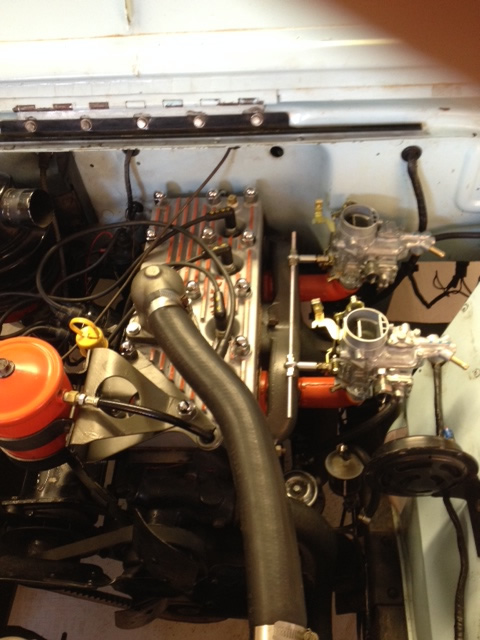
The bottom illustration goes graphic to make a point.
“13 x 18 inch original poster from the US Army Safety Program, printed in 1948. Folded in half as issued. VG condition. Shows a graphic jeep wreck.”
View all the information on eBay
emailNeed to contact me and don't have my email? Click on email button.
Welcome to eWillys.com, a website for vintage jeep enthusiasts. I update this website nearly every day with jeep deals, jeep history, interesting reader projects, jeep related info, and more.
These quick searches can help you find things on eBay. People list in the wrong categories all the time, so don't be surprised to see brochures in the parts area for example. This section used to be split into jeeps, parts and other categories, but recent changes to eBay will require this information to be recoded.
The links to posts below show jeeps grouped by models, condition, and other ways. Some of these jeeps are for sale and others have been sold. If you are unsure whether a vehicle is still for sale or not, email me at d [at] ewillys.com for more info.
There are plenty of interesting, unusual, historic and surprising stories related to Jeeps and their owners. In addition, some of these features have nothing to do with jeeps. This link will display all featured stories starting from the latest.
Looking for parts and not sure where to go? There are a variety of large and small new and used parts sellers both online and offline.
Importantly, the allure of buying a project jeep can be romantic. The reality of restoring a jeep can be quite different, expensive and overwhelming without the right tools and resources. So, tread carefully when purchasing a "project". If you have any concerns about buying a vintage jeep, or run across a scam, feel free to contact me for help, comments or concerns .
The bottom illustration goes graphic to make a point.
“13 x 18 inch original poster from the US Army Safety Program, printed in 1948. Folded in half as issued. VG condition. Shows a graphic jeep wreck.”
View all the information on eBay
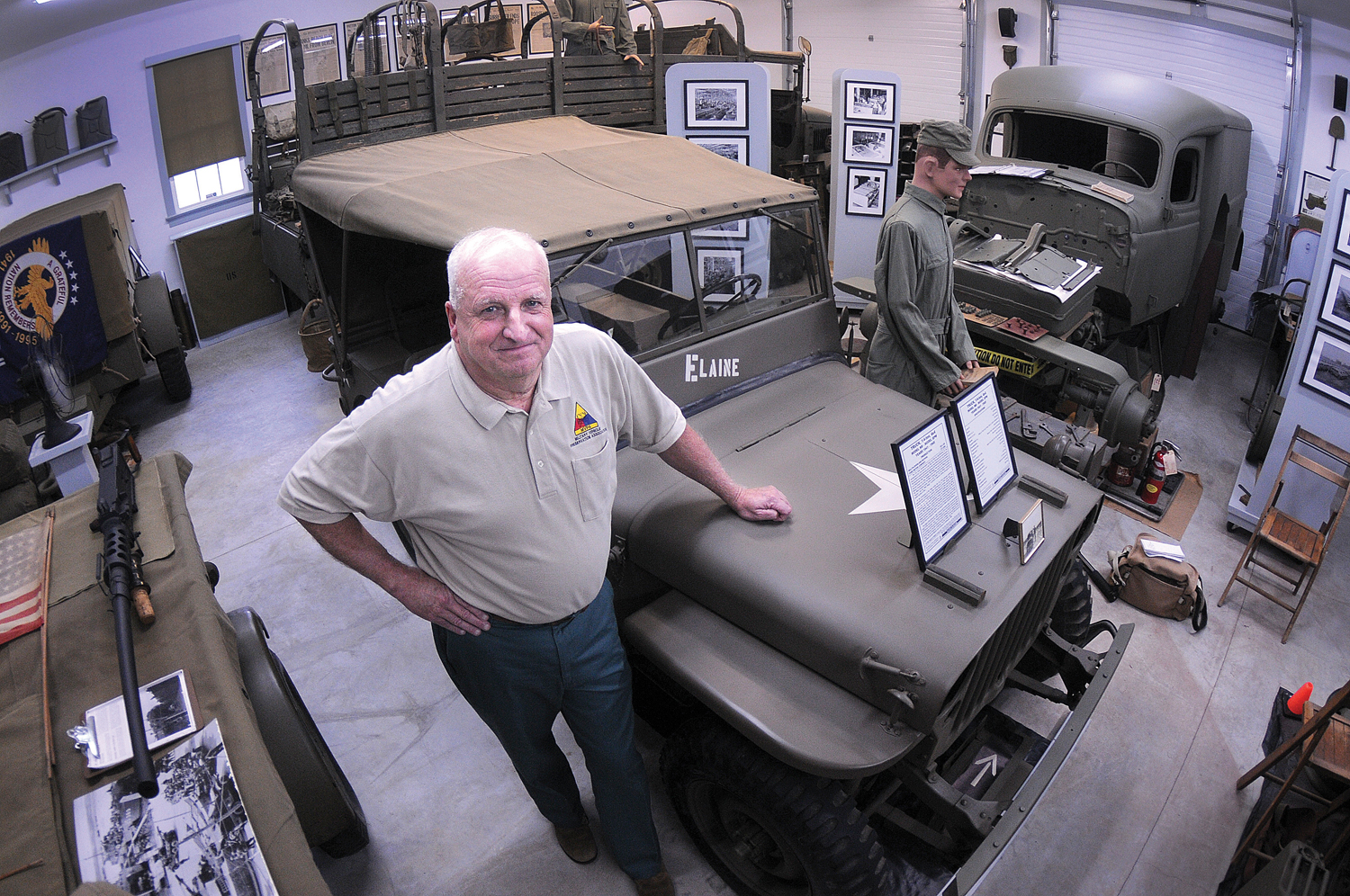
Photo Credit: T. Anthony Bell & the Hopewell News
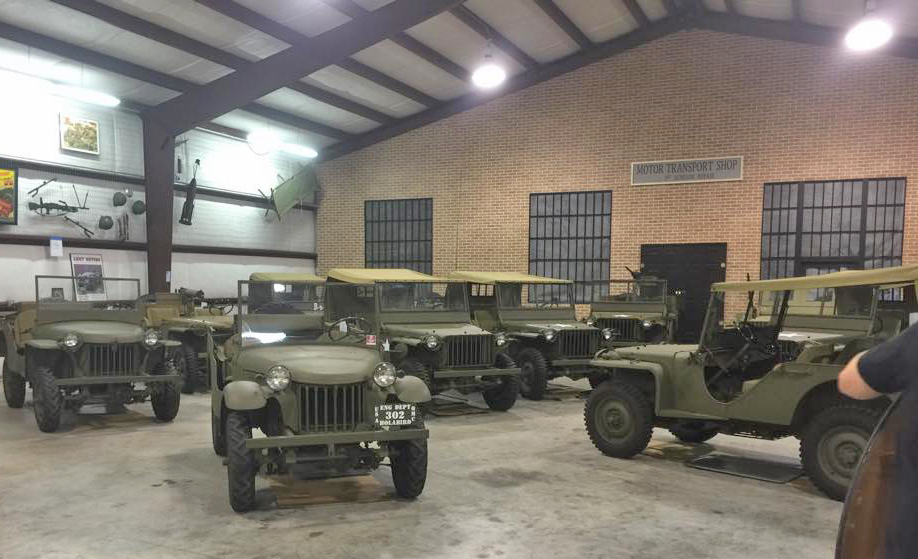
I ran across this article that shares Lee Holland’s efforts to replicate a working WWII motor pool. The building’s interior was organized based on actual motor pool plans. You can learn all about it at the Hopewell News: http://www.hopewellnews.com/article_7861.shtml
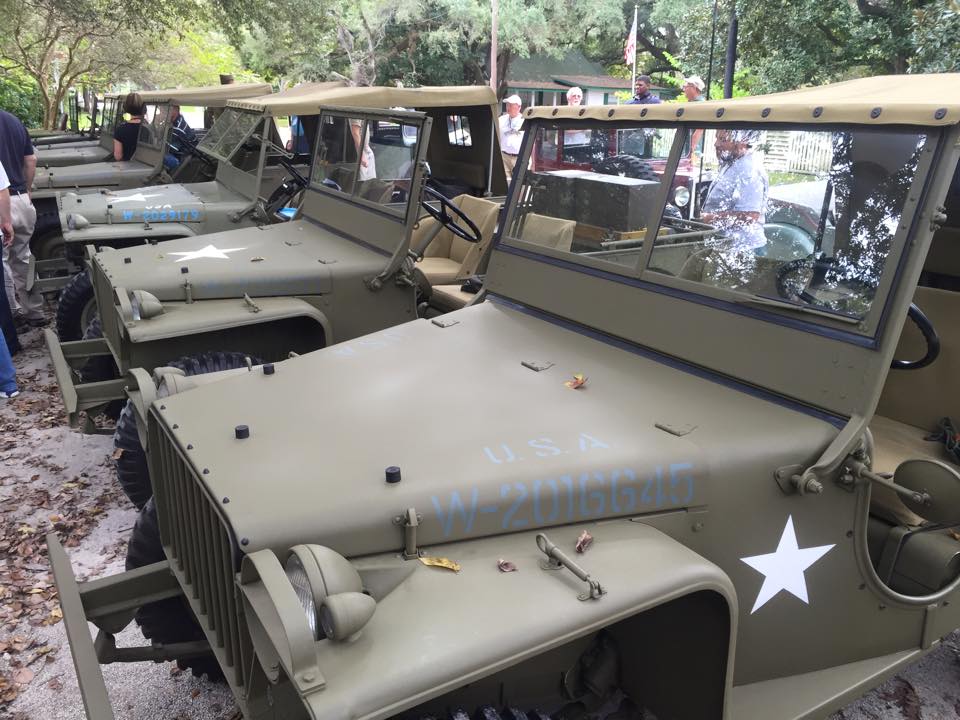
For those not on Facebook’s Austin Bantam Society’s page, you missed some great photos from BRC75, the seventieth anniversary of the original Bantam BRC. Bill Spear discusses the Bantam’s origins on this post. Both photos below were taken at one of the group’s event at the U.S. Veterans Memorial Museum.
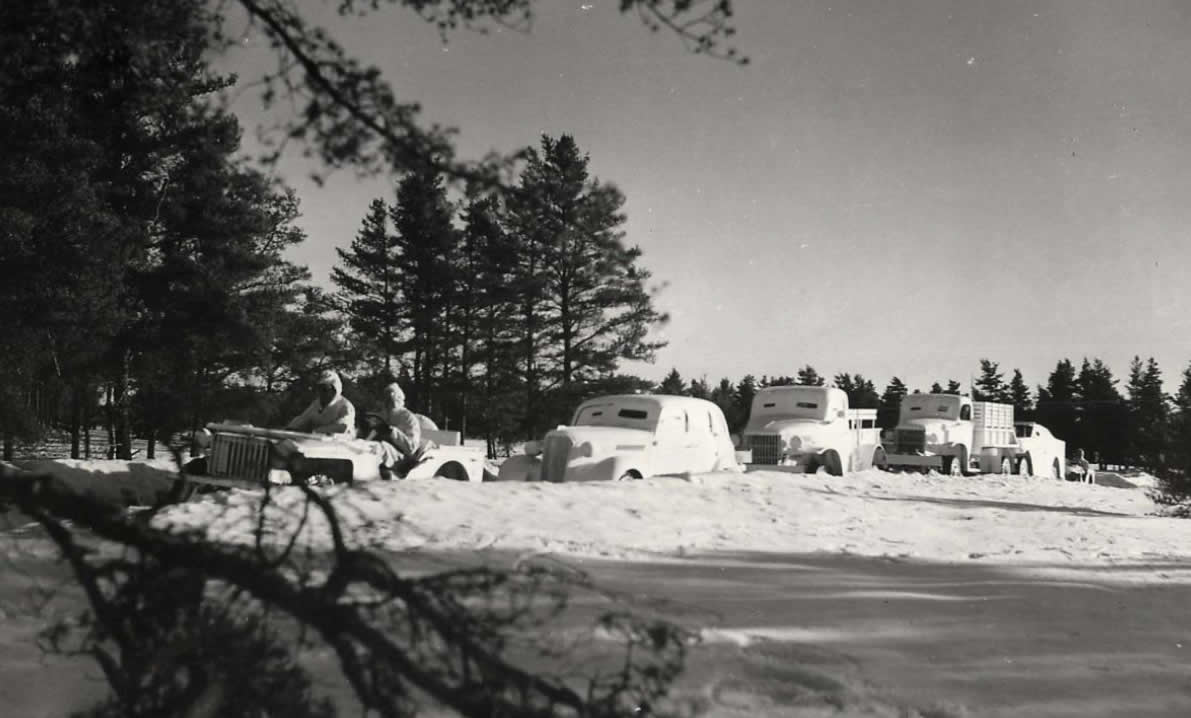
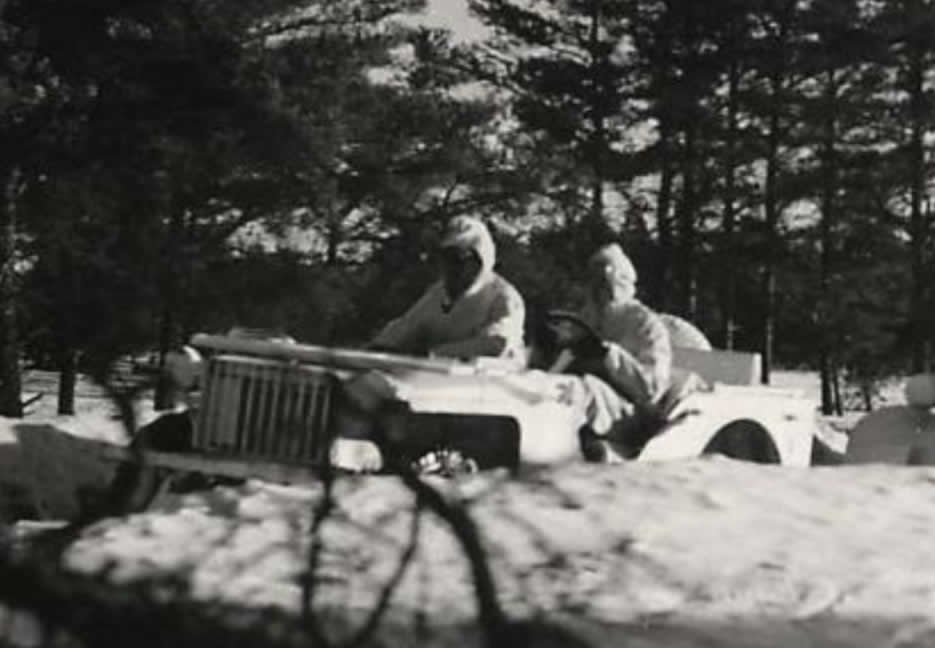
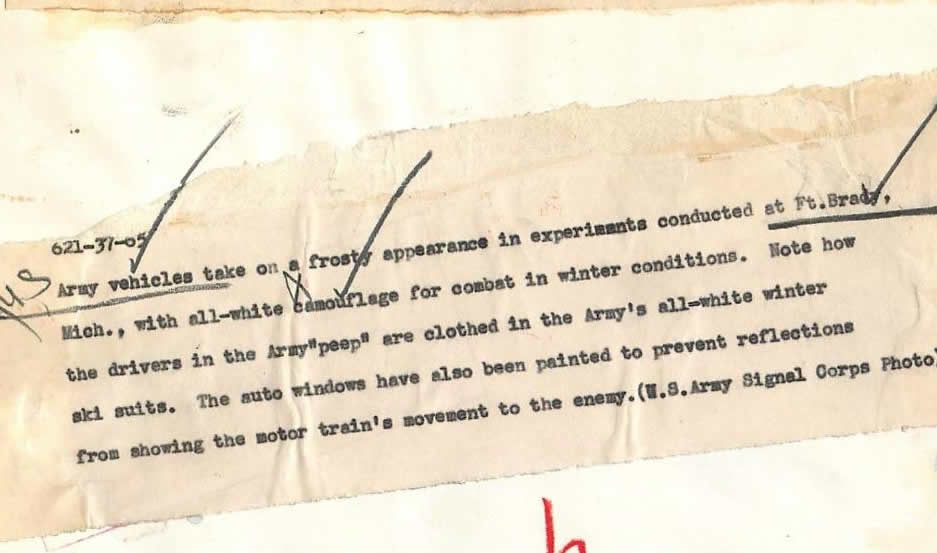
Here’s an unusual photo of a Bantam BRC-60 dressed in white.
“1942- U.S. Army peep and other vehicles with all-white camouflage during experiments conducted at Fort Brady for combat in winter conditions.”
View all the information on eBay
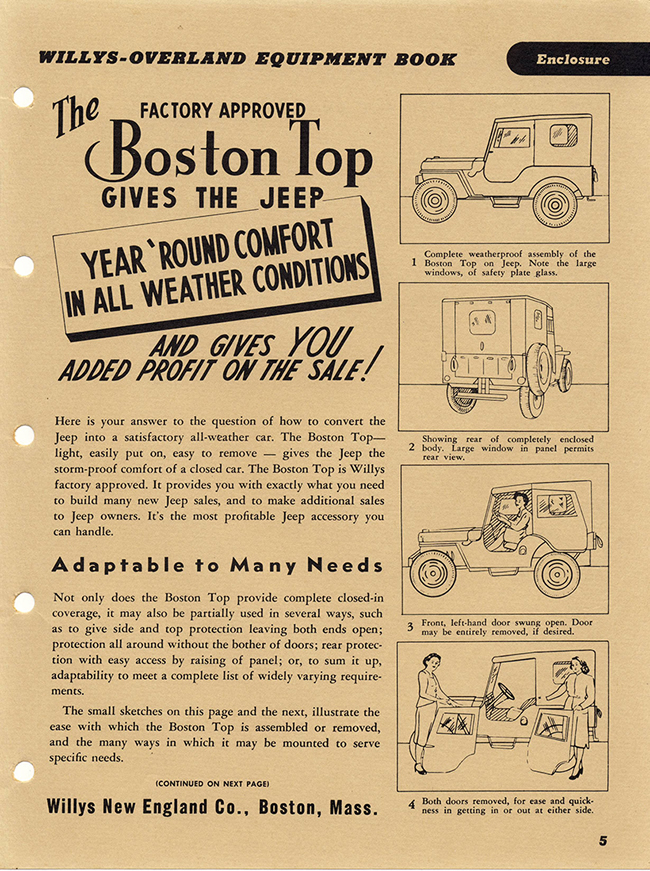
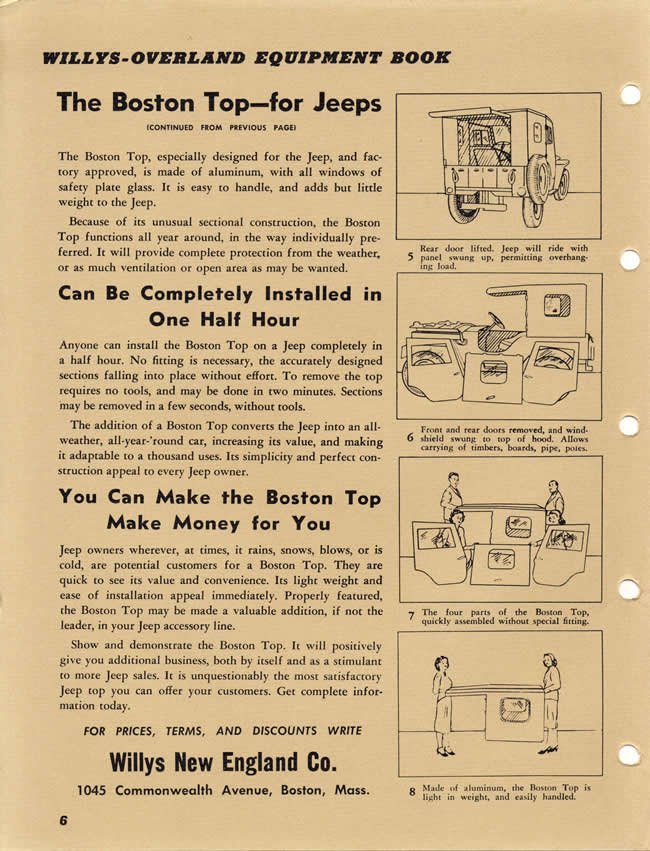
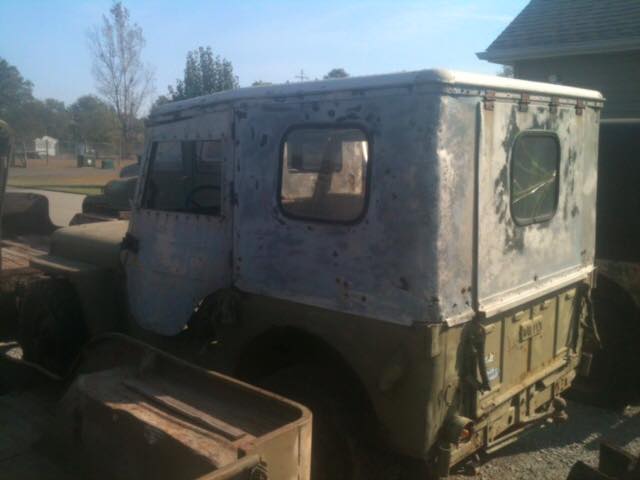
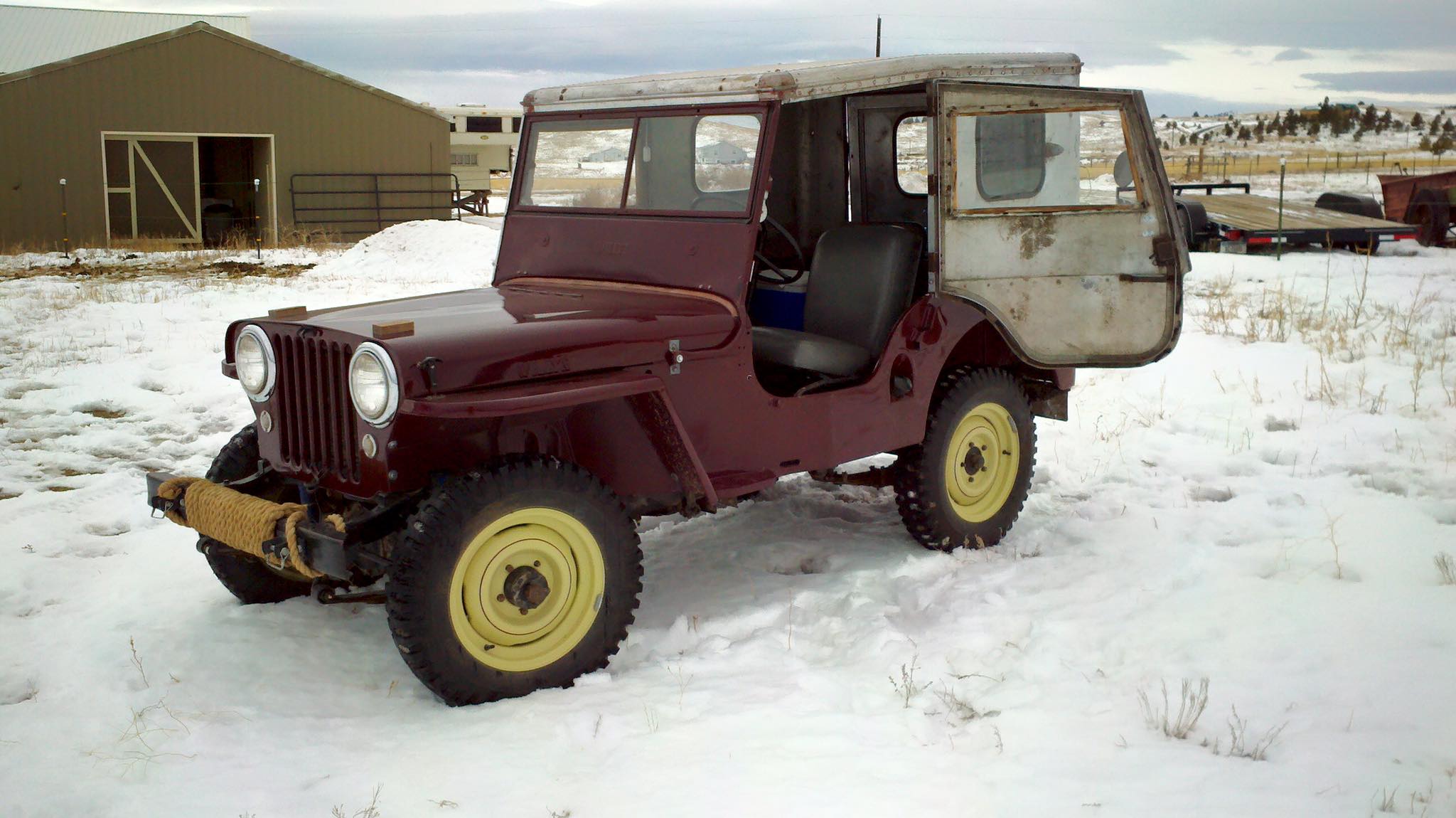
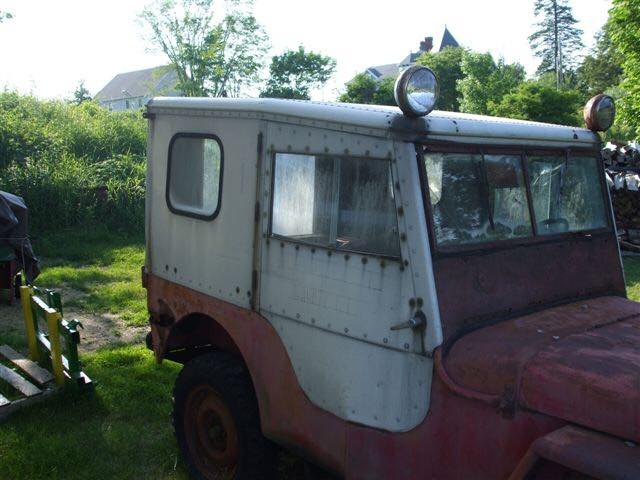
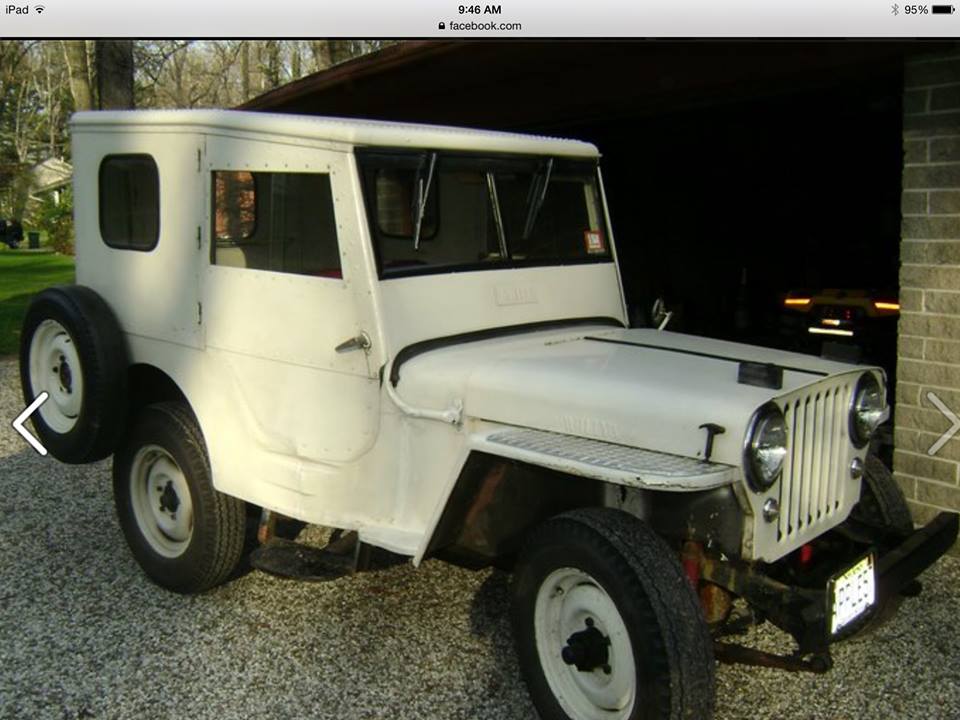
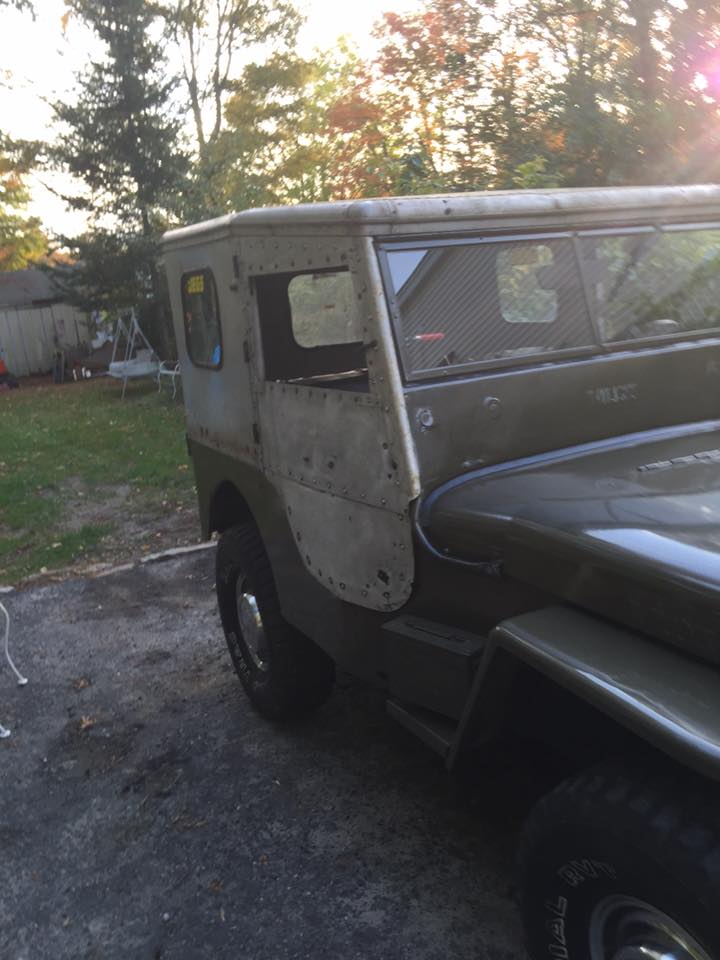
UPDATE: Mystery solved. I found a couple brochures about this top. They were published in a 1947ish Willys Overland Equipment Book (thanks to Jon for letting me scan that particular folder). The suicide doors were original to this top. Examples of The Boston Top below:
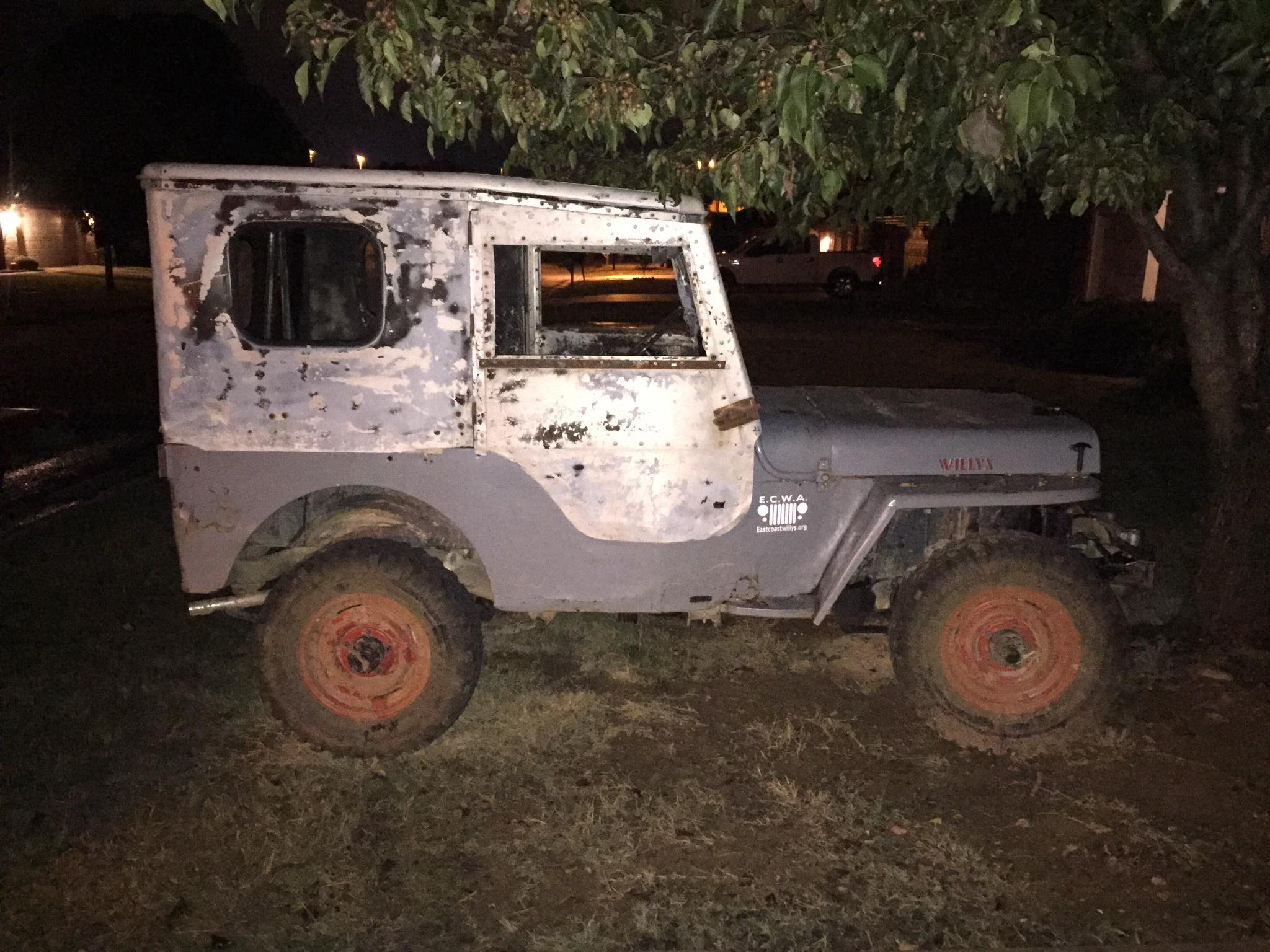
he first two photos show Spencer Landers’ top on two different jeeps.
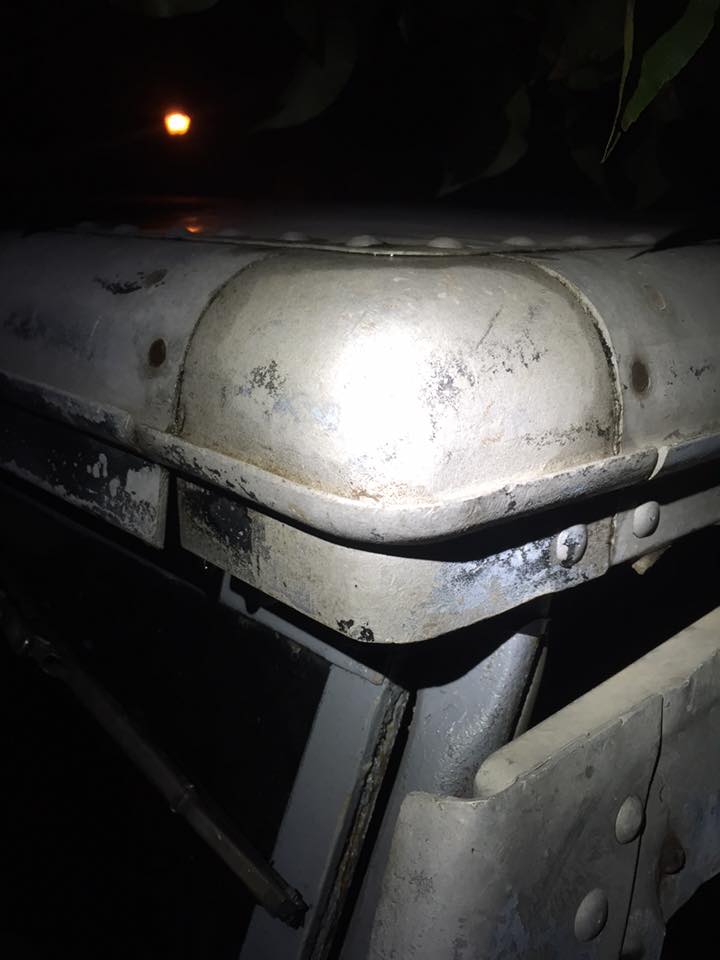
Close up of the corners.
These photos show more examples of the top:
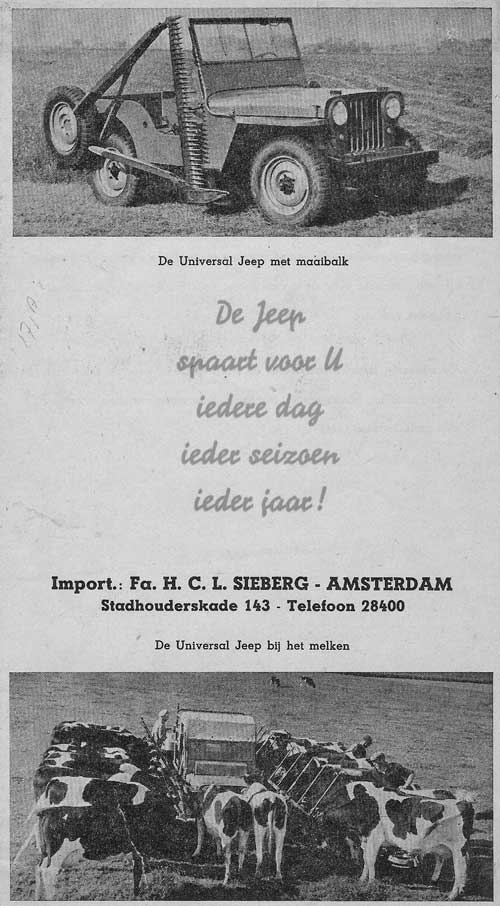
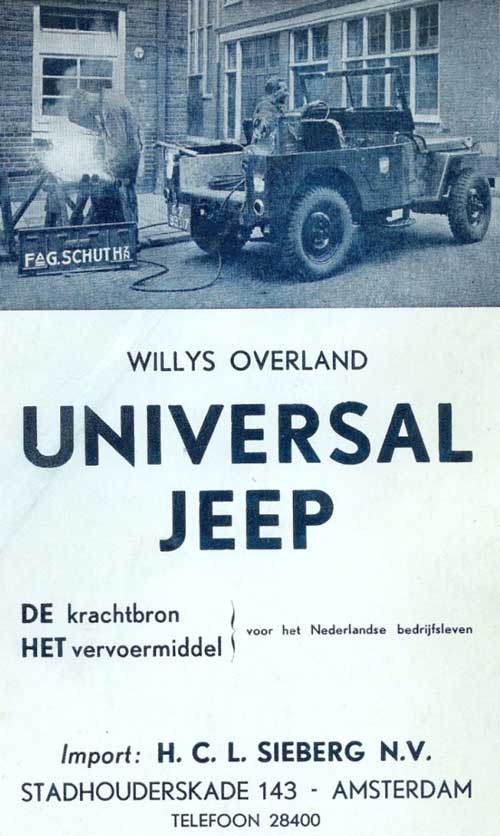
The Netherlands firm of H.C.L. Sieberg began selling jeeps in 1946 after acquiring 1400 jeeps from an army depot. The firm bought an additional 1000 jeeps. In May of 1946 Director L.F.J. Mählmeijer visited Toledo to secure an agreement for supply Sieberg with parts. Sieberg got permission to import four CJ-2As, called the “peace jeep” in the Netherlands, for demonstration purposes. It was an uphill battle, but overtime, the government allowed the company to import more jeeps for agricultural purposes.
Below are some examples of Sieberg brochures printed in Dutch. Thanks to Charles for sharing these photos. The photos and the history was published at conam.info in Dutch. You can read an english translated version of the page here.
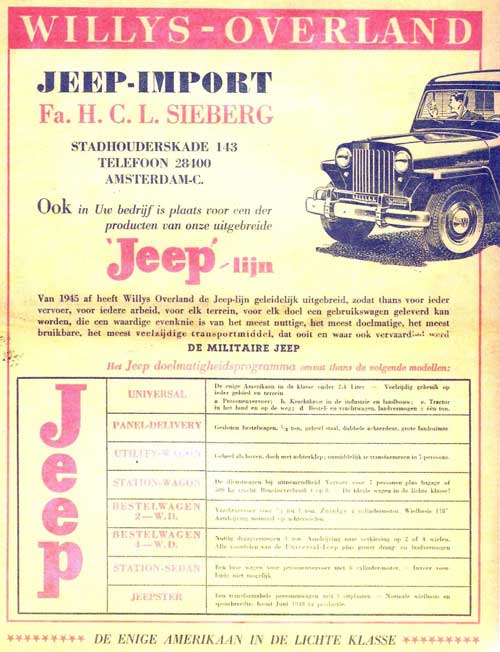
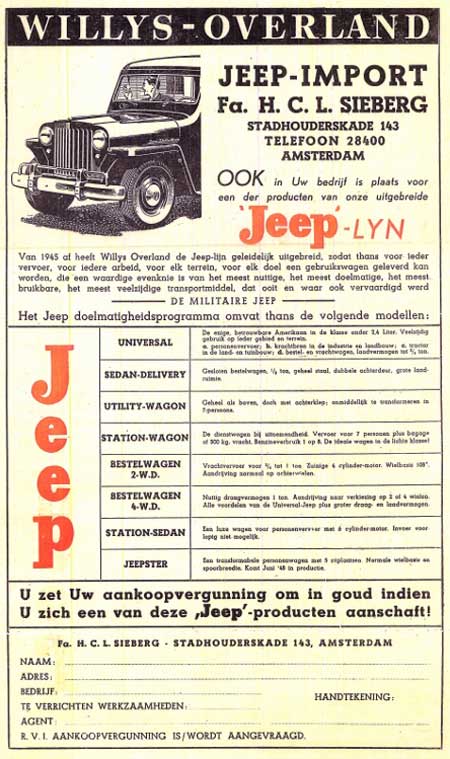
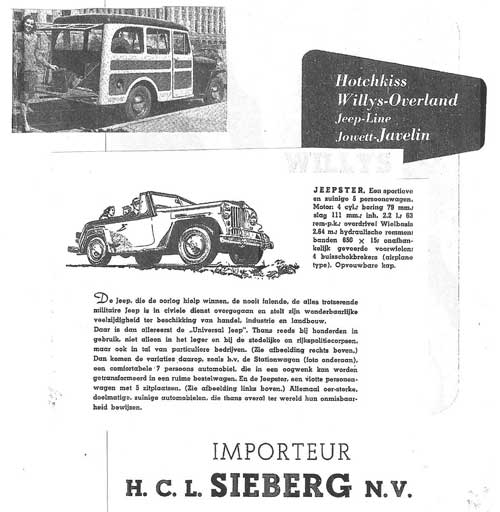
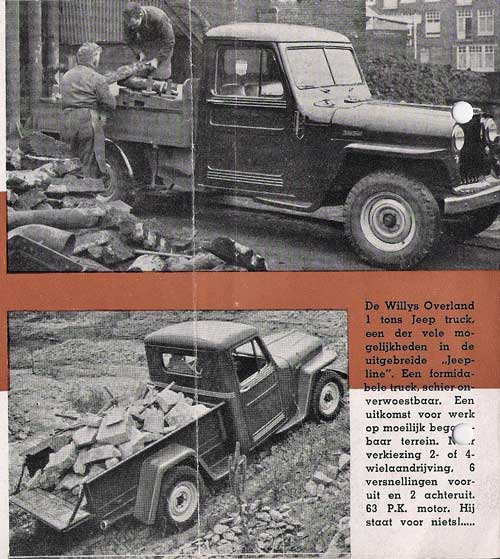
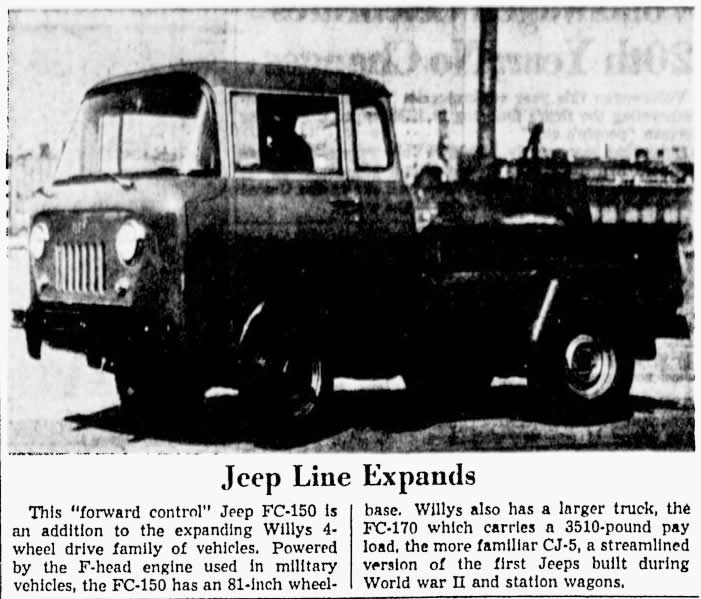
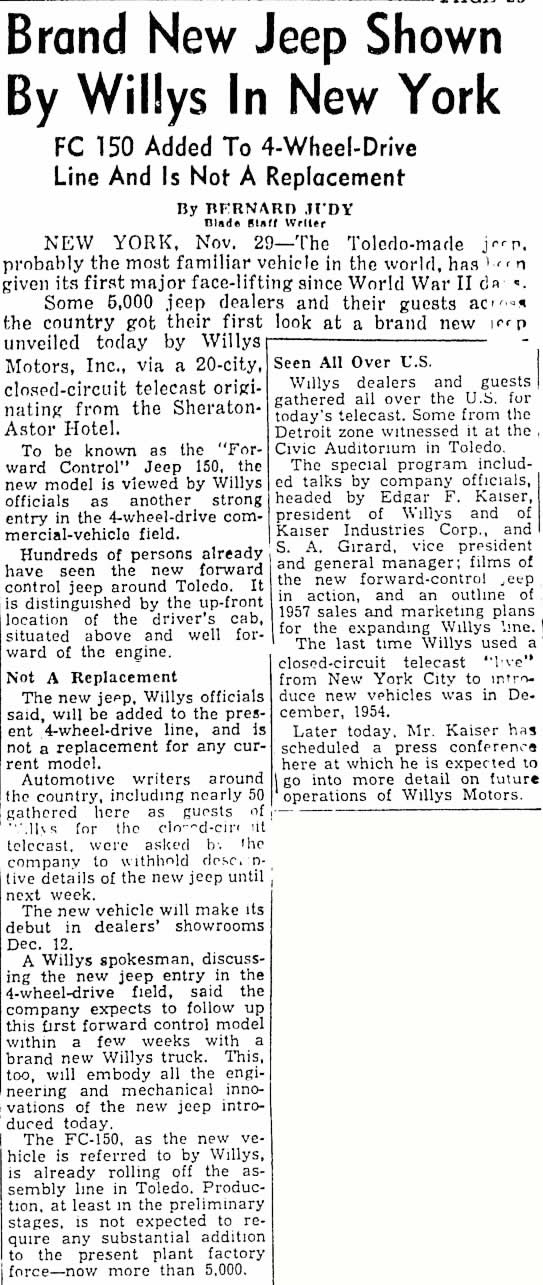
The photo below appeared in a 1958 article from the Spokesman-Review. The article below comes from a November 29, 1956 article in the Toledo Blade that announced the FC’s introduction.
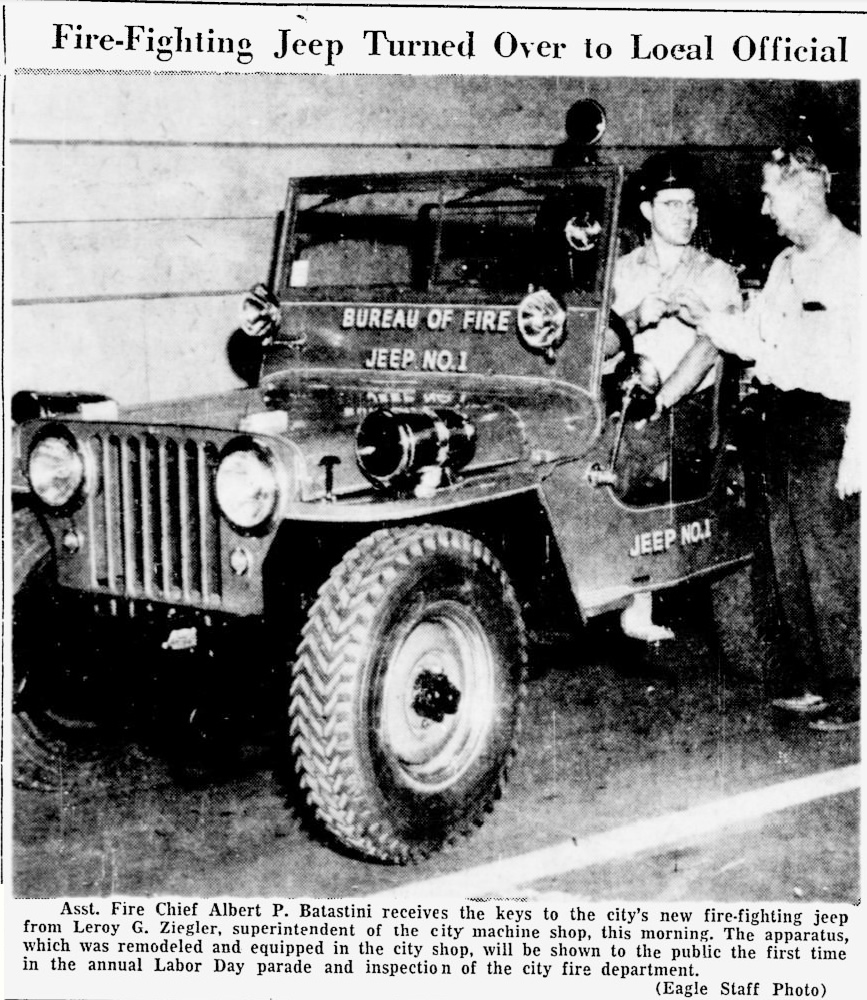
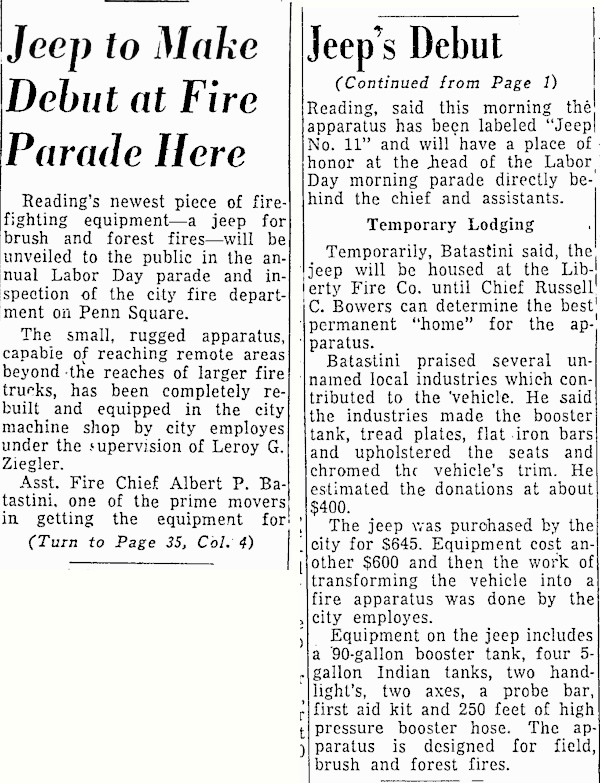
This photo and article was published in the August 29, 1957, issue of the Reading Eagle from Reading, Pennsylvania. It looks to be a CJ-2. It sounds like it has been refurbished into a brush fire-fighting jeep. The article indicates this would be called Jeep No. 11, yet it is labeled Jeep No. 1.
Colin bought a Hickey aluminum cylinder head to modify his 1960 Surrey, but ran into some problems with it. Below he describes the changes he made, the problems he encountered, and his current solution. Thanks for sharing Colin!
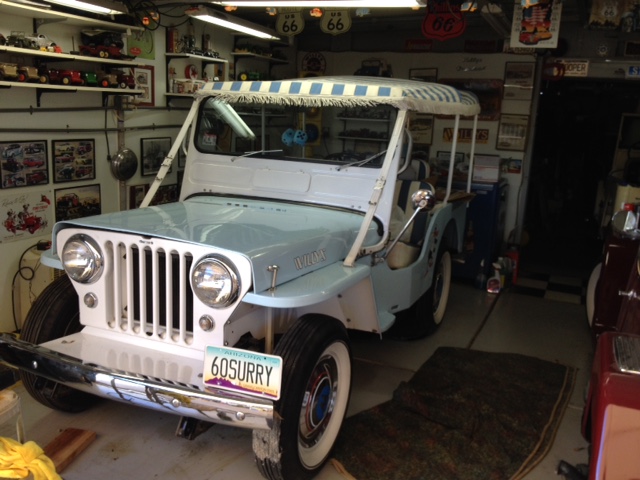
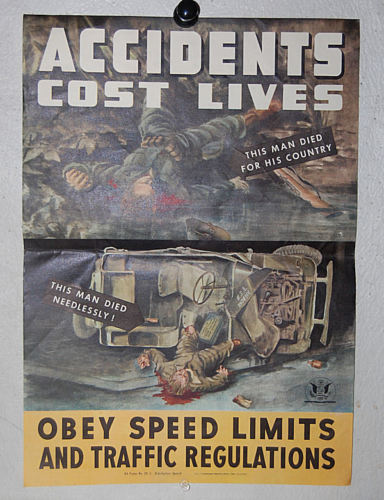
I started a hop-up project on our Surrey that involved the installation of a 1950s Nick Hickey aluminum cylinder head for the L-134. That morphed into the fabrication of a dual carb setup using two intake manifolds with a balance tube an F Head exhaust manifold that a very good friend, Steve Mason, and I fabricated out of an old manifold supplied by Jim Sullivan.
The first issue was the two new Weber carbs. They were supposed to be synchronized and jetted the sam, but weren’t. That led to the rear carb dumping extra fuel into #s 3&4, resulting in a blown head gasket which dumped coolant into those cylinders.
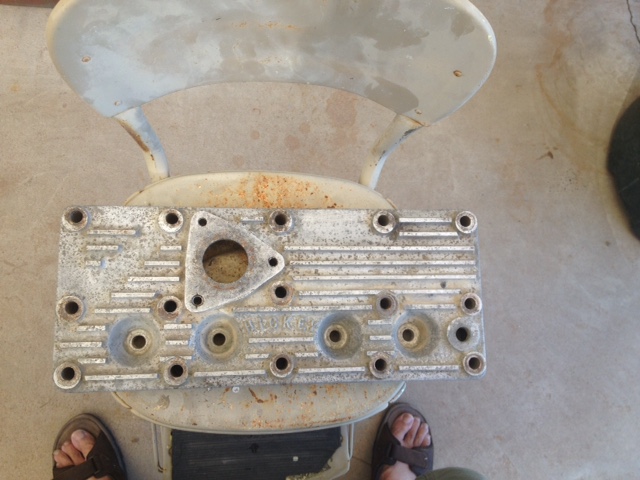
Hickey head top and bottom.
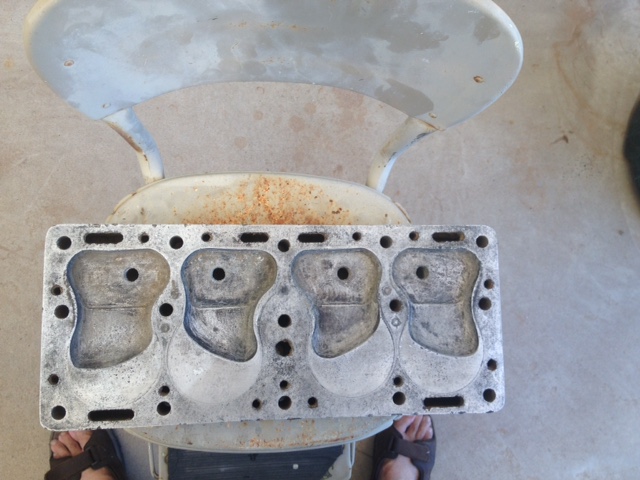
Took it all apart, rejetted the carbs and had the head resurfaced. I finished buttoning everything up and fired it up. adjusted the carbs slightly, running smooth, then noticed coolant in the #2 spark plug recess. Shut it off, pulled all plugs, could see coolant in #2, and steam coming from what must be a crack in the threads.
When I had the engine running previously I did not have water pooling in the plug basins. Upon looking at the plugs, the electrodes indicated the possibility of them coming in contact with the valves. Took a very hi intensity flashlight and looked into the cylinders and at least two of the valves I saw the imprint of the electrode on the valves.
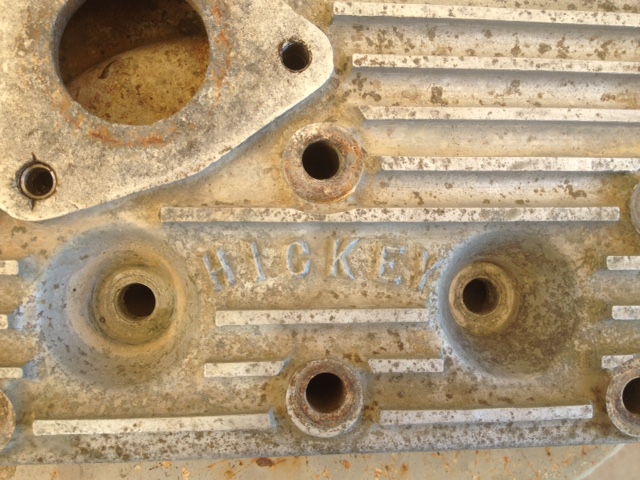
So my theory is this:
I had the head resurfaced and in that process, the machine shop used an epoxy to smooth the surface indentations( corrosion?), and then did the resurface. The plugs I had used were nearly new from the original head. Those electrodes did not extend into the combustion chamber. The machine shop( guys who do a lot of work on Ford V8s with aluminum heads told me to get plugs with a slightly longer shank for better combustion. So I did. Only a small imperceptible difference in length.